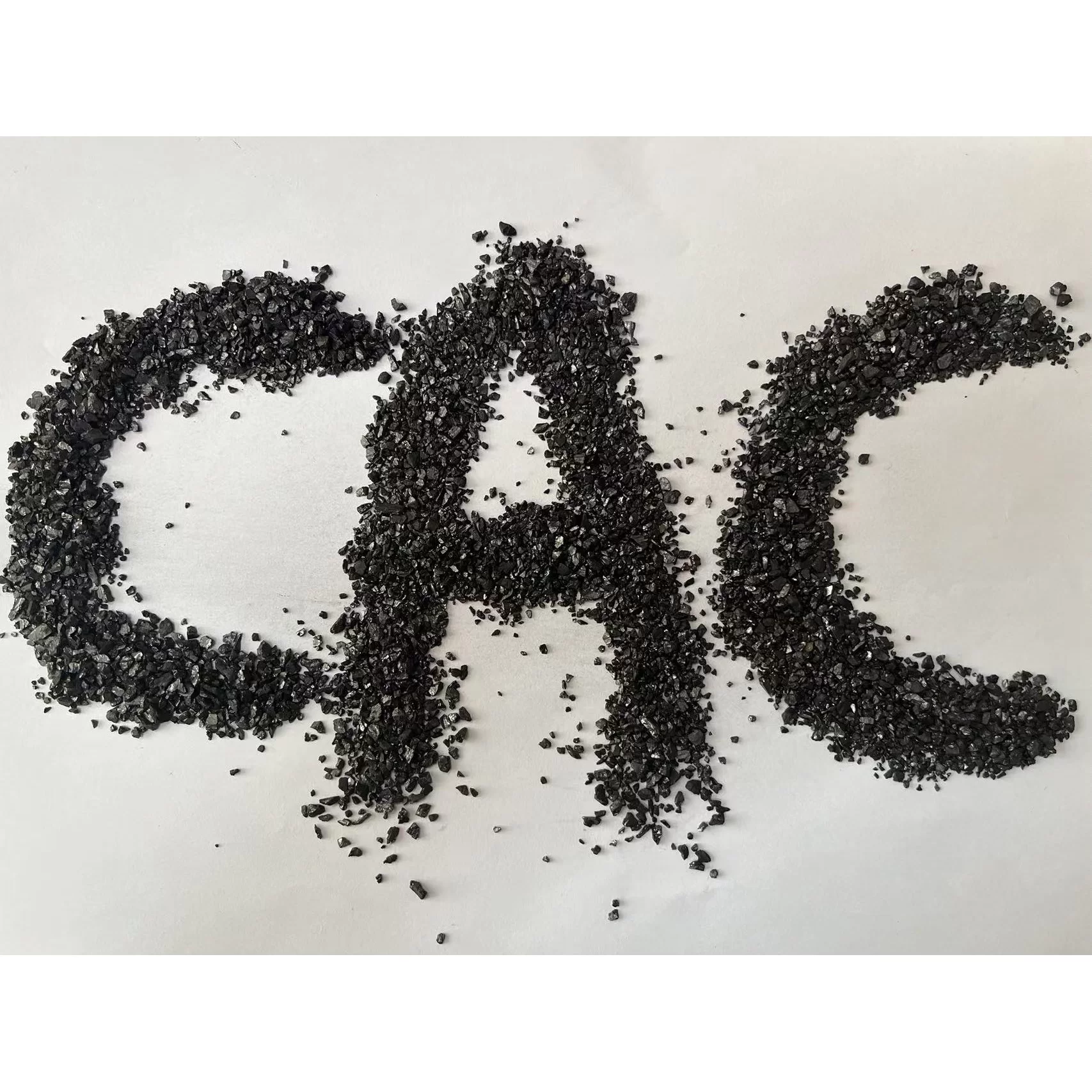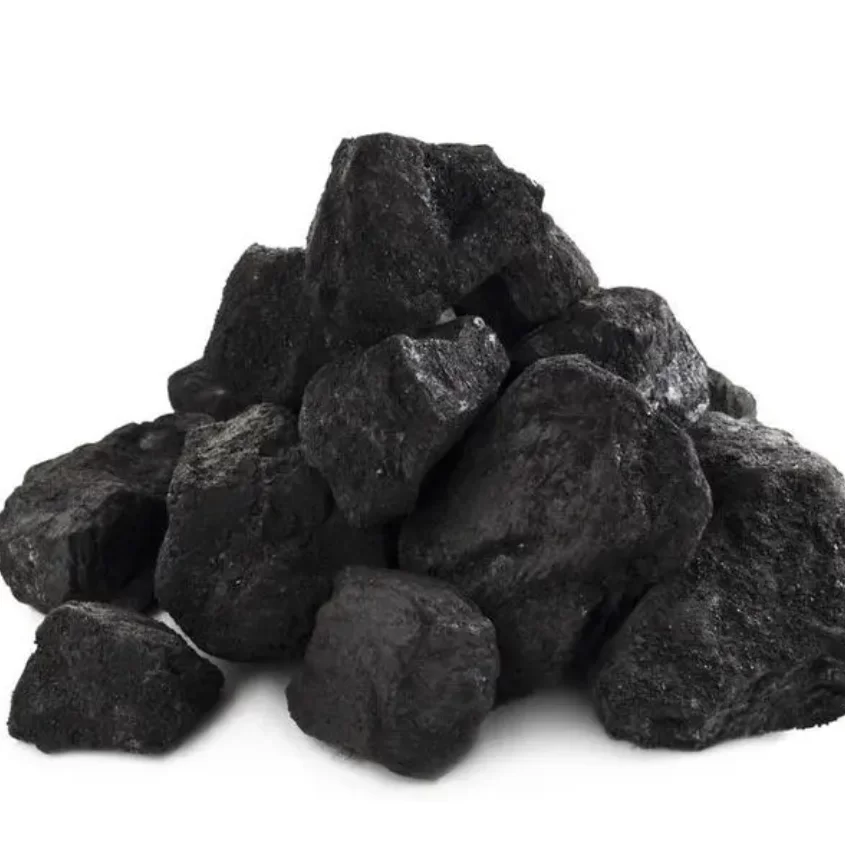
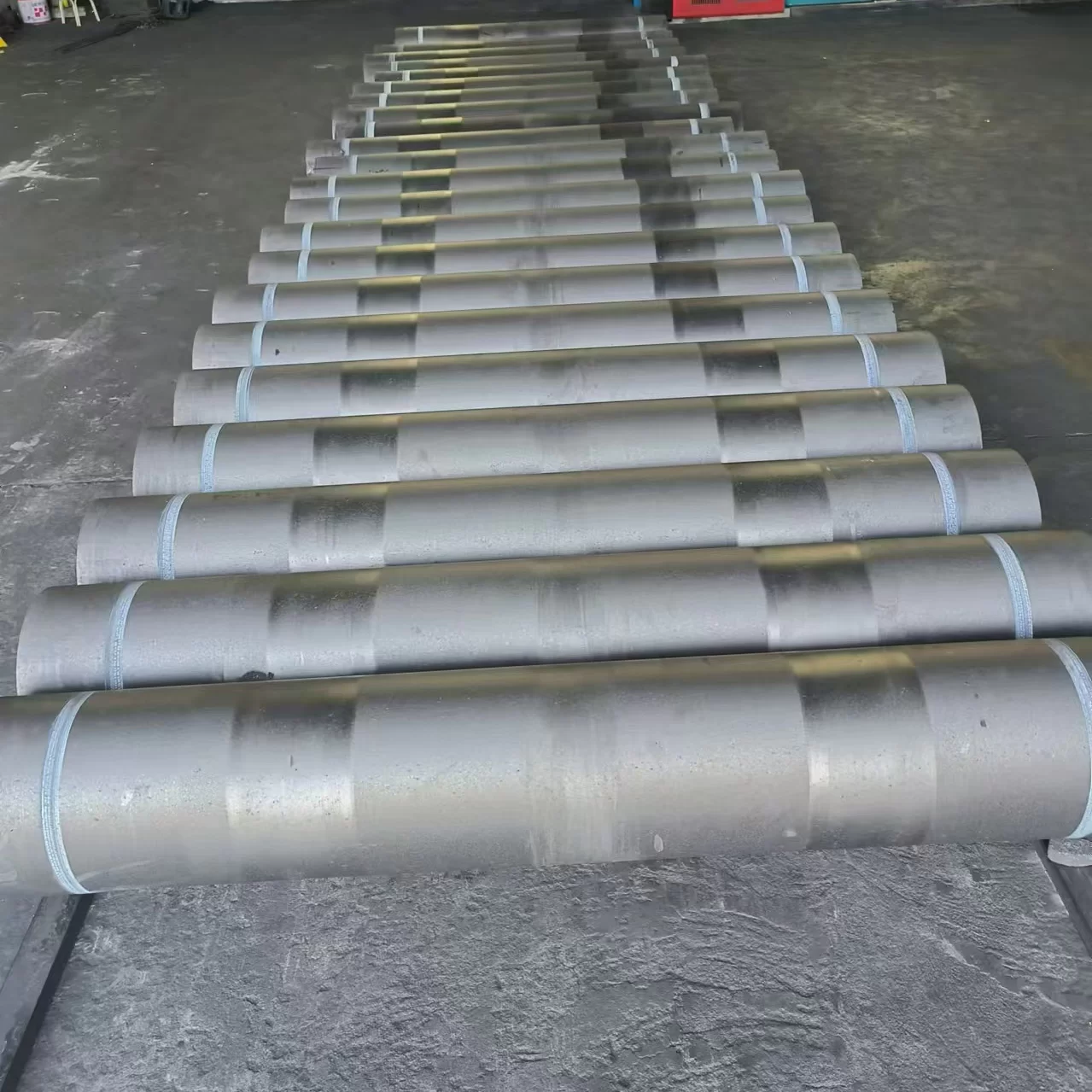
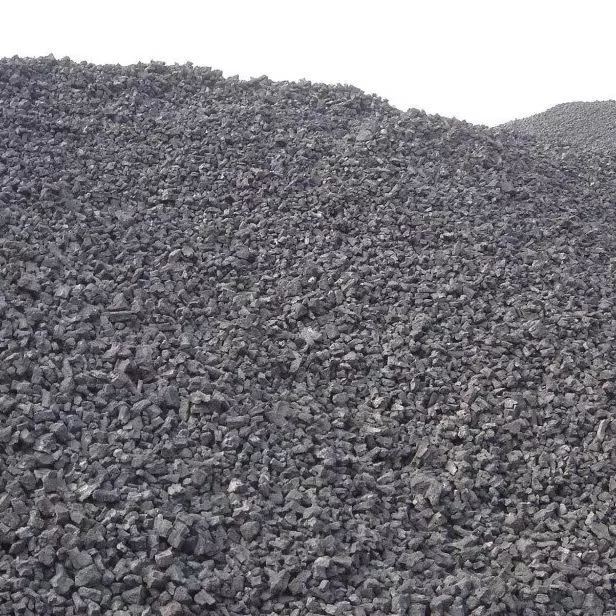
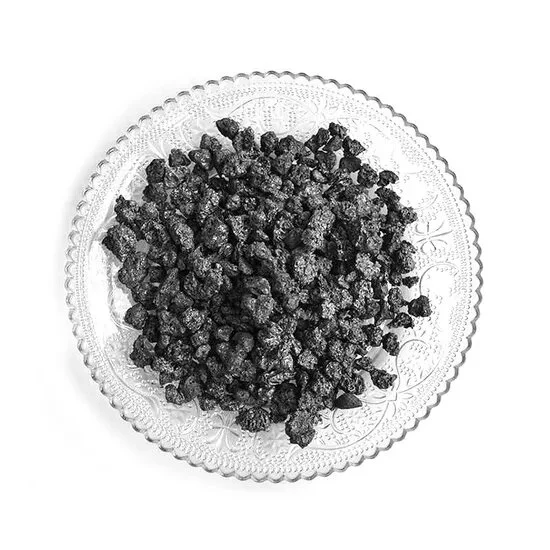
In Sri Lanka, the industrial sector is characterized by a growing demand for infrastructure and metal processing. The reliance on calcined petroleum coke has become critical for local foundries seeking to improve the quality of steel and alloy production amidst fluctuating raw material costs.
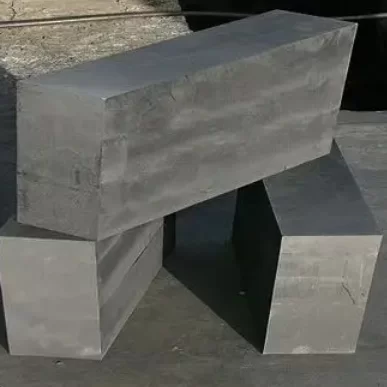
The humid tropical climate of the region poses a significant challenge for the storage and handling of carbon products. Moisture absorption in low-grade materials often leads to oxidation, making the demand for high-density graphite blocks essential for furnace linings to prevent premature degradation.
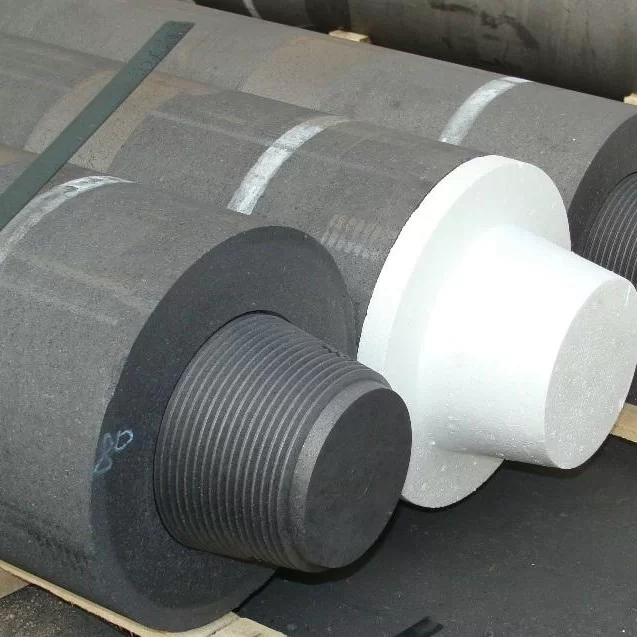
Economic shifts toward sustainable manufacturing in Sri Lanka are pushing local factories to transition from traditional fuels to more efficient carbon additives, optimizing the use of graphite powder for precision lubrication and specialty chemical applications.