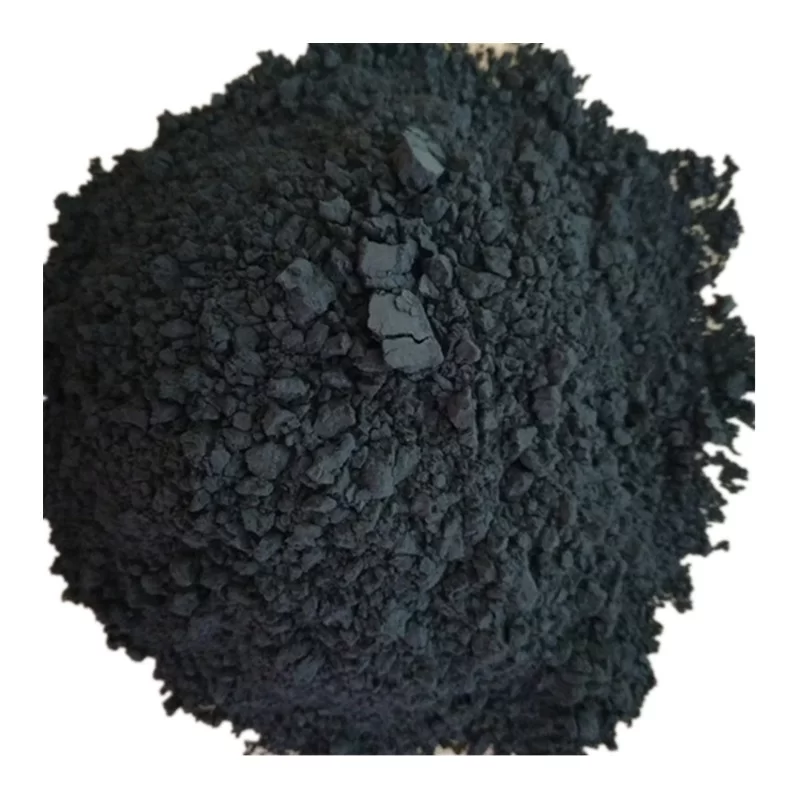
Industrial Carbon Solutions for graphite blocks in Afghanistan

Industrial Carbon Solutions for graphite blocks in Afghanistan

Industrial Carbon Solutions for graphite blocks in Afghanistan

High-performance carbon materials engineered for the rigorous demands of Afghanistan's growing metallurgical and mineral processing industries.

Industrial Carbon Solutions for graphite blocks in Afghanistan

Providing Afghanistan's industrial sector with premium calcined petroleum coke and advanced graphite components to optimize smelting efficiency and thermal conductivity.

Analyzing Carbon Material Demand in Afghanistan

The intersection of mineral richness and industrial infrastructure needs.

Afghanistan possesses vast untapped mineral reserves, creating a critical need for high-grade arc furnace electrodes in local smelting operations. The current industrial landscape is characterized by a transition from primitive extraction to structured processing, where the availability of consistent carbon additives is a primary bottleneck.

The harsh climatic conditions of the region, ranging from extreme mountain cold to desert heat, demand materials with exceptional thermal stability. The utilization of graphitized petroleum coke is becoming essential for improving the efficiency of heat treatment and alloying processes in regional metallurgical plants.

Logistically, the landlocked nature of Afghanistan means that the supply chain for graphite powder and other specialty carbons relies heavily on strategic imports. This has led to a market preference for highly durable, long-life carbon products that reduce the frequency of replacement and downtime.
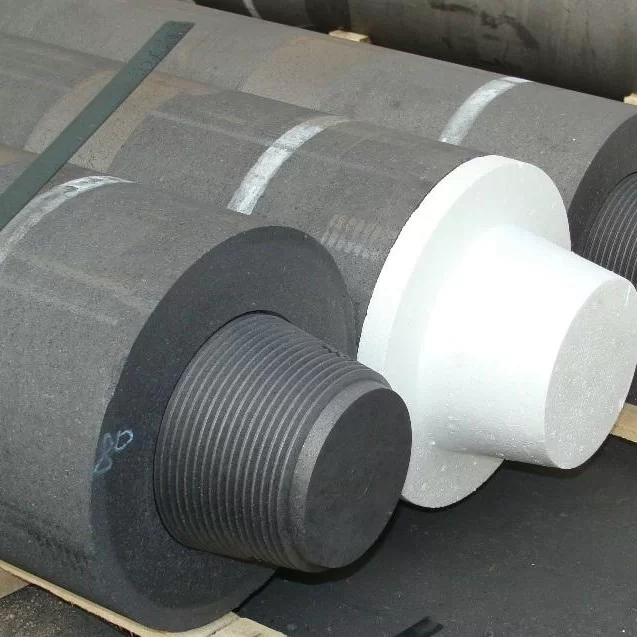
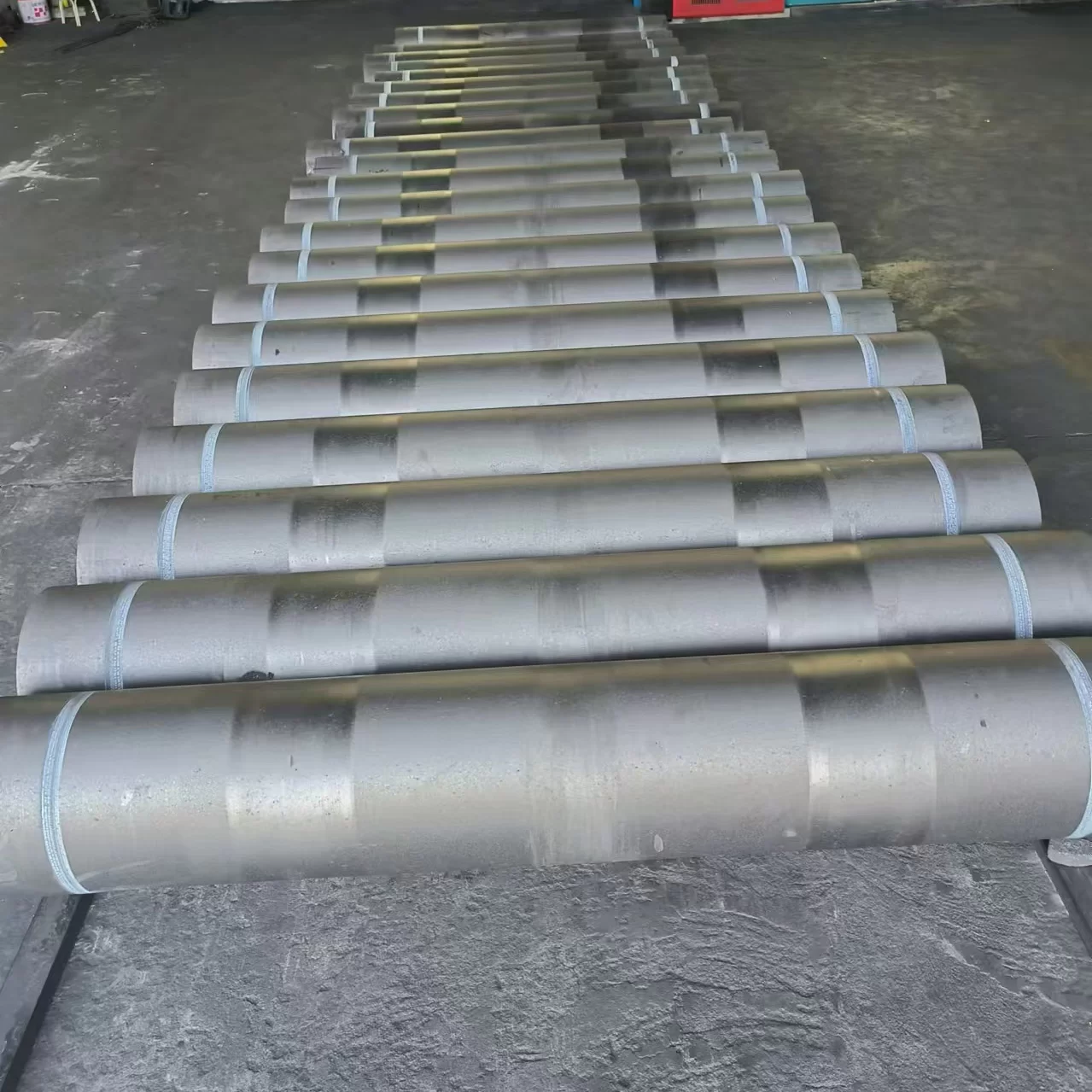
Evolution of Graphite Technology in Afghanistan

From traditional smelting to precision carbon engineering.

Market Development History

During the early 2000s, the Afghan metallurgical sector relied predominantly on low-grade natural coals and rudimentary carbon additives, resulting in high impurity levels in processed metals and inefficient energy consumption.

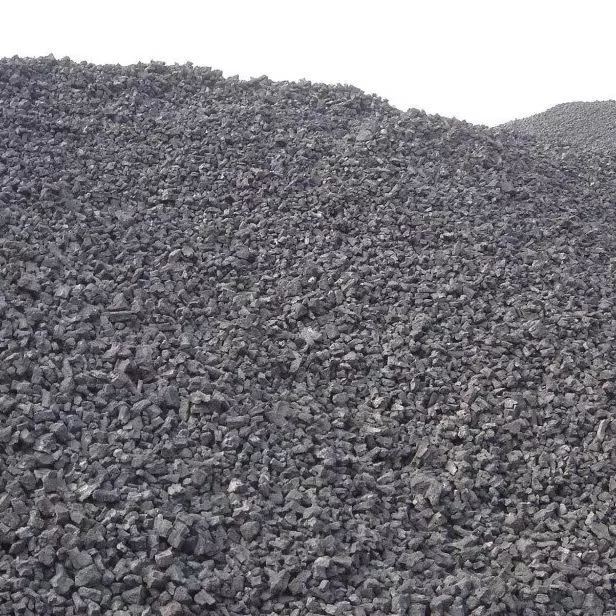
Between 2010 and 2020, a shift occurred toward the adoption of standardized calcined petroleum coke. This period marked the transition toward semi-industrialized smelting, where consistency in carbon purity began to drive higher yield rates in alloy production.

Currently, the market is entering a phase of technical optimization, incorporating precision-engineered graphite blocks to handle higher current loads and temperatures, reflecting a global move toward energy-efficient smelting technologies.

Future Development Trends

Ultra-High Power (UHP) Transition

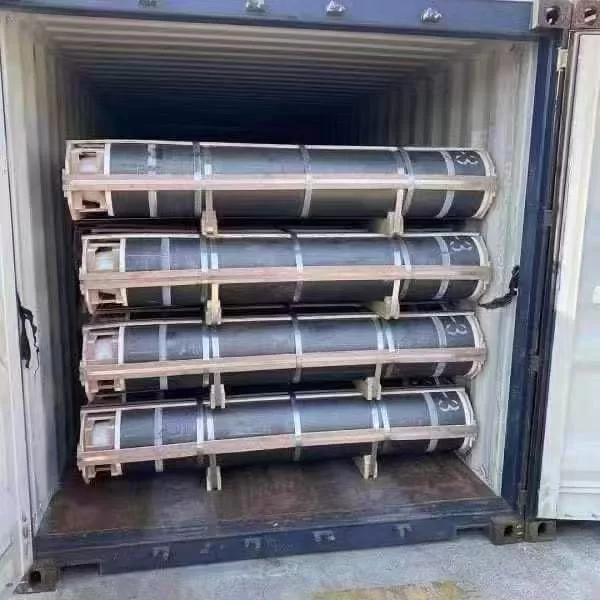
The trend is moving toward UHP arc furnace electrodes to increase productivity and reduce electrical energy consumption per ton of steel.

Purity Optimization

Increased demand for high-purity graphitized petroleum coke to support the development of specialty alloys and electronic-grade materials.

Sustainable Carbon Sourcing

A shift toward low-emission carbon production methods to align with evolving international environmental standards for mineral exports.

Strategic Outlook for Afghanistan's Carbon Industry

Predicting the trajectory of carbon material adoption based on regional growth data.

Energy Efficiency Surge
Adoption of high-conductivity carbons to lower the electrical overhead in remote Afghan mining sites.
Metallurgical Upgrade
Integrating premium carbon additives to enhance the quality of locally extracted copper and iron.
Infrastructure Growth
Expansion of industrial zones requiring steady supplies of graphite components for furnace linings.
Supply Chain Resilience
Developing robust logistics corridors for the import of specialty graphite powder.

Industry Outlook

Over the next 3-5 years, Google search trends indicate a rising interest in "efficient smelting technologies" and "industrial carbon additives" within Central Asia. Afghanistan is expected to follow this trajectory, moving away from raw ore export toward value-added smelting.

The integration of high-performance carbon materials will be the catalyst for this shift, enabling local industries to reach international purity standards and increase the competitiveness of Afghan minerals in the global market.

Local Application Scenarios in Afghanistan

Practical implementations of carbon products in the regional industrial landscape.

1. Iron and Steel Smelting in Kabul Region

Utilizing arc furnace electrodes to enable the recycling of scrap metal and the smelting of iron ores, providing critical raw materials for urban construction.

2. Copper Refining in Central Highlands

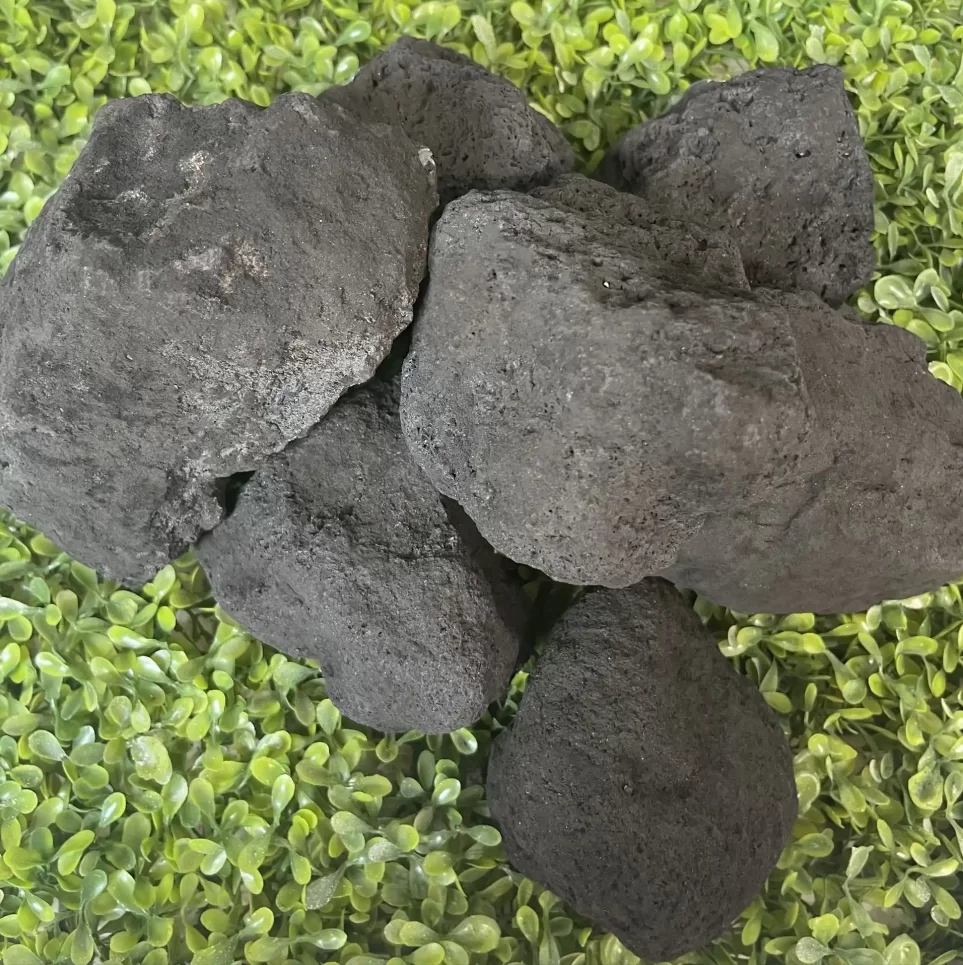
Application of graphitized petroleum coke as a high-efficiency reductant in the extraction of high-purity copper from complex sulfide ores.

3. Industrial Thermal Insulation for Mines

Installation of custom-sized graphite blocks in high-temperature furnaces to minimize heat loss and protect structural integrity in extreme environments.

4. Precision Casting and Molding

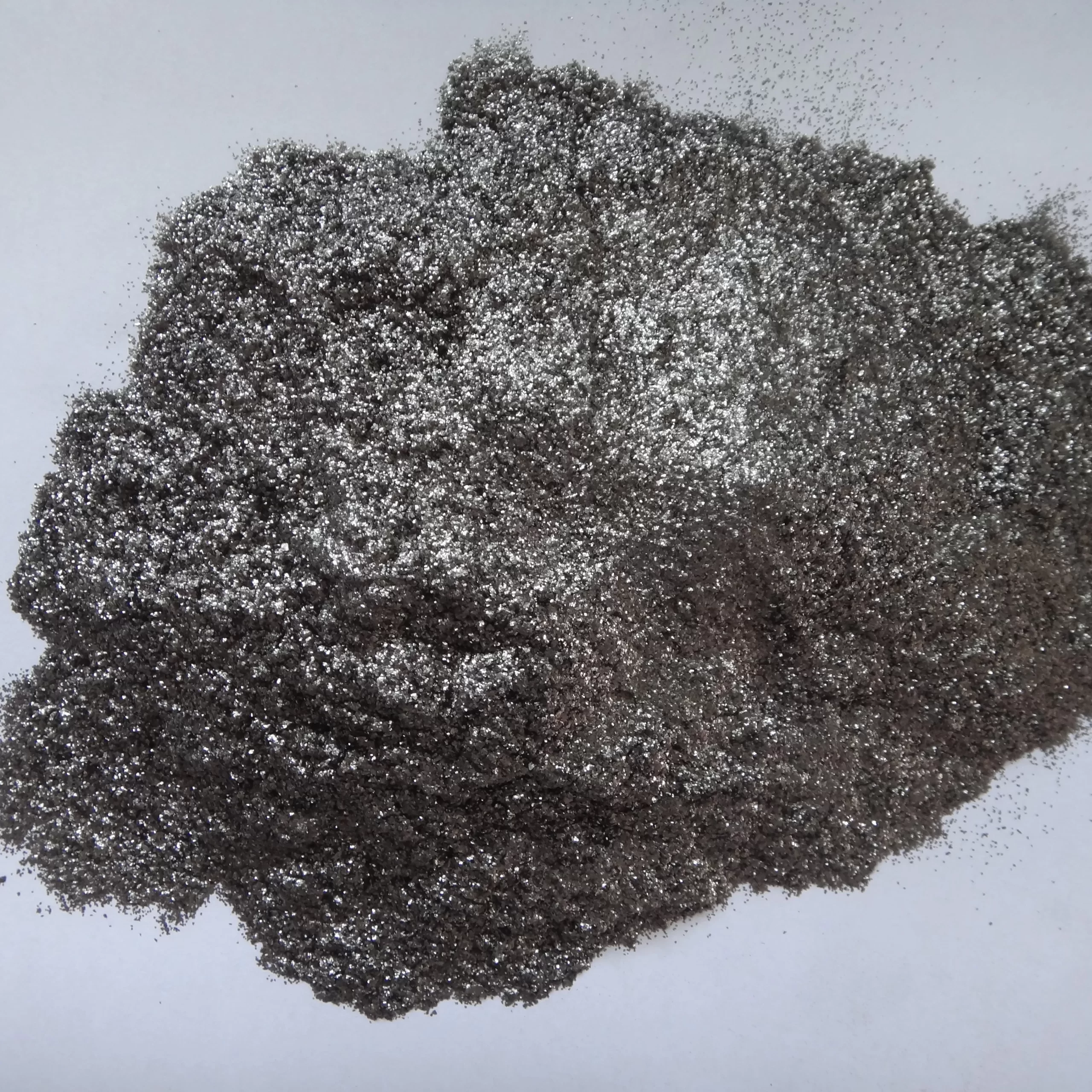
Using fine-mesh graphite powder as a lubricant and release agent in the casting of precision machine parts for local agricultural equipment.

5. Alloy Production for Infrastructure

Integration of calcined petroleum coke in the production of specialized steel alloys required for bridge and road infrastructure projects.

Brand Story

Global Development History of Hebei Tiksen Carbon Co., Ltd.

Foundation and Vision

Established with a mission to bridge the gap between raw carbon resources and high-precision industrial applications, focusing on purity and performance.

Technical Breakthroughs

Developed proprietary graphitization processes that significantly increased the thermal conductivity and lifespan of industrial carbon electrodes.

Global Market Expansion

Extended our footprint to Central Asia and Africa, solving the specific pain points of landlocked industrial hubs through optimized logistics.

Quality Standardization

Achieved international certifications, ensuring that every batch of petroleum coke meets the rigorous demands of the global metallurgical industry.

Commitment to Sustainability

Investing in green carbon technologies to reduce the environmental impact of graphite production for future generations.

Comprehensive Carbon Product Portfolio for Afghanistan

One-stop supply for all industrial graphite and petroleum coke requirements.

Common Questions for Afghanistan Carbon Imports

Expert answers to technical and logistical queries.

How to choose the right arc furnace electrodes for Afghan copper smelting?

Selection depends on the furnace power and current density. For high-capacity smelting, UHP electrodes are recommended to ensure stability and reduce consumption rates.

What are the benefits of calcined petroleum coke over raw coke?

Calcined coke has lower volatile content and higher density, which improves the electrical conductivity and chemical stability in smelting processes.

Can graphite blocks be customized for specific furnace dimensions?

Yes, we provide precision machining for graphite blocks to fit exact industrial specifications, ensuring a perfect seal and optimal thermal transfer.

How is graphitized petroleum coke transported to Afghanistan?

We utilize secure, moisture-proof packaging and strategic overland logistics corridors to ensure material integrity upon arrival at the destination.

What is the ideal mesh size for graphite powder in casting?

Depending on the application, we offer various grades. For fine lubricant applications, a micro-mesh powder is used to ensure a smooth surface finish.

How do these carbon materials improve energy efficiency in local plants?

By reducing electrical resistance and increasing heat retention, these materials lower the kilowatt-hour consumption per ton of processed mineral.

Ready to Optimize Your Production?

Contact our expert team today for tailored carbon solutions delivered directly to Afghanistan.

Contact Us Now

If you are interested in our products, you can choose to leave your information here, and we will be in touch with you shortly.

  • captcha