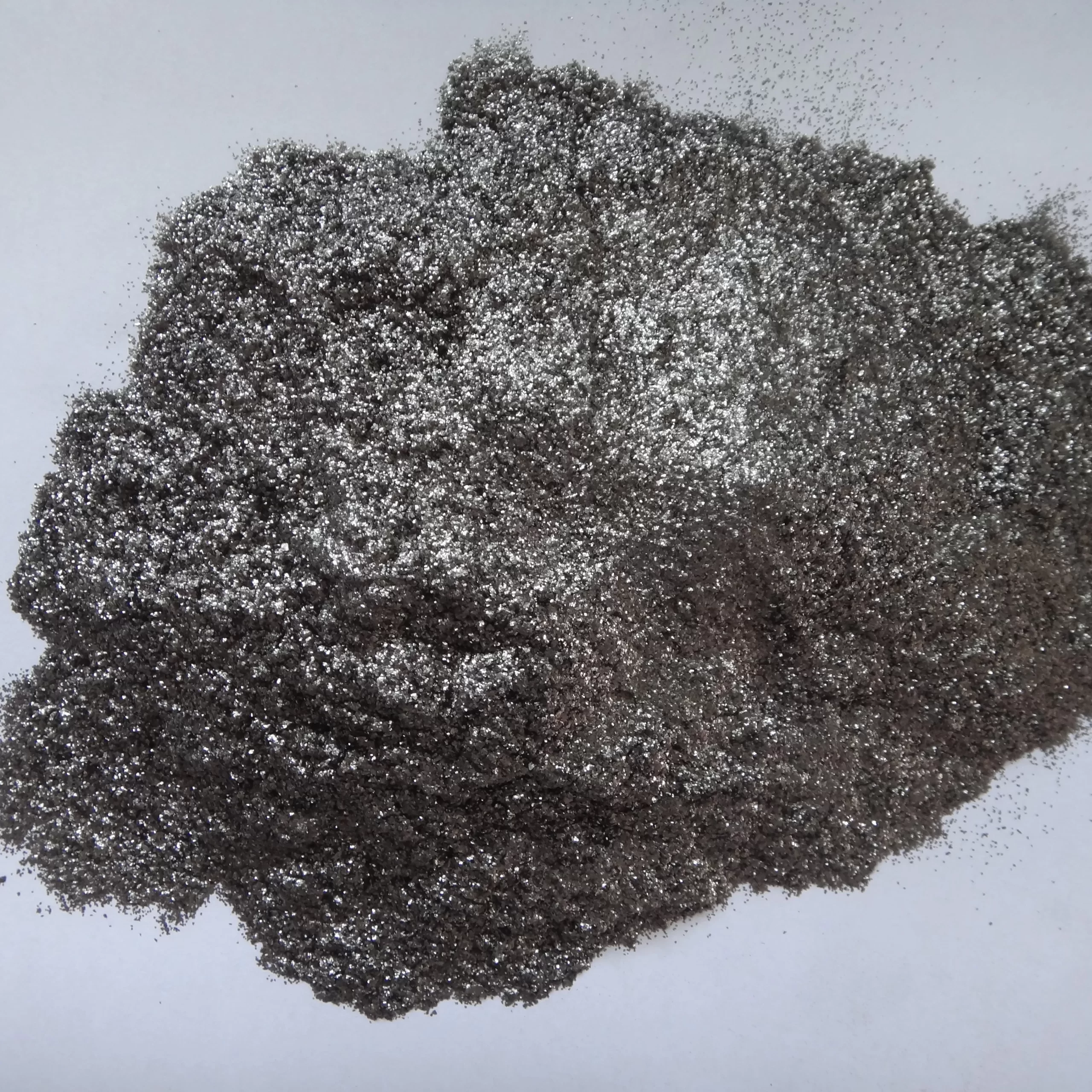
Industrial Carbon Solutions for graphite blocks in Greece

Industrial Carbon Solutions for graphite blocks in Greece

Industrial Carbon Solutions for graphite blocks in Greece

High-performance carbon materials engineered for the Greek metallurgical and industrial sectors, ensuring thermal efficiency and operational longevity.

Industrial Carbon Solutions for graphite blocks in Greece

Providing Greece's heavy industry with premium carbon raw materials and finished graphite products to optimize smelting and casting processes.

Current State of Carbon Material Consumption in Greece

Analyzing the intersection of Mediterranean industrial demand and carbon resource logistics.

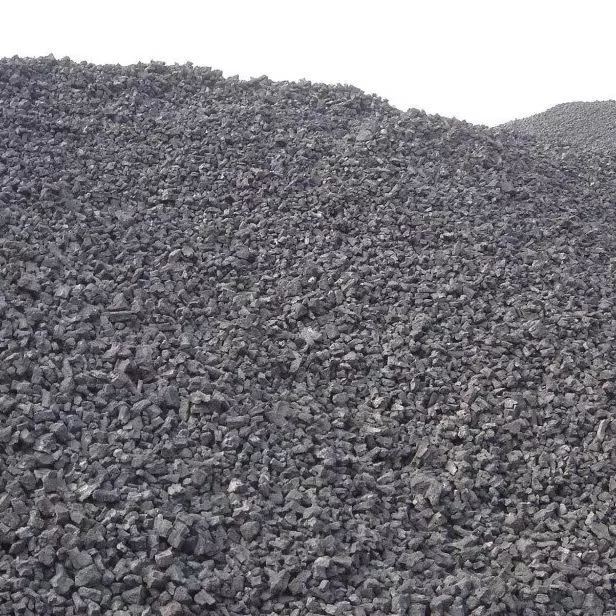
Greece's industrial landscape, particularly in regions like Thessaloniki and Attica, relies heavily on the import of high-grade calcined petroleum coke to support its aluminum smelting and steel production. The geographical position of Greece as a maritime hub facilitates the arrival of raw materials, yet local industries face challenges regarding consistent purity standards.

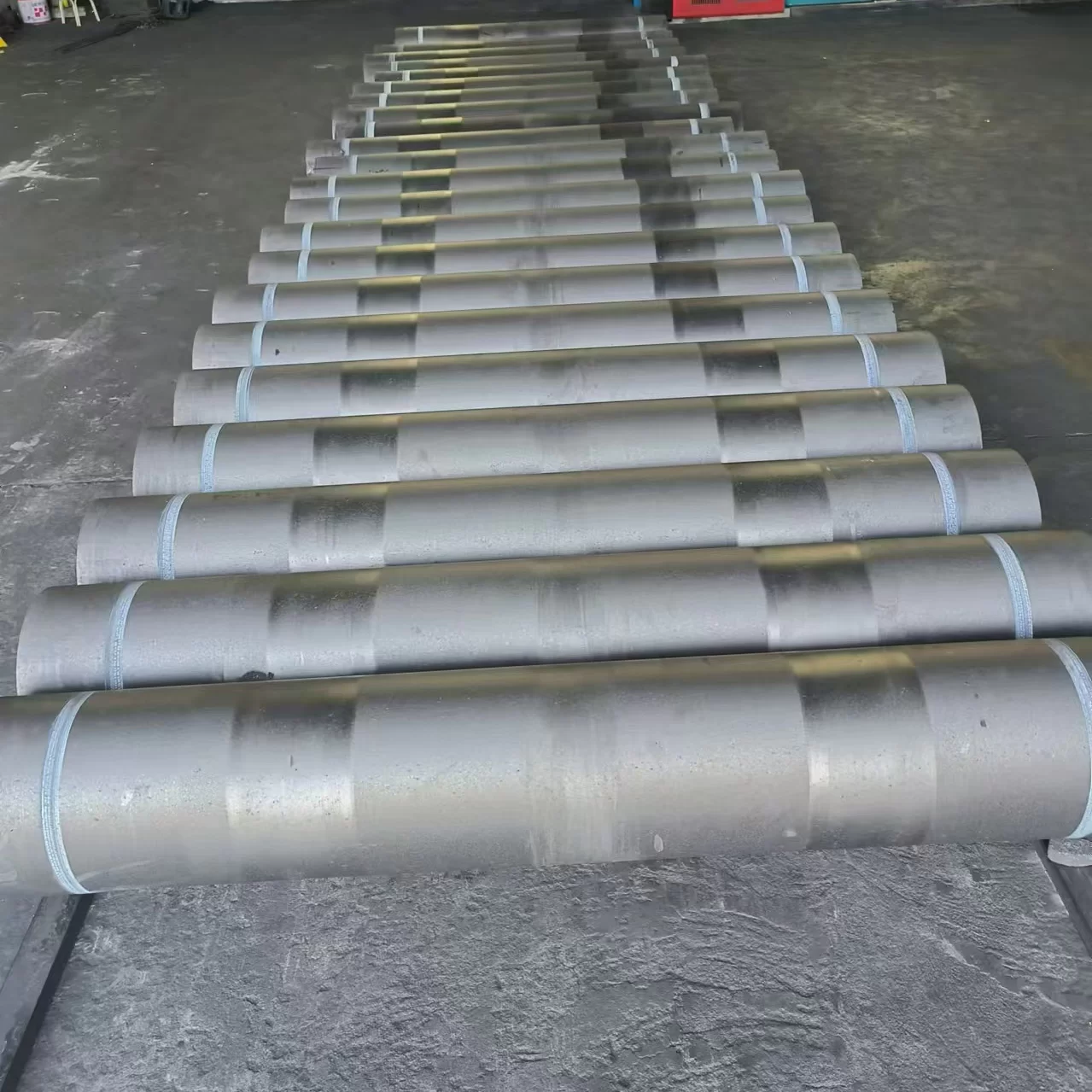
The demand for arc furnace electrodes remains steady due to the prevalence of electric arc furnace (EAF) steelmaking, which is more aligned with Europe's green transition than traditional blast furnaces. However, the volatility of energy costs in the Mediterranean region has pushed Greek manufacturers to seek materials with higher electrical conductivity.

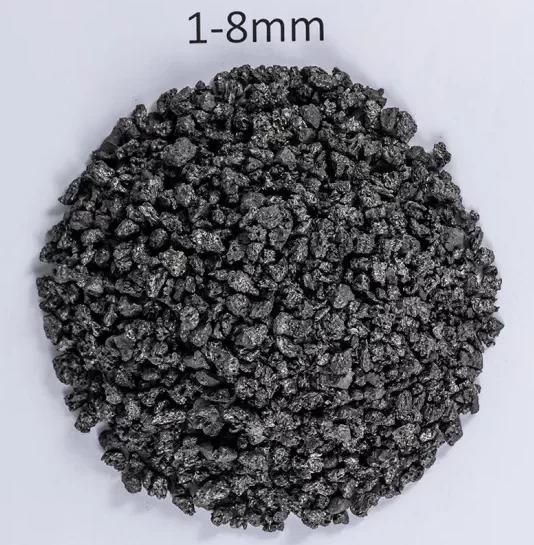
Furthermore, the specialized use of graphite powder in Greek lubricant and refractory industries is growing. Local firms are increasingly transitioning from low-grade natural graphite to synthesized, high-purity carbon to meet strict EU environmental and quality regulations.
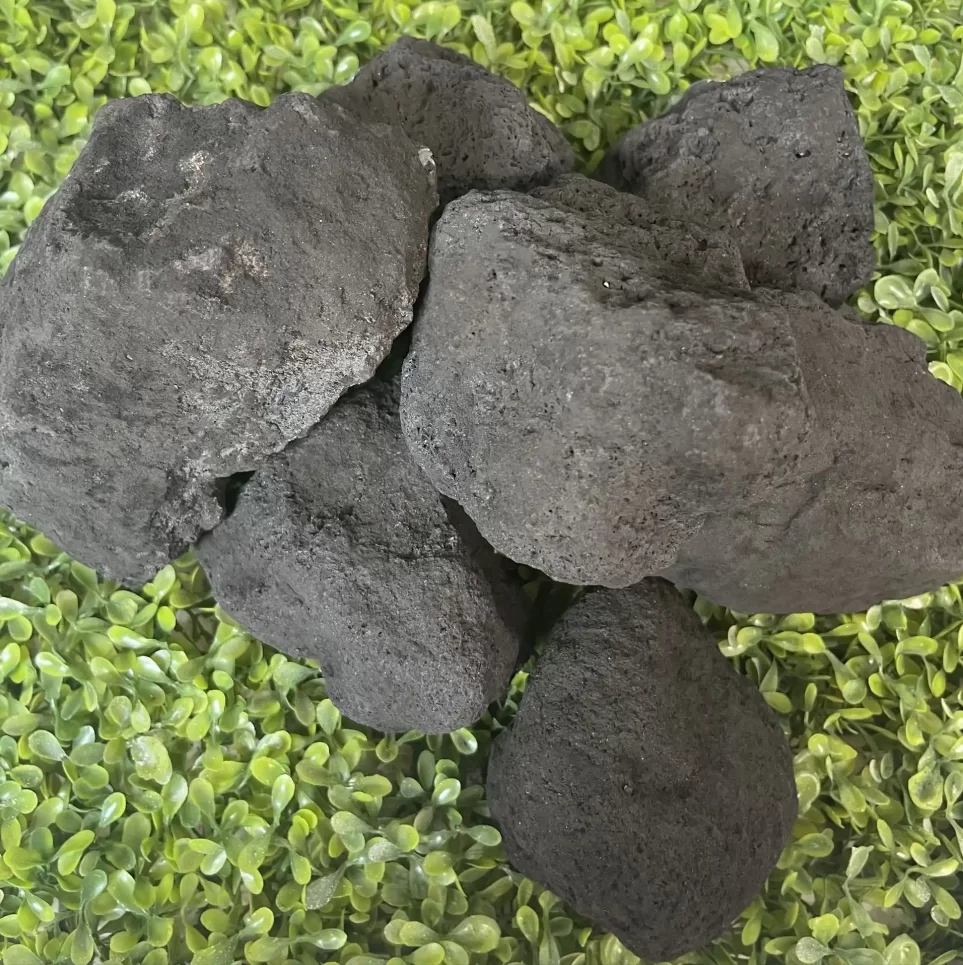
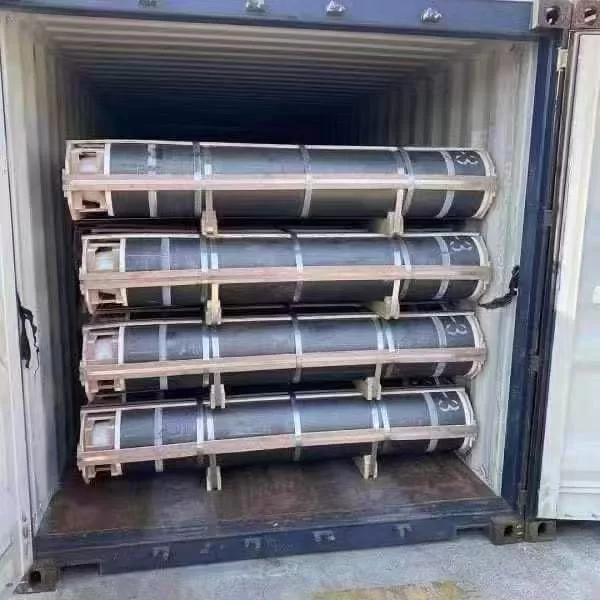
Evolution and Technical Trajectory of Graphite Industry

From traditional coke processing to advanced graphitization technologies.

Market Development History

In the late 20th century, the Greek market relied primarily on basic petroleum coke. Between 1990 and 2010, there was a significant shift toward graphitized petroleum coke as the need for higher electrical conductivity and lower thermal expansion became critical for industrial precision.

By 2015, the integration of advanced carbonization cycles allowed for the production of denser graphite structures. This era saw the rise of high-density carbon blocks replacing rudimentary refractory bricks in high-temperature furnaces across the Balkans.

Currently, the focus has shifted toward "Ultra-High Purity" (UHP) materials. The transition from manual electrode replacement to automated, high-stability carbon systems has reduced downtime for Greek steel mills by approximately 15%.

Future Development Trends

Green Hydrogen Integration

As Greece invests in hydrogen hubs, the demand for carbon materials capable of resisting hydrogen embrittlement will surge, requiring new alloyed graphite compositions.

Circular Economy in Carbon

Expect a move toward the recycling of spent electrodes, where recovered carbon is processed back into industrial-grade powder to reduce the ecological footprint.

Nano-Carbon Enhancement

The adoption of graphene-enhanced carbon structures to increase the mechanical strength of electrodes under extreme thermal shock.

Industry Trends and Future Outlook for Greek Carbon Markets

Strategic forecasts based on Google Search Trends and EU industrial directives.

Decarbonization Shift
Increased demand for high-efficiency carbon materials that reduce energy consumption during smelting.
Purity Standardization
A trend toward low-sulfur and low-ash carbon products to meet EU environmental emissions standards.
Supply Chain Resilience
Strategic stockpiling of critical carbon raw materials to avoid Mediterranean logistics disruptions.
Automated Precision
Integration of IoT in monitoring the wear rate of graphite components in real-time.

Industry Outlook

The Greek carbon market is expected to experience a CAGR of 3.2% over the next five years. This growth is driven by the modernization of the existing metallurgical base and the expansion of specialized graphite components in the automotive and aerospace sectors within Europe.

Strategic alignment with the European Green Deal will force a pivot toward carbon materials that facilitate lower-temperature reactions, making high-grade graphitization the primary technical requirement for future imports.

Localized Application Scenarios in Greece

Practical implementation of high-performance carbon materials across Greek industries.

1. Aluminum Smelting in Northern Greece

Utilization of calcined petroleum coke as a primary anode material to ensure high electrical conductivity and low impurities in electrolysis cells.

2. Steel Recycling Centers in Attica

Application of heavy-duty arc furnace electrodes in electric arc furnaces to process scrap metal into high-quality construction steel.

3. High-Temperature Furnace Lining

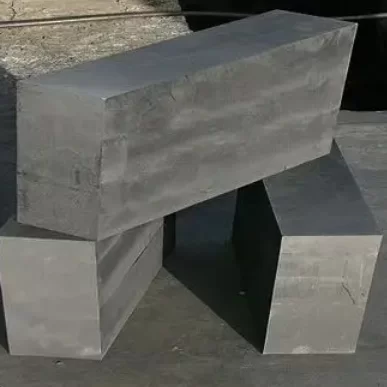
Installation of precision-machined graphite blocks as heat shields and crucibles for specialized alloy casting in regional foundries.

4. Industrial Lubrication Systems

Deployment of ultra-fine graphite powder in heavy machinery lubricants to withstand the high ambient temperatures of the Greek summer.

5. Precision Electrode Components

Using graphitized petroleum coke for the production of specialized carbon brushes and connectors in the local electrical energy grid infrastructure.

Brand Story

Global Development History of Hebei Tiksen Carbon Co., Ltd.

Foundational Excellence

Established with a focus on raw carbon purity, we began by mastering the calcination process to serve domestic metallurgical plants.

Technical Expansion

We invested in high-temperature graphitization furnaces, allowing us to produce industrial-grade graphite with superior conductivity.

Global Market Entry

Expanding into the European market, we optimized our logistics to provide seamless carbon supply chains to Greece and neighboring regions.

Innovation Hub

Developing customized carbon solutions that solve specific pain points like electrode oxidation and premature block erosion.

Sustainable Future

Committing to green manufacturing and low-emission carbon processing to support the global transition to sustainable industry.

Complete Carbon Product Portfolio for Greece

Integrated solutions ranging from raw petroleum coke to precision-engineered graphite components.

Common Questions Regarding Carbon Materials in Greece

Technical guidance and procurement insights for the Greek market.

How does the purity of calcined petroleum coke affect aluminum smelting?

High purity reduces sulfur and vanadium content, which prevents the contamination of the aluminum melt and increases the lifespan of the anode.

What is the advantage of graphitized petroleum coke over standard coke?

Graphitization significantly increases electrical conductivity and thermal shock resistance, making it ideal for high-current industrial applications.

How to choose the right arc furnace electrodes for EAF steelmaking?

Selection should be based on the furnace power, the type of scrap being melted, and the required current density to minimize electrode consumption.

Can graphite blocks be customized for specific furnace dimensions in Greece?

Yes, we provide precision CNC machining to create graphite blocks tailored to the exact technical drawings of your furnace lining.

What is the optimal particle size for industrial graphite powder applications?

The optimal size depends on the application; finer powders are used for lubricants, while coarser grades are used in refractory additives.

How do EU environmental regulations impact carbon material imports in Greece?

Regulations focus on emissions and purity. Using high-grade, low-sulfur carbon materials helps Greek plants meet the strict REACH and emissions targets.

Optimize Your Carbon Supply Chain Today

Contact our technical experts for tailored carbon solutions and logistics support delivered directly to your facility in Greece.

Contact Us Now

If you are interested in our products, you can choose to leave your information here, and we will be in touch with you shortly.

  • captcha