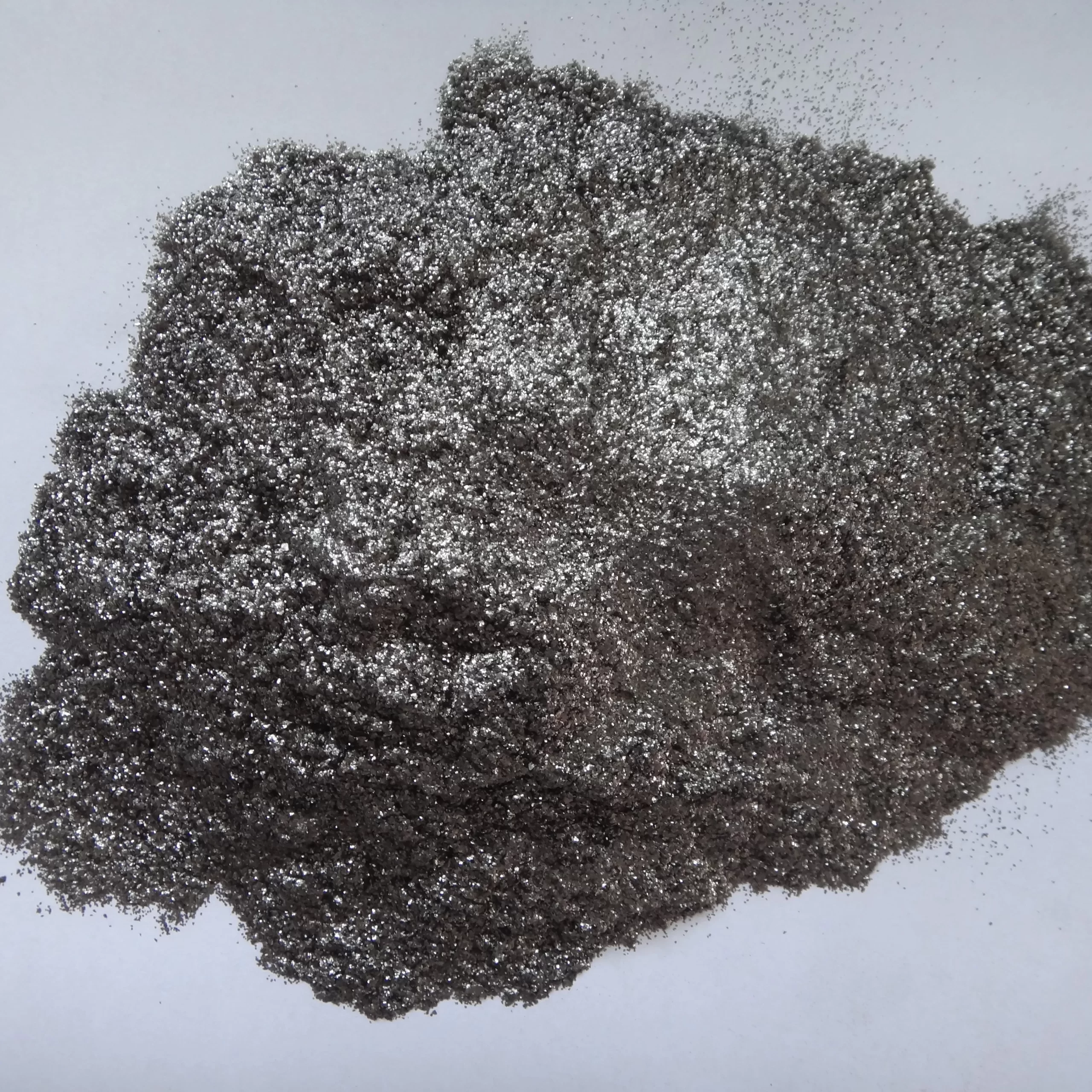
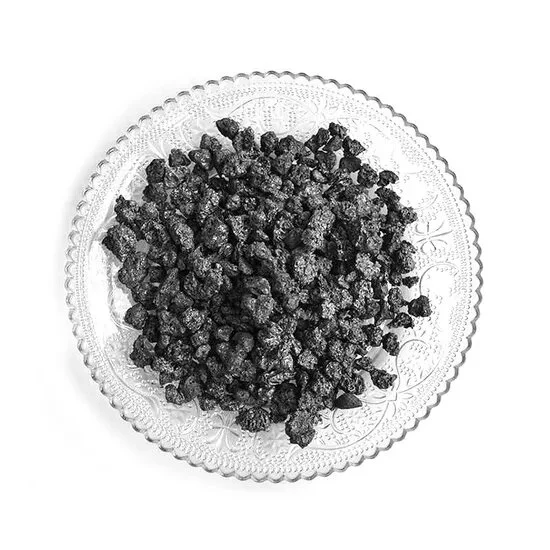
Belarus possesses a robust industrial backbone centered around heavy machinery and metallurgy. In this environment, the demand for high-purity calcined petroleum coke is critical for producing high-grade carbon anodes and electrodes that can withstand the extreme temperature fluctuations characteristic of the region's seasonal climate.
The local market is currently transitioning from legacy Soviet-era carbon specifications to modern, high-efficiency standards. This shift requires materials with lower sulfur and ash content, driving the adoption of graphitized petroleum coke to reduce energy consumption in electric arc furnaces (EAF).
Logistically, the strategic position of Belarus as a transit hub allows for the integration of global carbon innovations, yet local producers still struggle with the consistency of raw graphite powder, creating a significant opportunity for standardized, high-purity imported materials.