Premium arc furnace electrodes Solutions for Hungary’s Heavy Industry

Premium arc furnace electrodes Solutions for Hungary’s Heavy Industry

Premium arc furnace electrodes Solutions for Hungary's Heavy Industry

Driving metallurgical efficiency across Central Europe with high-conductivity carbon materials and precision-engineered graphite solutions.

Premium arc furnace electrodes Solutions for Hungary's Heavy Industry

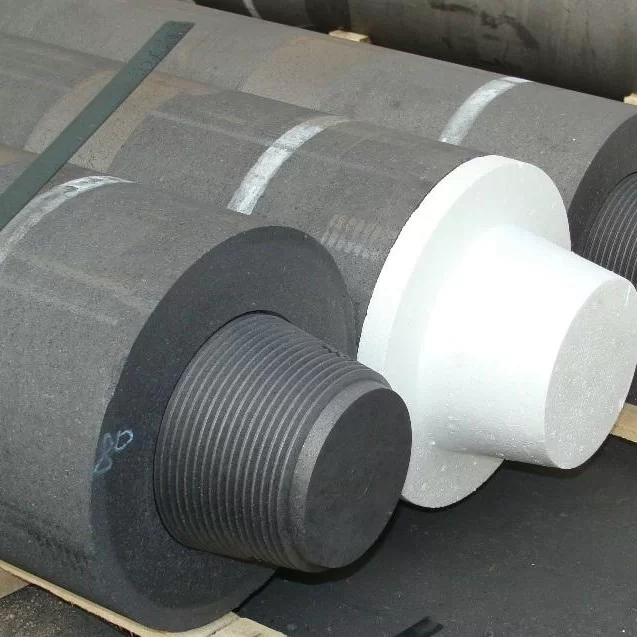
Providing the Hungarian industrial sector with high-performance carbon products designed to withstand extreme thermal stress and optimize electrical conductivity in electric arc furnaces.

The State of Carbon Product Demand in Hungary

Analyzing the intersection of Central European metallurgy and carbon material science.

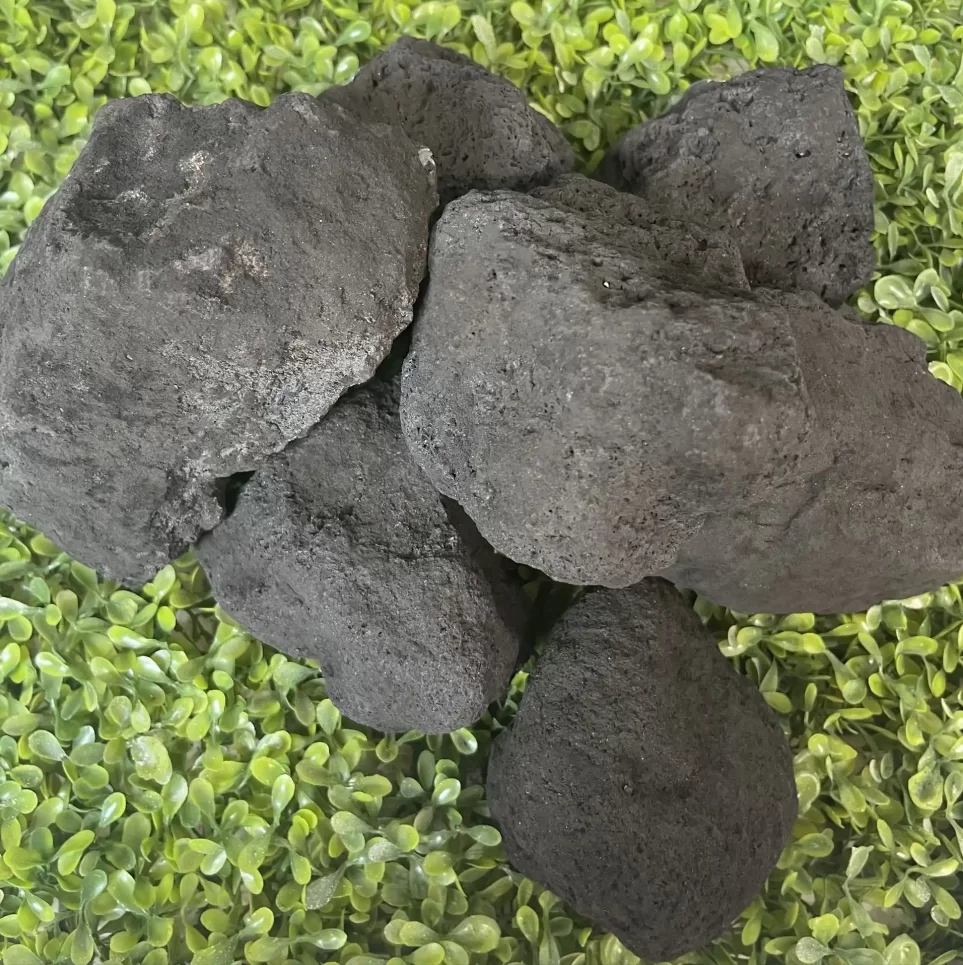
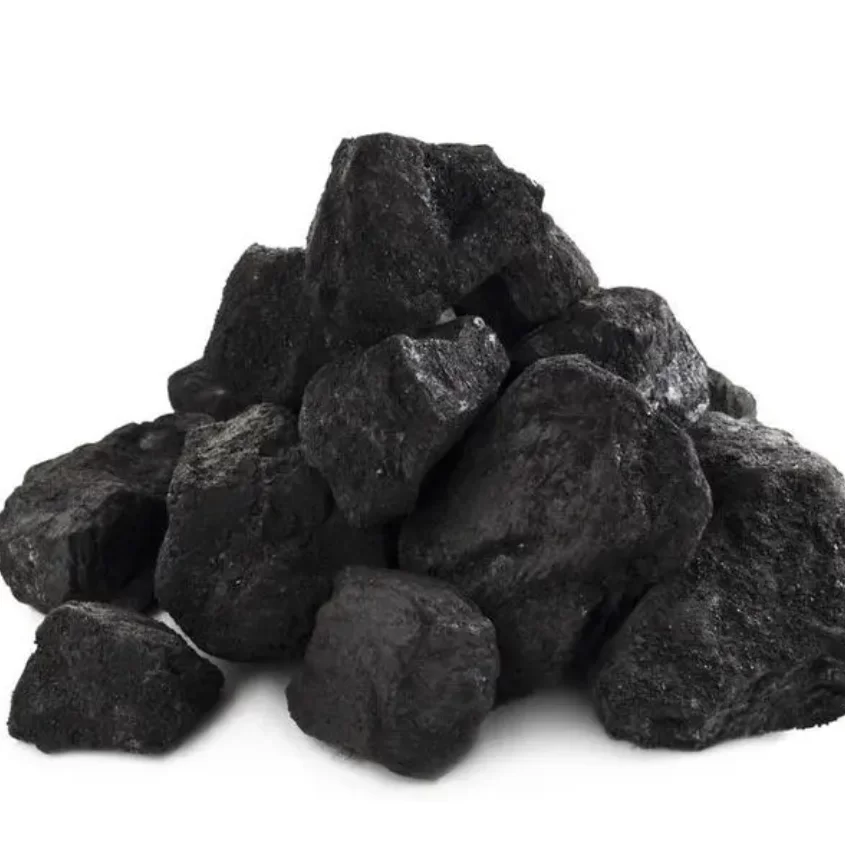
Hungary's industrial landscape, particularly in the automotive and machinery sectors, relies heavily on a stable supply of calcined petroleum coke to maintain the purity and strength of steel production. The regional focus on sustainable manufacturing has increased the pressure on foundries to reduce energy consumption per ton of melt.

Due to the landlocked geography of Hungary, the logistical efficiency of importing high-density graphite blocks is critical. Local industries are transitioning away from generic carbon sources toward specialized, high-purity materials that minimize electrode consumption and reduce downtime in electric arc furnace (EAF) operations.

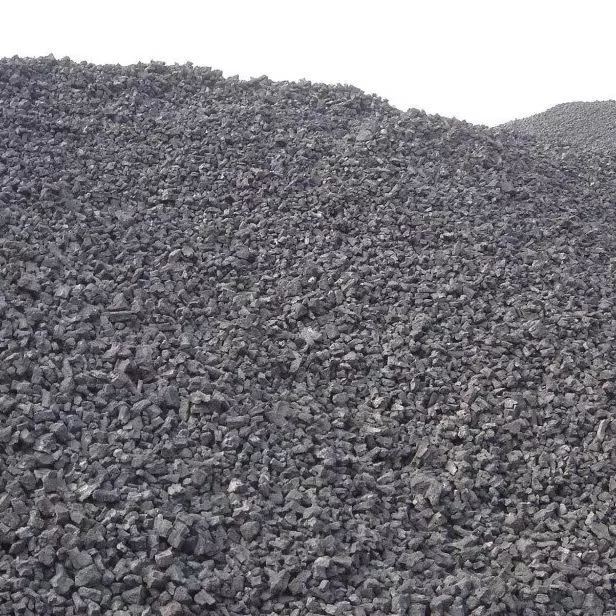
The current market is characterized by a shift toward "Green Steel" initiatives, where the integration of graphitized petroleum coke allows for better electrical conductivity, directly correlating to lower carbon emissions and higher energy efficiency in Hungarian smelting plants.
Evolution of Carbon Technology in Hungarian Metallurgy

From traditional coke-based smelting to advanced graphite engineering.

Market Development History

In the early post-industrial era (1970s-1990s), the Hungarian carbon market relied on basic petroleum coke variants with limited purity, resulting in higher oxidation rates and slower melting cycles in local foundries.

Between 2000 and 2015, there was a significant shift toward the adoption of standardized graphite powder for lubricant and additive applications, as the precision engineering sector grew to support the European automotive hub.

From 2016 to the present, the focus has pivoted toward ultra-high-power (UHP) technology, where the synergy between refined raw materials and precision manufacturing has optimized the lifespan of industrial electrodes across the region.

Future Development Trends

Low-Emission Thermal Processing

The integration of AI-driven temperature control in EAFs will require electrodes with higher thermal shock resistance to handle rapid power fluctuations.

Purity Optimization

Increased demand for electronic-grade carbon materials will drive the adoption of advanced purification techniques for synthetic graphite.

Circular Carbon Economy

Developing recycling pathways for spent graphite components to meet EU environmental mandates for 2030.

Industry Trends and Future Outlook

Strategic forecasting for the non-metallic mineral sector in Central Europe.

Decarbonization Drive
Transitioning to high-efficiency graphite to reduce the carbon footprint of Hungarian steel plants.
Material Hybridization
Combining synthetic and natural graphite to optimize cost-performance ratios for industrial use.
Precision Sizing
Customized graphite block dimensions to fit the evolving furnace architectures of Central Europe.
Digital Twin Integration
Using predictive modeling to determine the exact wear rates of electrodes in real-time.

Industry Outlook

Over the next 3-5 years, the Hungarian carbon market will align closely with EU-wide sustainability targets. This implies a surge in demand for high-purity graphitized petroleum coke, as it enables lower voltage requirements and reduces the operational cost of smelting.

Search trends indicate a growing interest in "sustainable graphite sourcing" and "high-efficiency electrodes," suggesting that Hungarian procurement officers are shifting from a price-per-ton mindset to a Total Cost of Ownership (TCO) model.

Localized Application Scenarios in Hungary

Practical implementations of high-performance carbon materials in regional industry.

1. Automotive Component Casting

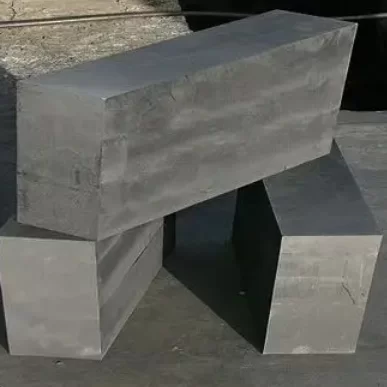
Utilizing high-purity graphite blocks for precision molds in the manufacture of engine parts for Hungary's leading automotive plants.

2. EAF Steel Production

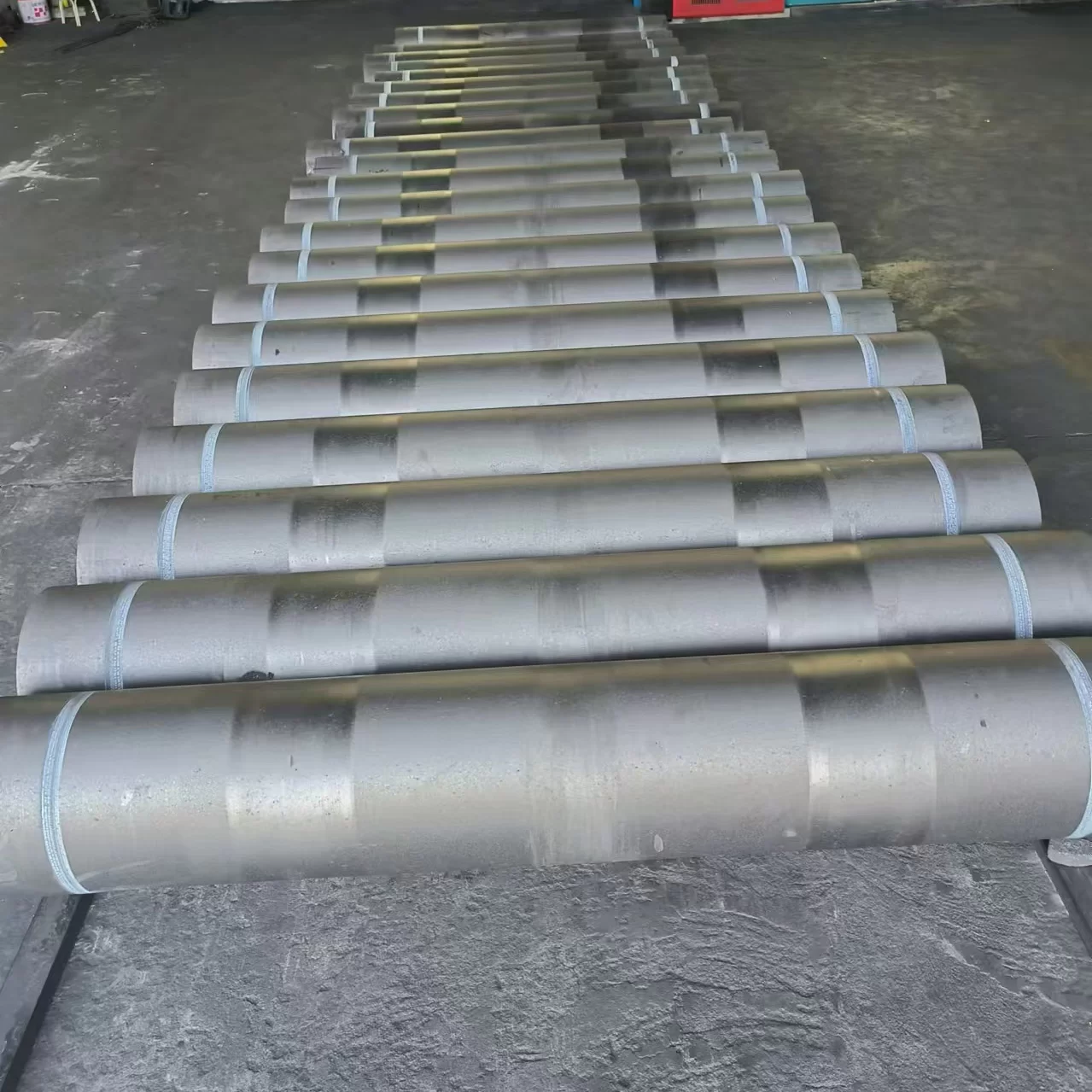
Deploying ultra-high-power arc furnace electrodes to optimize the melting of scrap metal into high-grade construction steel.

3. Aluminum Smelting Refineries

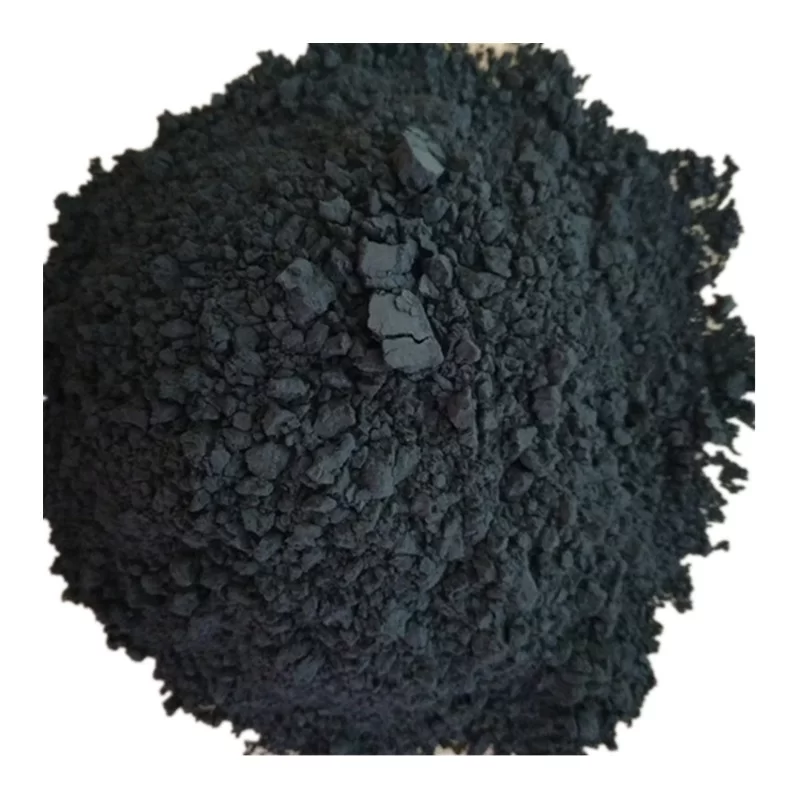
Integrating calcined petroleum coke as a primary carbon source for anodes to ensure consistent electrochemical performance.

4. Specialized Lubrication Systems

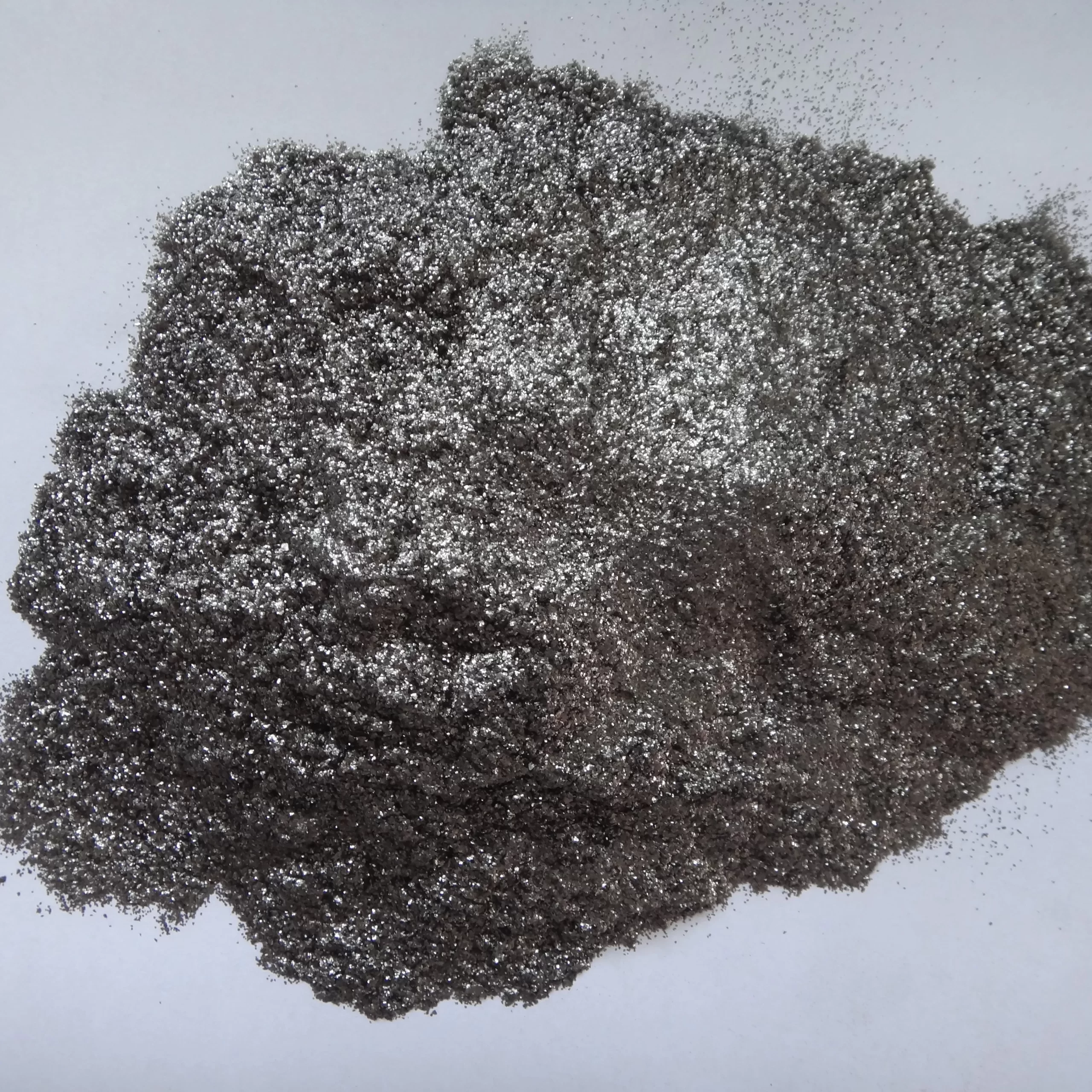
Applying micronized graphite powder in heavy-duty industrial machinery used in Hungarian mining and quarrying operations.

5. High-Temperature Heat Treatment

Using graphitized petroleum coke based heating elements for vacuum furnaces in aerospace component tempering.

Brand Story

Global Development History of Hebei Daxon Carbon Co., Ltd.

Foundational Excellence

Established with a mission to bridge the gap between raw carbon processing and high-end industrial application.

Technological Breakthrough

Developed proprietary graphitization processes that significantly increased the conductivity of petroleum coke.

Global Expansion

Extended our reach to Central Europe, establishing a robust supply chain to support Hungary's metallurgical needs.

Sustainable Innovation

Launched an eco-friendly line of carbon products designed to meet the stringent EU environmental directives.

Industry Leadership

Now recognized as a global leader in delivering high-performance graphite solutions for the most demanding industrial environments.

Comprehensive Carbon Product Portfolio for Hungary

Tailored material solutions for the Central European non-metallic mineral market.

Frequently Asked Questions for the Hungarian Market

Expert answers to technical queries regarding graphite and carbon products.

How does calcined petroleum coke impact the efficiency of anodes in Hungarian plants?

High-purity calcined petroleum coke reduces volatile matter, which prevents cracking during the baking process and ensures a more stable current flow in the electrolysis process.

What is the typical lifespan of UHP arc furnace electrodes in EAF operations?

Lifespan varies by power density, but our UHP electrodes are engineered to minimize oxidation and wear, significantly reducing the frequency of electrode replacement.

Why should we choose graphitized petroleum coke over standard carbon?

Graphitized petroleum coke offers superior electrical conductivity and thermal stability, which directly lowers energy costs and increases the productivity of smelting operations.

Can graphite blocks be customized for specific furnace dimensions in Central Europe?

Yes, we provide precision CNC machining to ensure that graphite blocks meet the exact geometric specifications of your industrial equipment.

What are the primary applications of industrial graphite powder in machinery?

It is primarily used as a high-temperature dry lubricant, a conductive additive in polymers, and in the production of specialized carbon brushes.

How is the quality of carbon materials verified for EU import standards?

All products undergo rigorous testing for sulfur content, ash levels, and conductivity, accompanied by detailed certificates of analysis (CoA) to meet EU regulations.

Ready to Optimize Your Carbon Supply?

Contact our technical experts today for customized graphite solutions tailored to the industrial needs of Hungary.

Contact Us Now

If you are interested in our products, you can choose to leave your information here, and we will be in touch with you shortly.

  • captcha