Premium Arc Furnace Electrodes Solutions for Netherlands Industrial Steelmaking

Premium Arc Furnace Electrodes Solutions for Netherlands Industrial Steelmaking

Premium Arc Furnace Electrodes Solutions for Netherlands Industrial Steelmaking

High-performance carbon materials engineered for the rigorous demands of the Dutch metallurgical and chemical sectors, optimizing thermal efficiency and conductivity.

Premium Arc Furnace Electrodes Solutions for Netherlands Industrial Steelmaking

Providing the Netherlands with world-class carbon products, from raw recarburizers to precision-engineered graphite blocks, ensuring sustainable and efficient industrial production.

The Landscape of Carbon Material Demand in the Netherlands

Analyzing the strategic integration of high-purity carbon in Western Europe's logistical hub.

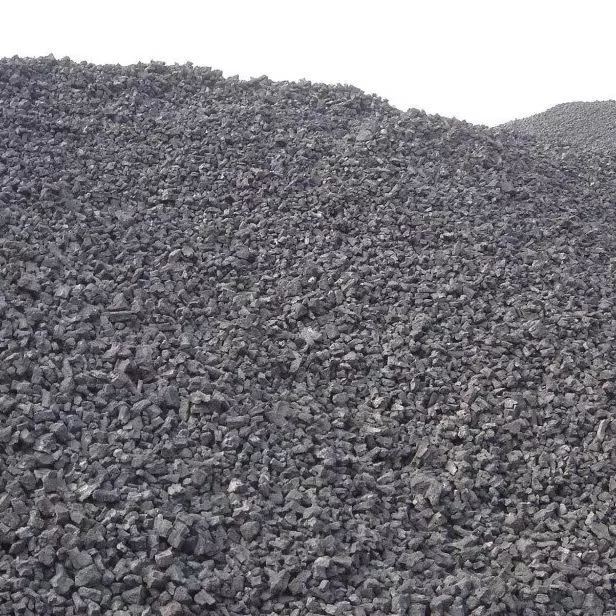
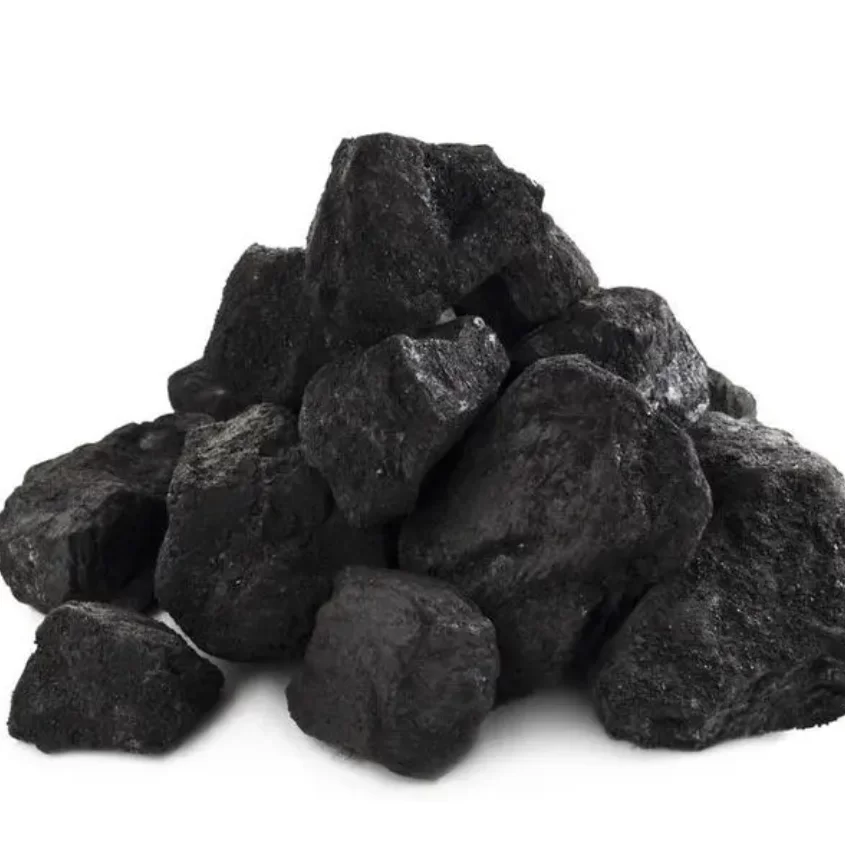
The Netherlands, acting as a primary gateway for European industrial logistics via the Port of Rotterdam, maintains a high demand for specialized calcined petroleum coke. The local metallurgical industry focuses heavily on high-efficiency smelting and precision casting, requiring materials that can withstand extreme thermal fluctuations while adhering to strict EU environmental regulations.

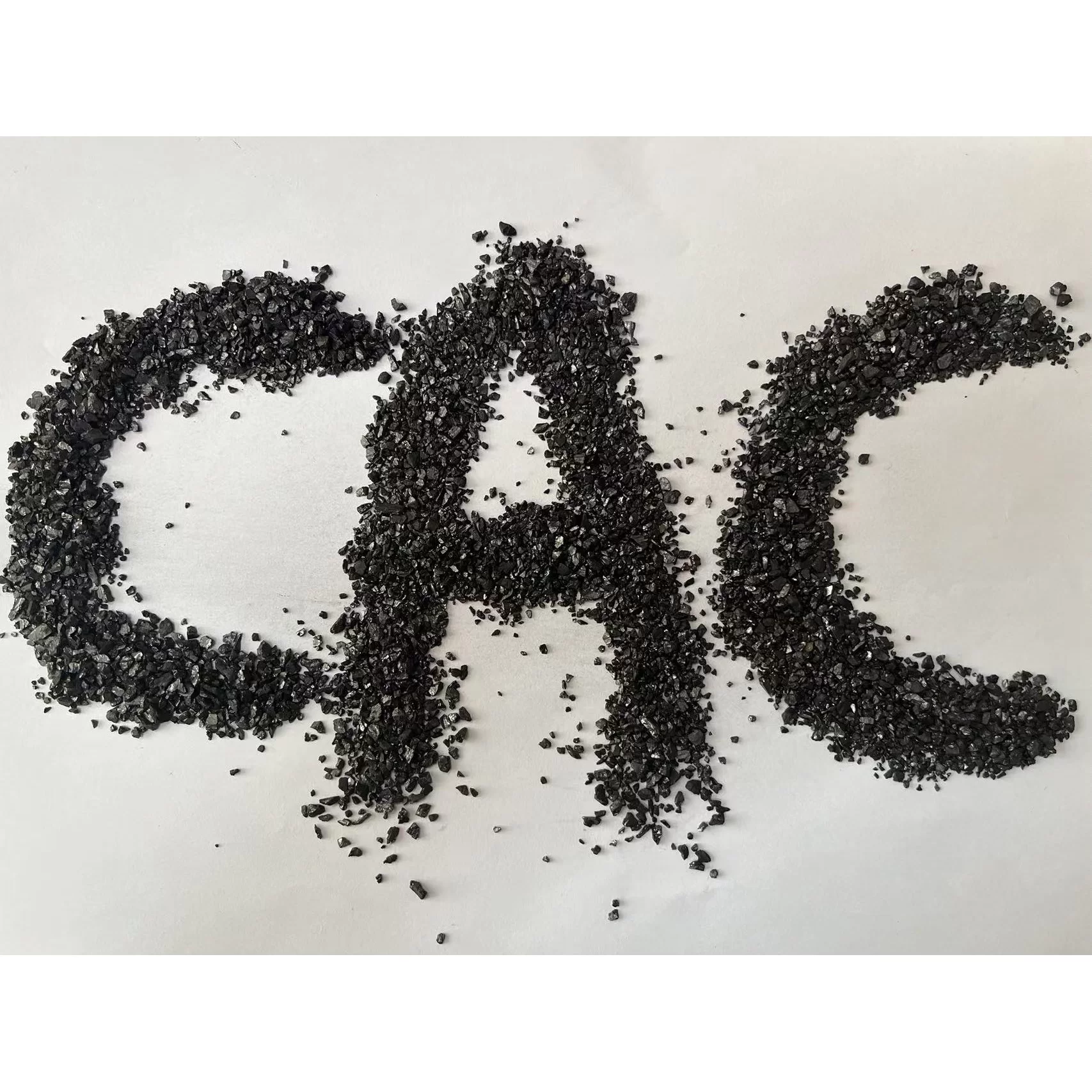
Given the Dutch commitment to the "Green Deal" and carbon neutrality, there is a significant shift toward utilizing graphitized petroleum coke to reduce impurities in alloy production. The regional market is characterized by a move away from bulk low-grade carbon toward high-performance, low-sulfur alternatives that minimize atmospheric emissions during the heating process.

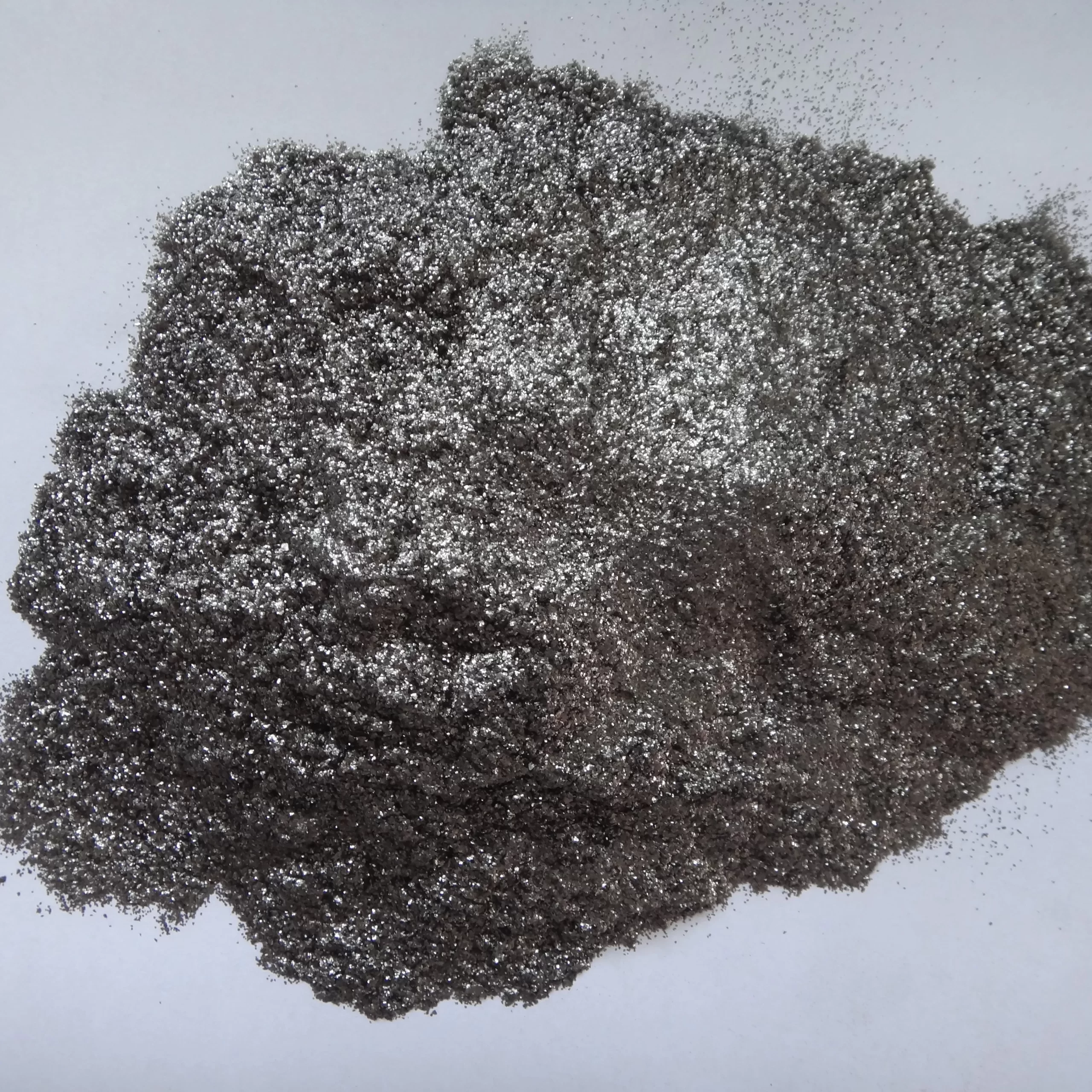
Furthermore, the presence of advanced chemical clusters in the Limburg and Rotterdam regions drives the need for specialized graphite powder used in lubricants and conductive coatings. The Dutch market demands a stable supply chain capable of delivering consistent purity levels to support their high-tech manufacturing ecosystem.
Evolution and Technical Trajectory of Graphite Manufacturing

From traditional furnace linings to advanced synthetic carbon structures.

Market Development History

Historically, the European carbon market relied on natural graphite deposits. However, by the late 20th century, the shift toward synthetic carbon accelerated. The introduction of precision-machined graphite blocks allowed Dutch manufacturers to move from simple crucibles to complex high-temperature molds, significantly improving casting precision.

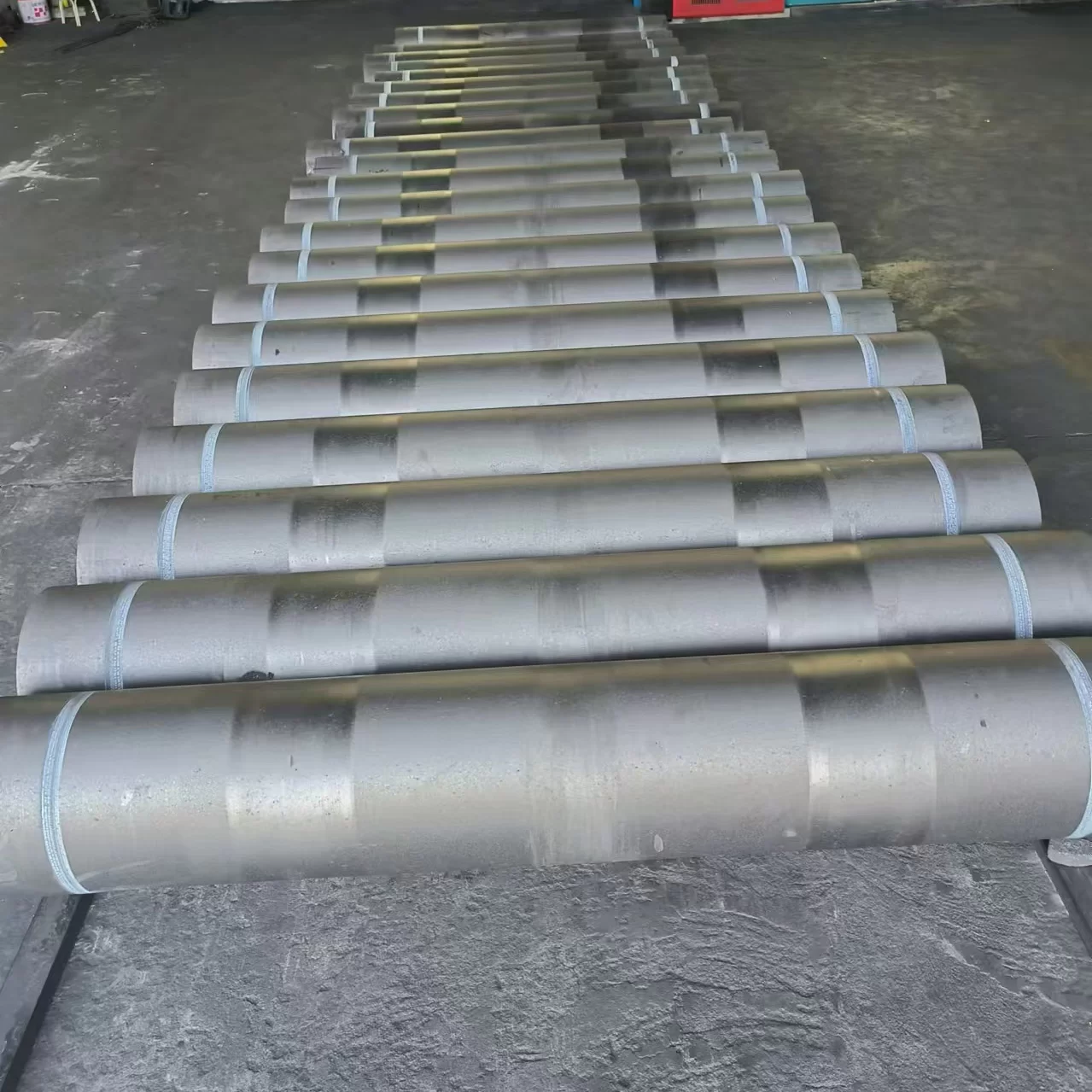
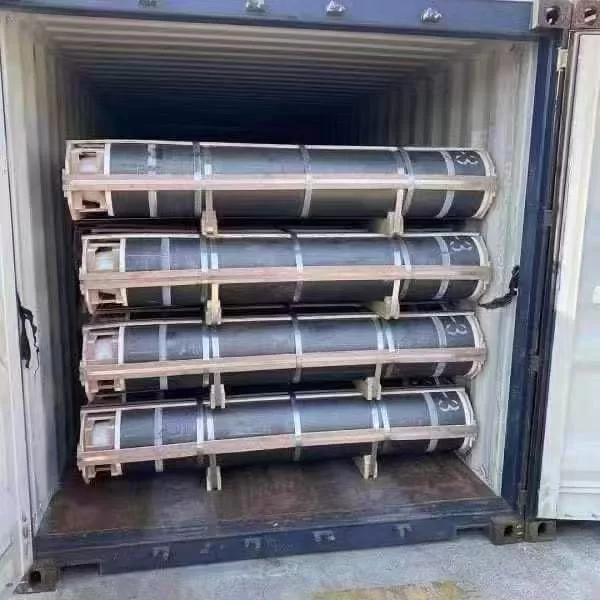
Between 2000 and 2015, the industry saw a transition toward ultra-high power (UHP) technology in steelmaking. This era marked the widespread adoption of advanced arc furnace electrodes that could handle increased current densities, allowing Dutch steel mills to increase throughput while reducing energy consumption per ton.

In the last decade, the focus has shifted toward "Nano-Carbonization." The integration of chemical vapor deposition (CVD) and advanced graphitization processes has refined the structure of carbon products, ensuring that the materials used in the Netherlands meet the highest standards of thermal shock resistance and electrical conductivity.

Future Development Trends

Hydrogen-Ready Carbon Materials

As the Netherlands leads in hydrogen infrastructure, carbon materials are being redesigned to operate in hydrogen-rich environments, reducing oxidation rates and extending the lifespan of furnace components.

Circular Carbon Economy

The trend is moving toward the recycling of spent electrodes and graphite scrap, creating a closed-loop system that aligns with the Netherlands' circular economy goals for 2050.

Smart Electrode Monitoring

Integration of IoT sensors within carbon components to monitor real-time wear and temperature, allowing for predictive maintenance and reducing unplanned downtime in industrial furnaces.

Industry Trends and Future Outlook for Carbon Products

Strategic forecasting for the non-metallic mineral sector in Northern Europe.

Decarbonization of Smelting
Transitioning to low-emission recarburizers to meet the Dutch "Klimaatakkoord" environmental targets.
High-Purity Specialization
Increasing demand for ultra-pure graphite powders in the semiconductor and battery components industry.
Thermal Management
Developing graphite blocks with anisotropic thermal conductivity for aerospace and energy storage.
Logistics Integration
Optimizing just-in-time delivery via Rotterdam to reduce on-site inventory costs for Dutch mills.

Industry Outlook

Based on Google search trends in Western Europe, there is a rising query volume regarding "green steel" and "low-carbon electrodes." This suggests that the Netherlands will pivot rapidly toward carbon products that facilitate electric arc furnace (EAF) efficiency, reducing the reliance on traditional blast furnaces.

We predict that within the next 3-5 years, the integration of synthetic graphite with nano-coatings will become the standard in the Dutch high-tech sector, shifting the market from volume-based competition to value-based technical specifications.

Localized Application Scenarios in the Netherlands

Real-world implementations of graphite and carbon solutions across Dutch industries.

1. Steel Recycling Hubs in IJmuiden

Utilizing high-density arc furnace electrodes in electric arc furnaces to recycle scrap steel, focusing on minimizing electrode consumption per ton of liquid steel.

2. Specialized Alloy Production in Brabant

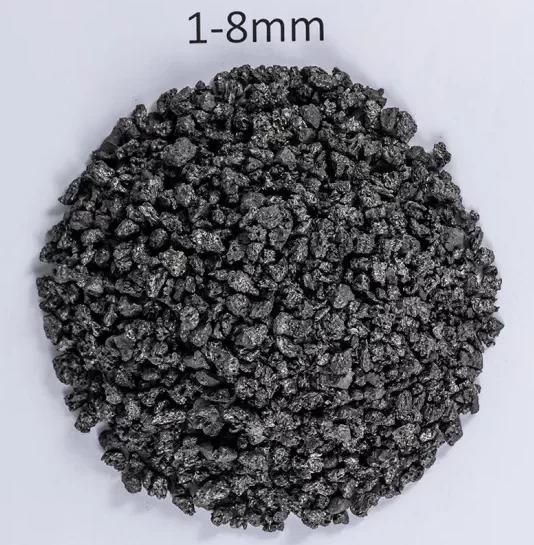
Application of premium graphitized petroleum coke as a high-purity carbon additive to produce specialty alloys for the European automotive industry.

3. Chemical Processing in the Port of Rotterdam

Implementing high-precision graphite blocks as heat exchangers and corrosion-resistant linings in harsh chemical environments.

4. Precision Casting in High-Tech Clusters

Using fine-grade graphite powder for the creation of high-precision molds and conductive lubricants in advanced machinery manufacturing.

5. Aluminum Smelting Support

Deploying calcined petroleum coke for the production of anode blocks, ensuring consistent electrical conductivity and lower voltage drops.

Brand Story

Global Development Journey of Hebei Tiksen Carbon Co., Ltd.

Foundational Excellence

Established with a mission to solve the inconsistency of carbon purity in industrial electrodes, we began by mastering the fundamentals of petroleum coke calcination.

Technical Innovation

Developed proprietary graphitization techniques that significantly reduced the energy required to produce high-conductivity graphite blocks.

Global Expansion

Expanded our reach into the European market, establishing strategic partnerships in the Netherlands to support the region's green steel transition.

Quality Standardization

Achieved international certifications ensuring that every batch of carbon powder and electrode meets rigorous ISO and EU industrial standards.

Sustainable Future

Currently investing in carbon-capture integrated production lines to provide the most eco-friendly carbon solutions to our global clients.

Complete Carbon Product Portfolio for the Netherlands Market

A comprehensive range of high-performance carbon materials tailored for European industrial standards.

Frequently Asked Questions for the Dutch Carbon Industry

Expert answers to technical and logistical queries regarding carbon material procurement.

How do I choose the right grade of calcined petroleum coke for alloy production?

The choice depends on the required sulfur and ash content. For high-precision alloys in the Netherlands, we recommend low-sulfur grades to ensure purity and compliance with environmental laws.

What is the difference between graphite powder and graphitized petroleum coke?

Graphitized petroleum coke is a raw material processed at extreme temperatures for high conductivity, while graphite powder is a milled form of graphite used primarily as a lubricant or additive.

Can your arc furnace electrodes handle ultra-high power (UHP) requirements?

Yes, our electrodes are engineered for UHP furnaces, featuring high current-carrying capacity and superior resistance to oxidation, ideal for modern Dutch steel mills.

How are graphite blocks machined for custom industrial molds?

We utilize CNC precision machining to create graphite blocks with tight tolerances, ensuring perfect thermal fit and durability for high-temperature casting applications.

What are the typical delivery lead times for shipments to the Port of Rotterdam?

Depending on the volume, we offer streamlined logistics that typically ensure delivery to Rotterdam within 3-5 weeks, utilizing optimized sea-freight channels.

Do your carbon products comply with EU REACH regulations?

Absolutely. All our carbon and graphite products are fully compliant with EU REACH and other European safety and environmental standards to ensure seamless import into the Netherlands.

Request a Technical Consultation

Our experts are ready to optimize your carbon supply chain. Contact us for tailored solutions delivered directly to the Netherlands.

Contact Us Now

If you are interested in our products, you can choose to leave your information here, and we will be in touch with you shortly.

  • captcha