Understanding Graphite Powder Lubricant: A Comprehensive Guide
Graphite powder lubricant is a widely used solid lubricant renowned for its excellent properties, including high thermal stability, chemical inertness, and a low coefficient of friction. Its ability to function effectively across a broad temperature range, even in vacuum environments, makes it an invaluable component in numerous industrial applications. This article will explore the benefits, applications, types, and considerations for using graphite powder lubricant, providing a thorough understanding for engineers, technicians, and anyone involved in materials science and lubrication. Choosing the right lubricant significantly impacts the efficiency and longevity of machinery.
The Benefits of Using Graphite Powder Lubricant
Graphite’s unique layered structure allows the layers to easily slide over each other, resulting in remarkably low friction. This is the foundation of its lubricating properties. Unlike oil-based lubricants, graphite doesn't require a carrier fluid, meaning it won't drip or attract dust. It excels in high-temperature applications where oils and greases break down. Furthermore, graphite is chemically inert, making it safe to use with a wide variety of materials and in corrosive environments. Its inherent electrical conductivity is also a valuable attribute in certain applications, like electrical contacts. Exploring the specific advantages of graphite powder provides a clear picture of its industrial utility.
Key Highlights: Excellent high-temperature performance, chemical inertness, low coefficient of friction, and electrical conductivity.
Types of Graphite Powder Lubricant
Graphite powder isn't a one-size-fits-all solution. Different grades and forms are available to suit specific needs. Natural graphite is mined from the earth, while synthetic graphite is manufactured, offering higher purity and more controlled properties. Flake graphite is commonly used for lubricants due to its layered structure. Expanded graphite is created by intercalating acids into the graphite layers, which then expands the volume, creating a softer, more compressible material. Finally, micronized graphite is finely ground for applications requiring a smooth, even coating. Dah Carbon offers a range of graphite powder grades optimized for various lubrication requirements.
Graphite Powder Types:
• Natural Graphite
• Synthetic Graphite
• Flake Graphite
• Expanded Graphite
• Micronized Graphite
Graphite Powder Lubricant: Applications and Industries
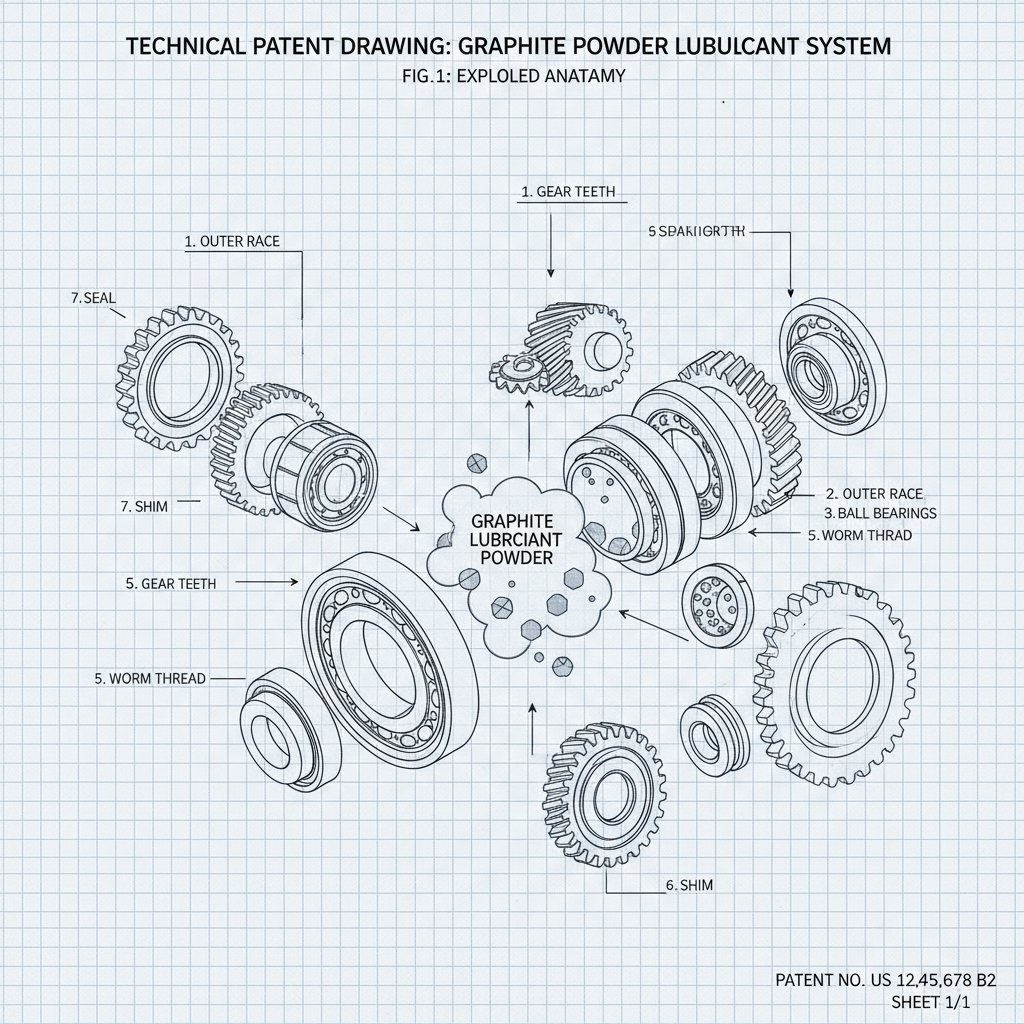
The versatility of graphite powder lubricant is reflected in its diverse range of applications. It's widely used in high-temperature bearings, furnace doors, locks, and chains. In the automotive industry, it lubricates brake shoes and constant velocity joints. It’s also a crucial component in the manufacturing of dry film lubricants, used in various mechanical components. The metalworking industry utilizes it as a lubricant during forming and drawing processes. Other applications include dry lubrication of gears, sliding surfaces, and even as a mold release agent. The demand for high-performance lubricants fuels the continued innovation in graphite powder applications.
Graphite Powder Lubricant vs. Other Lubricants
Comparing graphite to other lubricants highlights its unique strengths. Oil-based lubricants can degrade at high temperatures and are susceptible to contamination. Grease can attract dust and dirt, forming abrasive pastes. Solid lubricants like molybdenum disulfide offer some high-temperature benefits, but graphite generally provides better performance in extreme conditions. The following table illustrates a comparative overview. Dah Carbon provides expert guidance to help you select the ideal lubricant for your specific application.
Conclusion: Harnessing the Power of Graphite Lubrication
Graphite powder lubricant provides a compelling solution for demanding applications where high temperatures, chemical resistance, and low friction are essential. Its versatility across industries underscores its importance in modern engineering. Choosing the right type of graphite powder, such as those offered by Dah Carbon, ensures optimal performance and longevity of your equipment. Don't underestimate the power of this remarkable solid lubricant.
Frequently Asked Questions (FAQs)
What are the safety precautions when handling graphite powder?
While graphite is generally considered non-toxic, it's crucial to take certain safety precautions. Inhalation of graphite dust should be avoided, as it can cause respiratory irritation. Always wear a dust mask or respirator when handling graphite powder. Avoid contact with eyes and skin. Ensure adequate ventilation in the work area. Refer to the Material Safety Data Sheet (MSDS) for detailed safety information and handling instructions. Proper handling practices minimize any potential health risks.
How do I apply graphite powder lubricant effectively?
The application method depends on the specific application. For general lubrication, a small amount of graphite powder can be applied directly to the surfaces. Alternatively, it can be mixed with a carrier fluid like oil or water to create a suspension for spray or brush application. Ensure the surfaces are clean and dry before applying the lubricant. A thin, even coating is generally sufficient. Avoid excessive application, as this can lead to buildup and reduced effectiveness. Refer to the product datasheet for specific application guidelines.
Can graphite powder lubricant be used in vacuum environments?
Yes, one of the significant advantages of graphite powder lubricant is its ability to function effectively in vacuum environments. Unlike oil-based lubricants, it doesn't require a carrier fluid that would evaporate in a vacuum. This makes it ideal for applications in aerospace, semiconductor manufacturing, and other industries where vacuum conditions are prevalent. However, selecting a high-purity graphite grade is crucial to minimize outgassing.