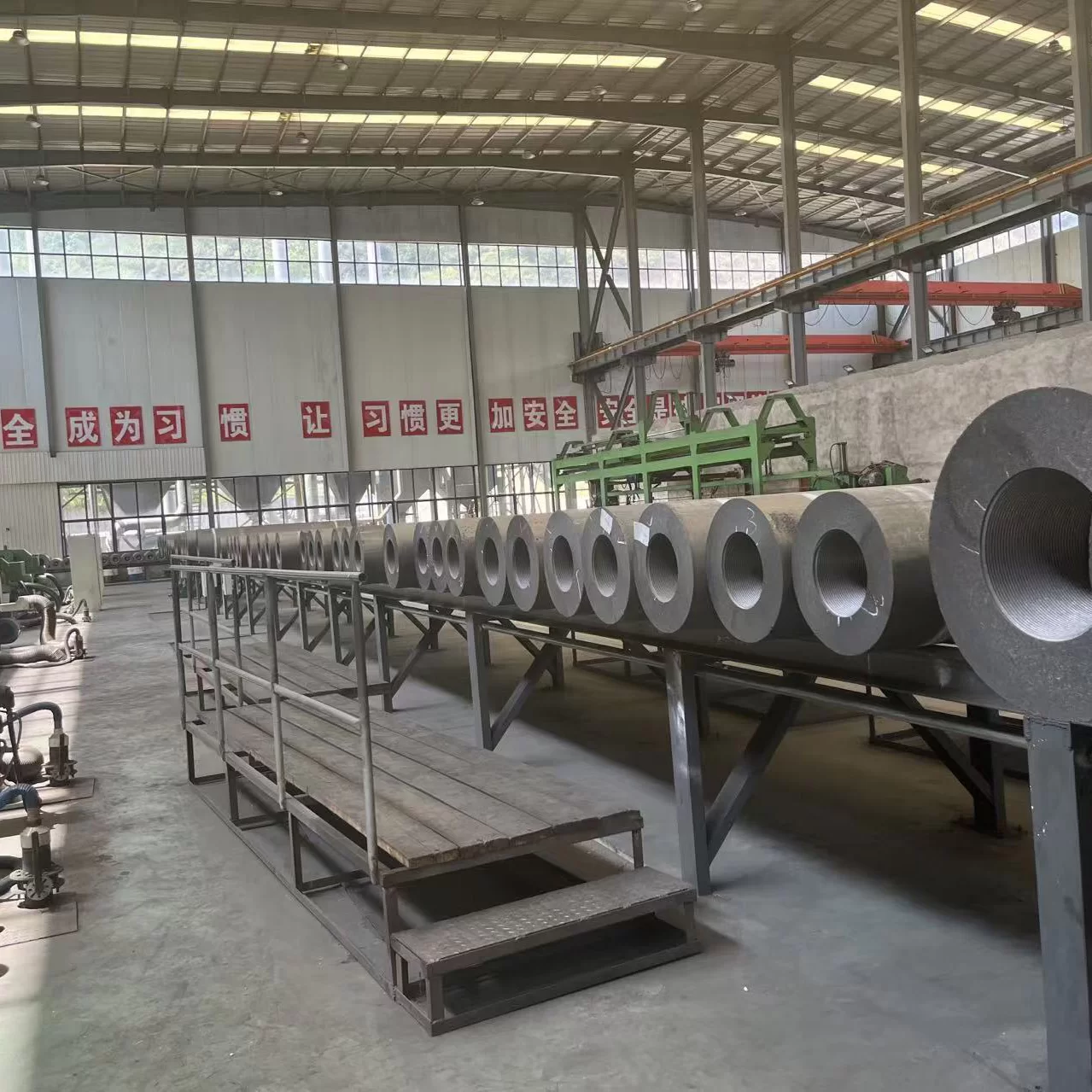
Artificial Graphite Powder: A Comprehensive Guide
Artificial graphite powder is a crucial material across numerous industries, renowned for its unique properties and versatility. From lithium-ion batteries to metallurgy and beyond, its applications are continually expanding. This article delves into the characteristics, manufacturing processes, applications, and benefits of artificial graphite powder, providing a comprehensive overview for professionals and those seeking to understand this essential material. Understanding the nuances of graphite powder ensures optimal performance in a wide range of applications.
What is Artificial Graphite Powder?
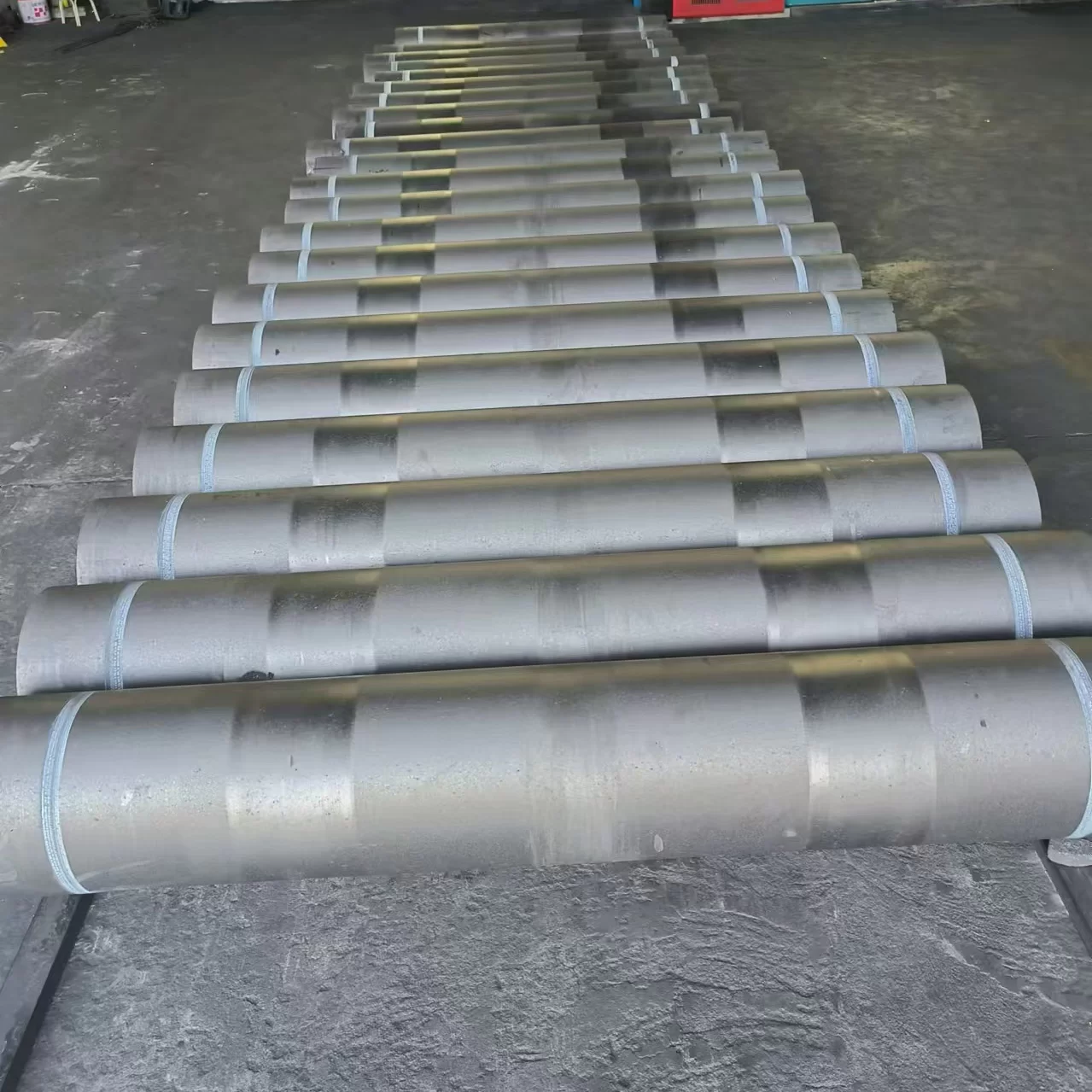
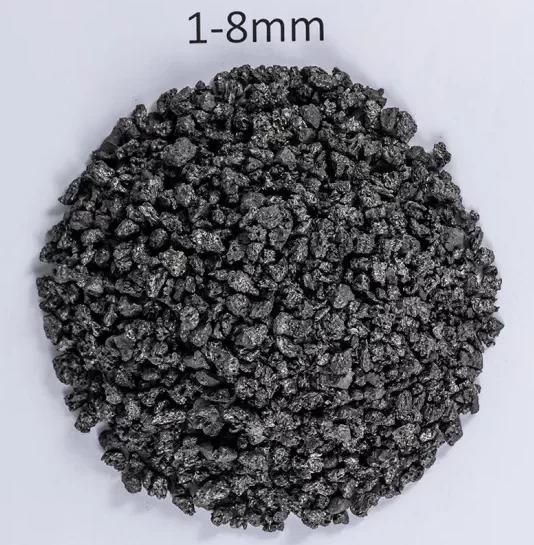
Artificial graphite powder isn't mined from the earth; it's manufactured. It's created by high-temperature graphitization of amorphous carbon materials like petroleum coke, coal tar pitch, or wood tar. This process alters the atomic structure of the carbon, transforming it into the crystalline form of graphite. The result is a powder possessing exceptional electrical conductivity, thermal stability, and lubrication properties. The precise characteristics of the artificial graphite powder can be tailored during the manufacturing process to meet the specific needs of various applications. This control over properties makes it preferable to natural graphite in many instances. Dah Carbon specializes in producing high-quality artificial graphite powder tailored to specific customer requirements.
Key Highlights: Manufactured from amorphous carbon materials through high-temperature graphitization. Offers superior control over properties compared to natural graphite. Provides excellent electrical conductivity and thermal stability.
The Manufacturing Process of Artificial Graphite Powder
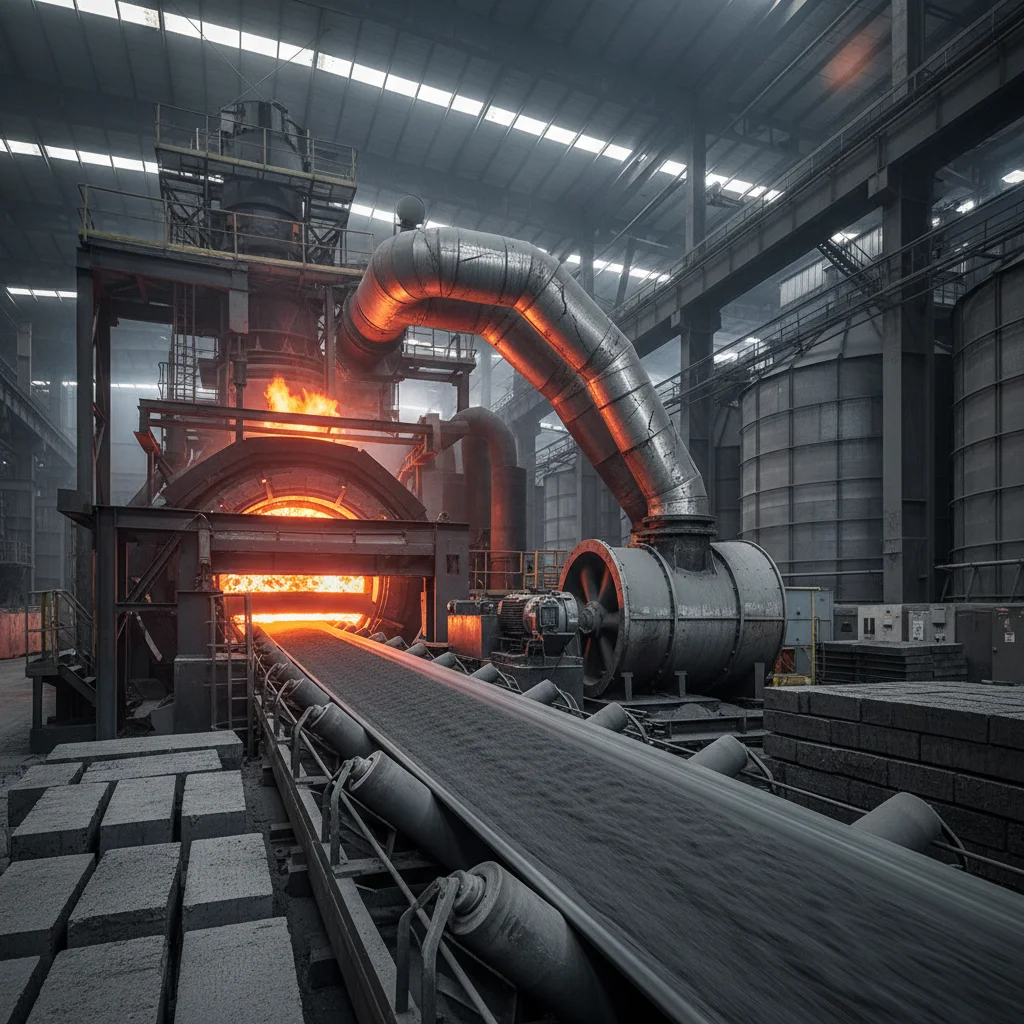
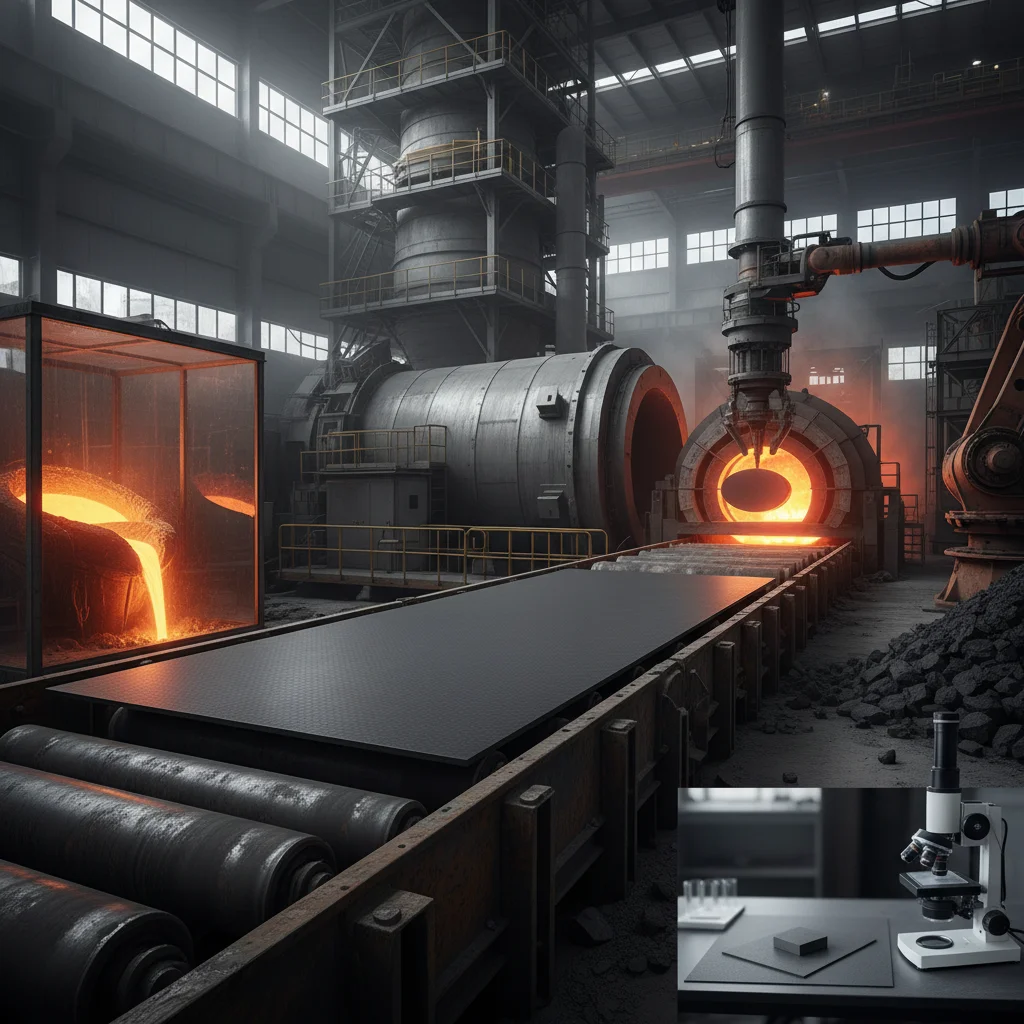
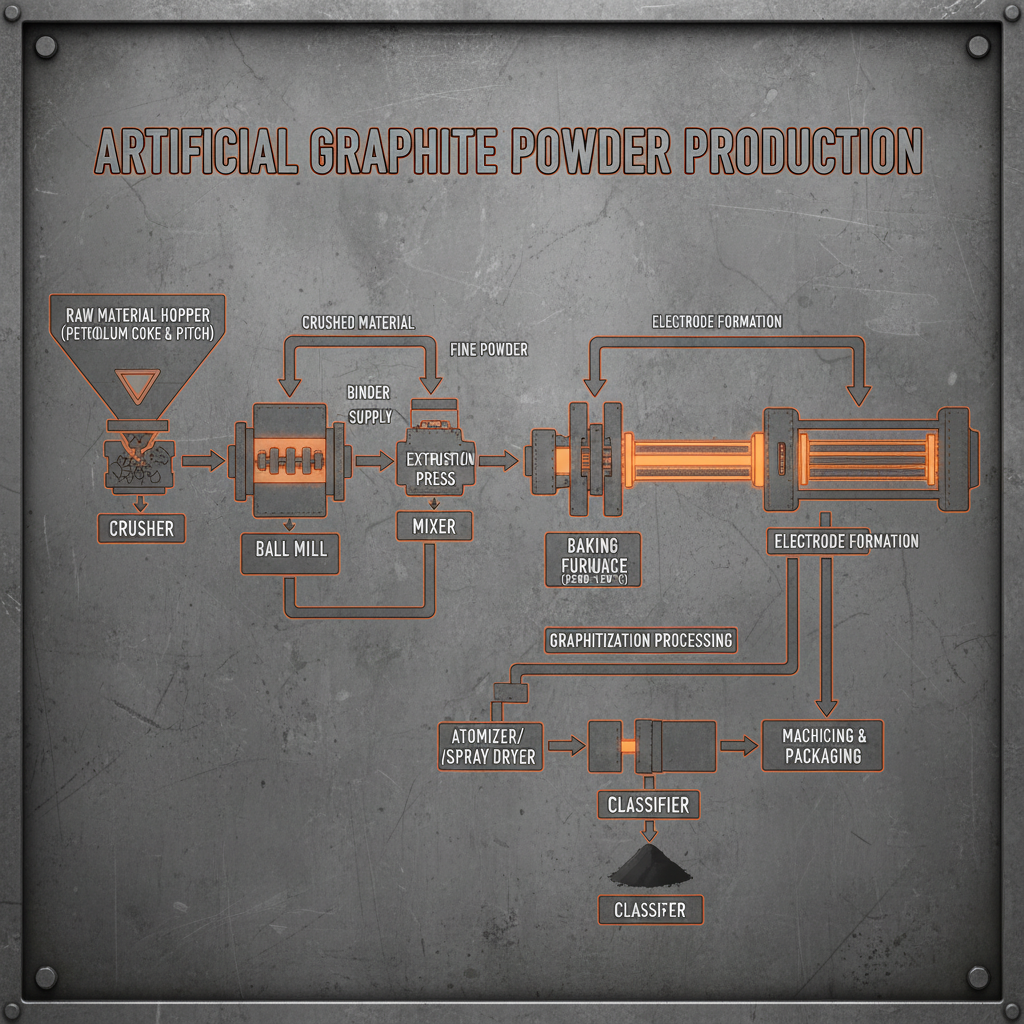
The production of artificial graphite powder involves several key steps. First, a carbon precursor (petroleum coke or coal tar pitch are common) is calcined to remove volatile matter. This is followed by a graphitization process, typically performed in electric resistance furnaces at temperatures exceeding 2500°C. This high temperature induces the carbon atoms to rearrange into the layered hexagonal structure characteristic of graphite. The resulting material is then crushed, milled, and classified to achieve the desired particle size distribution. Controlling these parameters allows manufacturers to tailor the graphite's properties, like particle size, purity, and morphology, to specific application needs. Advanced manufacturing techniques, like spray drying and coating, can further enhance the performance of the final product.
Manufacturing Stages:
• Calcination: Removing volatile matter from the carbon precursor.
• Graphitization: Heating the material to high temperatures to form graphite structure.
• Milling and Classification: Achieving the desired particle size distribution.
• Optional Coating/Surface Treatment: Enhancing performance characteristics.
Artificial Graphite Powder Applications
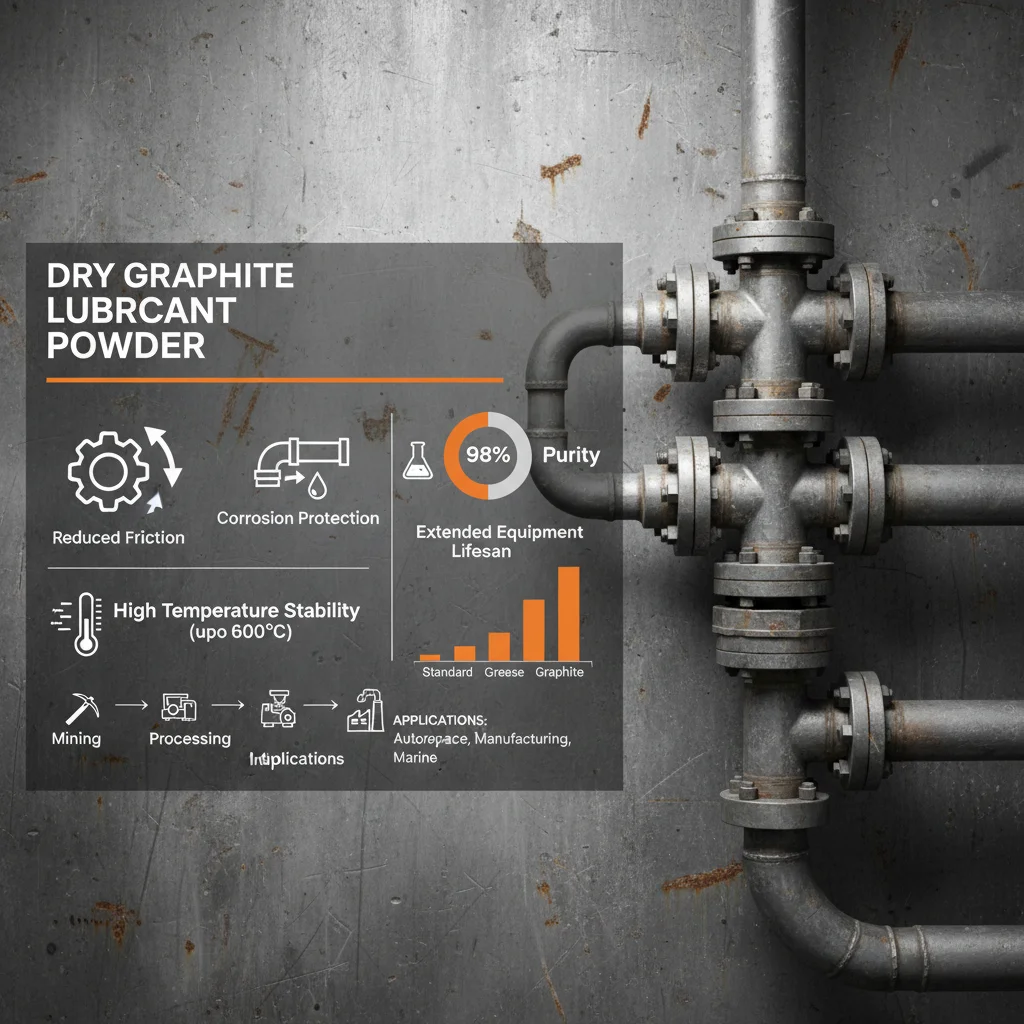
The versatility of artificial graphite powder makes it indispensable across a broad spectrum of industries. A primary application is in lithium-ion battery anodes, where its high conductivity and stability are crucial for performance. It's also extensively used in the production of electrodes, lubricants, brake linings, powder metallurgy, and carbon brushes. In the steel industry, it serves as a carbon raiser and a component in refractories. Furthermore, it finds use in plastics, paints, and coatings to enhance conductivity and mechanical properties. The demand for high-purity artificial graphite powder is continuously growing with the expansion of the electric vehicle market and advancements in energy storage technologies.
Comparing Artificial and Natural Graphite Powder
While both artificial and natural graphite possess valuable properties, there are key differences. Artificial graphite generally exhibits higher purity and more consistent particle size distribution. Its properties are also more readily controllable during the manufacturing process, enabling tailored solutions for specific applications. Natural graphite, on the other hand, is often more cost-effective, but its quality can vary significantly depending on the source. The choice between the two depends on the application requirements and budgetary constraints.
Selecting the Right Artificial Graphite Powder
Choosing the appropriate artificial graphite powder is paramount for achieving optimal results. Key considerations include particle size, purity, surface area, and tap density. The specific requirements will vary depending on the intended application. For example, battery-grade graphite requires exceptionally high purity and a specific particle size distribution to maximize energy density and cycle life. Collaborating with a reputable supplier like Dah Carbon can ensure you receive a product tailored to your exact needs and backed by quality assurance.
Conclusion: The Future of Graphite Powder
Investing in Quality and Innovation
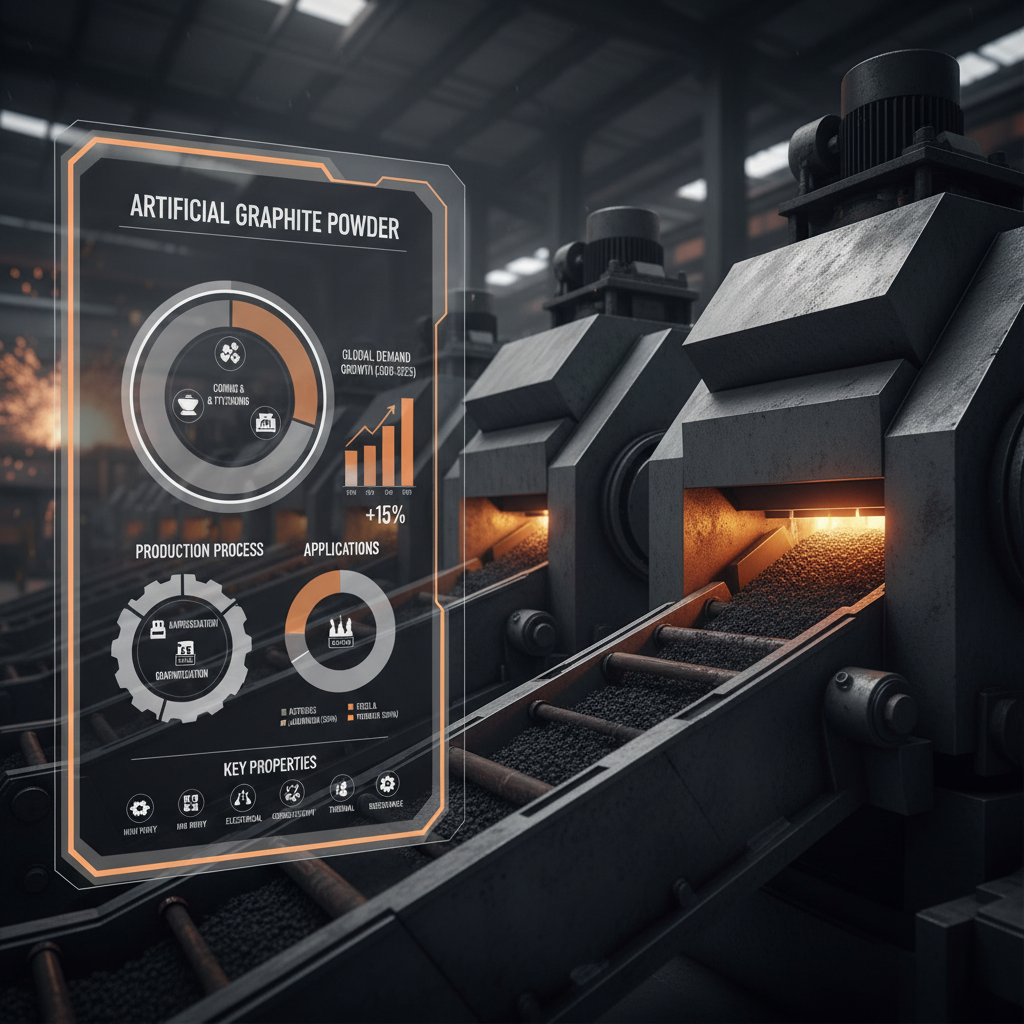
Artificial graphite powder is an essential material driving innovation across multiple industries. Its unique properties and customizable nature make it a critical component in advanced technologies. Partnering with a reliable supplier like Dah Carbon ensures access to high-quality materials and expert support, enabling you to achieve optimal performance and success.
Frequently Asked Questions (FAQs)
What is the typical particle size range for artificial graphite powder?
The particle size range of artificial graphite powder can vary significantly depending on the intended application. Generally, it ranges from a few micrometers to several hundred micrometers. For battery applications, a particle size between 10-30 micrometers is common. However, specialized applications may require smaller or larger particles. Dah Carbon offers a range of particle sizes to meet diverse customer needs. Precise control over particle size distribution is critical for achieving optimal performance in applications like battery electrodes and conductive composites.
How is the purity of artificial graphite powder measured?
The purity of artificial graphite powder is typically measured by determining the carbon content and the levels of impurities such as ash, sulfur, and metallic contaminants. Techniques like elemental analysis, loss on ignition (LOI), and inductively coupled plasma mass spectrometry (ICP-MS) are commonly used. High-purity graphite, essential for battery applications, often exceeds 99.9% carbon content. The presence of impurities can negatively impact performance, so stringent quality control measures are essential during manufacturing.
What are the typical applications of artificial graphite powder in the battery industry?
Artificial graphite powder is predominantly used as the anode material in lithium-ion batteries. Its layered structure allows for efficient intercalation and de-intercalation of lithium ions during charge and discharge cycles. It provides excellent electrical conductivity and stability, contributing to the battery's performance, lifespan, and safety. Ongoing research focuses on enhancing graphite's properties through surface modifications and coating to further improve battery capacity and cycle life. The growing demand for electric vehicles is driving increased demand for high-quality artificial graphite for battery production.
Can artificial graphite powder be customized for specific applications?
Yes, artificial graphite powder can be highly customized to meet specific application requirements. This includes adjusting particle size, purity, surface area, tap density, and even coating the particles with different materials. Manufacturers like Dah Carbon work closely with customers to understand their needs and develop tailored solutions. Customization allows for optimized performance in a wide range of applications, from battery anodes to lubricants and conductive composites.