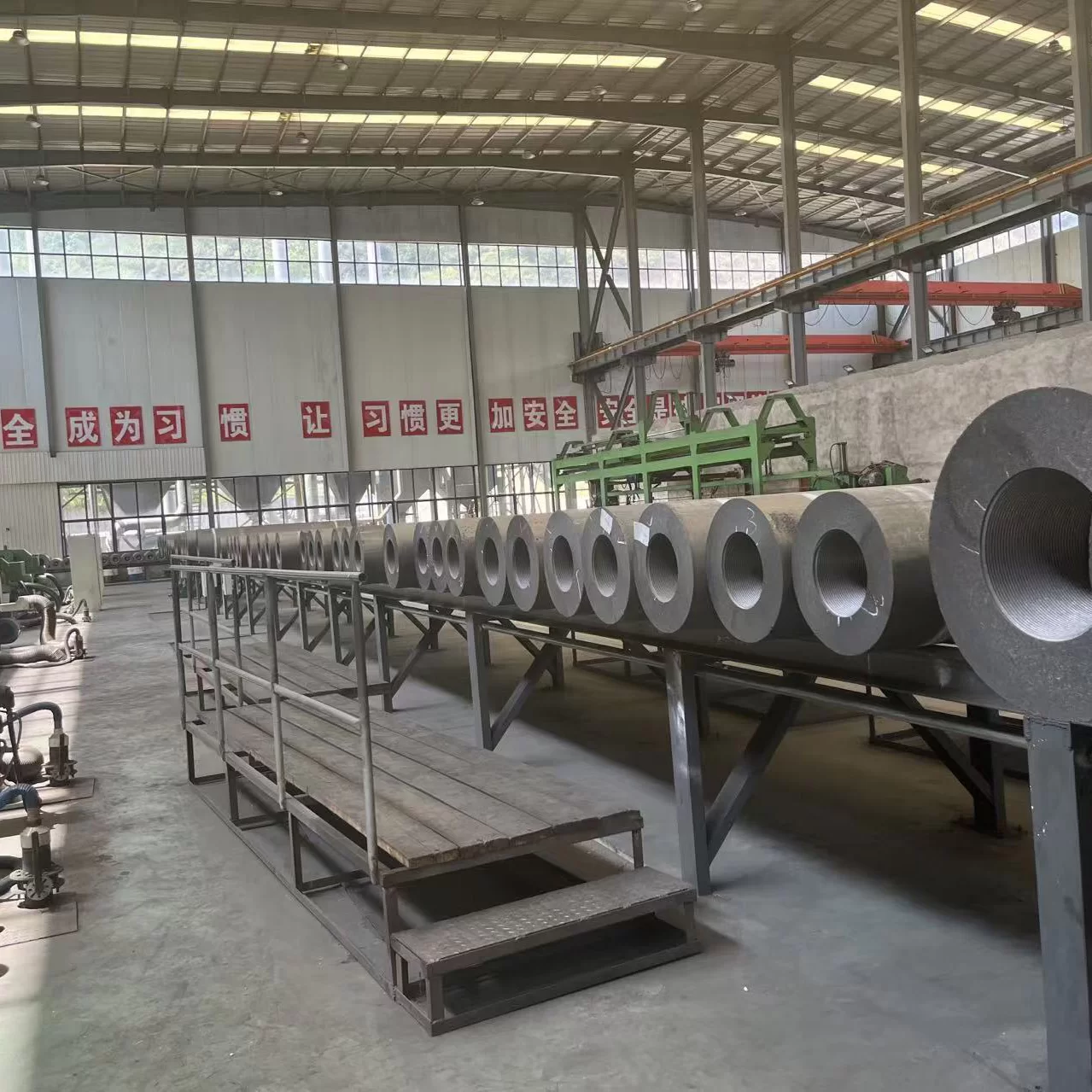
Graphite Powder Application: A Comprehensive Guide
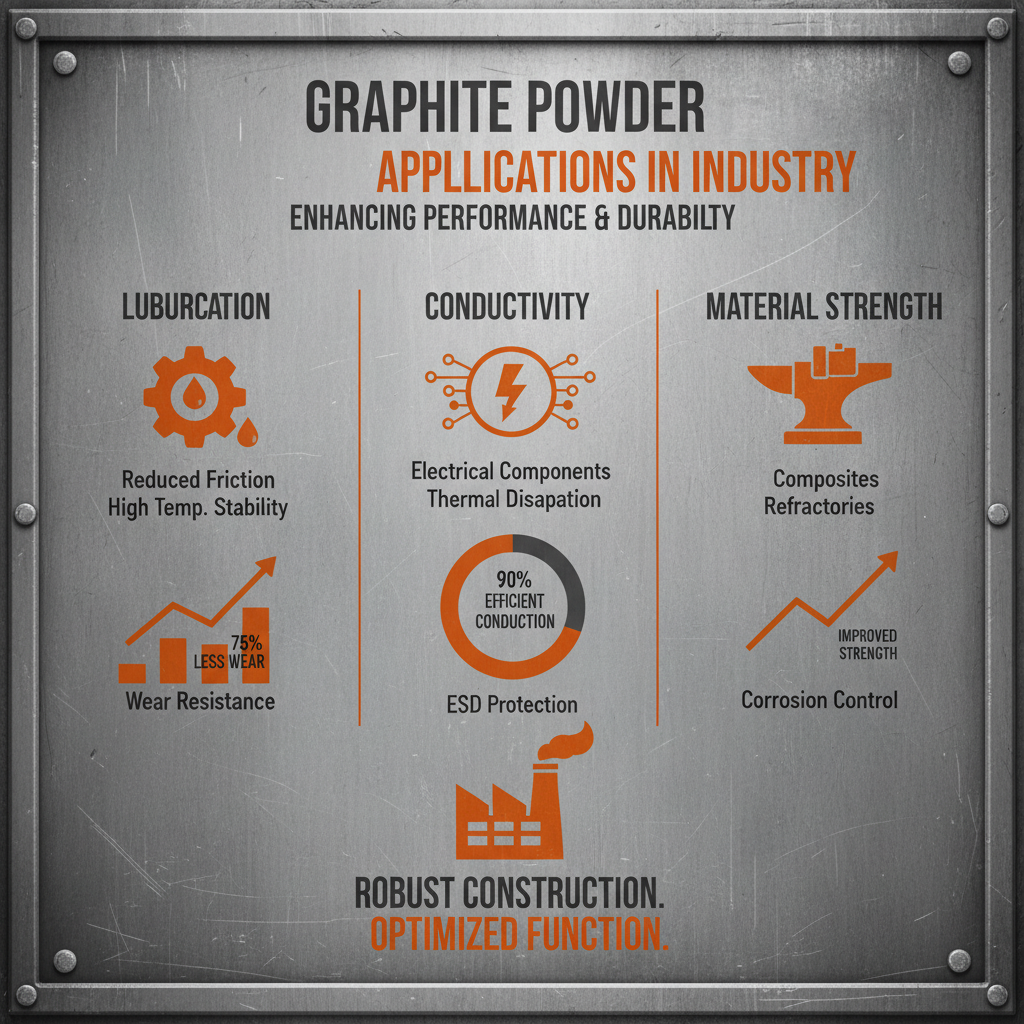
Graphite powder, a versatile material with exceptional properties, finds widespread application across numerous industries. From lubrication and metallurgy to batteries and refractories, its unique characteristics make it indispensable in various processes. This article delves into the diverse graphite powder applications, exploring its benefits and highlighting its importance in modern manufacturing. We’ll cover everything from its use in friction materials to its role in advanced technologies.
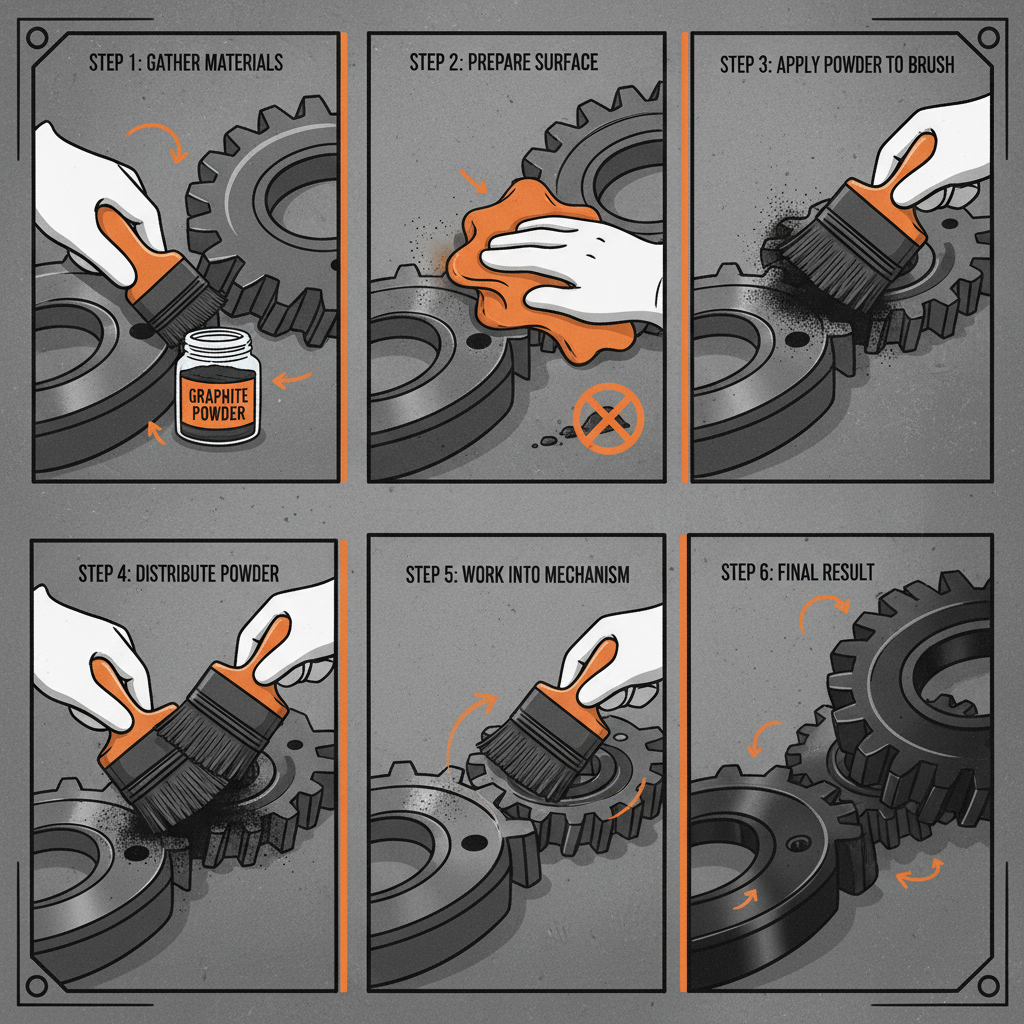
Understanding the Core Properties of Graphite Powder
Before diving into specific applications, understanding graphite powder’s key properties is crucial. Its hexagonal crystal structure grants it exceptional lubricity, high thermal conductivity, and excellent electrical conductivity. Graphite is also chemically inert, resistant to corrosion, and possesses a high melting point. The particle size and purity of the graphite powder significantly impact its performance in different applications. Dah Carbon specializes in producing high-purity graphite powder tailored to diverse industrial needs.
Key Properties: Exceptional lubricity, high thermal conductivity, excellent electrical conductivity, chemical inertness, corrosion resistance, and a high melting point.
Graphite Powder in Friction Materials
A significant application of graphite powder lies in the production of friction materials like brake linings and clutch facings. Its layered structure allows particles to shear easily, reducing friction and wear. Graphite acts as a solid lubricant, minimizing noise and extending the lifespan of these components. The type of graphite powder used (flake, amorphous, or expanded) influences the friction coefficient and wear resistance. Our graphite powder ensures optimal performance in demanding braking systems.
Benefits in Friction Materials:
• Reduces friction and wear
• Minimizes noise
• Extends component lifespan
Graphite Powder Application in Metallurgy
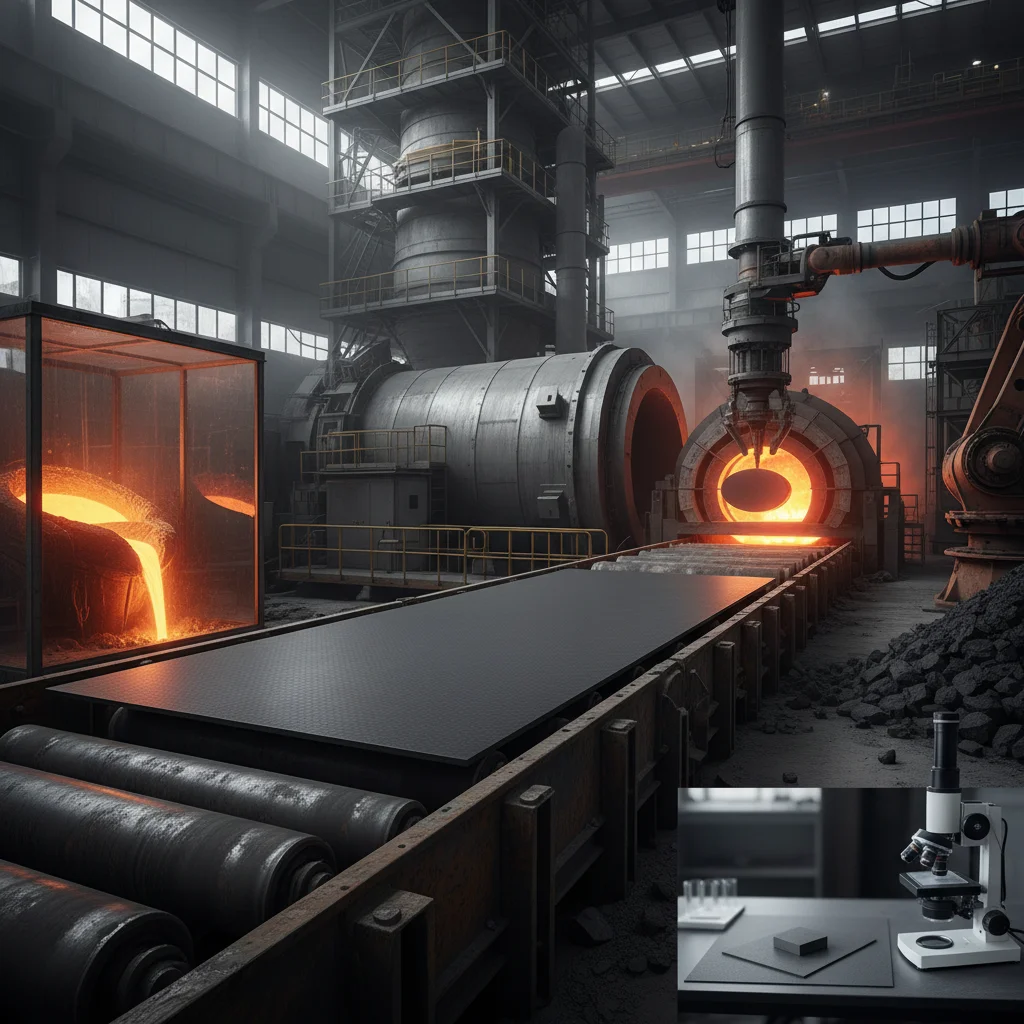
In the metallurgical industry, graphite powder serves as a crucial ingredient in the production of crucibles, molds, and linings for metal casting. Its high thermal shock resistance and ability to withstand extreme temperatures make it ideal for these applications. It’s also used as a carbon raiser in steelmaking, controlling the carbon content and improving the material’s strength and hardness. Furthermore, graphite powder acts as a lubricant in powder metallurgy processes, facilitating compaction and sintering.
The Rising Demand for Graphite Powder in Battery Technology
With the surge in electric vehicle (EV) production and energy storage solutions, the demand for graphite powder in battery technology has skyrocketed. Graphite is a key component of lithium-ion battery anodes, providing a conductive pathway for electron transport. The quality and morphology of the graphite powder significantly affect battery performance, including capacity, cycle life, and charging speed. Dah Carbon is actively investing in the development of high-performance graphite materials specifically for battery applications.
Graphite Powder Specifications and Grades
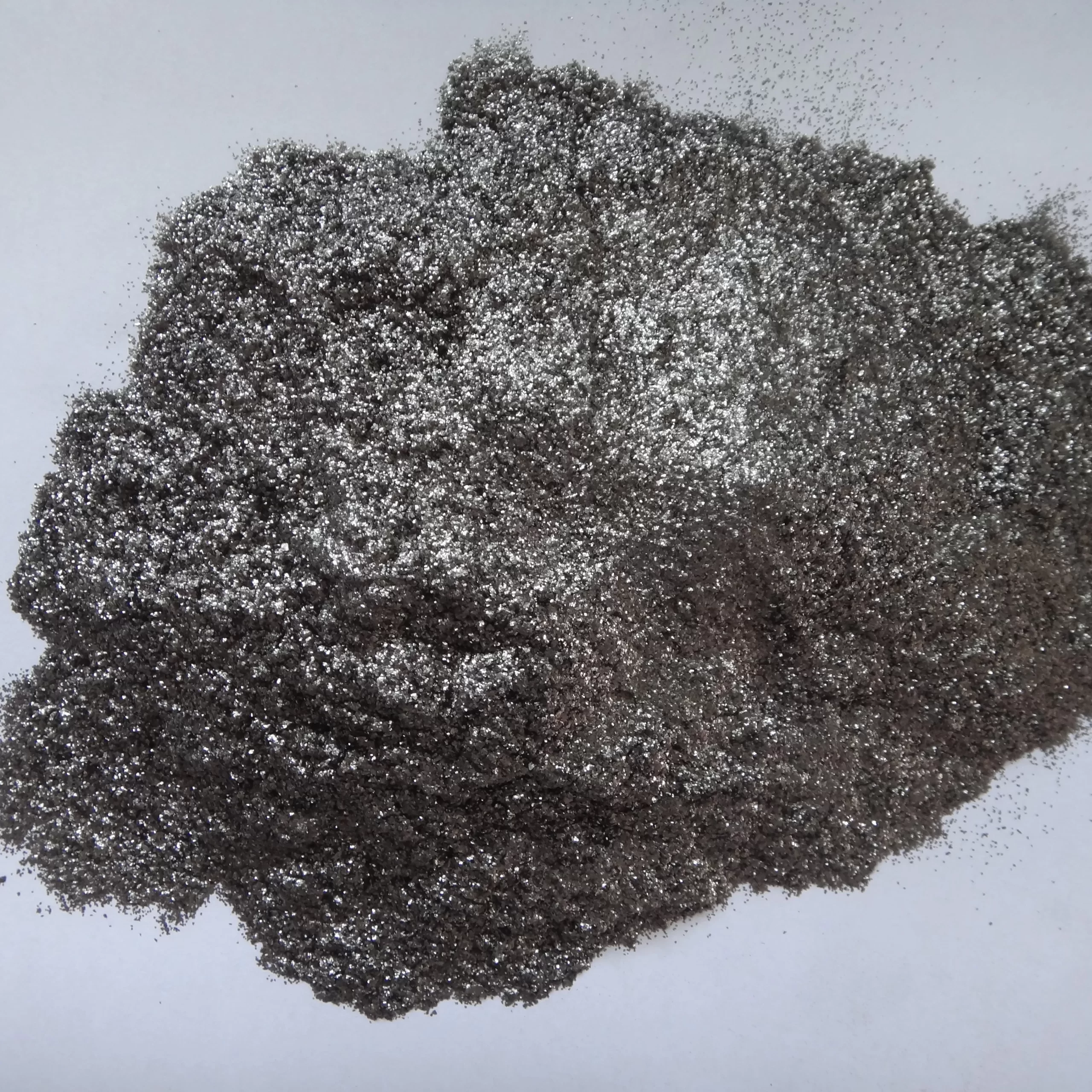
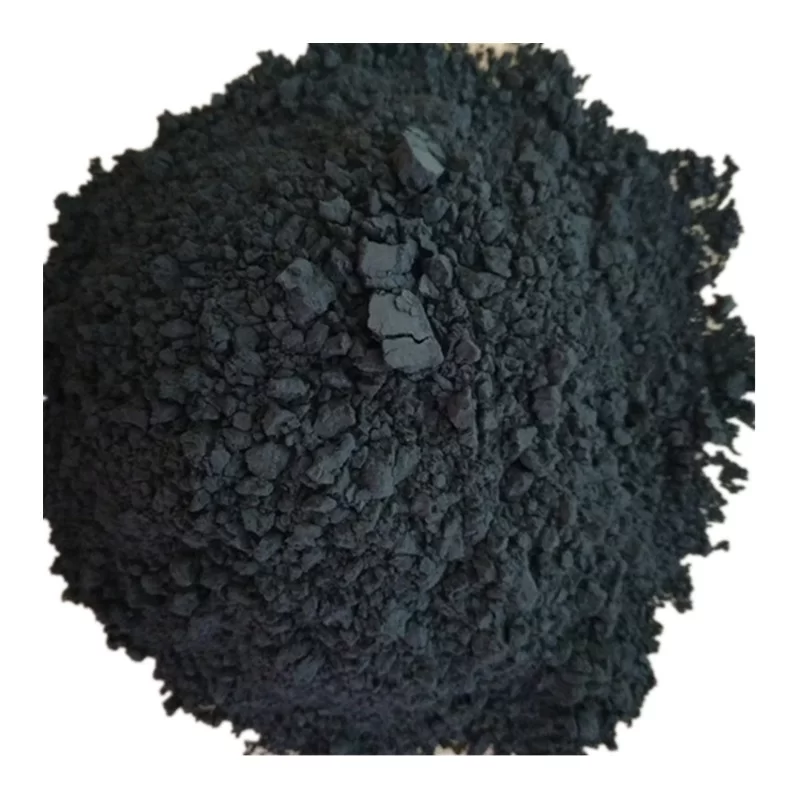
Graphite powder is available in various grades, categorized by particle size, purity, and morphology. Common types include flake graphite, amorphous graphite, and expanded graphite. Each grade is suitable for specific applications. Here’s a glimpse of typical specifications:
Conclusion: The Future of Graphite Powder Applications
The applications of graphite powder continue to evolve and expand, driven by technological advancements and increasing demand in various industries. From its established role in metallurgy and friction materials to its pivotal position in battery technology, graphite remains an essential material for modern manufacturing. Choosing a reliable supplier like Dah Carbon ensures access to high-quality graphite powder tailored to your specific needs.
Frequently Asked Questions (FAQs)
What are the main differences between natural and synthetic graphite powder?
Natural graphite is mined from geological deposits, resulting in varying purity and flake size. Synthetic graphite is manufactured through high-temperature treatment of carbonaceous materials like petroleum coke, offering greater control over purity, particle size, and morphology. Synthetic graphite typically exhibits higher purity and more uniform characteristics, making it ideal for demanding applications like battery anodes. However, natural graphite is often more cost-effective for less critical applications. The choice depends on the specific performance requirements and budget constraints.
How does particle size affect the performance of graphite powder?
Particle size plays a crucial role in graphite powder performance. Smaller particle sizes generally lead to higher surface area, improving reactivity and lubrication. In battery applications, smaller particles facilitate faster lithium-ion diffusion, enhancing charging rates and capacity. Larger particle sizes can provide better thermal conductivity and mechanical strength. The optimal particle size distribution depends on the specific application and processing method.
What safety precautions should be taken when handling graphite powder?
While graphite powder is generally considered non-toxic, fine graphite dust can be irritating to the respiratory system and skin. It’s essential to wear appropriate personal protective equipment (PPE), including a dust mask, gloves, and safety glasses, when handling graphite powder. Avoid generating excessive dust and ensure adequate ventilation in the work area. Refer to the material safety data sheet (MSDS) for detailed safety information.