Choosing the Right Lock Lubricant Graphite: A Comprehensive Guide
Maintaining the smooth operation of locks is crucial for security and convenience. Selecting the appropriate lock lubricant graphite is essential to prevent corrosion, reduce friction, and extend the lifespan of your locking mechanisms. This article will delve into the benefits of graphite lubricants, their applications, and how to choose the best product for your needs. We'll explore why graphite stands out as a superior choice compared to oil-based lubricants and guide you through the key considerations for optimal lock maintenance.
Why Graphite is the Preferred Lock Lubricant
Unlike oil-based lubricants, graphite is a dry lubricant, meaning it doesn't attract dirt, dust, or debris. This is a significant advantage for locks, as these contaminants can build up over time, causing them to jam or malfunction. Graphite lubricants provide long-lasting lubrication without creating a sticky residue. Furthermore, graphite is chemically inert, meaning it won't corrode metal components within the lock. This makes it ideal for use in a variety of environments, including those exposed to moisture or extreme temperatures. It's also a non-toxic and environmentally friendly alternative to many petroleum-based products.
Key Highlights: Graphite is a dry lubricant that doesn’t attract dirt or debris. It's chemically inert, preventing corrosion, and is environmentally friendly.
Applications of Graphite Lock Lubricant
Graphite lubricants aren't just for standard pin tumbler locks. They excel in a wide range of applications where smooth, long-lasting lubrication is critical. This includes: safe locks, automotive door locks, padlock, file cabinet locks, and even precision instruments. The fine particles of graphite easily penetrate into the intricate mechanisms of these locks, reducing friction and ensuring smooth operation. Regular application helps to prevent wear and tear, extending the service life of the locking components. Because graphite doesn’t gum up, it's particularly beneficial for locks that are infrequently used.
Versatile Applications:
• Safe Locks
• Automotive Door Locks
• Padlocks
• File Cabinet Locks
Graphite vs. Oil-Based Lubricants: A Detailed Comparison
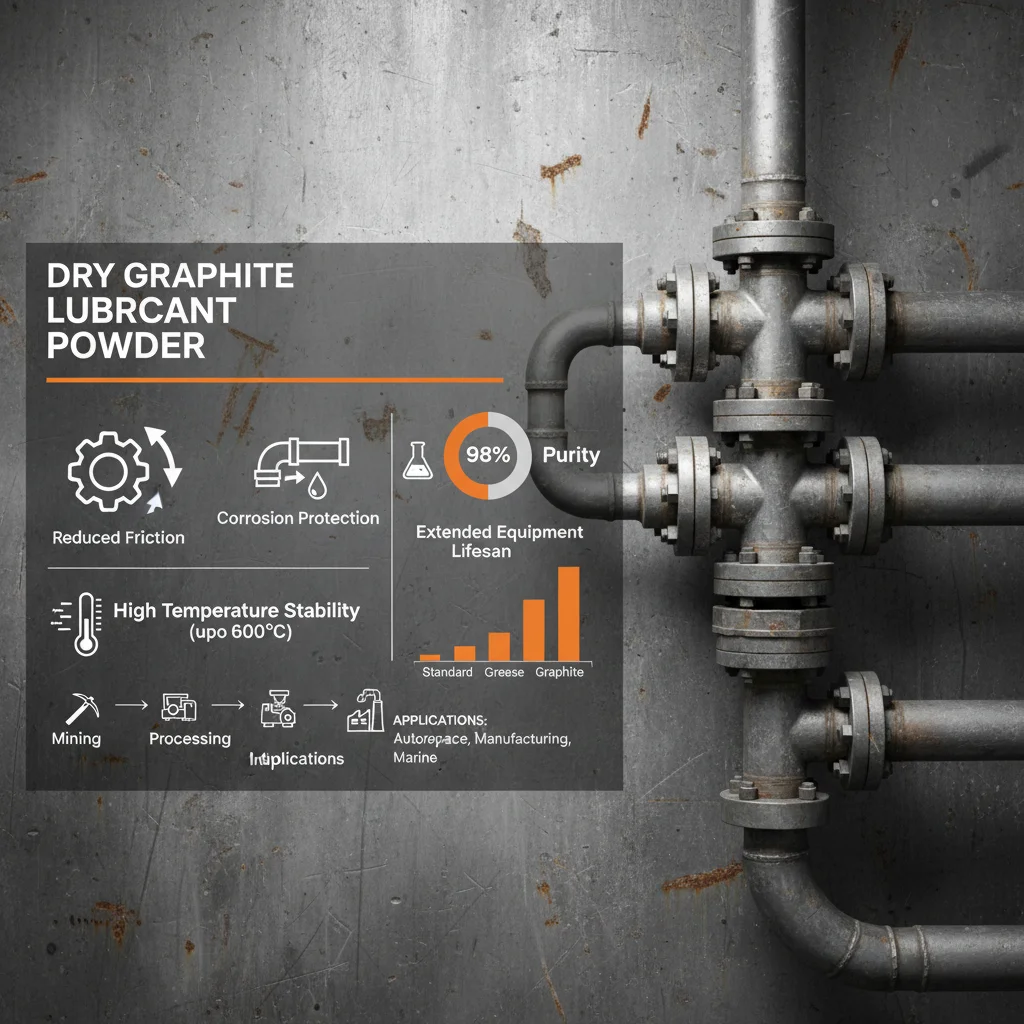
Choosing between graphite and oil-based lubricants can be challenging. While oils offer initial lubrication, they tend to collect dirt and grime, eventually hindering lock functionality. Graphite, being a dry lubricant, avoids this pitfall. It creates a protective coating that reduces friction without attracting contaminants. Furthermore, graphite remains effective over a wider temperature range compared to many oils. The chart below highlights the key differences between the two.
Selecting the Best Graphite Lock Lubricant from Dah Carbon
Dah Carbon offers a range of high-quality graphite lubricants tailored for various lock applications. When choosing, consider the form factor: graphite powder, graphite spray, or graphite grease. Powders are excellent for precise application, while sprays are convenient for reaching tight spaces. Graphite grease offers a longer-lasting lubrication for heavy-duty locks. Look for products specifically formulated for locks to ensure optimal performance and compatibility. Consider the purity of the graphite – higher purity grades offer superior lubrication and reduce the risk of contaminants.
Proper Application Techniques
Applying graphite lubricant correctly is vital for achieving optimal results. Begin by cleaning the lock to remove any existing dirt or debris. For graphite powder, use a small applicator (like a puff bottle) to direct the powder into the keyway and internal mechanisms. For sprays, apply a short burst and work the key in and out to distribute the lubricant. Avoid over-lubricating, as excessive graphite can also attract contaminants over time. Regular re-application, every 6-12 months, is recommended to maintain smooth lock operation.
Conclusion: Ensure Smooth Operation with Graphite Lubrication
Investing in a quality graphite lock lubricant is a simple yet effective way to protect your locks, enhance security, and prevent costly repairs. By choosing the right product and applying it correctly, you can ensure smooth, reliable operation for years to come. Don't settle for less – choose graphite for superior lubrication and long-lasting performance.
Frequently Asked Questions (FAQs)
Is graphite lubricant messy?
Compared to oil-based lubricants, graphite is significantly less messy. As a dry lubricant, it doesn't drip or leave a sticky residue. However, graphite powder can create a slight dust, so it's best to apply it in a well-ventilated area and avoid inhaling the dust. Using a targeted applicator helps minimize any mess during application.
Can I use graphite lubricant on electronic locks?
Generally, it's not recommended to use graphite lubricant on electronic locks. Electronic locks contain sensitive components that can be damaged by conductive materials like graphite. Always refer to the manufacturer's instructions for the specific electronic lock model. They may recommend a specialized silicone-based lubricant instead.
How often should I lubricate my locks?
The frequency of lubrication depends on the lock's usage and environment. For frequently used locks, lubricating every 6 months is recommended. For locks used less often, once a year may suffice. If you notice any stiffness or difficulty operating the lock, it's a sign that it needs lubrication. Regular maintenance will help prevent more serious issues down the line.