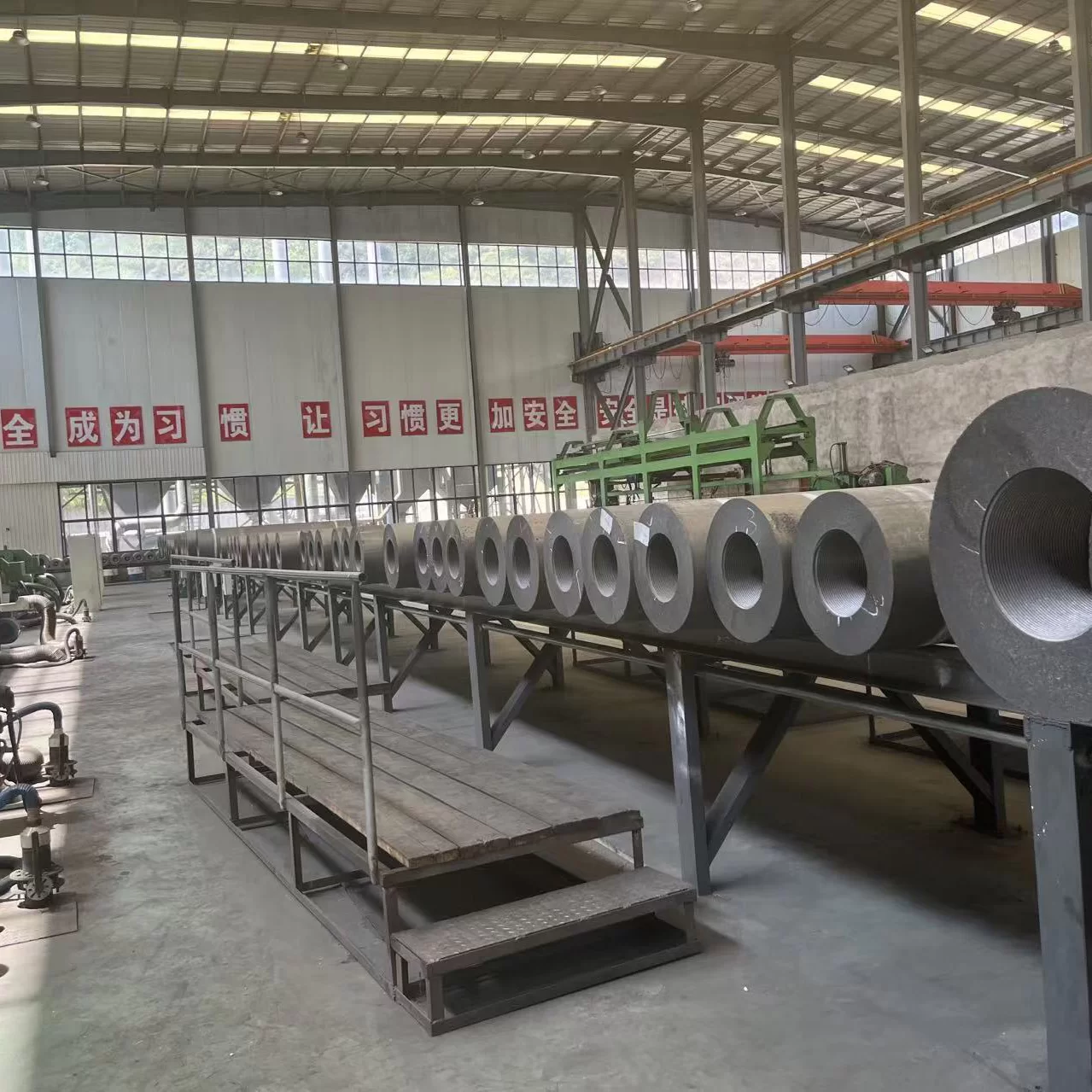
As someone who's visited several steel shops across the Gulf, I've seen how tiny choices — electrode grade, nipple fit, even the supplier's delivery window — change a melt's economics. If you're researching [RP graphite electrode,electric arc furnace electrodes,eaf electrode in Middle East] for EAF work, this piece walks you through trends, specs, testing, and real-world notes from foundries and service centers.
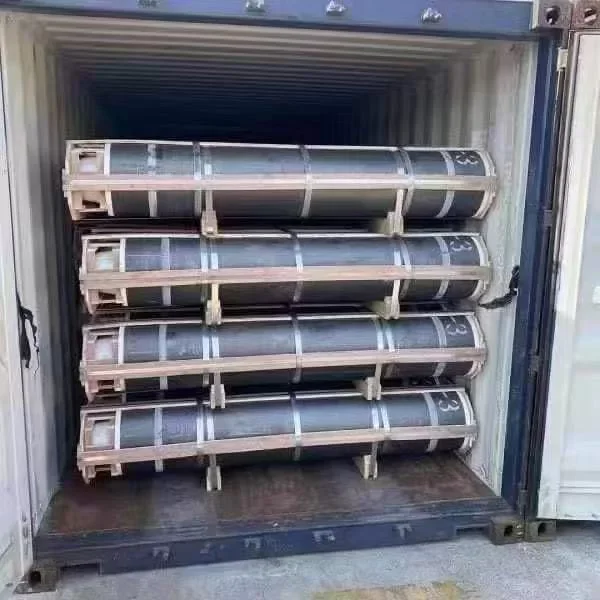
Industry trends & demand
The Middle East continues shifting from scrap import reliance toward higher-efficiency EAF processes. Electrification and tighter power costs push buyers to low-resistance electrodes (RP grade is common). Suppliers report demand peaks around maintenance windows — surprise, just when logistics are tight.
Product overview & materials
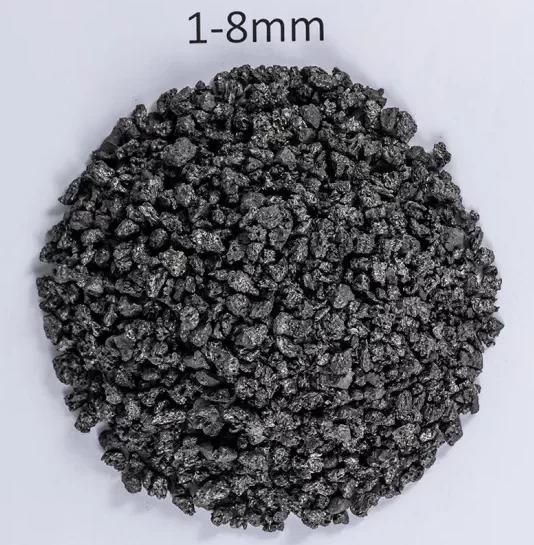
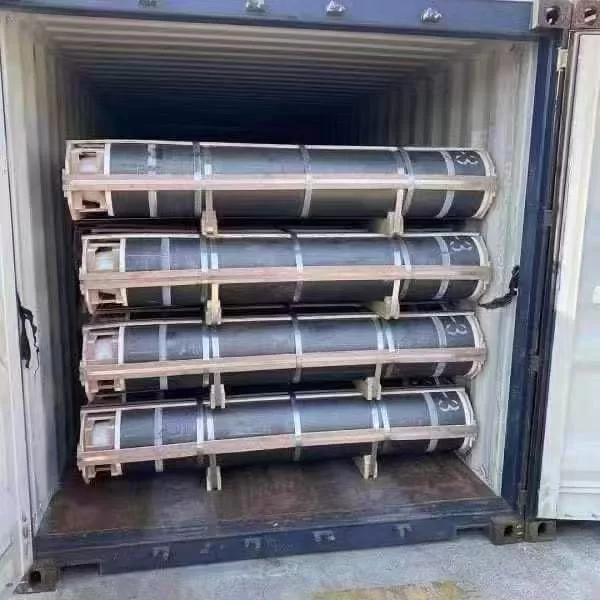
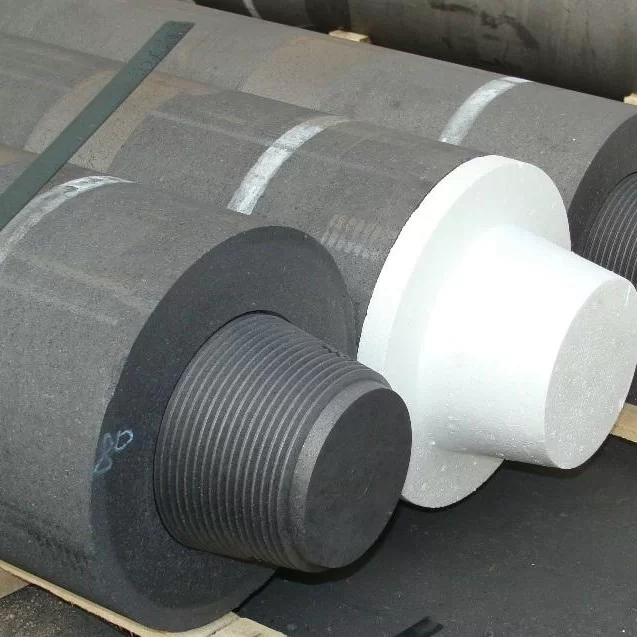
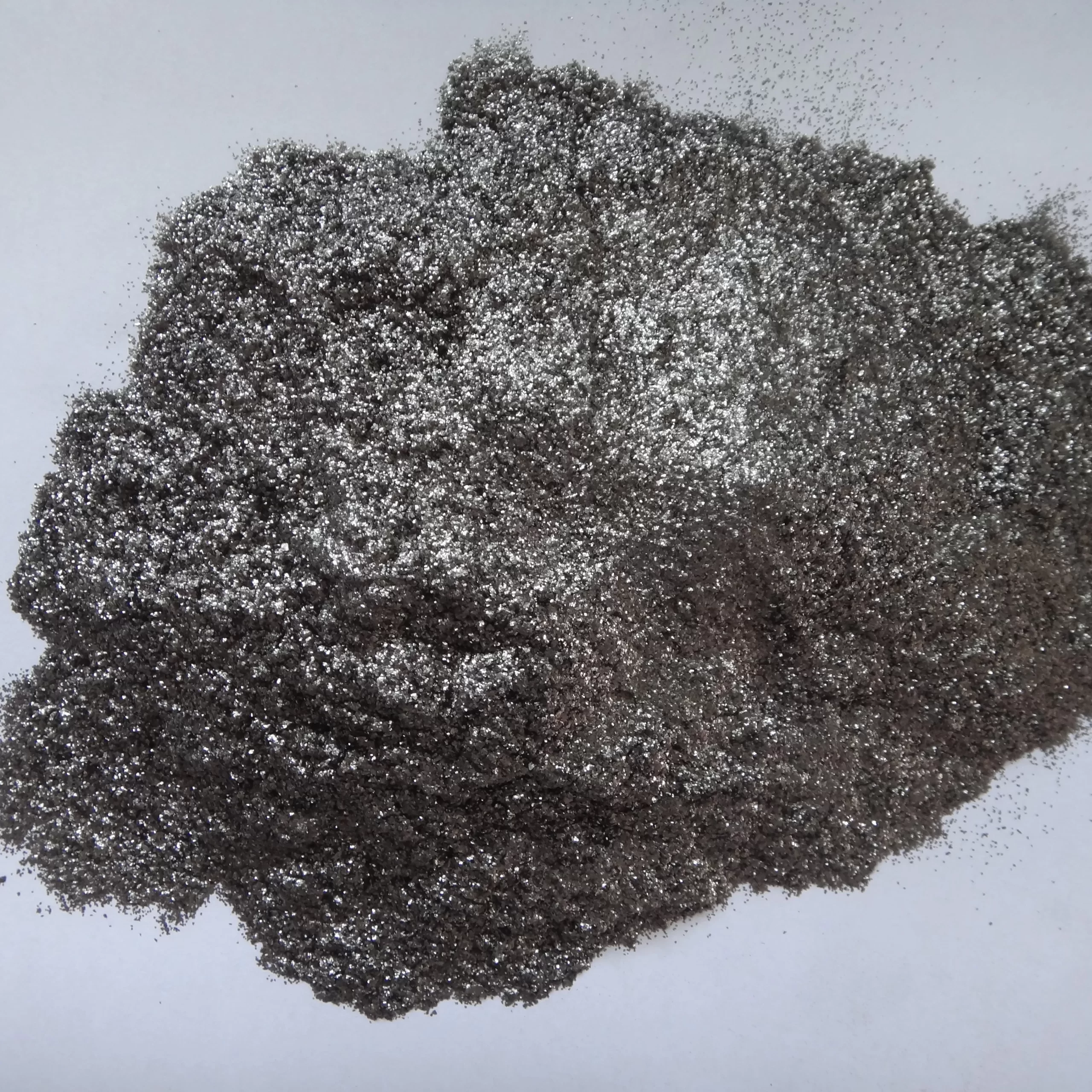
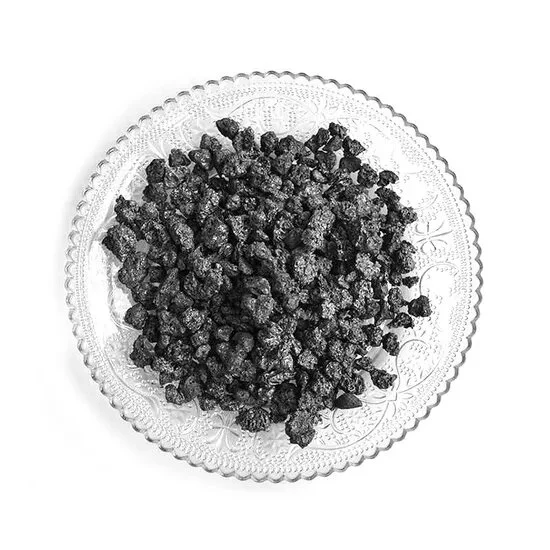
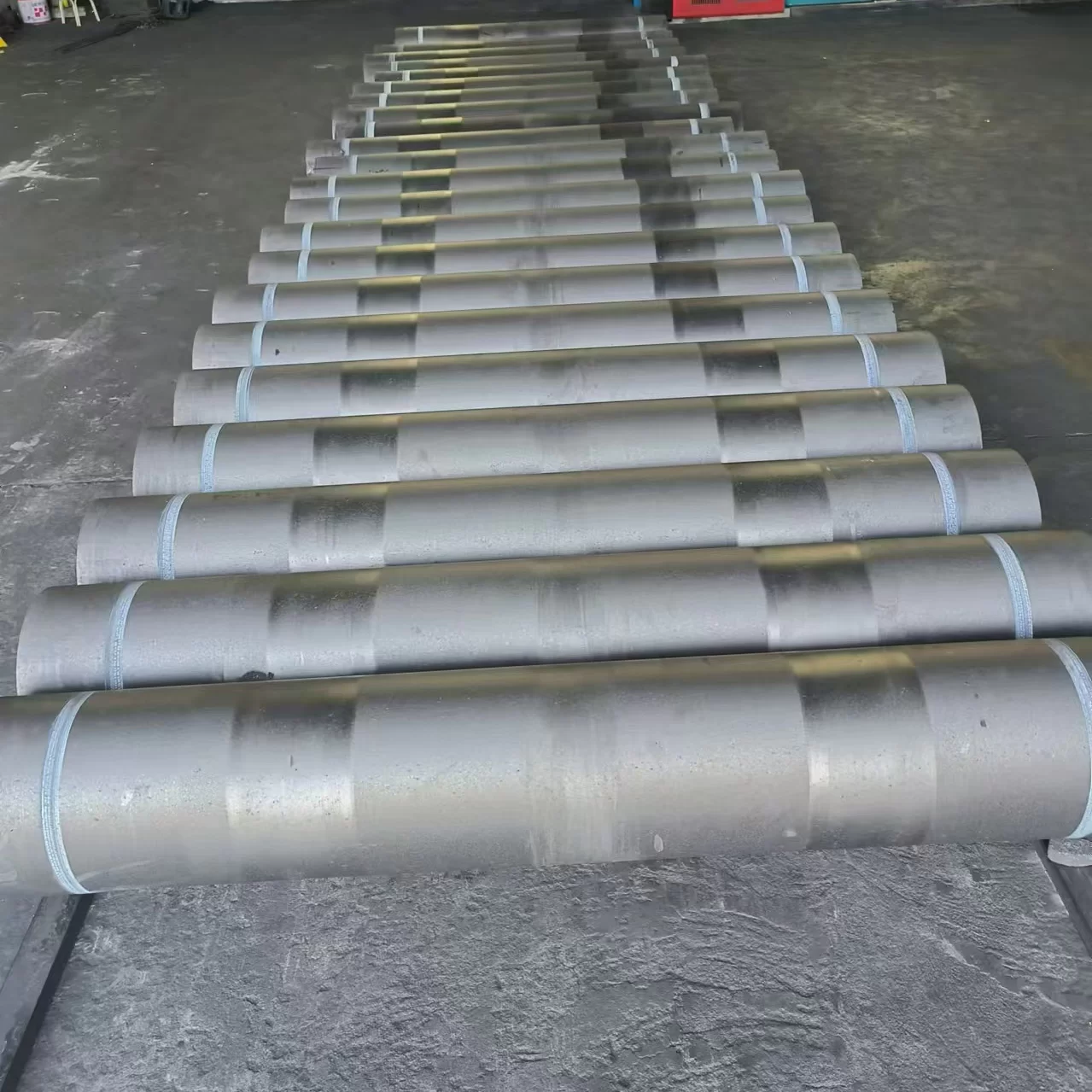
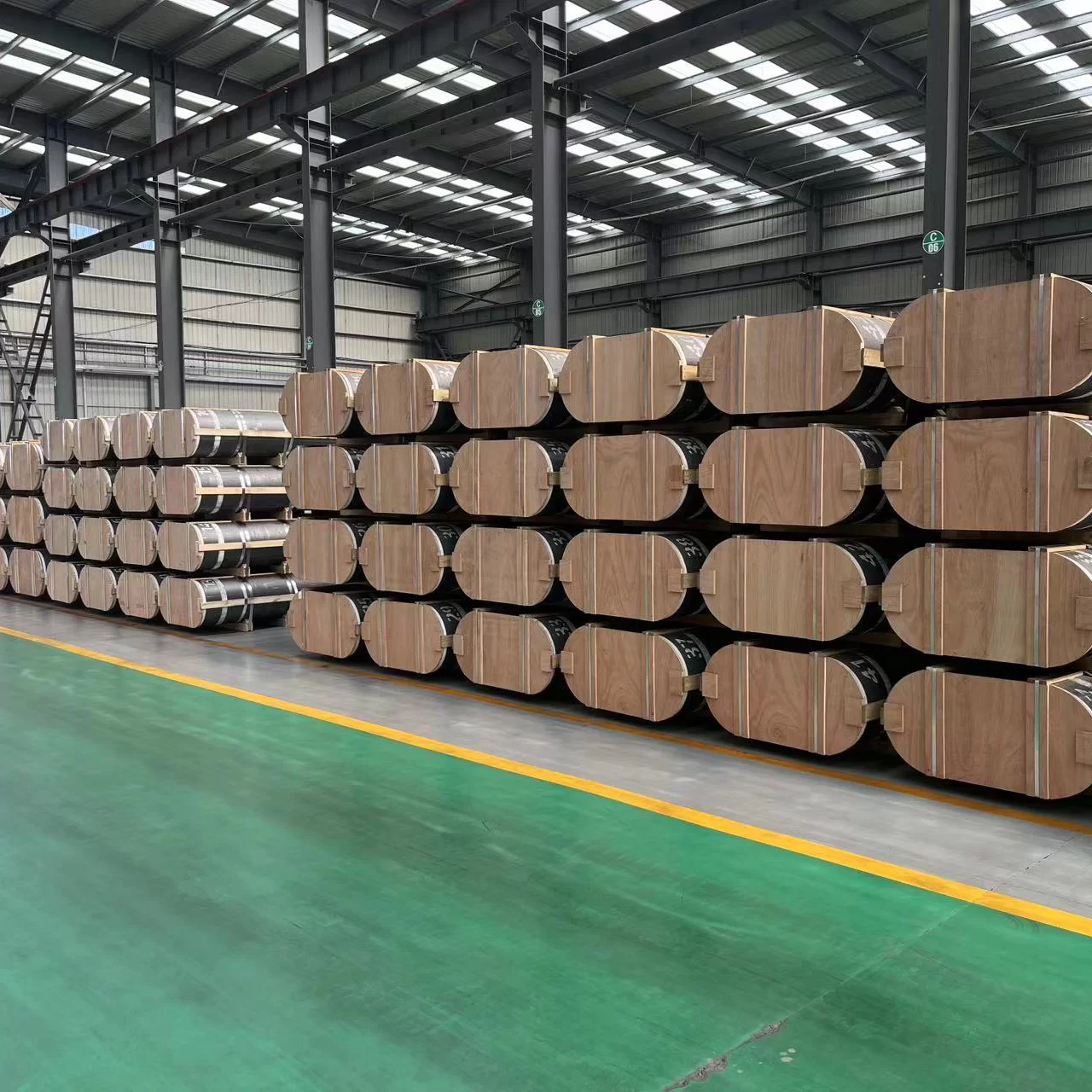
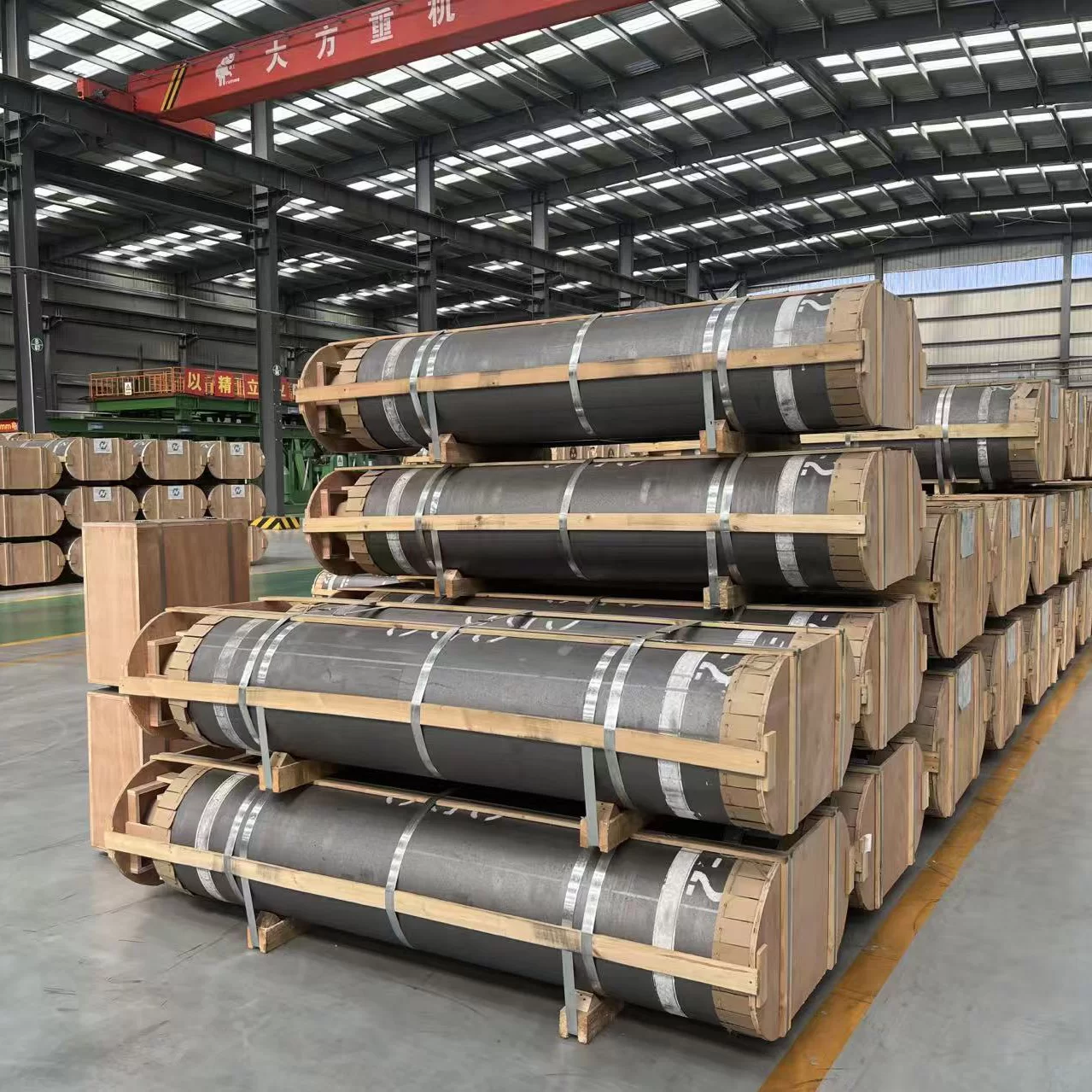
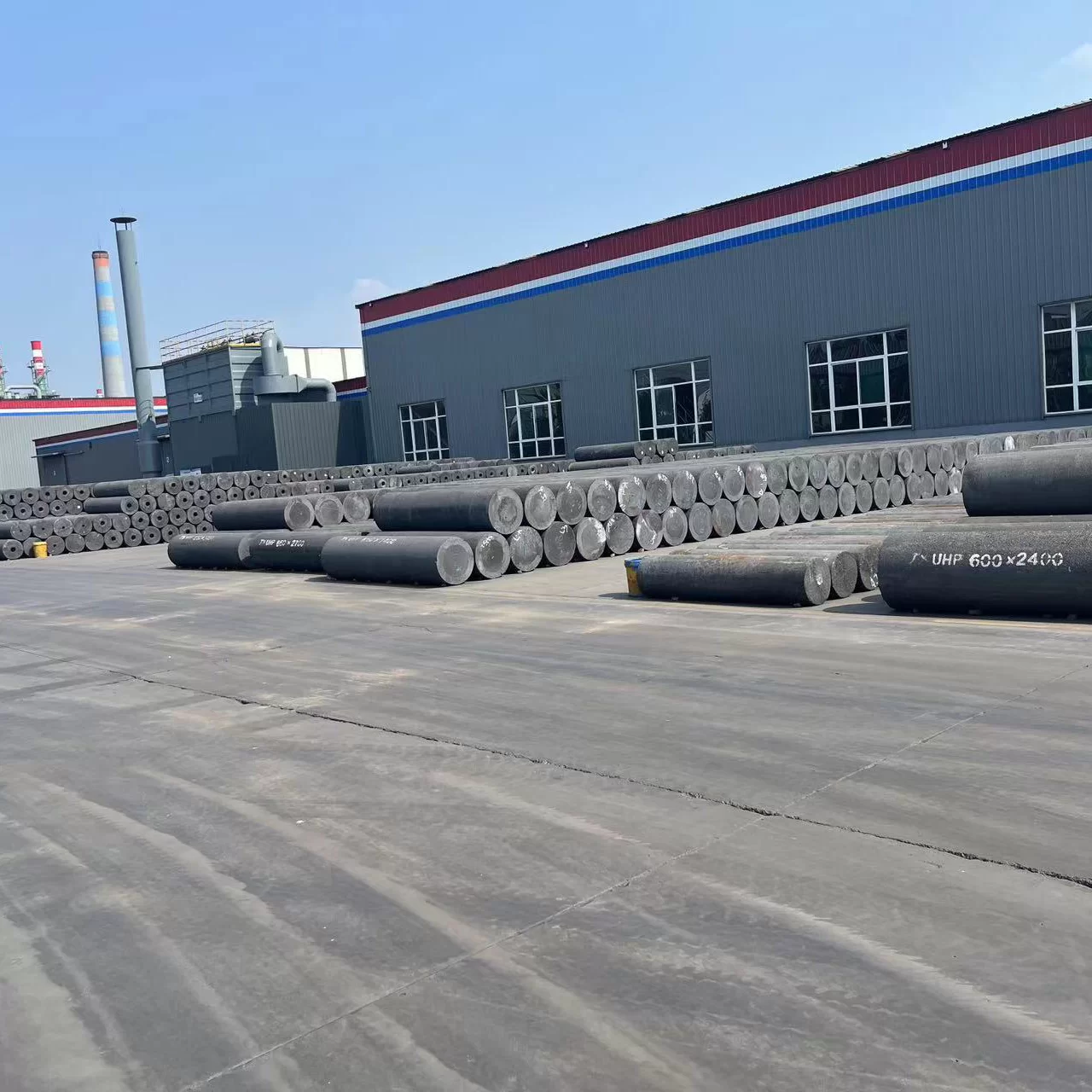
The RP Graphite Electrode is a high-temperature conductive block made from petroleum coke, tar coke (≈ filler), and coal tar binder. We produce electrodes, nipples and blocks; properties include low resistivity, strong thermal conductivity, good oxidation resistance and mechanical strength — in plain terms: fewer breaks, better arcs, and longer campaigns.
Typical specification (real-world use may vary)
Parameter | Value |
Diameter range | ≈ 200–700 mm |
Bulk density | ≈ 1.65–1.75 g/cm³ |
Electrical resistivity | ≈ 6–8 μΩ·m |
Modulus of rupture | ≈ 12–18 MPa |
Typical service life (EAF) | Several weeks to months — depends on current profile and oxidation control |
Process flow & testing standards
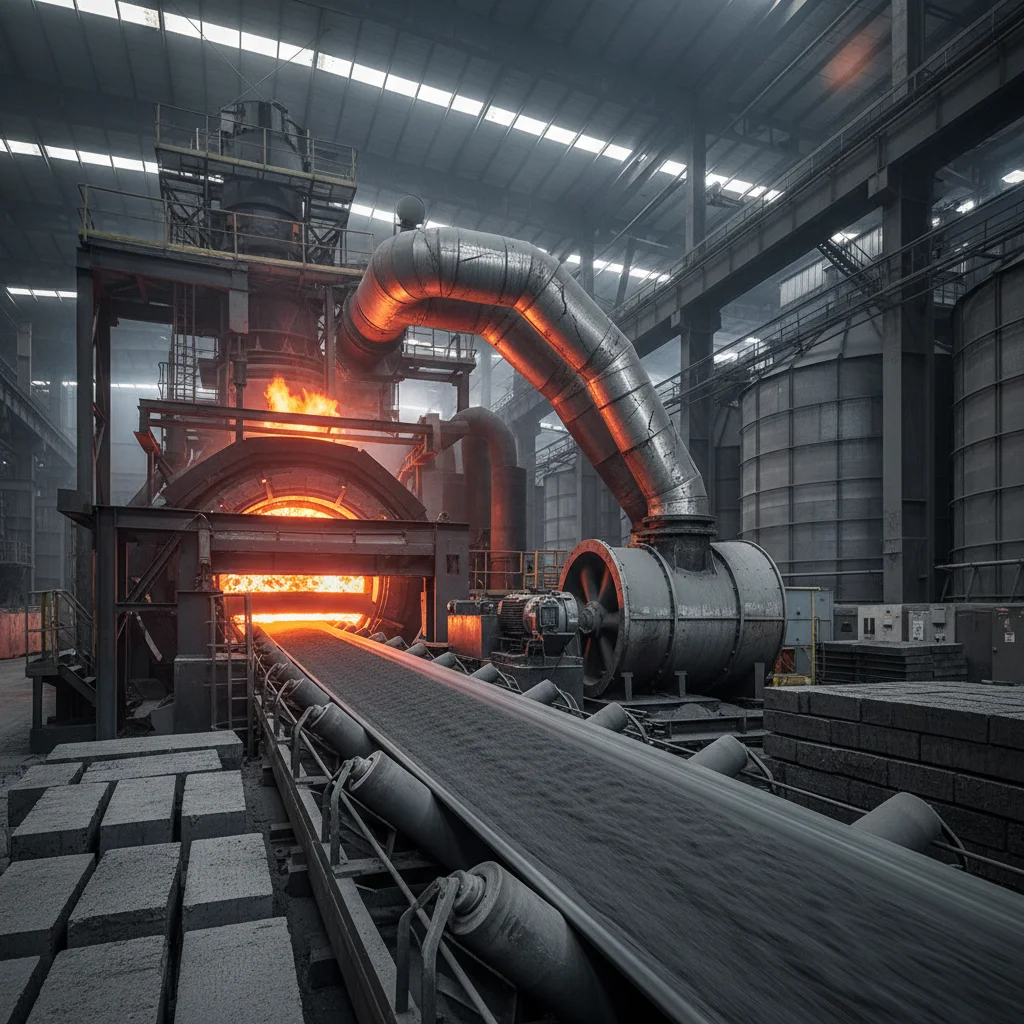
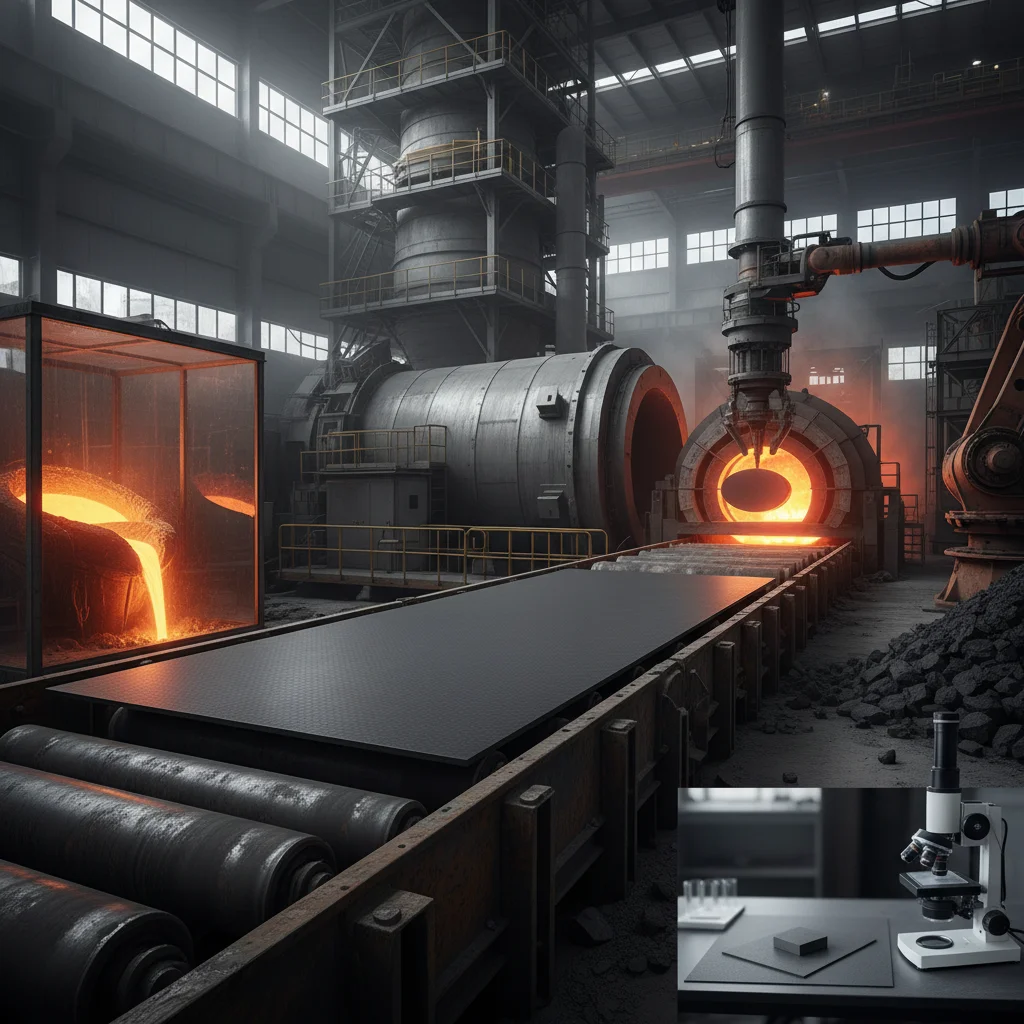
Production is straightforward but exacting: raw coke milling → mixing with coal tar → forming → baking → impregnation (sometimes) → graphitization → machining → inspection. Testing commonly follows internal QA and reference to national/equivalent methods (electrical resistivity, density, pore analysis, mechanical strength). Many reputable vendors supply certificates and batch test reports; ask for resistivity and MOR data per delivery. It seems obvious, but confirm nipple fit and threads — misfits cause costly arc instability.
Vendor comparison (quick)
Vendor | Lead time | Test certificates | Notes |
Dah Carbon (RP Graphite Electrode) | ≈ 2–6 weeks (varies) | Batch test report, mechanical & electrical | Local warehousing options in region reported |
Regional Distributor A | 1–3 weeks | Supplier claims, spot tests | Faster delivery, variable batch traceability |
Customization, certifications & case notes
Custom diameters, impregnations, and thread types are routine. Certifications you'll want: batch chemical analysis, resistivity, MOR, and ideally third-party inspection for big orders. In one Gulf meltshop I visited, switching to a slightly denser RP grade cut electrode consumption ≈ 8% — anecdotal, but real savings when multiplied across campaigns.
For anyone buying in the region: inspect handling, storage (keep dry), and have a thread gauge on hand. And yes, many customers say the paperwork is as important as the product — insist on traceable test reports.
For more product detail see RP graphite electrode,electric arc furnace electrodes,eaf electrode in Middle East and request batch data before shipment.
1. Dah Carbon — RP Graphite Electrode product page: https://www.dahcarbon.com/product/graphite-electrode.html
2. World Steel Association — Electric Arc Furnace (EAF) operations and guidance (industry overview).
3. Industry QA practices for graphite electrodes: supplier test reports, electrical resistivity, mechanical strength (typical requirements used by steelmakers).