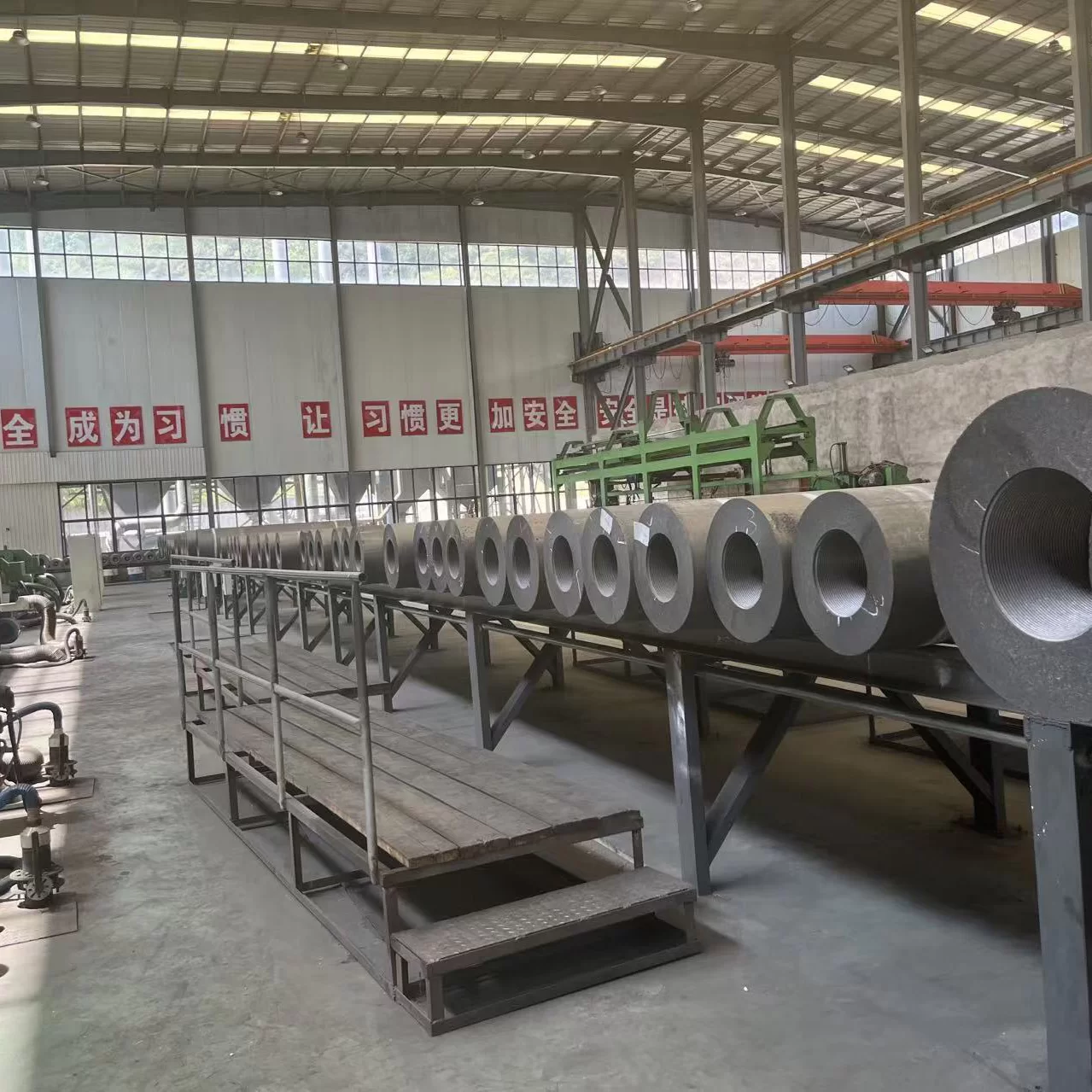
Understanding Recarburizers: A Comprehensive Guide
In the complex world of metallurgy, maintaining the correct carbon content in steel is crucial for achieving desired mechanical properties. This is where recarburizers play a vital role. These materials are essential for increasing the carbon content in low-carbon steel during the steelmaking process. This article provides a detailed overview of recarburizers, their types, applications, and the benefits of choosing a reliable supplier like Dah Carbon. We will explore the science behind recarburization and why selecting the right recarburizer is paramount for steel quality.
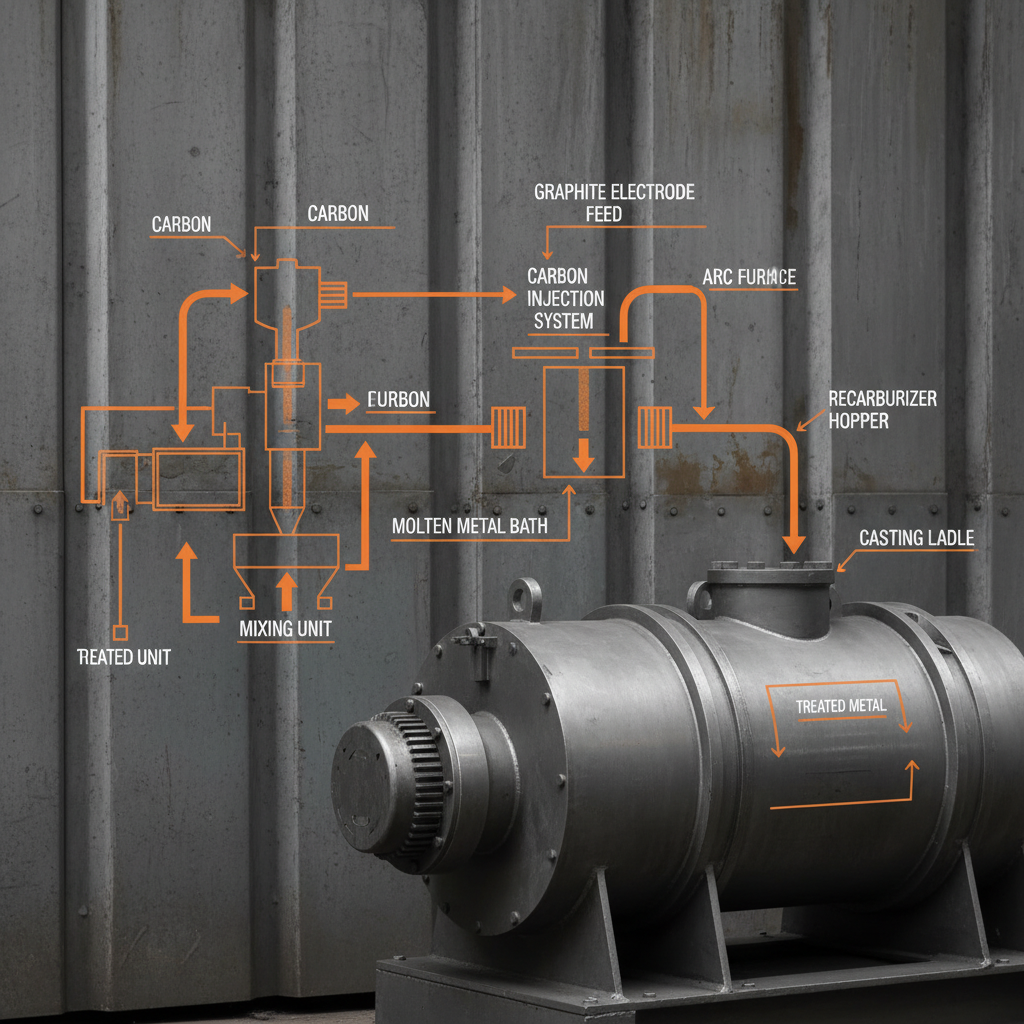
What are Recarburizers and Why are They Used?
Recarburizers are additives used in the steelmaking process to increase the carbon content of molten steel. Low-carbon steel often lacks sufficient carbon to achieve the desired hardness, strength, and wear resistance. By adding a recarburizer, metallurgists can precisely control the carbon levels to meet specific application requirements. The primary purpose of recarburization is to restore carbon lost during the steelmaking process, particularly in Electric Arc Furnaces (EAFs) and Induction Furnaces. This ensures the final steel product meets stringent quality standards. Without accurate carbon control, the steel's mechanical properties will be compromised, potentially leading to failure in critical applications.
Key Benefit: Precise carbon control for optimized steel properties, leading to enhanced performance and reliability.
Types of Recarburizers
Several types of recarburizers are available, each offering unique advantages depending on the steelmaking process and desired steel properties. The most common include:
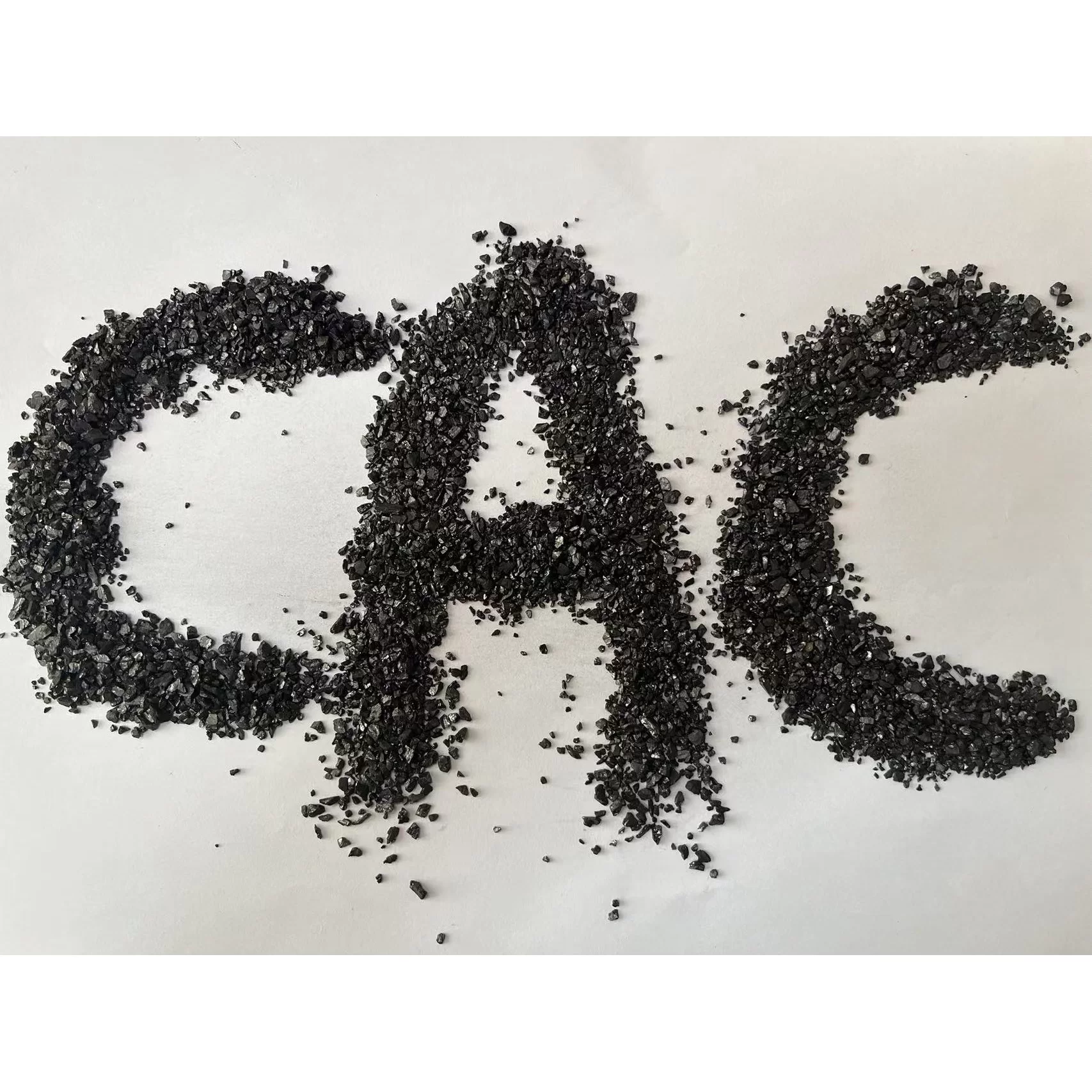
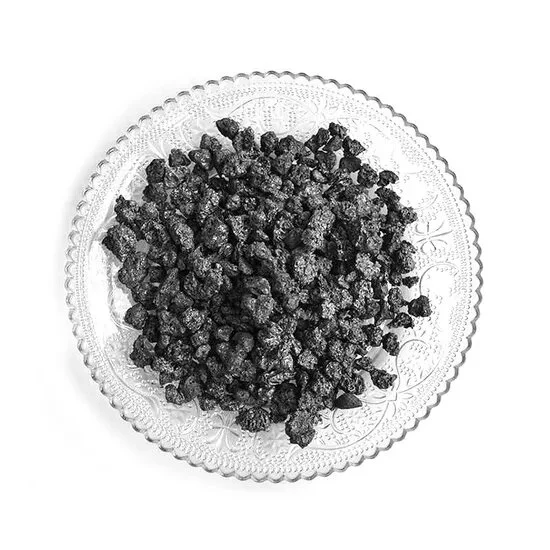
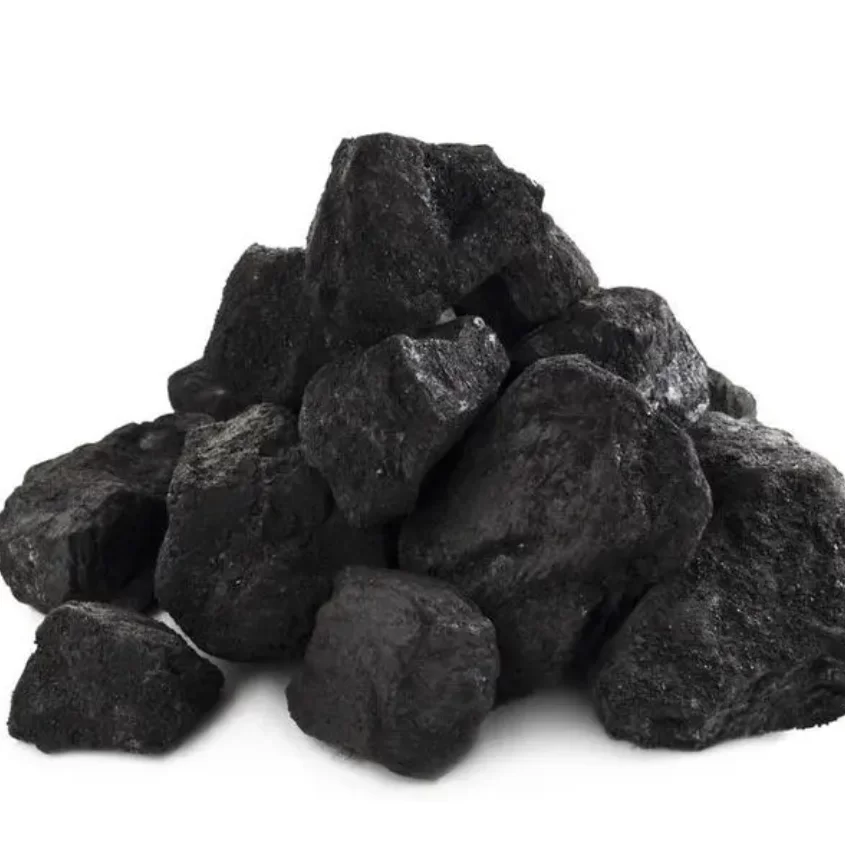
- Calcined Petroleum Coke (CPC): A widely used recarburizer known for its high carbon content and relatively low cost.
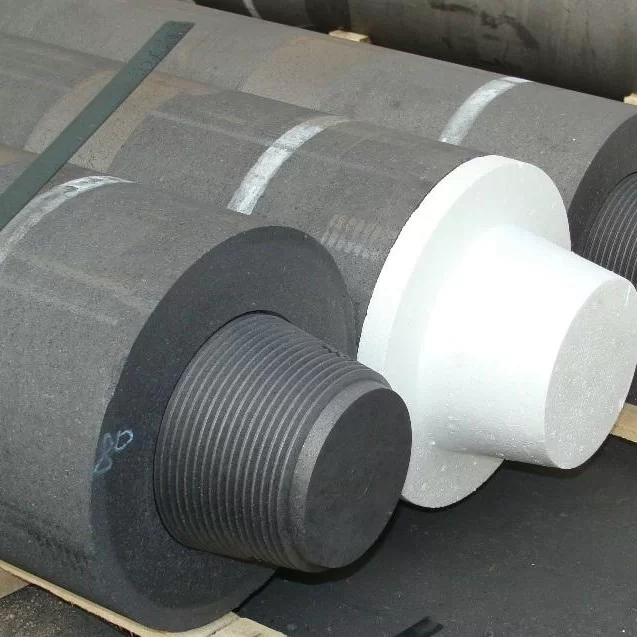
- Graphite Powder: Offers excellent purity and a consistent carbon source, leading to precise carbon control.
- Charcoal: Historically used, but less common today due to inconsistencies in carbon content and potential impurities.
- Pitch Coke: Provides a high carbon yield and is often used in specific alloy steel production.
Choosing the right recarburizer depends on factors like steel grade, furnace type, and desired carbon absorption rate. Dah Carbon offers a comprehensive range of recarburizers tailored to diverse steelmaking applications.
Recarburizer Selection Considerations:
• Carbon Content & Purity
• Absorption Rate
• Sulfur & Ash Content
• Particle Size
Recarburizer Comparison: CPC vs. Graphite Powder
Calcined Petroleum Coke (CPC) and Graphite Powder are the most popular recarburizers. Here’s a detailed comparison:
Applications of Recarburizers
Recarburizers are essential across various steelmaking processes, including:
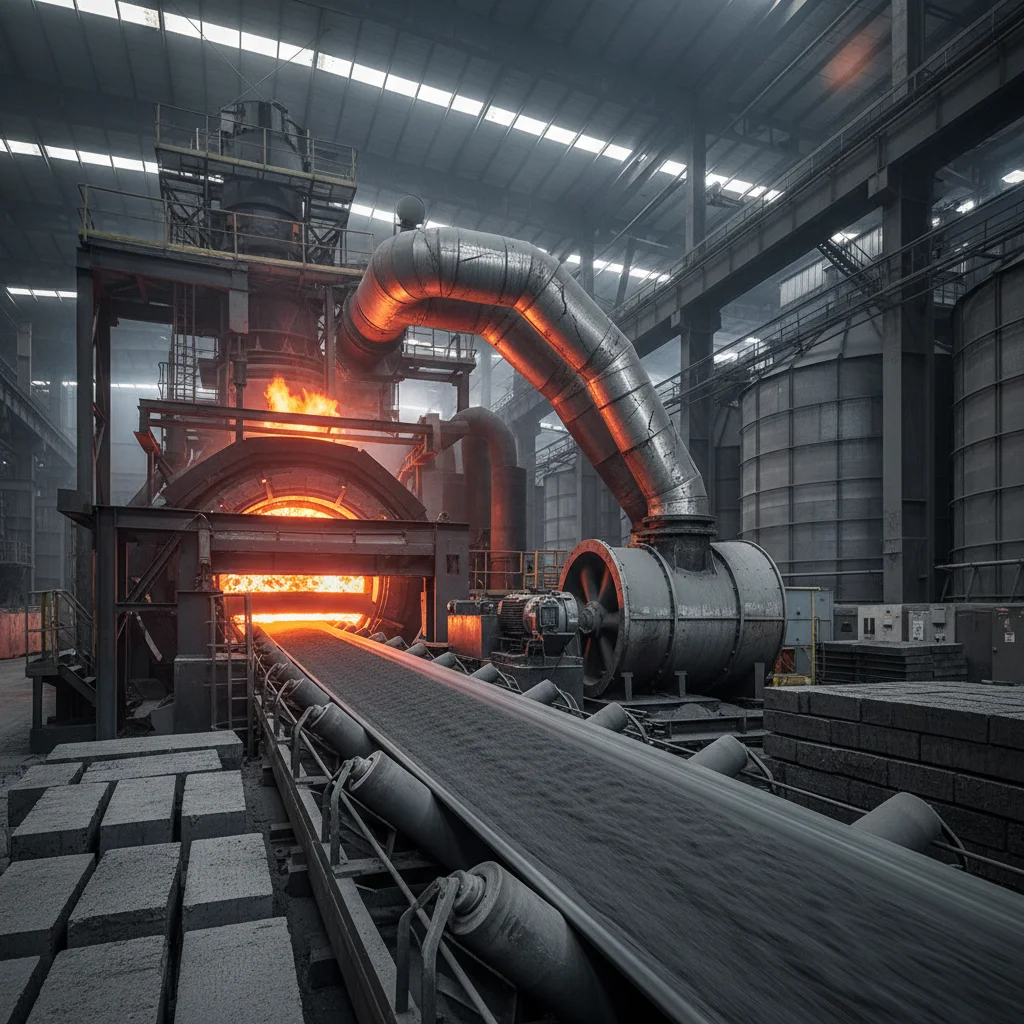
- Electric Arc Furnace (EAF): To compensate for carbon loss during the melting of scrap steel.
- Induction Furnace: For precisely adjusting the carbon content in alloy steel production.
- Ladle Metallurgy: For final carbon adjustments before casting.
- Foundry Applications: In the production of cast iron and other castings.
Choosing a Reliable Recarburizer Supplier
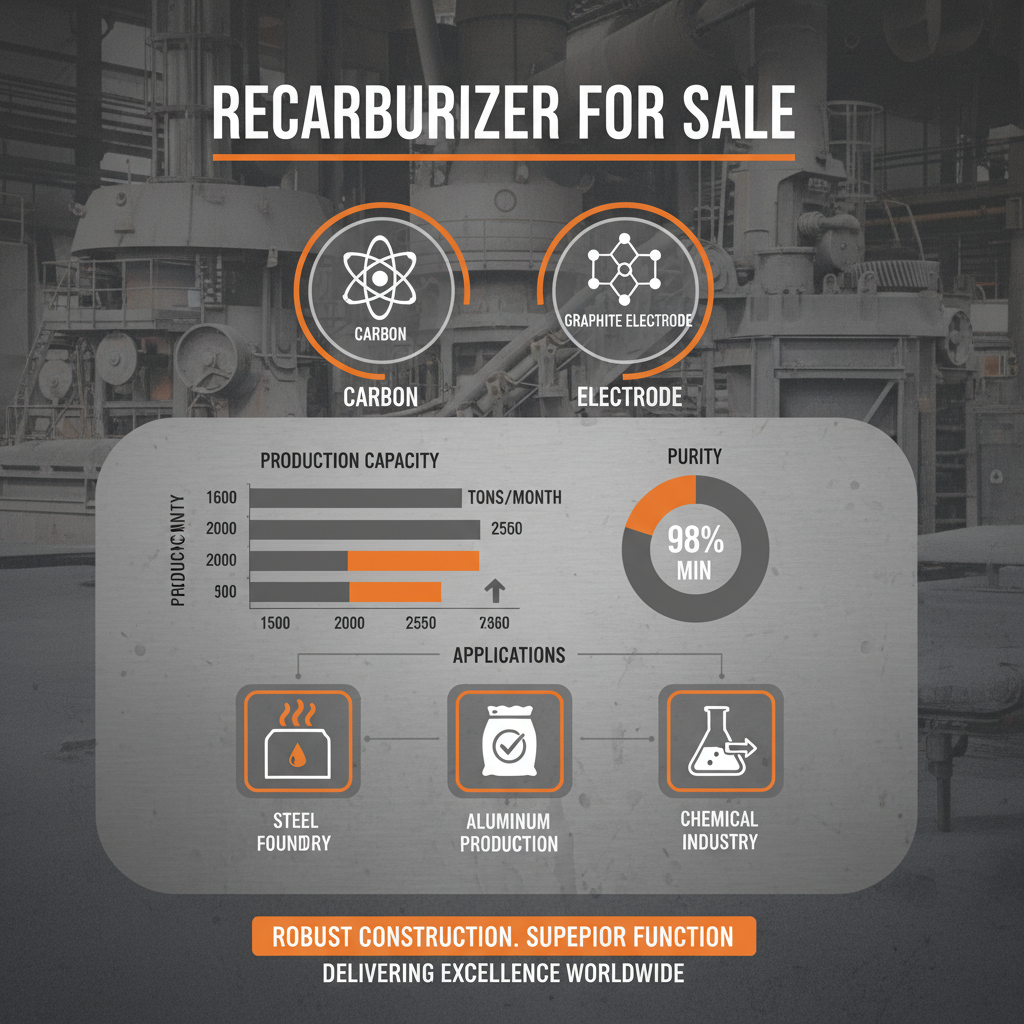
Selecting a reputable recarburizer supplier is critical for ensuring consistent quality and reliable performance. Dah Carbon is a leading provider of high-quality recarburizers, offering:
- Consistent Product Quality: Rigorous quality control measures ensure consistent carbon content and purity.
- Wide Range of Products: A diverse selection of recarburizers to meet various steelmaking needs.
- Competitive Pricing: Cost-effective solutions without compromising on quality.
- Reliable Supply Chain: Timely delivery and consistent availability.
- Technical Support: Expert guidance and support for optimal recarburizer selection and usage.
Conclusion: Optimizing Steel Quality with the Right Recarburizer
Investing in high-quality recarburizers from a trusted supplier like Dah Carbon is essential for achieving optimal steel quality and performance. By precisely controlling carbon content, you can enhance the mechanical properties of steel, reduce defects, and improve the overall efficiency of your steelmaking process.
Frequently Asked Questions (FAQs)
What factors influence the absorption rate of a recarburizer?
Several factors affect the absorption rate of a recarburizer, including particle size, temperature of the molten steel, furnace atmosphere, and the degree of agitation. Smaller particle sizes generally absorb more quickly, while higher temperatures and increased agitation promote faster absorption. Controlling these factors is crucial for achieving the desired carbon content efficiently. The composition of the steel itself also plays a role, with some alloys exhibiting better carbon absorption rates than others. Proper injection techniques are also vital to maximize absorption.
What is the impact of sulfur content in a recarburizer?
Sulfur is an undesirable element in steel as it can lead to hot shortness and reduced weldability. Therefore, it's crucial to choose recarburizers with low sulfur content. The sulfur content in a recarburizer directly impacts the sulfur levels in the final steel product. Dah Carbon offers recarburizers with guaranteed low sulfur levels to ensure high-quality steel production.
How do I determine the optimal amount of recarburizer to add?
Determining the optimal amount of recarburizer requires careful consideration of several factors, including the initial carbon content of the steel, the desired final carbon content, the recarburizer's carbon content, and the expected absorption rate. Metallurgical calculations and experience are key. It’s often best to start with a slightly lower amount and adjust based on carbon analysis results. Dah Carbon's technical team can provide guidance on calculating the appropriate dosage for your specific application.