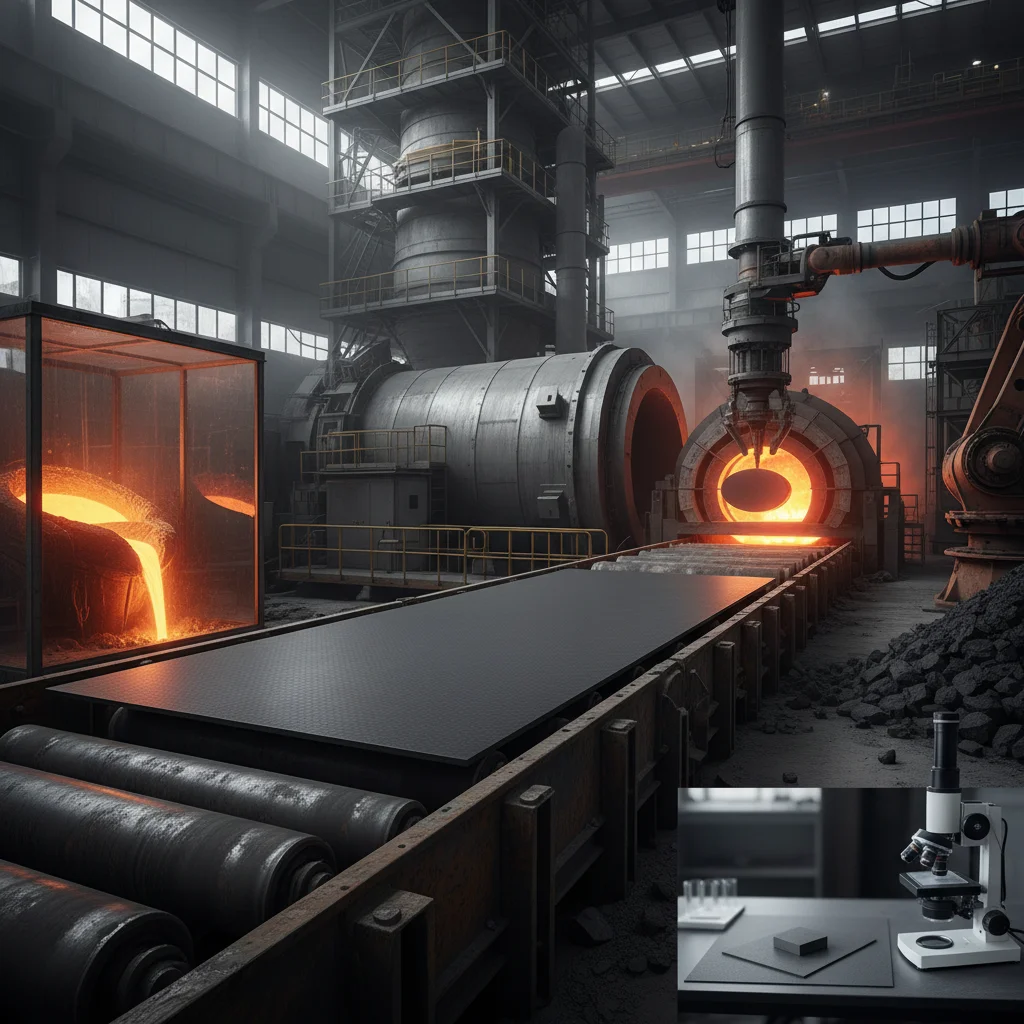
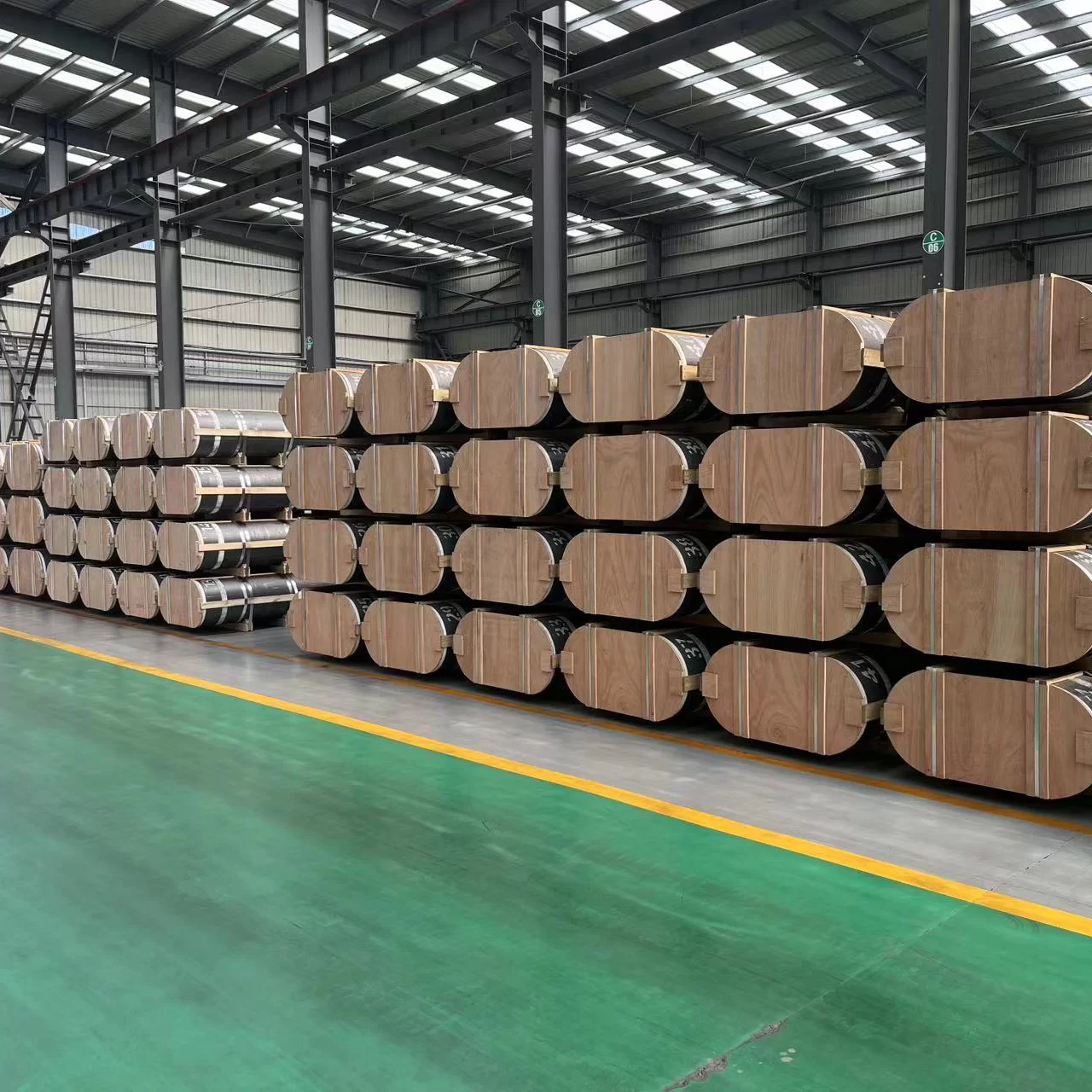
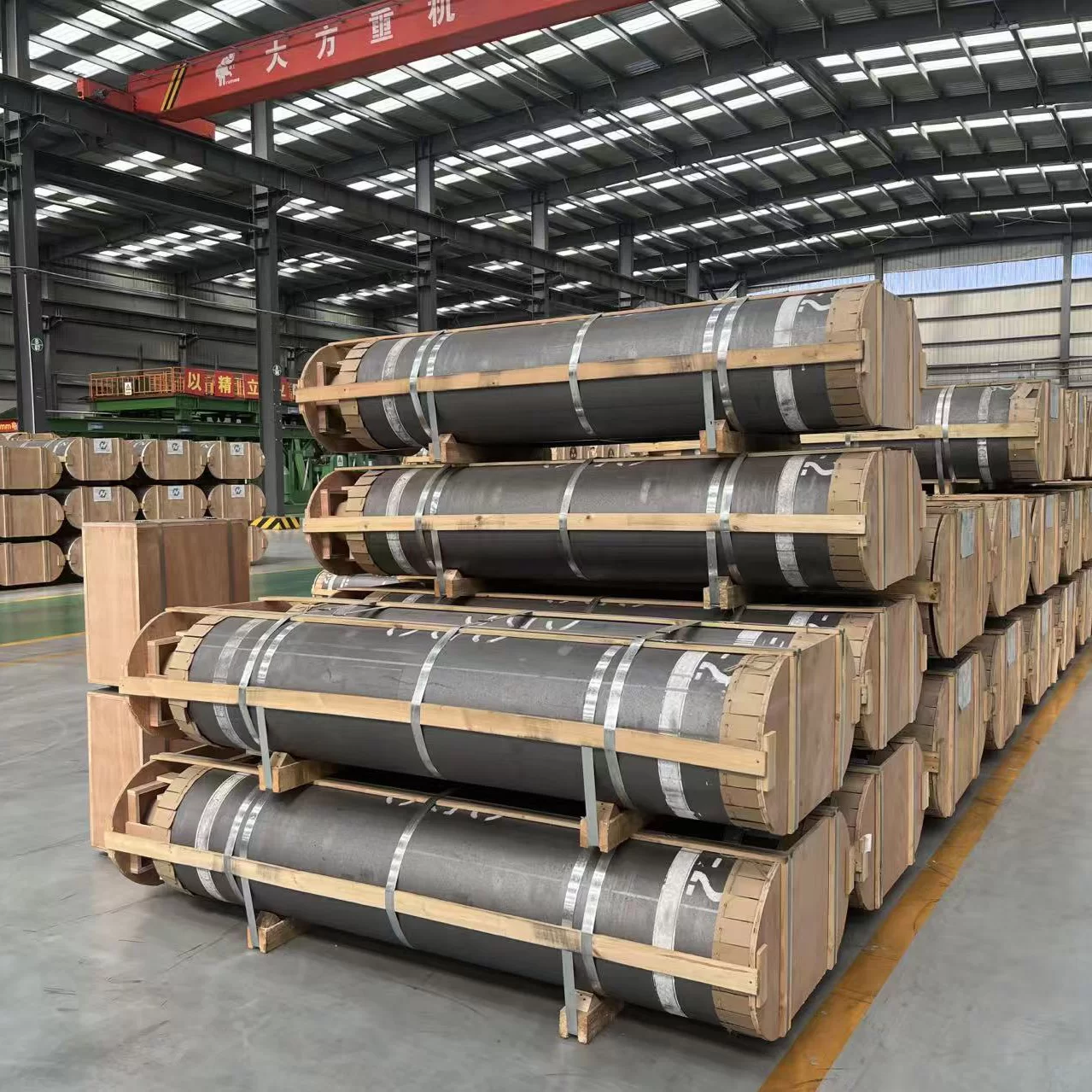
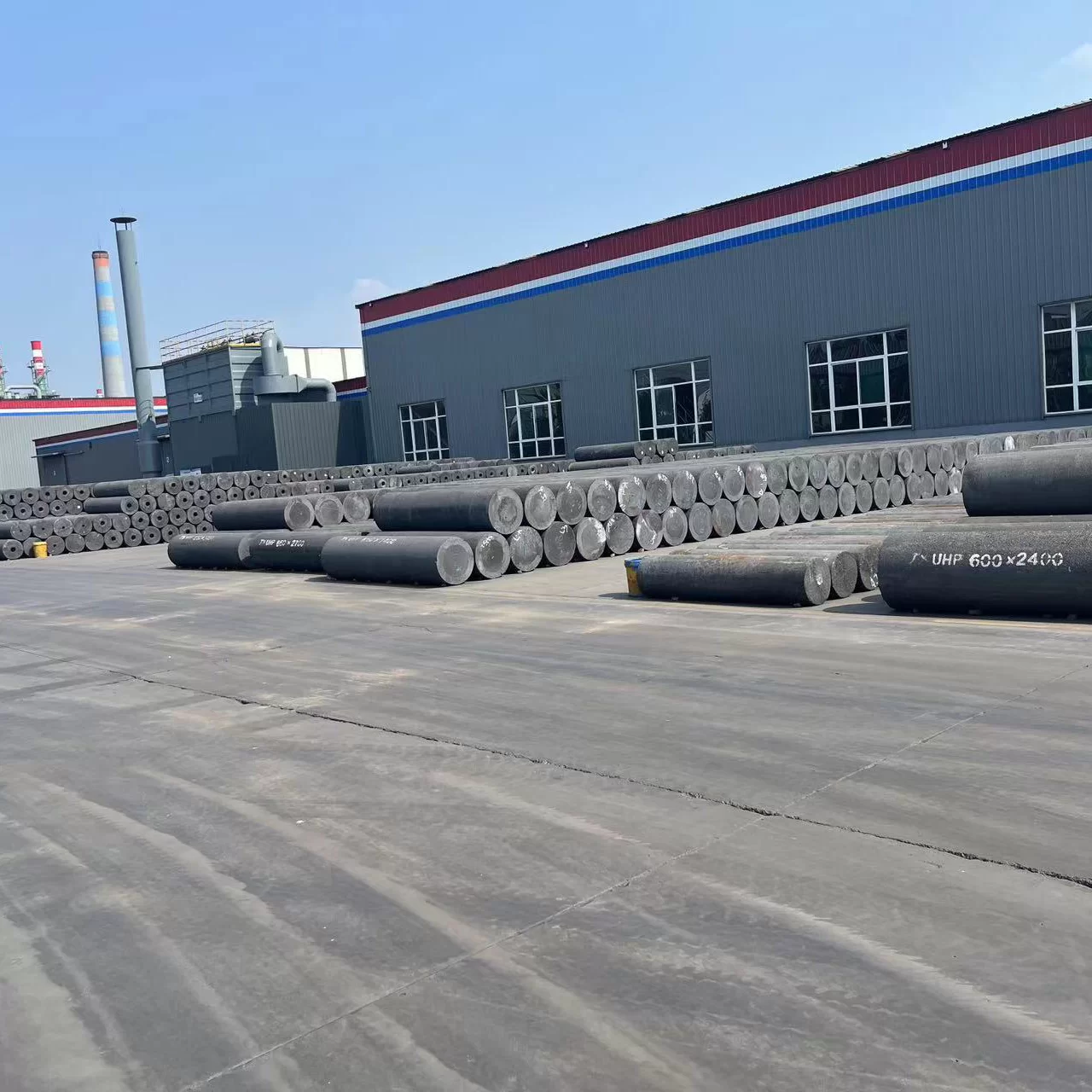
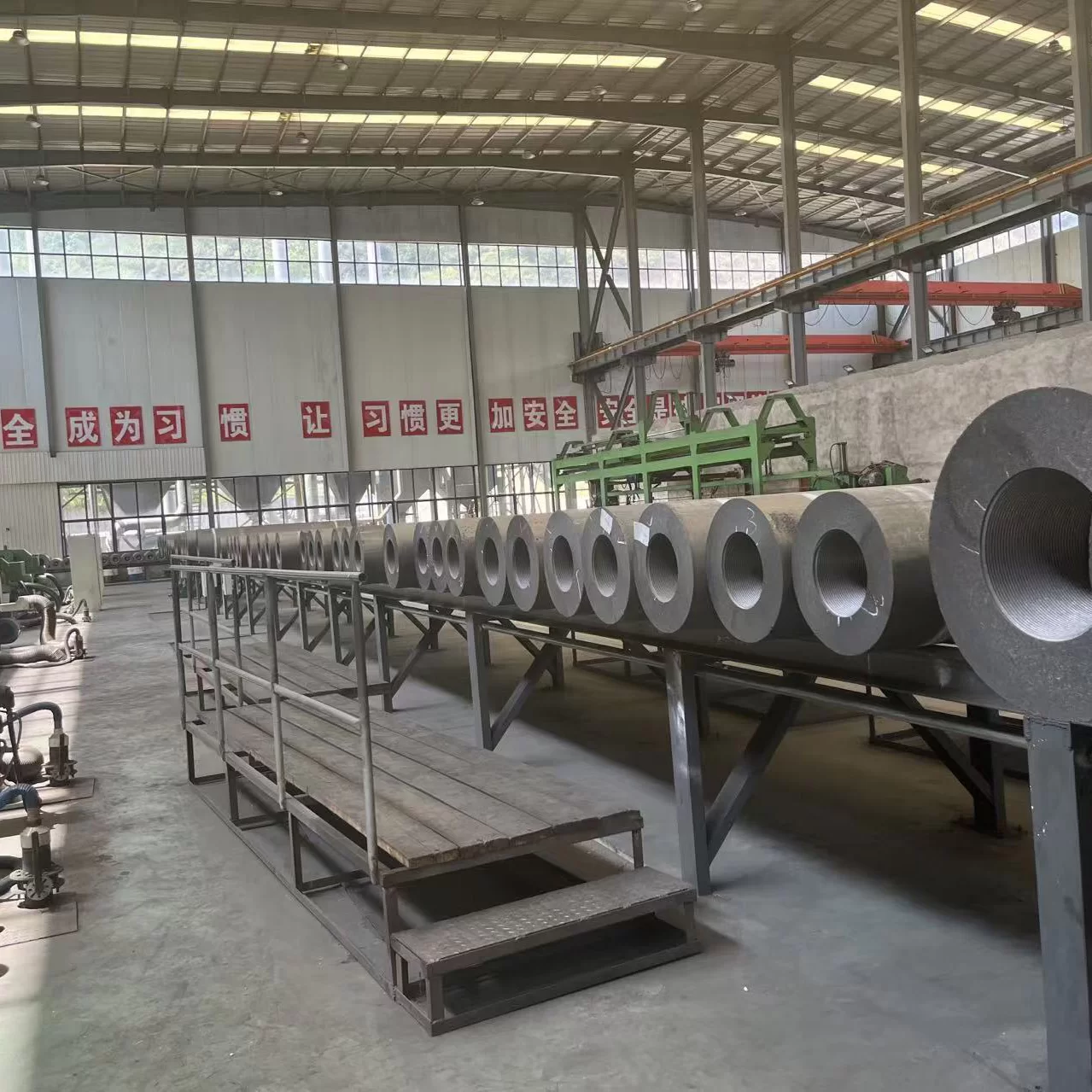
In the relentless pursuit of efficiency and productivity within the steel industry, Ultra-High Power (UHP) graphite electrodes stand as indispensable pillars, literally electrifying modern metallurgical processes. These sophisticated components are the heart of electric arc furnaces (EAFs), providing the immense thermal energy required to melt scrap metal and refine steel. The global demand for steel continues to surge, with worldwide crude steel production reaching approximately 1.95 billion tonnes in 2023, largely driven by infrastructure development and manufacturing across Asia, Europe, and North America. This colossal output necessitates increasingly powerful and efficient melting technologies. EAFs, which account for over 30% of global steel production, rely heavily on the performance of their electrodes. A typical large EAF can consume anywhere from 2 to 5 kilograms of graphite electrode per tonne of steel produced, translating into millions of tonnes of electrodes annually across the industry. This significant operational expenditure underscores the critical importance of selecting high-quality, high-performance UHP graphite electrodes. Substandard electrodes can lead to increased consumption rates, prolonged tap-to-tap times, higher energy consumption, and costly downtime due to breakage or premature wear. The design and material science behind these electrodes are paramount: they must withstand extraordinary thermal shocks, immense electrical currents exceeding 100 kA, and corrosive environments, all while maintaining structural integrity and optimal conductivity. Consequently, the advancement in UHP graphite electrode technology directly correlates with the overall productivity, sustainability, and economic viability of steel manufacturing worldwide, making their selection and performance a pivotal concern for furnace operators and plant managers.
Unleashing Unparalleled Performance: The Technical Edge
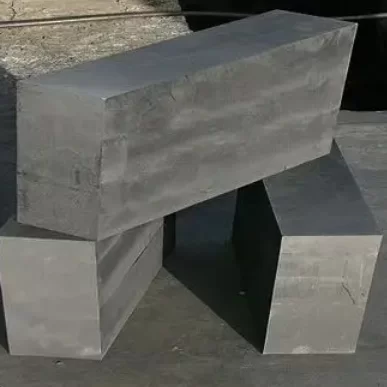
The engineering marvel of UHP graphite electrodes lies in their unique blend of properties, meticulously crafted to endure and excel in the most demanding industrial environments. Their technical superiority is multifaceted, making them indispensable for modern EAF operations. Foremost among these is their exceptionally high electrical conductivity. Composed of high-purity needle coke, these electrodes boast an electrical resistivity typically ranging from 4.5 to 5.5 micro-ohm meters. This low resistance minimizes energy loss as current passes through, ensuring maximum electrical energy is converted into heat within the furnace, thereby accelerating the melting process and significantly reducing power consumption per tonne of steel. Equally critical is their outstanding thermal shock resistance. EAFs experience rapid and drastic temperature fluctuations, with temperatures soaring past 3,000°C. UHP electrodes are engineered to withstand these intense thermal gradients without cracking or spalling, a testament to their superior microstructure and coefficient of thermal expansion (CTE) which is carefully controlled to be extremely low, often around 1.0 - 1.5 x 10^-6 /°C. This robustness translates directly into extended service life and reduced electrode consumption. Furthermore, their superior mechanical strength, particularly flexural strength which can exceed 15 MPa, ensures they can endure the physical stresses of furnace operations, including scrap collapses and repeated handling, without fracturing. The precise machining of threads for nipples, connecting electrode sections, further contributes to this strength, ensuring a secure and conductive joint. Lastly, their low specific consumption rate, a benchmark for efficiency, is a direct result of these combined properties, enabling steel producers to achieve higher yields with fewer electrode changes, thus optimizing furnace uptime and overall productivity. These intrinsic technical advantages are what truly differentiate UHP electrodes and cement their status as a cornerstone of efficient steel production
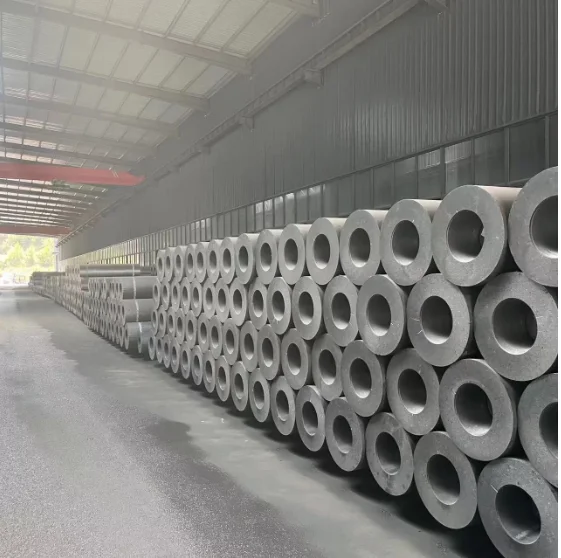
Driving Efficiency: The Economic and Operational Impact
The deployment of high-quality UHP graphite electrodes transcends mere technical specifications; it directly translates into profound economic and operational advantages for steel producers. The most immediate impact is on reducing operational costs. By minimizing electrode consumption per tonne of steel, often achieving rates as low as 1.5-2.0 kg/tonne in highly optimized EAFs, plants realize substantial savings on raw material expenditure. This reduction is not only due to improved material quality but also enhanced resistance to oxidation and mechanical stress. Furthermore, the superior performance of UHP electrodes leads to significantly shorter tap-to-tap times. Faster melting rates, enabled by their high conductivity and stable operation under intense power, mean a furnace can complete more cycles within a given period, thereby increasing daily steel output without additional capital investment. This boost in productivity can translate to revenue increases of 5-10% for a typical steel mill. Reduced electrode breakage and fewer changeovers also dramatically decrease downtime, which is a major cost factor in continuous production environments. Each hour of unscheduled downtime can cost tens of thousands of dollars in lost production. By mitigating these risks, UHP electrodes ensure higher furnace availability and more consistent production schedules. Beyond direct cost savings, there are significant environmental benefits. Lower energy consumption per tonne of steel due to improved electrical efficiency contributes to a smaller carbon footprint. Additionally, a reduction in electrode consumption means fewer resources are expended in their manufacturing and transportation. The cumulative effect of these efficiencies is a more competitive, sustainable, and profitable steelmaking operation, underscoring the strategic importance of investing in premium UHP electrode technology.
Selecting the Right Partner: A Comparative Analysis of UHP Graphite Electrode Manufacturers
Choosing the optimal UHP graphite electrode manufacturer is a critical strategic decision that can profoundly influence a steel mill's operational efficiency, cost structure, and overall profitability. While many manufacturers exist globally, their products and support services can vary significantly. Key criteria for evaluation include the consistency of product quality, the depth of technical support, supply chain reliability, and the manufacturer's commitment to research and development. Inconsistent quality can undermine all other benefits, leading to unpredictable performance and increased operational risks. Technical support, including on-site assistance and performance analysis, ensures electrodes are optimized for specific furnace conditions. Reliable logistics are paramount to prevent costly supply interruptions. Below is a comparative table illustrating key performance indicators that differentiate hypothetical manufacturers, providing a framework for informed decision-making. These metrics offer a snapshot of a manufacturer's typical product characteristics and service levels, highlighting the nuanced differences that impact real-world performance.
Attribute | Manufacturer A (Premium) | Manufacturer B (Mid-Tier) | Manufacturer C (Budget) |
Electrical Resistivity (µΩ·m) | 4.5 - 4.8 | 5.0 - 5.5 | 6.0 - 6.5+ |
Flexural Strength (MPa) | > 18 | 15 - 17 | 12 - 14 |
Apparent Density (g/cm³) | > 1.70 | 1.65 - 1.69 | 1.60 - 1.64 |
Ash Content (%) | < 0.03 | 0.04 - 0.06 | > 0.07 |
Thermal Expansion Coefficient (x 10⁻⁶/°C) | 1.0 - 1.2 | 1.3 - 1.5 | 1.6 - 1.8 |
Typical Lead Time (Weeks) | 4 - 6 | 6 - 8 | 8 - 10+ |
Customer Technical Support | Excellent (On-site & Remote) | Good (Remote, limited on-site) | Basic (Product-focused) |
Innovation/R&D Investment | High (New materials, coatings) | Moderate (Process optimization) | Low (Cost-focused) |
This comparison highlights that while budget options might offer lower upfront costs, they often come with compromised performance characteristics, potentially leading to higher long-term operational expenses due to increased consumption, downtime, and quality issues. Premium manufacturers, conversely, justify their higher price point with superior product consistency, robust technical support, and a commitment to innovation that translates into tangible performance benefits for the steelmaker. A thorough evaluation of these factors against specific operational requirements is essential for a judicious procurement strategy.
Tailored for Excellence: Customization Solutions for Specific Demands
The operating conditions of electric arc furnaces are rarely monolithic; they vary significantly across different steel mills, influenced by factors such as furnace design, power input levels, raw material mix (e.g., varying scrap quality), desired steel grades, and specific production targets. Recognizing this heterogeneity, leading UHP graphite electrode manufacturers offer extensive customization solutions, moving beyond a one-size-fits-all approach to optimize performance for individual client needs. This collaborative process typically begins with a detailed analysis of the client's existing furnace parameters and operational data. Based on this, manufacturers can tailor several aspects of the electrode. For instance, the diameter of the electrode is a primary consideration, ranging from common sizes like 400mm to over 700mm, selected to match the EAF's current capacity and mechanical load. Beyond standard dimensions, customization often extends to the design of the nipple and socket joint. Optimizing thread profiles, tapers, and clearances can enhance joint integrity, minimizing electrical resistance at the connection point and preventing premature breakage due to thermal expansion or mechanical stress. Some manufacturers also offer specialized anti-oxidation coatings, particularly for the electrode column exposed to the furnace atmosphere. These coatings can reduce electrode consumption by up to 10-15% in aggressive oxidizing environments, significantly prolonging electrode life. Furthermore, adjustments to the graphite’s internal microstructure, such as varying grain size or impregnation with specific binders, can be made to enhance properties like specific electrical resistance or thermal shock resistance, depending on the furnace's unique thermal cycling and electrical load patterns. This bespoke approach ensures that each electrode is not just a component, but a finely tuned instrument designed to maximize the efficiency and longevity of a specific EAF, directly contributing to cost savings and improved metallurgical outcomes for the client.
Real-World Impact: UHP Graphite Electrodes in Action Across Industries
The impact of high-performance UHP graphite electrodes is palpable across various heavy industries, with steelmaking being the most prominent beneficiary. In a typical large-scale EAF steel mill processing 1.5 million tonnes of steel annually, a transition from standard-grade graphite electrodes to optimized UHP variants can yield dramatic improvements. For instance, one major North American steel producer reported a 12% reduction in electrode consumption, from 2.5 kg/tonne to 2.2 kg/tonne, after implementing a customized UHP electrode solution, translating to an annual saving of over $2 million in electrode costs alone. Concurrently, their tap-to-tap time decreased by an average of 8 minutes, boosting daily production by approximately 5%, equivalent to an additional 75,000 tonnes of steel per year. Beyond primary steel production, UHP electrodes are critical in the foundry industry for producing specialized alloys and cast iron. Foundries often operate smaller, more intermittent EAFs, where rapid heating and precise temperature control are essential for producing high-integrity castings. A European foundry specializing in automotive components utilized smaller diameter UHP electrodes (e.g., 300mm), which, due to their superior thermal shock resistance, reduced electrode tip erosion by 18%, improving melt consistency and reducing scrap rates by 3%. In the ferroalloy industry, where even higher temperatures and longer arc times are required for producing materials like ferrosilicon or ferromanganese, the robust nature of UHP graphite electrodes ensures sustained operation under extreme conditions, minimizing costly shutdowns. A plant in Southeast Asia producing ferrosilicon managed to extend their electrode string life by 15% after adopting UHP electrodes with enhanced anti-oxidation coatings, leading to less frequent electrode column replacements and maintaining consistent product quality. These diverse application cases underscore the versatility and critical importance of UHP graphite electrodes in driving efficiency, reducing costs, and improving the overall quality and output across the metallurgical landscape.
Future Outlook: Sustaining Innovation in UHP Graphite Electrode Technology
The future of UHP graphite electrode technology is characterized by a relentless pursuit of innovation, driven by both market demands for enhanced performance and an increasing emphasis on sustainability. Manufacturers are heavily investing in research and development to push the boundaries of current material science. One key area of focus is the development of even larger diameter UHP graphite electrodes, capable of handling higher currents and power inputs, aligning with the trend towards ever-larger and more powerful EAFs. This requires not only scaling up manufacturing processes but also developing graphite materials with even greater structural integrity and consistent properties across larger volumes. Another significant advancement is the continuous improvement of anti-oxidation technologies. Next-generation coatings and impregnants are being developed that offer superior resistance to atmospheric oxidation at extreme temperatures, further reducing electrode consumption and prolonging their operational life, potentially leading to an additional 5-10% reduction in specific consumption rates. Furthermore, material scientists are exploring novel graphite composites and microstructural engineering techniques to enhance properties like flexural strength and thermal shock resistance beyond what is currently achievable with conventional needle coke. The integration of advanced sensor technologies into electrode systems is also gaining traction, allowing for real-time monitoring of electrode wear, temperature profiles, and electrical performance. This data can then be used to optimize EAF operations dynamically, predict maintenance needs, and further fine-tune electrode selection and usage. On the sustainability front, efforts are intensifying to develop more energy-efficient manufacturing processes for UHP graphite electrodes themselves, as well as exploring viable recycling pathways for used electrode stubs to minimize waste and conserve resources. As the steel industry continues its journey towards decarbonization and higher efficiency, the ongoing evolution of UHP graphite electrode technology will remain a pivotal enabler, ensuring that these essential components continue to power modern metallurgy into a more productive and sustainable future.
Frequently Asked Questions (FAQs) about UHP Graphite Electrodes
1. What does UHP stand for in UHP graphite electrodes?
UHP stands for "Ultra-High Power." It refers to graphite electrodes specifically engineered to handle extremely high current densities and power inputs required by modern electric arc furnaces (EAFs) and ladle furnaces (LFs) in steelmaking and other metallurgical processes.
2. Why are UHP graphite electrodes preferred over other types?
UHP electrodes are preferred due to their superior properties, including extremely low electrical resistivity, high thermal shock resistance, excellent mechanical strength, and low coefficient of thermal expansion. These characteristics enable faster melting, reduced energy consumption, minimal electrode breakage, and lower overall operational costs in high-power applications.
3. What are the key raw materials used in manufacturing UHP graphite electrodes?
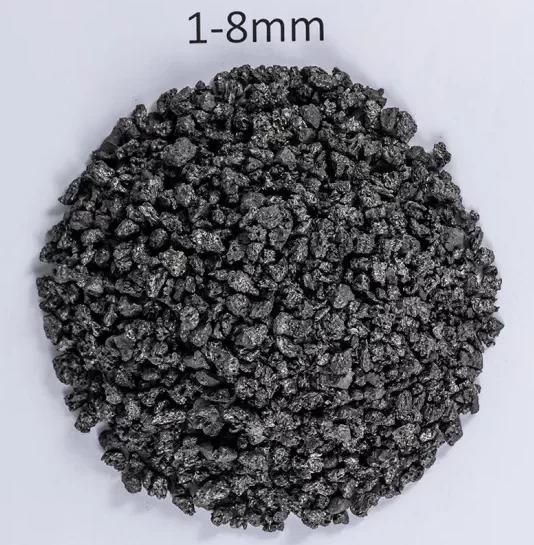
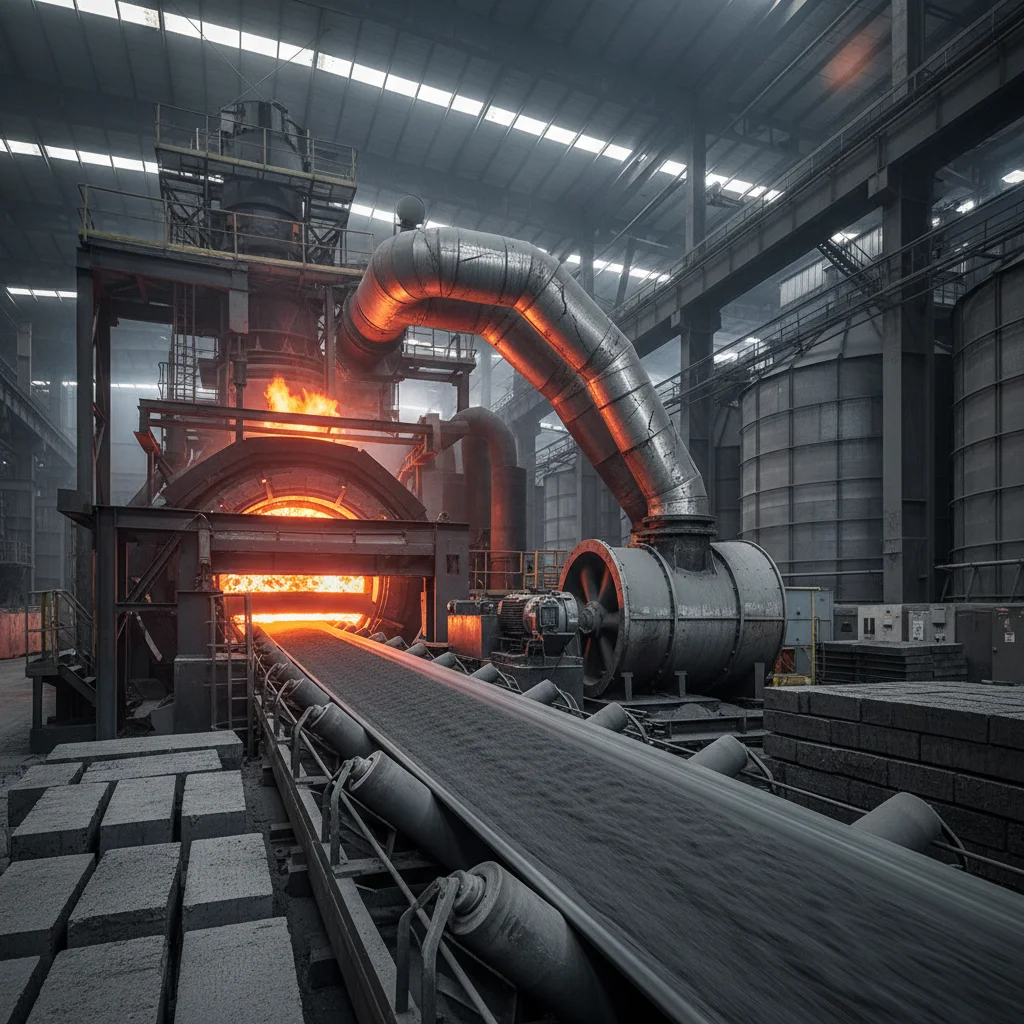
The primary raw material for UHP graphite electrodes is high-quality needle coke, derived from petroleum or coal tar. This coke is calcined, mixed with coal tar pitch as a binder, extruded, baked, graphitized at extremely high temperatures (over 2800°C), and then machined.
4. How does the electrical resistivity of a UHP electrode impact EAF performance?
Lower electrical resistivity in a UHP electrode means less energy is lost as heat within the electrode itself. This allows for more efficient transfer of electrical energy to the furnace charge, leading to faster melt rates, reduced power consumption, and lower electrode consumption per tonne of steel produced, thereby improving overall EAF efficiency and productivity.
5. What factors contribute to the thermal shock resistance of UHP graphite electrodes?
Thermal shock resistance is primarily attributed to the electrode's microstructure, low coefficient of thermal expansion (CTE), and high thermal conductivity. The careful selection of needle coke and precise manufacturing processes create a dense, uniform material that can withstand rapid heating and cooling cycles without cracking or spalling.
6. Can UHP graphite electrodes be customized for specific furnace types?
Yes, leading manufacturers offer extensive customization. This includes variations in diameter, length, nipple and socket designs, specific anti-oxidation coatings, and even adjustments to the internal microstructure to optimize performance for a client's specific EAF design, power input, raw material mix, and operational parameters.
7. What is the typical consumption rate for UHP graphite electrodes in a modern EAF?
In highly optimized modern EAFs using high-quality UHP graphite electrodes, the consumption rate typically ranges from 1.5 to 2.5 kilograms per tonne of steel produced. This rate can vary based on furnace design, operational practices, scrap quality, and the specific steel grade being manufactured.