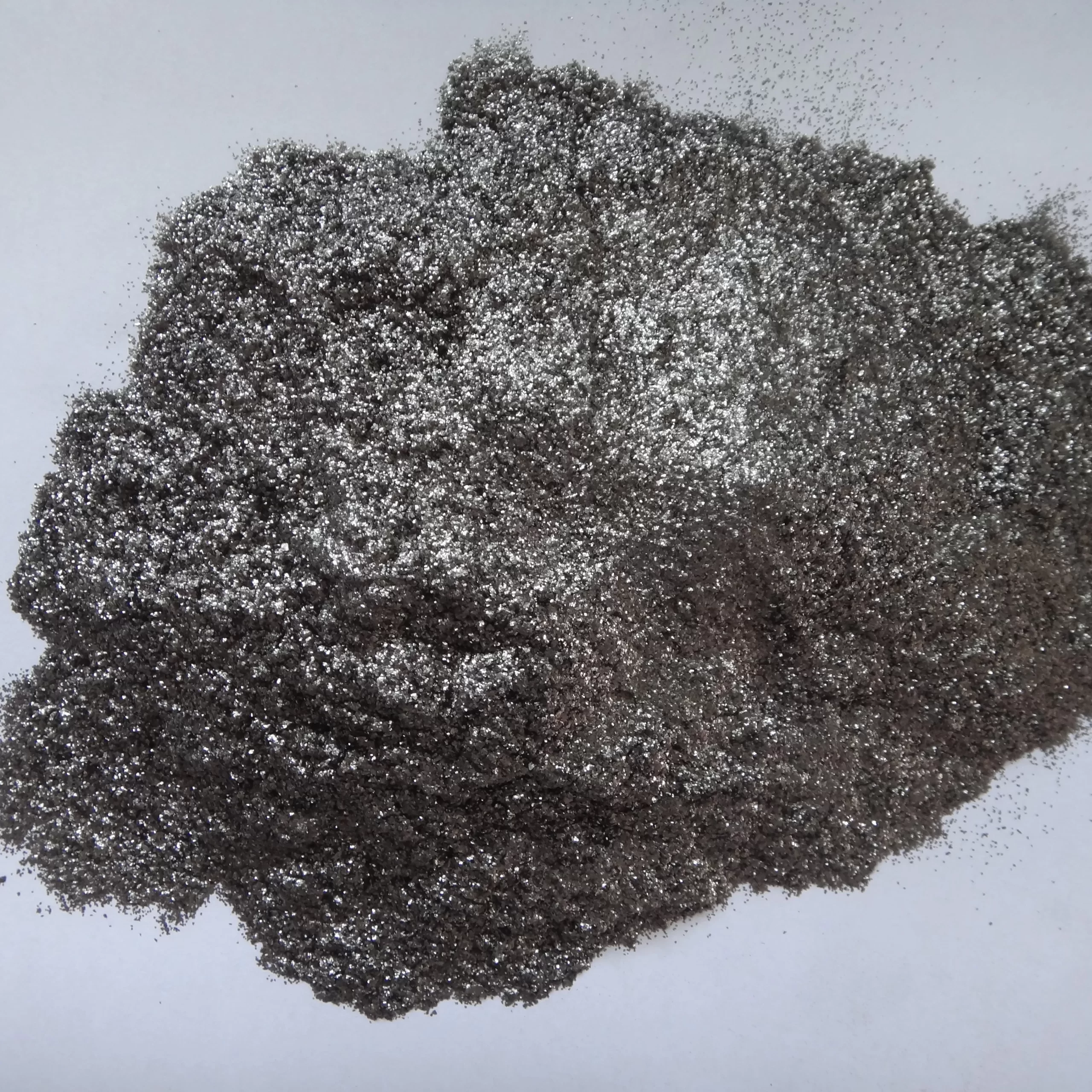
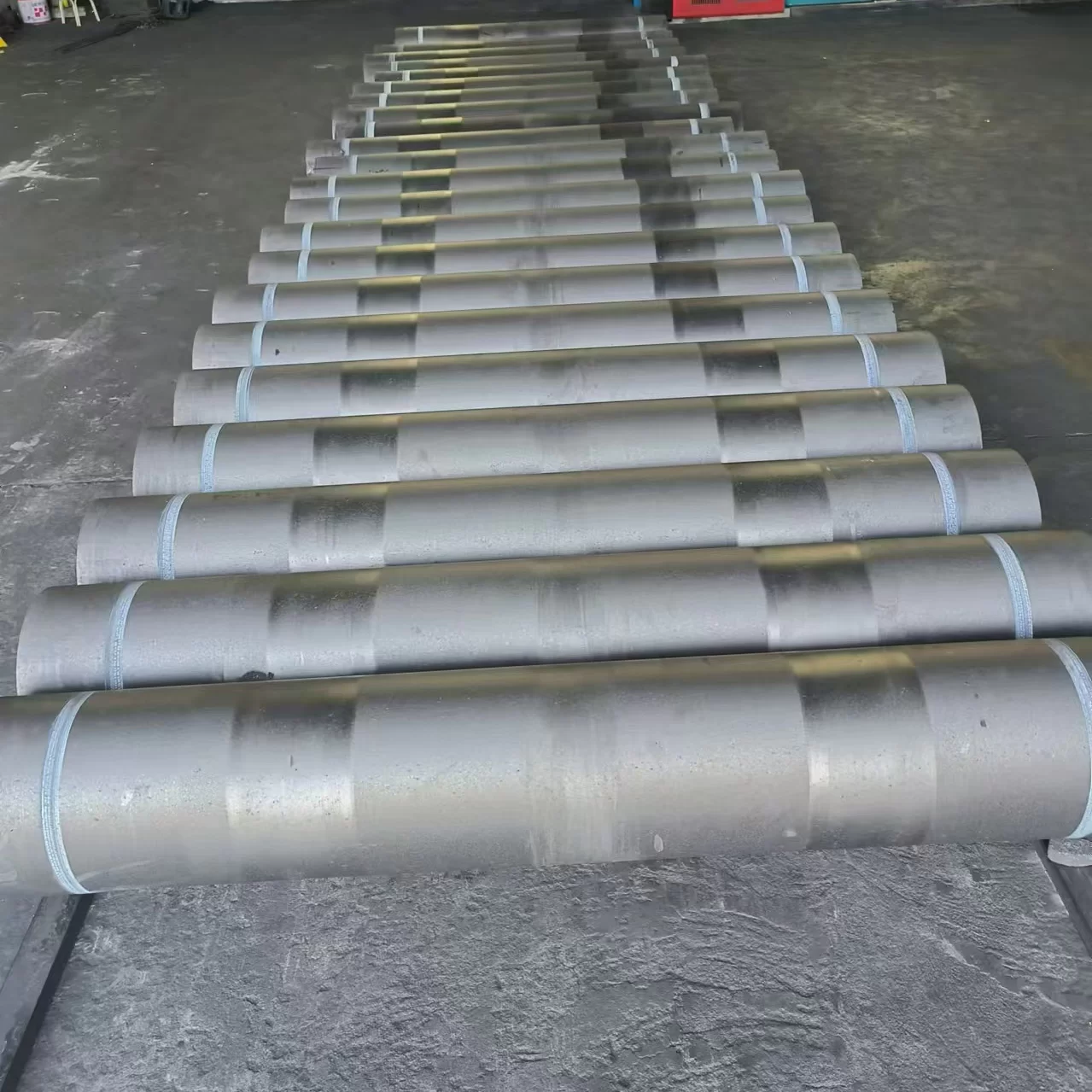
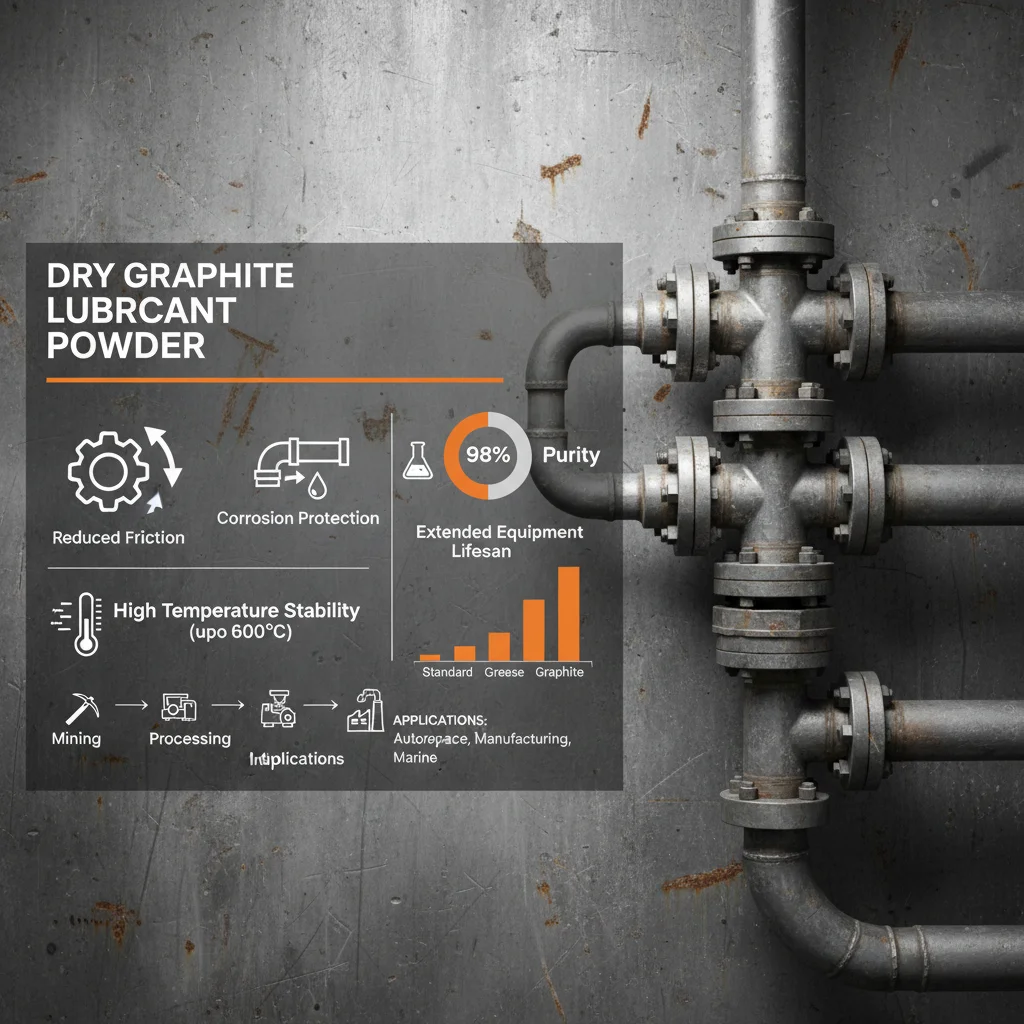
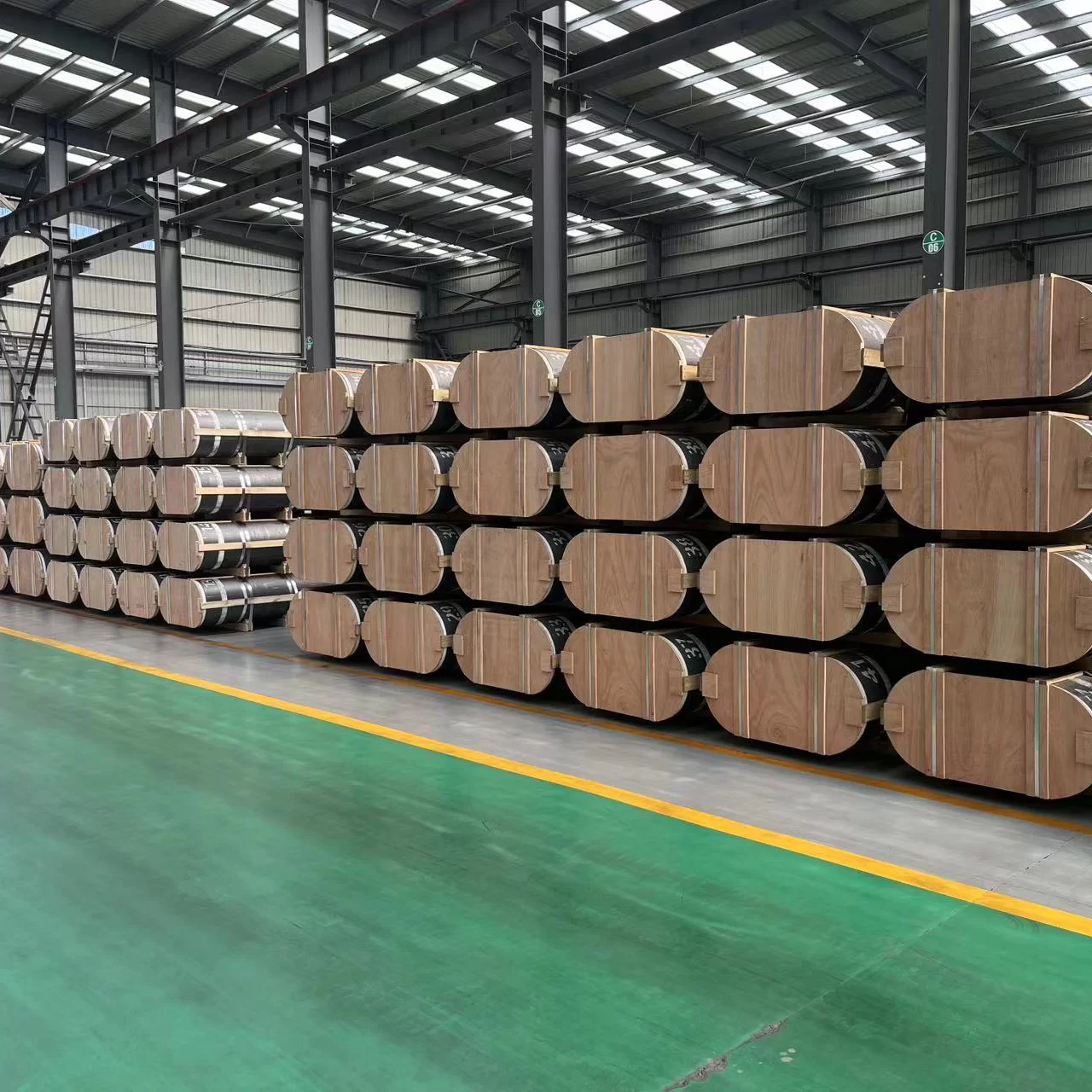
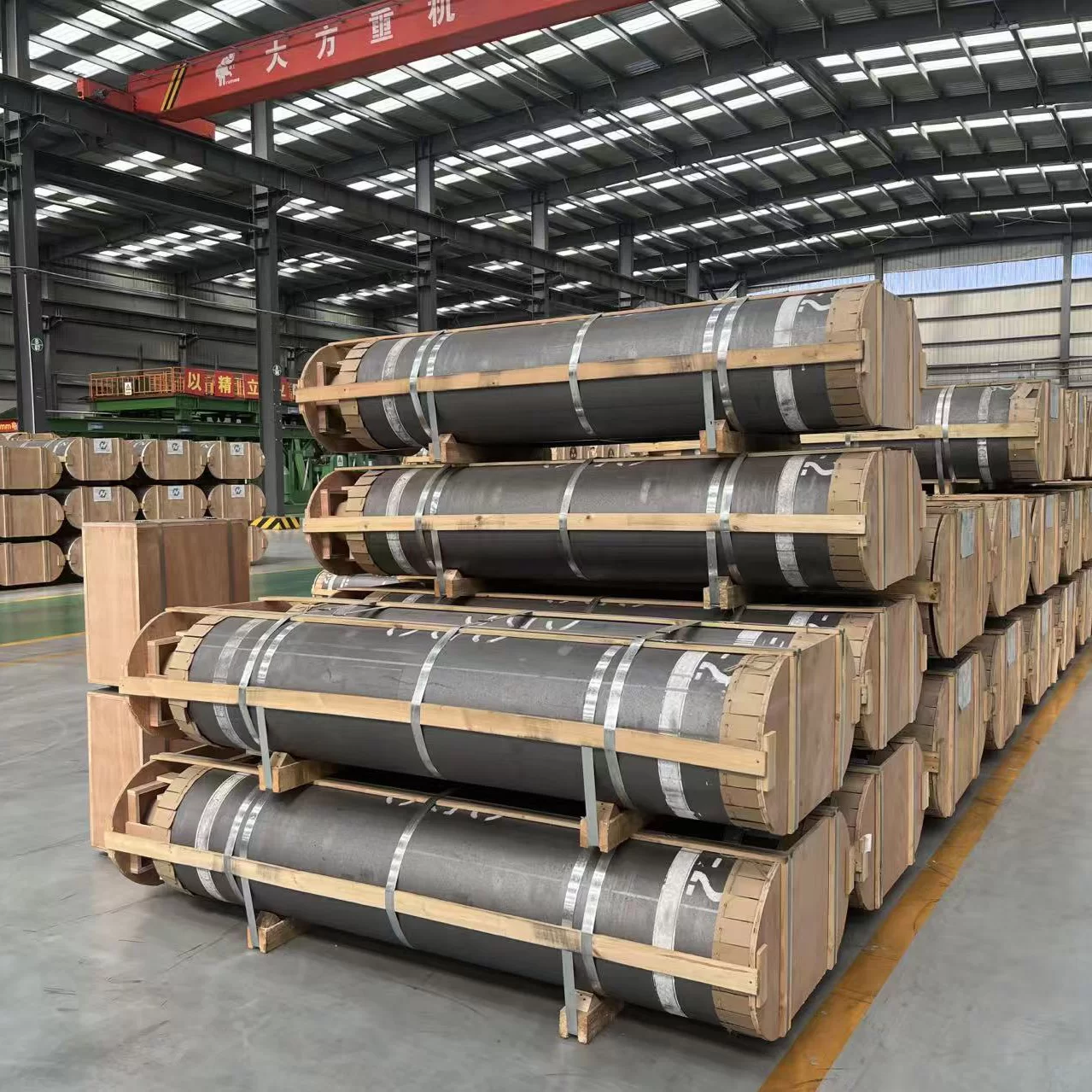
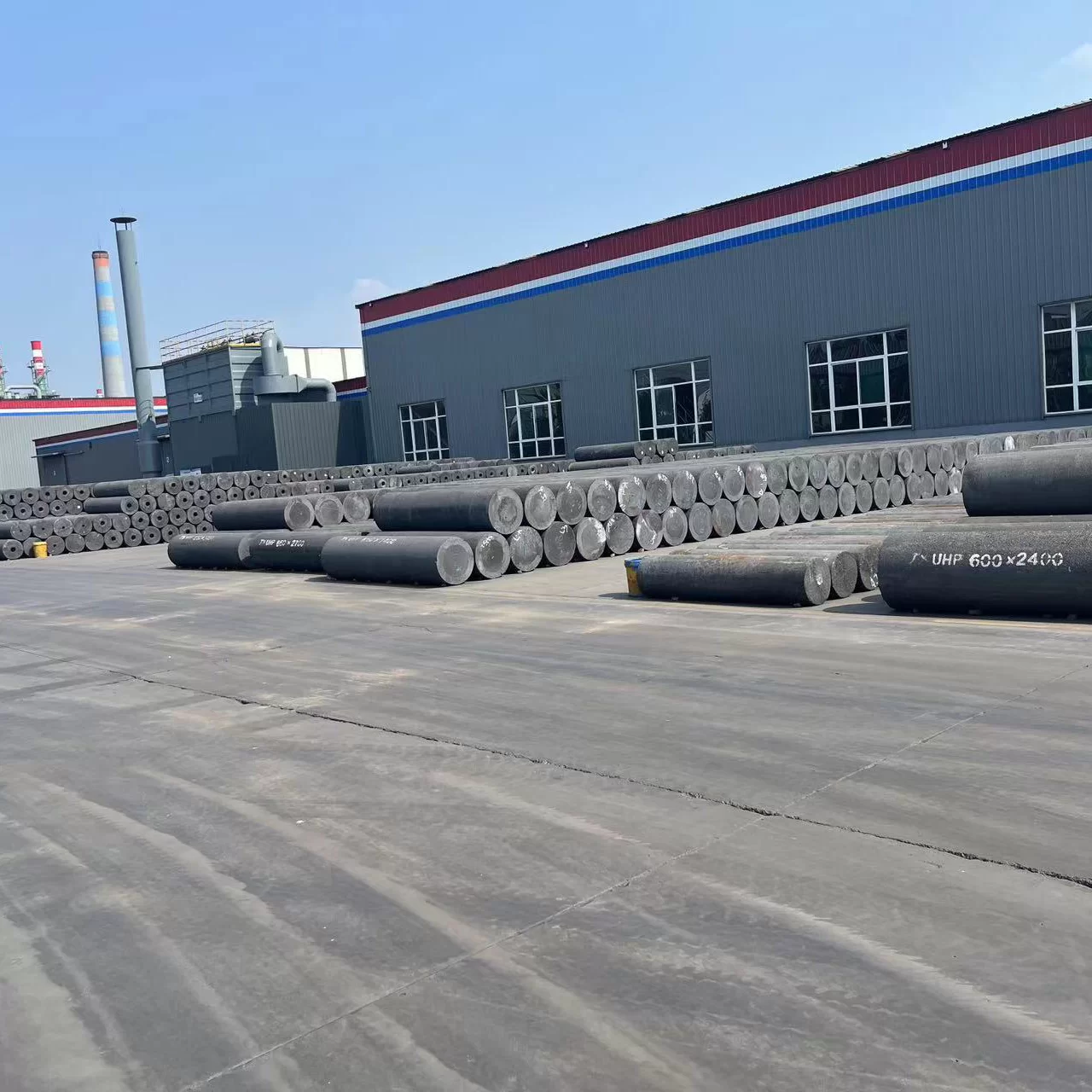
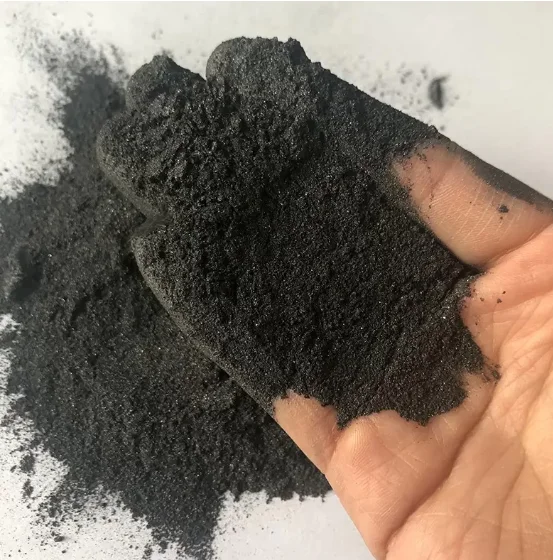
In the relentless march towards technological advancement, the demand for high-performance materials has never been more critical. At the forefront of this revolution stands artificial graphite powder, a material whose exceptional properties are catalyzing innovation across a spectrum of industries. This meticulously engineered substance is not merely a component; it is a foundational element enabling breakthroughs in energy storage, advanced manufacturing, and critical electronics. The market trajectory for artificial graphite powder provides a compelling narrative of its indispensability. Projections indicate the global market for artificial graphite materials, including powders, is set to expand at a Compound Annual Growth Rate (CAGR) exceeding 10% over the next decade, potentially surpassing a valuation of $15 billion by 2030. This robust growth is primarily fueled by the electrifying surge in electric vehicle (EV) adoption and the escalating need for more efficient and durable energy storage solutions, where artificial graphite powder serves as the anode material of choice due to its superior cycle stability and energy density. Furthermore, its role in metallurgy, refractories, and friction materials is undergoing a renaissance, as industries increasingly prioritize materials that offer unparalleled consistency and longevity. The sheer volume of this growth underscores a paradigm shift: industries are moving beyond conventional materials, embracing the engineered precision and performance reliability that only high-quality artificial graphite powder can deliver. This material's ability to withstand extreme temperatures, conduct electricity with remarkable efficiency, and maintain structural integrity under strenuous conditions makes it an irreplaceable asset in designing the next generation of industrial products and solutions.
Unpacking the Superiority: Purity, Performance, and Precision
The inherent advantages of artificial graphite powder over its natural counterpart are multifaceted and profound, stemming primarily from its controlled manufacturing process. This synthetic route allows for unprecedented purity levels, with impurity content often falling below 50 parts per million (ppm), a stark contrast to the variable purity found in naturally mined graphite. Such exceptional purity is paramount in sensitive applications like lithium-ion batteries, where even trace contaminants can severely degrade performance, reduce lifespan, and pose safety risks. Beyond purity, the precisely engineered particle size distribution and morphology of artificial graphite powder contribute directly to superior performance characteristics. Manufacturers can tailor these parameters to optimize bulk density, tap density, surface area, and electrical resistivity, properties critical for specific end uses. For instance, in anode applications, a carefully controlled particle shape and size lead to higher packing density and better diffusion kinetics for lithium ions, directly translating into batteries with higher energy density and faster charging capabilities. Data from leading battery manufacturers consistently shows that anodes utilizing optimized artificial graphite powder can achieve capacities upwards of 360 mAh/g with over 90% capacity retention after 1000 cycles, significantly outperforming many alternatives. Furthermore, the high degree of graphitization achieved through thermal processing imparts excellent thermal conductivity and chemical inertness, making it invaluable in demanding thermal management systems and corrosive environments. This meticulous control over its physiochemical properties is not merely an advantage; it is the cornerstone of its technical superiority, enabling engineers to design products with predictable, repeatable, and enhanced performance far beyond what naturally occurring materials can offer.
From Precursor to Perfection: The Rigorous Manufacturing Journey
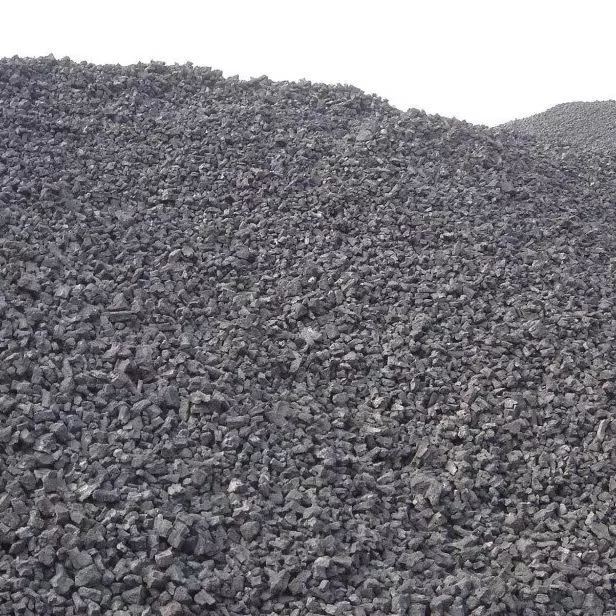
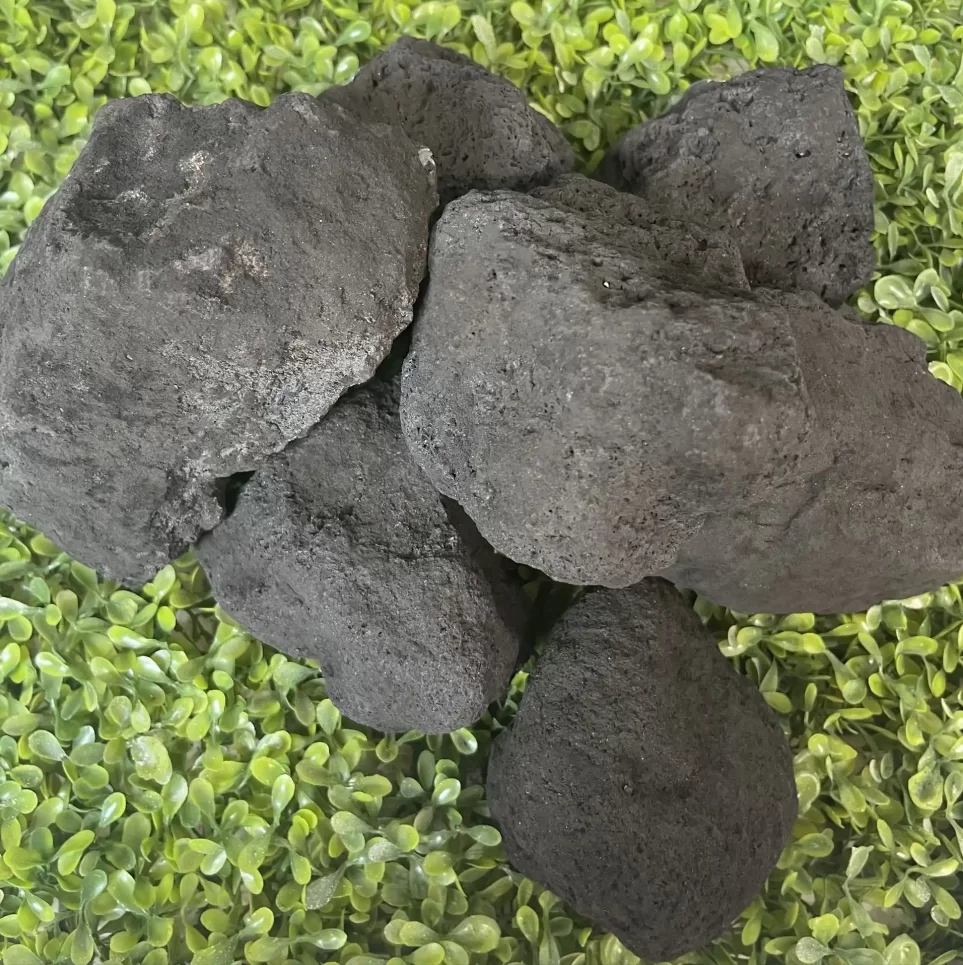
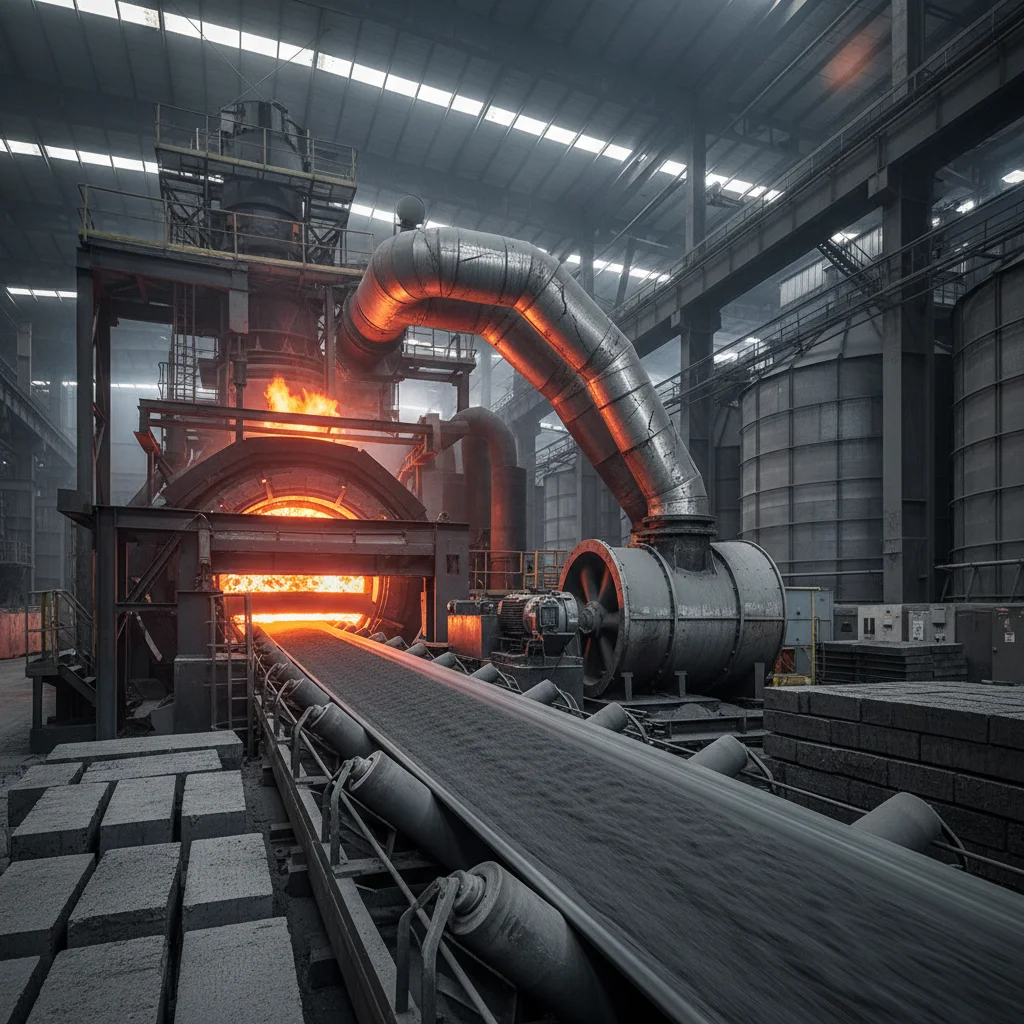
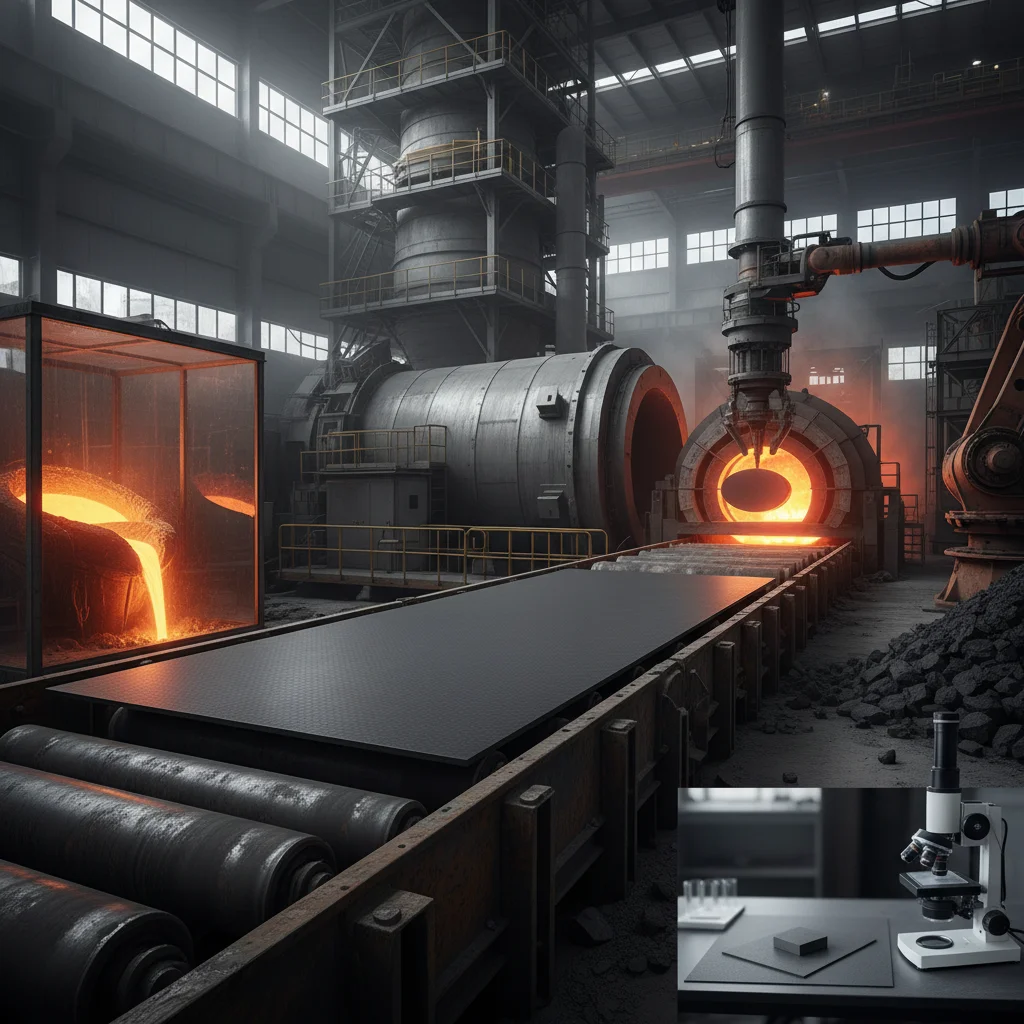
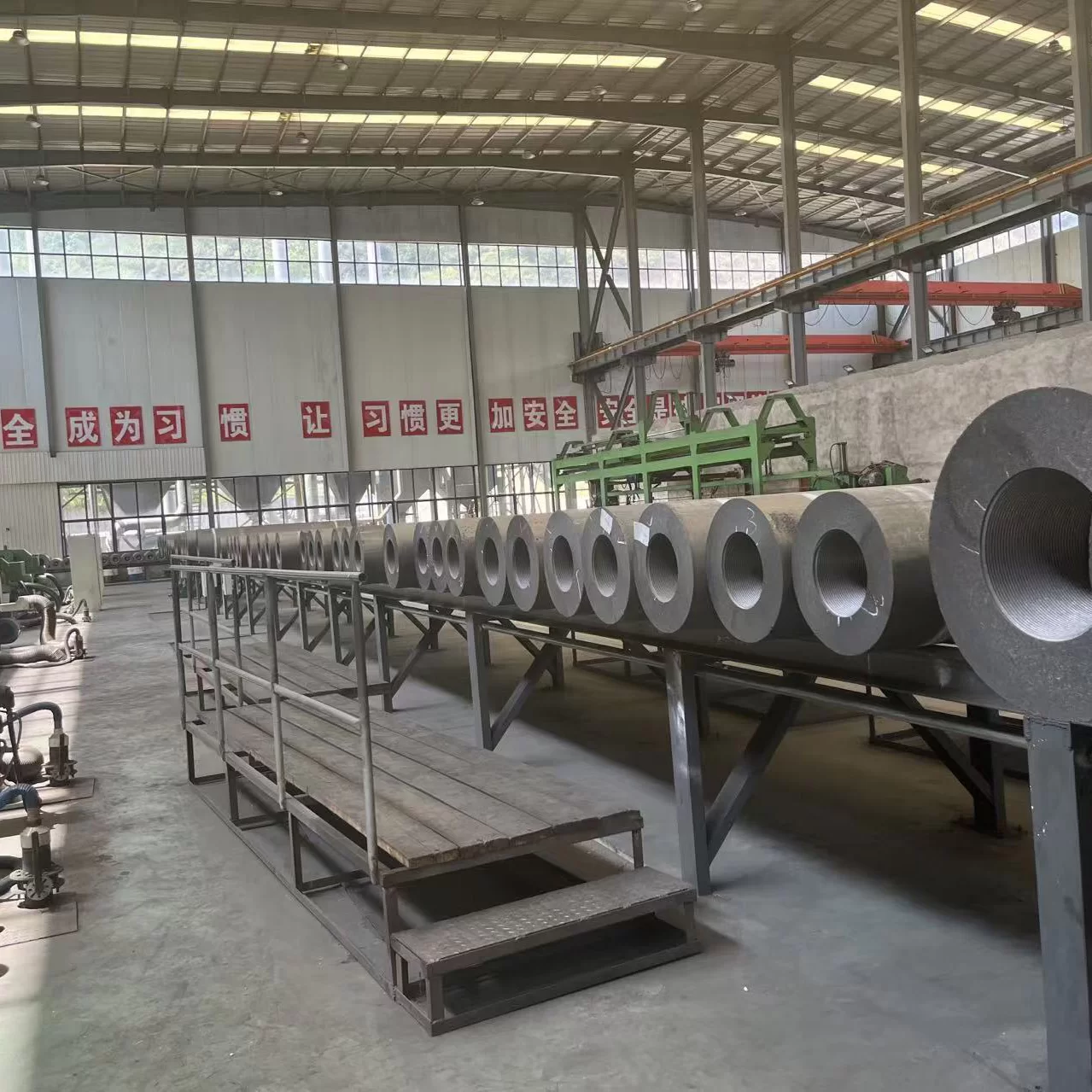
The creation of artificial graphite powder is a testament to advanced material science and engineering, involving a highly controlled, multi-stage thermochemical process. It typically begins with carbonaceous precursors such as petroleum coke or coal tar pitch, which are initially pulverized and then mixed with a binder before being formed into desired shapes. These raw carbon forms undergo a crucial heat treatment process known as graphitization. During graphitization, the material is subjected to extremely high temperatures, often exceeding 2500°C, in an inert atmosphere for extended periods. This intense thermal energy rearranges the randomly oriented carbon atoms into the highly ordered, hexagonal layered structure characteristic of graphite. The precise temperature profiles, heating rates, and dwell times are meticulously controlled to achieve the desired degree of graphitization, crystalline perfection, and purity. Post-graphitization, the resulting graphite material is then finely milled and classified to achieve specific particle size distributions, shapes, and surface characteristics. Advanced milling techniques, including jet mills and ball mills, are employed to produce powders ranging from micron to sub-micron scales. Rigorous quality control protocols are implemented at every stage, from raw material inspection to final product analysis. Techniques such as X-ray diffraction (XRD) are used to assess crystallite size and degree of graphitization, while laser diffraction and scanning electron microscopy (SEM) analyze particle size and morphology. Impurity levels are confirmed through inductively coupled plasma mass spectrometry (ICP-MS) or combustion analysis. This exhaustive manufacturing and quality assurance regimen ensures that each batch of artificial graphite powder not only meets but often exceeds the stringent specifications required by high-tech industries, guaranteeing consistency and reliability vital for critical applications.
Navigating the Landscape: A Comparative Analysis of Suppliers
Choosing the right supplier for artificial graphite powder is a strategic decision that significantly impacts the performance and cost-effectiveness of end products. The market hosts numerous manufacturers, each with varying capabilities in terms of production scale, customization options, and specific product grades. Evaluating suppliers requires a holistic approach, considering not just the base price but also product specifications, consistency, technical support, and logistical efficiency. Below is a comparative table illustrating key parameters often used to differentiate between leading suppliers or grades of artificial graphite powder, based on typical industry benchmarks rather than specific company names, to highlight critical decision factors:
Parameter | Standard Grade (Supplier A) | High-Performance Grade (Supplier B) | Ultra-High Purity (Supplier C) |
Purity (Carbon Content) | >99.5% | >99.9% | >99.995% |
Particle Size (D50) | 15-25 µm | 8-12 µm | 5-10 µm |
Specific Surface Area (BET) | 3-5 m²/g | 5-8 m²/g | 8-12 m²/g |
Tap Density | 0.8-1.0 g/cm³ | 1.0-1.2 g/cm³ | 1.2-1.4 g/cm³ |
Electrical Resistivity | <1000 µΩ·cm | <500 µΩ·cm | <100 µΩ·cm |
Ash Content | <0.5% | <0.1% | <0.005% |
Typical Application | General refractories, friction | Li-ion battery anodes, EDM | Fuel cells, advanced electronics |
Relative Cost (per kg) | Low | Medium | High |
This table underscores the spectrum of options available. A company manufacturing standard refractories might find Supplier A's offering perfectly adequate and cost-effective, while an EV battery innovator would almost certainly require the stringent specifications provided by Supplier B or C. Technical support, including application engineering assistance and customized packaging, also plays a pivotal role in long-term partnerships. Moreover, a supplier's capacity for consistent, large-scale production without compromising quality is critical for industries with escalating demand. Due diligence, including material sampling, rigorous testing, and factory audits, is essential before committing to a long-term supply agreement, ensuring that the chosen artificial graphite powder aligns perfectly with specific performance targets and operational efficiencies.
Beyond Standard: Crafting Bespoke Solutions for Diverse Applications
While standard grades of artificial graphite powder offer broad utility, many cutting-edge applications necessitate materials engineered to precise, bespoke specifications. The ability to customize artificial graphite powder is a significant competitive advantage for both suppliers and their clients, enabling the creation of truly optimized products. Customization extends beyond basic purity levels to encompass a nuanced control over particle morphology, specific surface area, pore structure, and even surface functionalization. For instance, in certain catalytic applications, a highly porous graphite structure with a large specific surface area is critical for maximizing reactive sites, while in solid lubrication, a specific platelet-like particle shape enhances lubricity and wear resistance. Battery manufacturers, striving for incremental gains in energy density and cycle life, frequently demand artificial graphite powder with extremely tight distributions of primary and secondary particle sizes, optimized tap density for electrode compaction, and controlled crystallite orientation to facilitate faster ion transport. Some advanced applications also require specific surface coatings or treatments to improve dispersibility in various matrices, enhance interfacial adhesion, or impart hydrophobicity/hydrophilicity. Leading manufacturers often engage in collaborative research and development with clients, leveraging their deep material science expertise to formulate unique artificial graphite solutions. This process typically involves an initial consultation to understand the application's specific performance bottlenecks, followed by iterative material design, prototyping, and rigorous testing. This collaborative approach not only yields highly specialized materials that outperform off-the-shelf alternatives but also fosters innovation, pushing the boundaries of what's possible with artificial graphite powder, directly translating into superior end-product performance, extended lifespan, and enhanced market competitiveness.
Transformative Applications: Where Innovation Meets Industrial Demand
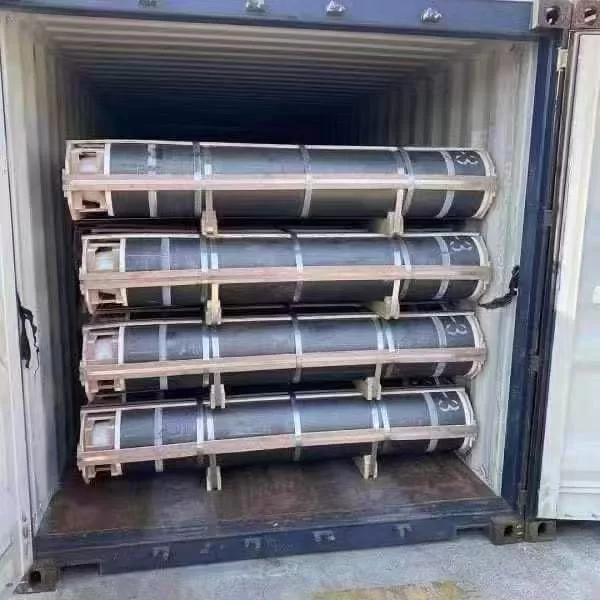
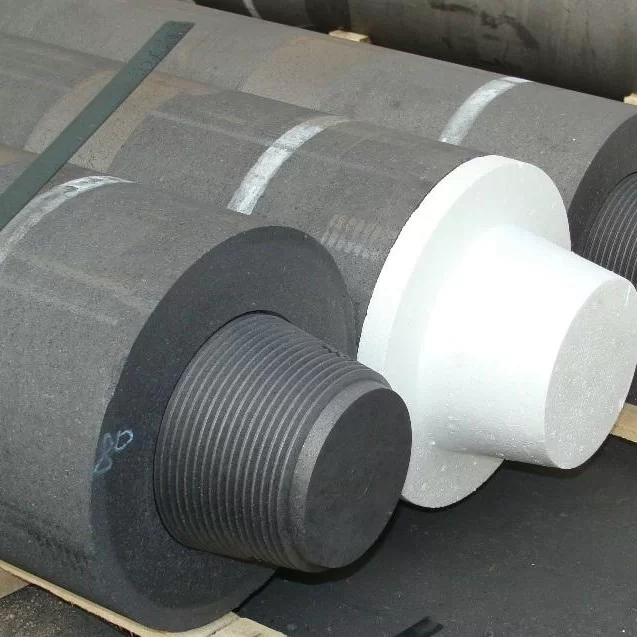
The versatility and high performance of artificial graphite powder have made it an indispensable material across an incredibly diverse range of industries, driving significant advancements and enabling new technological paradigms. Its most prominent application currently is as the anode material in lithium-ion batteries, powering everything from smartphones and laptops to electric vehicles (EVs) and grid-scale energy storage systems. In an EV battery, for example, high-purity artificial graphite powder allows for fast charging, extended range (due to high energy density), and long cycle life, making EVs a viable alternative to traditional combustion engine vehicles. Beyond batteries, it plays a critical role in the metallurgy sector, serving as a recarburizer in steelmaking, where its high carbon content and low impurity levels help control the carbon composition of alloys. In refractories, its excellent thermal stability and chemical inertness make it an ideal component in crucibles, linings, and electrodes used in high-temperature furnaces, resisting extreme heat and corrosive environments. The electrical discharge machining (EDM) industry heavily relies on artificial graphite electrodes for precision machining of hard metals, benefiting from its easy machinability, high electrical conductivity, and low wear rate. Furthermore, artificial graphite powder is found in advanced friction materials, such as brake pads and clutch facings, where it contributes to thermal stability, reduced wear, and consistent friction coefficients. In fuel cells, it is used in bipolar plates due to its excellent electrical conductivity, thermal conductivity, and corrosion resistance. Emerging applications include advanced thermal management solutions for electronics, where its high thermal conductivity aids in dissipating heat from sensitive components, and even in nuclear applications, leveraging its unique neutron moderation properties. The breadth of these applications underscores the material's foundational importance, demonstrating how tailored artificial graphite powder solutions are at the heart of many of today's and tomorrow's most significant technological leaps.
Paving the Future: The Indispensable Role of Advanced Artificial Graphite Powder
As industries worldwide continue their relentless pursuit of efficiency, sustainability, and enhanced performance, the role of advanced materials like artificial graphite powder will only grow in prominence. The future trajectory for this versatile material is intrinsically linked to global megatrends: the electrification of transport, the imperative for renewable energy storage, the miniaturization of electronics, and the demand for more durable industrial components. Innovations in manufacturing processes, such as continuous graphitization and advanced particle engineering, are poised to yield artificial graphite powder with even more tailored properties, pushing the boundaries of current performance benchmarks. Researchers are actively exploring novel surface modifications to enhance specific functionalities, such as improved electrolyte compatibility in batteries or enhanced dispersion in composite materials. The drive towards sustainable manufacturing practices is also influencing the artificial graphite sector, with increasing focus on reducing energy consumption during graphitization and exploring bio-based precursors. Furthermore, the convergence of artificial graphite powder with other advanced materials, such as silicon or graphene, is creating hybrid composites that promise revolutionary performance gains in energy storage and beyond. The consistent quality, precise tunability, and superior performance offered by artificial graphite powder ensure its enduring status as a critical enabler of technological progress. For any enterprise aiming to innovate in energy, advanced manufacturing, or high-performance components, understanding and leveraging the capabilities of this extraordinary material is not merely an advantage—it is a prerequisite for shaping the future. The evolution of artificial graphite powder is not just a story of material science; it is a narrative of industrial empowerment and technological frontier expansion.
Frequently Asked Questions about Artificial Graphite Powder
1. What is artificial graphite powder, and how does it differ from natural graphite powder?
Artificial graphite powder is a synthetic material produced by graphitizing carbonaceous precursors (like petroleum coke) at extremely high temperatures (over 2500°C). This controlled process creates a highly ordered carbon crystal structure. Natural graphite powder, conversely, is mined from the earth and then processed. The key differences lie in purity (artificial is generally much purer with fewer trace impurities), consistency (artificial has controlled particle size and morphology), and cost (natural can be cheaper but with variable quality).
2. What are the primary advantages of using artificial graphite powder in lithium-ion batteries?
In lithium-ion batteries, artificial graphite powder serves as the anode material due to its high purity, excellent cycle stability, and high energy density. Its controlled particle size and morphology enable faster lithium-ion intercalation and de-intercalation, leading to quicker charging times, longer battery life, and greater capacity compared to many other anode materials.
3. Can artificial graphite powder be customized for specific applications?
Absolutely. One of the significant advantages of artificial graphite powder is its customizability. Manufacturers can tailor parameters such as particle size distribution, specific surface area, tap density, purity levels, and even surface treatments to meet the precise requirements of diverse applications, from battery anodes to specific refractory formulations.
4. What industries primarily use artificial graphite powder?
Artificial graphite powder is critical in numerous industries. Key sectors include: battery manufacturing (especially for EVs and consumer electronics), metallurgy (as a recarburizer), refractories (for high-temperature resistance), electrical discharge machining (EDM) for electrodes, friction materials (brakes, clutches), and advanced electronics for thermal management.
5. How does the manufacturing process of artificial graphite powder ensure its high quality?
The quality of artificial graphite powder is ensured through a rigorous manufacturing process involving precise control over graphitization temperatures and duration, followed by sophisticated milling and classification techniques. Extensive quality control includes X-ray diffraction for crystallite structure, laser diffraction for particle size, and ICP-MS for impurity analysis, guaranteeing consistency and adherence to specifications.
6. Is artificial graphite powder considered an environmentally friendly material?
The environmental footprint of artificial graphite powder is a complex issue. While its production is energy-intensive due to high-temperature graphitization, ongoing research focuses on reducing energy consumption, utilizing renewable energy sources, and exploring bio-based or recycled precursors to enhance its sustainability. Its extended lifespan in applications like batteries also contributes to resource efficiency.
7. What are the key properties to consider when selecting an artificial graphite powder supplier?
When selecting a supplier, essential considerations include: the purity and consistency of their product, their ability to meet specific particle size and morphology requirements, production capacity and reliability, technical support and customization capabilities, competitive pricing, and adherence to quality certifications. Sample testing and factory audits are highly recommended.