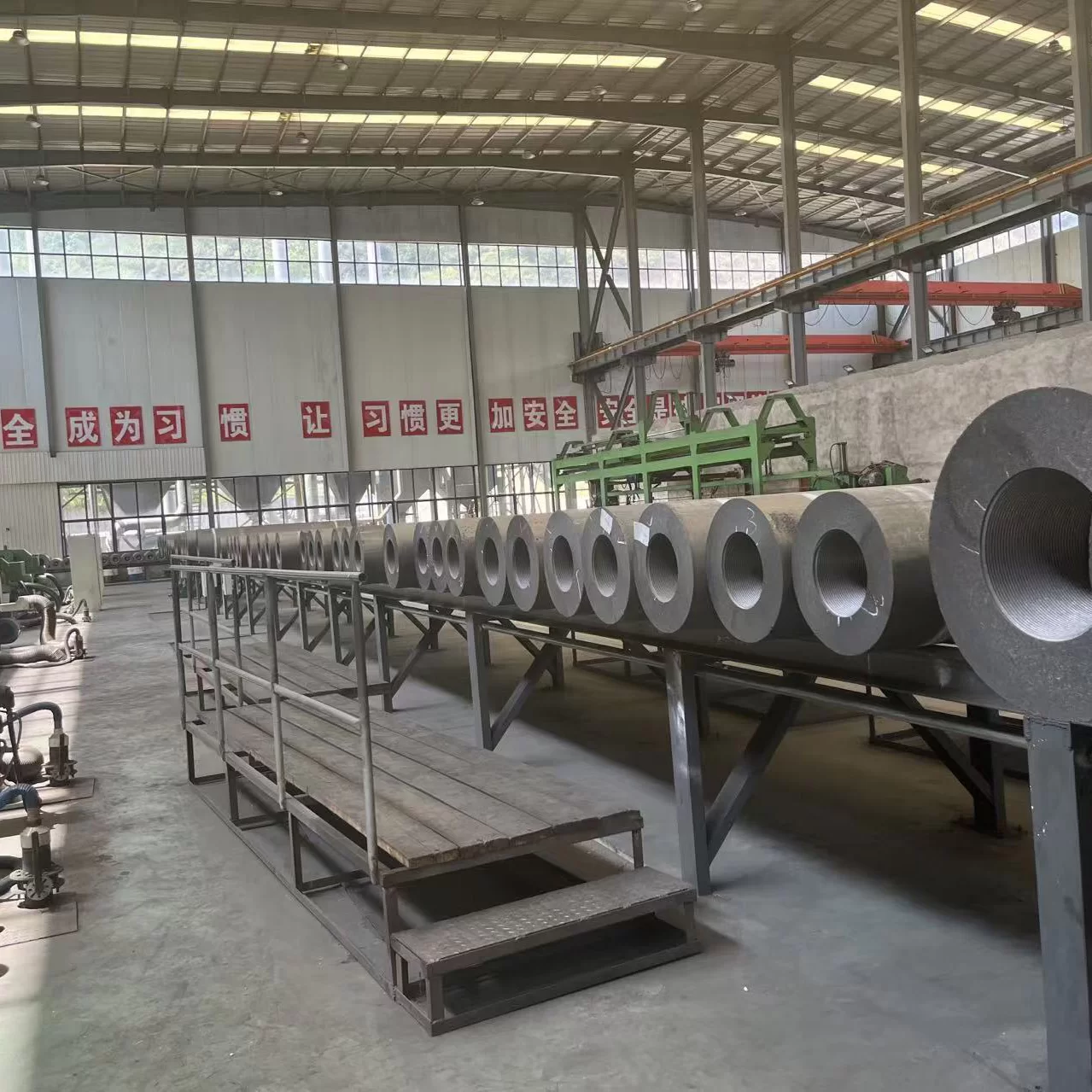
Graphite Powder Is: A Comprehensive Guide to Applications and Selection
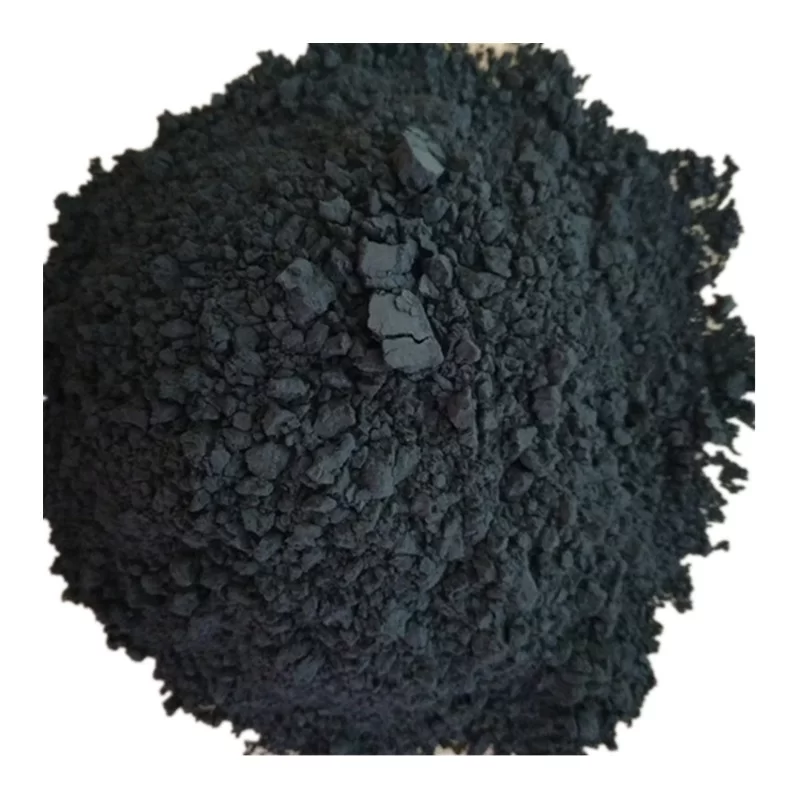
Graphite powder is a versatile material with a wide range of industrial applications, stemming from its unique properties like high thermal conductivity, electrical conductivity, and chemical inertness. This article provides an in-depth look at graphite powder, its various grades, key applications, and factors to consider when selecting the right type for your specific needs. From lubricants to battery materials, understanding the nuances of graphite powder is crucial for optimizing performance and efficiency.
Understanding the Properties of Graphite Powder
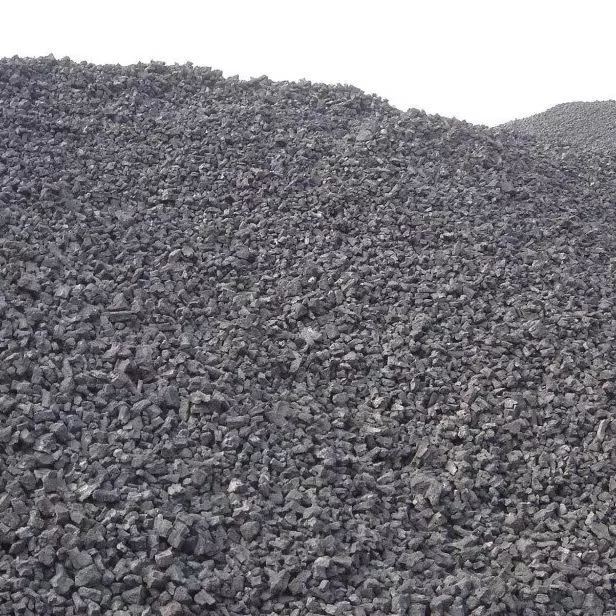
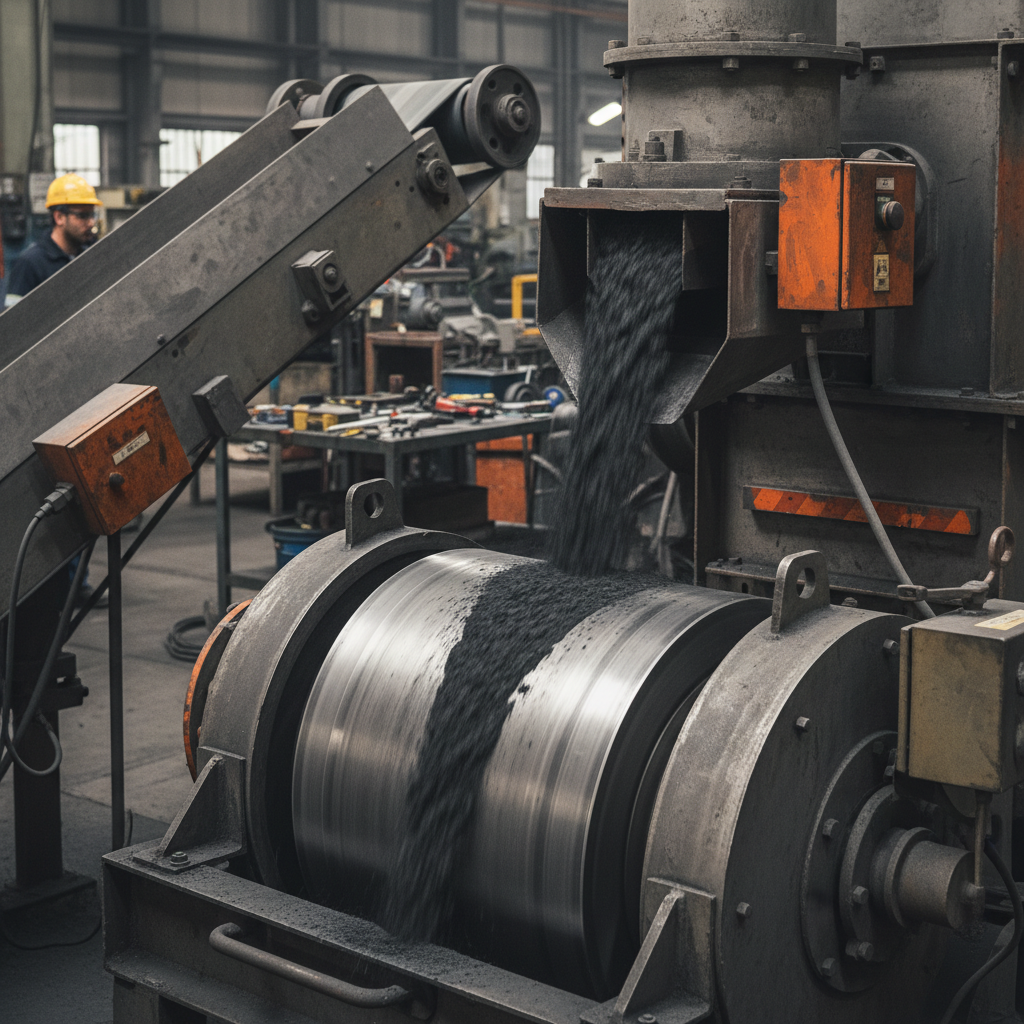
Graphite powder’s remarkable properties are derived from its crystalline structure. Carbon atoms are arranged in layers, allowing for easy slippage, which explains its excellent lubricity. The electrical and thermal conductivity is due to the delocalized electrons within these layers. Its chemical inertness makes it stable in a variety of environments. These characteristics translate into numerous practical applications. The particle size distribution, purity, and shape (flake, amorphous, etc.) significantly impact its performance in specific applications, and Dah Carbon offers a wide variety of graphite powder tailored to meet diverse needs.
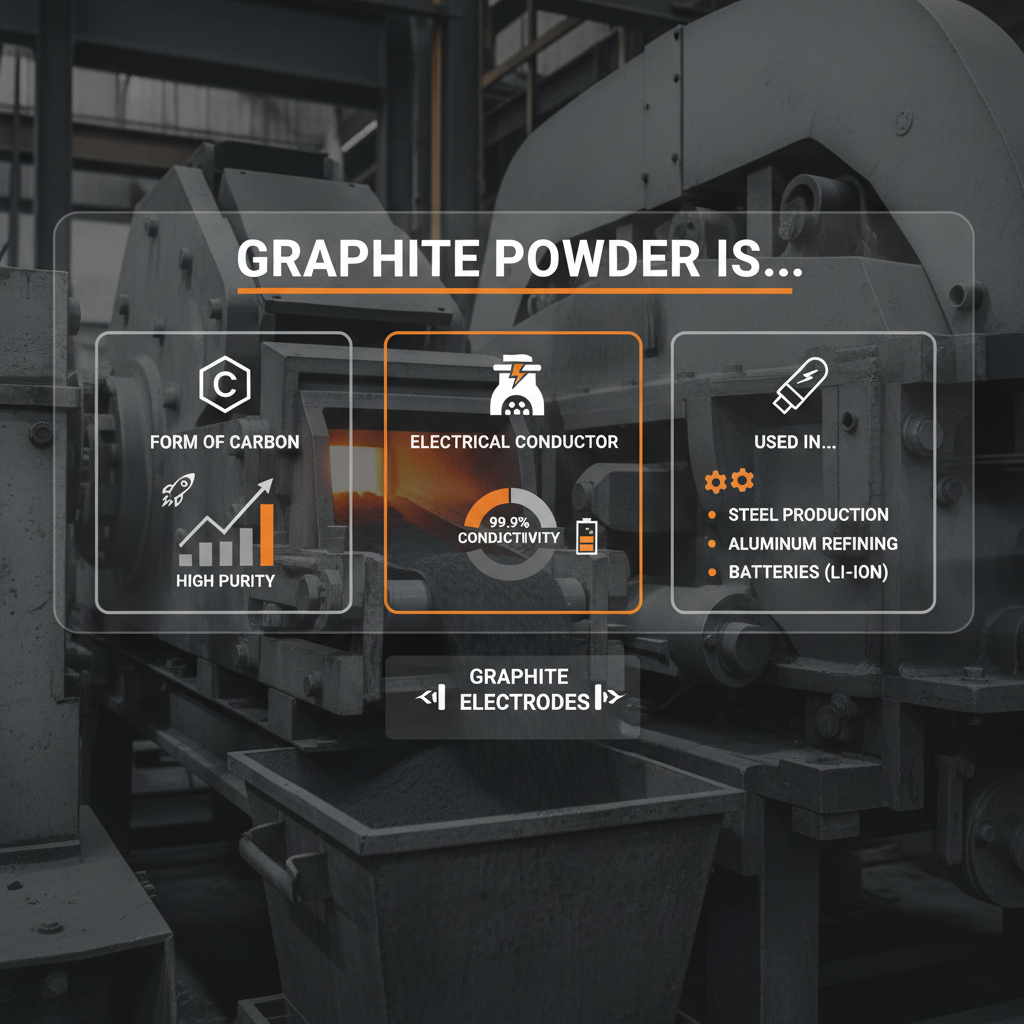
Key Properties: High thermal conductivity, excellent electrical conductivity, self-lubricating, chemically inert, lightweight, and high temperature resistance.
Key Applications of Graphite Powder
The applications of graphite powder are incredibly diverse. It is a crucial component in lubricants, reducing friction and wear in engines and machinery. In the battery industry, particularly in lithium-ion batteries, graphite serves as the anode material, facilitating efficient ion transport. It is also used in the production of brakes and clutches, providing consistent performance under high temperatures. Furthermore, graphite powder is essential in the creation of refractories, paints, and plastics, enhancing their thermal stability, conductivity, and mechanical strength.
Application Areas:
• Lubricants
• Battery Materials (Lithium-ion)
• Brakes and Clutches
• Refractories, Plastics, and Paints
Graphite Powder Grades and Their Properties
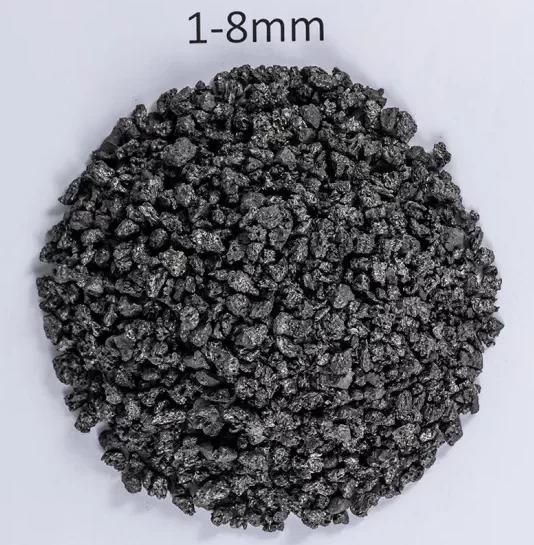
Different grades of graphite powder are available, each suited for specific applications. Flake graphite, characterized by its plate-like structure, offers excellent lubrication and thermal conductivity. Amorphous graphite, with its irregular shape, is cost-effective and widely used in fillers and coatings. High-purity graphite is essential for battery applications, demanding stringent quality control. The particle size distribution also plays a crucial role; finer particles are ideal for applications requiring smooth surfaces and high dispersion, while coarser particles are suitable for structural applications. Selecting the right grade depends on the desired performance characteristics and cost considerations.
Factors to Consider When Selecting Graphite Powder
Choosing the optimal graphite powder requires careful consideration of several factors. Particle size distribution is paramount, influencing dispersion and surface finish. Purity levels are critical for applications like batteries, where impurities can degrade performance. The shape of the graphite particles affects lubricity and packing density. Cost is also a significant factor, often balanced against performance requirements. Working with a reliable supplier like Dah Carbon ensures consistent quality and tailored solutions.
Future Trends in Graphite Powder Technology
The graphite powder industry is continually evolving, driven by demands for higher performance and sustainability. Research is focused on developing advanced graphite materials with enhanced properties, such as increased conductivity and improved thermal stability. Surface modification techniques are being employed to tailor graphite particles for specific applications. Furthermore, there's a growing emphasis on sustainable sourcing and environmentally friendly production methods. The rise of electric vehicles and energy storage solutions is fueling increased demand for high-quality graphite for battery applications, making innovation in this field crucial.
Conclusion
Graphite powder is an indispensable material in a diverse range of industries. Understanding its properties, grades, and applications is vital for optimizing performance and innovation. By partnering with a reputable supplier like Dah Carbon, businesses can access high-quality graphite powder tailored to their specific needs, driving efficiency and sustainability.
Frequently Asked Questions (FAQs)
What is the difference between natural and synthetic graphite powder?
Natural graphite is mined from the earth and typically contains some impurities, while synthetic graphite is manufactured from carbonaceous materials like petroleum coke. Synthetic graphite generally offers higher purity and more consistent properties, making it ideal for demanding applications like lithium-ion batteries. However, natural graphite is often more cost-effective and suitable for applications where high purity is not critical. The choice depends on the specific performance requirements and budget constraints.
How is graphite powder used in lithium-ion batteries?
Graphite powder is the primary material used for the anode (negative electrode) in lithium-ion batteries. Its layered structure allows lithium ions to intercalate (insert themselves) between the layers during charging, storing energy. During discharge, the lithium ions are released, generating electricity. The performance of the graphite anode significantly impacts the battery’s capacity, cycle life, and charging rate. High-purity, spherical graphite is preferred for optimal performance.
What safety precautions should be taken when handling graphite powder?
While generally considered non-toxic, graphite powder can be an irritant to the eyes and respiratory system. It’s crucial to wear appropriate personal protective equipment (PPE) such as safety glasses and a dust mask when handling the powder. Ensure adequate ventilation in the work area to minimize dust inhalation. Avoid creating airborne dust and practice good hygiene, washing hands thoroughly after handling graphite powder.
Can graphite powder be used as a lubricant in extreme temperatures?
Yes, one of the key advantages of graphite powder is its ability to maintain its lubricating properties at both high and low temperatures. Unlike oil-based lubricants, graphite does not vaporize at high temperatures and remains effective in extreme environments. It also doesn’t freeze at low temperatures, making it suitable for applications where other lubricants fail. However, the specific temperature range depends on the grade of graphite and the presence of any additives.