Understanding 5 Micron Graphite Powder: Properties and Applications
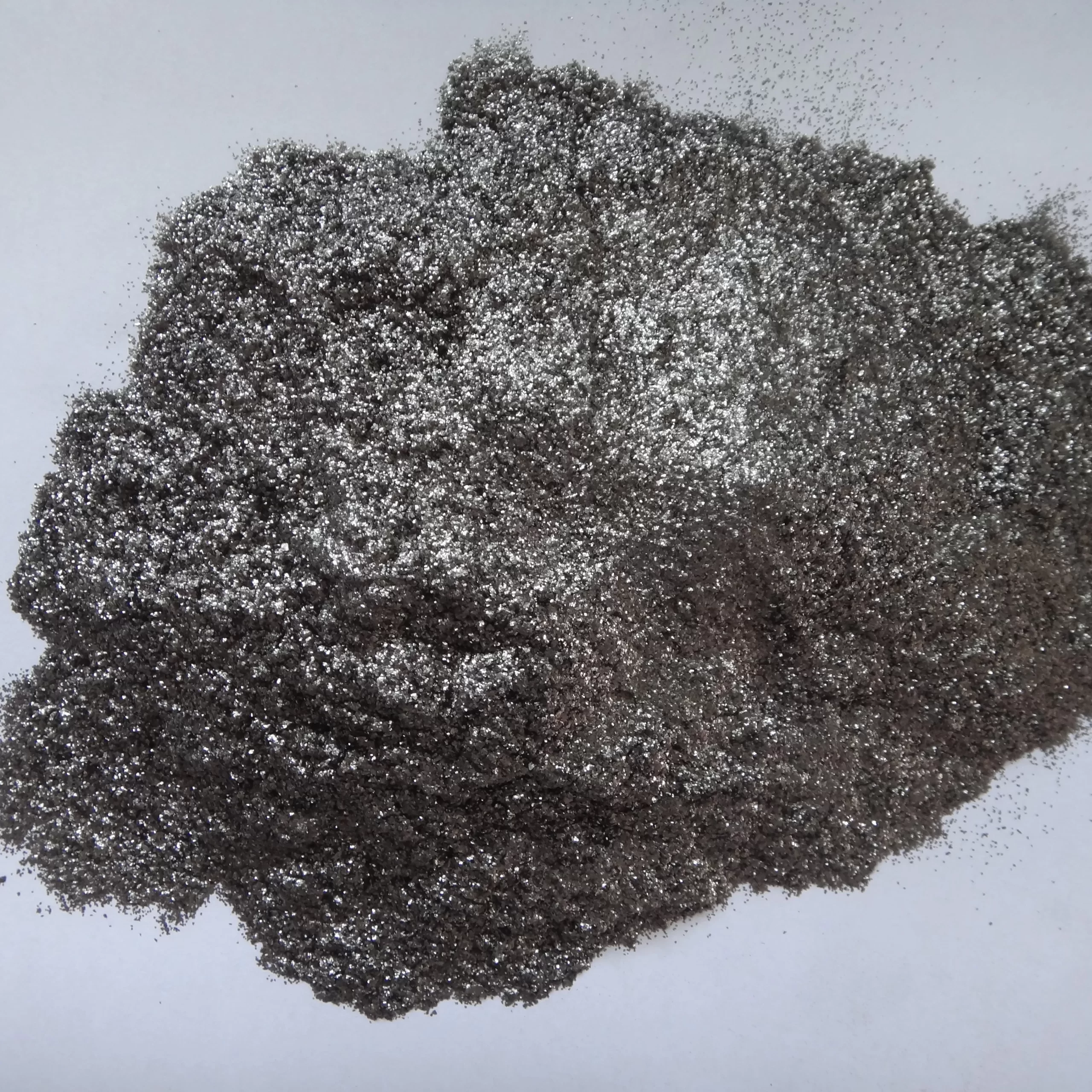
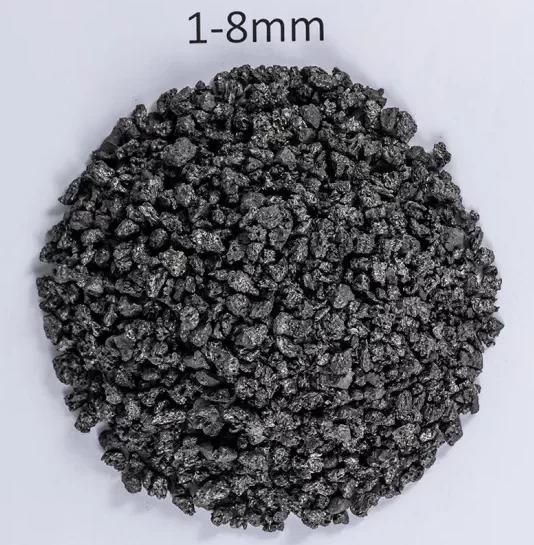
5 micron graphite powder is a finely milled form of carbon with a wide range of industrial applications. Its unique properties, including high electrical conductivity, thermal stability, and lubricity, make it an invaluable component in various manufacturing processes. This article provides a comprehensive overview of 5 micron graphite powder, exploring its characteristics, production methods, applications, and benefits. We'll delve into why it's a preferred material for diverse industries, and how Dah Carbon's graphite powder solutions stand out in terms of quality and performance. Choosing the right graphite powder grade is essential for achieving optimal results in your specific application.
Key Properties of 5 Micron Graphite Powder
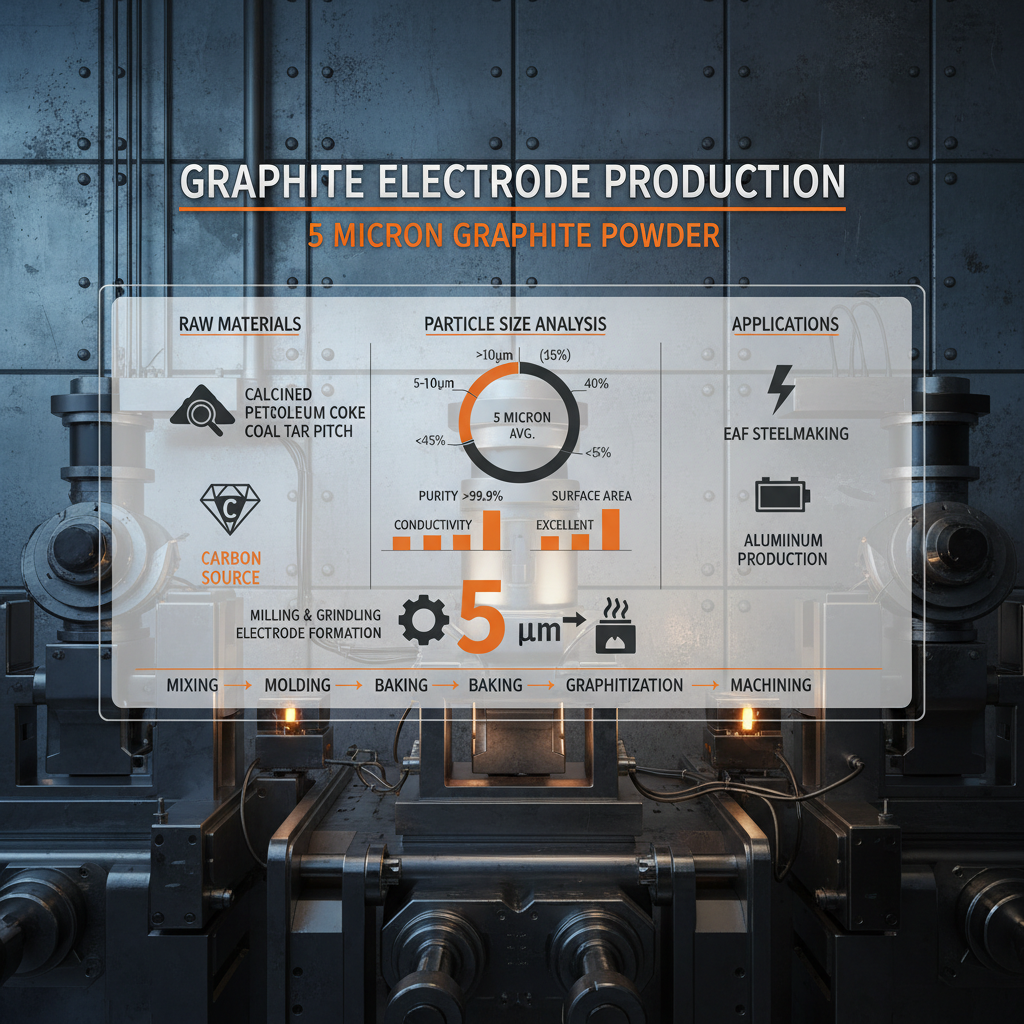
The defining characteristic of 5 micron graphite powder is its particle size – an average of 5 micrometers in diameter. This fine particle size contributes significantly to its exceptional properties. High purity is another crucial aspect, typically exceeding 99% carbon content. Its excellent electrical conductivity stems from the delocalized electrons within the graphite structure, making it ideal for conductive fillers. Furthermore, 5 micron graphite powder exhibits exceptional thermal stability, withstanding high temperatures without significant degradation. Its inherent lubricity minimizes friction, making it valuable in lubricants and coatings. These combined attributes make it a versatile material for a broad spectrum of applications.
Key Highlights: High purity, excellent electrical conductivity, exceptional thermal stability, and inherent lubricity. A particle size of 5 microns allows for optimal dispersion and performance in various applications.
Applications of 5 Micron Graphite Powder
The diverse properties of 5 micron graphite powder drive its use in a wide array of industries. In the battery sector, it’s a critical component in lithium-ion battery anodes, enhancing conductivity and energy density. Within the plastics industry, it serves as a conductive filler, improving the electrical properties of polymers. The powder is also used extensively in lubricants, reducing friction and wear in moving parts. Furthermore, it’s utilized in powder metallurgy, coatings, and even as a pigment in certain paints and inks. Its ability to withstand high temperatures makes it suitable for applications in high-temperature environments, such as crucibles and molds. Explore Dah Carbon for detailed information on specific grades tailored to your application.
Application Areas:
• Lithium-ion batteries
• Conductive plastics
• Lubricants and coatings
• Powder metallurgy
5 Micron Graphite Powder vs. Other Graphite Grades: A Comparison
Different graphite powder grades offer varying properties suited to specific applications. While coarser graphite powders (e.g., 20-micron) are cost-effective for basic lubrication, they lack the fine dispersion and superior conductivity of 5-micron powder. Nanoscale graphite powders (Dah Carbon offers a comprehensive range of graphite powder grades to meet diverse customer needs.
Dah Carbon: Your Trusted Supplier of 5 Micron Graphite Powder
At Dah Carbon, we specialize in the production and supply of high-quality graphite powders, including 5 micron grade. We employ advanced milling and classification techniques to ensure consistent particle size distribution and high purity. Our commitment to quality control, coupled with responsive customer service, makes us a reliable partner for businesses across diverse industries. We offer customized packaging options and timely delivery to meet your specific requirements. Contact us today to discuss your graphite powder needs.
Product Specifications
Here’s a summary of our standard 5 micron graphite powder specifications:
Conclusion: Choose Dah Carbon for Superior Graphite Powder Solutions
Investing in high-quality 5 micron graphite powder from a trusted supplier like Dah Carbon ensures optimal performance and reliability in your applications. Our commitment to quality, consistency, and customer satisfaction makes us the ideal partner for businesses seeking advanced carbon materials. Don't compromise on the performance of your products - choose Dah Carbon.
Frequently Asked Questions (FAQs)
What industries benefit most from using 5 micron graphite powder?
A wide range of industries benefit from 5 micron graphite powder. Key sectors include battery manufacturing (lithium-ion batteries), plastics (creating conductive polymers), lubricants (reducing friction and wear), powder metallurgy (producing strong, wear-resistant parts), coatings (enhancing corrosion resistance and conductivity), and paints and inks (providing pigmentation and conductivity). It’s also valuable in research and development for various advanced material applications.
How is 5 micron graphite powder produced?
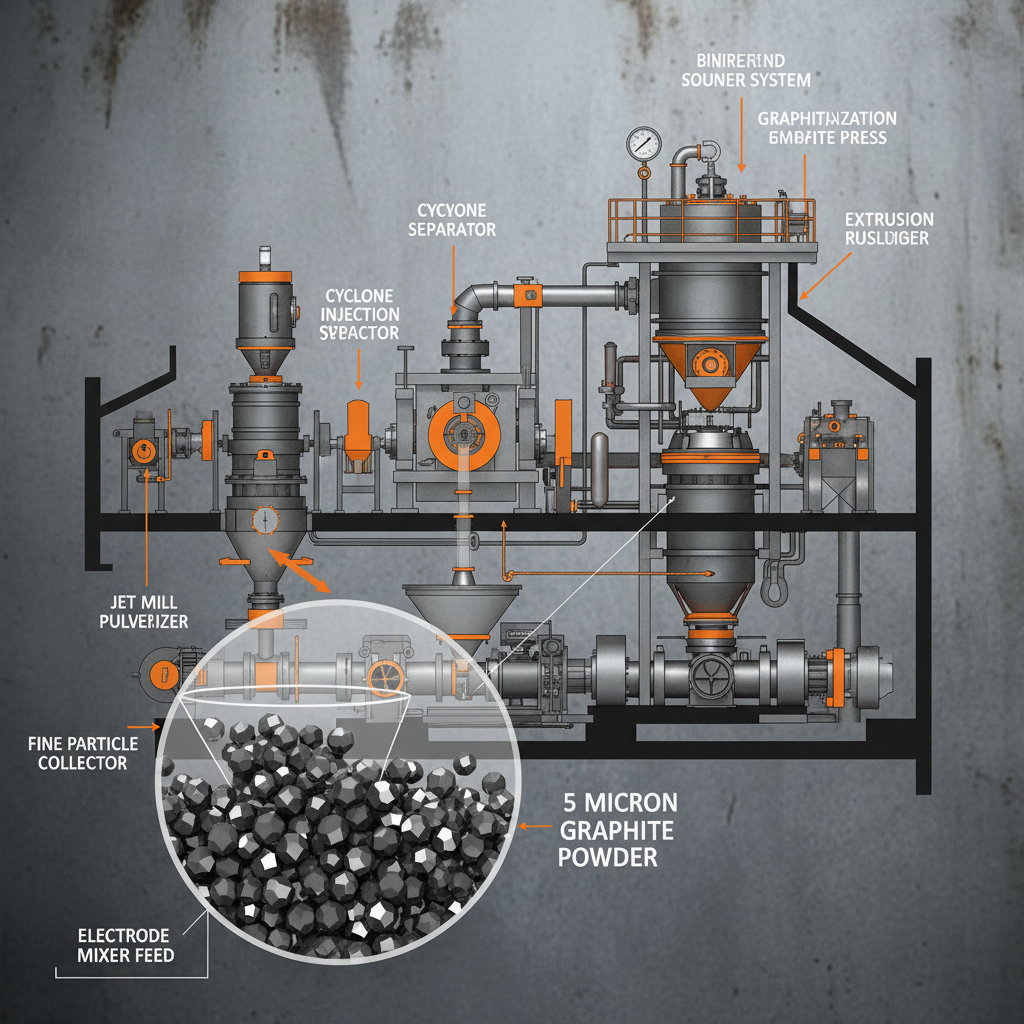
5 micron graphite powder is typically produced through a multi-stage process that includes milling and classification. Natural graphite flakes are initially ground using ball mills or jet mills to reduce the particle size. Subsequently, air classification or other separation techniques are employed to isolate particles within the 5-micron range. The entire process is carefully controlled to ensure consistent particle size distribution and high purity. Dah Carbon utilizes state-of-the-art milling and classification technologies to deliver premium quality graphite powder.
What safety precautions should be taken when handling 5 micron graphite powder?
While generally considered non-toxic, 5 micron graphite powder is a fine particulate material. It’s advisable to wear a dust mask or respirator to prevent inhalation of dust. Eye protection (safety glasses or goggles) is also recommended to avoid irritation. Good ventilation is crucial during handling. Avoid creating dust clouds and ensure proper cleanup procedures are followed. Refer to the Safety Data Sheet (SDS) for detailed safety information.
Can 5 micron graphite powder be used in conductive inks?
Yes, 5 micron graphite powder is an excellent material for conductive inks. Its high conductivity and fine particle size allow for the creation of inks that can be used in printed electronics, flexible circuits, and other applications requiring conductive traces. The particle size ensures good dispersion within the ink formulation, leading to consistent conductivity. The surface treatment of the graphite powder can further enhance its compatibility with the ink matrix.