The global demand for graphite is steadily increasing, driven by its crucial role in emerging technologies like electric vehicles and energy storage systems. Understanding the intricacies of sourcing and utilizing graphite – essentially knowing where to buy graphite – is paramount for businesses and nations alike seeking to participate in these transformative industries. Investing in secure and sustainable graphite supply chains is no longer simply a commercial consideration but a strategic imperative.
The properties of graphite – its high conductivity, thermal stability, and lubricity – make it indispensable across a wide spectrum of applications, extending far beyond batteries. From steelmaking and friction materials to advanced composites and even lubricants, graphite is quietly powering numerous essential sectors. Knowing how and where to efficiently buy graphite allows businesses to optimize their operations and stay competitive.
Consequently, navigating the complexities of the graphite market – including fluctuations in price, availability, and quality – is a critical challenge. This guide offers a comprehensive overview of everything you need to know about sourcing graphite, ensuring you can make informed decisions and secure a reliable supply.
The Significance of Graphite Procurement
The ability to reliably buy graphite is becoming increasingly critical for a diverse range of industries. Recent geopolitical events and supply chain disruptions have highlighted the vulnerabilities associated with relying on single sources of supply. Proactive procurement strategies, including diversification of suppliers and long-term contracts, are essential for mitigating these risks.
Furthermore, the growing emphasis on sustainability and ethical sourcing is reshaping the graphite market. Companies are now facing pressure to ensure that their graphite supply chains are environmentally responsible and socially just, which requires careful due diligence and a commitment to responsible practices when deciding where to buy graphite.
Defining Graphite and its Industrial Relevance
Graphite is a crystalline allotrope of carbon, known for its unique combination of properties. It’s a naturally occurring mineral, though it can also be synthetically produced. The key characteristic of graphite is its layered structure, which allows for easy cleavage and makes it an excellent lubricant and conductor of electricity.
Its relevance to modern industry stems directly from these properties. In batteries, graphite acts as the anode material, facilitating the flow of ions. In metallurgy, it’s used as a crucible material and a component of steel. And in countless other applications, its lubricity and conductivity make it an indispensable material. Sourcing quality graphite to buy graphite is essential for maintaining performance in these areas.
The increasing demand for electric vehicles (EVs) is particularly significant, as EV batteries require substantial quantities of graphite. This demand is projected to continue growing exponentially in the coming years, placing further strain on global graphite supply chains and emphasizing the need for sustainable sourcing strategies.
Core Properties Influencing Graphite Selection
Several key properties dictate the suitability of graphite for specific applications. Purity is paramount, especially for battery-grade graphite, as impurities can significantly impact performance. Particle size and morphology are also crucial, influencing conductivity and packing density. When you buy graphite, it is essential to specify these requirements.
Another critical property is the graphite’s crystallinity. Highly crystalline graphite exhibits superior conductivity and strength, making it ideal for demanding applications. The method of production – natural flake graphite versus synthetic graphite – also impacts these properties. Choosing where to buy graphite often depends on the precise specifications required.
Finally, the degree of surface treatment influences graphite’s dispersibility and compatibility with other materials. Surface modifications can enhance its performance in composite materials and improve its electrochemical characteristics in batteries. Understanding these nuances is essential when making informed purchasing decisions.
Global Applications Driving Graphite Demand
The applications of graphite are incredibly diverse. The battery sector, as previously mentioned, is experiencing exponential growth, demanding a significant portion of the global graphite supply. Beyond EVs, graphite is crucial for lithium-ion batteries used in consumer electronics and energy storage systems.
In the metallurgical industry, graphite is employed in the production of steel, aluminum, and other metals, acting as a carbon raiser and a protective coating for crucibles. The friction materials industry utilizes graphite for its lubricating properties in brake linings and clutches.
Advanced applications are emerging in areas like composite materials for aerospace and automotive industries, as well as in the production of graphene, a revolutionary two-dimensional carbon material. The strategic decision to buy graphite often hinges on the intended application and the required specifications.
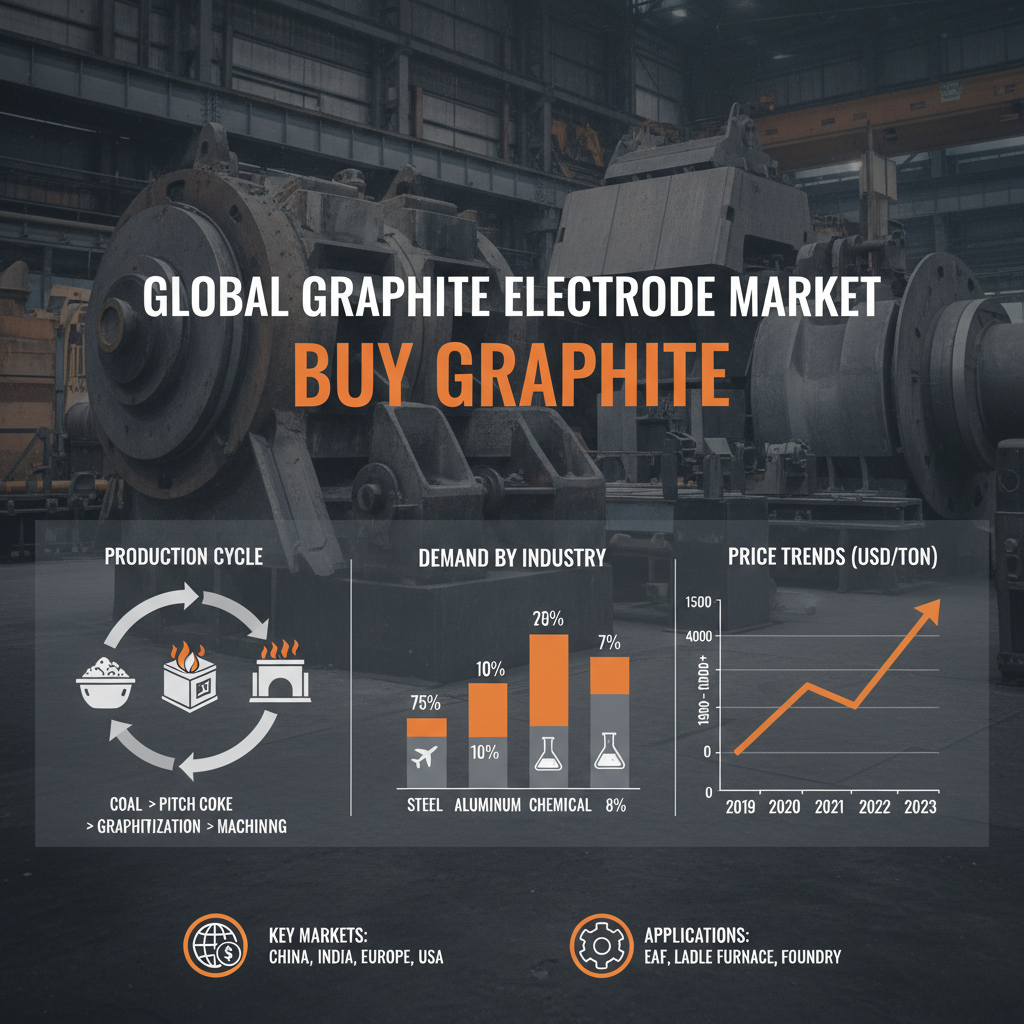
Graphite Demand by Application (Estimated)
Advantages of Strategic Graphite Sourcing
A well-planned graphite sourcing strategy delivers significant benefits. Securing long-term contracts with reputable suppliers ensures price stability and supply security, mitigating risks associated with market fluctuations. Diversifying your supply chain reduces reliance on any single source, enhancing resilience.
Prioritizing ethical and sustainable sourcing practices enhances your company's reputation and demonstrates a commitment to responsible business practices. Selecting high-quality graphite materials improves product performance and reduces the risk of defects, ultimately enhancing customer satisfaction. Knowing where to buy graphite is a competitive advantage.
Future Trends in Graphite Technologies
Innovations in graphite processing and application are constantly emerging. The development of advanced graphite materials, such as graphene and expanded graphite, is opening up new possibilities in various industries. Research is also focused on improving the sustainability of graphite extraction and processing methods.
The demand for high-purity, battery-grade graphite will continue to rise, driving the development of more efficient purification technologies. Advances in recycling technologies will also play a crucial role in securing a sustainable graphite supply for the future.
Furthermore, the integration of artificial intelligence and machine learning in graphite exploration and processing promises to optimize resource utilization and improve efficiency. Staying informed about these trends will be vital when deciding where to buy graphite.
Navigating Challenges in Graphite Supply
Despite the growing demand, several challenges threaten the stability of the graphite supply chain. Geopolitical factors, environmental regulations, and logistical constraints can all disrupt supply. The concentration of graphite production in a few key countries also poses a risk.
Addressing these challenges requires a multifaceted approach. Diversifying sourcing regions, investing in domestic graphite production, and developing alternative battery chemistries are all potential solutions. Transparency and traceability throughout the supply chain are also essential for ensuring ethical and sustainable sourcing.
Collaboration between industry stakeholders, governments, and research institutions is crucial for overcoming these obstacles and securing a reliable graphite supply for the future. A proactive and informed approach to selecting where to buy graphite is critical for success.
Summary of Key Considerations for Graphite Sourcing
| Supplier Reliability |
Graphite Quality |
Price Competitiveness |
Sustainability Practices |
| Track record of on-time delivery and consistent supply. |
Purity levels, particle size distribution, and crystallinity. |
Overall cost, including shipping and handling. |
Environmental impact, ethical labor practices, and responsible sourcing. |
| Financial stability and long-term viability of the supplier. |
Compliance with industry standards and certifications. |
Payment terms and potential for long-term contracts. |
Commitment to reducing carbon footprint and minimizing waste. |
| Responsiveness to inquiries and willingness to collaborate. |
Availability of technical data and support. |
Transparency in pricing and cost breakdown. |
Implementation of responsible mining and processing practices. |
| Geographic diversification to mitigate risk. |
Testing and quality control procedures. |
Flexibility in order quantities and delivery schedules. |
Adherence to international environmental regulations. |
| Robust supply chain management systems. |
Customization options for specific application requirements. |
Potential for volume discounts and long-term savings. |
Community engagement and social responsibility initiatives. |
| Compliance with relevant trade regulations. |
Guaranteed consistency in quality and performance. |
Currency exchange rate stability. |
Transparent reporting on sustainability metrics. |
FAQS
Several factors impact graphite prices, including the grade of graphite (flake size, purity), the source country (transportation costs and political stability), supply and demand dynamics, and prevailing market conditions. Natural flake graphite generally commands a higher price than synthetic graphite, and battery-grade graphite is often the most expensive. Understanding these variables is critical when you buy graphite.
Natural graphite is mined directly from the earth, while synthetic graphite is manufactured from petroleum coke through a high-temperature process. Natural graphite often boasts higher purity, but synthetic graphite can offer more consistent properties. The best choice depends on the application. If looking to buy graphite for batteries, high-purity natural graphite is often preferred.
Graphite grading is based on several criteria, including flake size, carbon content, and the presence of impurities. Larger flake sizes generally indicate higher quality. Carbon content is expressed as a percentage, with higher percentages indicating greater purity. Impurities are assessed through chemical analysis. Knowing these classifications is essential to effectively buy graphite.
Sustainability concerns encompass responsible mining practices, minimizing environmental impact, and ensuring fair labor conditions. Look for suppliers with certifications demonstrating their commitment to sustainability. Choosing where to buy graphite should prioritize ethical and environmentally responsible sourcing.
Graphene is a single-layer sheet of carbon atoms arranged in a hexagonal lattice. It's derived from graphite through various exfoliation or chemical vapor deposition (CVD) processes. Graphene possesses exceptional strength, conductivity, and flexibility, making it a promising material for a wide range of applications, and the base material to create it is graphite, thus impacting the need to buy graphite.
Lead times vary depending on the quantity, grade, and supplier location. Generally, standard grades of graphite are readily available with lead times of a few weeks. However, specialized grades or large orders may require longer lead times, potentially several months. Proactive planning is key when you buy graphite to avoid disruptions to your production schedule.
Conclusion
The strategic importance of graphite is undeniable, fueled by the accelerating demand from the battery sector and its diverse industrial applications. Securing a reliable, sustainable, and cost-effective supply of graphite is paramount for businesses navigating this evolving landscape. Understanding the key properties, market trends, and sourcing considerations outlined in this guide is crucial for making informed decisions.
Looking ahead, continuous innovation in graphite processing and recycling technologies will be essential for mitigating supply chain risks and promoting sustainability. By prioritizing responsible sourcing practices and embracing emerging technologies, we can unlock the full potential of graphite and drive progress towards a more sustainable future. Visit our website today to learn more about how we can help you buy graphite.