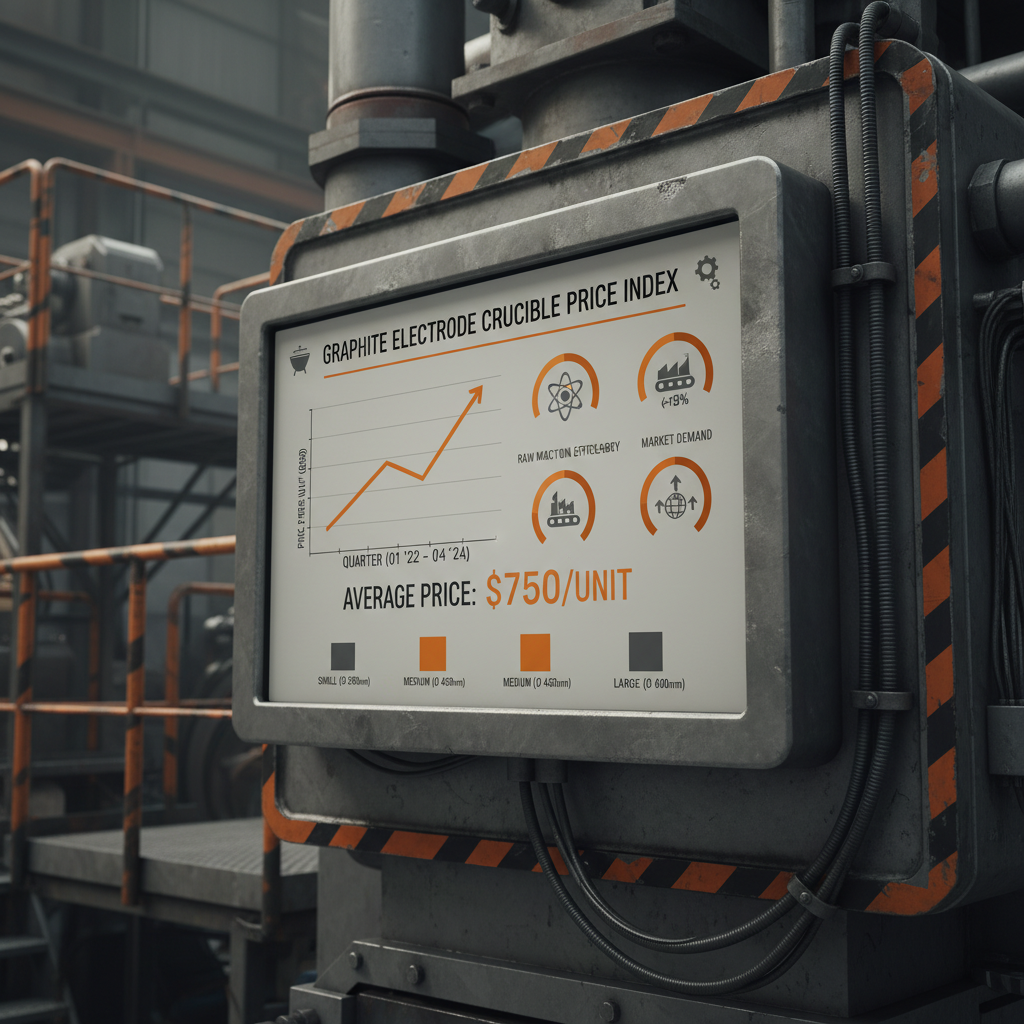
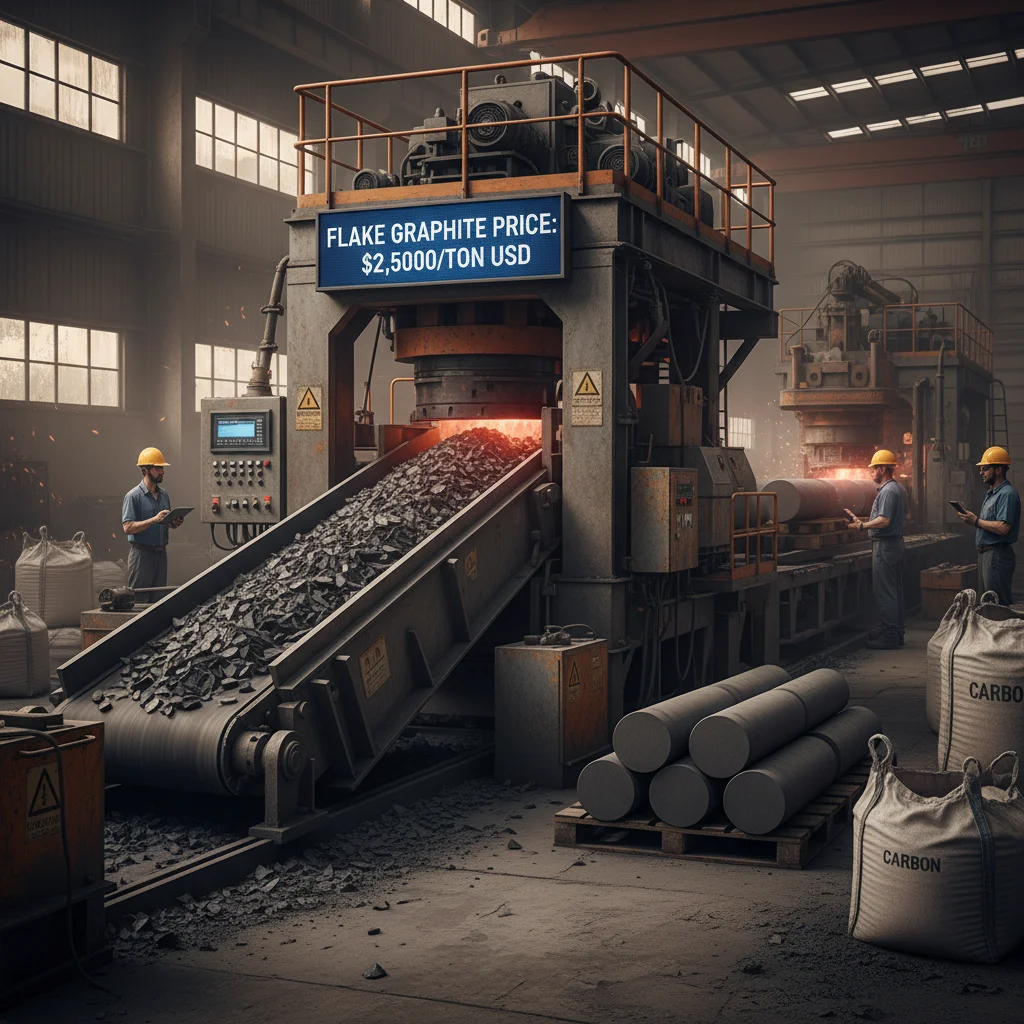
Understanding graphite crucible price is crucial for industries relying on high-temperature material processing. Fluctuations in price impact production costs, material selection, and overall project feasibility. Globally, the demand for graphite crucibles is driven by metallurgical applications, precious metal refining, and specialized chemical processes, making accurate price assessment a key element for effective supply chain management.
The market for graphite crucibles is significantly impacted by the availability of raw materials – specifically graphite and clay – and energy costs associated with manufacturing. China dominates the production of graphite, influencing global pricing trends. Increasing environmental regulations and the push for sustainable sourcing are also key drivers impacting the graphite crucible price landscape.
Accurate knowledge of graphite crucible pricing enables informed decision-making, allowing businesses to optimize their budgets, negotiate favorable contracts, and secure a reliable supply of this essential component. Failing to understand these dynamics can lead to production delays, increased expenses, and compromised product quality.
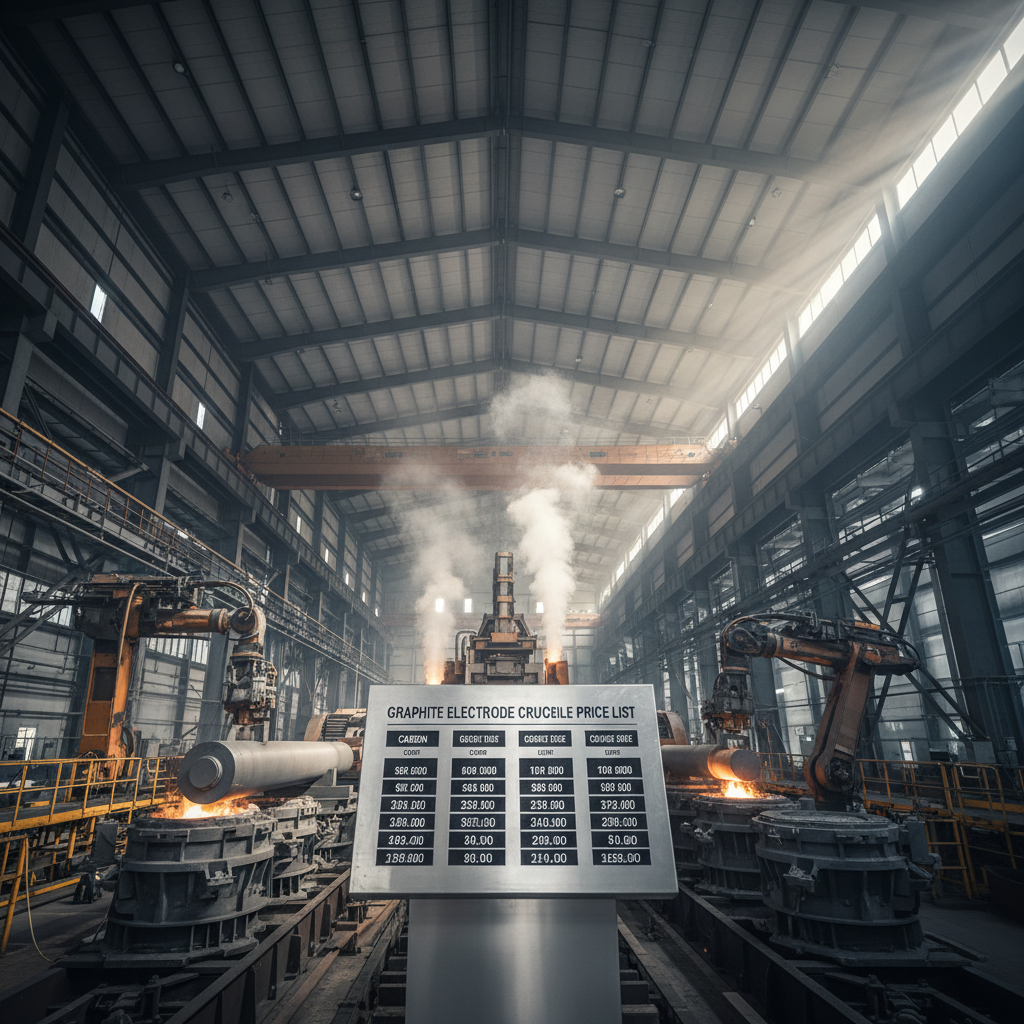
Understanding Graphite Crucible Price
The graphite crucible price isn't simply a number; it's a reflection of intricate market forces, material costs, and manufacturing processes. Understanding these underlying factors allows buyers to forecast expenses, mitigate risks, and optimize their procurement strategies. Variations in crucible size, purity grade, and specific density significantly influence pricing, demanding a nuanced approach to assessment.
The demand for graphite crucibles is inextricably linked to the health of the metals industry, including steel, copper, and aluminum production. A surge in construction, automotive manufacturing, or infrastructure projects typically drives up demand, leading to potential price increases. Conversely, economic downturns or supply chain disruptions can exert downward pressure on pricing.
What Determines the Graphite Crucible Price?
Several core factors converge to determine the graphite crucible price. The cost of raw materials – high-purity graphite, clay, and binders – represents a substantial portion of the total expense. Graphite’s origin and grade play a key role; natural flake graphite typically commands a higher price than synthetic graphite due to its superior thermal properties. Energy costs associated with high-temperature processing are also a significant contributor.
Manufacturing complexity and quality control measures further influence pricing. Crucibles requiring tight tolerances, specialized coatings (like silicon carbide), or advanced machining processes will naturally be more expensive. Labor costs, particularly in regions with stricter regulations, add to the overall production expense.
Finally, geopolitical factors and trade policies can introduce volatility. Tariffs, export restrictions, and fluctuations in currency exchange rates can all impact the final price of graphite crucibles, necessitating constant market monitoring.
Defining Graphite Crucible Price and its Industrial Relevance
Graphite crucible price refers to the cost of a container used to withstand extremely high temperatures, typically in metallurgical, casting, and analytical processes. These crucibles are crucial for melting, holding, and pouring molten metals, alloys, and other materials without contaminating the contents. Their inertness and high thermal stability make them irreplaceable in various industrial applications.
The relevance of understanding the graphite crucible price extends beyond simple cost accounting. It’s directly tied to the economic viability of countless industrial processes. Accurate price knowledge empowers businesses to optimize production budgets, negotiate effectively with suppliers, and maintain competitive pricing in their respective markets. Furthermore, it influences decisions regarding material selection and process optimization, potentially leading to significant cost savings and improved efficiency.
Graphite crucibles are not merely consumable items; they are integral components in ensuring product quality and process reliability. A poorly manufactured or improperly sized crucible can lead to material contamination, cracking, or even catastrophic failure, resulting in costly downtime and compromised output. Therefore, the price must be evaluated in the context of long-term performance and reliability.
Key Factors Influencing Graphite Crucible Price
Durability stands as a primary driver of graphite crucible price. Crucibles designed for extended lifespans, utilizing high-density graphite and robust construction, command higher prices but offer long-term cost savings through reduced replacement frequency.
Purity is another critical aspect. Crucibles for specialized applications—like precious metal refining—require ultra-high purity graphite to prevent contamination, significantly increasing their cost. The specific graphite grade utilized directly correlates with the price.
Graphite Crucible Price Comparison by Method
Global Applications & The Impact of Price
The steel industry represents a major consumer of graphite crucibles, utilizing them in the production of alloy steels and specialty metals. Fluctuations in the graphite crucible price directly impact steel production costs, influencing the price of finished steel products.
Precious metal refining relies heavily on graphite crucibles to ensure purity and prevent contamination during the melting and casting of gold, silver, and platinum. The cost of crucibles represents a significant operational expense for refiners, making price stability crucial for profitability.
Advantages of Informed Graphite Crucible Price Negotiation
A thorough understanding of the factors influencing graphite crucible price empowers buyers to negotiate favorable contracts with suppliers. This includes leveraging market intelligence, comparing quotes from multiple vendors, and exploring long-term supply agreements to secure stable pricing.
Informed negotiation can also extend to material specifications. Working closely with suppliers to optimize crucible design and material selection – without compromising quality – can lead to significant cost savings. Considering alternative graphite grades or coatings can provide a balance between performance and price.
Future Trends and Challenges Affecting Graphite Crucible Price
The increasing demand for sustainable materials is driving research into alternative crucible materials and manufacturing processes. Silicon carbide and other ceramics are emerging as potential substitutes for graphite in certain applications, potentially impacting future price dynamics.
Growing environmental concerns are prompting stricter regulations on graphite mining and processing, which could lead to increased production costs and, consequently, higher crucible prices. The development of more efficient and environmentally friendly manufacturing techniques will be crucial for mitigating these cost pressures.
Supply chain disruptions, exacerbated by geopolitical instability, pose a continuous threat to graphite availability and price stability. Diversifying sourcing and building resilient supply chains will be essential for mitigating these risks.
Summary of Future Trends and Challenges Affecting Graphite Crucible Price
| Trend/Challenge |
Impact on Price |
Severity (1-10) |
Mitigation Strategy |
| Demand for Sustainable Materials |
Potential price increases for graphite; rise of alternatives. |
6 |
Invest in R&D for alternative materials. |
| Stricter Environmental Regulations |
Increased production costs for graphite mining & processing. |
8 |
Support environmentally responsible suppliers. |
| Supply Chain Disruptions |
Volatility in graphite availability and price. |
9 |
Diversify sourcing; build strategic reserves. |
| Technological Advancements |
Potential for cost-efficient manufacturing processes. |
5 |
Embrace automation and process optimization. |
| Geopolitical Instability |
Increased tariffs & export restrictions. |
7 |
Monitor global events; hedge against currency fluctuations. |
| Rising Energy Costs |
Increased manufacturing costs due to high-temperature processing. |
7 |
Invest in energy-efficient technologies. |
FAQS
The primary drivers of price volatility are raw material costs (especially graphite grade and purity), energy prices used in manufacturing, and geopolitical factors impacting graphite supply chains. Demand in key industries like steel and precious metal refining also plays a crucial role. Understanding these interconnected elements allows for better price forecasting.
When comparing prices, don’t solely focus on the per-unit cost. Consider graphite purity, crucible dimensions, wall thickness, and the supplier’s reputation for quality control. Request detailed specifications and certifications to ensure consistent quality. Also, factor in shipping costs, lead times, and warranty terms for a comprehensive comparison.
Crucible lifespan varies based on application, operating temperature, and thermal shock frequency. A well-maintained crucible can last anywhere from 50 to 200 melts. Using appropriate preheating procedures, avoiding rapid temperature changes, and ensuring proper material compatibility can significantly extend its service life.
Silicon carbide and alumina crucibles are potential alternatives in some applications. While they offer advantages like higher thermal conductivity and resistance to oxidation, they are often significantly more expensive than graphite crucibles, especially for large-capacity applications. The price comparison depends heavily on specific application requirements.
Supply chain disruptions, such as those caused by geopolitical events or natural disasters, can lead to shortages of graphite and increased manufacturing costs. This results in higher crucible prices and extended lead times. Building relationships with multiple suppliers and maintaining a strategic inventory are vital for mitigating these risks.
Larger crucibles typically command a higher price due to the increased amount of raw materials required and the greater complexity of the manufacturing process. However, purchasing a larger crucible can sometimes be more cost-effective in the long run if it reduces the frequency of replacements and minimizes downtime. Carefully assess your capacity needs and optimize crucible size accordingly.
Conclusion
Understanding the dynamics of graphite crucible price is paramount for industries reliant on high-temperature processing. From raw material costs and manufacturing complexity to geopolitical factors and technological advancements, a multitude of elements influence the final price. Proactive monitoring of these trends, coupled with strategic sourcing and informed negotiation, can significantly optimize operational costs and ensure a reliable supply of this essential component.
Looking ahead, embracing sustainable sourcing practices, investing in innovative manufacturing techniques, and diversifying supply chains will be critical for navigating future challenges. By staying informed and adaptable, businesses can mitigate risks, capitalize on opportunities, and maintain a competitive edge in the ever-evolving landscape of graphite crucible procurement. Visit our website at www.dahcarbon.com for expert solutions.