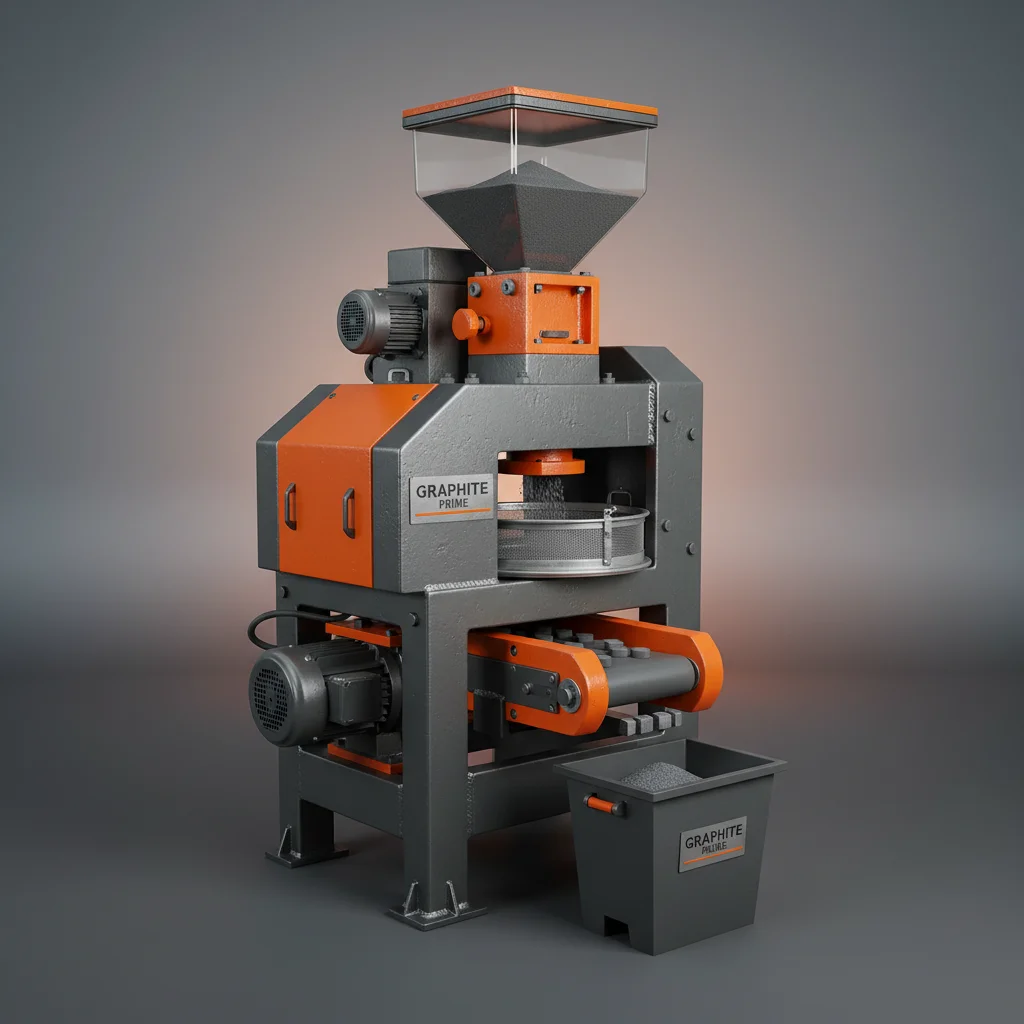
Understanding the fluctuations in graphite plate price is essential for procurement managers and engineers in the metallurgical and semiconductor industries. As a critical component for high-temperature applications and electrical conductivity, the cost of these plates directly impacts the operational overhead of furnaces, casting molds, and precision machining tools.
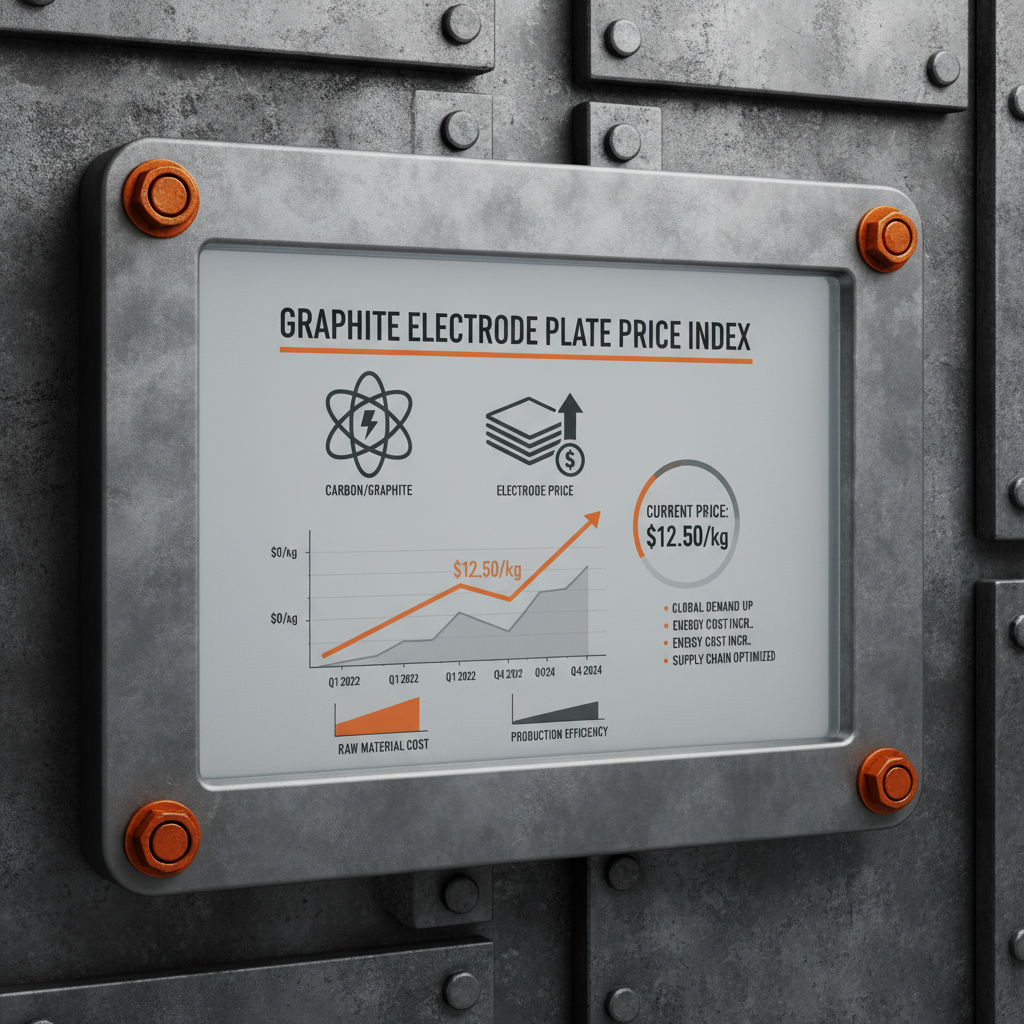
Global market dynamics, including the availability of raw petroleum coke and synthetic graphite, play a pivotal role in determining the current graphite plate price. With the surge in green energy technologies and EV battery production, demand for high-purity carbon products has shifted, leading to a more volatile pricing landscape that requires strategic sourcing and long-term forecasting.
By analyzing the core drivers of the graphite plate price, companies can optimize their supply chains and reduce waste. Whether you are utilizing graphite blocks for electrodes or specialized plates for thermal management, knowing how to evaluate value versus cost ensures that your industrial processes remain both efficient and economically viable.
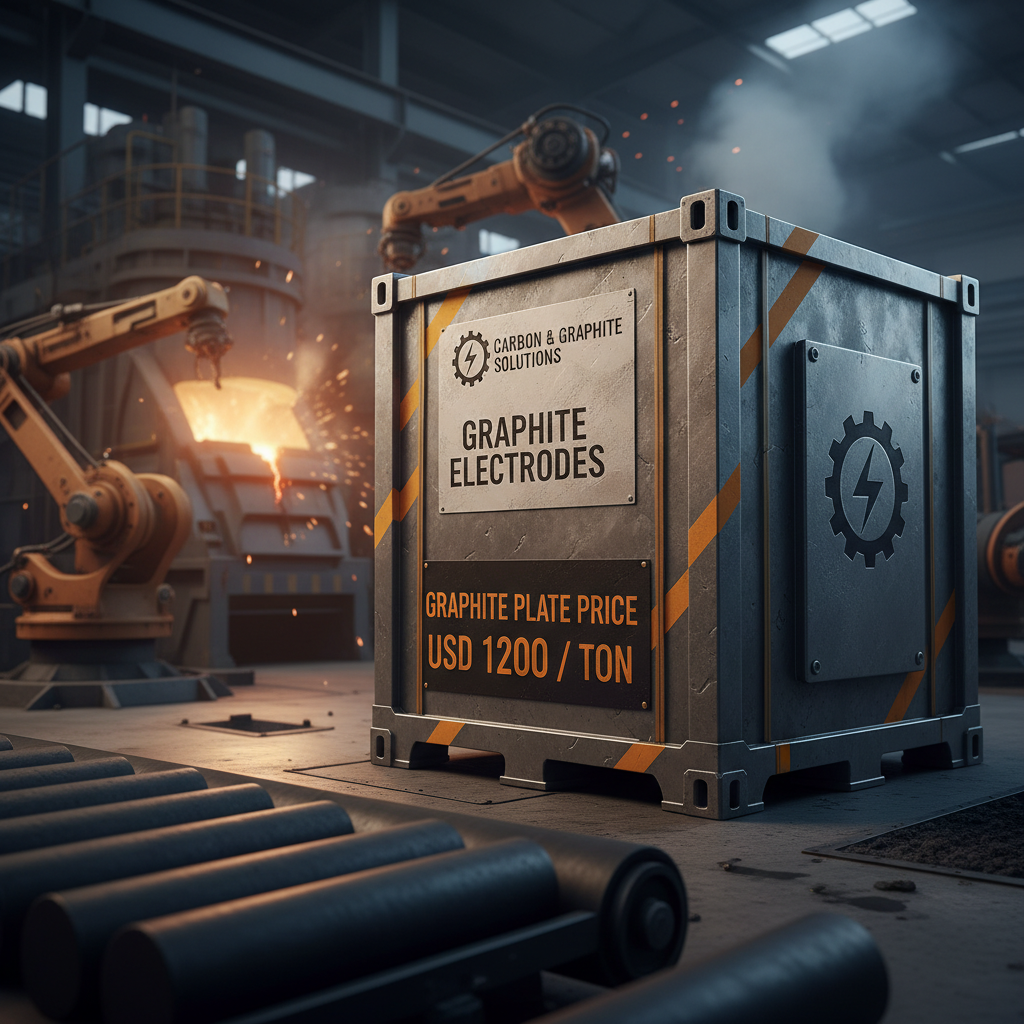
Global Market Dynamics of Graphite Plate Price
The global graphite plate price is intricately linked to the geopolitical landscape of raw material extraction. As primary deposits of high-quality flake graphite are concentrated in a few regions, any trade restriction or supply chain disruption immediately reflects in the market cost. For manufacturers of industrial electrodes and recarburizers, this volatility necessitates a diversified sourcing strategy to mitigate risks.
Furthermore, the industrial shift toward ISO-standardized quality controls has created a tiered pricing structure. High-purity isostatic graphite plates command a premium compared to extruded varieties, as their uniform density offers superior mechanical properties. This distinction ensures that the graphite plate price aligns with the specific performance requirements of the end-user.
Defining the Components of Graphite Plate Price
At its core, the graphite plate price is not a static number but a composite of several variable costs. The first major component is the raw material cost, which includes the procurement of petroleum coke and binder pitches. These materials undergo a rigorous graphitization process in high-temperature furnaces, where the energy consumption—primarily electricity—becomes a significant driver of the final quote.
Beyond raw materials, the machining and finishing costs add a layer of complexity to the graphite plate price. Precision grinding, drilling, and coating (such as silicon carbide impregnation) are required to ensure the plates meet tight tolerances for semiconductor or aerospace applications. The more complex the geometry, the higher the labor and equipment cost attributed to the final product.
Finally, logistics and certification play a role. Transporting heavy, brittle carbon products requires specialized packaging to prevent chipping. When you analyze the graphite plate price, you are seeing the cumulative result of material purity, energy-intensive processing, precision engineering, and secure global distribution.
Key Factors Influencing Graphite Plate Price
Purity levels are perhaps the most direct influencer of the graphite plate price. Industrial-grade graphite is sufficient for basic casting, but the semiconductor industry requires 99.99% purity to avoid contamination. Achieving this level of refinement requires multiple chemical purification stages, which exponentially increases the production cost.
Density and structural integrity also dictate the graphite plate price. Isostatically pressed graphite, which is subjected to equal pressure from all sides, provides a non-directional structure that resists thermal shock better than traditional molded graphite. This superior durability justifies a higher price point for mission-critical components.
Environmental regulations and carbon taxes are emerging as new variables in the graphite plate price equation. As governments push for "Green Graphite," manufacturers are investing in cleaner graphitization technologies. While these investments increase initial capital expenditure, they ensure long-term compliance and stability in the global supply chain.
Cost Efficiency and Industrial Scalability
Achieving cost efficiency in the procurement of graphite plates requires a balance between initial graphite plate price and the operational lifespan of the part. Lower-cost plates may save budget upfront but often suffer from faster oxidation and wear, leading to more frequent downtime and replacement costs. Investing in high-density plates typically lowers the "total cost of ownership" over time.
Scalability in production also allows manufacturers to offer more competitive pricing. By utilizing automated CNC machining and bulk graphitization cycles, the per-unit graphite plate price decreases significantly for large-volume orders. This economy of scale is why large-scale steel mills and battery plants often secure long-term contracts with carbon producers.
Comparison of Graphite Plate Price Efficiency by Grade
Global Applications Impacting Demand and Price
The demand for graphite plates is widely distributed across various high-tech sectors, which in turn influences the global graphite plate price. In the semiconductor industry, graphite is used for susceptors and heaters in MOCVD processes. Because these applications require extreme purity to prevent wafer contamination, the high demand for "ultra-pure" grades keeps the pricing for this specific segment elevated.
In contrast, the metallurgy and casting industries use graphite plates as molds or electrodes. In these remote industrial zones, the focus is on volume and thermal conductivity. The steady demand from these sectors provides a baseline for the graphite plate price, though it is more susceptible to the fluctuations of the steel and aluminum markets.
Long-Term Value and Sustainable Sourcing
Evaluating the long-term value of graphite plates requires looking beyond the sticker graphite plate price. Sustainable sourcing—choosing suppliers who utilize recycled carbon coke or energy-efficient graphitization—not only reduces the environmental footprint but often leads to more stable pricing. This shift toward sustainability is becoming a corporate mandate for Fortune 500 companies.
Reliability and trust in the supplier's quality control system also add intangible value. A plate that meets all specifications without defects reduces the risk of catastrophic failure in a furnace, which could cost millions in lost production. Therefore, a slightly higher graphite plate price from a certified manufacturer is often a form of insurance.
Innovation in carbon-carbon composites is also redefining value. By reinforcing graphite plates with carbon fibers, manufacturers can create components that last ten times longer than standard graphite. While the initial price is higher, the reduction in replacement frequency creates a logical economic advantage for the end-user.
Future Trends in Graphite Pricing and Innovation
The future of the graphite plate price will likely be shaped by the digital transformation of the supply chain. AI-driven demand forecasting will allow manufacturers to optimize their production schedules, potentially smoothing out the volatile price spikes seen in previous years. Automation in CNC machining will also lower the cost of customization.
Green energy is the most significant catalyst for change. The explosive growth of lithium-ion batteries requires massive amounts of synthetic graphite. This competition for raw precursors could push the graphite plate price higher if production capacity doesn't keep pace with demand. However, the development of new synthetic methods may eventually lower costs.
Finally, we expect to see a move toward "Circular Carbon Economy" models. The ability to reclaim and re-graphitize used graphite plates will introduce a secondary market, providing a more affordable alternative to virgin materials and creating a new price floor for the industry.
Analysis of Graphite Grade Impact on Market Price and Performance
|
Graphite Grade
|
Price Tier
|
Thermal Stability
|
Primary Application
|
| Molded Graphite |
Low |
Moderate |
Basic Casting |
| Extruded Graphite |
Medium |
High |
Industrial Electrodes |
| Isostatic Graphite |
High |
Very High |
Semiconductor Tools |
| Ultra-Pure Graphite |
Premium |
Extreme |
Solar PV Cell Production |
| SiC Coated Plate |
High |
Extreme |
Corrosive Environments |
| Composite Carbon |
Very High |
Maximum |
Aerospace Braking |
FAQS
The most significant spikes are usually driven by energy costs (electricity for graphitization) and raw material shortages of high-quality petroleum coke. Additionally, geopolitical trade restrictions in key graphite-producing regions can lead to sudden scarcity and rapid price increases.
Yes, for high-precision applications. Isostatic graphite has a uniform structure that minimizes thermal expansion and prevents warping under extreme heat. For semiconductor or aerospace use, the increased lifespan and precision far outweigh the higher initial cost.
Purity has an exponential effect on price. Moving from 99% to 99.999% purity requires complex halogen purification and specialized handling to prevent re-contamination. This additive process significantly increases the labor and material cost per unit.
Absolutely. Bulk ordering reduces the per-unit cost of setup, machining, and logistics. Manufacturers can optimize their furnace loads and CNC paths when producing identical plates in large quantities, allowing them to offer substantial volume discounts.
Given the volatility of the energy market and raw carbon supply, it is recommended to review pricing quarterly. Long-term contracts (6-12 months) are often the best way to lock in prices and protect your budget from unexpected market surges.
Yes, coatings like Silicon Carbide (SiC) protect the graphite from oxidation and chemical erosion. While this increases the graphite plate price, it extends the component's life in harsh environments, reducing the frequency of replacements.
Conclusion
Navigating the complexities of the graphite plate price requires a holistic understanding of material science, energy economics, and global supply chains. From the influence of purity levels and density to the impact of geopolitical shifts, the cost of graphite is a reflection of the technical rigor required to produce high-performance carbon products. By focusing on the total cost of ownership rather than just the initial purchase price, industrial operators can ensure they are selecting the most efficient and durable materials for their specific needs.
Looking ahead, the integration of sustainable production methods and AI-driven logistics will likely stabilize the market, making high-quality graphite more accessible. We encourage procurement professionals to partner with transparent, certified suppliers who provide detailed technical specifications alongside their pricing. For premium graphite solutions and current market insights, visit our website: www.dahcarbon.com.