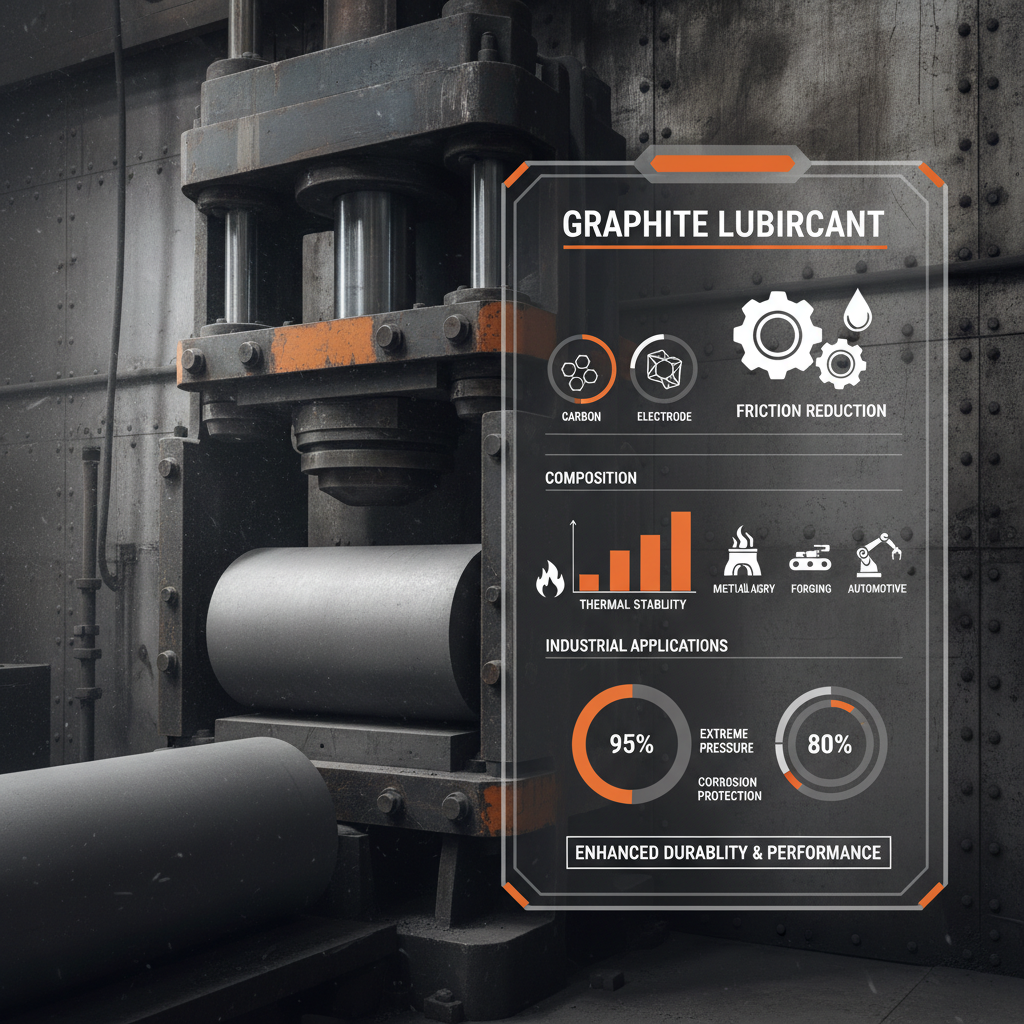
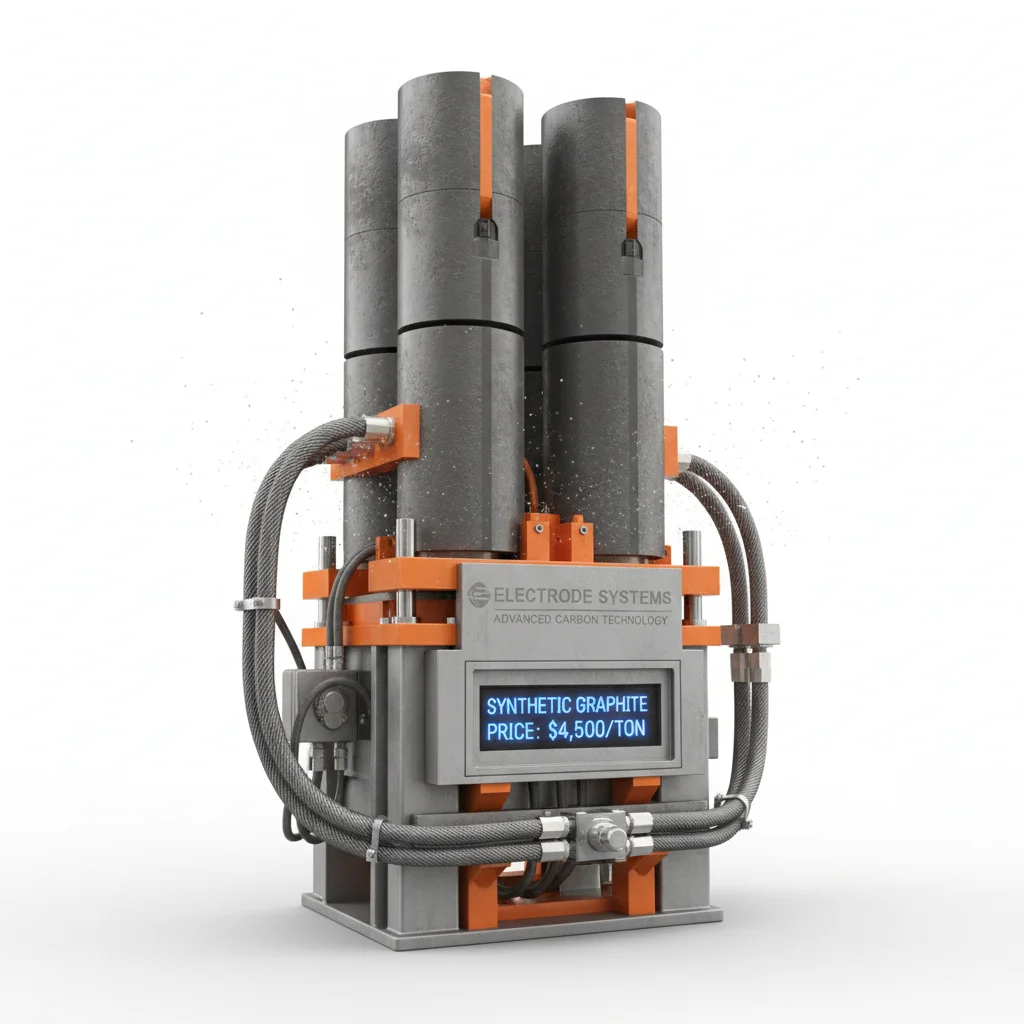
In the demanding world of heavy industry, where extreme temperatures and immense pressure are the norm, the quest for efficient friction reduction is constant. A graphite lubricant serves as a critical solution, offering a unique combination of thermal stability and low friction coefficients that conventional oil-based lubricants simply cannot match. By utilizing the hexagonal layered structure of carbon, these lubricants allow surfaces to slide with minimal resistance, ensuring the longevity of critical industrial machinery.
Globally, the shift toward sustainable and high-performance manufacturing has placed a spotlight on solid-film lubrication. From the massive electrodes used in steel smelting to the precision components of aerospace engineering, the ability of a graphite lubricant to operate in vacuums and high-heat environments makes it indispensable. As industries push the boundaries of material science, understanding the nuances of carbon-based lubrication becomes a strategic advantage for operational efficiency.
However, selecting the right grade of graphite is not merely a matter of procurement but a technical decision that impacts safety and downtime. Whether integrated as a powder, a block, or a composite, the application of these materials prevents catastrophic seizure in bearings and slides. This guide explores the comprehensive ecosystem of graphite lubrication, from its fundamental chemical properties to its evolving role in the green energy transition.
The Fundamental Mechanics of Graphite Lubricant
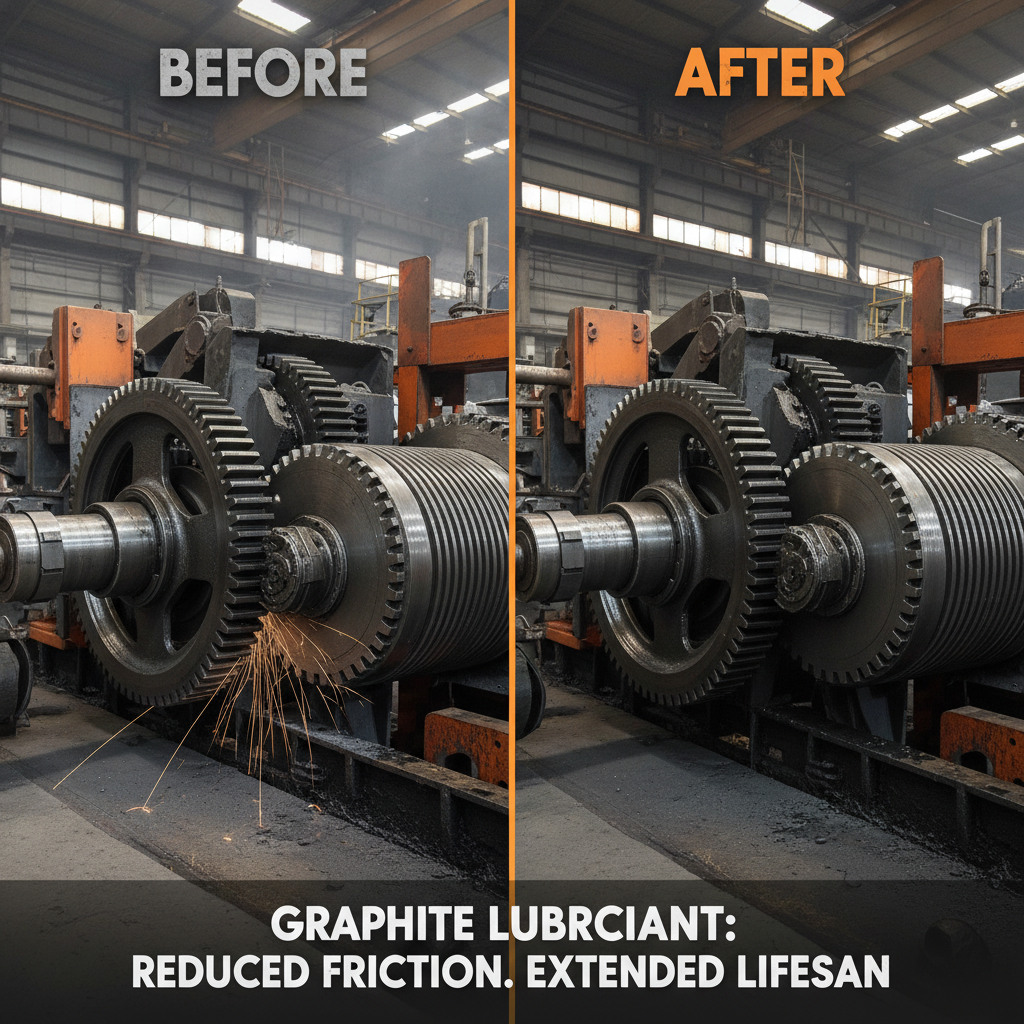
At its core, a graphite lubricant works because of the unique atomic arrangement of carbon. Graphite consists of planar sheets of carbon atoms arranged in a hexagonal lattice. While the bonds within each sheet are incredibly strong, the bonds between the sheets are weak Van der Waals forces. This allows the layers to slide over one another with minimal effort, effectively acting as a molecular-scale conveyor belt that reduces friction between two mating surfaces.
Unlike liquid lubricants that can evaporate or degrade under intense heat, the solid-state nature of graphite ensures that a protective film remains on the metal surface. This "dry lubrication" is particularly vital in environments where oil contamination is prohibited or where temperatures exceed the flash point of organic oils. By maintaining a consistent boundary layer, graphite prevents direct metal-to-metal contact, thereby eliminating galling and premature wear.
Global Industrial Relevance and Market Demand
In the current global manufacturing landscape, the demand for high-performance graphite lubricant is driven by the expansion of the metallurgy and energy sectors. According to industrial standards and ISO guidelines for friction and wear, the transition toward carbon-neutral production requires machinery that can operate longer with less maintenance. In regions like East Asia and Europe, the integration of advanced carbon products in smelting and casting plants has reduced mechanical failures by significant margins.
One of the primary challenges addressed by these lubricants is the "thermal seizure" often seen in high-temperature furnaces and industrial electrodes. When conventional lubricants fail, the resulting friction can lead to catastrophic equipment failure, costing companies millions in unplanned downtime. Graphite's ability to remain stable at temperatures where most metals begin to soften makes it the first line of defense in heavy-duty industrial infrastructure.
Furthermore, as the world pivots toward green hydrogen and advanced nuclear energy, the need for materials that can withstand corrosive environments without leaking fluid lubricants is paramount. The global supply chain for Recarburizers and Graphite Blocks is increasingly focused on purity and particle size distribution to optimize the lubricity and conductivity of the final application, ensuring that industrial growth does not come at the cost of environmental leakage.
Core Performance Factors in Carbon Lubrication
The effectiveness of a graphite lubricant is primarily determined by its purity and crystalline structure. High-purity graphite ensures that there are no abrasive mineral inclusions that could scratch the surface of the machinery. When the carbon content is maximized, the sliding effect is smoother, leading to a lower coefficient of friction and reduced energy consumption across the mechanical system.
Thermal conductivity is another critical factor. A high-quality graphite lubricant does not just reduce friction; it helps dissipate heat away from the contact point. This dual-action capability prevents localized "hot spots" that could otherwise lead to material deformation or oxidative wear, extending the lifecycle of the components from months to years.
Lastly, the adaptability of the lubricant—whether it is applied as a dry powder, a composite block, or a suspended paste—determines its scalability. In large-scale industrial electrodes or carbon coke applications, the lubricant must be integrated into the material's matrix to provide internal lubrication during the manufacturing process, ensuring that the finished product maintains structural integrity while minimizing surface drag.
Comparative Efficiency of Lubrication Methods
Choosing the right delivery method for a graphite lubricant is essential for optimizing performance. Dry powder application is ideal for fast-moving parts in dusty environments, whereas integrated graphite blocks provide long-term, self-lubricating properties for heavy loads. The efficiency of these methods is often measured by their "wear-rate reduction" and their ability to maintain a stable film under varying loads.
When comparing traditional grease to graphite-based solutions, the latter excels in vacuum conditions and extreme temperatures. While grease provides a superior initial seal, it fails as temperatures rise. Graphite, however, maintains a consistent performance curve, making it the superior choice for aerospace components and high-heat furnace slides.
Performance Comparison of Graphite Lubricant Delivery Systems
Real-World Applications in Extreme Environments
In the depths of mining operations and within the heart of steel mills, graphite lubricant is used to protect heavy-duty sliding surfaces. For example, in the production of graphite electrodes, lubricant additives are used to ensure that the carbon mass is compressed without creating internal stress fractures. This ensures that the final electrode can handle the massive current required for electric arc furnaces without failing.
Beyond heavy industry, these lubricants are vital in remote industrial zones where maintenance access is limited. In automated warehouses or offshore oil rigs, the use of self-lubricating graphite bushings removes the need for frequent manual greasing, thereby reducing the risk of human error and increasing the overall safety and dignity of the workforce by removing them from hazardous lubrication tasks.
Long-Term Value and Sustainability Impact
The adoption of graphite lubricant offers a compelling economic argument based on the "Total Cost of Ownership" (TCO). While the initial procurement of high-purity carbon products may be higher than cheap oils, the reduction in replacement parts and the elimination of lubricant-related leaks result in a lower long-term expenditure. Reliability becomes the core value, allowing factories to operate on a predictive rather than reactive maintenance schedule.
From a sustainability perspective, graphite is an inorganic material that does not contaminate soil or water in the same way that petroleum-based lubricants do. This makes it an ideal choice for "green" factories aiming for ISO 14001 certification. By reducing the frequency of lubricant changes and minimizing hazardous waste, companies can significantly lower their environmental footprint.
Furthermore, the innovation in graphite recycling—where used carbon blocks and powders are reprocessed—creates a circular economy within the non-metallic mineral products industry. This commitment to sustainability fosters trust among stakeholders and ensures that the industrialization process remains compatible with global climate goals.
Future Innovations in Graphite Material Science
The future of graphite lubricant is being shaped by nanotechnology and the integration of graphene. By manipulating carbon at the atomic level, researchers are creating "super-lubricants" with nearly zero friction. These materials promise to revolutionize energy efficiency in electric vehicle motors and high-speed turbines, where every fraction of a percentage in friction reduction translates to significant energy savings.
Digital transformation is also playing a role, with "smart lubricants" being developed. These are graphite composites embedded with sensors that can signal when the lubricant film is thinning, allowing for automated replenishment. This intersection of material science and IoT ensures that machinery never runs dry, completely eliminating the possibility of friction-induced seizure.
As we move toward a more automated and electrified world, the synergy between Recarburizers, Graphite Powder, and advanced lubrication will be the cornerstone of mechanical reliability. The following table summarizes the key dimensions of these innovations.
Analysis of Future Trends in Graphite Lubricant Technology
| Innovation Type |
Primary Benefit |
Industry Impact |
Adoption Readiness |
| Graphene-Enhanced |
Ultra-low friction |
Aerospace/EV |
Medium |
| Smart-Sensing Carbon |
Predictive Maintenance |
Heavy Manufacturing |
Low |
| Nano-Powder Coating |
Extreme Wear Resistance |
Tooling & Die |
High |
| Bio-Composite Mix |
Biodegradability |
Agriculture/Mining |
Medium |
| High-Temp Synthetics |
Thermal Stability |
Smelting/Foundry |
High |
| Hybrid Ceramic-Graphite |
Chemical Inertness |
Chemical Processing |
Medium |
FAQS
While both are solid lubricants, graphite requires a small amount of moisture or adsorbed gas to achieve its lowest friction coefficient, making it ideal for atmospheric conditions. MoS2, on the other hand, performs better in extreme vacuums where moisture is absent. For most industrial applications in the non-metallic mineral sector, graphite is preferred due to its superior thermal conductivity and cost-effectiveness.
Yes, high-purity graphite is generally chemically inert and non-toxic. However, for food-grade applications, it is critical to use graphite that has been certified as free from petroleum-based binders or contaminants. Many food processing plants utilize graphite-plugged bearings to avoid the risk of oil leakage into the production line.
The lifespan depends on the load and frequency of movement. However, in high-heat environments, a graphite lubricant can last ten times longer than oil, which would otherwise evaporate or oxidize. Because graphite forms a permanent physical film on the surface, it doesn't "drain" away, providing consistent protection over longer intervals.
Yes, graphite is electrically conductive. In electrical engineering contexts, this is often an advantage (e.g., in carbon brushes), but it can be a risk if the lubricant is used around exposed circuitry. For such cases, specialized non-conductive carbon composites or insulating coatings should be used alongside the lubrication strategy.
For large-scale industrial surfaces, a mixture of graphite powder and a volatile carrier solvent is recommended. This allows for an even spray application. Once the solvent evaporates, a uniform, thin film of graphite is left behind. For permanent installation, integrating graphite into the material (like a Graphite Block) is the most efficient method.
Absolutely. Finer particle sizes generally provide a more continuous and smoother film, which reduces the initial "break-in" friction. Coarser particles may be used in heavy-duty applications where a thicker, more robust wear layer is needed to withstand aggressive abrasion. Matching particle size to the surface roughness of the metal is key.
Conclusion
In summary, graphite lubricant is far more than a simple additive; it is a cornerstone of modern industrial reliability. By leveraging the unique hexagonal structure of carbon, it provides unparalleled thermal stability, vacuum compatibility, and environmental sustainability. From the reduction of friction in massive graphite electrodes to the precision of nano-coatings, the strategic application of carbon-based lubrication ensures that the machinery of tomorrow is more efficient, safer, and more durable.
Looking ahead, the integration of graphene and smart-sensing technology will further elevate the role of carbon in lubrication. For manufacturers and engineers, the shift toward high-purity graphite solutions is not just a technical upgrade but a commitment to operational excellence and ecological responsibility. We encourage industry professionals to audit their current lubrication strategies and explore the long-term value of carbon-based alternatives. Visit our website: www.dahcarbon.com