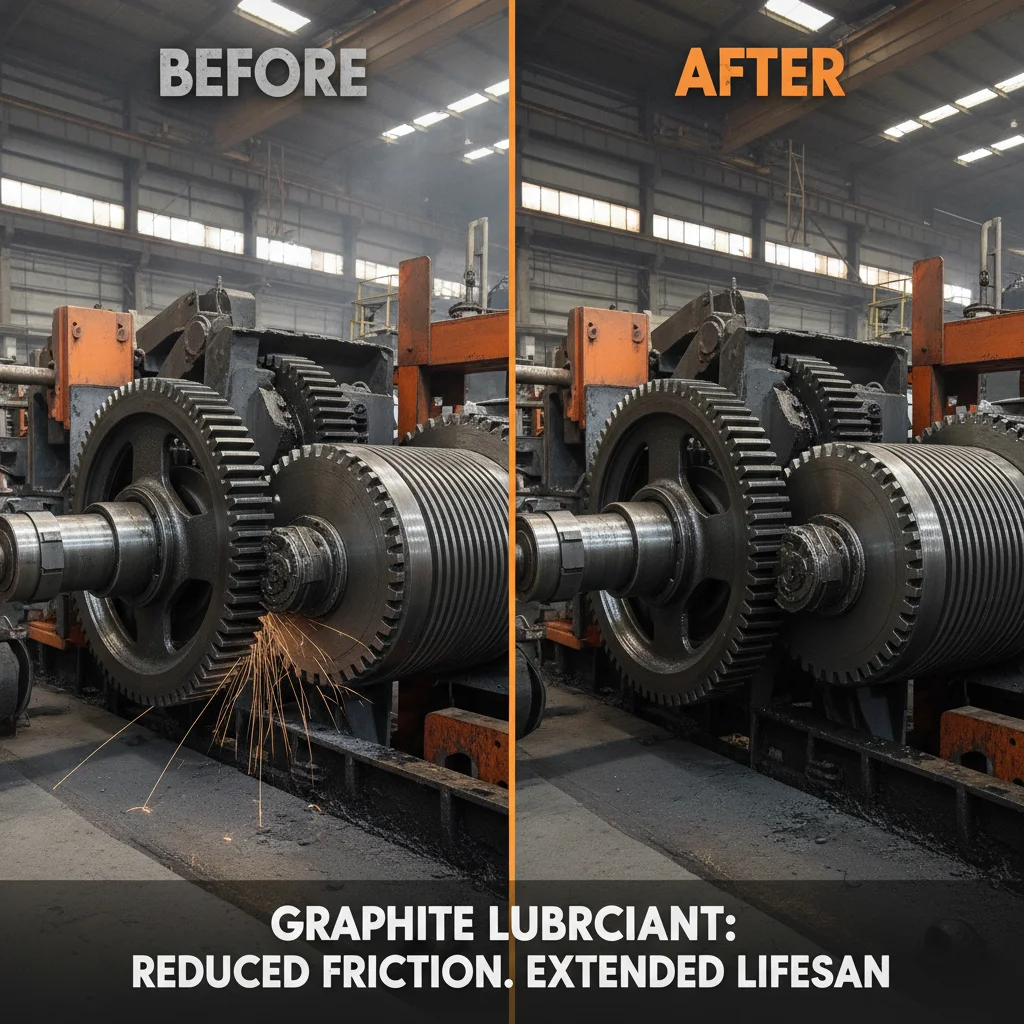
Understanding the fluctuations of the graphite stone price is critical for stakeholders across the metallurgy, energy, and chemical sectors. As a fundamental raw material for high-performance carbon products, the cost of graphite stone directly influences the production overhead of everything from industrial electrodes to high-purity graphite blocks, making market transparency a necessity for operational efficiency.
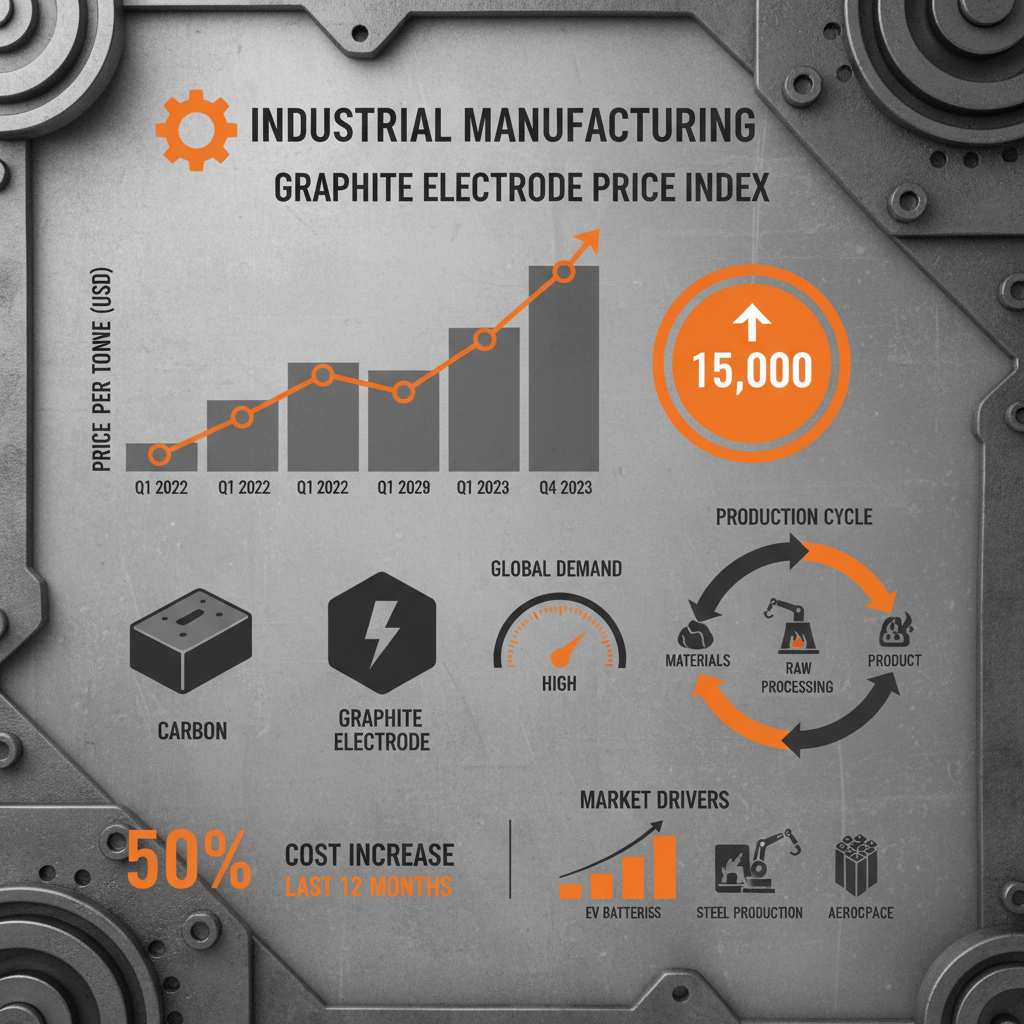
Globally, the demand for carbon-based materials is surging, driven by the green energy transition and the proliferation of electric vehicle batteries. This shift has placed immense pressure on the supply chain, causing the graphite stone price to become highly volatile and sensitive to geopolitical shifts, mining regulations, and technological breakthroughs in synthetic alternatives.
For procurement managers and engineers, mastering the variables that dictate the graphite stone price allows for better strategic planning and risk mitigation. By analyzing purity levels, sourcing origins, and processing costs, industries can optimize their material selection to maintain a competitive edge while ensuring the structural integrity of their final carbon products.
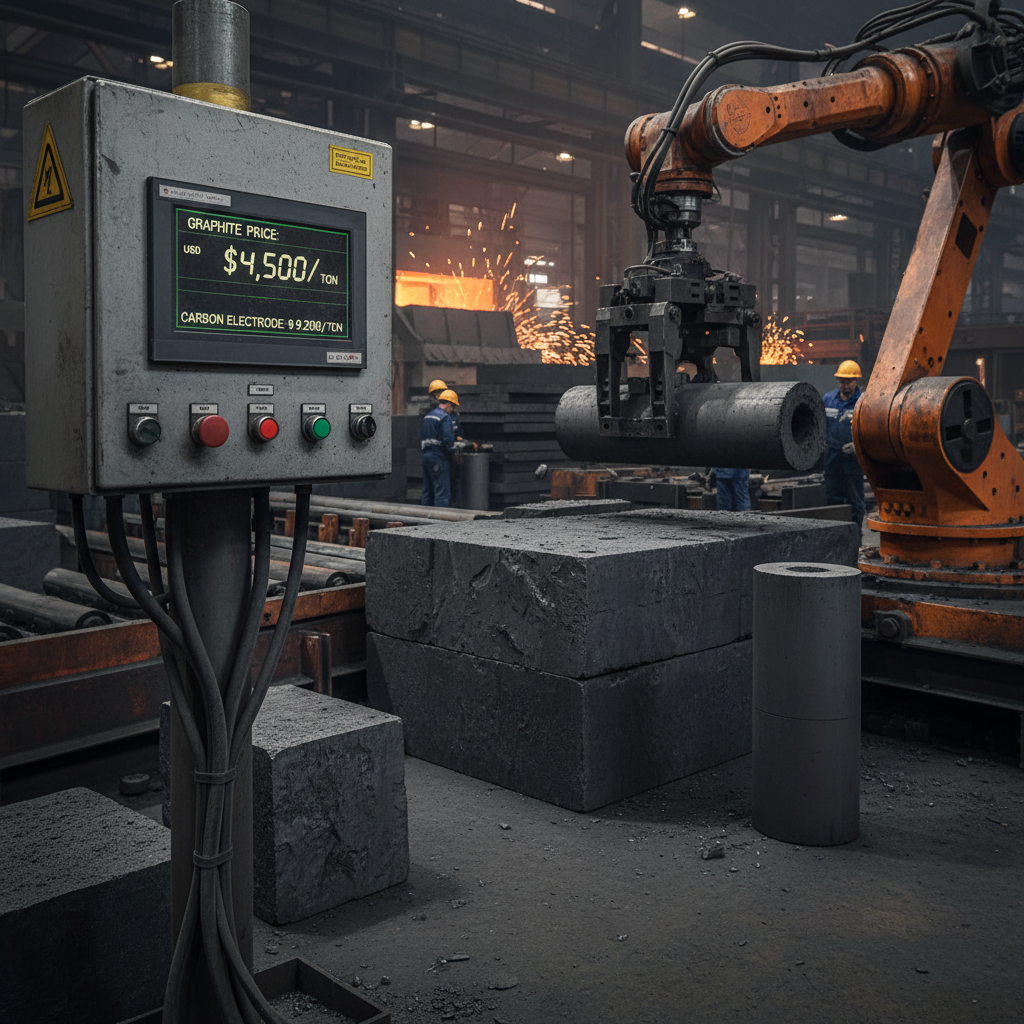
Global Market Dynamics of Graphite Stone Price
The global landscape for the graphite stone price is characterized by a complex interplay between limited natural deposits and escalating industrial demand. According to industry standards and trade data, the concentration of high-quality flake graphite in specific geographical regions creates a supplier-dominated market, where any disruption in mining output or export quotas leads to immediate price spikes.
Furthermore, the shift toward decarbonization has repositioned graphite from a simple industrial lubricant to a strategic mineral. This transition has introduced new valuation models where the price is no longer just about the volume of the stone, but its potential for conversion into anode materials or high-density graphite electrodes, fundamentally altering how we perceive the long-term value of these raw minerals.
Determining Factors of Material Valuation
Several core components dictate the final graphite stone price, with the most prominent being the extraction cost and the energy required for purification. Mining operations must account for the depth of the vein, the hardness of the surrounding rock, and the logistical challenges of transporting bulky raw materials from remote sites to processing hubs, all of which are baked into the base cost.
Beyond extraction, the market differentiates between natural flake graphite and amorphous graphite. Flake graphite, prized for its crystallinity and electrical conductivity, consistently commands a higher premium. The degree of "interlocking" in the stone structure affects how easily it can be milled into powder or pressed into blocks, directly impacting the labor costs associated with refining.
Finally, regulatory environments and environmental compliance costs play a growing role. As ISO standards for sustainable mining become more stringent, companies investing in "green mining" practices may face higher initial overheads, which are subsequently reflected in the market price to ensure the long-term viability of the resource.
Impact of Purity and Grade on Pricing
When analyzing the graphite stone price, the most significant variable is the Carbon (C) content percentage. Raw graphite stone typically contains impurities like silica, alumina, and iron; the more rigorous the purification process required to reach 99% or 99.9% purity, the higher the commercial value.
From a technical perspective, the "grade" of the stone determines its suitability for specific products. For instance, high-grade graphite stone is essential for the production of Graphite Electrodes and Carbon Coke used in electric arc furnaces, where any impurity could lead to structural failure or contamination of the molten steel, thus justifying a premium price point.
Conversely, lower-grade graphite is often diverted toward recarburizers or basic lubricants. For these applications, the graphite stone price is more closely tied to the volume of carbon delivered rather than the extreme purity of the crystal structure, creating a tiered pricing ecosystem that serves different industrial needs.
Comparative Analysis of Cost Efficiency
To optimize procurement, it is essential to compare the graphite stone price across different processing methods. Whether opting for chemical purification (acid leaching) or thermal purification, the cost-to-benefit ratio varies based on the intended final application, such as whether the material will become a graphite block or a fine powder.
Efficiency is not merely about the lowest purchase price but about the yield per ton of raw stone. A higher-priced, higher-purity stone may actually reduce overall production costs by minimizing waste and reducing the energy required for secondary refining processes.
Comparative Cost-Benefit Rating of Graphite Sourcing Methods
Industrial Applications and Value Chains
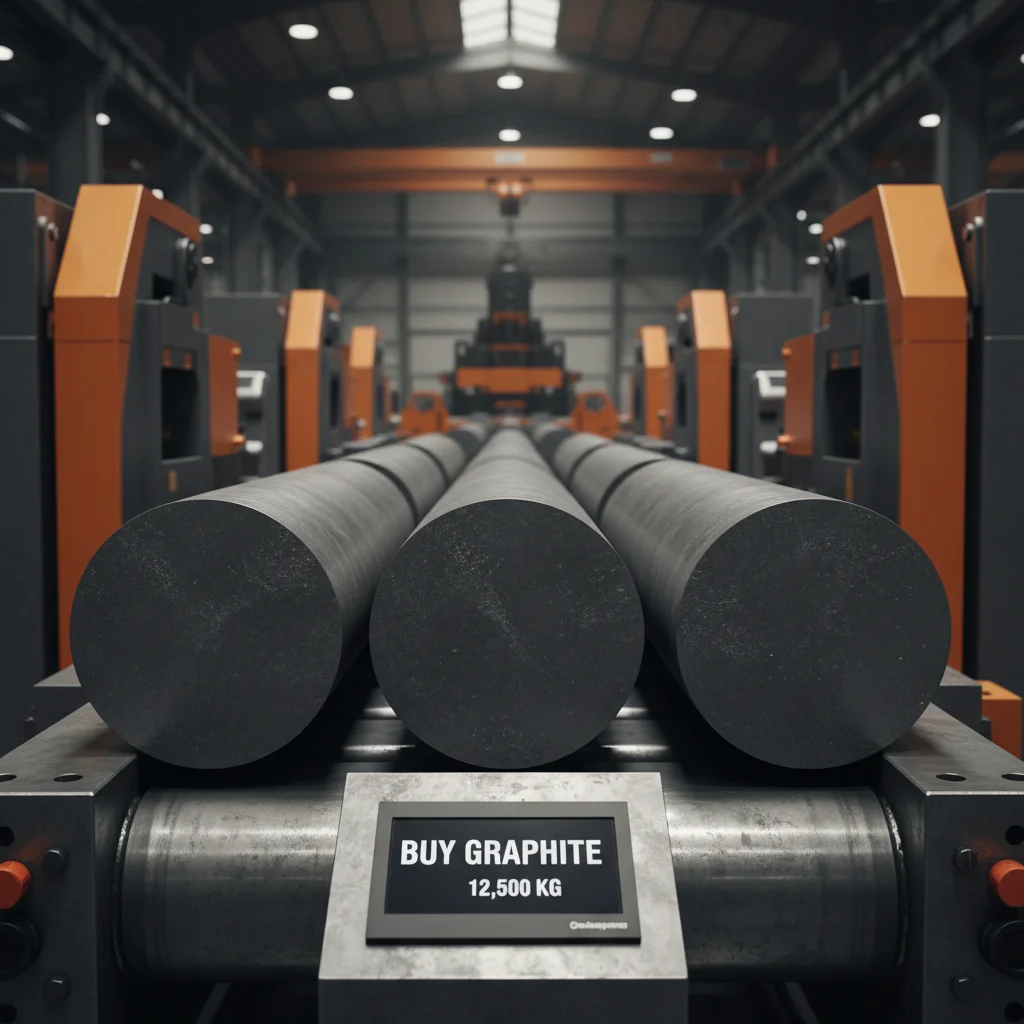
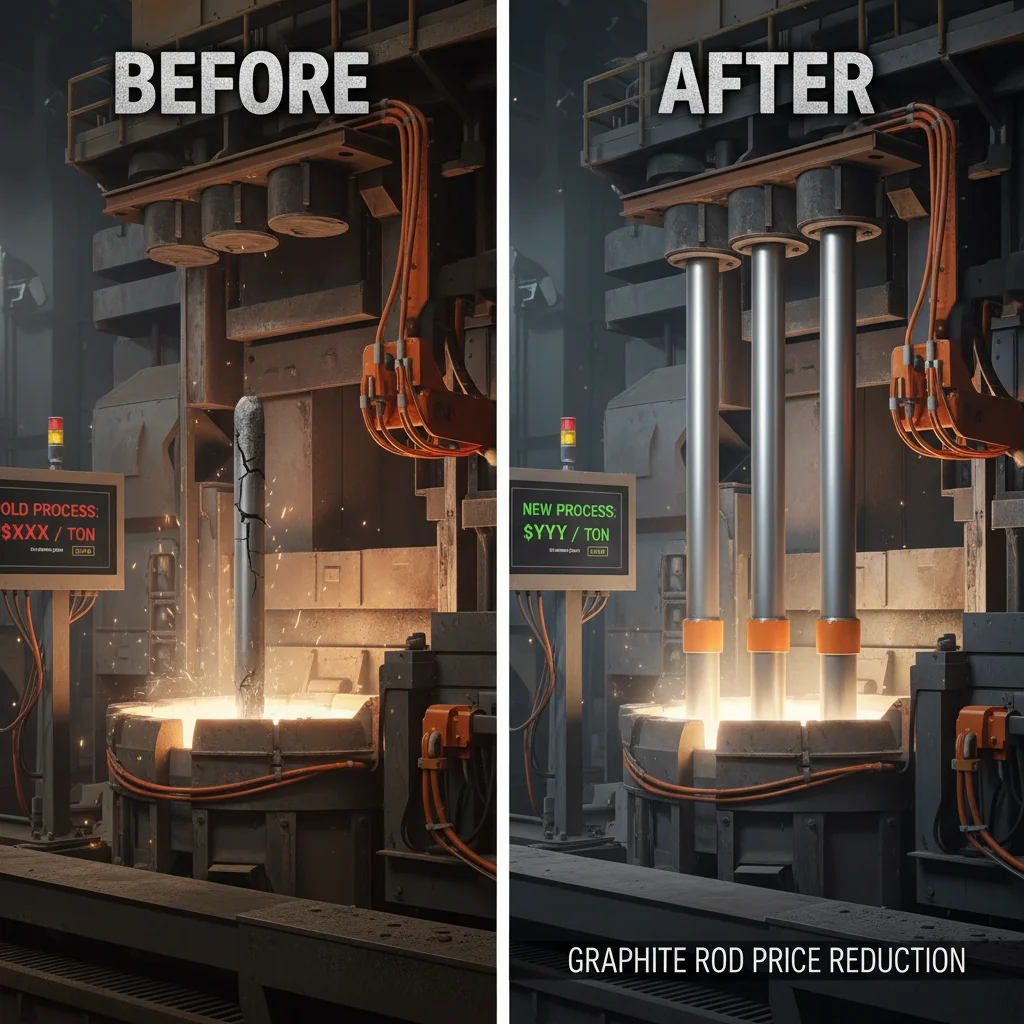
The utility of graphite stone extends far beyond simple mining; it is the bedrock of several high-value industrial chains. In the production of Graphite Electrodes, the graphite stone price is a primary driver of the cost of steel production, as these electrodes are consumed during the smelting process in electric arc furnaces.
Similarly, the development of high-precision Graphite Blocks for semiconductor manufacturing requires an ultra-pure grade of stone. In these high-tech zones, the price is less about the commodity value and more about the certification of purity and the reliability of the material's thermal expansion properties, turning the stone into a specialized engineering component.
Sustainability and Future Price Forecasts
Looking ahead, the graphite stone price will likely be influenced by the global push for "Green Steel" and EV battery autonomy. As nations seek to reduce reliance on a single source of supply, we expect to see an increase in investment in domestic mining and the development of synthetic graphite, which may eventually act as a price ceiling for natural stone.
Digital transformation is also entering the mining sector, with AI-driven exploration reducing the risk of "dry holes" and optimizing the extraction of the highest-grade veins. This increase in operational efficiency could potentially stabilize prices by increasing the predictable supply of high-purity material.
Furthermore, the circular economy is introducing the concept of graphite recycling. Recovering carbon from spent electrodes or batteries could create a secondary market, offering a more sustainable and potentially lower-cost alternative to virgin graphite stone, thereby diversifying the price structure of the industry.
Strategic Sourcing and Risk Management
Managing the volatility of the graphite stone price requires a sophisticated procurement strategy. Forward contracts and long-term partnership agreements with mines are essential tools for manufacturers to lock in prices and avoid the sudden shocks associated with geopolitical instability or mining strikes.
Diversifying the supplier base across different continents is another critical risk mitigation strategy. By sourcing from multiple regions, companies can hedge against local regulatory changes or logistics failures, ensuring that the production of Graphite Powder or Recarburizers remains uninterrupted.
Ultimately, the goal is to move from a reactive purchasing model to a strategic sourcing model. This involves deep collaboration with suppliers to improve the quality of the raw stone at the source, which reduces the internal processing costs and creates a more stable and predictable cost structure for the final product.
Strategic Comparison of Graphite Stone Sourcing Dimensions
|
Sourcing Region
|
Price Stability Score (1-10)
|
Average Purity Level
|
Logistics Risk
|
| East Asia |
8 |
Very High |
Low |
| African Belt |
5 |
High |
High |
| North America |
7 |
Medium-High |
Medium |
| Brazil/LatAm |
6 |
High |
Medium |
| Central Asia |
4 |
Medium |
High |
| Synthetic Market |
9 |
Ultra High |
Low |
FAQS
The volatility is mainly driven by the concentration of high-grade reserves in a few countries, making the market sensitive to export policies, geopolitical tensions, and sudden spikes in demand from the EV battery sector. Additionally, fluctuations in energy costs for purification and transport logistics significantly impact the final price.
Purity is the most direct pricing lever. Raw stone with higher natural carbon content requires less chemical or thermal processing to reach industrial grades (e.g., 99.9%), reducing the manufacturer's energy expenditure. Consequently, higher-purity stones command a premium because they offer a higher yield of usable material.
Yes, synthetic graphite provides a consistent quality and stable price point, which helps mitigate the risks of natural graphite stone price swings. However, the production of synthetic graphite is energy-intensive, meaning it may only be cost-effective for ultra-high-purity applications where natural stone cannot meet the specifications.
High-consumption products like graphite electrodes and recarburizers are the most sensitive. Because these are used in massive quantities in steelmaking, even a small increase in the raw stone price can lead to significant increases in the operational cost of an electric arc furnace (EAF).
The most effective methods include signing long-term supply agreements with fixed-price clauses, diversifying your sourcing across multiple geographic regions to avoid local shocks, and investing in recycling technologies to reclaim carbon from waste streams, reducing the need for virgin stone.
Absolutely. Large-flake graphite is highly valued for its superior conductivity and lubrication properties. The process of extracting large flakes without breaking them is more difficult, making large-flake graphite stones significantly more expensive than fine-grain or amorphous graphite.
Conclusion
In summary, the graphite stone price is far more than a simple commodity metric; it is a reflection of geological rarity, purity requirements, and the global shift toward a sustainable energy economy. From the precision needed for graphite blocks to the volume required for recarburizers, the cost of the raw material remains the pivotal factor in the economic viability of the carbon products industry.
As we look to the future, the integration of sustainable mining and the rise of synthetic alternatives will likely create a more balanced pricing ecosystem. For businesses to thrive, the focus must shift from simply finding the lowest price to building resilient, high-transparency supply chains that prioritize material grade and long-term reliability. Visit our website for more professional insights: www.dahcarbon.com