Understanding the volatility of the graphite rod price is essential for procurement managers and engineers in the non-metallic mineral sector. As a critical component in high-temperature industrial processes, the cost of these rods directly impacts the operational overhead of smelting and chemical production facilities globally.
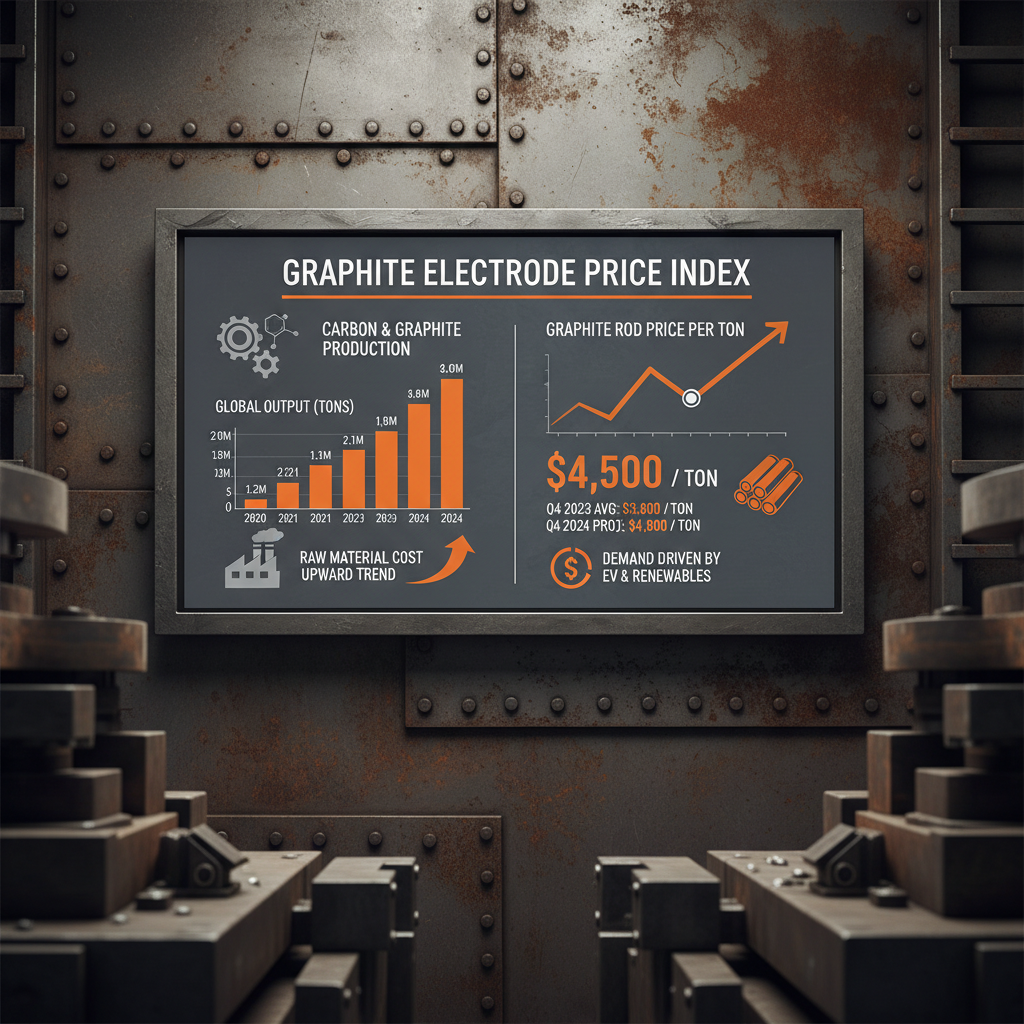
The global market for carbon products is currently undergoing a shift due to raw material scarcity and evolving energy policies. Because graphite rods serve as the backbone for various electrodes and heating elements, any fluctuation in the graphite rod price can ripple through the entire supply chain, affecting everything from steel production to semiconductor manufacturing.
By analyzing the intersection of material purity, manufacturing techniques, and global trade logistics, businesses can better predict pricing trends. This guide aims to demystify the variables that drive the graphite rod price, offering a technical yet accessible perspective on how to optimize sourcing and long-term value.
Global Economic Drivers of Graphite Rod Price
The graphite rod price is heavily influenced by the global availability of petroleum coke and needle coke. As these primary raw materials are by-products of the oil refining process, any disruption in the energy sector or a shift toward green energy alternatives can lead to supply shortages, subsequently driving up the cost of high-density graphite.
Furthermore, geopolitical stability in key mining regions, particularly in Asia and Africa, plays a pivotal role. Trade tariffs and export quotas on raw graphite often create artificial price hikes, making it imperative for industrial buyers to diversify their suppliers to mitigate the risks associated with a fluctuating graphite rod price.
Defining Graphite Rod Price in Industrial Terms
In the context of non-metallic mineral manufacturing, the graphite rod price is not a static figure but a complex valuation based on material grade, purity, and structural integrity. Unlike generic carbon products, industrial graphite rods are priced based on their ability to withstand extreme thermal shock and electrical loads without premature degradation.
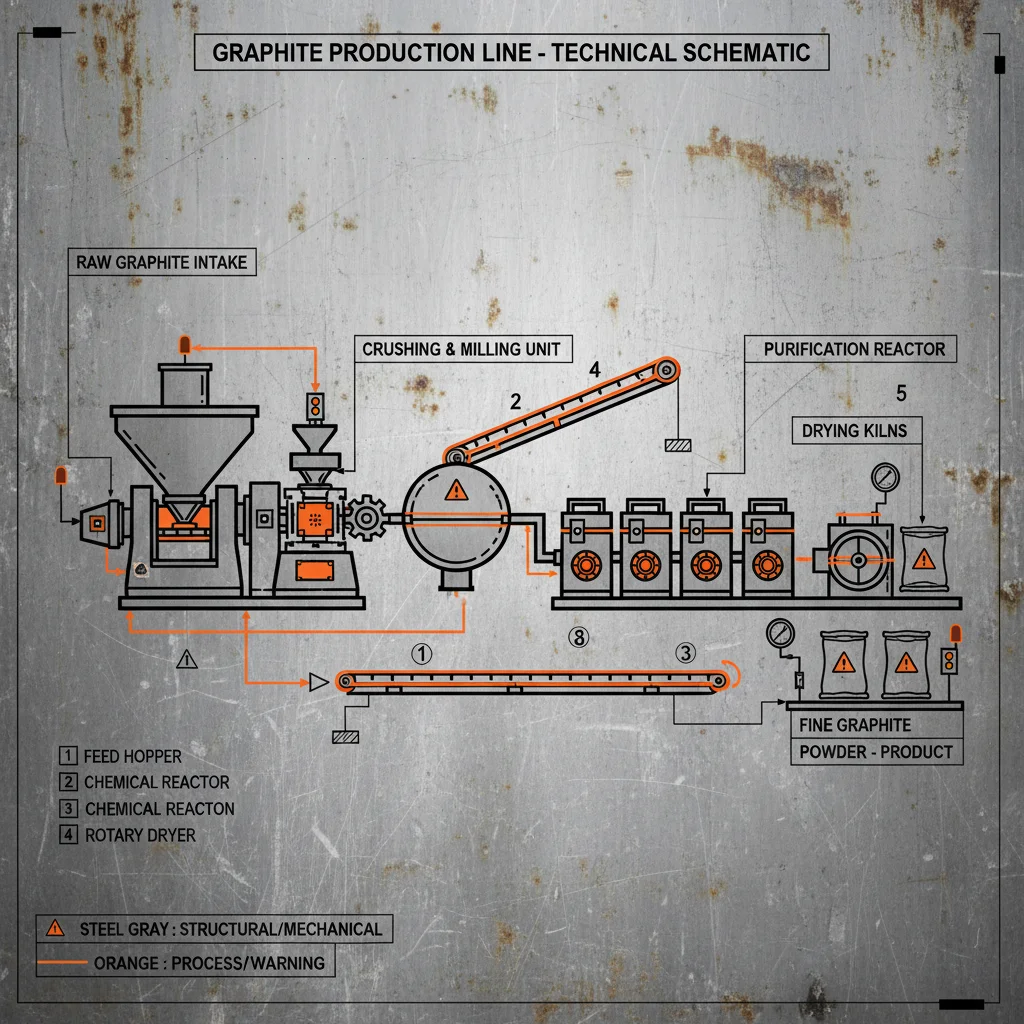
This pricing mechanism is closely tied to the "graphitization" process—the high-temperature treatment that transforms amorphous carbon into a crystalline graphite structure. The energy intensity of this process means that local electricity costs in the manufacturing region are often baked into the final graphite rod price quoted to the end-user.
Ultimately, understanding this price point allows companies to calculate the Total Cost of Ownership (TCO). A lower initial graphite rod price may seem attractive, but if the material has a higher wear rate, the long-term operational costs will far exceed those of a premium, more expensive rod.
Core Components Influencing Cost Efficiency
One of the primary drivers of the graphite rod price is the purity level of the material. High-purity graphite (99.9%+) is essential for semiconductor and pharmaceutical applications to prevent contamination, which significantly increases the processing cost compared to industrial-grade rods used in basic smelting.
Bulk density and mechanical strength also dictate the graphite rod price. Rods with higher density offer superior electrical conductivity and a slower erosion rate in electric arc furnaces, providing a better value proposition despite a higher upfront cost.
Finally, the precision of the finish—such as grinding, threading, or custom machining—adds a labor premium to the graphite rod price. Standard dimensions are generally cheaper, while bespoke specifications for specialized industrial machinery require a pricing model based on hourly machining rates and material waste.
Comparative Analysis of Pricing Models
When evaluating the graphite rod price, it is helpful to compare different sourcing methods. Some manufacturers use a "Spot Price" model, which reflects current market demand and raw material costs, while others offer "Contract Pricing" to provide stability for long-term industrial projects.
The choice between these models often depends on the scale of the operation. Large-scale steel mills typically prefer long-term contracts to hedge against the volatility of the graphite rod price, whereas smaller labs or specialized workshops may rely on spot purchases for smaller quantities.
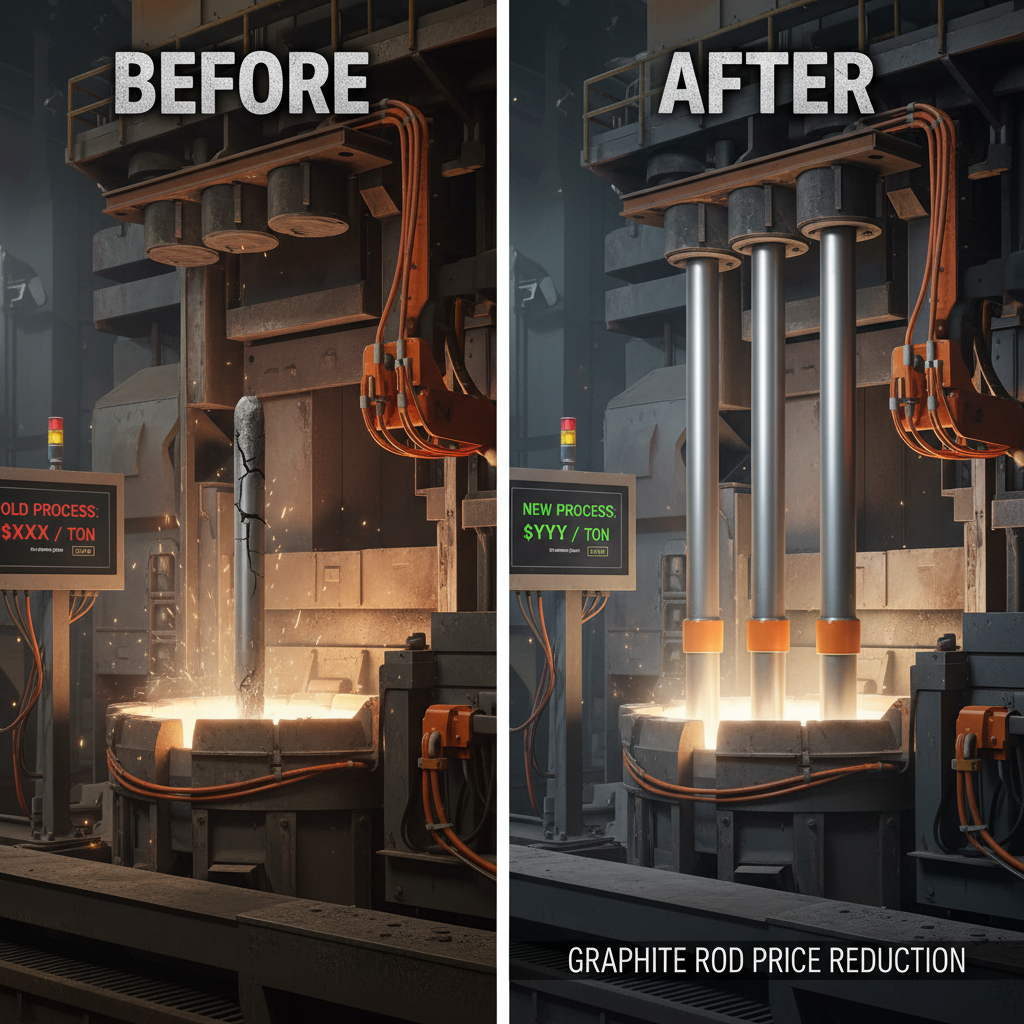
Comparison of Graphite Rod Price Efficiency by Grade
Global Applications and Regional Price Variance
The application of graphite rods varies wildly across different sectors, which in turn influences the regional graphite rod price. In the heavy industrial zones of East Asia, high demand for graphite electrodes in steel production leads to competitive but volatile pricing due to the scale of the market.
Conversely, in North American and European markets, the graphite rod price is often higher due to stringent environmental regulations regarding the emissions produced during the carbonization process. Companies in these regions often pay a premium for "certified green" graphite that meets ISO environmental standards.
Long-Term Value and Sustainability Benefits
Investing in high-quality rods, despite a higher initial graphite rod price, yields significant long-term dividends. Superior material consistency reduces the frequency of rod replacement, minimizing furnace downtime and increasing the overall throughput of the production line.
From a sustainability perspective, the longevity of premium graphite rods reduces industrial waste. When a company prioritizes durability over a low graphite rod price, they effectively lower their carbon footprint by reducing the frequency of raw material extraction and transport.
Moreover, the reliability of high-grade rods ensures safety in high-voltage environments. The risk of rod failure or sudden breakage is significantly lower with premium products, providing peace of mind and protecting expensive machinery from catastrophic damage.
Future Trends and Price Innovations
The future of the graphite rod price will be shaped by the rise of synthetic graphite and automated manufacturing. As chemical vapor deposition (CVD) techniques become more affordable, the cost of producing ultra-pure graphite rods may stabilize, making high-end performance accessible to a wider range of industries.
Digital transformation is also playing a role. AI-driven supply chain optimization is allowing manufacturers to predict demand spikes, potentially smoothing out the volatility of the graphite rod price through better inventory management and just-in-time delivery systems.
As the world transitions toward hydrogen energy and advanced battery storage, the demand for specialized carbon components will grow. This shift will likely create new pricing tiers for "battery-grade" graphite rods, separating them from traditional industrial-grade pricing.
Comparative Analysis of Graphite Rod Price Factors by Material Grade
|
Material Grade
|
Price Influence Level (1-10)
|
Primary Cost Driver
|
Expected Lifespan
|
| Industrial Grade |
4 |
Raw Material Volume |
Short-Medium |
| Premium Grade |
6 |
Graphitization Temp |
Medium-Long |
| High Purity |
9 |
Purification Process |
Long |
| Ultra-High Density |
8 |
Compaction Pressure |
Very Long |
| Custom Machined |
7 |
Labor & Precision |
Variable |
| Synthetic Grade |
10 |
R&D and CVD Tech |
Ultra-Long |
FAQS
The price is mainly driven by the cost of raw petroleum coke, electricity prices during the graphitization process, and global trade policies. Additionally, shifts in demand from the steel and semiconductor industries can create temporary supply shortages, leading to price spikes.
Not necessarily, but often. Lower prices may result from lower material purity, lower density, or simpler manufacturing processes. In high-stress industrial applications, a cheap rod may erode faster, increasing the frequency of replacements and raising the overall operational cost.
Increasing purity requires additional chemical leaching or high-temperature treatment to remove impurities like ash and sulfur. These extra steps increase energy consumption and labor, which are reflected in a higher price point for high-purity rods.
Yes, many industrial suppliers offer contract pricing to help clients budget more effectively. These agreements typically lock in a price for 6-12 months, protecting the buyer from sudden market volatility in exchange for a guaranteed volume commitment.
Diameter affects the price primarily through material volume and the complexity of the extrusion process. Larger diameters require more raw material and longer cooling times to prevent internal cracking, which can increase the cost per unit length.
Because graphite rods can be fragile and heavy, specialized packaging and transport are required. Shipping costs, import duties, and insurance are often bundled into the final delivered price, making local sourcing more cost-effective for some businesses.
Conclusion
Navigating the complexities of the graphite rod price requires a balance between upfront expenditure and long-term operational efficiency. We have seen that while raw material costs and geopolitical factors drive the market, the true value lies in material purity, density, and the resulting lifespan of the product in industrial environments.
For companies looking to optimize their production, the recommendation is to shift focus from the lowest initial price to the best value-to-performance ratio. As the industry moves toward more sustainable and automated production, staying informed on these pricing trends will be a competitive advantage. For high-quality carbon solutions and current pricing, visit our website: www.dahcarbon.com