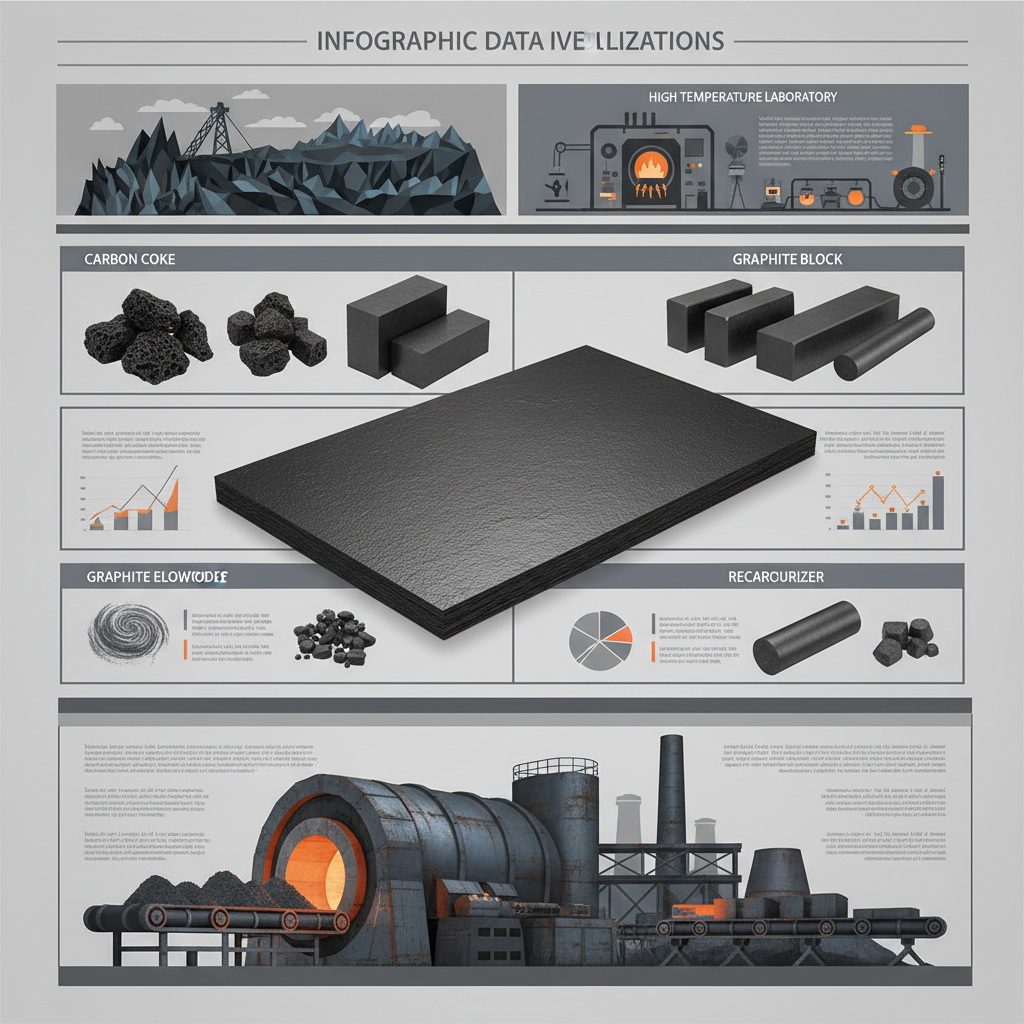
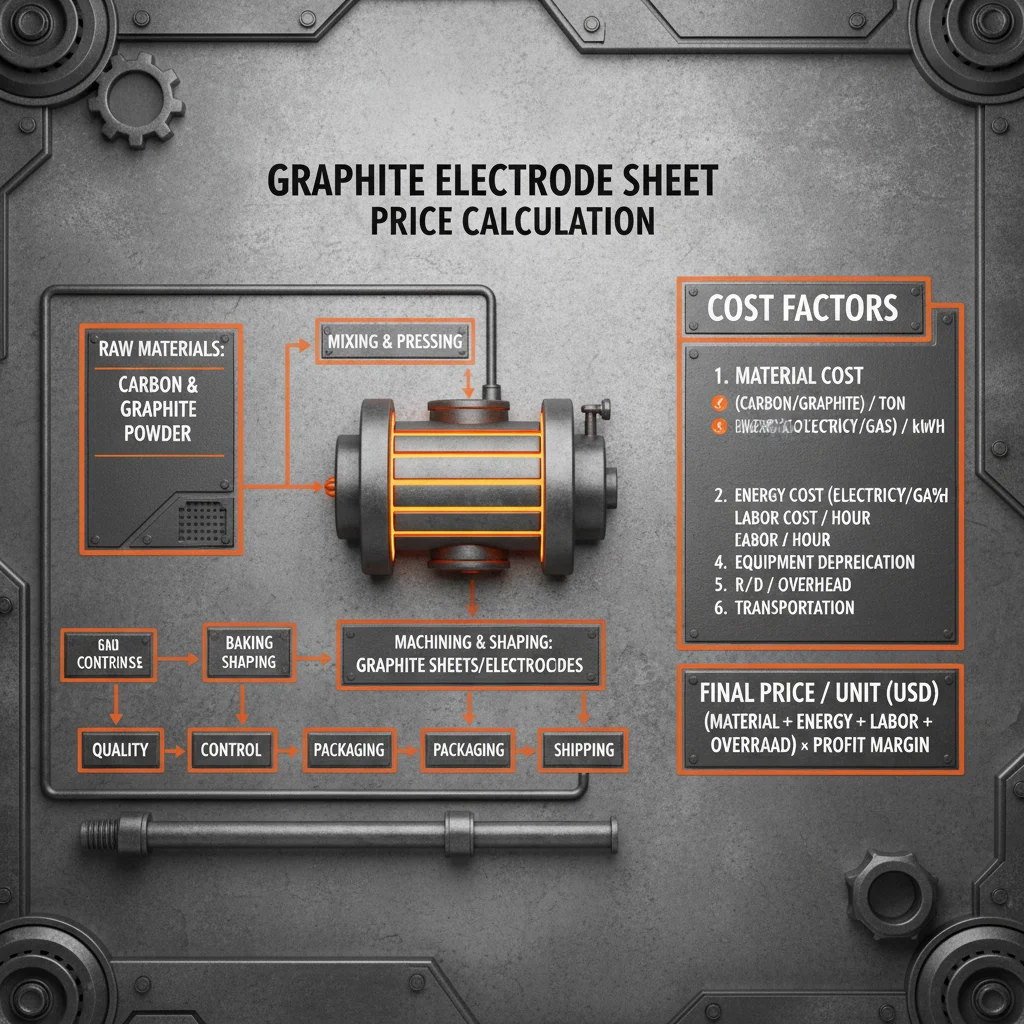
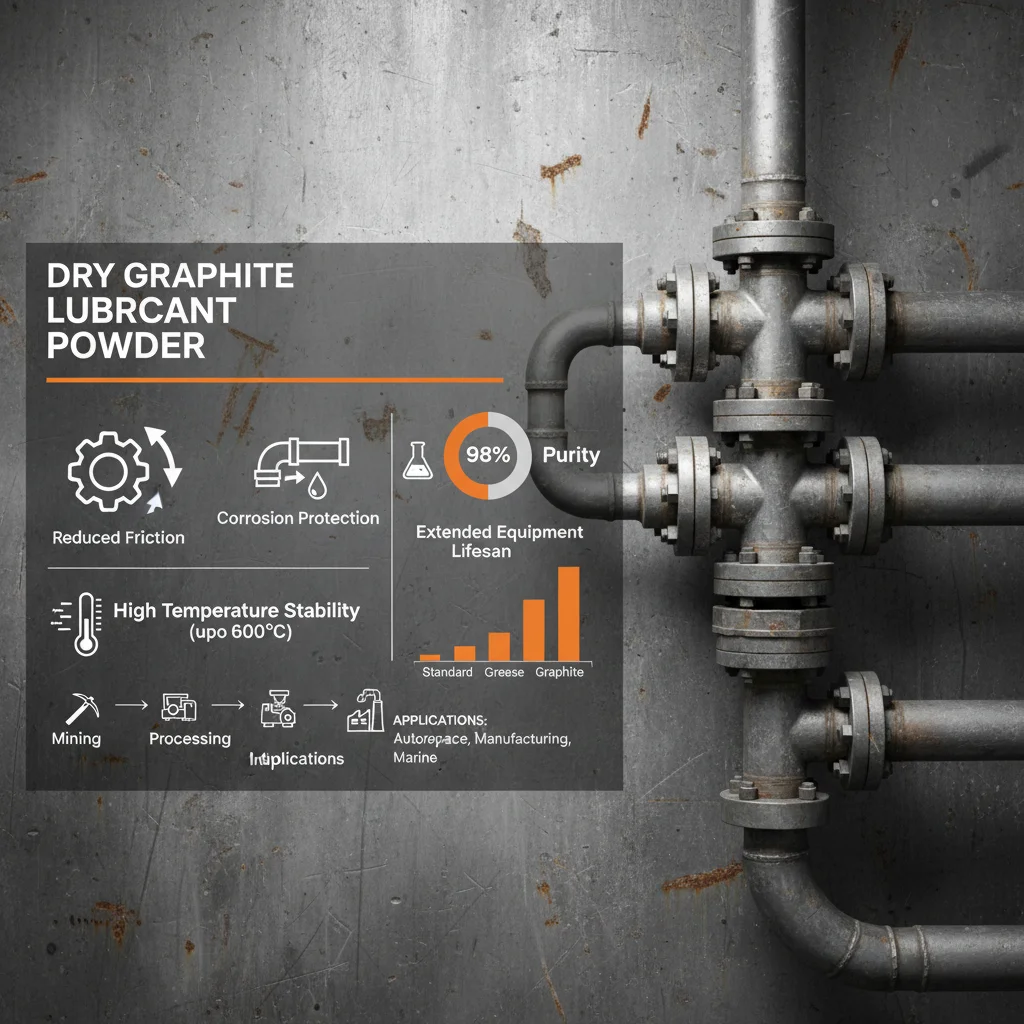
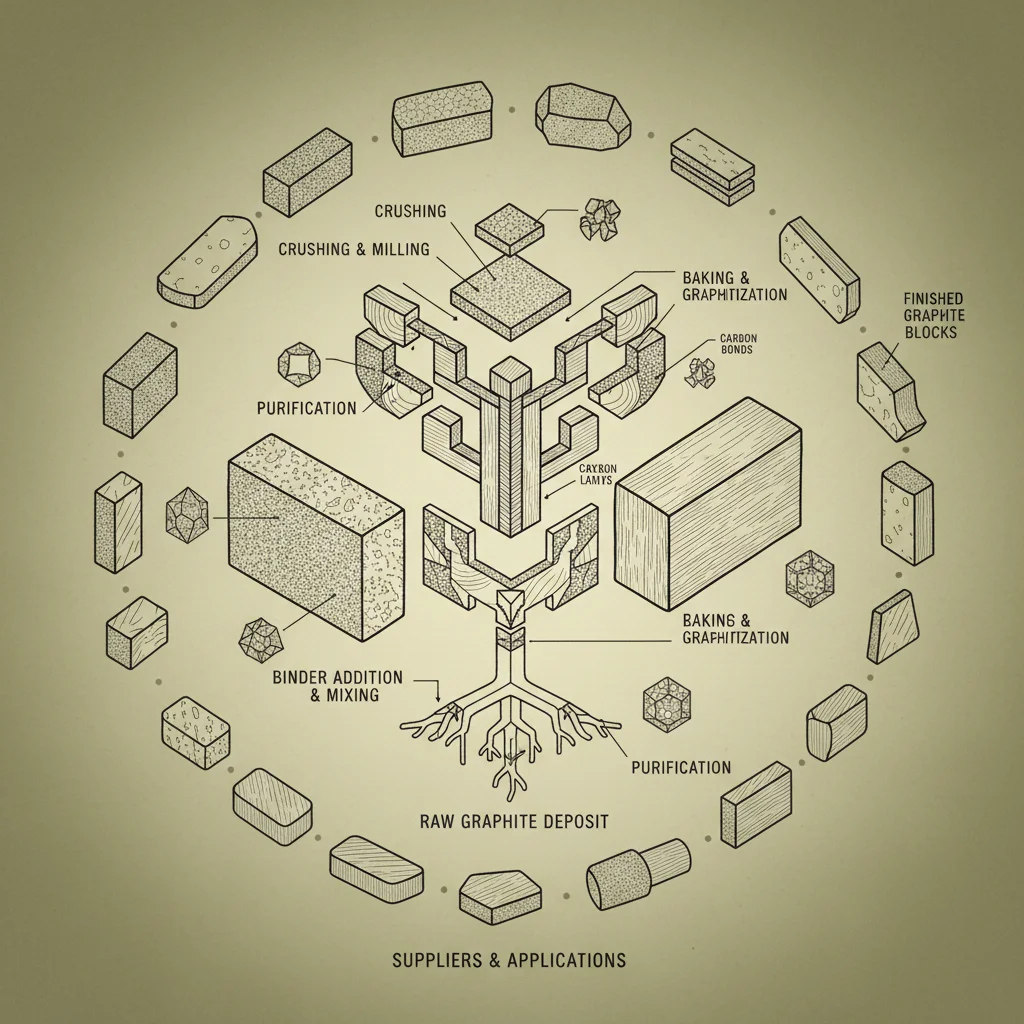
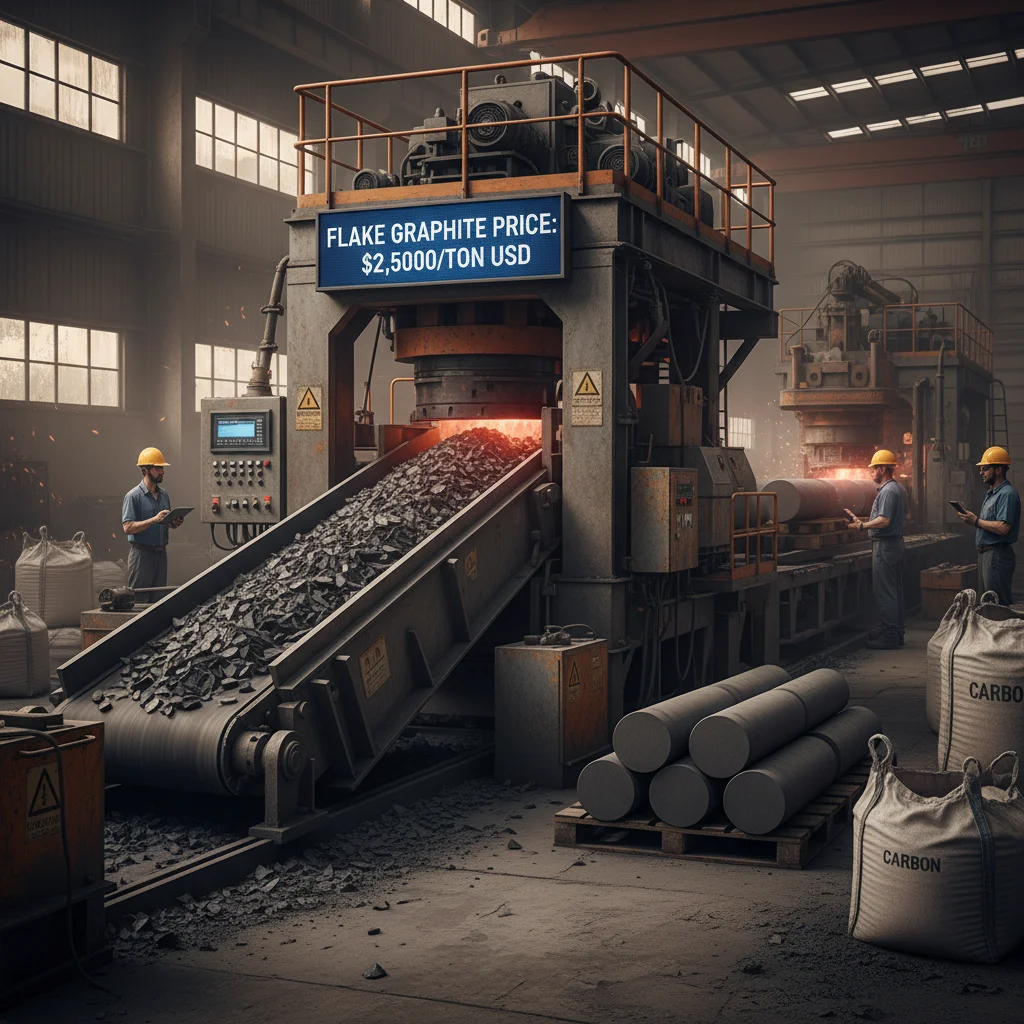
In the modern industrial landscape, the quest for superior thermal management and chemical resistance has led to the widespread adoption of the graphite sheet. This specialized material, engineered from high-purity graphite, serves as a critical component in everything from aerospace engineering to consumer electronics, providing an unmatched ability to dissipate heat rapidly across a two-dimensional plane.
Understanding the utility of a high-quality graphite sheet is essential for engineers and procurement specialists aiming to optimize system reliability. As electronic components become smaller and more powerful, the resulting heat density poses a significant risk to hardware longevity; here, the anisotropic properties of graphite provide a strategic advantage by channeling heat away from sensitive hotspots.
Beyond mere heat dissipation, these materials offer a unique combination of lubricity, electrical conductivity, and structural stability under extreme temperatures. By integrating a graphite sheet into industrial designs, companies can reduce energy consumption, prevent system failures, and enhance the overall efficiency of their carbon-based product portfolios.
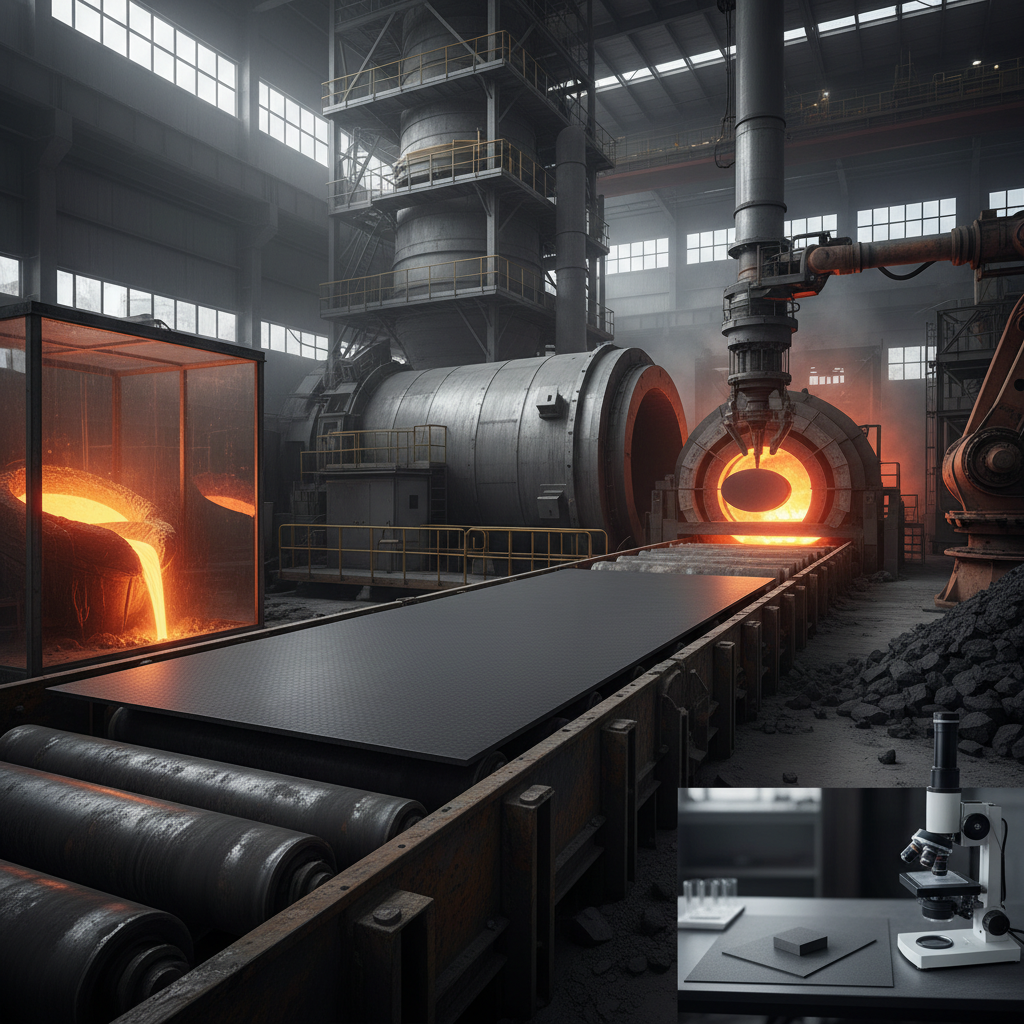
Global Relevance and Industrial Context of Graphite Sheets
The global demand for high-performance carbon materials has surged as industries transition toward electrification and miniaturization. According to recent industrial trends aligned with ISO standards for carbon products, the graphite sheet has become indispensable in the semiconductor and EV battery sectors, where precise thermal regulation is a matter of safety and operational viability.
The primary challenge facing modern manufacturers is "thermal throttling," where devices reduce performance to avoid overheating. By utilizing an advanced graphite sheet, industries can overcome this bottleneck, allowing for higher clock speeds in computing and faster charging cycles in lithium-ion batteries without risking catastrophic thermal runaway.
Defining the Technical Essence of Graphite Sheets
In simple terms, a graphite sheet is a highly oriented form of pyrolytic or synthetic graphite that has been processed to maximize its thermal conductivity along the X-Y axis. Unlike traditional bulk graphite, these sheets are engineered to be thin, flexible, and incredibly efficient at spreading heat, making them a "thermal highway" for energy.
The connection between these sheets and modern industrial needs lies in the concept of anisotropy. While most materials conduct heat uniformly in all directions, a graphite sheet is designed to move heat laterally while remaining relatively resistive vertically. This allows engineers to direct heat away from a CPU or a power module and toward a heat sink with surgical precision.
From a humanitarian and environmental perspective, the adoption of these materials reduces the need for energy-intensive active cooling systems (like heavy fans or liquid pumps), thereby lowering the carbon footprint of data centers and industrial plants globally.
Core Components and Performance Factors
The efficiency of a graphite sheet is primarily determined by its crystalline orientation. High-purity carbon precursors are subjected to extreme heat and pressure to ensure that the graphene layers are perfectly aligned, which directly impacts the material's ability to facilitate rapid electron and phonon transport.
Durability and chemical inertness are also critical. A professional-grade graphite sheet must resist oxidation and corrosion even when exposed to harsh industrial chemicals or vacuum environments, ensuring that the thermal interface remains stable over thousands of operational hours.
Finally, scalability in manufacturing—transitioning from small lab samples to large-scale industrial rolls—determines the cost-efficiency of the material. The ability to die-cut these sheets into complex geometries allows them to be integrated into tight spaces, such as the internal chassis of a smartphone or the housing of a satellite transponder.
Global Applications and Real-World Use Cases
Across the globe, the graphite sheet is employed in diverse settings. In the electronics hubs of East Asia, it is the gold standard for smartphone heat spreading. Meanwhile, in the aerospace sectors of North America and Europe, these sheets are used in satellite components to manage the extreme temperature swings between direct sunlight and the cold vacuum of space.
In remote industrial zones, such as mining operations in Australia or oil refineries in the Middle East, graphite sheets are used as high-temperature gaskets and seals. Their ability to maintain structural integrity while providing a leak-proof seal in corrosive environments makes them superior to traditional rubber or polymer alternatives.
Thermal Performance Comparison of Graphite Sheet Variants
Long-Term Value and Sustainable Advantages
Investing in a high-quality graphite sheet provides tangible long-term value through reduced maintenance costs and extended equipment lifespans. By eliminating local hotspots, the material prevents the degradation of surrounding components, reducing the frequency of costly replacements in industrial machinery.
From a sustainability angle, graphite is an earth-abundant material. When compared to exotic cooling metals or rare-earth based thermal interface materials, graphite offers a more ecologically sound profile. Its reliability fosters trust in the system's safety, which is paramount in high-stakes environments like medical imaging equipment or nuclear power control systems.
Future Trends in Graphite Material Innovation
The future of the graphite sheet is inextricably linked to the rise of Graphene. Researchers are currently developing "Hybrid Graphite-Graphene Sheets" that aim to combine the bulk scalability of graphite with the extraordinary electrical and thermal properties of a single-atom-thick graphene layer.
Digital transformation is also playing a role, with AI-driven design tools now allowing engineers to simulate the exact heat flow through a graphite sheet before a single prototype is manufactured. This optimization ensures that material waste is minimized and thermal efficiency is maximized.
Furthermore, the push toward "Green Energy" is driving the development of bio-based precursors for graphite production, aiming to create a fully circular economy where carbon is captured from the atmosphere and converted into high-performance industrial sheets.
Overcoming Challenges in Graphite Implementation
Despite its advantages, the implementation of a graphite sheet is not without challenges. One common limitation is the material's inherent fragility in the Z-axis (vertical compression). To solve this, manufacturers are introducing polymer-impregnated composites that maintain thermal conductivity while adding mechanical robustness.
Another hurdle is the potential for electrical short-circuiting, as graphite is naturally conductive. Expert insights suggest the use of ultra-thin dielectric coatings or precise insulation layering to ensure that the sheet manages heat without interfering with the electrical signals of the device.
Finally, sourcing consistent purity levels can be difficult. By adhering to strict quality control protocols and utilizing advanced spectroscopic analysis, producers can ensure that every batch of graphite sheet meets the rigorous demands of the aerospace and medical industries.
Technical Specification and Implementation Analysis of Graphite Sheets
| Sheet Variant |
Primary Application |
Thermal Conductivity |
Durability Score (1-10) |
| Pyrolytic Graphite |
Aerospace Heat Sinks |
Extremely High |
7 |
| Flexible Graphite |
Industrial Gaskets |
Moderate |
9 |
| Synthetic Sheet |
Consumer Electronics |
High |
8 |
| Expanded Graphite |
Battery Anodes |
Medium |
6 |
| Composite Carbon |
Automotive Thermal Pads |
High |
10 |
| Ultra-Thin Foil |
Tablet/Phone Cooling |
High |
5 |
FAQS
While copper is an excellent conductor, a graphite sheet is significantly lighter and offers much higher thermal conductivity in the horizontal plane. Additionally, graphite is chemically inert and does not corrode like copper, making it more suitable for long-term use in humid or chemically aggressive environments.
Yes, but with caution. Because graphite is electrically conductive, a graphite sheet used in high-voltage areas must be properly insulated to prevent short circuits. Many manufacturers provide sheets with a thin dielectric coating to ensure thermal efficiency without compromising electrical safety.
Thickness depends on the total heat load and the available space. For consumer electronics, ultra-thin foils (25-100 microns) are common. For industrial sealing or heavy-duty thermal bridging, thicker sheets (1mm to 3mm) are preferred to provide better mechanical support and total heat capacity.
Absolutely. Graphite is a natural mineral. High-quality graphite sheets are non-toxic and can be repurposed or recycled in specialized carbon recovery plants, making them a sustainable choice compared to synthetic polymer-based thermal pads.
Due to its exceptional stability and resistance to temperature cycling, a graphite sheet can last for the entire lifespan of the device it is protecting. Unless subjected to extreme mechanical abrasion or oxidation at temperatures exceeding 450°C in oxygen-rich environments, it remains functionally permanent.
Most industrial suppliers provide graphite sheets in large rolls for automated die-cutting. When importing, ensure the supplier provides COA (Certificate of Analysis) and MSDS documentation to comply with international customs and safety regulations regarding carbon products.
Conclusion
In summary, the graphite sheet represents a pinnacle of carbon engineering, offering a sophisticated solution to the eternal problem of heat management. From its unmatched anisotropic thermal conductivity to its chemical resilience and lightweight profile, it empowers industries to push the boundaries of performance and reliability in an increasingly compact world.
Looking forward, as we move toward a future of green energy and hyper-efficient computing, the role of advanced graphite materials will only grow. We suggest that engineers prioritize the integration of these materials early in the design phase to maximize system longevity and energy efficiency. For high-performance carbon solutions, visit our website: www.dahcarbon.com