Look, I’ve been running around construction sites for fifteen years, seen it all. Lately, everyone’s talking about ‘smart’ graphite blocks, right? Not just the regular stuff, but with integrated sensors, monitoring stress, temperature… frankly, a bit overhyped, if you ask me. But the demand’s there. Everyone wants to know what their structures are doing in real-time. To be honest, it feels like chasing the next shiny object sometimes. They promise predictive maintenance, early warning systems… it all sounds great in the boardroom.
The biggest trap I see? Complexity. Engineers love to over-engineer. They’ll add features just because they can. I encountered this at a precast factory in Jiangsu province last time – they were designing a block with five different sensor types, all communicating over Bluetooth. Bluetooth! On a construction site! Forget it. Interference, battery life… it’s a nightmare. Keep it simple, that’s my motto. Focus on the core functionality.
We primarily use fine-grained flake graphite, sourced mostly from China, some from Mozambique. You can tell the quality just by the feel - the good stuff is almost silky, a deep black color. The cheap stuff smells… dusty, almost metallic. You don't want that. It’s mixed with a high-strength polymer resin, usually phenolic, sometimes epoxy for higher temperature resistance. Handling it, you get resin dust everywhere. Wear a mask, seriously. And gloves. It sticks to everything.
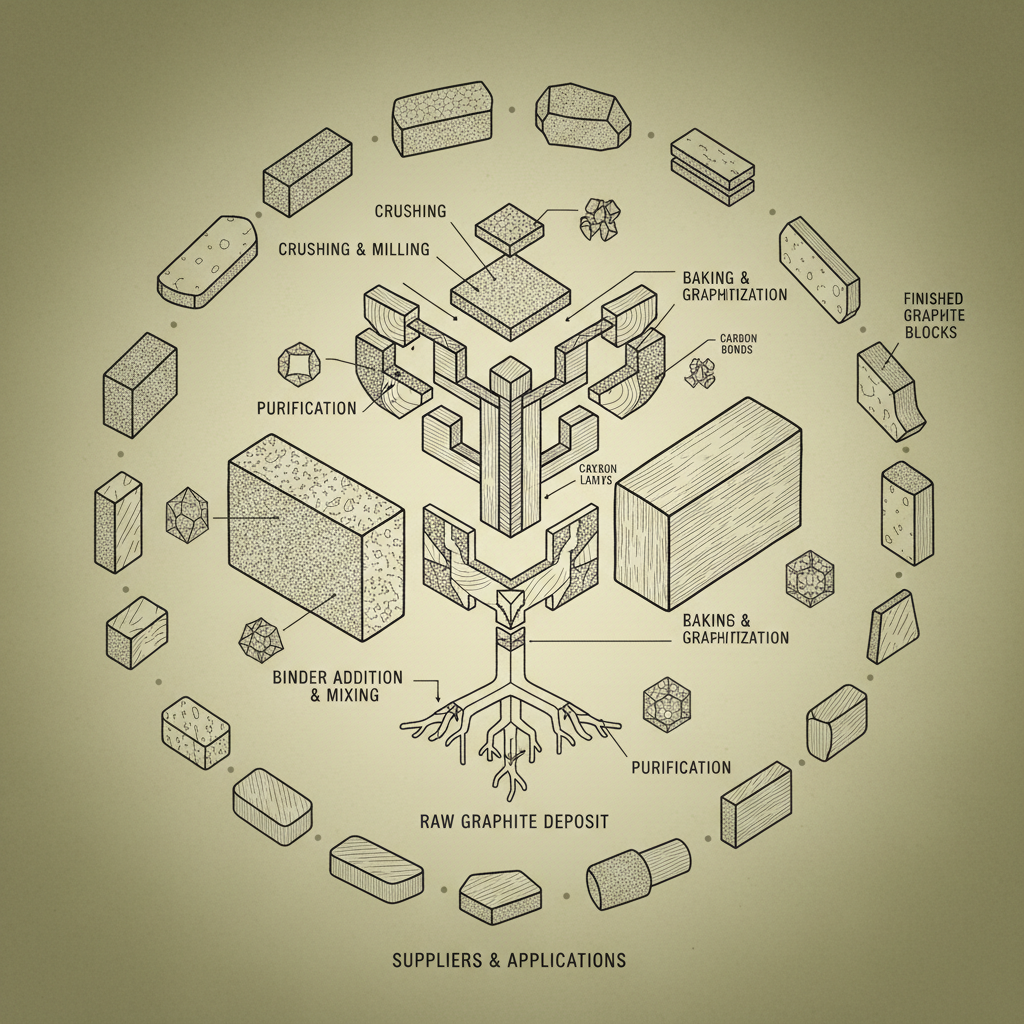
The Latest Trends in Graphite Block Technology
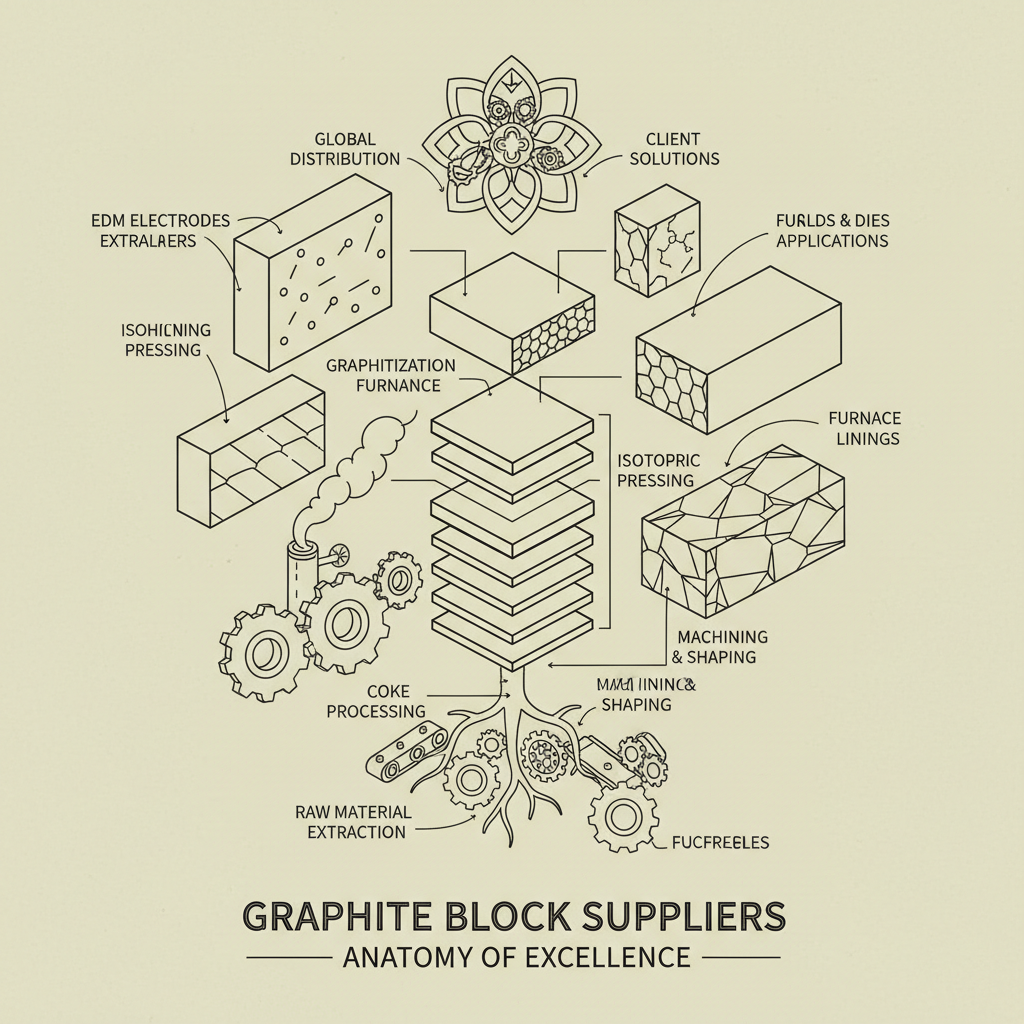
Like I said, "smart" is the buzzword. But beyond the sensors, there’s also a push for more sustainable materials – recycled graphite, bio-based resins. Strangely, the recycled stuff can be better than virgin material, depending on the source. It's got a different microstructure, often denser. There's a lot of research going into self-healing graphite composites, too, using microcapsules filled with resin. Sounds like science fiction, but it’s showing promise. And, obviously, everyone's trying to drive down costs. Margins are tight in this business.
Another thing I've noticed is a move toward pre-fabricated elements. Instead of just supplying blocks, companies are offering complete modules – walls, floors, even entire room structures. It speeds up construction, reduces waste... but it also requires more precise manufacturing and logistics.
FAQs
Lead times depend on the complexity of the order and our current workload. Generally, for standard sizes and materials, it’s around 2-3 weeks. Custom shapes or materials can add another 4-6 weeks. We always try to be upfront about timelines and manage expectations. If you need something urgently, let us know, and we’ll see what we can do, but rushing things often leads to errors.
Keep them dry. Seriously, moisture is graphite's enemy. Store them in a covered, well-ventilated area. Avoid direct sunlight, as UV radiation can degrade the resin binder. And don’t stack them too high, especially if they’re not uniformly supported. You don't want them cracking under their own weight. Proper storage is key to maintaining quality and avoiding costly replacements.
Graphite itself is not flammable, but the resin matrix often is. Phenolic resins are more flame-resistant than epoxy resins, but all resins will burn under the right conditions. We can offer fire-retardant additives to the resin, but that will increase the cost. Always check the material safety data sheet (MSDS) for specific fire safety information.
Slowly and with plenty of lubrication. Graphite is abrasive, so it will quickly wear down your cutting tools. Diamond-coated tools are ideal, but expensive. Use a coolant to dissipate heat and prevent dust. And wear a respirator! Seriously, I can’t stress that enough. Also, avoid aggressive cutting speeds, or you’ll end up with a chipped and damaged surface. Patience is key.
Yes, to a degree. The graphite itself can be recovered and reused, but the resin matrix is more challenging. We’re working with recycling companies to develop more efficient methods for separating the graphite from the resin. It's not a widespread practice yet, but it's gaining traction as sustainability becomes more important. Look for suppliers who offer take-back programs for used blocks.
The main advantages are weight, thermal conductivity, and machinability. Graphite is significantly lighter than steel, and it conducts heat much better than concrete. It’s also easier to machine into complex shapes. However, it’s not as strong as steel or concrete in all applications. So, it depends on the specific requirements of the project. If you need high strength and impact resistance, steel is probably a better choice. But if you need lightweight, thermal conductivity, and ease of machining, graphite is the way to go.
Conclusion
So, there you have it. Graphite blocks – they’re not just inert hunks of carbon. They’re complex materials with unique properties, demanding careful design, handling, and testing. The "smart" features are often hype, but the core benefits – strength, lightness, thermal conductivity – remain compelling. And, increasingly, sustainability is a factor.
Ultimately, whether this thing works or not, the worker will know the moment he tightens the screw. That’s what really matters. Visit our website at graphite blocks suppliers to explore our range of graphite blocks and find the perfect solution for your project.