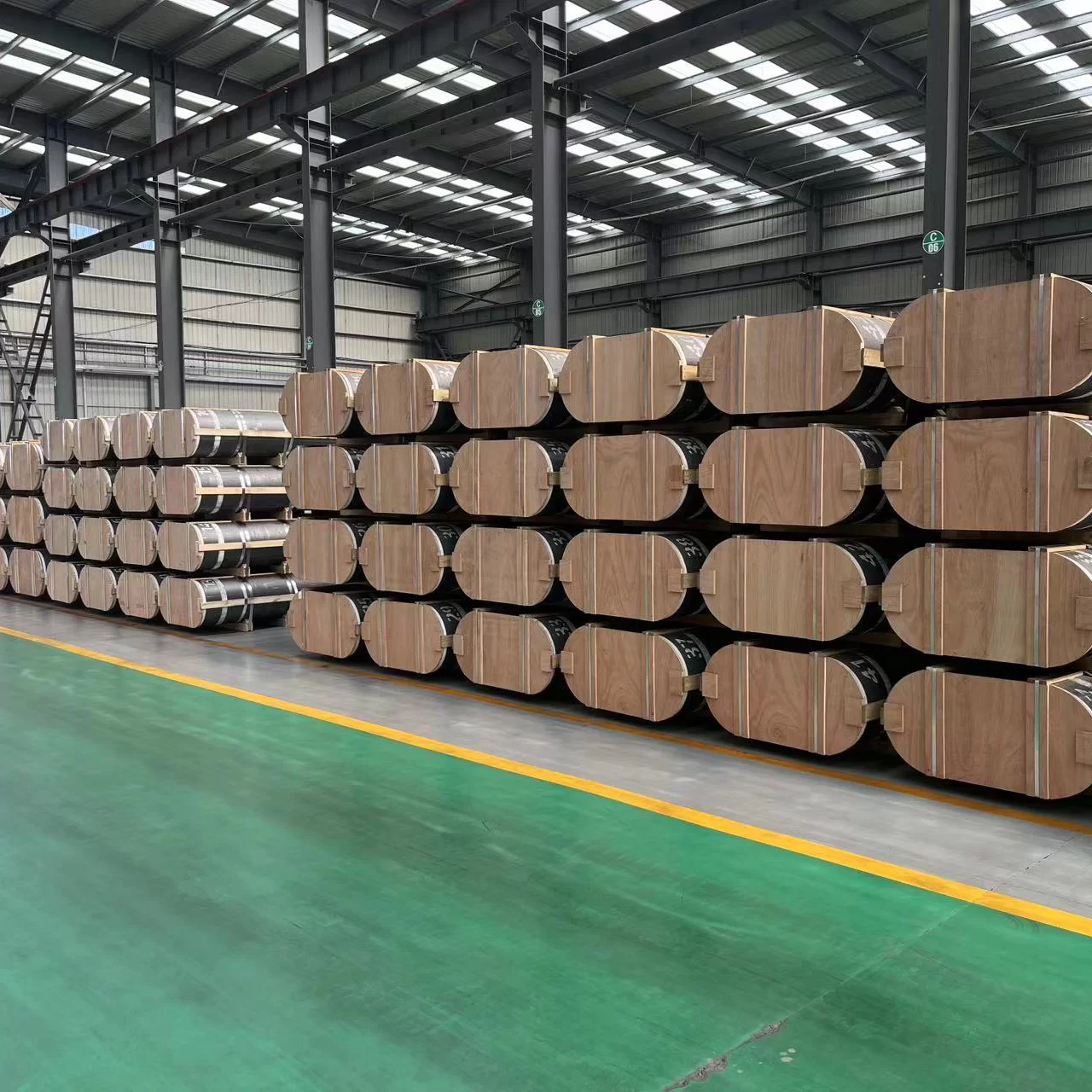
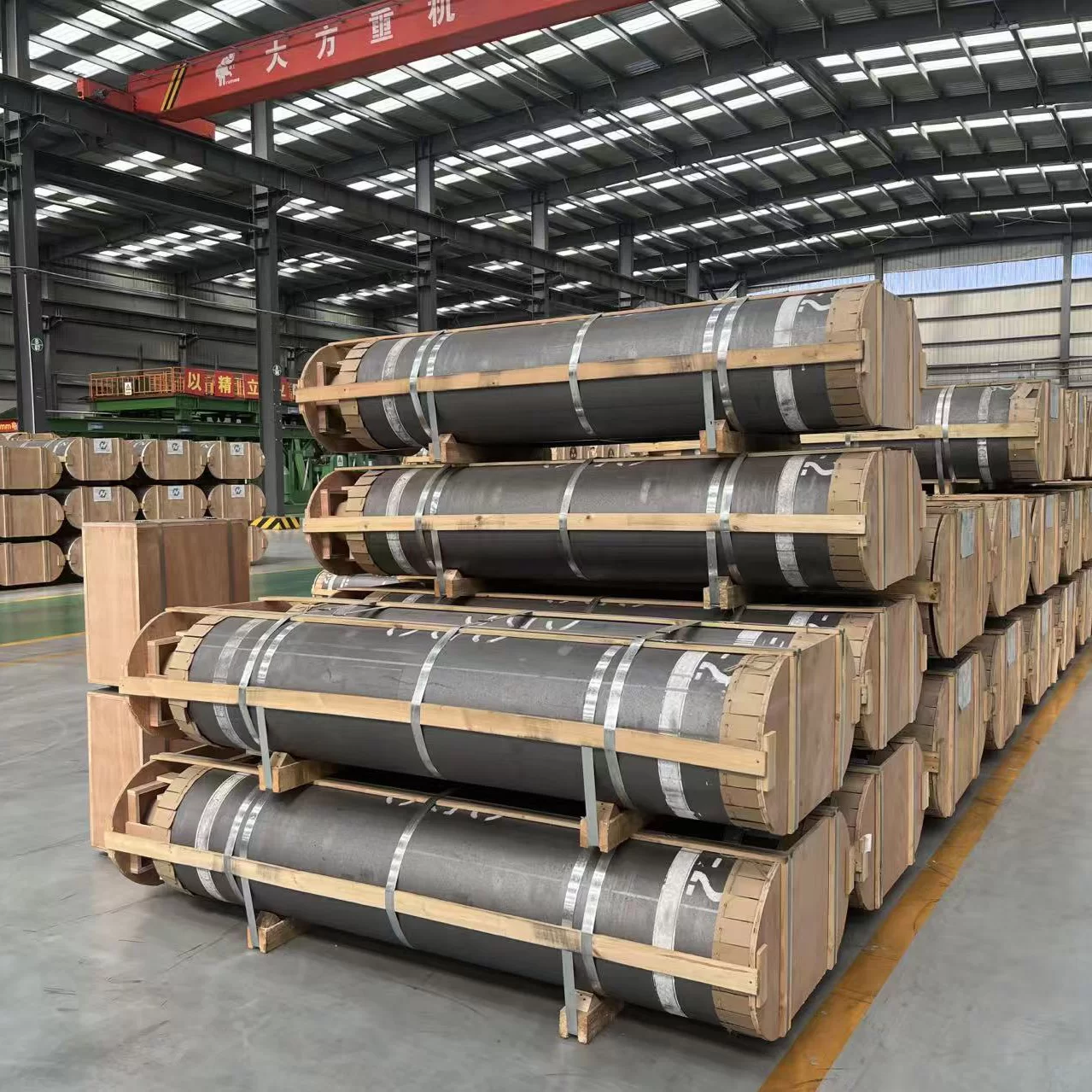
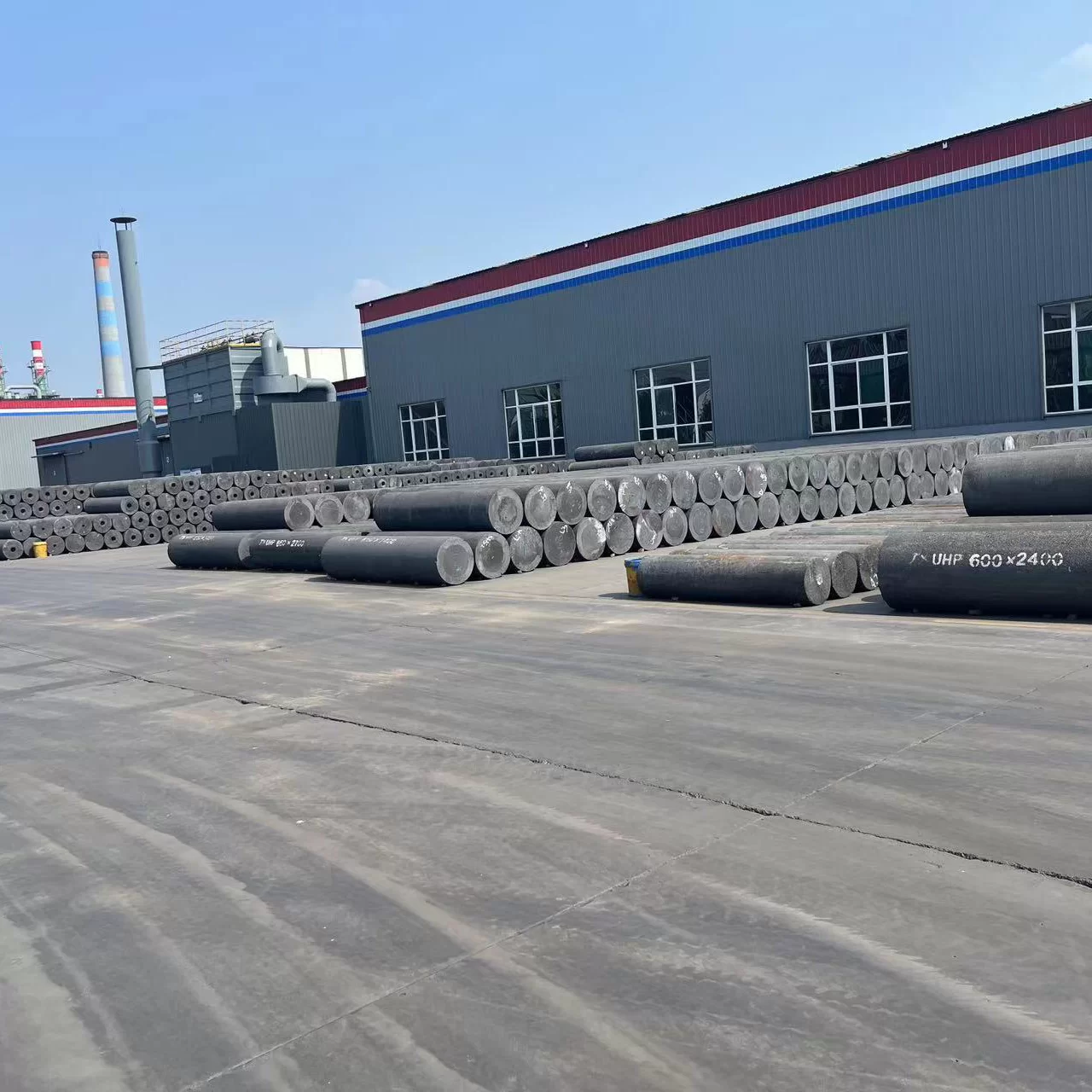
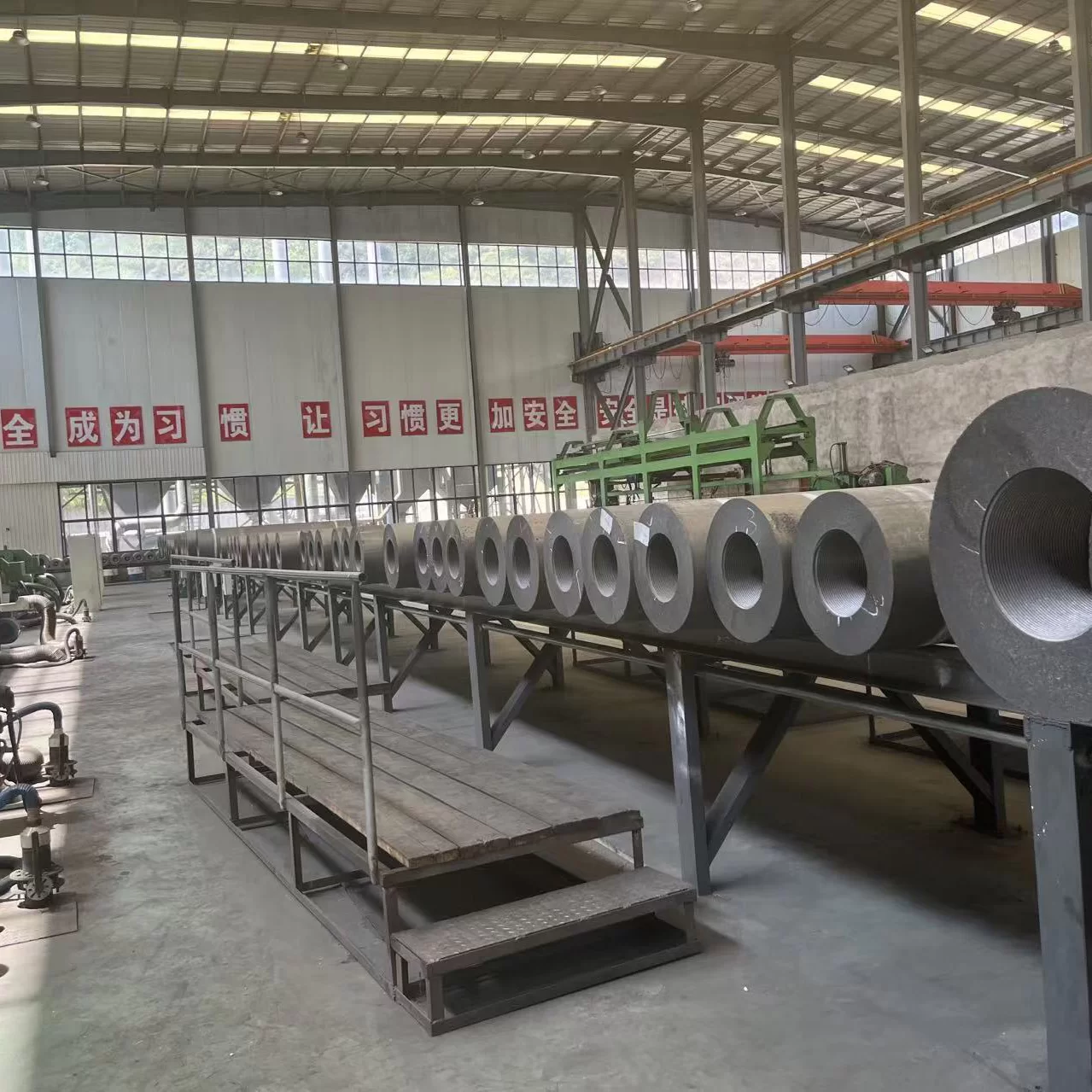
In the demanding landscape of modern heavy industry, particularly within electric arc furnace (EAF) steelmaking, ladle refining, ferroalloy production, and various electrochemical processes, the role of the graphite electrode is unequivocally paramount. These specialized components are not merely consumable parts; they are the vital conduits of immense electrical energy, transforming raw materials into essential industrial products with astonishing efficiency and precision. The global market for graphite electrodes, driven primarily by escalating demand for steel and non-ferrous metals, is projected to reach approximately USD 20 billion by 2027, growing at a robust compound annual growth rate (CAGR) of over 5% from its current valuation. This impressive trajectory underscores their indispensable nature. EAF technology, which relies exclusively on graphite electrodes, now accounts for nearly 30% of global crude steel production, a figure that continues to climb as industries prioritize lower carbon footprints and increasingly utilize recycled scrap metal. Each ton of EAF steel produced typically consumes between 1.5 to 3.5 kilograms of ultra-high power (UHP) graphite electrodes, translating to millions of tons annually. This staggering consumption highlights not only the scale of operations but also the critical need for electrodes that offer unparalleled performance, longevity, and consistency to minimize downtime and optimize operational costs. Manufacturers are continuously pushed to innovate, producing electrodes capable of withstanding extreme thermal shock, immense mechanical stress, and corrosive environments, thereby directly influencing the productivity and profitability of countless industrial operations worldwide. Without robust and reliable graphite electrodes, the very backbone of modern manufacturing would falter, making their selection and performance a strategic imperative for any discerning industrial operator aiming for peak efficiency and sustainable production.
The Unparalleled Engineering Behind High-Performance Electrodes
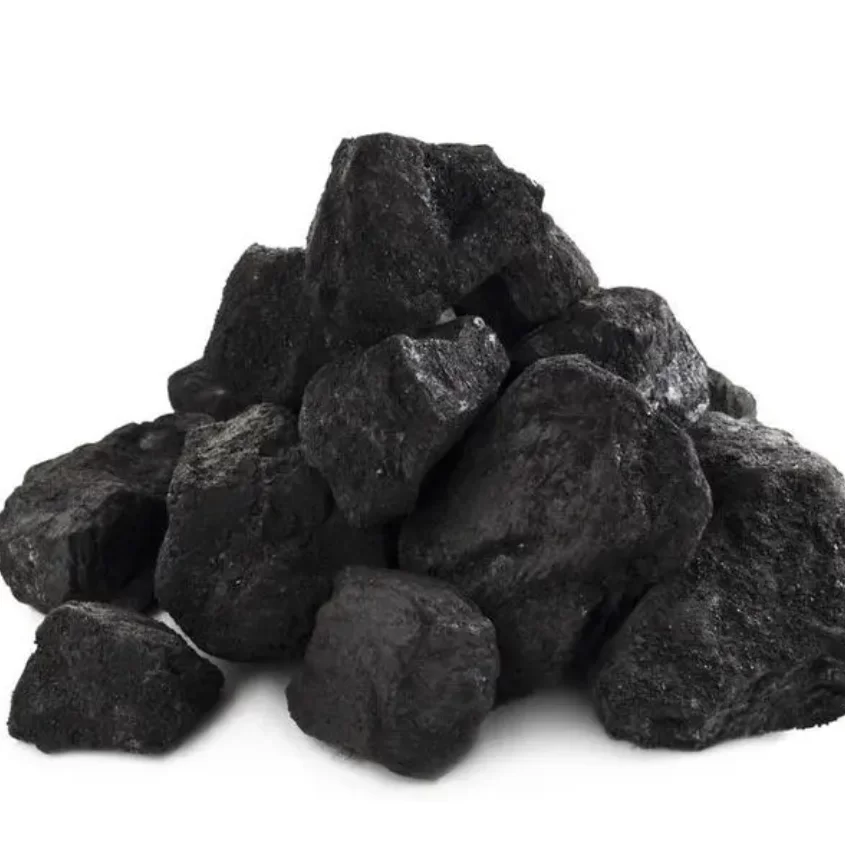
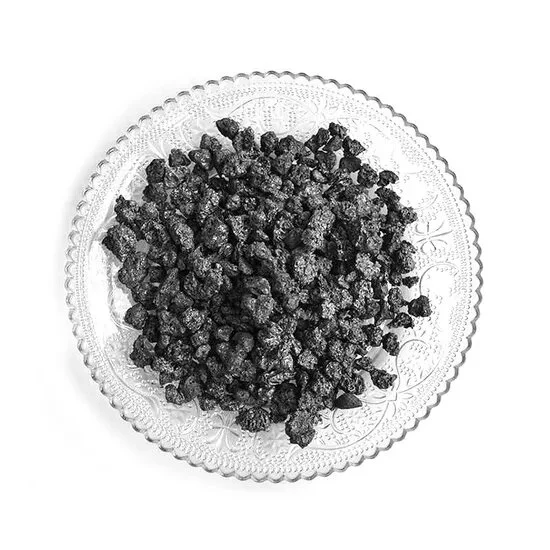
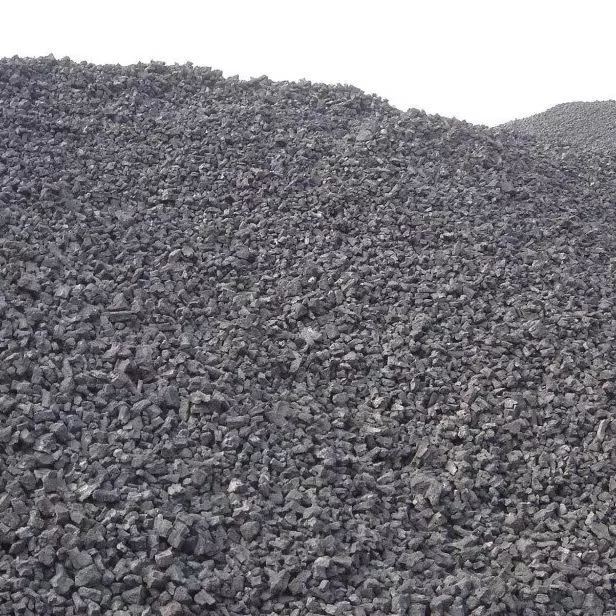
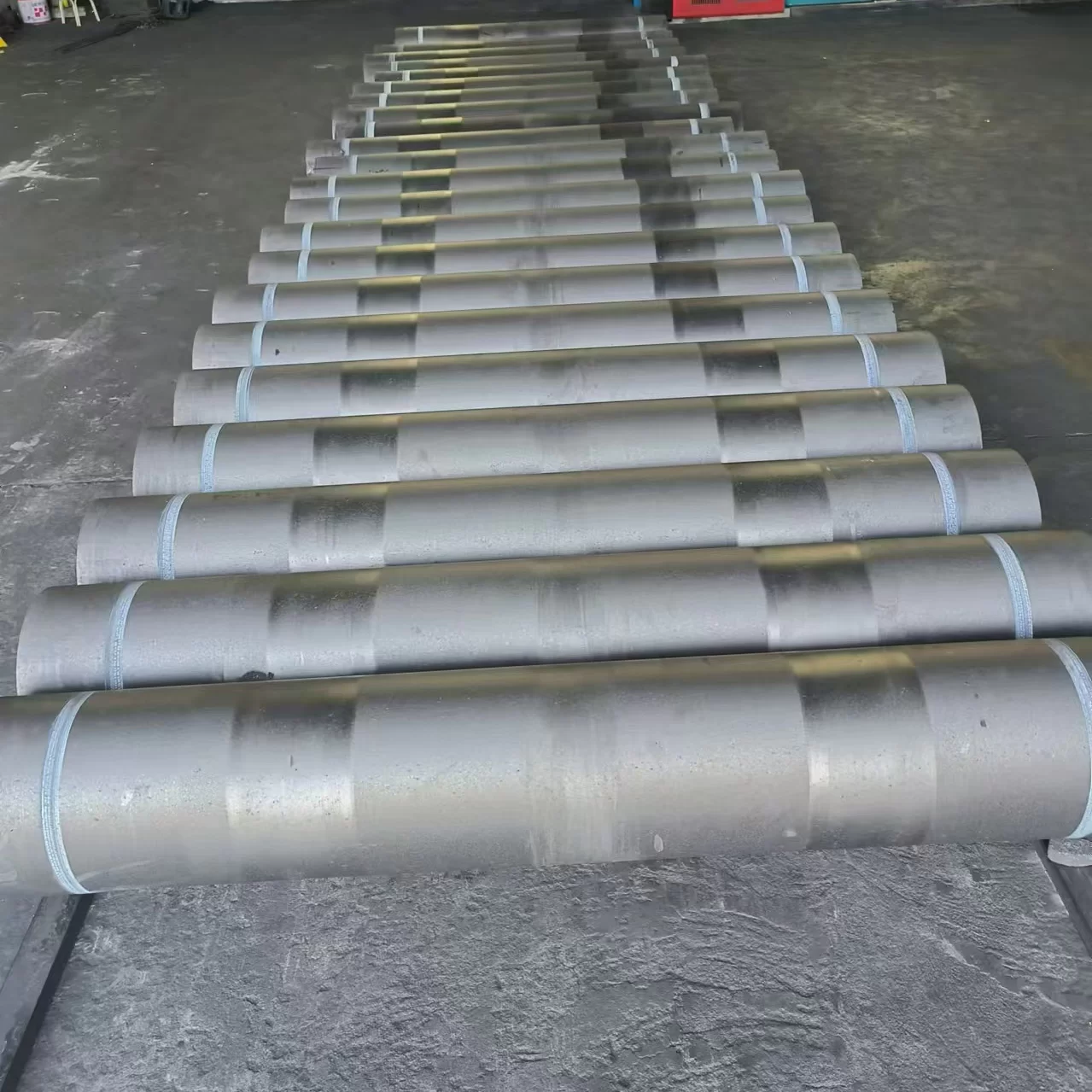
The superior performance of modern industrial electrodes stems from a sophisticated blend of advanced material science and meticulous engineering. At their core, these electrodes are manufactured from premium-grade petroleum coke and coal tar pitch, which undergo a rigorous multi-stage process including crushing, precise mixing, molding, meticulous baking (carbonization), high-temperature graphitization, and intricate machining. The graphitization phase is particularly critical, involving heating the baked electrode to extraordinary temperatures exceeding 2800°C in specialized Acheson furnaces. This extreme thermal treatment rearranges the carbon atoms into a highly ordered crystalline graphite structure, imparting exceptional properties that are vital for the most demanding industrial applications. Key technical advantages include an extraordinarily high electrical conductivity, typically ranging from 10,000 to 12,000 S/cm for Ultra-High Power (UHP) grades. This extremely low electrical resistivity minimizes energy losses during current transmission, directly contributing to substantial energy efficiency in arc furnaces and reducing operational expenditures. Furthermore, their excellent thermal shock resistance, achieved through careful selection of raw materials and precise manufacturing parameters, allows them to endure rapid temperature fluctuations from ambient to over 3000°C within mere seconds without cracking, spalling, or structural degradation. This resilience is absolutely crucial for the dynamic and often violent environment of an EAF. Electrodes also exhibit a remarkably low coefficient of thermal expansion, preventing significant dimensional changes that could lead to structural integrity issues or joint failures. High mechanical strength, achieved through optimized binder systems and graphitization, combined with superior resistance to oxidation at elevated temperatures, further extends their service life, consequently reducing electrode consumption rates. The porosity is meticulously controlled to be extremely low, typically below 20%, which enhances density, overall robustness, and resistance to arc erosion. These finely tuned properties collectively enable electrodes to efficiently transfer vast amounts of electrical energy, melt metals rapidly and uniformly, and maintain structural integrity under the most punishing conditions, distinguishing them as advanced materials indispensable for high-temperature metallurgical processes and a cornerstone of modern industrial productivity.
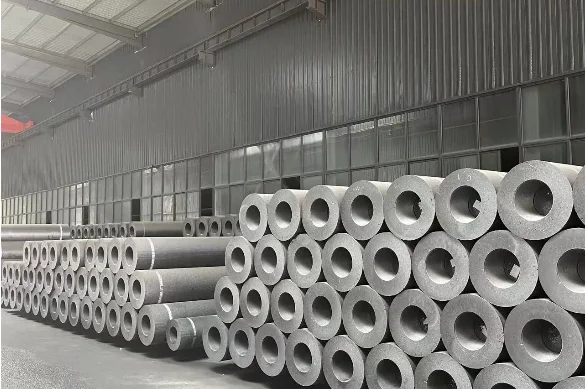
Precision Manufacturing and Rigorous Quality Assurance
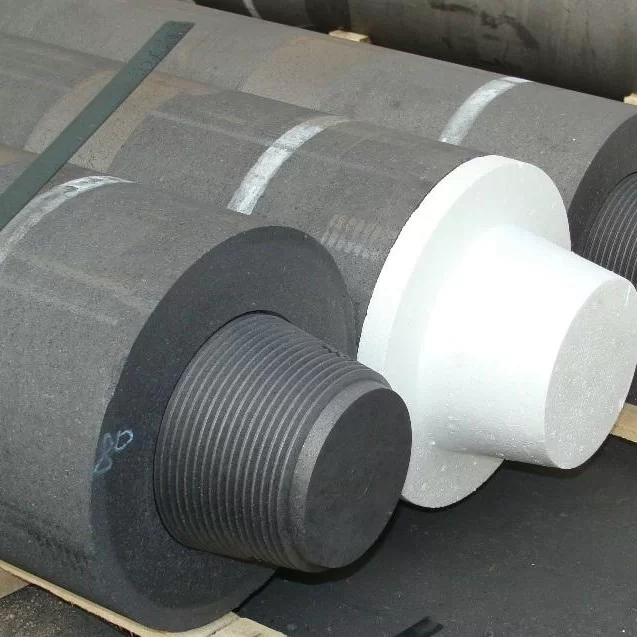
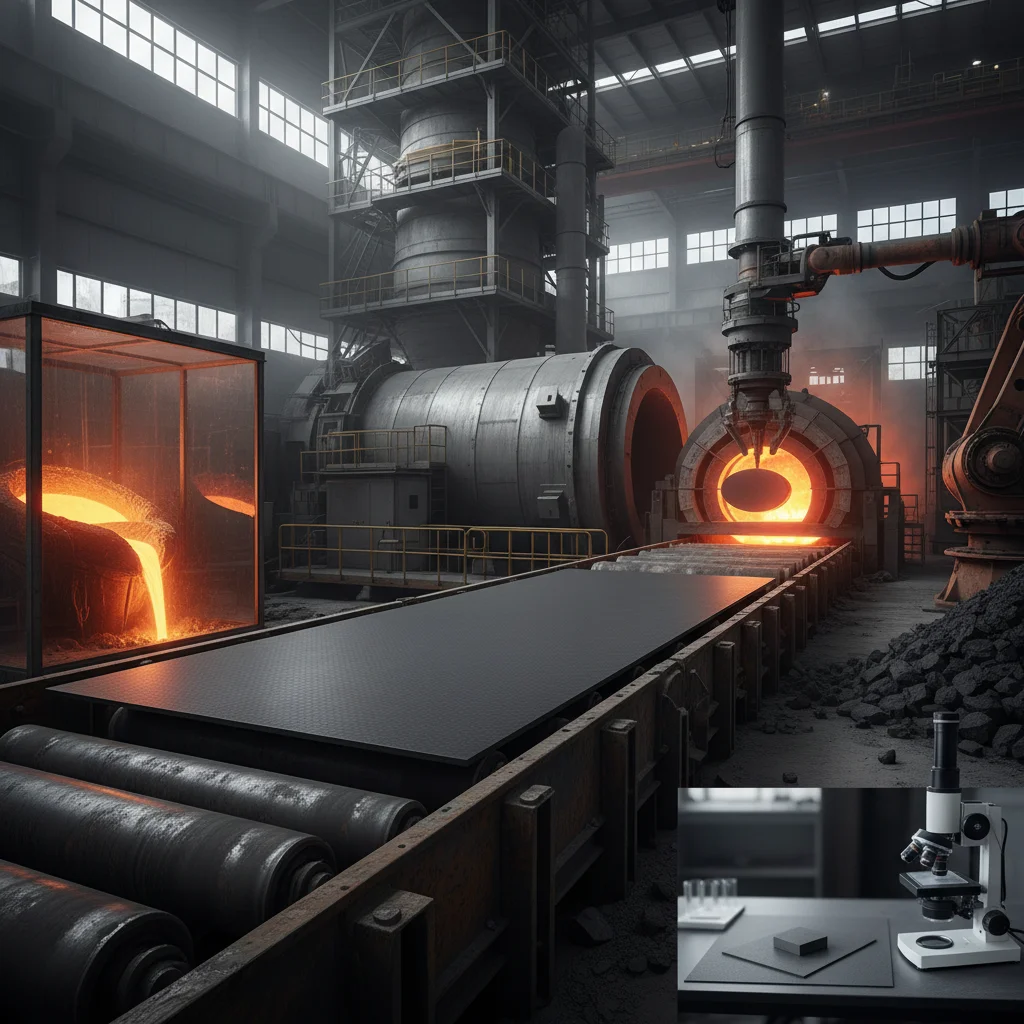
The journey from raw carbon materials to a high-performance electrode is an intricate ballet of precision engineering and stringent, multi-layered quality control. It commences with the meticulous selection of premium-grade needle coke and coal tar pitch, chosen for their unparalleled purity, specific granulometry, and consistent chemical properties. These raw materials are crushed, finely screened, and accurately weighed to ensure precise composition before being thoroughly mixed with a binder pitch to form a homogeneous, workable paste. This paste is then molded, typically through advanced extrusion or vibration molding techniques, into "green" electrodes with precise dimensions. The subsequent baking process, conducted at temperatures up to 1000°C over several weeks in ring furnaces, carbonizes the binder, transforming the soft green electrode into a solid, electrically conductive carbon body. Following baking, the critical graphitization stage takes place, where the carbonized electrodes are heated to extraordinary temperatures exceeding 2800°C in Acheson or LWG (Lengthening, Widening, Graphitizing) furnaces. This intensive thermal treatment converts the amorphous carbon into highly crystalline graphite, dramatically enhancing its electrical conductivity, thermal shock resistance, and mechanical strength. After graphitization, the electrodes undergo precise machining to achieve the exact dimensions, surface finish, and intricate thread specifications (e.g., nipple connections) required for seamlessly connecting segments in operation. Throughout every single stage, an exhaustive quality control regime is meticulously implemented. This includes raw material inspection for purity, in-process monitoring of key parameters like density, electrical resistivity, bending strength, and thermal expansion coefficient, and final product evaluation using sophisticated equipment. Non-destructive testing (NDT) methods like ultrasonic inspection and eddy current testing are often employed to detect any internal flaws, cracks, or heterogeneities that could compromise performance. This multi-layered approach to quality assurance ensures that each electrode meets stringent international standards, minimizing defects, maximizing performance consistency, and guaranteeing unwavering reliability under the extreme conditions of an electric arc furnace. A single deviation in material composition or processing parameters can drastically compromise an electrode's integrity and performance, hence the unwavering focus on precision and control throughout the entire manufacturing chain.
Navigating the Global Electrode Landscape: A Comparative Analysis
The global market for industrial electrodes is characterized by a concentrated group of dominant players and a significant number of specialized regional manufacturers, each offering distinct advantages in terms of product range, technical specifications, and geographical reach. Understanding these nuanced differences is absolutely crucial for informed procurement decisions that impact operational efficiency and cost-effectiveness. Major industry leaders such as GrafTech International, Resonac Corporation (formerly Showa Denko), Tokai Carbon, Fangda Carbon, and SGL Carbon have established formidable reputations for consistently producing Ultra-High Power (UHP) electrodes that deliver superior performance. However, smaller, more agile manufacturers often excel in niche markets, offer highly competitive pricing, or provide specialized solutions for specific applications. A direct comparison reveals disparities in several key areas: raw material purity, manufacturing consistency, proprietary impregnation treatments, and post-sales technical support—all of which directly influence electrode consumption rates, furnace uptime, and overall operational efficiency. For instance, some manufacturers might specialize in electrodes optimized for extremely high current density operations, leading to faster melt times but potentially higher wear rates if not meticulously matched to furnace conditions. Others may focus on extending electrode life through advanced anti-oxidation coatings or enhanced mechanical strength, albeit sometimes at a higher initial acquisition cost. The optimal decision frequently boils down to a strategic balance between upfront investment and projected long-term operational savings and performance. Below is a comparative overview of typical performance metrics for UHP electrodes from several leading manufacturers:
Manufacturer | Typical UHP Electrode Grade (Dia.) | Average Electrical Resistivity (µΩ·m) | Flexural Strength (MPa) | Bulk Density (g/cm³) | Thermal Expansion Coefficient (10⁻⁶/°C) (20-1000°C) | Key Differentiator / Specialization |
GrafTech International | UHP 600mm-750mm | 4.0 - 4.5 | >15 | >1.72 | < 1.0 | Proprietary impregnation (e.g., Seadrift), high consistency, premium market segment. |
Resonac Corporation (Showa Denko) | UHP 600mm-700mm | 4.2 - 4.7 | >14 | >1.70 | < 1.1 | Advanced raw material selection, excellent thermal shock resistance, strong R&D. |
Tokai Carbon | UHP 500mm-650mm | 4.3 - 4.8 | >13 | >1.68 | < 1.2 | Strong R&D capabilities, tailored solutions for specific furnace types, good mechanical stability. |
Fangda Carbon | UHP 600mm-700mm | 4.5 - 5.0 | >12 | >1.65 | < 1.3 | Highly competitive pricing, enormous production capacity, growing global market share. |
SGL Carbon | UHP 500mm-700mm | 4.1 - 4.6 | >14 | >1.71 | < 1.05 | Focus on sustainability, advanced material science, premium quality, strong technical support. |
Note: These values represent typical performance ranges for UHP electrodes and can vary based on specific product lines, diameters, and manufacturing batches. It is essential to consult individual manufacturer specifications and conduct pilot trials for precise data and suitability assessment. Choosing the right manufacturer involves not just comparing technical datasheets but also assessing their supply chain reliability, responsiveness of technical support, and proven ability to provide bespoke solutions that align precisely with specific operational demands and strategic goals.
Tailoring Solutions for Diverse Industrial Demands
The concept of a "one-size-fits-all" electrode is rapidly becoming obsolete in an industrial era demanding maximum efficiency, specialized performance, and optimized total cost of ownership. Modern industrial operations, especially in high-volume steelmaking and ferroalloy production, increasingly require highly customized electrode solutions to achieve optimal results and maintain a competitive edge. This customization extends far beyond mere diameter and length, delving into the intricate nuances of raw material composition, specific impregnation treatments, and even bespoke thread designs to enhance connection integrity. For instance, furnaces operating with extremely high scrap charges, aggressive oxygen lancing, and extended arc periods might significantly benefit from electrodes engineered with enhanced mechanical strength and superior anti-oxidation resistance at the tip and column. Conversely, operations prioritizing rapid melting rates and lower overall energy consumption might opt for electrodes specifically engineered for even higher electrical conductivity and exceptional thermal shock resilience. Leading manufacturers now work in close, collaborative partnerships with clients to meticulously analyze their specific furnace characteristics—including transformer capacity, refractory lining integrity, operational cycles, typical scrap mix, and desired steel grades produced—to design electrodes that perfectly match these unique parameters. This bespoke approach might involve adjusting the precise blend of needle coke, refining the graphitization temperature profile for specific crystallographic orientation, or applying specialized, multi-layered coatings to mitigate wear in particularly aggressive furnace environments. Even critical components like thread connections, which are common points of failure, can be customized for improved integrity, reduced breakage, and easier assembly. The overarching goal of this tailored approach is to minimize electrode consumption per ton of finished product, significantly reduce furnace downtime for electrode changes, and ultimately lower overall operating costs while maximizing productivity. Through this collaborative customization process, industries can unlock substantial gains in both productivity and economic viability, transforming electrodes from a generic commodity into a precisely engineered, high-performance tool tailored for peak performance in highly specific, demanding applications.
Real-World Impact: Diverse Applications in Heavy Industry
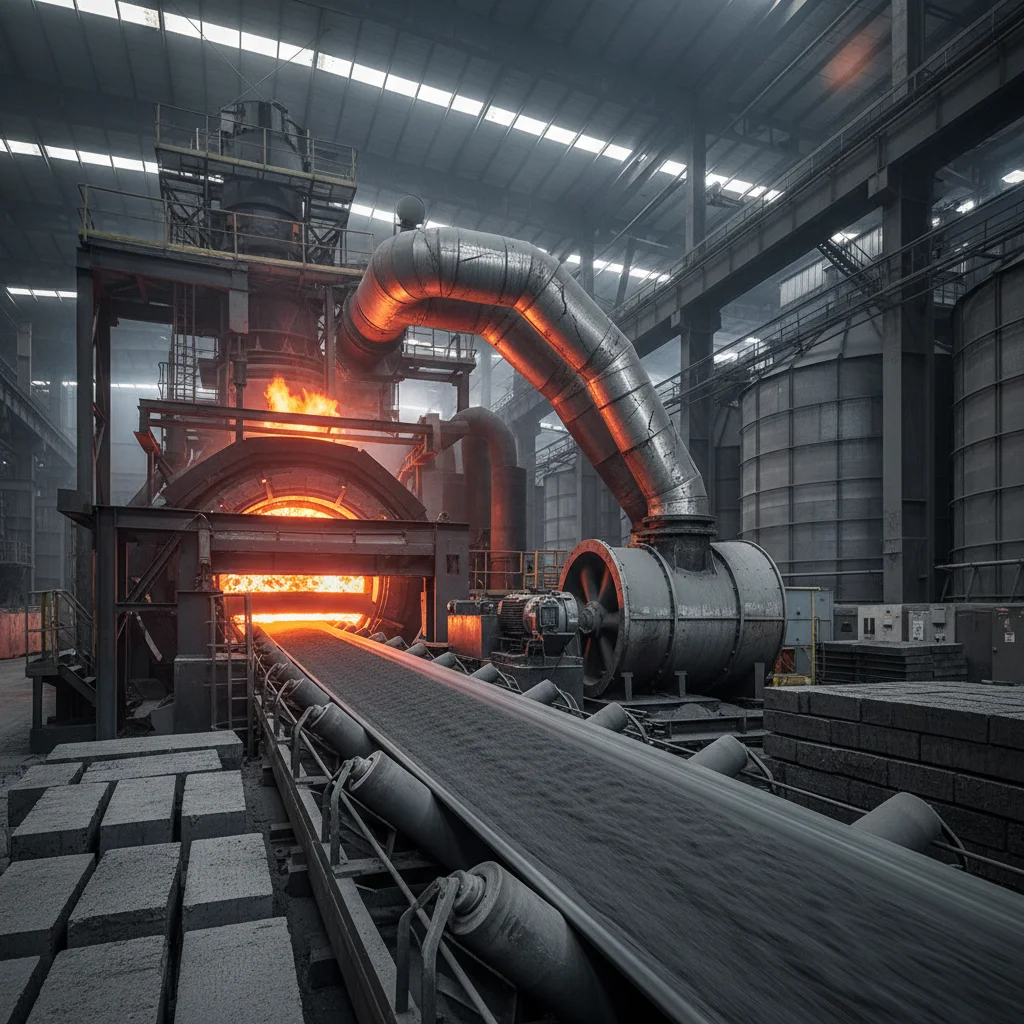
The practical applications of industrial electrodes are incredibly vast and critical across multiple sectors of heavy industry, with their tangible impact demonstrably improving operational efficiency, product quality, and environmental metrics. The most prominent application is undoubtedly in Electric Arc Furnaces (EAFs) for primary and secondary steel production. In a typical 70-ton capacity EAF, using modern UHP electrodes ranging from 500mm to 750mm in diameter, a complete melt cycle can be achieved in approximately 45-60 minutes, consuming about 1.8 to 2.5 kg of electrode per ton of liquid steel. The exceptional thermal conductivity and ability to generate temperatures exceeding 3,000°C enable rapid melting of scrap steel, reducing energy consumption by up to 20% compared to older EAF technologies, and significantly lowering greenhouse gas emissions per ton of steel due to the utilization of recycled materials. Beyond primary steelmaking, electrodes are absolutely indispensable in the production of various ferroalloys, such as ferrosilicon, ferromanganese, and ferrochrome, which are vital deoxidizers and alloying agents in metallurgy. In these submerged arc furnaces (SAFs), electrodes (often of a slightly lower power grade but larger diameter, up to 1800mm) continuously operate under challenging conditions, ensuring stable arc formation and uniform heating of the charge. For example, a modern ferrosilicon plant can produce over 50,000 tons annually, with electrode consumption as a key cost driver, directly impacted by the quality and design of the electrodes. The chemical industry also extensively leverages these electrodes, particularly in phosphorus furnaces and carborundum furnaces, where extremely high temperatures are required for synthesis processes. In a phosphorus furnace, electrodes facilitate the carbothermic reduction of phosphate rock to elemental phosphorus at temperatures around 1500°C, a highly energy-intensive process consuming substantial electrical energy. Each of these diverse applications unequivocally underscores the critical and foundational role of electrodes in enabling high-temperature processes that are essential to modern industrial production, consistently driving efficiency, enhancing product quality, and promoting environmental responsibility across the entire heavy industry spectrum.
Shaping the Future: Custom Graphite Electrode Solutions and Support
The trajectory of the graphite electrode industry is defined by continuous, rapid innovation, increasingly stringent environmental regulations, and the relentless pursuit of operational excellence and cost optimization. Future trends are unequivocally pointing towards the development of electrodes that offer enhanced longevity, even greater energy efficiency, and a significantly reduced carbon footprint throughout their entire lifecycle. Research and development efforts are intensely focused on advanced material compositions, including novel impregnants, sophisticated anti-oxidation coatings, and nano-engineered additives, all meticulously aimed at extending electrode life, lowering consumption rates, and boosting overall furnace performance. The integration of artificial intelligence (AI) and machine learning (ML) in manufacturing processes is also emerging as a transformative force, enabling predictive quality control, optimized production parameters, and even real-time performance monitoring in operational furnaces, further refining electrode reliability and efficiency. Furthermore, sustainability is rapidly becoming a key strategic driver. Manufacturers are actively exploring greener production methods, from sourcing more sustainable raw materials and implementing circular economy principles to optimizing energy usage in graphitization, and developing highly effective recycling strategies for spent electrodes to minimize waste. The emphasis is comprehensively shifting towards not just providing a product, but a holistic solution that includes proactive technical support, sophisticated performance monitoring, and tailored maintenance advice. Partnering with a supplier capable of offering bespoke graphite electrode designs meticulously tailored to specific furnace geometries, operational cycles, and production goals is paramount. Such a partnership transcends a mere transactional relationship; it fosters a deep, collaborative approach to optimizing furnace productivity, minimizing costly downtime, and reducing overall operational expenses while enhancing environmental stewardship. As industries continue to evolve and face new challenges, the demand for high-performance, cost-effective, and environmentally responsible graphite electrode solutions will only intensify. Choosing a provider that demonstrates profound expertise, unparalleled manufacturing flexibility, and an unwavering commitment to continuous innovation will be absolutely crucial for sustained success and competitiveness in the dynamic landscape of heavy industry.
Frequently Asked Questions About Graphite Electrodes
What is a graphite electrode used for?
A graphite electrode is primarily used as a conductor of intense electric current in electric arc furnaces (EAFs) for melting scrap steel, in ladle furnaces for refining steel, and in submerged arc furnaces for producing ferroalloys and other industrial chemicals like phosphorus and calcium carbide. It generates the extreme heat (up to 3000°C) required for these high-temperature metallurgical processes.
What are the main types of graphite electrodes, and what differentiates them?
The main types are Regular Power (RP), High Power (HP), and Ultra High Power (UHP) electrodes. They are differentiated by their electrical resistivity, mechanical strength, thermal shock resistance, and density. UHP electrodes are the most advanced, designed for the highest current densities and most extreme thermal shock conditions in modern EAFs, offering superior performance, higher efficiency, and longer life compared to HP and RP grades.
How are graphite electrodes manufactured, and what is the role of graphitization?
The manufacturing process involves several key stages: crushing and mixing petroleum coke and coal tar pitch, molding the mixture into "green" electrodes, baking (carbonization) at high temperatures, and then graphitization at extremely high temperatures (over 2800°C). Graphitization is crucial as it converts amorphous carbon into a highly ordered crystalline graphite structure, significantly enhancing the electrode's electrical conductivity, thermal shock resistance, and mechanical properties essential for its application.
What specific properties make graphite electrodes ideal for Electric Arc Furnaces (EAFs)?
Key properties include exceptionally high electrical conductivity (to minimize energy loss and maximize heat generation), excellent thermal shock resistance (to withstand rapid temperature changes without cracking), a low coefficient of thermal expansion (for dimensional stability during operation), high mechanical strength (to resist breakage), and good oxidation resistance at high temperatures. These properties allow efficient and reliable operation in the harsh EAF environment.
How does the quality of a graphite electrode impact steel production costs and efficiency?
The quality of a graphite electrode directly impacts steel production costs and efficiency by influencing electrode consumption rates, furnace downtime, and energy usage. Higher quality electrodes (e.g., UHP grades) offer longer service life, less breakage, and more stable arc operation, leading to lower consumption per ton of steel, reduced downtime for electrode changes, and optimized energy utilization. This translates into significant operational savings and increased productivity.
What factors primarily influence the lifespan and performance of a graphite electrode in operation?
Numerous factors influence electrode lifespan and performance, including the electrode's intrinsic quality (grade, density, strength, purity, impregnation), furnace operating parameters (current density, arc length, scrap type, charging practice, oxygen lancing), mechanical handling and connection integrity, and environmental conditions within the furnace (oxidation, chemical corrosion from slag components, dust build-up).
Are there environmentally friendly aspects or sustainability initiatives related to graphite electrode production and use?
Yes, compared to traditional blast furnace steelmaking, EAFs (which rely on graphite electrodes) have a significantly lower carbon footprint per ton of steel, primarily due to their ability to use a high percentage of recycled scrap metal. Furthermore, manufacturers are increasingly focused on improving energy efficiency in their production processes, reducing emissions, optimizing raw material sourcing, and developing effective recycling solutions for spent electrodes to enhance overall sustainability across the industry.