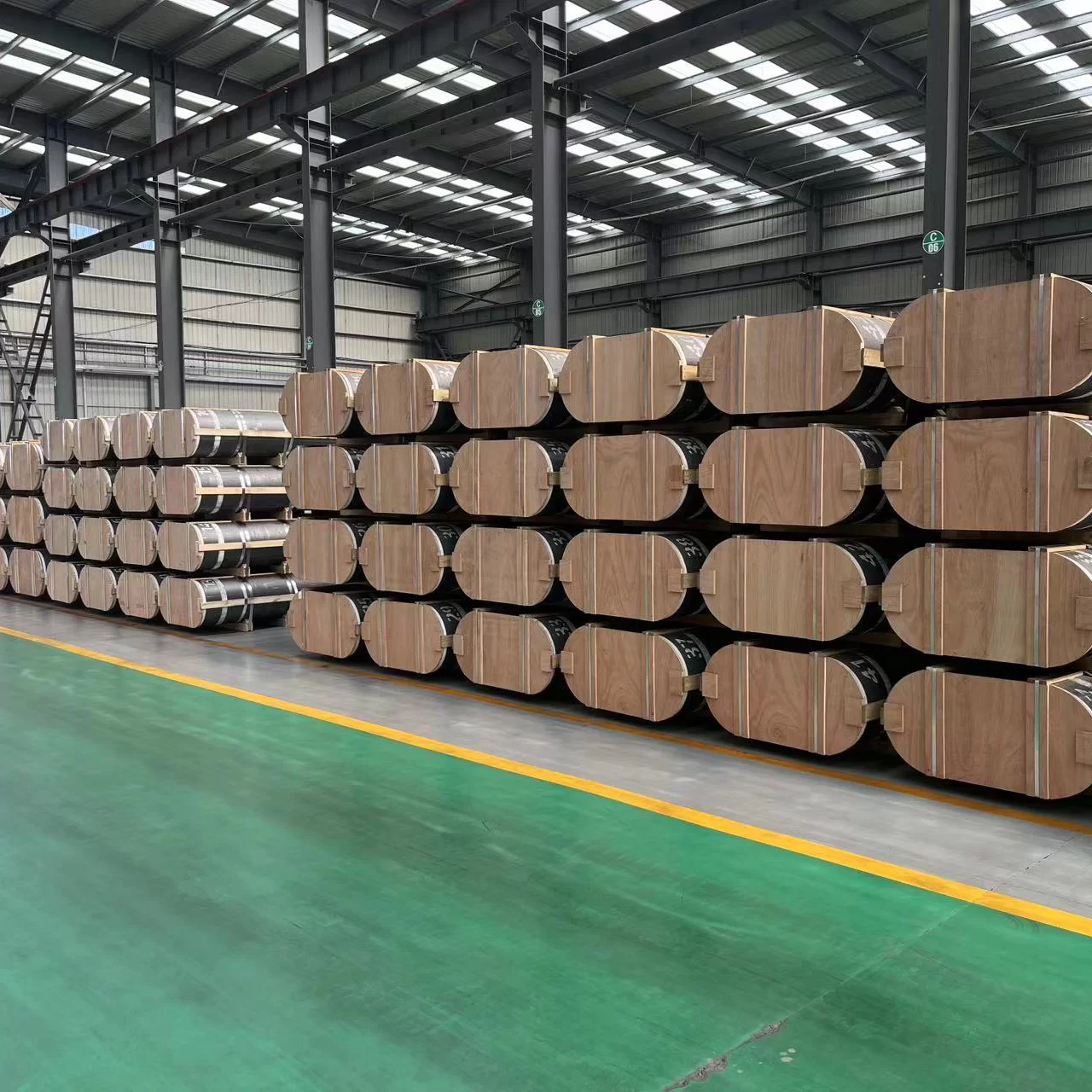
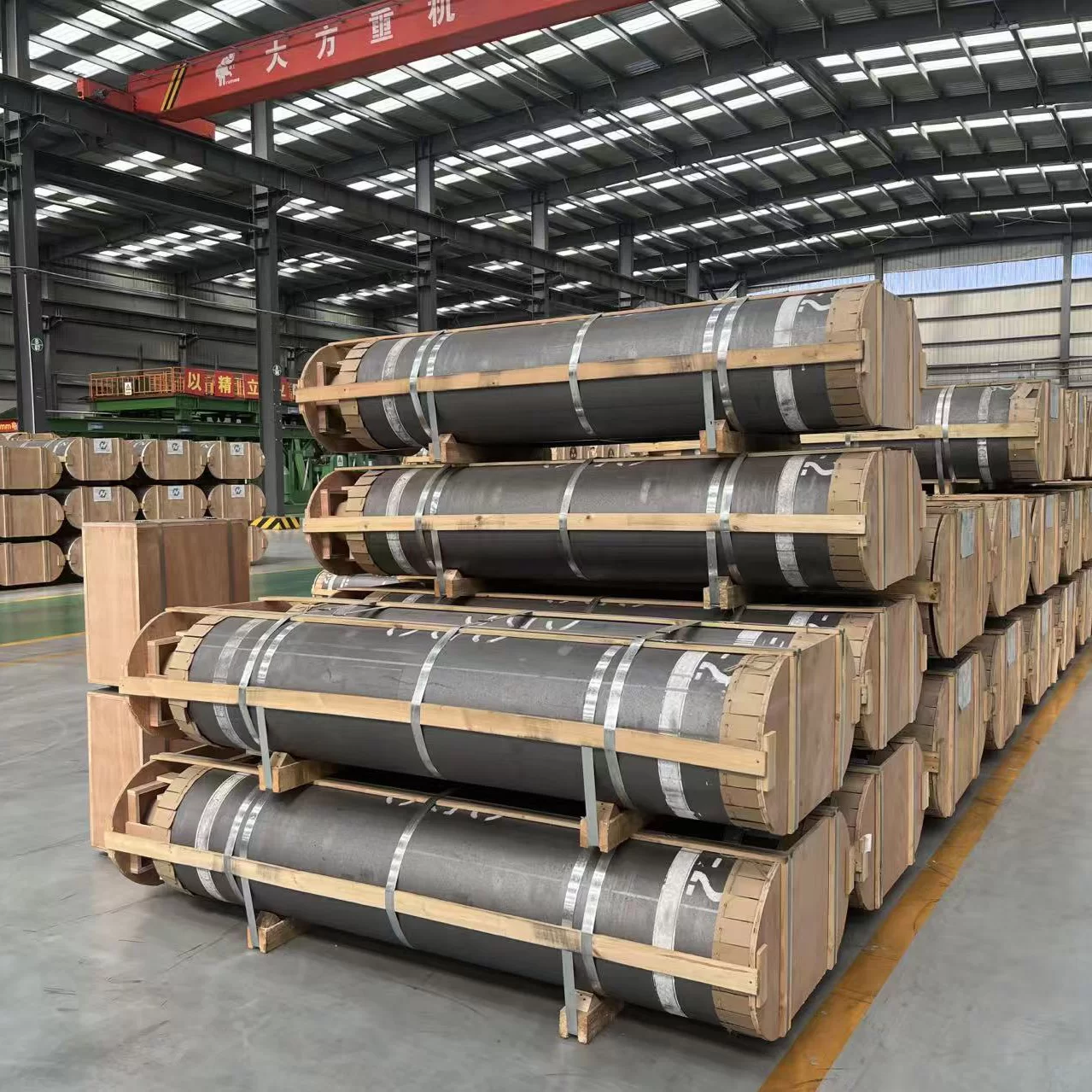
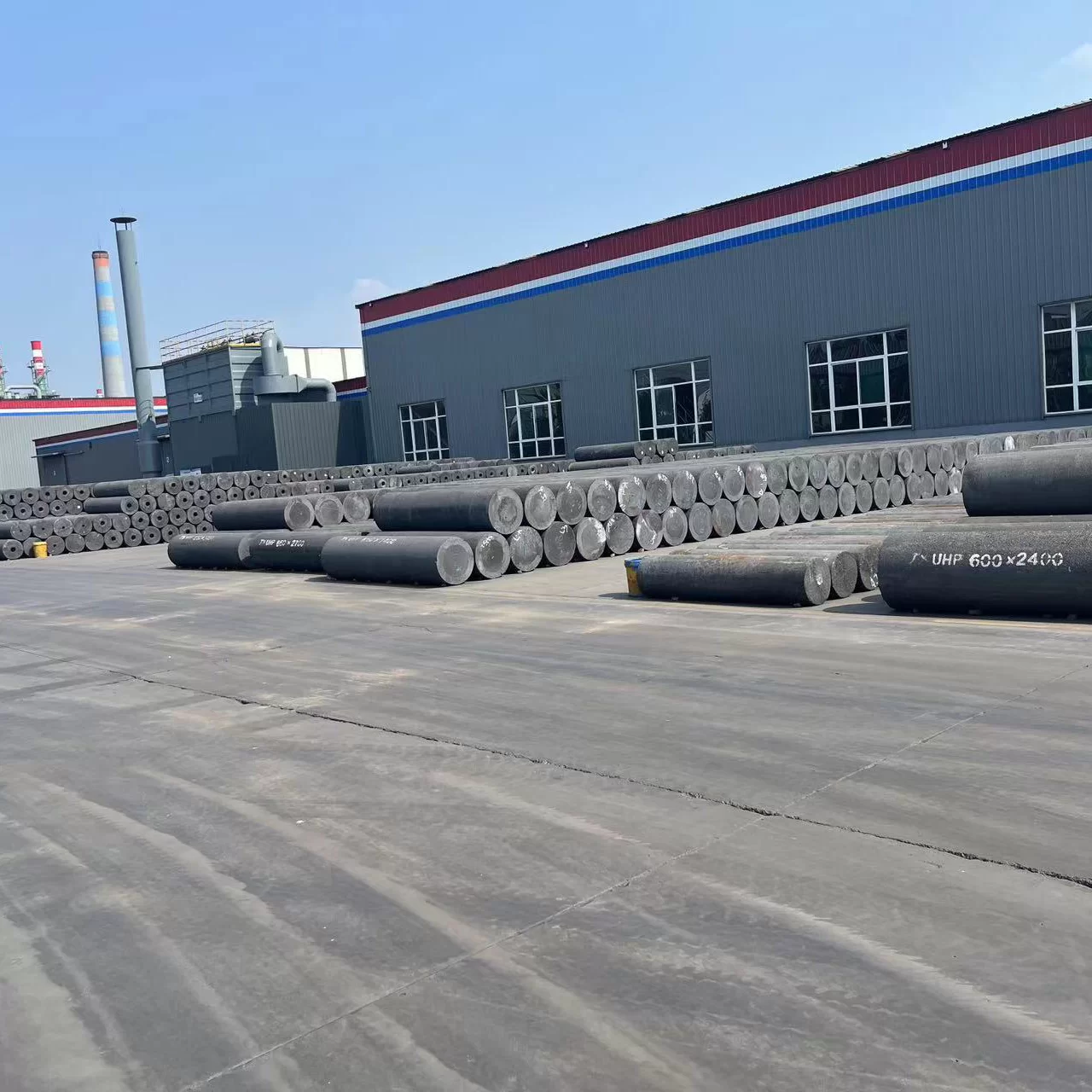
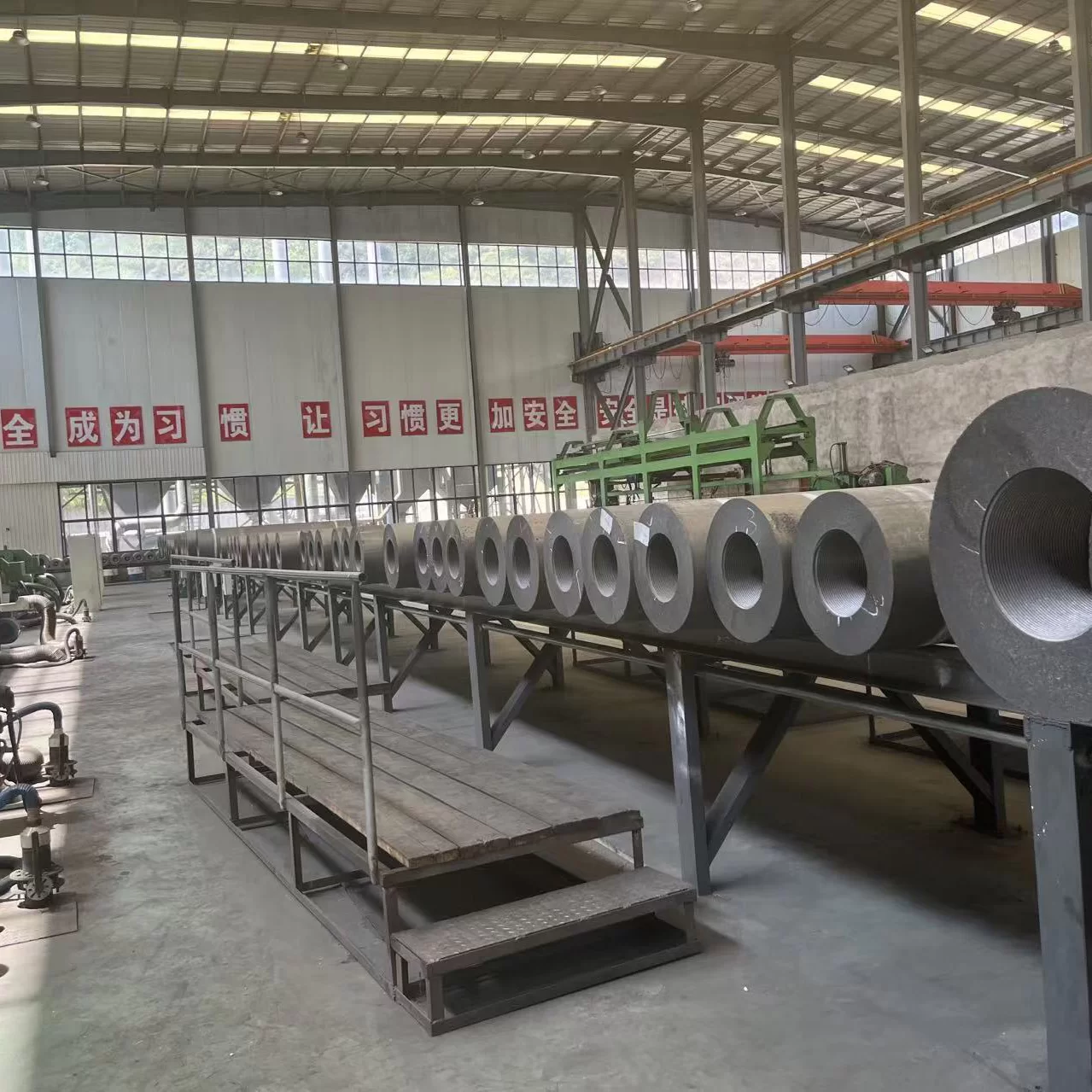
In the relentless march of technological advancement, materials science stands as an indispensable bedrock, and few materials underscore this more profoundly than artificial graphite. Its unique synthesis of properties – unparalleled purity, exceptional conductivity, and remarkable structural integrity – positions it at the forefront of numerous cutting-edge industries. From powering the electric vehicle revolution to enabling the next generation of consumer electronics and ensuring the stability of critical industrial processes, artificial graphite has transitioned from a specialized niche material to a fundamental component. However, the consistent procurement of high-quality artificial graphite is not merely about sourcing a raw material; it is about establishing a strategic partnership with a highly competent artificial graphite supplier. The complexity involved in manufacturing this material, encompassing precise control over feedstock selection, graphitization temperature, and post-processing techniques, means that not all suppliers are created equal. A truly premier supplier offers not just a product, but a promise of consistency, innovation, and reliability that directly translates into superior performance for end-user applications. They understand the intricate demands of various industries, the critical specifications required, and possess the logistical prowess to deliver with precision. This introductory exploration delves into the multifaceted importance of artificial graphite and elucidates why choosing the right supplier is paramount to unlocking its full potential across diverse technological landscapes.
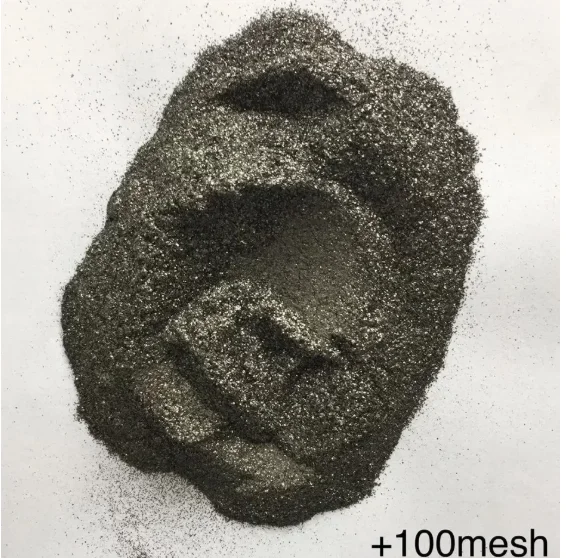
The Data-Driven Surge in Artificial Graphite Demand
The global appetite for artificial graphite is not merely an anecdotal observation; it is a burgeoning trend substantiated by compelling market data and robust industry projections. The primary catalyst for this unprecedented demand lies within the burgeoning rechargeable battery market, particularly for lithium-ion batteries that power electric vehicles (EVs) and portable electronic devices. Recent market analysis projects the global artificial graphite market to expand at a compound annual growth rate (CAGR) exceeding 10% over the next five to seven years, potentially reaching a valuation of over $15 billion. In the EV sector alone, a single battery pack for an average electric car can contain anywhere from 50 to 100 kg of graphite anode material, with artificial graphite often preferred for its superior purity and cycle life stability. Considering forecasts that predict EV sales to constitute over 30% of total vehicle sales by 2030, the scale of future graphite demand becomes staggering. Beyond batteries, significant growth drivers include advancements in 5G technology, which necessitate enhanced thermal management solutions, and the increasing sophistication of aerospace components where lightweight, high-strength materials are critical. Data centers, requiring efficient thermal dissipation, also contribute significantly. For instance, the demand for high-performance thermal interface materials, often utilizing artificial graphite, is projected to surge by approximately 12% annually. This quantifiable impact underscores that artificial graphite is not just facilitating technological progress; it is an indispensable engine driving it, making the strategic sourcing of this material from a capable supplier a critical business imperative for industries worldwide.
Unlocking Performance: The Technical Superiority of Artificial Graphite
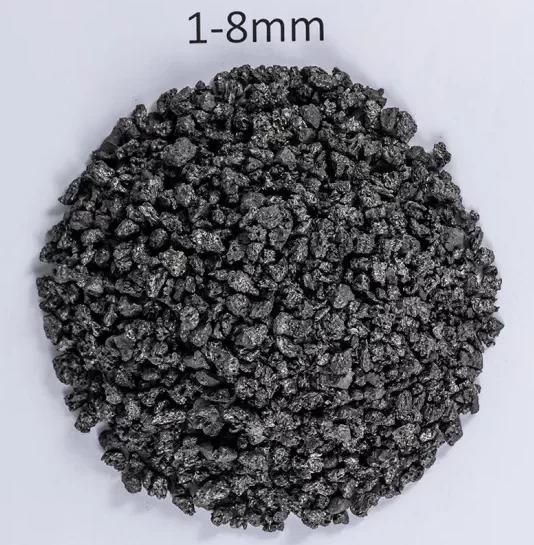
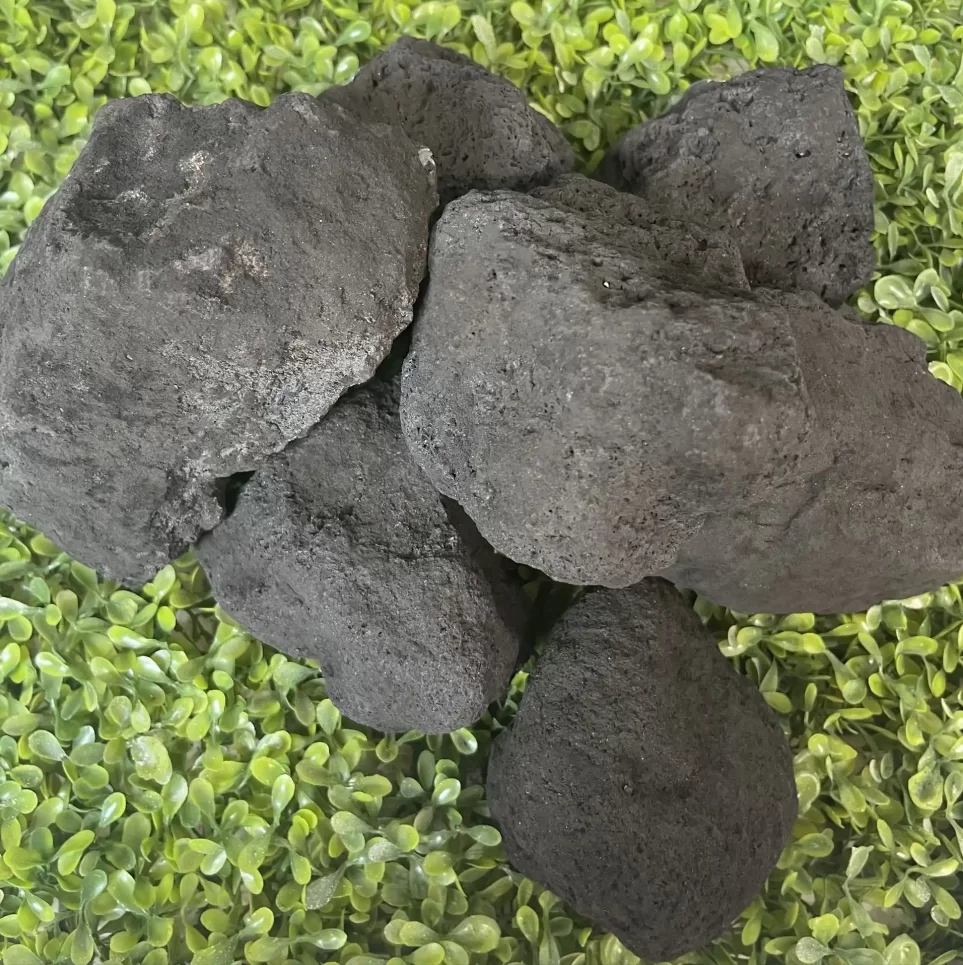
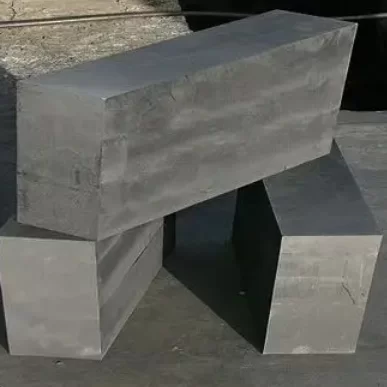
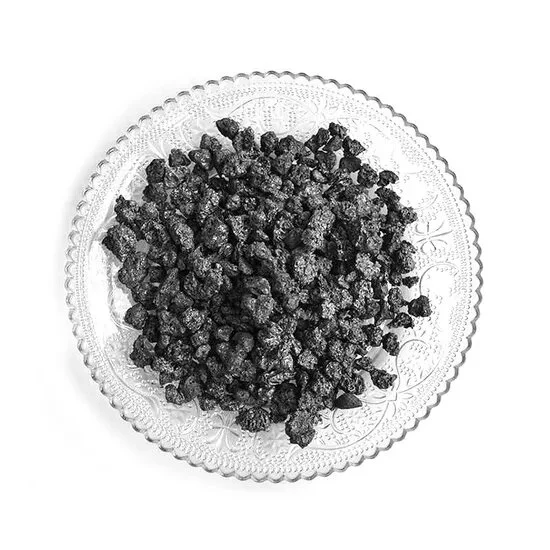
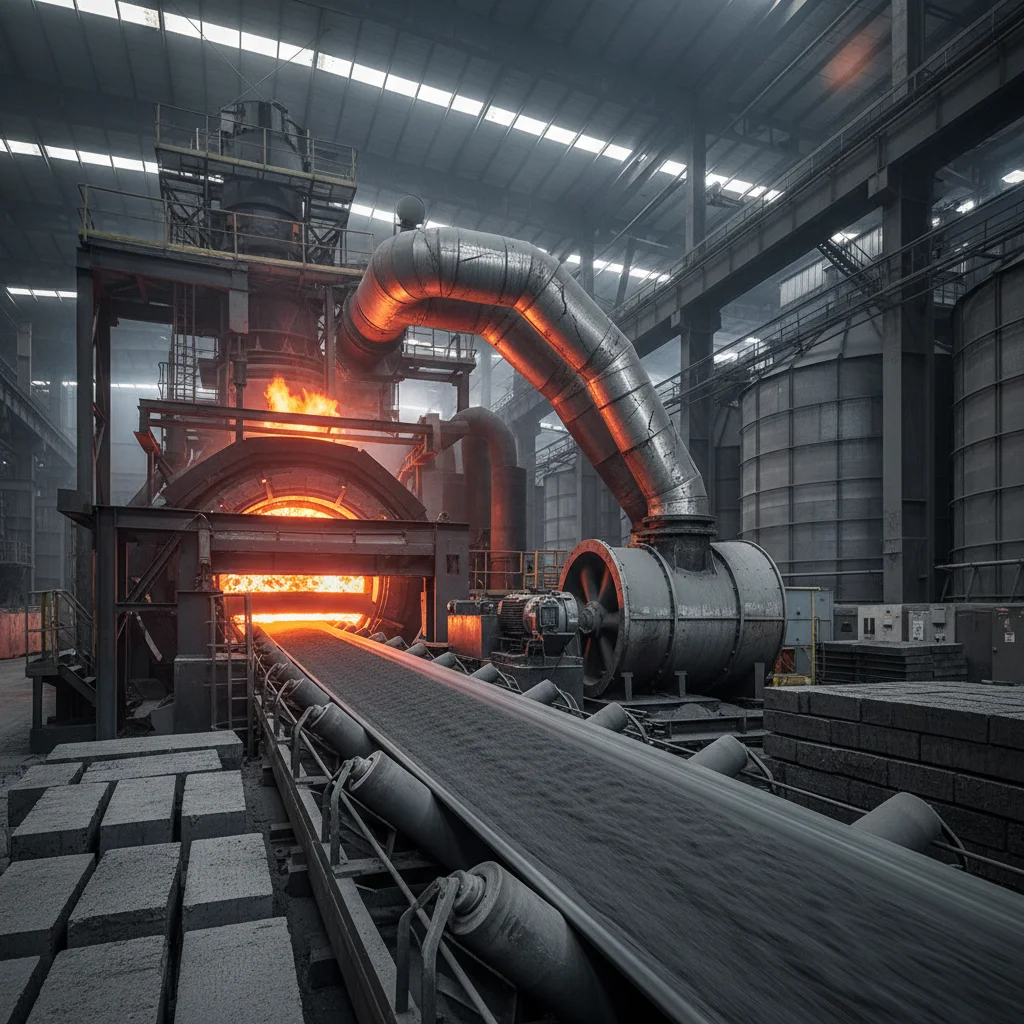
The widespread adoption of artificial graphite across critical high-tech sectors is not coincidental; it is a direct consequence of its inherently superior technical characteristics, which are meticulously engineered during its production. Unlike natural graphite, which is mined and then purified, artificial graphite is synthesized from carbonaceous precursors, typically petroleum coke or coal tar pitch, through an exacting graphitization process involving temperatures exceeding 2500°C. This controlled high-temperature treatment endows artificial graphite with several distinct advantages. Firstly, its purity levels can consistently reach 99.9% or higher, significantly reducing the presence of impurities that can degrade performance, especially in sensitive applications like battery anodes where metallic contaminants lead to unwanted side reactions and capacity fade. Secondly, artificial graphite exhibits exceptional crystalline perfection and a highly ordered layered structure, which translates to superior electrical conductivity (up to 2000 S/cm) and thermal conductivity (exceeding 1500 W/mK for highly oriented grades). These properties are crucial for efficient electron and heat transfer in electronic components and battery systems. Furthermore, its morphology and particle size distribution can be precisely controlled, leading to tailored electrochemical performance—for example, optimizing for fast charging capabilities or maximizing energy density in lithium-ion batteries. The isotropic nature of some artificial graphite types also provides enhanced mechanical strength and dimensional stability, making it suitable for demanding structural applications. The intrinsic consistency and reproducibility of artificial graphite, born from its controlled manufacturing environment, ensures predictable performance across batches, a critical factor for high-volume, high-reliability industrial applications. This level of technical advantage allows manufacturers to push the boundaries of design and performance in their end products.
Strategic Selection: A Comparative Analysis of Artificial Graphite Suppliers
Navigating the global market for artificial graphite requires a discerning approach, as the capabilities and offerings among suppliers can vary significantly. Choosing the right partner is not merely a transactional decision but a strategic one that can profoundly impact product quality, supply chain resilience, and ultimately, market competitiveness. To illustrate the critical differentiators, a comparative analysis table can provide clarity on what truly sets a top-tier supplier apart. While hypothetical, the criteria reflect real-world considerations for buyers.
Feature/Criterion | Tier 1 Supplier (Optimized Performance Partner) | Tier 2 Supplier (Standard Offering) | Tier 3 Supplier (Basic Commodity Provider) |
Purity & Consistency | >99.99% carbon, ultra-low metal impurities, batch-to-batch uniformity guaranteed by advanced QC. | >99.9% carbon, acceptable impurity levels, generally consistent. | >99.5% carbon, some impurity variability, consistency may fluctuate. |
R&D & Innovation | Dedicated R&D team, co-development opportunities, patents, focus on next-gen materials and custom formulations. | Limited R&D, focuses on improving existing products, some customization. | Minimal R&D, focused on cost-effective mass production of standard grades. |
Customization Capability | Extensive customization: particle size, morphology, surface treatment, specific performance profiles for niche applications. | Offers standard modifications, some parameter adjustments within existing production lines. | Limited to no customization, primarily off-the-shelf products. |
Production Capacity & Scalability | Large-scale, redundant production lines, proven ability to scale rapidly for major projects. | Moderate capacity, capable of scaling but potentially with longer lead times. | Limited capacity, best for smaller orders or less critical applications. |
Technical Support & Post-Sale Service | Dedicated technical specialists, on-site support, problem-solving, long-term partnership approach. | Standard customer service, basic technical inquiries handled remotely. | Minimal support, primarily transactional. |
Certifications & Compliance | ISO 9001, ISO 14001, REACH, RoHS, industry-specific certifications (e.g., automotive grade). | Basic ISO certifications. | May lack comprehensive certifications. |
A Tier 1 supplier distinguishes itself through unwavering commitment to quality, a robust R&D pipeline, and the flexibility to meet highly specific client demands. They are not simply vendors but strategic partners who invest in understanding client challenges and co-creating solutions. Choosing such a supplier minimizes risks associated with material inconsistency, enables faster innovation cycles, and ensures a reliable supply chain even in volatile market conditions. For industries operating at the technological cutting edge, the marginal cost difference often pales in comparison to the long-term benefits derived from superior material performance and a resilient supply partnership.
Engineered for Excellence: Custom Artificial Graphite Solutions
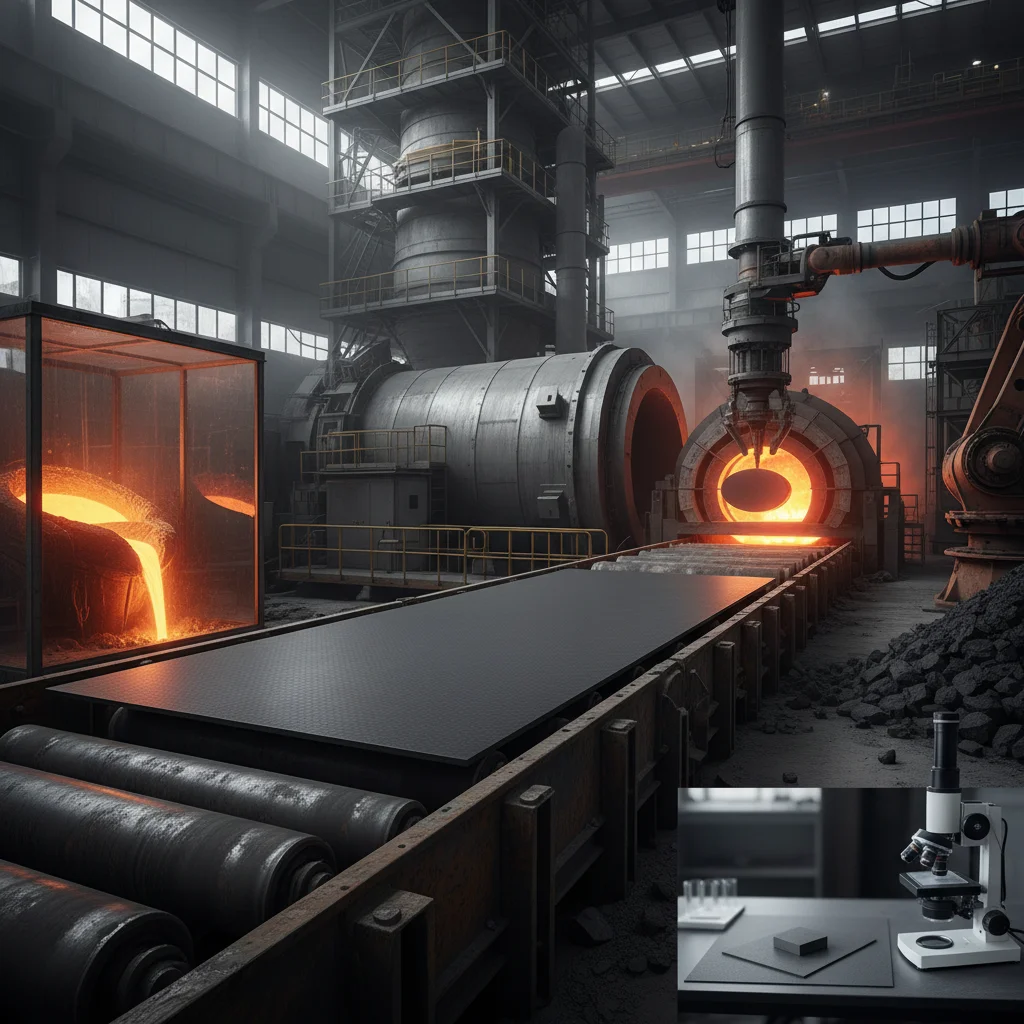
The true power of artificial graphite in modern industry often lies not in its generic availability but in its remarkable capacity for customization. A leading artificial graphite supplier understands that one size rarely fits all when it comes to high-performance materials. Different applications, even within the same industry, can have vastly divergent requirements, necessitating a bespoke approach to material engineering. For instance, in the realm of lithium-ion batteries, a manufacturer designing an anode for an electric vehicle seeking maximum range might prioritize high energy density, requiring a specific particle morphology and surface coating to optimize lithium intercalation capacity. Conversely, a producer focused on ultrafast charging capabilities for power tools or drones would demand a graphite with larger particle sizes and a tailored surface structure to facilitate rapid ion diffusion, even if it slightly compromises energy density. An expert supplier possesses the technological acumen and manufacturing flexibility to engineer these precise distinctions. This includes manipulating raw material precursors, controlling the graphitization temperature and duration to influence crystal structure, and implementing post-treatment processes such as milling, spheronization, and surface functionalization with various carbon coatings or dopants. For thermal management applications in high-power electronics, a custom solution might involve graphite films with anisotropic thermal conductivity, providing preferential heat spreading in one direction. In aerospace, where weight and strength are paramount, tailored artificial graphite composites might be developed to meet stringent structural and thermal load specifications. This deep level of customization is born from a collaborative relationship between the client and the supplier’s R&D teams, enabling the co-creation of materials that perfectly align with the most demanding performance parameters and push the boundaries of what’s technically feasible. It transforms a raw material into a finely tuned component, purpose-built for specific challenges.
Real-World Applications: Artificial Graphite's Transformative Impact
The theoretical advantages of artificial graphite manifest most profoundly in its diverse and impactful real-world applications, serving as a cornerstone for technological advancement across multiple sectors. These case studies underscore the material's versatility and the critical role it plays in shaping modern products and infrastructure.
Electric Vehicle Batteries: Extending Range and Accelerating Charging
Perhaps the most prominent application is its use as the anode material in lithium-ion batteries, which power the rapidly expanding electric vehicle market. In a leading EV manufacturer's flagship long-range model, the integration of precisely engineered artificial graphite anodes contributed significantly to achieving a certified range of over 400 miles on a single charge. The high purity and controlled morphology of the artificial graphite enabled a stable solid-electrolyte interphase (SEI) layer, minimizing irreversible capacity loss over thousands of charge-discharge cycles. Furthermore, for a separate, performance-oriented EV brand, specialized artificial graphite with optimized particle size distribution and a proprietary surface coating allowed for ultra-fast charging capabilities, enabling a 0-80% charge in under 20 minutes. This level of performance directly addresses consumer concerns about range anxiety and charging times, accelerating EV adoption.
Consumer Electronics: Enabling Miniaturization and Enhanced Performance
In the realm of consumer electronics, artificial graphite's excellent thermal conductivity is paramount. Consider a high-end smartphone with a powerful processor and advanced imaging capabilities. Without efficient thermal management, these components would quickly overheat, leading to performance throttling and reduced device longevity. By incorporating ultra-thin artificial graphite sheets as thermal spreaders, heat generated by the CPU and GPU is rapidly and uniformly dissipated across a larger area, preventing localized hotspots. This allows the device to sustain peak performance for longer periods, even during intensive tasks like gaming or 4K video recording, while also enabling thinner, more compact device designs. An analysis showed that using advanced artificial graphite thermal films could reduce the surface temperature of critical components by up to 5-7°C, significantly improving user experience and device reliability.
Industrial Applications: High-Temperature Furnaces and Aerospace Composites
Beyond batteries and electronics, artificial graphite finds critical roles in heavy industry and specialized sectors. In high-temperature vacuum furnaces used for heat treating metals or growing single crystals, artificial graphite heating elements and insulation offer unparalleled performance. Its ability to withstand temperatures exceeding 3000°C in non-oxidizing environments, coupled with excellent thermal shock resistance, ensures the integrity and efficiency of these demanding processes. For example, a manufacturer of superalloys reported a 15% improvement in furnace uptime and reduced maintenance costs after switching to high-density artificial graphite furnace components. In aerospace, artificial graphite fibers and composites are increasingly utilized for their exceptional strength-to-weight ratio and high modulus. These materials are found in satellite structures, missile components, and aircraft braking systems, contributing to reduced fuel consumption and enhanced operational safety. A recent defense project successfully reduced the weight of a critical structural component by 25% while increasing its stiffness by 30% through the strategic incorporation of advanced artificial graphite composite materials, demonstrating its profound impact on mission-critical applications.
Forging Future Innovations with a Trusted Artificial Graphite Supplier
The journey through the intricate world of artificial graphite illuminates its indispensable role in contemporary technology and future innovation. From the burgeoning demand driven by electric vehicles and advanced electronics to its unparalleled technical advantages derived from precise engineering, artificial graphite stands as a cornerstone material. We've explored the critical distinctions among suppliers, highlighting how factors like purity, R&D capabilities, and customization options are not mere features but fundamental drivers of product success. The ability to craft bespoke solutions, tailoring particle morphology, surface chemistry, and physical properties to exact specifications, transforms artificial graphite from a raw material into a finely tuned performance enabler. Real-world case studies further concretize its impact, demonstrating tangible improvements in battery life, device thermal management, and industrial efficiency. As industries continue to push the boundaries of performance, miniaturization, and sustainability, the demand for sophisticated materials like artificial graphite will only intensify. Therefore, the strategic selection of a truly capable and forward-thinking artificial graphite supplier is not merely a purchasing decision; it is a critical investment in innovation, reliability, and sustained competitive advantage. Partnering with a supplier that not only provides superior products but also acts as a collaborative technical ally ensures access to the cutting edge of material science, empowering industries to translate ambitious visions into tangible realities and navigate the complexities of an ever-evolving technological landscape with confidence and proven expertise.
Frequently Asked Questions (FAQ) about Artificial Graphite and Suppliers
Q1: What is artificial graphite, and how does it differ from natural graphite?
A1: Artificial graphite is a synthetic carbon material produced by graphitizing carbonaceous precursors (like petroleum coke or coal tar pitch) at extremely high temperatures (over 2500°C). It differs from natural graphite, which is mined, in its higher purity, more consistent crystalline structure, and the ability to precisely control its morphology and properties during manufacturing, making it ideal for high-performance applications where consistency is critical.
Q2: What are the primary applications of artificial graphite?
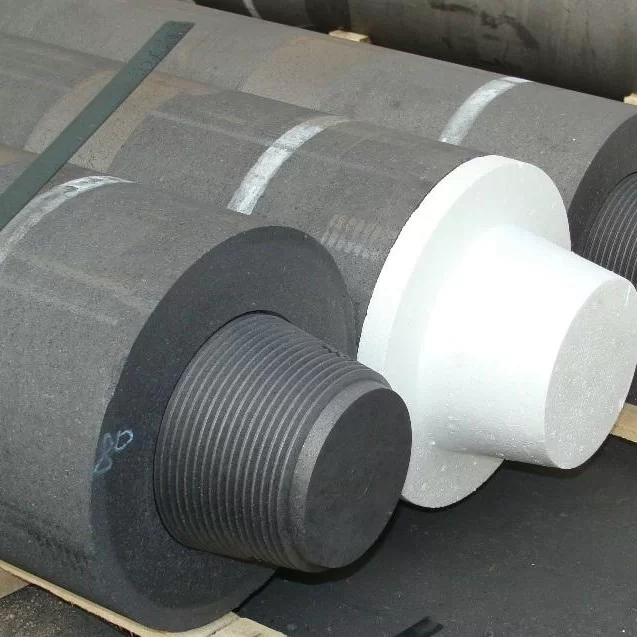
A2: Artificial graphite's primary applications include anode material for lithium-ion batteries (especially in EVs and consumer electronics), thermal management solutions (e.g., graphite films for smartphones and laptops), electrodes for electric arc furnaces, nuclear reactor moderator material, and various specialized aerospace and industrial components requiring high strength, conductivity, and thermal stability.
Q3: Why is purity important for artificial graphite, especially in battery applications?
A3: Purity is paramount because impurities, especially metallic ones, can act as catalysts for unwanted side reactions within lithium-ion batteries. This leads to reduced cycle life, increased self-discharge, and safety concerns. High-purity artificial graphite ensures stable electrochemical performance and extends the lifespan of the battery.
Q4: How can an artificial graphite supplier customize materials for specific needs?
A4: A leading supplier can customize artificial graphite by controlling precursor selection, graphitization conditions, and post-processing techniques. This allows for precise tailoring of particle size distribution, morphology (e.g., spherical, flake), surface area, surface coatings, and even doping to optimize properties like conductivity, density, and electrochemical performance for specific applications.
Q5: What factors should be considered when choosing an artificial graphite supplier?
A5: Key factors include the supplier's consistency in product quality and purity, their R&D capabilities and willingness for co-development, their customization potential, production capacity and scalability, technical support and post-sale service, adherence to industry certifications (e.g., ISO, REACH), and their overall reliability and track record in the market.
Q6: What role does artificial graphite play in the electric vehicle industry?
A6: In the EV industry, artificial graphite serves as the critical anode material in lithium-ion batteries. Its high energy density contributes to longer driving ranges, while its excellent cycle stability ensures battery longevity. Custom-engineered artificial graphite also enables faster charging capabilities, addressing a key consumer concern for EVs.
Q7: Is artificial graphite sustainable?
A7: While artificial graphite production is energy-intensive, advancements in manufacturing processes aim to reduce environmental impact. Furthermore, its role in enabling green technologies like electric vehicles and renewable energy storage contributes significantly to broader sustainability goals by reducing reliance on fossil fuels. Responsible suppliers often invest in energy-efficient production and waste reduction strategies.