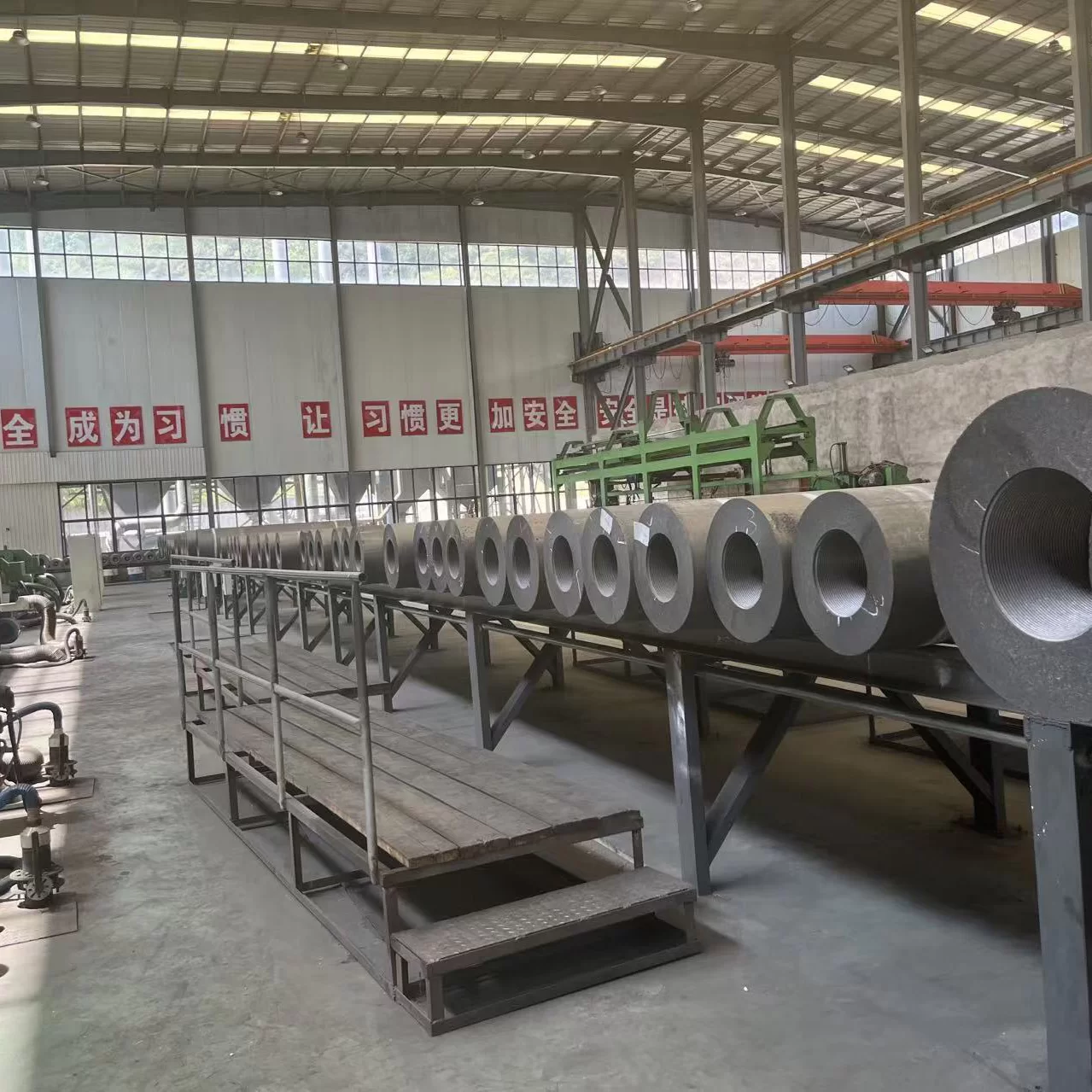
In the relentless pursuit of materials that can withstand extreme conditions and facilitate cutting-edge industrial processes, the graphite block stands as a formidable contender, often overlooked but critically indispensable. Its unique confluence of thermal, electrical, and chemical properties positions it at the forefront of demanding applications across a spectrum of sectors, from high-temperature metallurgy to precision electronics. Imagine a material capable of maintaining structural integrity at temperatures exceeding 3000°C in non-oxidizing environments, resisting corrosive chemicals that would dissolve most metals, and simultaneously conducting electricity and heat with remarkable efficiency. This is the inherent power of the graphite block. Recent market analyses project the global industrial graphite market to reach nearly $30 billion by 2028, underscoring the escalating demand for high-performance carbon materials. This growth is largely driven by burgeoning innovations in electric vehicles, renewable energy storage, and advanced manufacturing techniques, all of which rely heavily on graphite's unparalleled versatility. Far from being a mere carbon derivative, the engineered graphite block represents a sophisticated solution, meticulously manufactured to exacting specifications to meet the rigorous demands of modern industry. Its utility extends beyond basic structural components, serving as a critical element in advanced systems where reliability and performance are paramount. Understanding the nuanced properties and strategic applications of this essential material is key to unlocking further technological advancements and optimizing industrial efficiencies in an increasingly competitive global landscape.
The Unrivaled Technical Superiority of Graphite Materials
The technical advantages of graphite materials are profound, stemming from their unique atomic structure and highly ordered crystalline lattice. At its core, graphite is an allotrope of carbon, arranged in hexagonal layers that allow for exceptional performance characteristics. One of its most celebrated properties is its extraordinary thermal conductivity, often surpassing that of many metals. Unlike metals, which typically lose strength at elevated temperatures, graphite actually gains strength as temperatures increase, peaking around 2500°C. This counterintuitive behavior makes it ideal for furnace linings, heat exchangers, and crucible applications where thermal management is critical. Furthermore, graphite exhibits excellent electrical conductivity, attributable to the delocalized electrons within its layered structure, making it indispensable for electrodes in various electrochemical processes and electric arc furnaces. Beyond its thermal and electrical prowess, graphite possesses remarkable chemical resistance. It is largely inert to most acids, alkalis, and organic compounds, even at elevated temperatures, which allows its use in highly corrosive chemical processing environments. This inertness minimizes contamination and extends the lifespan of critical equipment. Its self-lubricating properties, derived from the weak van der Waals forces between its layers, reduce friction and wear in moving parts, a significant advantage in bearings and seals where traditional lubricants would degrade. From a mechanical standpoint, graphite blocks can be engineered for varying degrees of strength and hardness, exhibiting high compressive strength and dimensional stability. Different grades, such as isotropic graphite, which possesses uniform properties in all directions, and anisotropic graphite, with directional properties, cater to specific application requirements, providing designers with a versatile palette of materials to address complex engineering challenges.
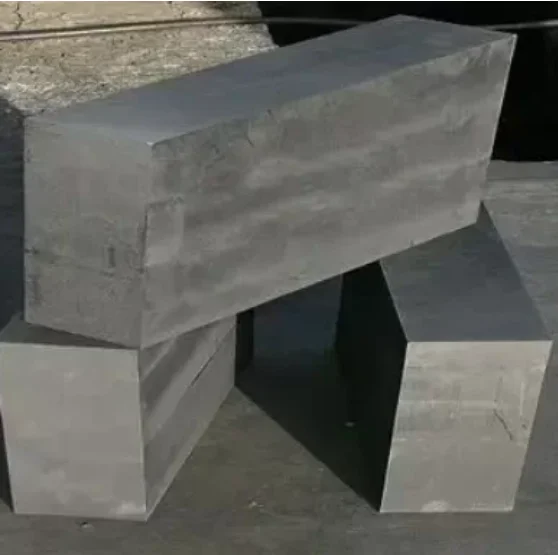
Navigating the Landscape: A Comparative Analysis of Graphite Block Manufacturers
Selecting the right supplier for industrial graphite blocks is a critical decision that profoundly impacts performance, cost-efficiency, and project timelines. The market for graphite materials is diverse, populated by manufacturers with varying specializations, quality controls, and technological capabilities. A superficial assessment can lead to suboptimal material choices, resulting in premature failure, increased operational costs, and compromised product quality. Key differentiating factors among suppliers often include the raw material source, purity levels, manufacturing processes (e.g., extrusion, vibration molding, isostatic pressing), and post-processing capabilities like machining and impregnation. For instance, manufacturers focusing on high-purity, fine-grain isotropic graphite often employ isostatic pressing, which yields superior density and uniform properties critical for semiconductor or nuclear applications. In contrast, those producing larger, coarser-grain blocks for furnace linings might utilize extrusion or vibration molding techniques. Understanding these nuances is paramount. Below is a comparative analysis table illustrating key considerations and performance characteristics across different hypothetical manufacturer profiles or product types, emphasizing the importance of matching supplier capabilities to specific application demands.
Characteristic / Manufacturer Profile | High-Purity Isotropic Graphite Specialist (e.g., for Semiconductors) | General Industrial Extruded Graphite (e.g., for Electrodes) | Carbon-Carbon Composite Manufacturer (e.g., for Aerospace) |
Typical Purity (ppm Ash) | < 5 ppm | 10-100 ppm | < 50 ppm |
Manufacturing Method | Isostatic Pressing, Multiple Impregnations, Graphitization at >2800°C | Extrusion, Single Impregnation, Graphitization at ~2500°C | Chemical Vapor Infiltration (CVI), Liquid Phase Impregnation (LPI) |
Grain Size | Ultra-fine (< 20 µm) | Medium (50-200 µm) | Variable, tailored fiber architecture |
Density (g/cm³) | 1.85 - 1.95 | 1.65 - 1.80 | 1.75 - 2.00 (post-densification) |
Thermal Conductivity (W/m·K) | 100-150 (Isotropic) | 80-120 (Anisotropic) | 80-250 (Anisotropic, highly dependent on fiber orientation) |
Electrical Resistivity (µΩ·m) | 7-10 | 10-18 | 8-25 |
Compressive Strength (MPa) | 80-150 | 40-70 | 150-300 (highly dependent on orientation) |
Typical Applications | Semiconductor susceptors, nuclear reactors, EDM electrodes, crucibles for ultra-pure metals | Electric arc furnace electrodes, continuous casting dies, general furnace components, heat exchangers | Aircraft brakes, missile nose cones, rocket nozzles, re-entry vehicles |
Price Point (Relative) | High | Medium | Very High |
This table highlights that while all are "graphite" in some form, their processing, properties, and suitability for specific tasks vary dramatically. A manufacturer excelling in standard extruded electrodes may not possess the capabilities for ultra-high purity isotropic materials, and vice-versa. Evaluating a supplier must go beyond basic price comparison to include their technical expertise, quality control certifications (e.g., ISO 9001), machining capabilities, lead times, and post-sales support. A thorough vetting process ensures that the chosen material not only meets immediate technical requirements but also contributes to long-term operational success and cost-effectiveness.
Tailored Excellence: Customization and Engineering Solutions for Graphite Blocks
The inherent versatility of graphite is further amplified by the extensive customization and engineering solutions available, transforming a raw material into a precision-engineered component. Standard graphite blocks serve as excellent starting points, but it's the ability to tailor their shape, size, purity, and surface characteristics that truly unlocks their potential in specialized applications. Customization begins with material selection; engineers must choose the appropriate graphite grade – whether it's a fine-grain isotropic material for intricate EDM applications, a coarse-grain anisotropic block for high-current electrodes, or a high-purity variant for nuclear or semiconductor processing. Once the base material is selected, advanced machining techniques come into play. Graphite is relatively soft and can be machined to extremely tight tolerances, often down to microns, using CNC milling, grinding, turning, and even laser cutting. This allows for the creation of complex geometries, intricate internal channels for cooling, precise cavities for casting molds, or highly specialized tooling components. For instance, in continuous casting, graphite dies require not only precise dimensions but also specific surface finishes to optimize metal flow and product quality. Beyond mechanical shaping, surface treatments and impregnations offer additional layers of customization. Impregnating graphite with resins, metals, or inorganic salts can enhance specific properties such as impermeability, hardness, strength, or oxidation resistance. For example, antioxidant coatings can extend the lifespan of graphite components in air at elevated temperatures, while metal impregnation can improve electrical conductivity or wear resistance. Furthermore, the collaboration between clients and graphite material engineers is crucial. This partnership ensures that design specifications are met, material properties are optimized for the intended operational environment, and innovative solutions are developed for unique challenges, pushing the boundaries of what is possible with advanced carbon materials. This iterative process of design, material selection, machining, and treatment ensures that the final customized graphite component performs flawlessly under the most demanding conditions.
Transformative Applications: Real-World Impact of Graphite Blocks Across Industries
The profound impact of graphite blocks is vividly illustrated through their diverse and critical applications across a multitude of industries, where they often serve as unseen heroes facilitating technological advancement. In the metallurgical industry, graphite crucibles and furnace linings are indispensable. They withstand the extreme temperatures (often exceeding 2000°C) required for melting and refining various metals, including steel, aluminum, and precious alloys, without reacting with the molten material, thereby ensuring purity. Similarly, continuous casting dies, made from high-density graphite, enable the precise and efficient formation of metal rods, tubes, and profiles, benefiting from graphite's non-wetting properties and thermal shock resistance. The semiconductor industry relies heavily on ultra-high purity graphite for manufacturing critical components such as susceptors, heating elements, and wafer carriers used in processes like epitaxy and chemical vapor deposition (CVD). Here, the material's low impurity content (often <5 ppm ash), high thermal stability, and uniform thermal distribution are paramount to prevent contamination and ensure the consistent quality of semiconductor devices. In electrical discharge machining (EDM), graphite electrodes are the material of choice for shaping hard metals and alloys into complex forms. Their excellent electrical conductivity, machinability, and low wear rate allow for precise material removal, making them superior to copper electrodes in many applications due to faster machining speeds and reduced costs. The aerospace and nuclear industries demand materials with exceptional performance under extreme conditions. Graphite blocks are used in nuclear reactors as moderators and reflectors, leveraging their ability to slow down neutrons without absorbing them, thereby sustaining the nuclear chain reaction. In aerospace, especially for high-temperature applications like rocket nozzles and thermal protection systems, specialty graphite composites (carbon-carbon composites, C/C) provide unmatched strength-to-weight ratios and thermal shock resistance. Furthermore, in the chemical processing industry, graphite heat exchangers and reactors are utilized for handling aggressive chemicals due to graphite's superior corrosion resistance, proving invaluable in the production of acids, fertilizers, and pharmaceuticals. These examples merely scratch the surface of graphite's utility, underscoring its foundational role in driving innovation and efficiency across industrial sectors.
Ensuring Longevity and Performance: Best Practices and Future Outlook for Graphite Blocks
To maximize the operational lifespan and ensure peak performance of graphite blocks, adherence to best practices in handling, storage, and maintenance is crucial. Despite their robust properties, graphite materials can be brittle, especially fine-grain grades, and susceptible to mechanical shock. Proper handling techniques, including using appropriate lifting equipment and preventing impacts, are essential to avoid chipping or cracking. Storage in a dry, temperature-controlled environment away from direct moisture and corrosive agents helps prevent premature degradation, as some graphite types can absorb moisture, potentially affecting their thermal or electrical properties. Regular inspection for signs of wear, erosion, or oxidation is also vital, allowing for timely replacement or repair, thereby preventing catastrophic failures and minimizing downtime. For specific applications, such as high-temperature furnaces, implementing inert gas purging or protective coatings can significantly extend component life by mitigating oxidation. Beyond current best practices, the future outlook for graphite blocks is vibrant, driven by continuous innovation. Research and development efforts are focused on enhancing material properties, such as increasing oxidation resistance at higher temperatures through novel ceramic coatings or composite structures. Advancements in graphite purification techniques are enabling the production of even higher purity grades, critical for emerging applications in quantum computing and advanced medical devices. Furthermore, the exploration of new manufacturing methods, including additive manufacturing (3D printing) of graphite components, promises to revolutionize design flexibility and reduce production lead times for complex geometries. The increasing global demand for sustainable solutions is also pushing for more energy-efficient production processes for graphite and the development of recycled graphite materials, contributing to a circular economy. As industries evolve and push the boundaries of material science, the graphite block, a material with ancient origins, continues to adapt and innovate, cementing its role as an indispensable component in the technological landscape of tomorrow.
Strategic Sourcing: Partnering for Optimal Graphite Block Solutions
The journey from concept to successful implementation in any high-stakes industrial environment is fundamentally supported by reliable and high-performance materials. For applications demanding extreme thermal stability, electrical conductivity, chemical inertness, or precise machinability, the selection and sourcing of the right graphite block are non-negotiable. It's not merely about acquiring a carbon material; it's about securing a meticulously engineered component that integrates seamlessly into complex systems, enhancing efficiency and ensuring longevity. A strategic partnership with a reputable graphite manufacturer transcends a transactional relationship, evolving into a collaborative effort focused on delivering optimal solutions. Such a partnership provides access to deep technical expertise, allowing for the co-development of custom solutions that address unique operational challenges. This involves rigorous material selection, advanced prototyping, and stringent quality control throughout the manufacturing process. The ability of a supplier to not only provide a high-quality graphite block but also offer comprehensive engineering support, including design consultation, material characterization, and after-sales service, becomes a pivotal factor in long-term success. Investing in superior quality graphite blocks from a trusted source ultimately translates into reduced operational risks, decreased maintenance costs, and enhanced overall system performance, solidifying its position as a critical enabling technology across diverse industrial sectors. Choosing wisely in the realm of graphite materials is not just a procurement decision; it is a strategic investment in reliability, innovation, and future industrial leadership.
Frequently Asked Questions about Graphite Blocks
Q1: What is a graphite block and what are its primary uses?
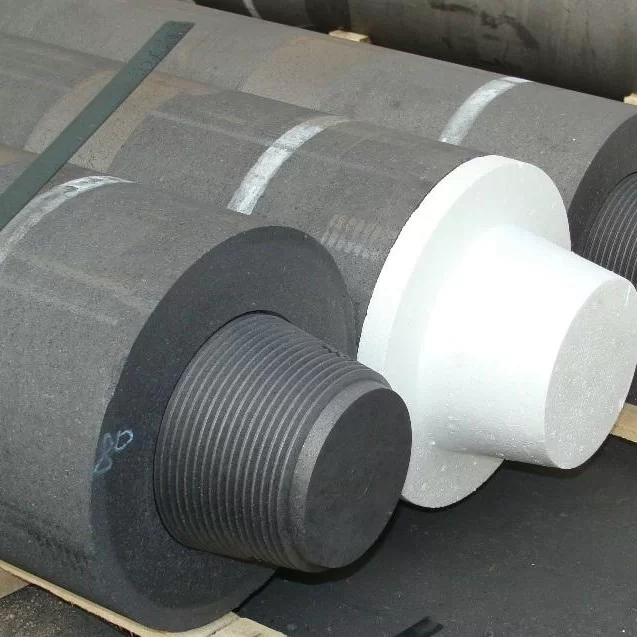
A graphite block is a solid piece of industrial graphite, an allotrope of carbon, renowned for its exceptional properties. Its primary uses span various high-demand applications including electrodes for electric arc furnaces, crucibles and molds for metallurgy, components in nuclear reactors (moderators, reflectors), susceptors and carriers in semiconductor manufacturing, heat exchangers in corrosive chemical environments, and EDM (Electrical Discharge Machining) electrodes for precision shaping of hard metals.
Q2: Why is graphite preferred over other materials for high-temperature applications?
Graphite is preferred for high-temperature applications due to several unique properties. It exhibits exceptional thermal stability, maintaining structural integrity at temperatures exceeding 3000°C in non-oxidizing atmospheres. Unlike many metals, its strength actually increases with temperature up to a certain point. It also possesses excellent thermal shock resistance, low thermal expansion, and is non-wetting to most molten metals, preventing contamination and degradation in extreme heat.
Q3: What is the difference between isotropic and anisotropic graphite blocks?
The difference lies in their physical properties across different directions. Isotropic graphite has uniform properties (e.g., thermal expansion, strength, electrical resistivity) in all directions due to its manufacturing process (typically isostatic pressing) which results in a random orientation of graphite grains. Anisotropic graphite, often produced by extrusion or vibration molding, has properties that vary depending on the direction relative to the manufacturing axis, making it stronger or more conductive in specific orientations.
Q4: How is the purity of a graphite block measured and why is it important?
The purity of a graphite block is typically measured by its ash content, expressed in parts per million (ppm). Techniques like ICP-OES (Inductively Coupled Plasma Optical Emission Spectrometry) are used for precise measurement. Purity is critically important, especially in semiconductor, nuclear, and high-purity metal applications, because even trace impurities can lead to contamination, defects, or compromised performance of the final product or process.
Q5: Can graphite blocks be customized for specific industrial needs?
Absolutely. Graphite blocks are highly customizable. They can be precisely machined using CNC techniques to achieve complex geometries, tight tolerances, and specific surface finishes. Furthermore, properties can be enhanced through various impregnations (e.g., with resins, metals, or ceramic coatings) to improve impermeability, hardness, strength, or oxidation resistance, tailoring the material exactly to the demands of a specific application.
Q6: What are the key factors to consider when selecting a supplier for graphite blocks?
Key factors include the supplier's reputation and experience, their quality control certifications (e.g., ISO 9001), the purity and grade of their graphite materials, their manufacturing capabilities (e.g., machining, impregnation), consistency of product, lead times, technical support, and pricing. It's crucial to match the supplier's specialization with your specific application requirements to ensure optimal performance and cost-effectiveness.
Q7: What is the lifespan of a typical graphite block component?
The lifespan of a graphite block component varies significantly depending on the application, operating conditions (temperature, atmosphere, chemical exposure, mechanical stress), and the specific grade of graphite used. In highly aggressive environments, components might need replacement annually, while in less demanding roles or with proper protective measures (like antioxidant coatings), they can last for many years. Regular inspection and adherence to best practices in handling and maintenance are crucial for maximizing lifespan.