Understanding 1g3 Graphite: Why It Matters in Today’s Industrial Landscape
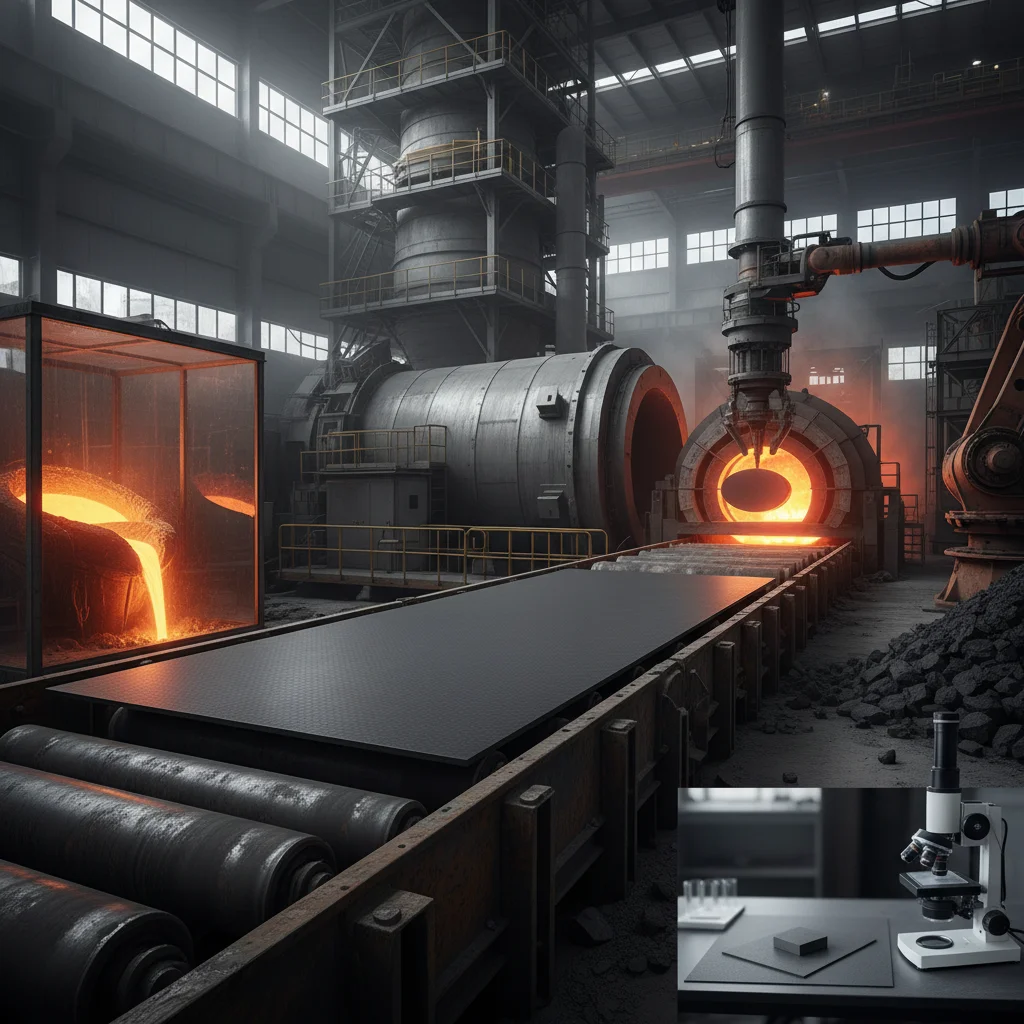
If you’ve ever wondered about the subtle yet powerful materials shaping modern industry, 1g3 graphite deserves a closer look. It’s more than just a fancy carbon compound — it’s edging its way into sectors from electronics to environmental tech. Globally, industries are chasing materials that balance performance, durability, and cost-effectiveness, and 1g3 graphite fits right into that niche.
With supply chains spanning continents and manufacturers demanding ever more precise materials, knowing what 1g3 graphite brings to the table can unlock new efficiency levels. So why does this form of graphite get the spotlight? Because it delivers on multiple fronts essential to current manufacturing challenges, such as thermal management and electrical conductivity, while being relatively eco-friendly.
Mini Takeaway: 1g3 graphite is a versatile material gaining traction globally for its unique properties that meet industry demands for sustainability and enhanced performance.
The Global Context: A Material Built for the Challenges of Our Era
Globally, graphite ranks among the top materials for use in batteries, lubricants, and even nuclear reactors, according to the Wikipedia page on Graphite. The surge in electric vehicles and renewable energy tech has pushed demand even higher.
Specifically, 1g3 graphite — a grade known for its uniform particle size and purity — is helping manufacturers overcome traditional problems like uneven thermal dissipation or inconsistent electrical conductivity. You might call it a “problem solver” for materials engineers; it’s a way to achieve high performance without scaling costs through exotic or rare materials.
Yet, the industry still faces challenges like fluctuating raw material availability and refining processes that need to be optimized for large-scale application. This is where the steady supply and repeatable quality of 1g3 graphite become crucial assets.
Mini Takeaway: The rise of sustainable energy and electronics globally underscores the growing importance of reliable materials like 1g3 graphite to keep innovation on track.
Defining 1g3 Graphite: What Exactly Is It?
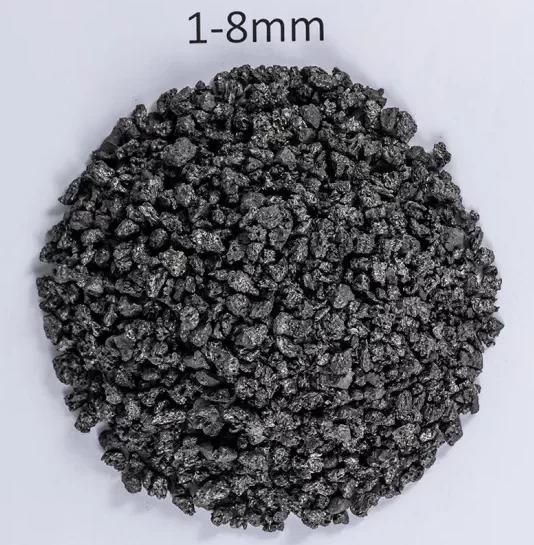
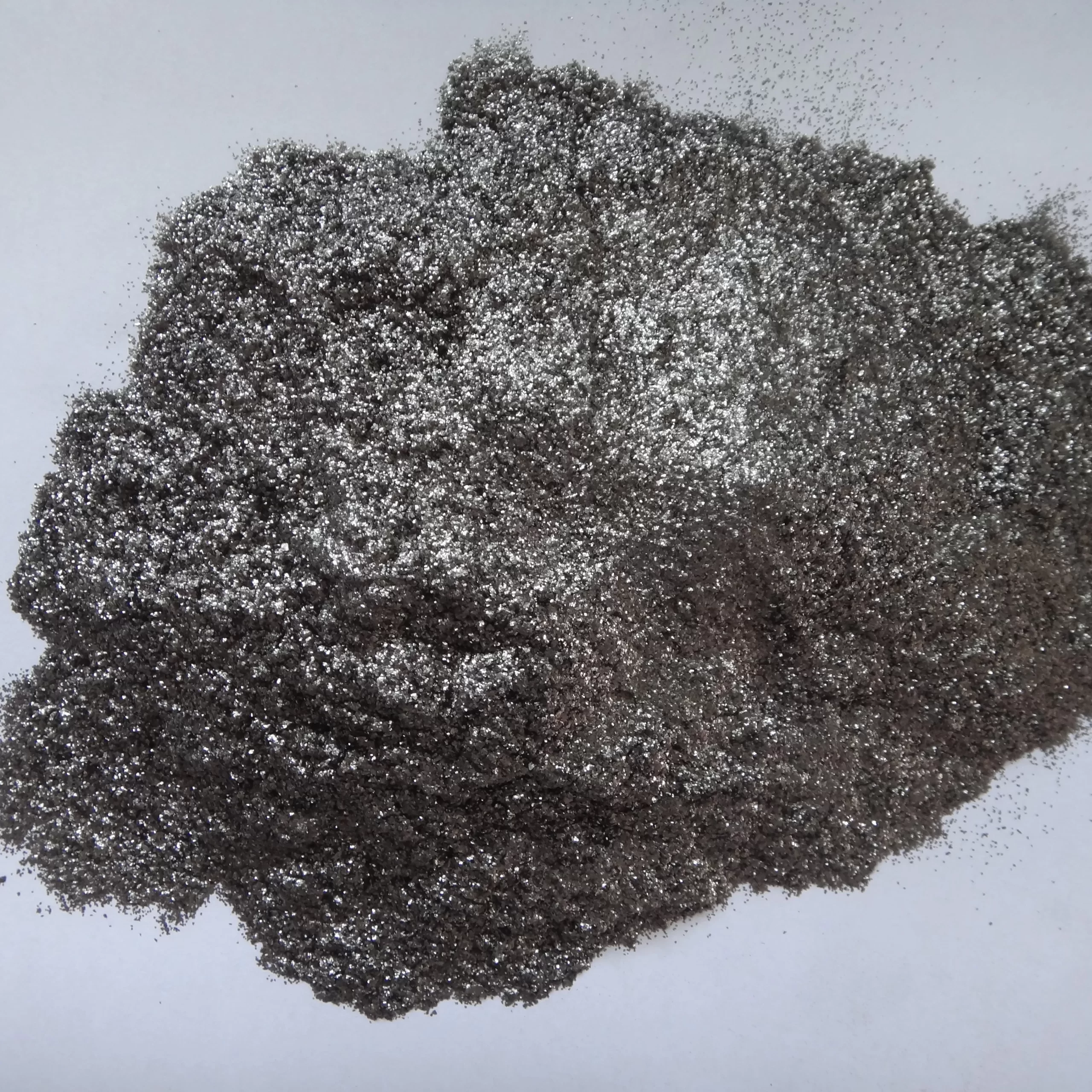
1g3 graphite is a commercial grade of graphite characterized mostly by its purity level—typically 99.95% carbon—and a uniform granule size of about 1 to 3 microns. In simpler terms, think of it as high-quality, ultra-fine graphite powder optimized for consistent performance in technical applications.
Its close connection to modern industry lies in how this material behaves under heat and electricity. Because of its orderly crystalline structure and purity, 1g3 graphite can conduct electricity and heat better than many other carbon forms. It’s also incredibly stable, which makes it useful for things that need to “perform” reliably, from battery electrodes to aerospace parts.
In humanitarian efforts, for example, the availability of such materials supports mobile energy solutions and portable electronics vital in remote or crisis-hit regions, adding a humanitarian twist to a tech story.
Core Attributes Making 1g3 Graphite a Top Choice
1. Purity and Consistency
The near-perfect purity means fewer contaminants that could hamper conductivity or thermal efficiency. This results in predictable behavior — a crucial factor for engineers designing sensitive components.
2. Thermal Conductivity
Roughly 130-150 W/m·K, 1g3 graphite dissipates heat well, making it ideal for heat sinks and batteries. It protects delicate electronics from overheating, which is a real headache otherwise.
3. Electrical Conductivity
Its ability to conduct electric current efficiently is a backbone for lithium-ion batteries and electrodes in fuel cells.
4. Chemical Stability
Graphite doesn’t corrode or react easily in normal conditions, which boosts the longevity of the products it’s used in — think long-lasting industrial parts or rechargeable batteries with extended lifespans.
5. Mechanical Strength
While not “metal-strong,” its structural resilience when combined with composites is surprisingly high, enabling custom designs in high-tech machinery.
6. Scalability and Availability
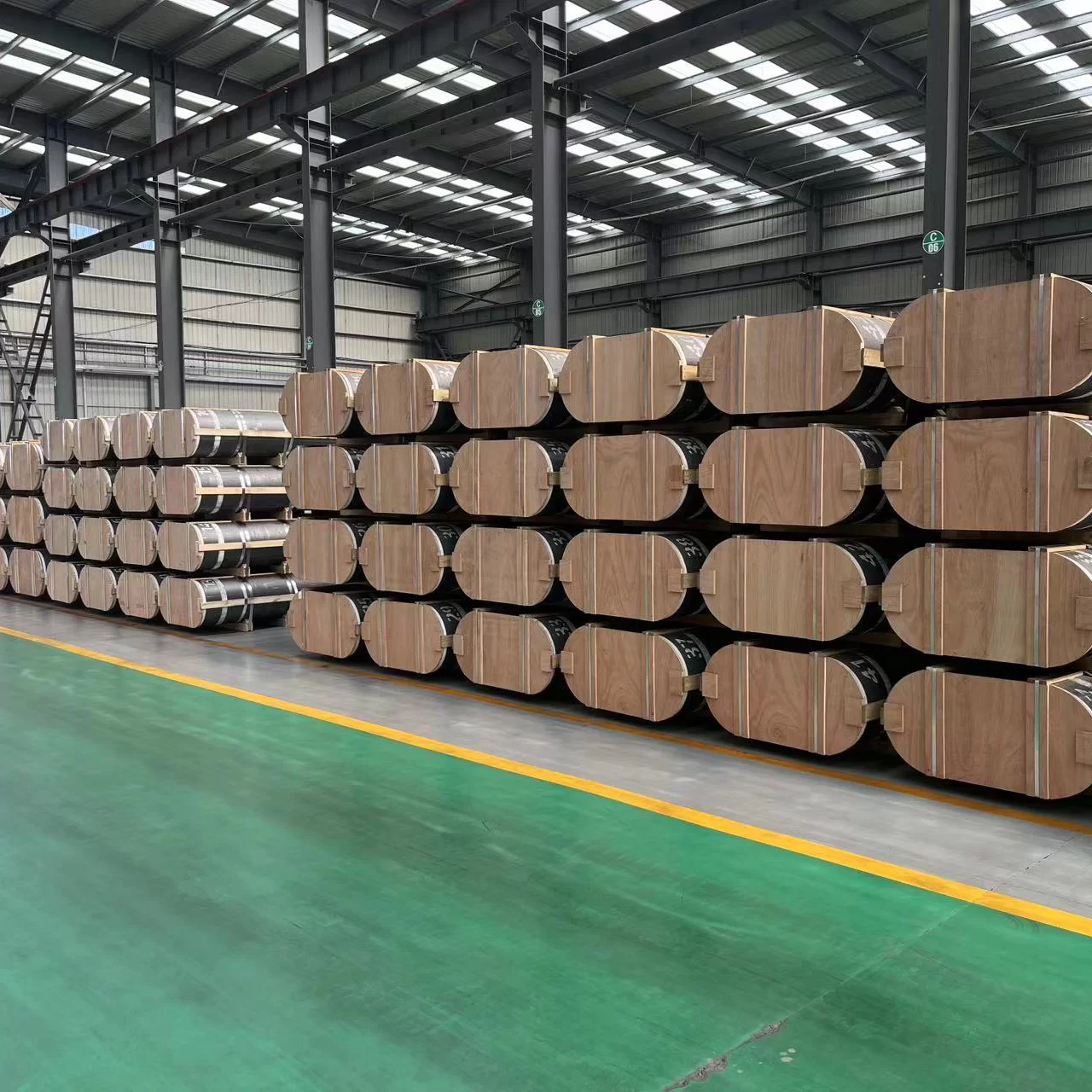
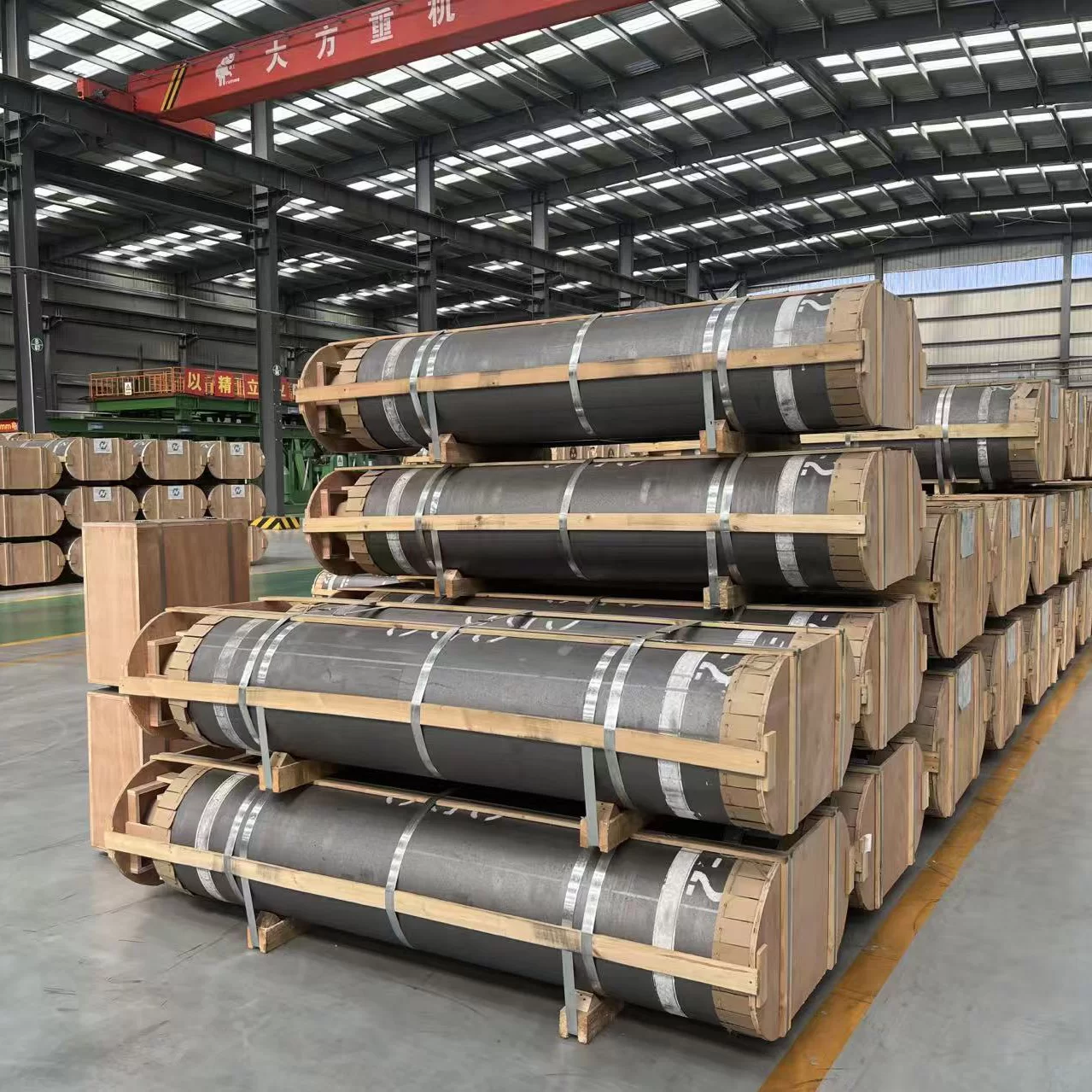
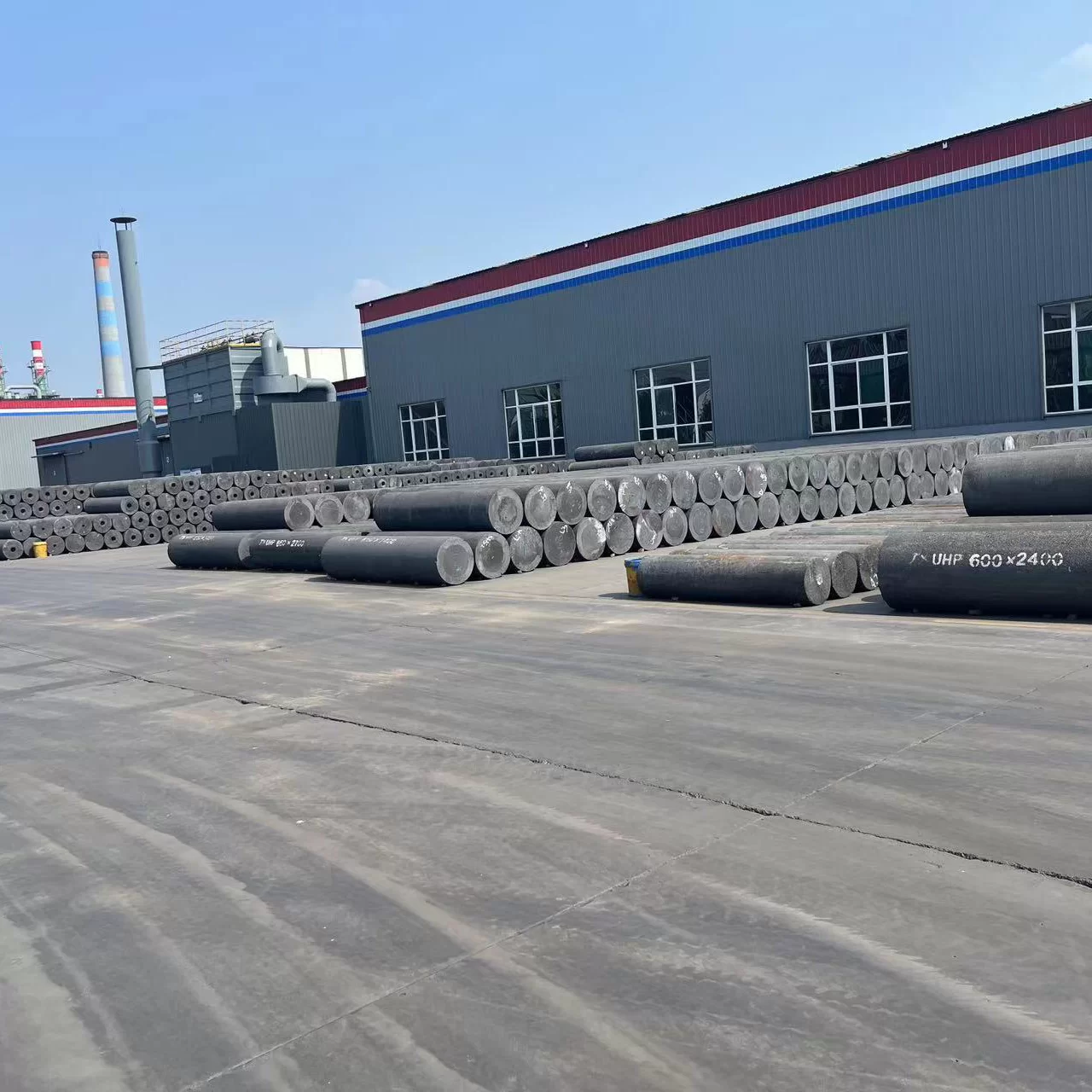
1g3 graphite production can scale to meet industrial demands without losing quality — always a plus when planning big projects.
Mini Takeaway: These core qualities combined mean that 1g3 graphite hits the sweet spot between performance, price, and reliability for multiple cutting-edge uses.
Where Does 1g3 Graphite Fit? Global Applications and Use Cases
From Asia’s booming electronics hubs to remote renewable energy farms in Africa, 1g3 graphite enables a bevy of real-world solutions:
- Battery Manufacturing: Used in anodes for lithium-ion batteries powering everything from smartphones to electric cars.
- Thermal Management: Incorporated in heat spreaders and cooling systems in data centers and aerospace components.
- Industrial Lubricants: Its powder form serves as a dry lubricant where liquid options fail, such as in high-vacuum or extreme temperature environments.
- Environmental Tech: Plays a role in filters and electrodes for water purification and carbon capture initiatives.
- Disaster Relief & Remote Areas: Supplies portable energy storage solutions, vital for off-grid medical or communications equipment.
For instance, a telecom provider in South America recently shared how switching to 1g3 graphite-enhanced components improved their system reliability in humid conditions spectacularly.
Advantages and Long-Term Value of Using 1g3 Graphite
The advantages are tangible and extend beyond raw performance. Cost-wise, 1g3 graphite is competitive with other advanced carbon forms, particularly when factoring in its quality consistency that reduces waste during manufacturing.
From a sustainability standpoint, it causes less environmental harm compared to synthetic alternatives and supports recycling efforts due to its chemical stability.
Socially speaking, its stable supply and superior properties help foster innovations that improve people’s safety and dignity — electric vehicles reduce pollution, better batteries power essential medical devices, and so forth.
Frankly, many engineers say having such a dependable, multi-use material in their toolkit builds a foundation of trust between R&D teams and their clients.
Product Specification Table: Quick Glance at Typical 1g3 Graphite Specs
| Specification | Typical Value | Units |
|---|---|---|
| Carbon Purity | 99.95% | |
| Particle Size | 1-3 | Microns |
| Thermal Conductivity | 130-150 | W/m·K |
| Electrical Conductivity | ~1.5×10⁴ | S/m |
| Moisture Content |
Vendor Comparison: Navigating Your Options for 1g3 Graphite Supply
| Vendor | Purity (%) | Price per kg (USD) | Delivery Speed | Custom Packaging |
|---|---|---|---|---|
| Dah Carbon | 99.95 | 25 | 3-5 days | Yes |
| CarbonTech Ltd. | 99.9 | 23 | 5-7 days | Limited |
| PureGraphite Inc. | 99.8 | 20 | 7-10 days | No |
Looking Ahead: Emerging Trends and Innovations in 1g3 Graphite
Innovation never sleeps, and 1g3 graphite is no exception. Researchers are exploring blending it with nanomaterials for enhanced conductivity or combining it with biodegradable binders to push sustainability further. Automation of sorting and refining processes promises better batch-to-batch uniformity.
The rise of green energy initiatives hinges partially on materials like 1g3 graphite optimizing battery technology, a crucial link in the chain toward zero emissions. Digital transformation inside manufacturing plants uses real-time data to tweak materials with micro-level precision.
Oddly enough, these trends can make us reconsider where “simple” industrial materials fit in the modern world — it’s exciting to see a centuries-old element like graphite transform alongside cutting-edge tech.
Challenges & Solutions: Navigating the Gaps
Like any industrial material, 1g3 graphite has its quirks. For example, achieving ultra-high purity on a large scale can be tricky and costly. Supply chain disruptions sometimes cause bottlenecks in procurement.
However, advances in purification technology—such as microwave-assisted processing—and establishing local supply hubs help ease these constraints. Companies like Dah Carbon (source) are increasingly flexible with packaging and logistics, which smooths international delivery.
From an application perspective, adapting 1g3 graphite composites for harsher environments occasionally calls for partnering quartz or ceramic additives to boost toughness — an approach gaining momentum.
FAQ: Your 1g3 Graphite Questions Answered
- Q: What makes 1g3 graphite different from other graphite powders?
A: Its name refers to the 1-3 micron particle size range and ultra-high purity (~99.95%). This consistency improves conductivity and thermal management compared to coarser or lower-grade powders. - Q: How long can products using 1g3 graphite last in harsh environments?
A: Thanks to chemical stability and thermal resilience, 1g3 graphite-based components can last years under demanding conditions, especially when combined with protective composites. - Q: Is 1g3 graphite environmentally friendly?
A: Compared to synthetic alternatives, it requires less energy to process and can be recycled easily, making it a greener choice in many applications. - Q: Can NGOs easily procure 1g3 graphite for relief projects internationally?
A: Yes. Reliable vendors like Dah Carbon offer custom logistics and packaging to support international shipping, which helps NGOs get materials quickly to where they’re needed most.
Wrapping It Up: Why 1g3 Graphite Deserves Your Attention
Taking it all in, 1g3 graphite emerges as a quietly powerful enabler for innovation, sustainability, and reliability in multiple industries worldwide. Its blend of purity, performance, and accessibility supports everything from high-tech electronics to green energy solutions. If you’re exploring advanced materials for your next project, it definitely pays to consider the combination 1g3 graphite offers.
For more details or inquiries, don’t hesitate to visit our website: https://www.dahcarbon.com. The future, as always, is something we build stone by stone — or rather, micron by micron.
References:
1. Wikipedia: Graphite
2. International Organization for Standardization (ISO). Graphite standards.
3. UN Environment Programme reports on materials sustainability.