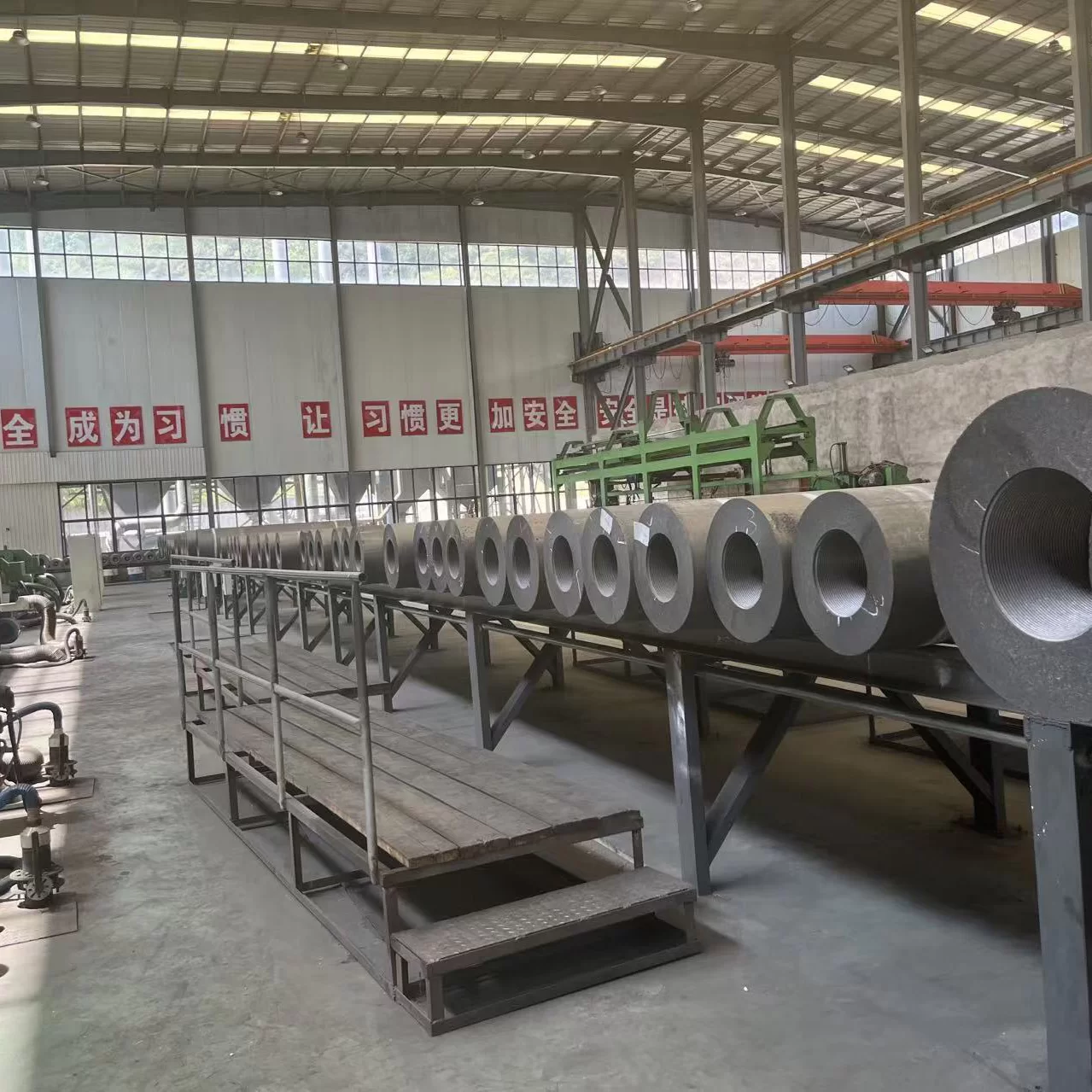
Understanding Carbon Hollow Graphite: Why It Matters Globally
In an era of ever-accelerating industrial demands and evolving sustainability goals, carbon hollow graphite quietly holds a crucial position. It’s a specialized form of graphite that's engineered with hollow, carbon-based structures, combining lightweight durability with high performance. While it might sound niche—and frankly, a bit technical—the applications of carbon hollow graphite ripple across industries from aerospace to renewable energy, offering solutions that address both efficiency and environmental concerns. Understanding this material is key to unlocking improvements in manufacturing, engineering, and even humanitarian projects.
Globally, sectors stressed under resource constraints or facing climate targets need materials that deliver more with less. Carbon hollow graphite steps in here and, as we’ll see, the benefits are tangible for economies, communities, and technologies alike.
Why Carbon Hollow Graphite Has Gained Global Attention
The carbon materials market is projected to hit several billion dollars globally by the mid-2020s, according to industry reports. Meanwhile, global initiatives like the UN’s Sustainable Development Goals emphasize sustainable industry innovation (Goal 9: Industry, Innovation and Infrastructure), underscoring the need for materials like carbon hollow graphite.
Traditional materials in sectors such as automotive or energy have run into challenges: weight, cost, recyclability, and supply chain disruption. Raw graphite typically offers remarkable heat resistance, but carbon hollow graphite pushes this further, enabling lighter, more efficient designs which are critical for, say, electric vehicle batteries or solar panel components.
Yet, despite this promise, many manufacturers wrestle with optimizing these materials for mass production while balancing costs and mechanical reliability. That tension is precisely the problem carbon hollow graphite proposes to mitigate.
What Exactly Is Carbon Hollow Graphite?
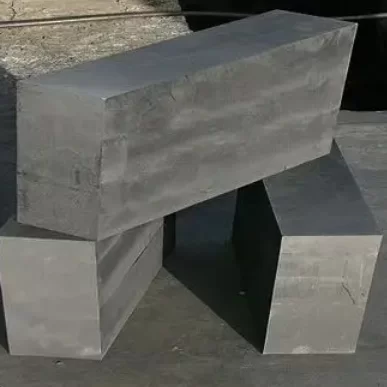
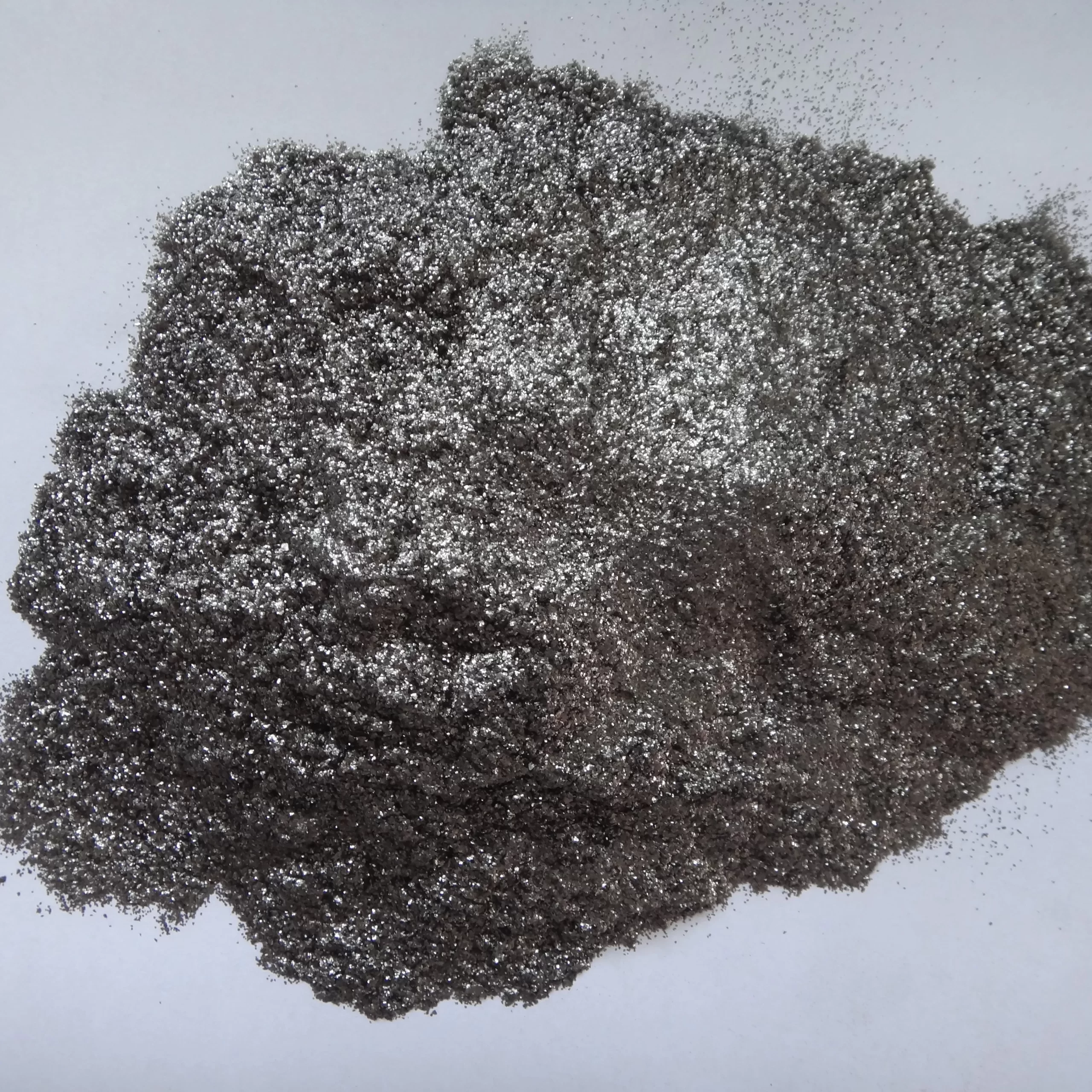
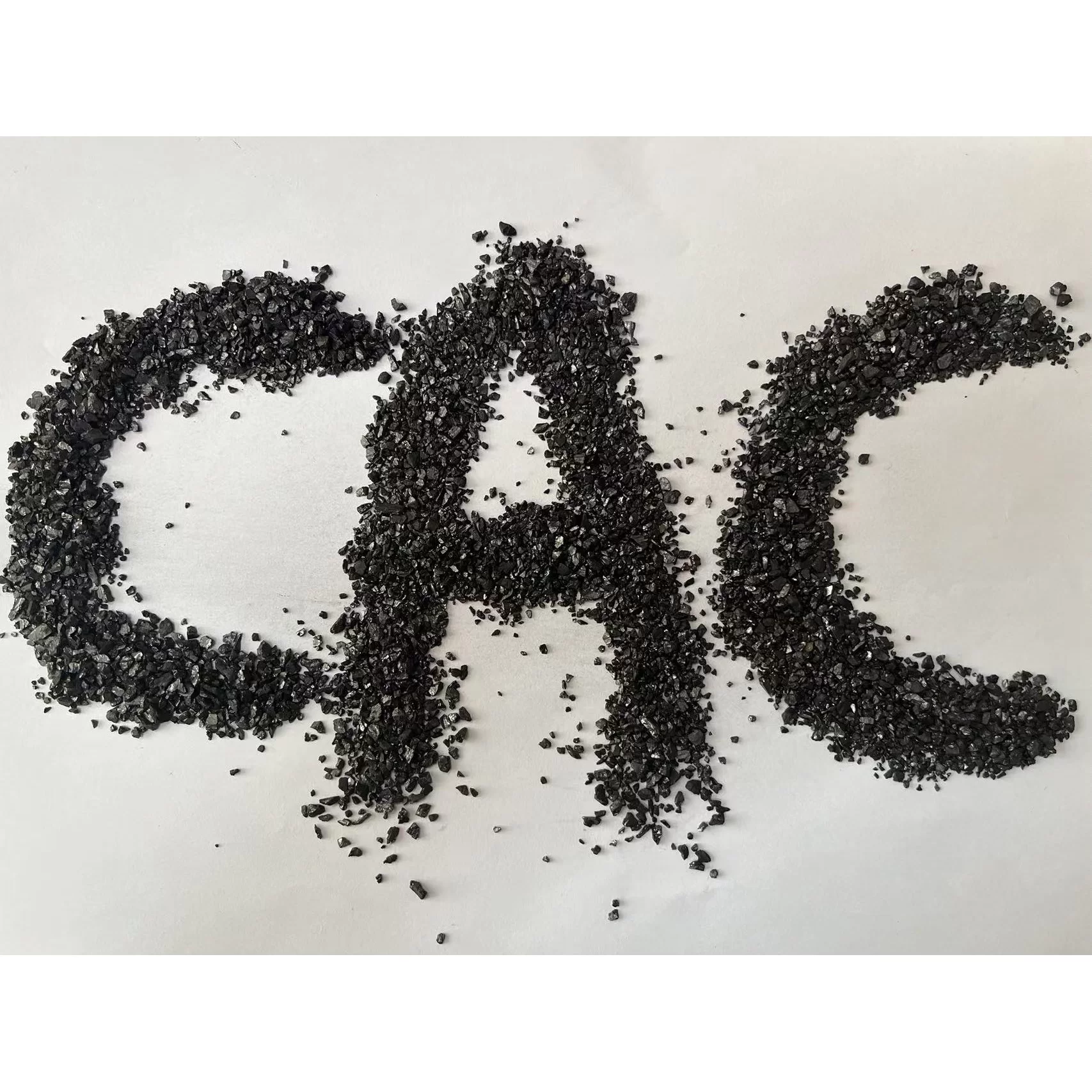
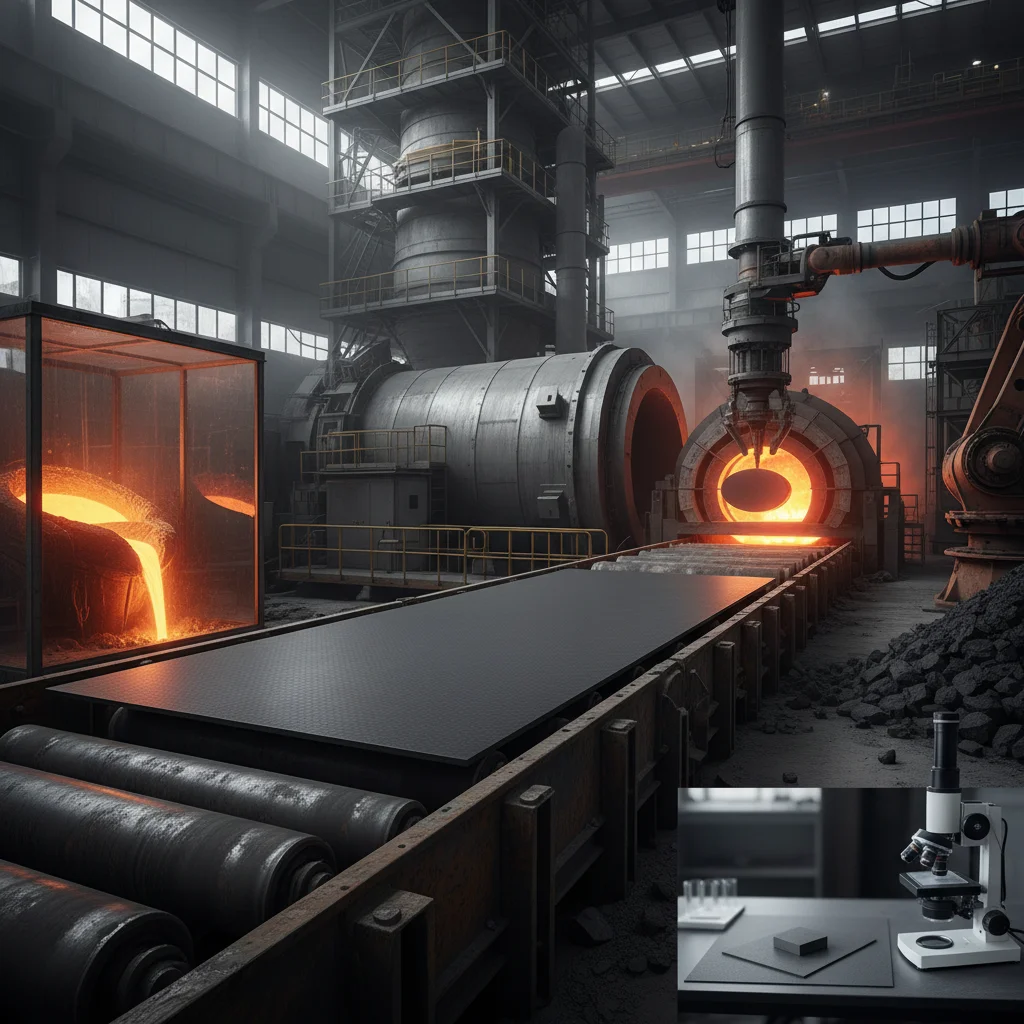
At its core, carbon hollow graphite is a composite material featuring graphite structured in hollow, often spherical or tubular forms, made predominantly from carbon. This design reduces weight without sacrificing strength or electrical conductivity, two hallmark qualities of standard graphite.
Think of it as graphite with an internal architecture that provides resilience, thermal stability, and electrical performance in a lighter package. It’s used in modern industries where every gram counts—like aerospace components, battery electrodes, or even heat shields in electronics. Beyond pure industrial utility, it’s increasingly relevant to humanitarian contexts—for instance, in energy-efficient housing materials or lightweight structures that promote disaster resilience.
Core Features of Carbon Hollow Graphite
1. Lightweight Durability
One of the obvious attractions is its low weight combined with high structural strength. These hollow particles reduce density, which can help decrease overall product weight—critical in transportation and aerospace.
2. Thermal Stability
Graphite on its own resists extremely high temperatures, making it ideal for heat shields or battery electrodes. Hollow structures preserve this trait while improving thermal shock resistance.
3. Electrical Conductivity
Maintaining electrical conductivity while cutting weight is tricky. Carbon hollow graphite’s design lets it conduct electrons efficiently—making it a popular choice in energy storage technologies.
4. Scalability and Cost Efficiency
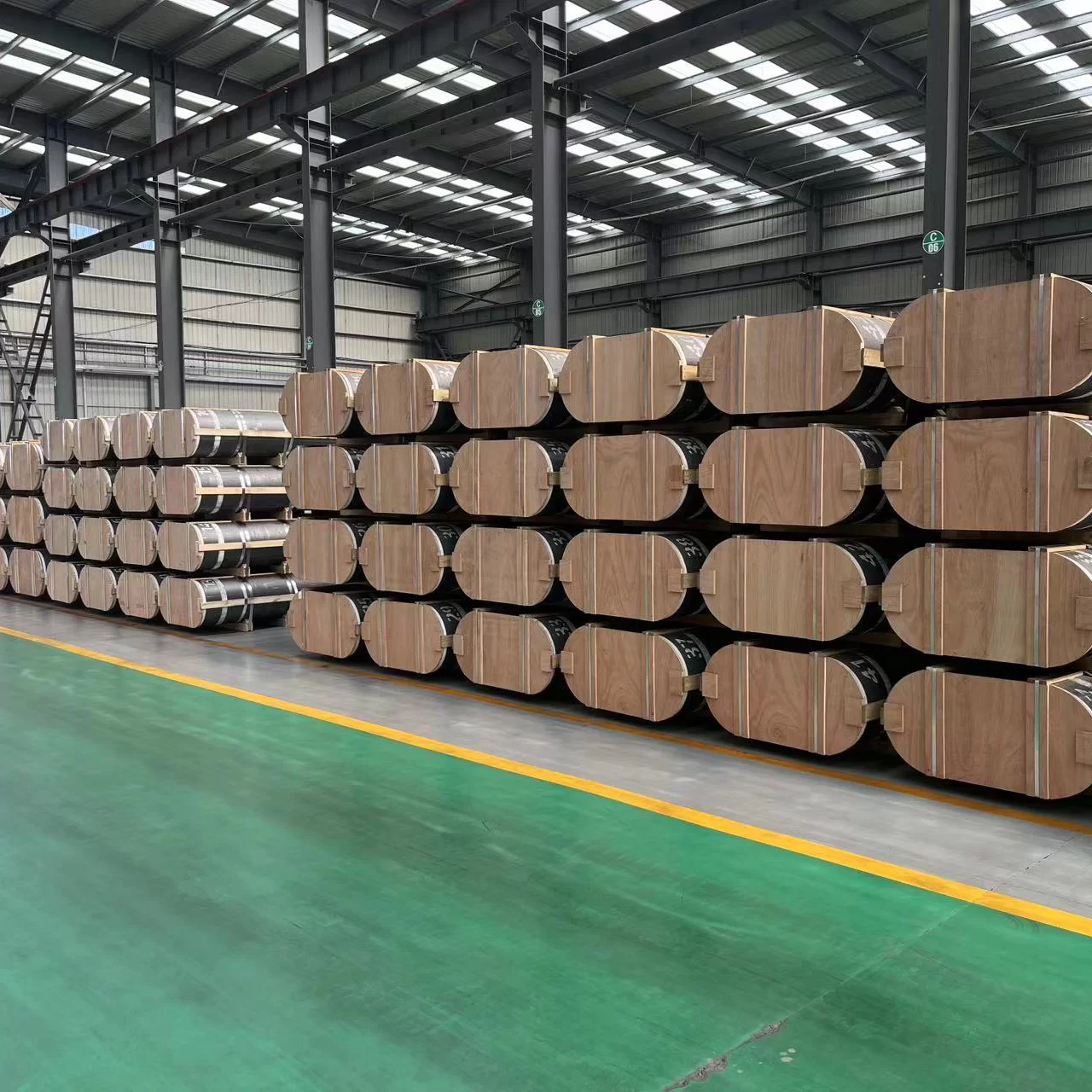
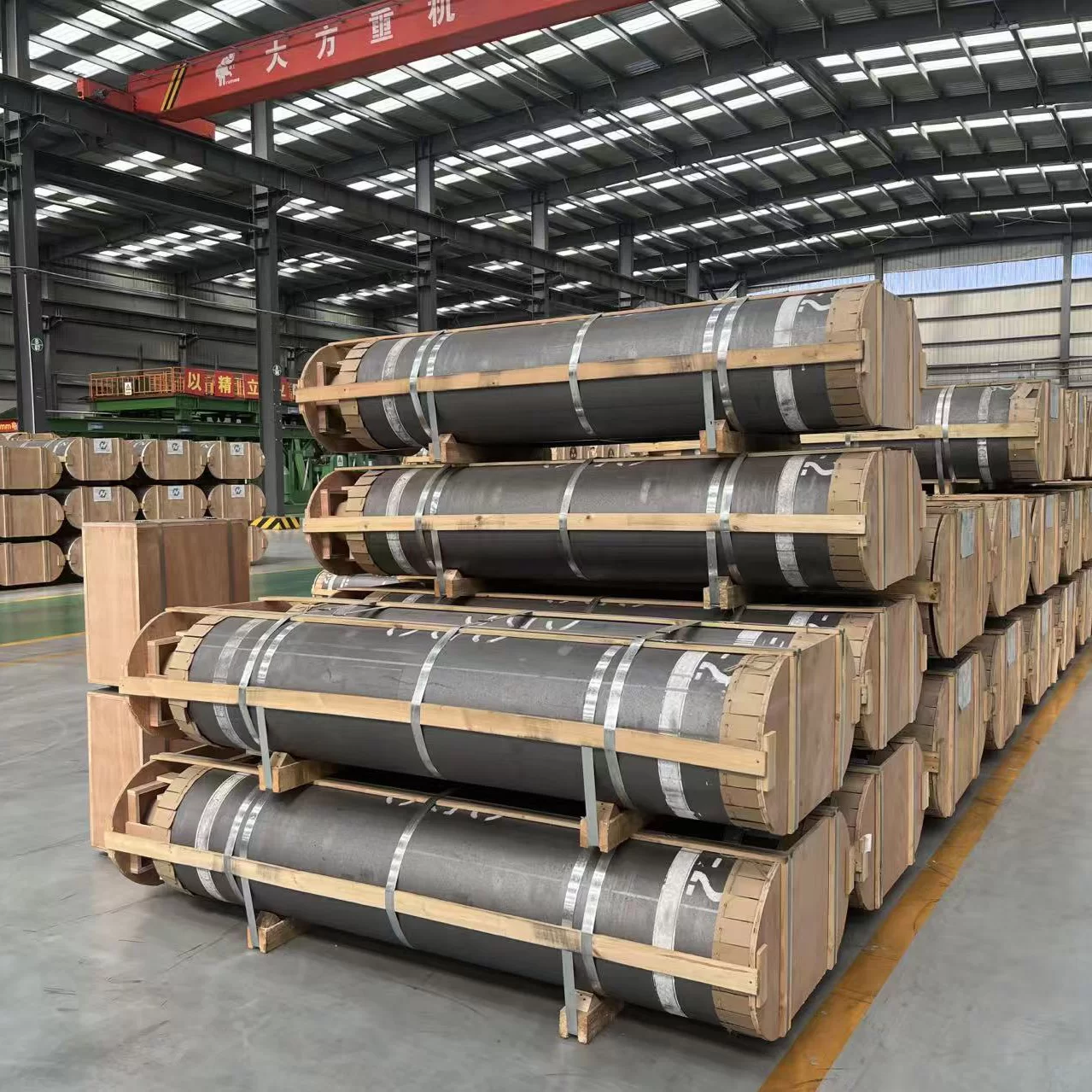
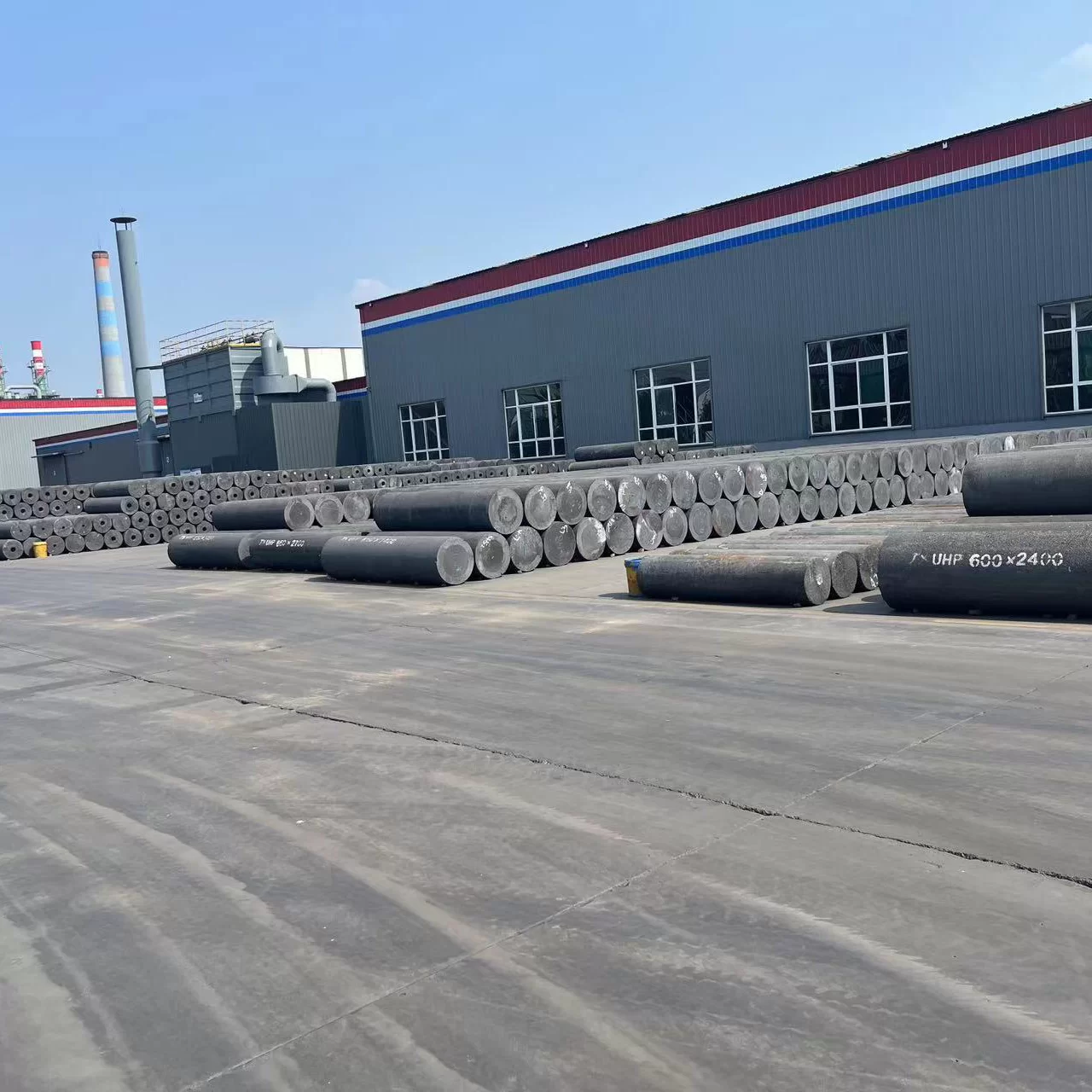
Recent advances allow manufacturers to produce carbon hollow graphite at scale and reasonable costs, which was previously a limiting factor. This makes it accessible beyond just high-end aerospace firms.
5. Environmental Compatibility
It’s recyclable and generally less toxic than many synthetic alternatives, helping industries meet increasingly strict ISO and environmental standards. For example, ISO 14001 compliance is smoother when using environmentally considerate materials.
Mini Takeaway:
The unique combination of lightweight strength, heat resistance, and conductivity makes carbon hollow graphite a fascinating and practical material in today’s innovation-driven world.
Where Carbon Hollow Graphite Finds Real-World Applications
Industries that really benefit from these traits are quite varied:
- Aerospace & Defense: Used in lightweight composites for airframes and heat shields ensuring fuel efficiency and safety.
- Battery Technology: Employed as electrode materials in electric vehicle batteries to improve lifespan and reduce weight.
- Renewable Energy: Solar panel components leveraging thermal stability to increase durability under harsh conditions.
- Automotive Manufacturing: Lightweight parts to cut emissions and improve performance.
- Humanitarian and Disaster Relief: Lightweight, durable materials help in constructing quickly deployable shelters and infrastructure in disaster zones.
For example, a Japanese tech company recently incorporated hollow graphite particles into its battery cells, noticing a 20% improvement in charge cycles without a significant weight penalty.
Meanwhile, NGOs have started experimenting with composites containing carbon hollow graphite to create energy-efficient, modular housing in harsh climates.
Comparing Carbon Hollow Graphite Products: Specifications Table
| Feature | Typical Range | Units | Remarks |
|---|---|---|---|
| Density | 0.5 - 1.2 | g/cm³ | Significantly lighter than solid graphite (~2.2 g/cm³) |
| Thermal Stability | Up to 3000 | °C | Suitable for high-temp industrial applications |
| Electrical Resistivity | 10⁻⁵ - 10⁻³ | Ω·cm | Ideal for electrodes and conduction parts |
| Compressive Strength | 50 - 300 | MPa | Varies based on hollow structure size and density |
Vendor Comparison: Leading Suppliers of Carbon Hollow Graphite
| Supplier | Product Range | Lead Times | Global Reach | Specializations |
|---|---|---|---|---|
| Dah Carbon | Custom grades, nano- and micro-sized hollow graphite | 2-4 weeks | Global, with focus on Asia & Americas | Battery materials, electronic-grade graphite |
| GraphTech Innovations | Standard hollow graphite spheres & powders | 3-5 weeks | Europe, North America | Industrial composites, aerospace |
| CarbonSphere LLC | Range of hollow graphite tubes & spheres | 1-3 weeks | Asia-Pacific, Europe | Automotive parts, thermal shields |
Why Choose Carbon Hollow Graphite? The Long-Term Benefits
Beyond the specs and innovation headlines, what sticks with engineers and project leads alike is the balance of emotional and practical gains. For a vehicle manufacturer, reducing weight by even a few percent translates to fuel savings and a greener footprint—both serious benefits for sustainability goals and customer satisfaction. For a shelter builder in disaster zones, the ability to deploy lightweight yet durable materials preserves lives and dignity.
Carbon hollow graphite also brings reliability you can trust. It endures extreme conditions without deteriorating, reducing maintenance costs and downtime. Plus, with its carbon backbone, it fits neatly with the circular economy mindset—lighter, reusable, less resource-demanding.
Emerging Trends in Carbon Hollow Graphite Technologies
The future looks even brighter for carbon hollow graphite. Innovations in nanotechnology are enabling tailored hollow particles with specific conductivity or thermal properties. Additive manufacturing now can incorporate these particles into 3D-printed composites, opening doors to complex geometries previously unimaginable.
Policy frameworks are also nudging industries toward greener materials. For instance, the EU’s Green Deal encourages low-carbon inputs in manufacturing. Carbon hollow graphite could soon become one of those essential components.
Facing Challenges—and How We Overcome Them
Of course, nothing’s perfect. The main hurdles in wider adoption of carbon hollow graphite lie in cost management and supply chain consistency. Producing uniform hollow graphite particles requires advanced equipment and quality control—hence price points can feel steep for smaller manufacturers.
However, collaborations between suppliers like carbon hollow graphite producers and end-users have led to optimized production runs and cost-sharing initiatives. Plus, ongoing research shows promise in synthesizing hollow graphite via less energy-intensive processes.
FAQ: Answers to Your Carbon Hollow Graphite Queries
What sets carbon hollow graphite apart from traditional graphite?
Carbon hollow graphite features hollow structures that reduce its density significantly without compromising durability or conductivity, unlike traditional solid graphite particles that are heavier. This makes it ideal where weight reduction is critical.
How long can components made of carbon hollow graphite last in harsh environments?
Typically, the lifespan spans many years, especially when protected within composites. Its thermal stability up to 3000°C and chemical inertness grant excellent resistance to corrosion and wear.
Is carbon hollow graphite environmentally friendly?
Yes, relative to synthetic alternatives, it is recyclable and involves fewer toxic materials. Plus, its use enables energy efficiency in end products, indirectly reducing carbon footprints.
Can small businesses easily source carbon hollow graphite?
Today, suppliers like Dah Carbon offer scalable solutions with lead times ranging from 1-4 weeks, and they provide custom grades tailored to needs, making access easier than ever before.
What industries are best suited for this material?
Aerospace, battery manufacturing, automotive, renewable energy, and even emergency construction sectors benefit greatly from the properties of carbon hollow graphite.
Summing It Up: Why Carbon Hollow Graphite Is a Material to Watch
Carbon hollow graphite isn’t just another industrial material. It’s a smart answer to the intertwined challenges of modern sustainability, efficiency, and technological advancement. Its lightness challenges conventions, its thermal and electrical properties empower innovation, and its sustainability credentials make it a match for future regulations. For companies and organizations looking to stay ahead, investing attentively in carbon hollow graphite applications makes perfect sense.
Ready to explore how this remarkable material can advance your projects? Visit carbon hollow graphite specialists at Dah Carbon — the folks who really know their stuff.