Understanding Composite Graphite: A Global Perspective on a Versatile Material
If you haven’t bumped into the term composite graphite recently, that might change soon. Its applications span industries and continents, quietly but steadily shaping modern manufacturing, energy, and even humanitarian efforts. From clean energy systems to infrastructures built to last, understanding composite graphite feels like owning a little insider secret to smarter materials. It’s not just jargon for scientists — it’s a practical game-changer worldwide.
Why Composite Graphite Matters on a Global Scale
Composite graphite plays a surprisingly vital role in addressing some of the biggest technological and environmental challenges looming over the planet. According to the International Energy Agency (IEA), demand for battery and clean-energy materials is set to grow exponentially — and composites based on graphite are foundational in this shift.
Take a moment: the United Nations’ Sustainable Development Goals (SDGs) emphasize responsible industrial innovation and infrastructure development. Composite graphite aligns with these goals by enabling lightweight, durable, and eco-friendlier alternatives to traditional materials used in sectors like aerospace, electronics, and automotive. Globally, nations racing towards net-zero emissions lean on composites to cut energy waste and improve sustainability.
Yet, like most innovation, challenges persist. Scalability and cost-effectiveness have been bottlenecks — practical adoption isn’t just about science but also about economics and supply chains.
What Exactly is Composite Graphite?
Let’s break it down simply: composite graphite is essentially a material made by combining graphite — a form of carbon known for its excellent electrical and thermal conductivity — with other substances such as polymers or metals. This fusion creates a product with enhanced mechanical properties, like improved strength, lighter weight, or higher resistance to heat and chemical damage.
Why does this matter? In a world that increasingly demands components that do more but weigh less (think electric vehicles, aerospace parts, or industrial seals), composite graphite materials fit the bill. They bring the best of both worlds — graphite’s natural properties and tailored composites — to boost performance in real-world applications.
Breaking Down the Core Components of Composite Graphite
Durability and Strength
Graphite on its own feels brittle, but when combined with specific resins or metals, the resulting composite gains impressive toughness. For example, in aerospace sectors, composite graphite panels withstand extreme temperatures and mechanical stress — making flights safer and more efficient.
Thermal and Electrical Conductivity
One of graphite’s hallmark traits is its ability to conduct heat and electricity efficiently. When embedded in composites, this property helps in manufacturing thermal interface materials for electronics cooling or in creating electrodes for batteries.
Lightweight yet Robust
Traditional metals often come at a weight penalty. Composite graphite materials deliver similar or better characteristics at a fraction of the weight, enhancing energy efficiency in transport and reducing emissions indirectly.
Resistance to Corrosion and Chemicals
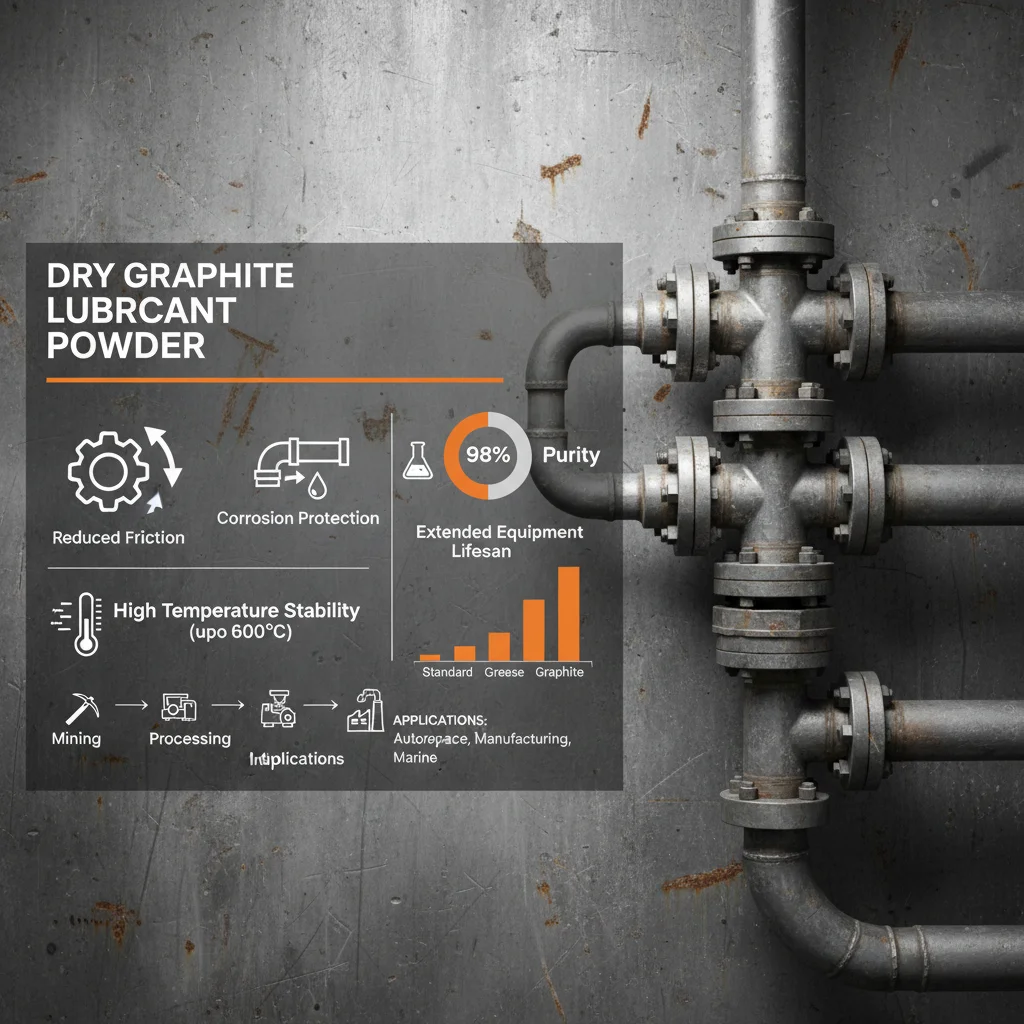
In industrial contexts, components face corrosive environments — composite graphite resists these better than many metals, extending the lifespan of valuable equipment.
Cost and Scalability
Thanks to ongoing research and improved manufacturing techniques, producing composite graphite materials has become more affordable, making them accessible beyond aerospace and high-tech applications.
Global Applications: Where Composite Graphite Shines
Composite graphite isn’t just a lab curiosity. Industries have embraced it in various ways:
- Energy Storage: Lithium-ion batteries use graphite composites for electrodes, critical for electric vehicles and grid storage.
- Aerospace and Defense: Lightweight, heat-resistant panels and structural parts rely on these composites for performance and safety.
- Electronics Cooling: Thermal interface materials ensure devices run cooler, boosting longevity.
- Chemical Plants: Composite graphite seals and gaskets resist aggressive chemicals, minimizing downtime.
- Post-Disaster Infrastructure: In areas recovering from natural disasters, modular shelters incorporate composite graphite to balance cost, durability, and speed of deployment.
Regions leading innovation include Japan, Germany, and the United States, while emerging economies increasingly adopt these materials in sustainable urban projects and transportation.
Advantages and Long-Term Value of Composite Graphite
Apart from technical benefits, composite graphite also appeals on more human terms:
- Eco-conscious Manufacturing: Often, these composites require less energy to produce than pure metals, aligning with sustainability goals.
- Cost Efficiency Over Time: Lower maintenance, longer lifespan — the economics stack up nicely once initial investment hurdles are cleared.
- Safety and Reliability: In critical applications, knowing your materials won’t fail suddenly brings peace of mind.
- Innovation Potential: Lightweight and conductive composites enable products and structures that simply weren’t possible before.
- Social Impact: Better materials in infrastructure can improve lives, especially in remote or disaster-prone areas.
Looking Ahead: Future Trends and Innovations
Oddly enough, composite graphite is riding the wave of digital transformation. Smart manufacturing technologies like additive manufacturing (3D printing) now allow for complex composite graphite shapes that were impossible with traditional methods. This boosts both customization and performance.
In energy, solid-state batteries incorporating composite graphite electrodes promise safer, longer-lasting power sources. Meanwhile, the rise of green hydrogen and carbon capture initiatives increasingly call for durable, corrosion-resistant materials — opening doors for composite graphite variants.
Overcoming Challenges: What Holds Composite Graphite Back?
Despite clear benefits, there are hurdles:
- Cost Barriers: High initial costs can deter adoption outside industries with deep pockets.
- Manufacturing Complexity: Achieving consistent material quality at scale requires precise controls.
- Recycling and Sustainability: Composite materials in general pose recycling challenges compared to pure materials.
Innovators are exploring modular production lines and bio-based resins to improve sustainable practices, as well as developing recycling protocols specific to composite graphite parts.
FAQ: Practical Questions About Composite Graphite
- What makes composite graphite better than traditional graphite in batteries?
- Composite graphite combines graphite’s conductivity with enhanced mechanical strength and chemical stability from polymers or metals. This means electrodes last longer and tolerate charging cycles better, improving battery performance overall.
- Can composite graphite materials be customized for different industries?
- Absolutely! By tweaking the matrix and reinforcement materials, producers tailor properties like flexibility, thermal resistance, or weight to fit specific needs—from aerospace components to industrial seals.
- Is composite graphite eco-friendly and recyclable?
- While composite graphite improves sustainability via durability and energy savings, recycling remains challenging due to mixed materials. However, ongoing R&D aims to develop eco-friendlier resins and better recycling methods.
- Where can I find reliable composite graphite suppliers?
- Leading suppliers are often found in countries like Germany, Japan, and the U.S. Look for certifications like ISO 9001 and check references. Vendors like DAH Carbon offer quality composite graphite products with transparent supply chains.
Product Specification Table: Sample Composite Graphite Material
| Property | Specification | Unit |
|---|---|---|
| Density | 1.5 | g/cm³ |
| Tensile Strength | 320 | MPa |
| Thermal Conductivity | 120 | W/m·K |
| Electrical Resistivity | 1.2 × 10⁻⁵ | Ω·m |
| Maximum Operating Temperature | 600 | °C |
Vendor Comparison: Composite Graphite Suppliers
| Vendor | Headquarters | ISO Certification | Specialties | Website |
|---|---|---|---|---|
| DAH Carbon | China | ISO 9001 | Composite graphite sheets, thermal management | DAH Carbon |
| SGL Carbon | Germany | ISO 9001, ISO 14001 | Aerospace, automotive composites, specialty graphite | SGL Carbon |
| GrafTech | USA | ISO 9001 | Engineered graphite products, electrodes | GrafTech |
Wrapping Up: The Composite Graphite Journey
In real terms, composite graphite is far from a niche material. It’s a pivotal link in the chain from innovation labs to practical, everyday solutions that touch energy, transport, and even emergency relief efforts. I suppose what’s most exciting is how it brings technical performance and sustainability closer — both urgently needed in our modern world.
If you’re curious about diving deeper, whether for industrial applications or academic interest, check out some trusted suppliers like composite graphite experts at DAH Carbon — they’ve got a seasoned portfolio worth exploring.