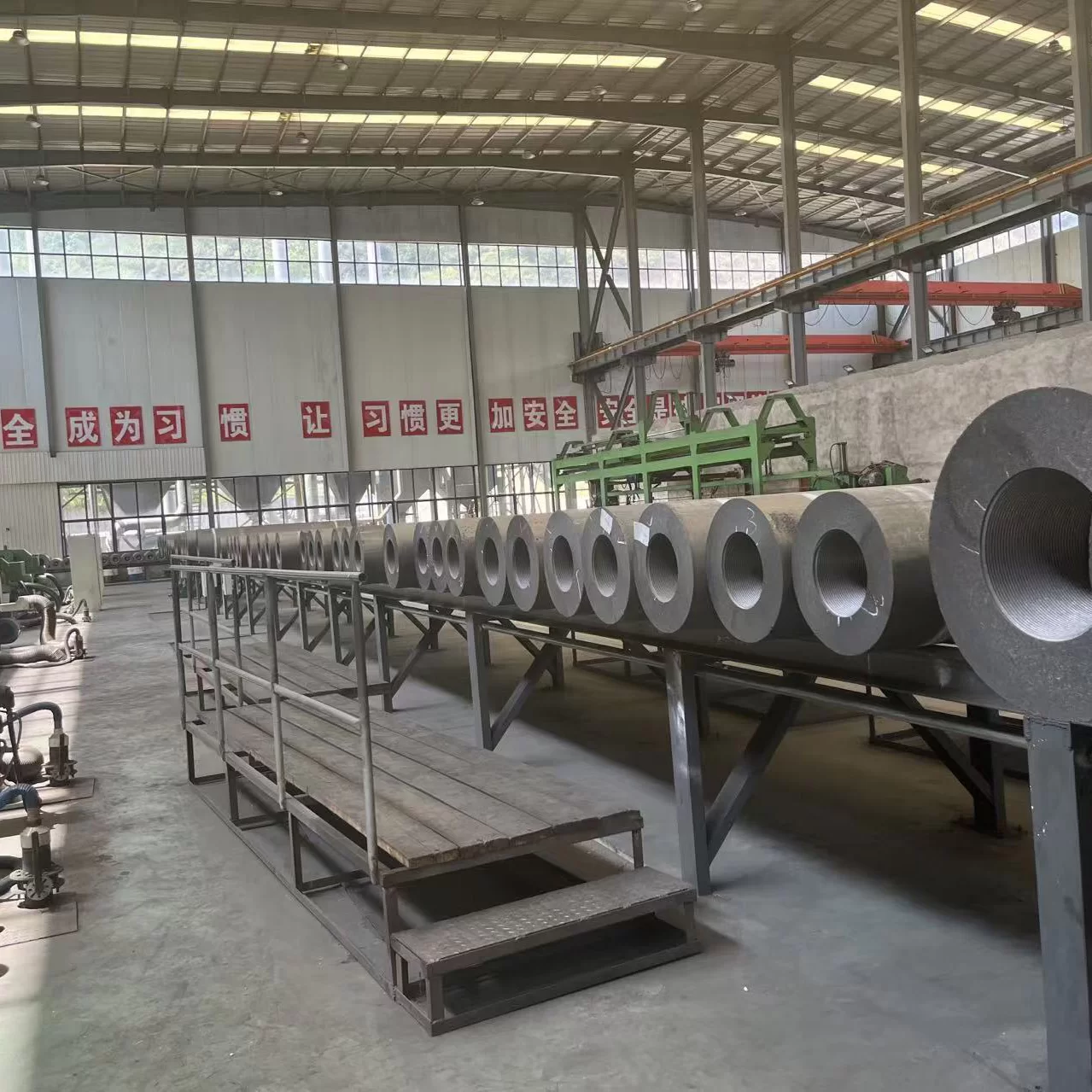
Understanding Casting Clay Graphite: The Unsung Material Shaping Modern Industries
If you’ve never heard of casting clay graphite, don’t worry—you’re not alone. Despite being somewhat under the radar, this material quietly plays a vital role in many manufacturing and industrial processes worldwide. Simply put, casting clay graphite is a composite material used primarily to create molds and components where heat resistance and durability are critical. Why does that matter globally? Because industries ranging from metalworking to aerospace rely heavily on materials that can handle intense conditions without compromising precision or longevity.
At a glance, casting clay graphite helps industries achieve better quality products with lower waste and energy costs, while meeting the exacting demands of safety and sustainability. Understanding its benefits and applications can give manufacturers, engineers, and stakeholders an edge in navigating today’s evolving industrial landscape.
Why Casting Clay Graphite Is Important on a Global Scale
The global manufacturing sector has been growing steadily, with international trade and industrial output reaching billions of dollars annually. According to the International Organization for Standardization (ISO), material performance standards are tightening. The United Nations Industrial Development Organization highlights the urgent need for sustainable yet high-performance materials to meet these rising challenges.
Here’s the problem: traditional mold materials can degrade quickly at high temperatures or under mechanical stress, leading to downtime and increased costs. Casting clay graphite offers a solution. It’s known for withstanding extreme thermal cycles and mechanical strains better than many conventional materials. For industries aiming to reduce waste, improve precision casting, and boost sustainability, this material is seeing a rise in demand.
Mini Takeaway
- Casting clay graphite is a key player in meeting global standards for durable and sustainable manufacturing.
- It addresses crucial challenges related to heat resistance and mold longevity, which affect productivity worldwide.
Defining Casting Clay Graphite: What Is It Really?
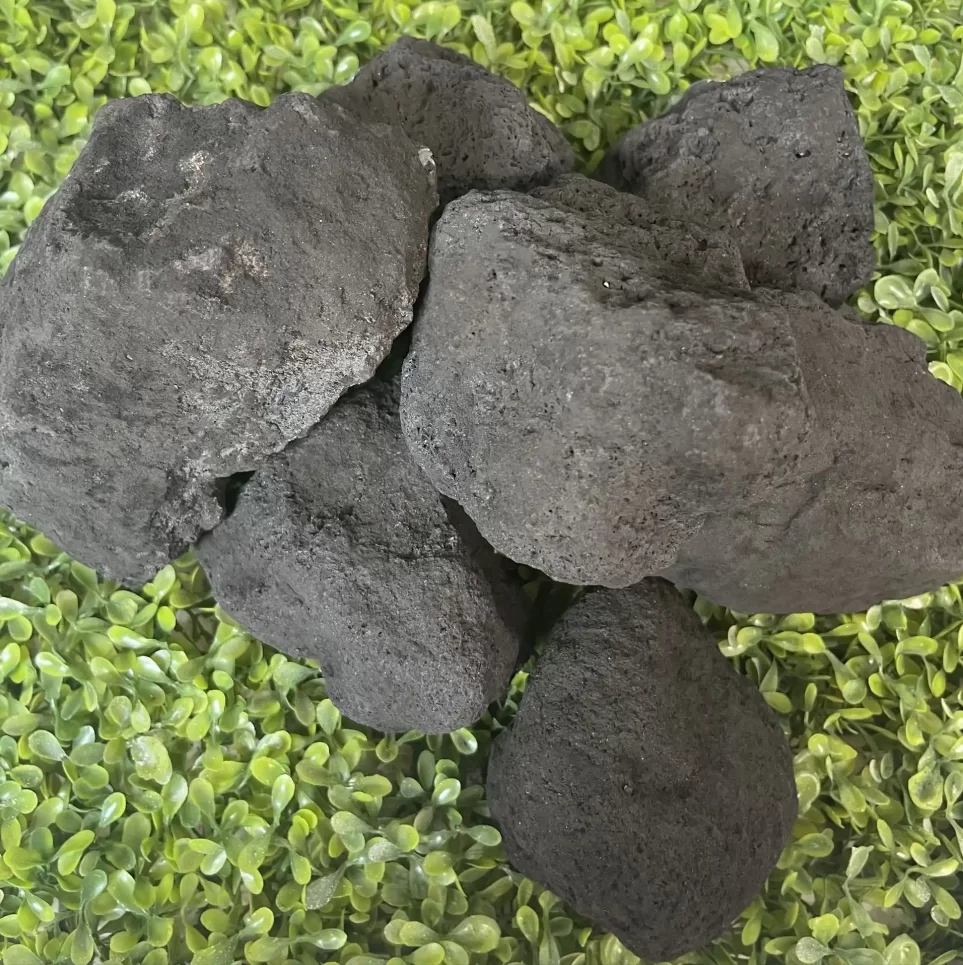
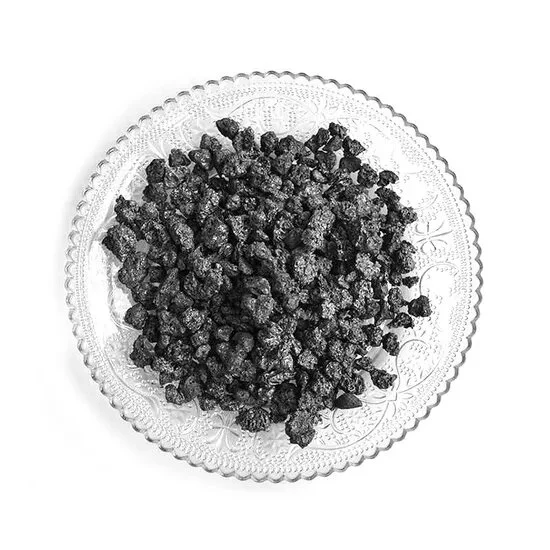
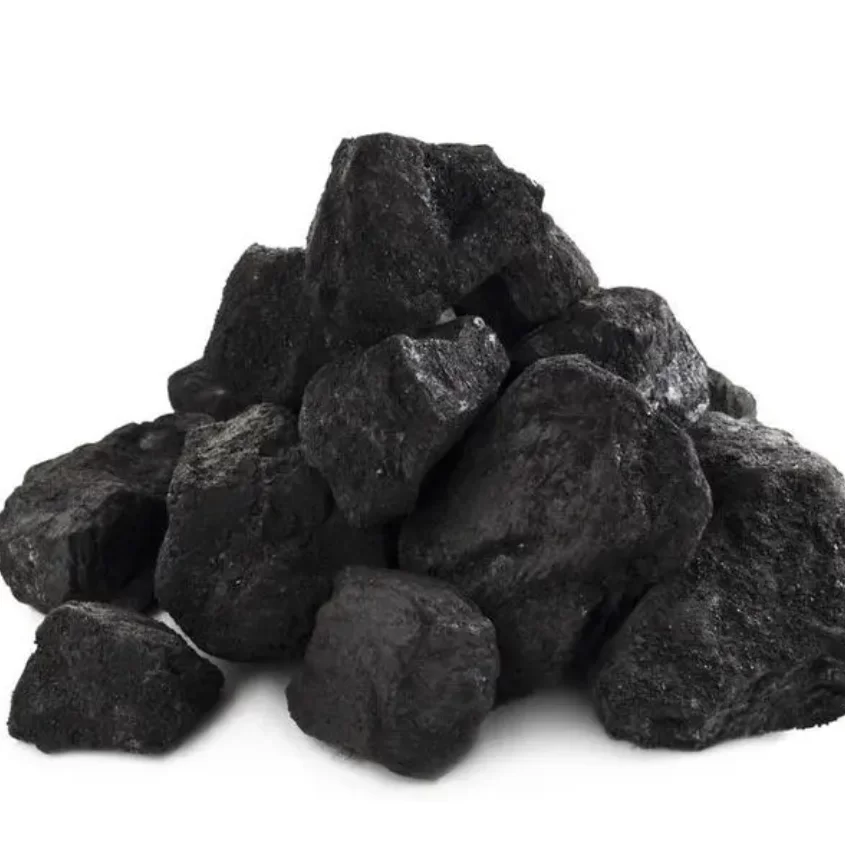
In the simplest terms, casting clay graphite is a blend of natural clay bonded with fine graphite particles. Graphite’s excellent thermal conductivity and stability combine with the malleability of clay to form a material suitable for making molds used in metal casting and other high-temperature processes.
It’s like the best of both worlds: clay gives shape and precision, while graphite offers durability and prevents cracking or burning during casting. Industries such as automotive, aerospace, and even humanitarian relief operations involving rapid infrastructure rebuilding rely heavily on casting clay graphite for high-quality molds.
For those curious about the technical side, this composite manages to preserve dimensional stability and reduce oxidation risks under highly demanding conditions—pretty crucial when you’re working with molten metals or similarly fierce materials.
Mini Takeaway
- The material combines clay’s shaping ability with graphite’s heat resistance.
- It’s essential for industries requiring precision molds under high temperatures.
Key Characteristics of Casting Clay Graphite
Durability
The first thing many engineers notice is how resilient this material is. Its durability means molds made from casting clay graphite last significantly longer than comparable options. This directly translates into less downtime and lower replacement costs.
Thermal Conductivity
Graphite’s natural ability to conduct heat evenly reduces hot spots, which are typical failure points in many molds. This stability improves the overall quality of cast parts and reduces defects.
Cost Efficiency
Though initially more expensive than some traditional molding materials, casting clay graphite’s longer life cycle and performance boost inevitably lower total operational costs. Manufacturers save time, materials, and energy.
Environmental Compatibility
As sustainability becomes a priority, casting clay graphite stands out. It can be recycled, and its production – when sourced responsibly – has a lower carbon footprint compared to some synthetic alternatives.
Scalability
From small batch prototyping to full industrial scale production, this material adapts to various sizes and complexities, helping producers adjust quickly and meet market demands.
| Specification | Details |
|---|---|
| Graphite Content | 40-60% by weight |
| Operating Temperature | Up to 2000°C |
| Thermal Conductivity | 90-150 W/m·K |
| Compressive Strength | 30-50 MPa |
| Typical Density | 1.8-2.2 g/cm³ |
| Recyclability | >80% |
Mini Takeaway
- Durability and heat handling make this material superior for molds.
- Cost wise, its lifecycle savings justify the initial investment.
Where Casting Clay Graphite Makes a Real Difference
Across the globe, the use of casting clay graphite spans from heavy industries to emergency manufacturing setups.
- Automotive Manufacturing: High-precision metal casting for engine components uses casting clay graphite molds to ensure flawless results under rapid cycling conditions.
- Aerospace: Because aircraft parts require a tight tolerance and superheat resistance, many aerospace manufacturers favor this material for prototypes and small series runs.
- Energy Sector: Turbine and generator components benefit from the thermal stability, especially in remote installations where reliability means everything.
- Post-Disaster Relief and Humanitarian Projects: Rapid production of essential infrastructure parts or tools can lean on casting clay graphite molds for durability and quick turnaround.
Oddly enough, some NGOs have discovered that incorporating casting clay graphite mold technology vastly improves the quality and lifespan of locally produced goods in remote areas.
Advantages and Long-Term Value of Casting Clay Graphite
Let’s not just talk about specs—we should discuss impact. Companies and communities adopting casting clay graphite often see tangible benefits.
- Cost Savings: Fewer replacements and less downtime ease operational budgets.
- Environmental Impact: Lower waste production and recyclability align with global sustainability goals.
- Reliability & Safety: Safer manufacturing thanks to material stability reduces accidents related to mold failure.
- Innovation Drive: Allows manufacturers to experiment with complex designs due to the mold’s flexibility.
- Social Trust: In humanitarian logistics, delivering durable equipment builds trust and dignity.
Mini Takeaway
The logical advantages are clear, but the emotional factor—knowing that a product or piece of infrastructure won’t fail unexpectedly—creates peace of mind that’s hard to quantify but vital nonetheless.
Looking Ahead: Future Trends and Innovations
The future of casting clay graphite is intertwined with broader industrial shifts:
- Green Manufacturing: Efforts to reduce emissions are pushing production of casting clay graphite using bio-based binders and cleaner graphite sources.
- Digital Integration: Automation and AI-driven quality control are allowing real-time monitoring of mold wear and performance.
- Advanced Composites: Researchers are experimenting with hybrid materials that combine graphite with nanomaterials to boost strength even further.
- Customization & 3D Printing: Rapid prototyping that uses casting clay graphite-based filaments or composites could radically cut development times.
Challenges and Solutions in Using Casting Clay Graphite
While it’s great, no material is without its quirks. The key challenges include:
- Fragility when mishandled during mold shaping.
- Cost barriers for small manufacturers with limited budgets.
- Waste management in some regions lacking recycling infrastructure.
Industry experts often recommend:
- Proper training on material handling and curing processes.
- Pooling resources via cooperative manufacturing hubs.
- Partnering with recyclers or investing in closed-loop manufacturing programs.
Frequently Asked Questions About Casting Clay Graphite
- What makes casting clay graphite better than traditional molding materials?
- Its combination of heat resistance, durability, and recyclability means molds last longer and produce higher-quality castings with fewer defects.
- How long can graphite-clay molds last in high-temperature environments?
- Depending on usage and care, these molds can last from several weeks to months—far longer than some conventional clay or sand molds.
- Is casting clay graphite an environmentally friendly material?
- Yes, notably because it often includes recyclable components, and production can be adapted for reduced emissions compared to some synthetics.
- Can small manufacturers incorporate casting clay graphite easily?
- While initial costs can be higher, pooling resources or sourcing through regional vendors often makes it affordable and viable even for smaller operations.
- Where can I find reliable suppliers of casting clay graphite?
- Leading vendors typically offer custom batches and technical support. For trusted suppliers, check out manufacturers linked through established sites like dahcarbon.com.
In Conclusion: Why Casting Clay Graphite Deserves Your Attention
When you add it all up, casting clay graphite stands as a quiet revolution in molding technology. Its durability and heat resistance support better manufacturing outcomes worldwide, positively affecting cost, sustainability, and safety. Whether you’re engineering complex aerospace components or contributing to disaster relief manufacturing, understanding this material opens up new possibilities.
Want to learn more or see how casting clay graphite can fit your project? Visit our website and get connected with experts ready to help: https://www.dahcarbon.com