Colloidal Graphite in Isopropanol: A Modern Marvel with Global Reach
When you hear the phrase colloidal graphite in isopropanol, it might sound like something pulled from a chemistry textbook or maybe an engineer’s daydream. But this mixture is quietly making waves across industries worldwide.
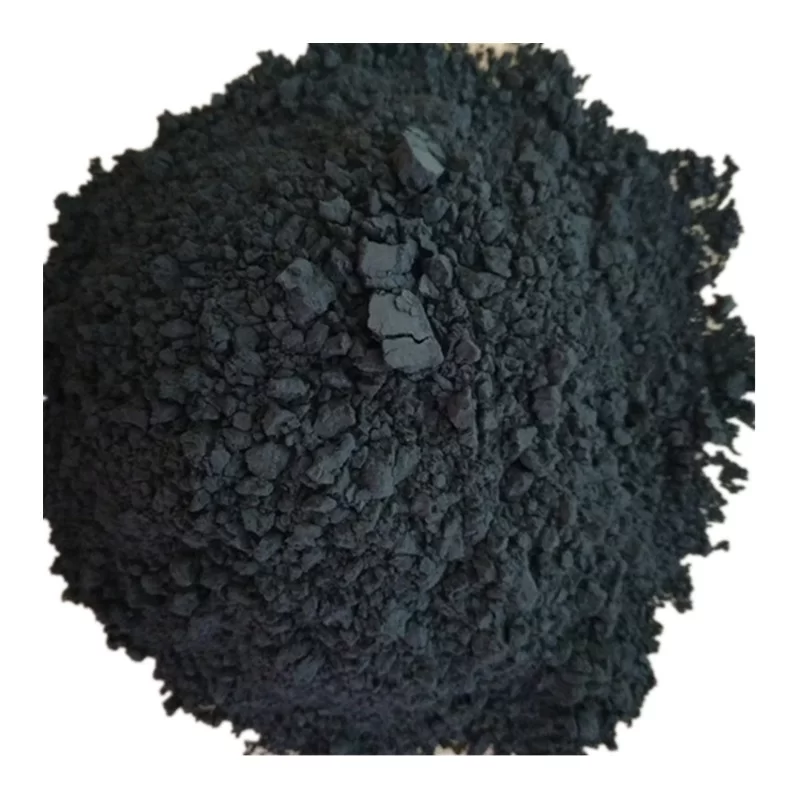
In simple terms, colloidal graphite dispersed in isopropanol is a solution where tiny particles of graphite—think microscopic flakes of the same stuff that makes pencils write—are suspended evenly in isopropanol, a solvent many of us recognize from antiseptics or cleaning wipes.
Why does this matter? Because this combination delivers a unique blend of conductivity, lubrication, and protective qualities that various sectors — from electronics manufacturing to humanitarian aid — depend on. Globally, with sustainability and efficiency under intense scrutiny, developing materials like colloidal graphite in isopropanol is nothing short of essential.
Global Context: Why Colloidal Graphite in Isopropanol Matters Today
Looking through a larger lens, the world’s manufacturing output has increased by roughly 50% in just the last decade (UNIDO data, 2022). As machines get smarter and processes more automated, the materials used in these sectors must meet rising demands for consistency, durability, and environmental safety.
Moreover, the electronics and industrial lubricants markets have skyrocketed, with a compound annual growth rate (CAGR) of 8-10% in the last five years (International Energy Agency reports). Colloidal graphite in isopropanol plays a pivotal role here— not least because it offers a safer, more sustainable alternative to heavier oils or harsh chemical coatings. And frankly, the challenge of keeping electronics cool and components friction-free in more compact devices today would be unsolvable without such advanced materials.
Mini takeaway:
- Colloidal graphite in isopropanol offers practical solutions to global manufacturing and sustainability challenges.
- Industry growth and innovation trends highlight the importance of this unique material blend.
What Exactly Is Colloidal Graphite in Isopropanol?
So, to break it down: “colloidal” means particles are finely dispersed but never settle out quickly. “Graphite” is that familiar allotrope of carbon, prized for electrical conductivity and lubricating properties. And “isopropanol” (or isopropyl alcohol) acts as a carrier fluid, known for its quick evaporation and solvent abilities.
This mix forms a tunable, lightweight suspension used as a coating, lubricant, or conductive ink. From printed electronics to industrial machinery, this solution finds a home in modern manufacturing and even fields like disaster relief that require fast-deployable tech solutions.
Core components of the mix:
- Micronized graphite particles
- Isopropanol as a dispersing solvent
- Stabilizers to prevent agglomeration
Key Performance Factors You Should Know
1. Conductivity and Lubrication
This is where graphite really shines. Electrons glide smoothly across its layered structure, making colloidal graphite an excellent conductive coating. Simultaneously, it reduces friction, which can dramatically extend the life of mechanical parts.
2. Stability and Shelf Life
One often overlooked factor. The isopropanol base evaporates quickly and cleanly, but ensuring the graphite remains evenly suspended without clumping is a technical challenge solved with stabilizers and controlled manufacturing conditions.
3. Environmental and Safety Profile
Compared to mineral oil lubricants or heavy metals used in some coatings, this colloidal system has a relatively benign ecological footprint and low toxicity—key for industries under pressure to green their processes.
4. Application Versatility
Whether sprayed as a thin film or applied with precision inkjet techniques, the material adapts to different substrates, from flexible plastics to rigid metals, relevant to emerging markets like wearable electronics and flexible sensors.
Mini takeaway:
- Colloidal graphite in isopropanol combines conductivity and lubrication uniquely.
- Its formulation focuses on stability and environmentally friendly profiles.
- Adaptability to diverse applications makes it especially valuable in cutting-edge tech.
Where Is Colloidal Graphite in Isopropanol Making a Real Difference?
The uses are surprisingly broad:
- Electronics Manufacturing: Printed circuit boards and flexible electronics benefit from conductive inks made from colloidal graphite in isopropanol, enhancing performance and lowering costs.
- Industrial Lubricants: In remote mining or manufacturing zones—say, parts of Australia or Canada—where maintenance resources are thin, long-lasting lubricants based on this technology help reduce downtime.
- Renewable Energy: Solar panels and wind turbines employ graphite coatings for better electrical contact and corrosion resistance.
- Humanitarian Relief: Temporary shelters and essential tech deployed after disasters often rely on advanced materials like this for rapid field repairs or equipment protection.
| Specification | Typical Value | Unit |
|---|---|---|
| Graphite Particle Size (average) | 1–5 | microns |
| Graphite Concentration | 10–15 | wt% |
| Isopropanol Purity | >99 | % |
| Viscosity (25°C) | 1.2–1.6 | cP |
| Shelf Life | 12–18 | months |
Comparing the Industry Leaders: Vendors of Colloidal Graphite in Isopropanol
| Vendor | Purity & Quality | Product Range | Sustainability Focus | Global Reach |
|---|---|---|---|---|
| DAH Carbon | Ultra-high 99.99% | Custom mixes, bulk & lab scales | Carbon-neutral production lines | Asia, Europe, Americas |
| Graphite Solutions Inc. | High-grade 99.5% | Limited formulations | Partial sustainability measures | North America, Europe |
| NanoX Chemicals | Medium-grade 98.7% | Standard mixing | Eco-friendly solvents | Asia, Africa |
Advantages and Lasting Impact of Using Colloidal Graphite in Isopropanol
Beyond the specs and vendor competition, what truly makes this material shine is its holistic value:
- Cost Efficiency: Use less material, get better conductivity and lubrication — savings that add up fast in scalable production.
- Sustainability: Lower toxicity and recyclable components mean it fits today’s eco-demanding world without compromises.
- Trust & Safety: Industries feel safer adopting solutions that pose fewer health risks to workers and end-users.
- Innovation Booster: By enabling smaller, faster, and more reliable devices, it indirectly pushes entire sectors forward.
The Road Ahead: Trends and Innovations to Watch
There’s a buzz about graphene derivatives (graphite’s higher-tech cousin), but frankly, colloidal graphite in isopropanol remains a cost-effective backbone for many applications. What’s exciting is how nano-engineering and green chemistry are combined to create ever-purer, more stable suspensions.
Digital factories also allow close monitoring of batches to optimize particle size and concentration dynamically — a leap from traditional one-size-fits-all mixes. With carbon-neutral manufacturing goals becoming industry standard, expect suppliers like DAH Carbon to lead innovation with zero-waste lines.
Common Challenges and Smart Solutions
One perennial challenge is the stability of colloidal suspensions — nobody wants a product that clumps or settles before use. Advanced stabilizers and improved mixing techniques, combined with proper storage, reduce these issues. Some vendors invest heavily in R&D to perfect formulations that retain conductivity even after extended shelf life.
Handling flammable isopropanol safely across transport chains is another hurdle that logistics teams must overcome with proper certifications and packaging innovations.
Frequently Asked Questions About Colloidal Graphite in Isopropanol
Q1: What are the key benefits of using colloidal graphite in isopropanol over traditional lubricants?
A1: Unlike many traditional lubricants, colloidal graphite in isopropanol offers high conductivity and lubrication without sticky residues or heavy oils. It evaporates cleanly, reduces friction effectively, and is easier to apply precisely, making it ideal for delicate electronics or machinery requiring consistent performance.
Q2: How long does a batch of colloidal graphite in isopropanol usually last?
A2: Typically, the shelf life ranges from 12 to 18 months when stored properly at room temperature and away from direct sunlight. Stability depends on the quality of the suspension and the container’s seal, so always check vendor data specifics before purchase.
Q3: Can colloidal graphite in isopropanol be used in outdoor or harsh environments?
A3: Yes, with appropriate formulation tweaks. Protective additives can increase water and corrosion resistance. However, long-term exposure to extreme UV or moisture may degrade performance. Vendors often recommend specific grades for outdoor or industrial use.
Q4: Where can I purchase high-quality colloidal graphite in isopropanol?
A4: Reputable suppliers like DAH Carbon specialize in ultra-pure, custom formulations. Always verify certifications and request sample testing when making bulk purchases.
Q5: Are there environmental concerns associated with using isopropanol as a solvent?
A5: Isopropanol is widely used and generally considered safe when handled properly. It evaporates rapidly, reducing harmful residue buildup. However, large-scale use demands good ventilation and responsible disposal for safety and environmental best practices.
Wrapping Up: Why Colloidal Graphite in Isopropanol Is a Material to Watch
In real terms, colloidal graphite in isopropanol embodies a fusion of classic carbon materials with modern solvents to solve some surprisingly tricky challenges in manufacturing, electronics, and sustainability. Its role grows ever more critical as we demand smarter, smaller, and cleaner technologies.
If you’re looking to stay ahead in materials innovation and want reliable, eco-conscious solutions, it’s worth diving deeper into products like these. For more detailed info and purchasing options, visit our website and see how advanced colloidal graphite suspensions can fit your needs.
Quick takeaways:
- Colloidal graphite in isopropanol blends conductivity, lubrication, and environmental safety.
- It supports a wide range of industries from electronics to relief operations.
- Look for vendors that lead in purity and sustainability to maximize benefits.