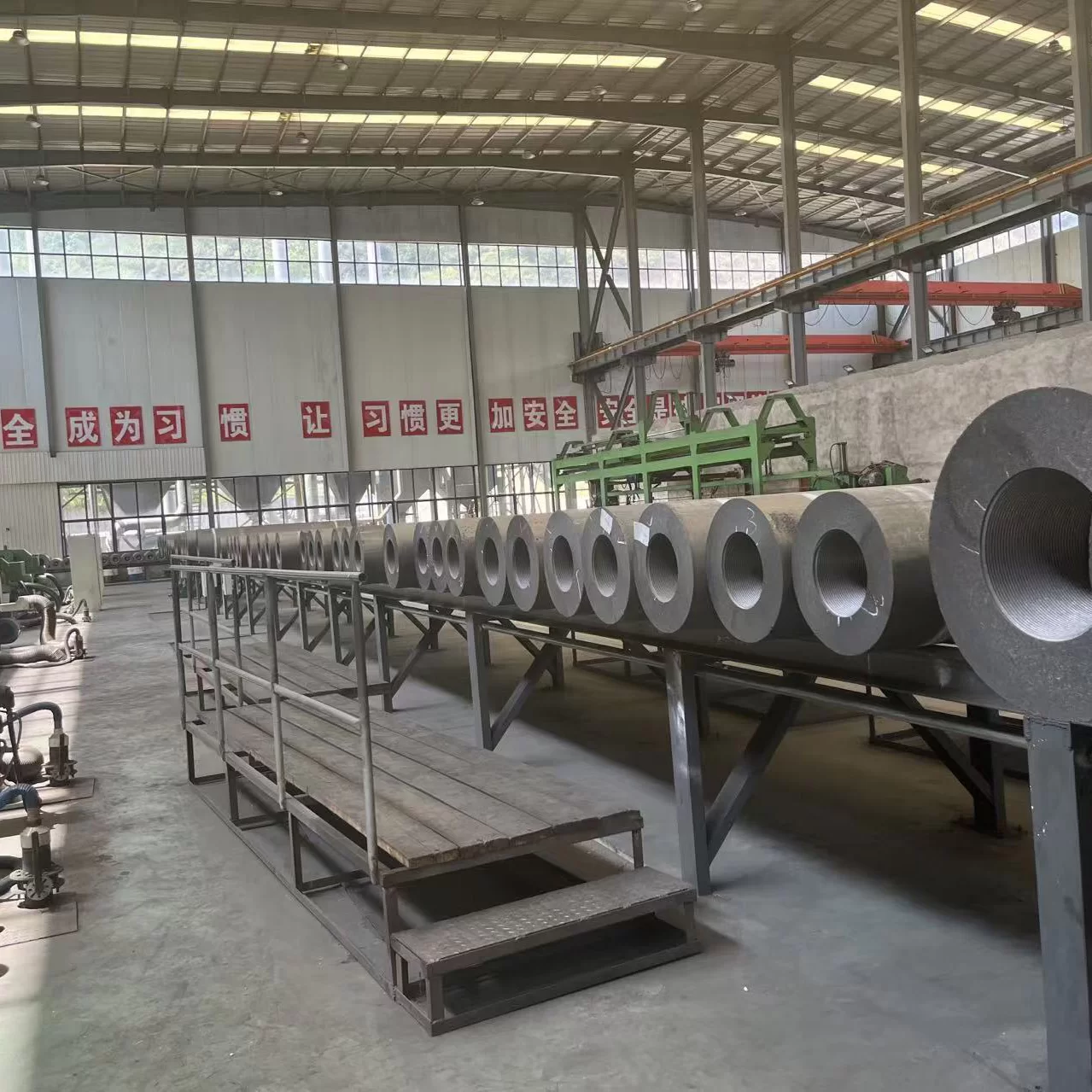
Graphite Ceramic: A Modern Material with Global Impact
In our ever-evolving technical landscape, materials like graphite ceramic quietly revolutionize industries from aerospace to environmental tech. Understanding this composite isn’t just for lab-coated experts. It matters globally because the benefits—durability, thermal management, sustainability—directly influence how we innovate with less waste, lower costs, and safer applications. Whether you're an engineer, a procurement manager, or simply curious about how modern materials shape tomorrow, diving into graphite ceramic opens up a world of possibilities.
The Global Significance of Graphite Ceramic
To appreciate graphite ceramic’s role today, consider the growing demands for materials that withstand extreme conditions while reducing environmental footprints. The World Bank reports accelerated industrial growth, especially in Asia-Pacific and North America, pushing engineering materials to higher performance standards.
Graphite ceramic answers key challenges: thermal resistance in high-speed machinery, weight reduction in automotive parts, and robust durability in infrastructure components. Challenge? Traditional ceramics, while hard, often lack the toughness needed. Graphite ceramics merge toughness with heat tolerance — a rare combo.
Oddly enough, the UN’s sustainable development goals indirectly call for such innovations. By prioritizing efficient industrialization (SDG 9) and sustainable cities (SDG 11), materials like this set the stage for sanitation, energy savings, and longer-lasting products globally.
Mini takeaway: The rising industrial and environmental needs worldwide make graphite ceramic a critical material to watch and adopt for resilient, sustainable solutions.
What Is Graphite Ceramic?
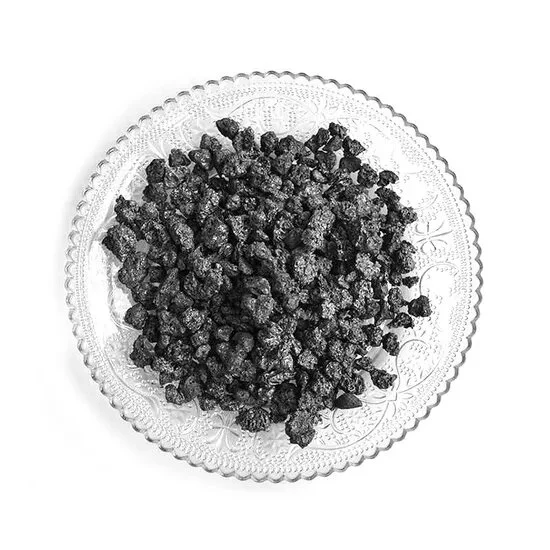
In plain terms, graphite ceramic is a composite material combining graphite’s lubricating, conductive properties with the hardness and heat resistance of ceramic. Imagine ceramic’s brittleness softened by graphite’s layered carbon atoms; the result is a strong, heat-resistant, and sometimes electrically conductive material. It’s like ceramic got a stealth upgrade.
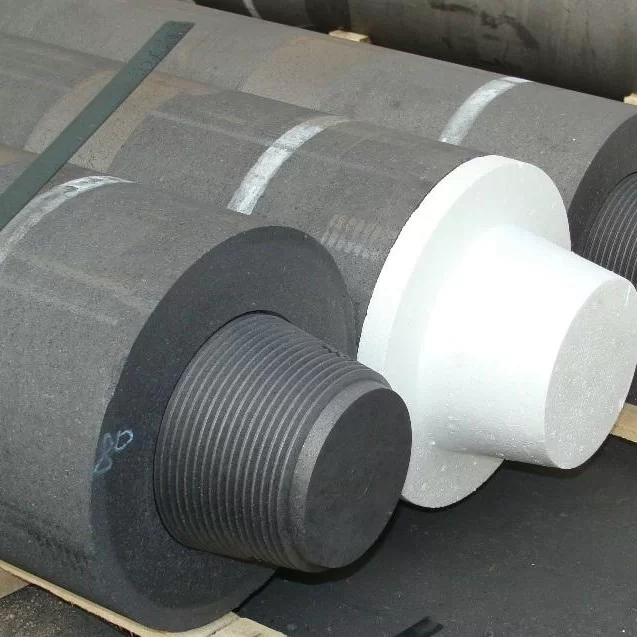
Industrially, this combination is used in high-temperature bearings, friction parts, and electronic components. Humanitarian-wise, these materials find niche roles in rapid-assembly robust shelter fittings and heat-resistant containers for disaster relief supplies — places where durability and lightweight design matter.
Key Characteristics You Should Know
Durability & Heat Resistance
Graphite ceramics can endure temperatures surpassing 1000°C without significant degradation. This makes them ideal in engines or turbines where metals sometimes fail due to oxidation or warping.
Thermal Conductivity
Unlike typical ceramics that insulate, graphite’s layered structure allows for efficient thermal conduction. This dual trait helps components dissipate heat quickly, preventing hotspots and failures.
Lightweight Yet Strong
The composite maintains structural integrity without added weight—a boon in aerospace and electric vehicle manufacturing, where every gram saved counts.
Corrosion Resistance
Graphite ceramic withstands chemical exposure more reliably than metals, granting longer lifespans in harsh environments.
Cost Efficiency & Scalability
Though the initial costs may be higher, scalable manufacturing technologies are rapidly dropping price points. Bulk industrial applications are becoming more feasible.
Mini takeaway: Graphite ceramic uniquely balances heat resistance, strength, and lightweight features — making it a versatile choice across industries.
Global Applications & Use Cases Worth Knowing
Graphite ceramic is quietly embedded across many sectors worldwide:
- Aerospace: Turbine engine parts where extreme heat and stress meet.
- Automotive: Brake pads and heat shields improving vehicle safety.
- Electronics: Heat sinks and circuit boards benefitting from thermal management.
- Industrial Manufacturing: Bearings, seals, and molds designed for longer service life.
- Humanitarian Efforts: In rapid-deployment kits for disaster shelters requiring robust, heat-resistant fittings.
Regions like Japan, Germany, and the U.S. lead research and adoption, while emerging markets in Southeast Asia increasingly use these materials in heavy industry.
In post-disaster relief, lightweight graphite ceramic fixtures enable quick assembly and durable shelter resilience — critical when every minute and ounce count.
Advantages & Long-Term Value of Graphite Ceramic
When you weigh the benefits, graphite ceramic is more than just a fancy material:
- Cost Savings: Longer lifespan means fewer replacements and downtime.
- Sustainability: Reduced resource waste due to durability and partial recyclability.
- Safety & Trust: Improved heat resistance lowers failure risks in critical systems.
- Innovation Catalyst: Enables new product designs impossible with traditional materials.
There’s an emotional comfort in knowing your aircraft’s engine parts won’t fail mid-flight or your disaster relief shelters won’t crumble in heatwaves. It’s reassuring tech, quietly upholding safety and dignity for millions.
Looking Ahead: Future Trends & Innovations
We’re seeing several exciting developments:
- Green Energy Applications: Composite materials like graphite ceramic are increasingly integrated into wind turbine components and battery housings, improving durability.
- Digital Manufacturing: 3D printing with graphite ceramic composites is becoming a possibility, enabling complex geometries and customized solutions.
- Advanced Coatings: Combining graphite ceramic with nanomaterials enhances corrosion resistance even further.
All these trends echo a larger push towards sustainability, automation, and smart materials in manufacturing.
Challenges & Practical Solutions
Despite its promise, graphite ceramic faces hurdles:
- Brittleness: Though improved, ceramics remain prone to cracking under shock. Solution? Hybrid composites and better machining techniques.
- Cost Barriers: High-quality graphite ceramics require precise manufacturing. Ongoing R&D and economies of scale are gradually lowering costs.
- Supply Chain Complexity: Limited suppliers can delay projects; companies increasingly partner with established vendors or invest in in-house capacity.
Mini takeaway: While not flawless, active innovation in materials science and industrial processes means graphite ceramics’ barriers are steadily falling.
Specification Snapshot of a Popular Graphite Ceramic Composite
| Specification | Value | Unit |
|---|---|---|
| Thermal Conductivity | 50-120 | W/m·K |
| Maximum Operating Temp. | 1600 | °C |
| Density | 2.20 | g/cm³ |
| Compressive Strength | 450 | MPa |
| Electrical Resistivity | 10⁻² to 10⁻¹ | Ω·cm |
Comparing Top Graphite Ceramic Vendors
| Vendor | Product Range | Lead Time | Custom Solutions | Typical Markets |
|---|---|---|---|---|
| Dah Carbon | Graphite ceramic plates, rods, custom parts | 2-4 weeks | Yes | Aerospace, Electronics, Energy |
| Ceratec Inc. | Standard blocks, heat shields | 3-6 weeks | Limited | Automotive, Industrial |
| Graphite ProMaterials | Custom composites, nano coatings | 4-8 weeks | Extensive | Marine, Electronics, Energy |
FAQs About Graphite Ceramic
What makes graphite ceramic preferable to pure ceramic in industrial parts?
Graphite’s addition reduces brittleness while improving thermal conductivity. This means parts last longer under stress and heat, lowering maintenance costs.
Can graphite ceramic components be recycled or reused?
Although recycling is challenging due to composite nature, emerging techniques focus on reclaiming graphite and ceramic powders separately for reuse—a promising green step.
How does the cost of graphite ceramic compare to metal alloys?
Initial costs tend to be higher, but the longer lifetime and lower failure rates often offset expenses, making it cost-effective in the long run.
Are there industries or regions where graphite ceramic is underutilized?
Yes, emerging markets in Africa and parts of South America still mostly use traditional materials. Awareness and infrastructure are slowly catching up.
Where can I find reliable supply sources for graphite ceramic parts?
Trusted suppliers like Dah Carbon offer custom solutions with global shipping, ensuring quality and timely delivery.
Wrapping Up: Why Graphite Ceramic Is Worth Your Attention
To sum up, graphite ceramic blends the best of both worlds: ceramic’s hardness and graphite’s heat management, creating reliable, efficient components crucial for modern technology and humanitarian efforts alike. It’s not just a material—it’s an enabler of safer, lighter, and longer-lasting innovations.
Curious to explore more or get customized materials? Feel free to visit our website and discover what graphite ceramic can do for your projects.
References: