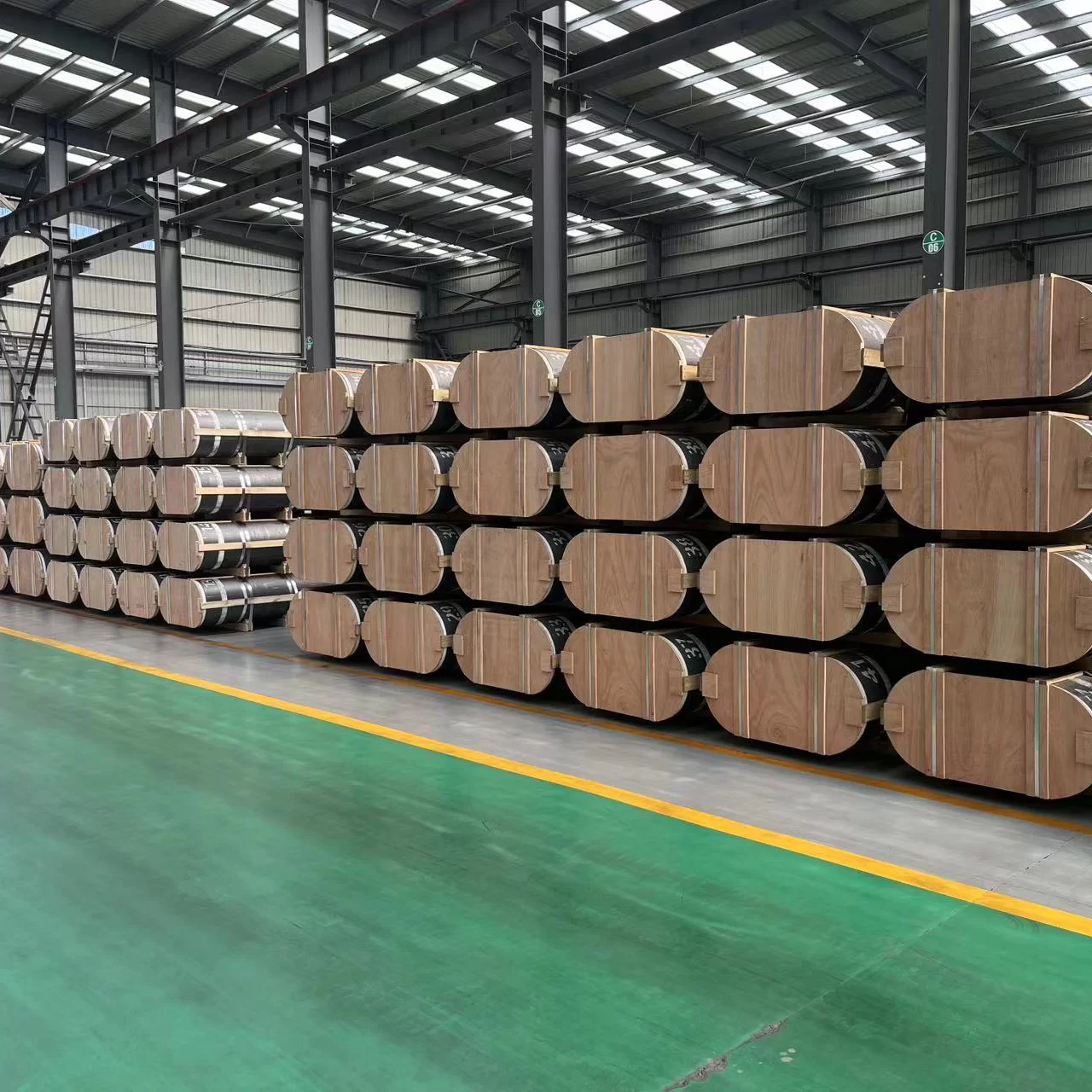
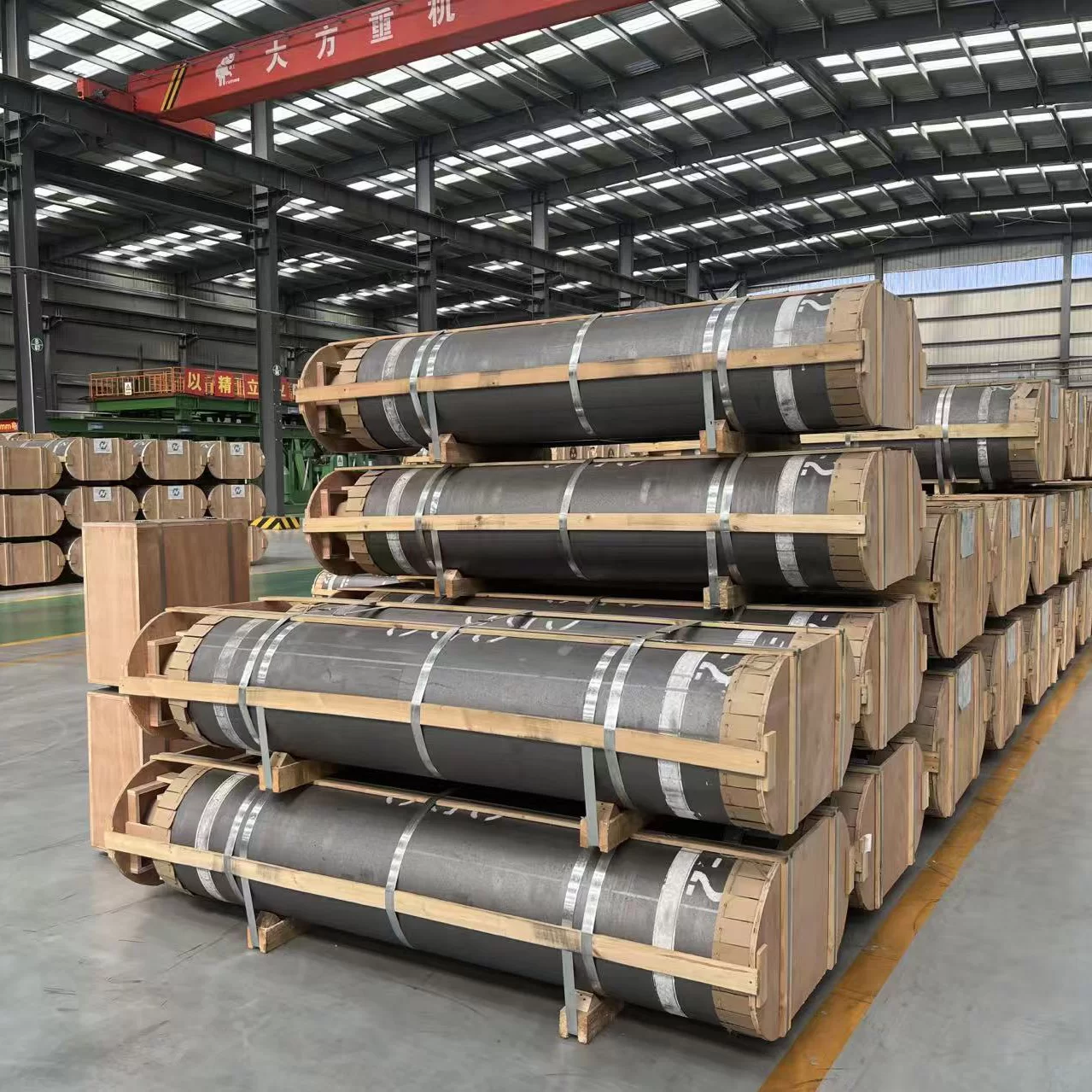
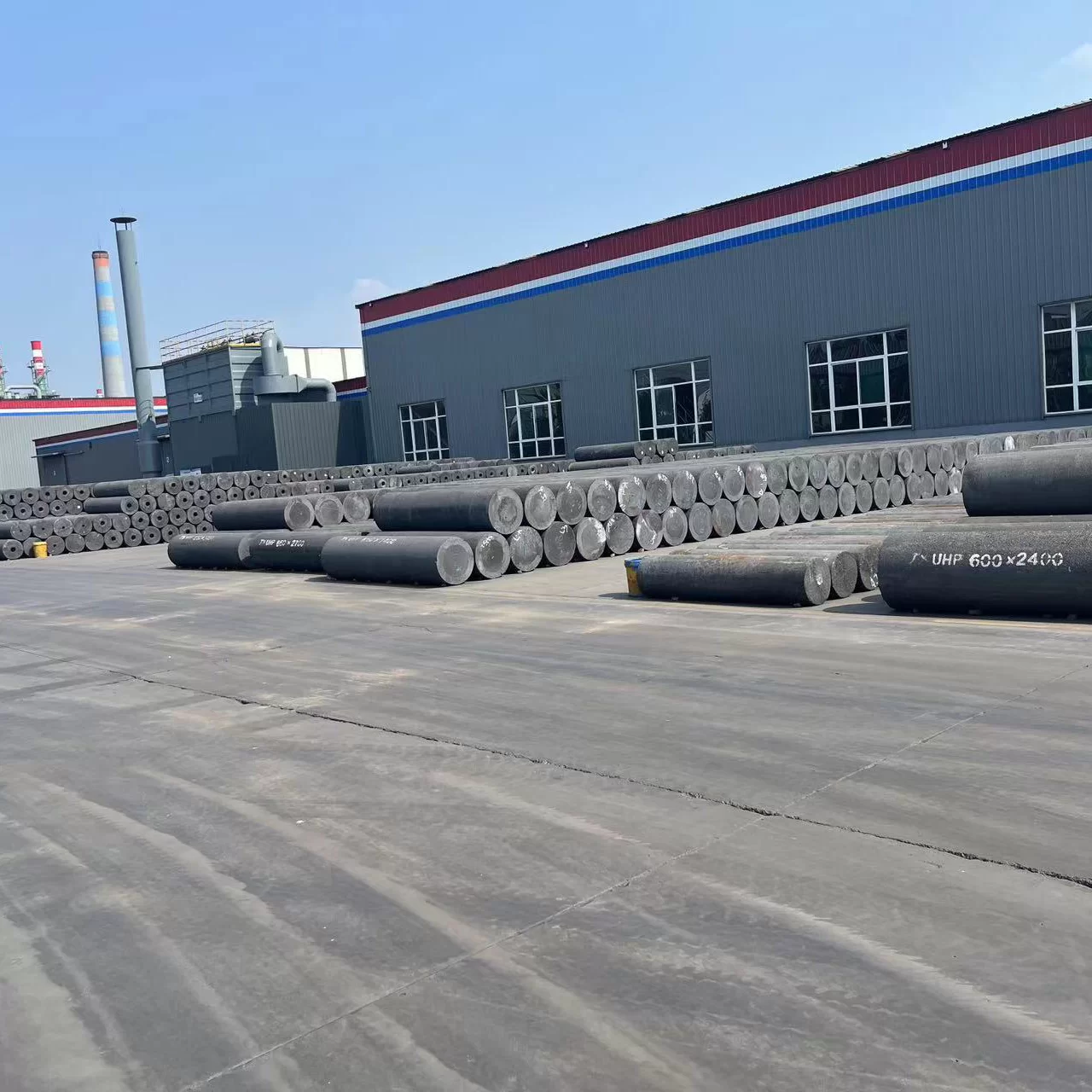
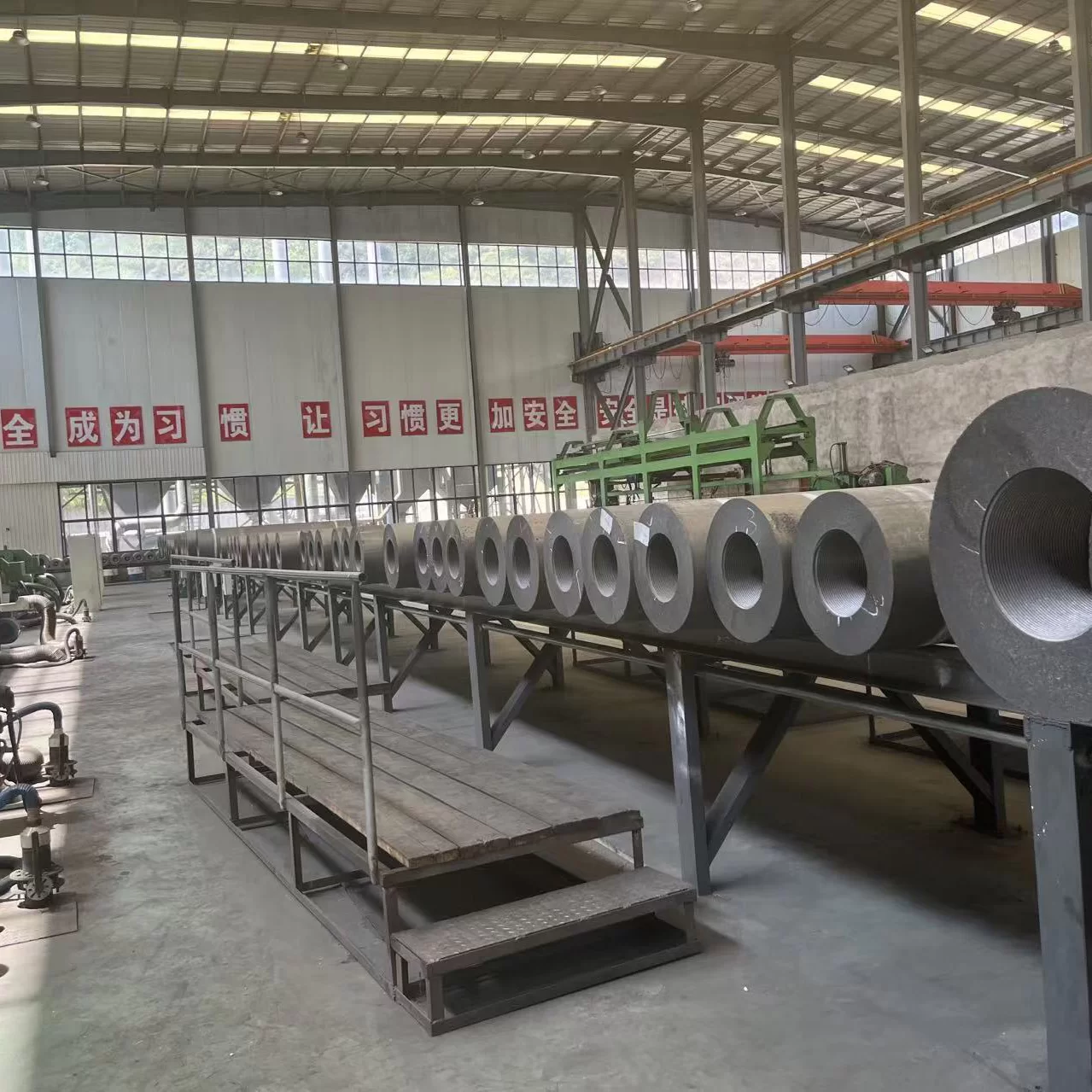
Graphite Compound: A Critical Material Shaping Modern Industry
At first glance, graphite compound might sound like something reserved only for chemists or engineers, but its importance spans several critical global sectors — from energy and aerospace to humanitarian aid. Essentially, this material contributes to making products more durable, efficient, and sustainable. Understanding graphite compound's benefits and challenges is key to leveraging its full potential worldwide.
Introduction: Why Graphite Compound Matters Globally
Globally, industries are in a constant race to innovate while reducing environmental impacts. The International Energy Agency (IEA) reports that demand for critical materials playing into cleaner energy solutions, including graphite, is set to double by 2040. Graphite compounds—hybrid materials typically composed of natural or synthetic graphite particles combined with binders—are good examples of this trend. They serve as essential components in batteries, lubricants, and heat management systems.
However, as useful as graphite compounds are, challenges like sourcing sustainable graphite and optimizing compound formulations for different applications persist. Frankly, the pressure mounts as global supply chains grow more complex and the push for green solutions strengthens.
What Exactly Is Graphite Compound?
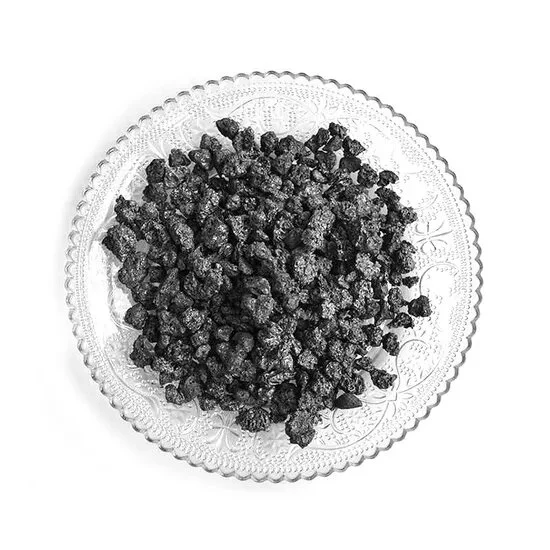
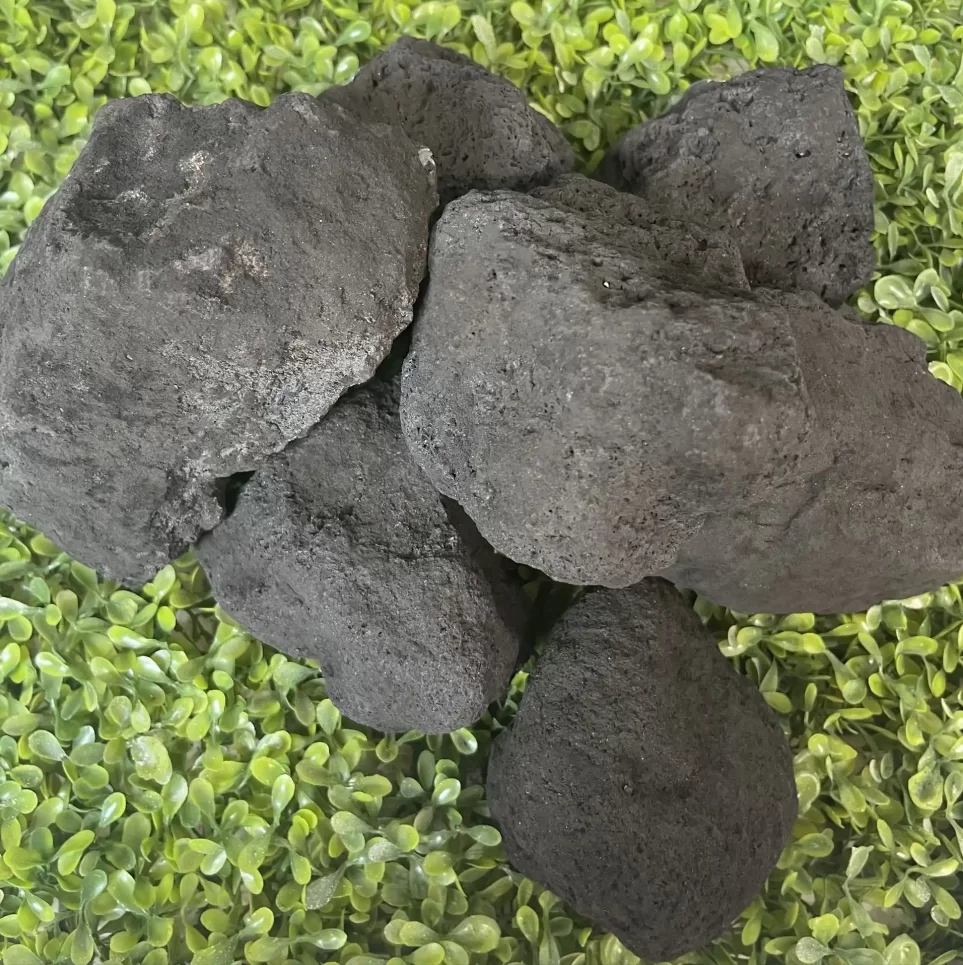
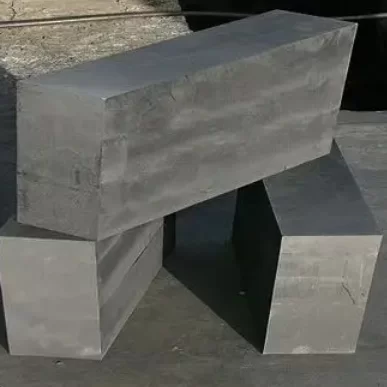
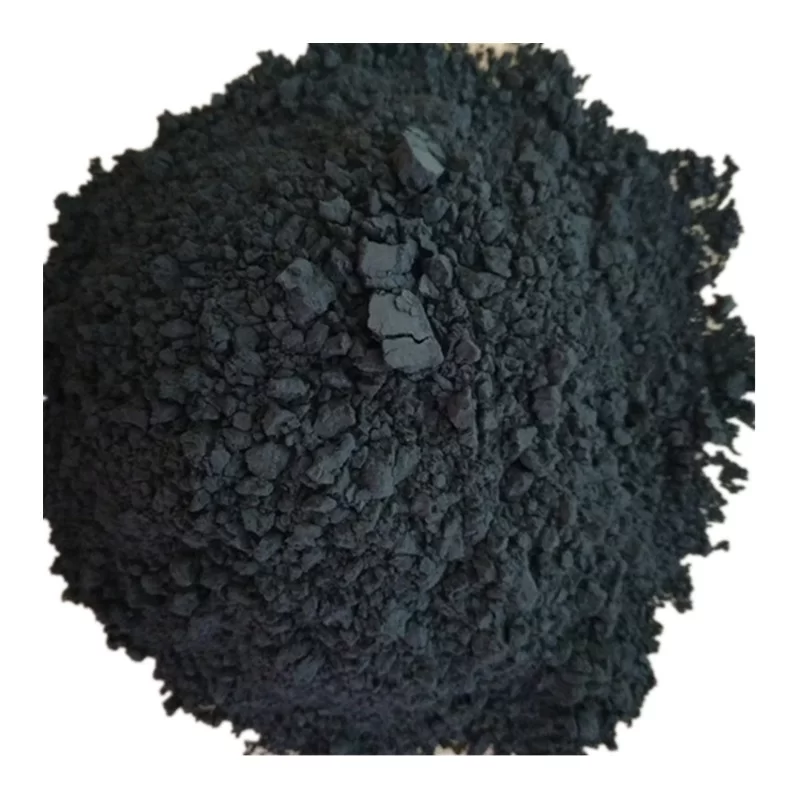
In simple terms, a graphite compound is a blend where graphite particles are mixed with other materials such as polymers, resins, or metals to enhance physical or chemical properties. Think of it like baking a cake — graphite is the flour, but the final texture and flavor depend on what else you mix in.
These compounds are prized for their excellent thermal conductivity, electrical conductivity, chemical resistance, and lubricity. As such, they're indispensable in meeting modern industrial needs, especially in energy storage (like lithium-ion batteries) and in manufacturing high-performance components that require heat dissipation or corrosion resistance.
Oddly enough, they also help humanitarian efforts by improving clean energy devices that provide power in remote or disaster-stricken regions.
Core Factors of Graphite Compounds
Durability and Mechanical Strength
When graphite is compounded with tough polymers, it enhances resistance to wear and tear. Many engineers say this quality is why such compounds succeed in harsh environments — automotive brake pads and aerospace components, for example.
Thermal Conductivity
Graphite compounds are champions at managing heat — a must in electronics and battery tech. In fact, these materials can transfer heat up to 10 times faster than plastics alone, preventing overheating in compact devices.
Electrical Conductivity
This feature lets them replace metal parts in some circuits, reducing weight and cost. It's a game-changer in sectors like electric vehicles where every gram counts.
Cost Efficiency and Scalability
Combining graphite with cost-effective binders often results in lower overall expenses compared to metals or ceramics. Plus, many suppliers now offer scalable compound production meeting large-volume demand.
Environmentally Friendly Aspects
Compared to metals, graphite compounds usually have lower embodied carbon footprints, especially when made from natural graphite and bio-based binders — big when you’re talking sustainability.
Global Applications and Real-World Use Cases
Graphite compounds show up all over the world in surprising ways. For example:
- Energy Storage: In East Asia, the booming battery sector uses graphite compound anodes to improve charging speed and battery lifespan.
- Aerospace: European manufacturers employ these materials in avionics heat sinks where lightweight and reliability are crucial.
- Lubricants and Seals: In remote industrial zones like Canada’s oil fields, graphite compounds ensure machinery runs smoothly under extreme cold.
- Disaster Relief Tech: NGOs integrate graphite-enhanced solar panels or battery packs in portable energy kits for post-disaster recovery globally.
Thanks to these versatile properties, graphite compounds truly span from the cutting edge of tech hubs to on-the-ground humanitarian needs.
Advantages and Long-Term Value of Graphite Compounds
When you think beyond just specs, graphite compounds bring tangible value:
- Cost Savings: Reduced replacement and maintenance costs due to wear resistance mean better ROI for many manufacturers.
- Environmental Impact: Their relatively low carbon footprint aligns well with global sustainability goals.
- Reliability and Safety: Superior thermal management reduces risk of failure, keeping devices safe for users.
- Social and Emotional Impact: By powering remote or off-grid communities with clean energy tech, these materials contribute to dignity and progress.
It feels like investing in graphite compound technology isn’t just about short-term gains, but building toward smarter, safer, and more sustainable futures.
Product Specification Table
| Property | Typical Range | Unit | Notes |
|---|---|---|---|
| Graphite Content | 30–70 | % by weight | Higher graphite usually equals better conductivity. |
| Thermal Conductivity | 5–25 | W/m·K | Varies by formulation and binders used. |
| Electrical Conductivity | 10^2–10^4 | S/m | Enables applications in electronics. |
| Operating Temp Range | -50 to 350 | °C | Depends on binder stability. |
| Typical Density | 1.2–1.8 | g/cm³ | Lighter than many metals it replaces. |
Vendor Comparison: Leading Graphite Compound Suppliers
| Supplier | Key Strengths | Sustainability | Customization | Global Reach |
|---|---|---|---|---|
| Dah Carbon | High purity graphite, tailored compounds | Uses eco-friendly binders, certified supply chain | Extensive formulation customization | Strong in Asia, North America & Europe |
| GraphiteWorks Ltd. | Bulk supply, consistent specs | Traditional processes, moderate eco-focus | Standard formulations, less flexible | Strong local presence in Europe |
| EcoGraphite Inc. | Bio-based, green product line | Top-tier sustainability credentials | Limited customization, premium pricing | Focused on North American markets |
Innovations and Future Trends in Graphite Compounds
The future's looking bright and frankly a bit electric — no pun intended. Graphite compounds are evolving alongside the green energy revolution. Companies are developing nano-scale graphite particles for improved battery performance and exploring bio-based polymers to replace synthetic binders.
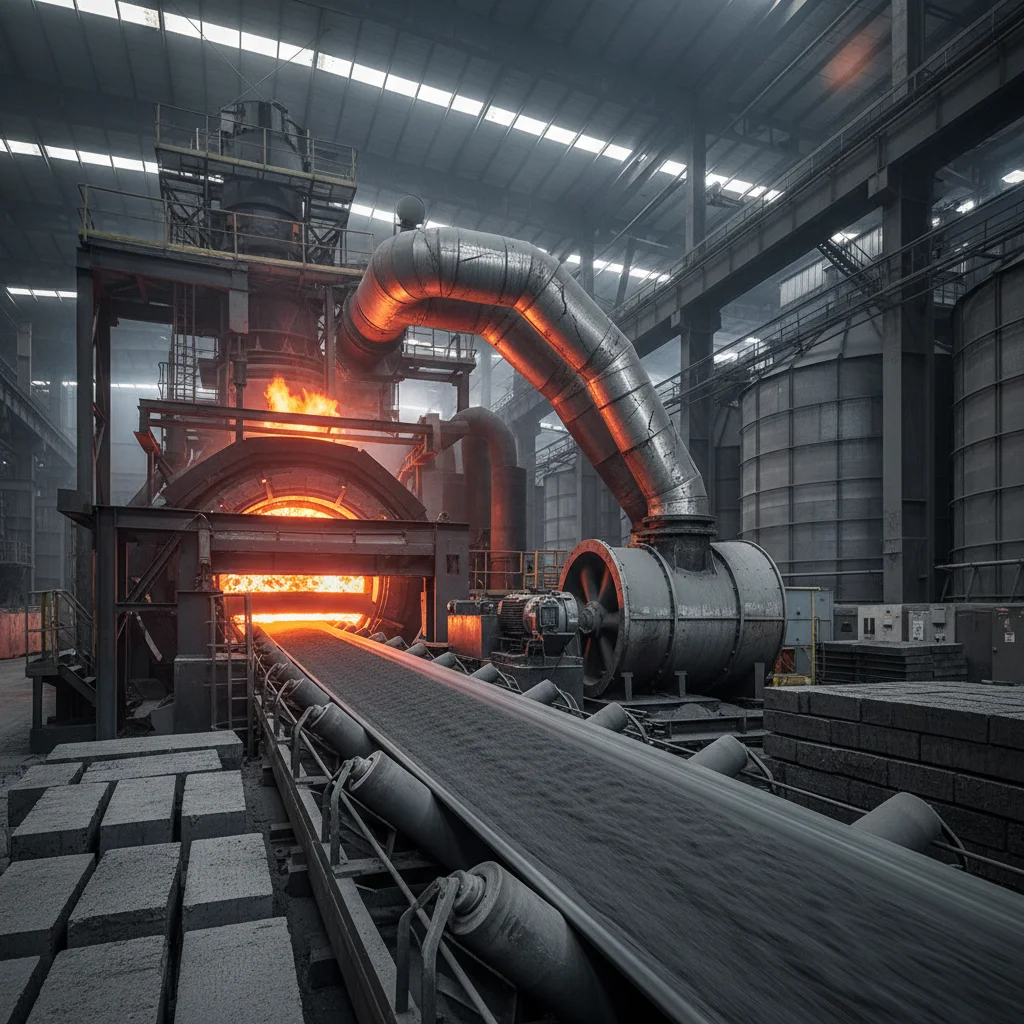
Automation and digital manufacturing also enable tighter quality control, boosting compound reliability without compromising cost. On a policy level, many governments now incentivize eco-friendly materials, and graphite compounds are gaining recognition as part of this sustainable development puzzle.
Challenges and How Industry Addresses Them
Although versatile, graphite compounds face hurdles: sourcing high-quality graphite sustainably remains tough; variability in compound batches can affect product performance; and sometimes costs balloon when aiming for high performance.
Leading suppliers are investing in traceability and greener graphite mining techniques. Meanwhile, additive manufacturing (3D printing) of graphite compounds is emerging as a way to minimize waste and customize products efficiently.
Frequently Asked Questions About Graphite Compound
- Q: What makes graphite compound-based batteries better than traditional types?
- A: Graphite compound anodes improve charging speed, thermal stability, and cycle life compared to older battery materials. This means longer-lasting, safer batteries for devices and EVs.
- Q: How long can graphite compound components last in industrial settings?
- A: Depending on formulation and use, graphite compound parts can offer 3–10 years of service, often exceeding traditional metal wear parts due to their enhanced wear resistance.
- Q: Is graphite compound production eco-friendly?
- A: It can be, especially when using natural graphite from certified mines and bio-based binders. Reputed suppliers focus on reducing environmental impact through greener processes.
- Q: Can NGOs procure graphite compound-based tech for international relief efforts?
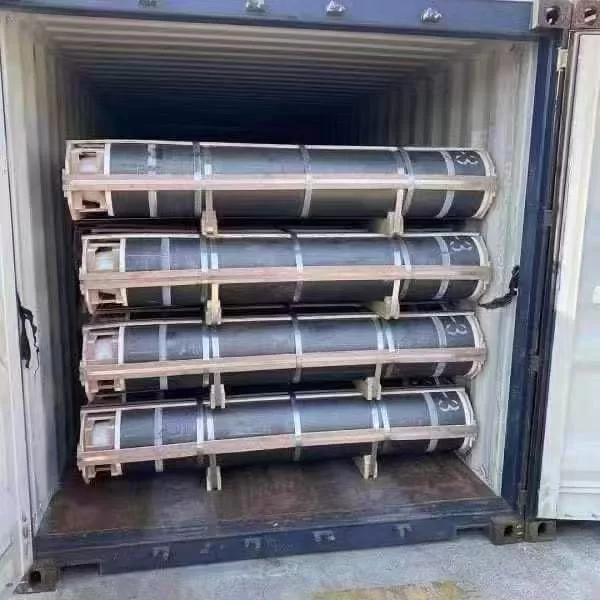
- A: Absolutely. Many manufacturers offer custom formulations and export-friendly logistics arrangements. NGOs should look for vendors that understand global shipping and regulatory compliance.
Conclusion: Why Graphite Compound Should Be On Your Radar
Graphite compound is more than just a material buzzword — it’s a versatile enabler for innovation, sustainability, and reliability across industries and humanitarian efforts. Its balance of cost, performance, and environmental benefit makes it an ideal choice for future-focused applications.
Curious to explore graphite compound options tailored to your needs? Visit our website at graphite compound to learn more.