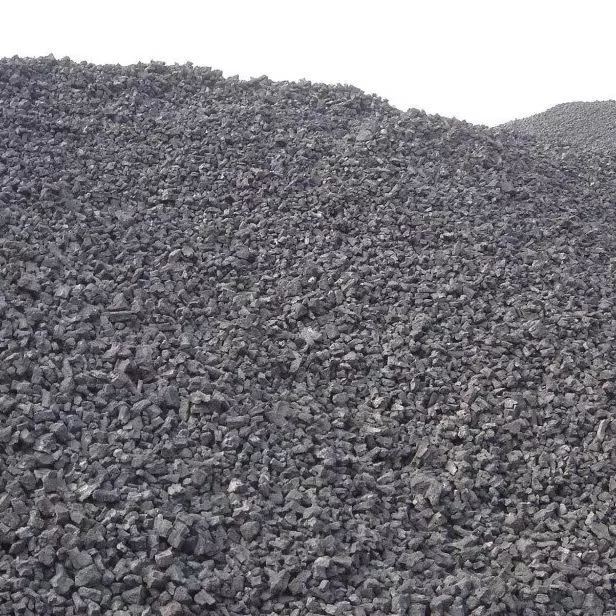
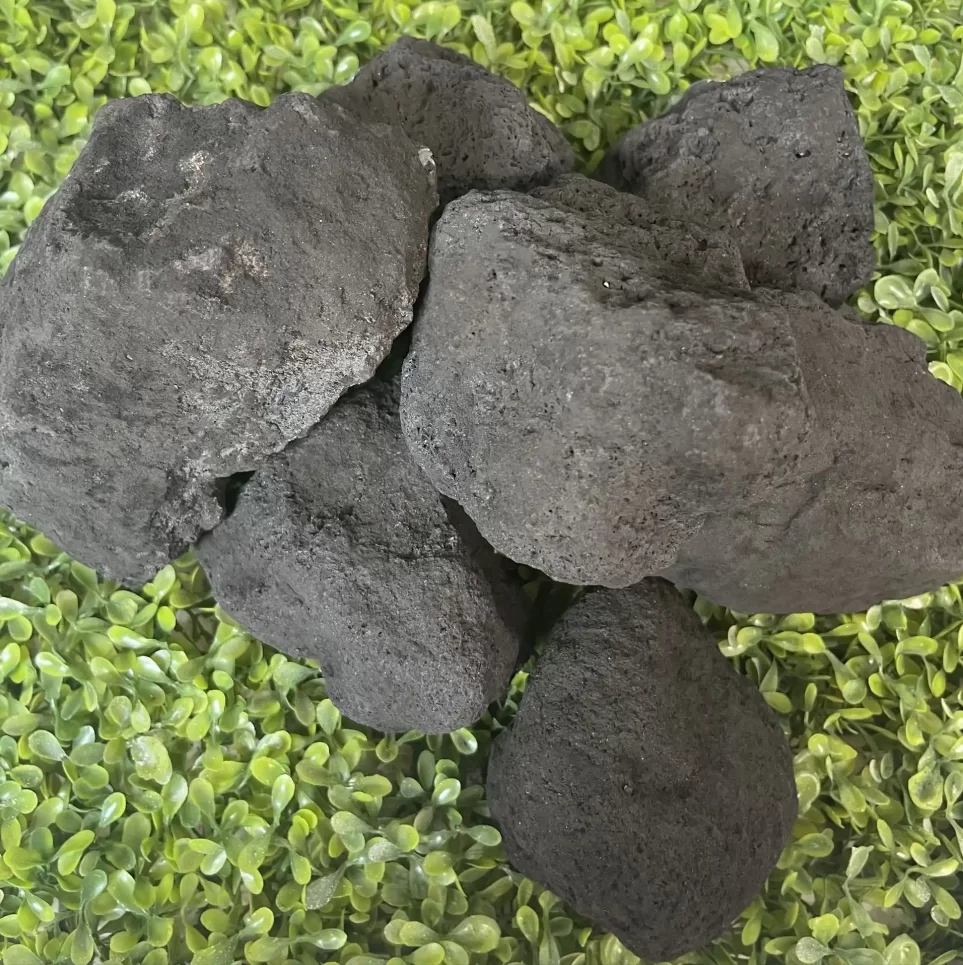
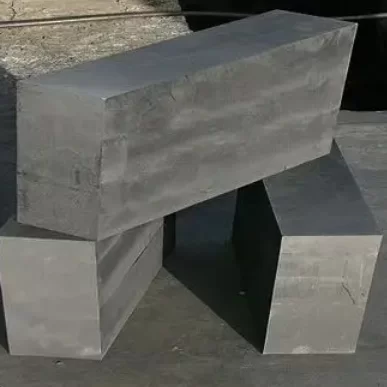
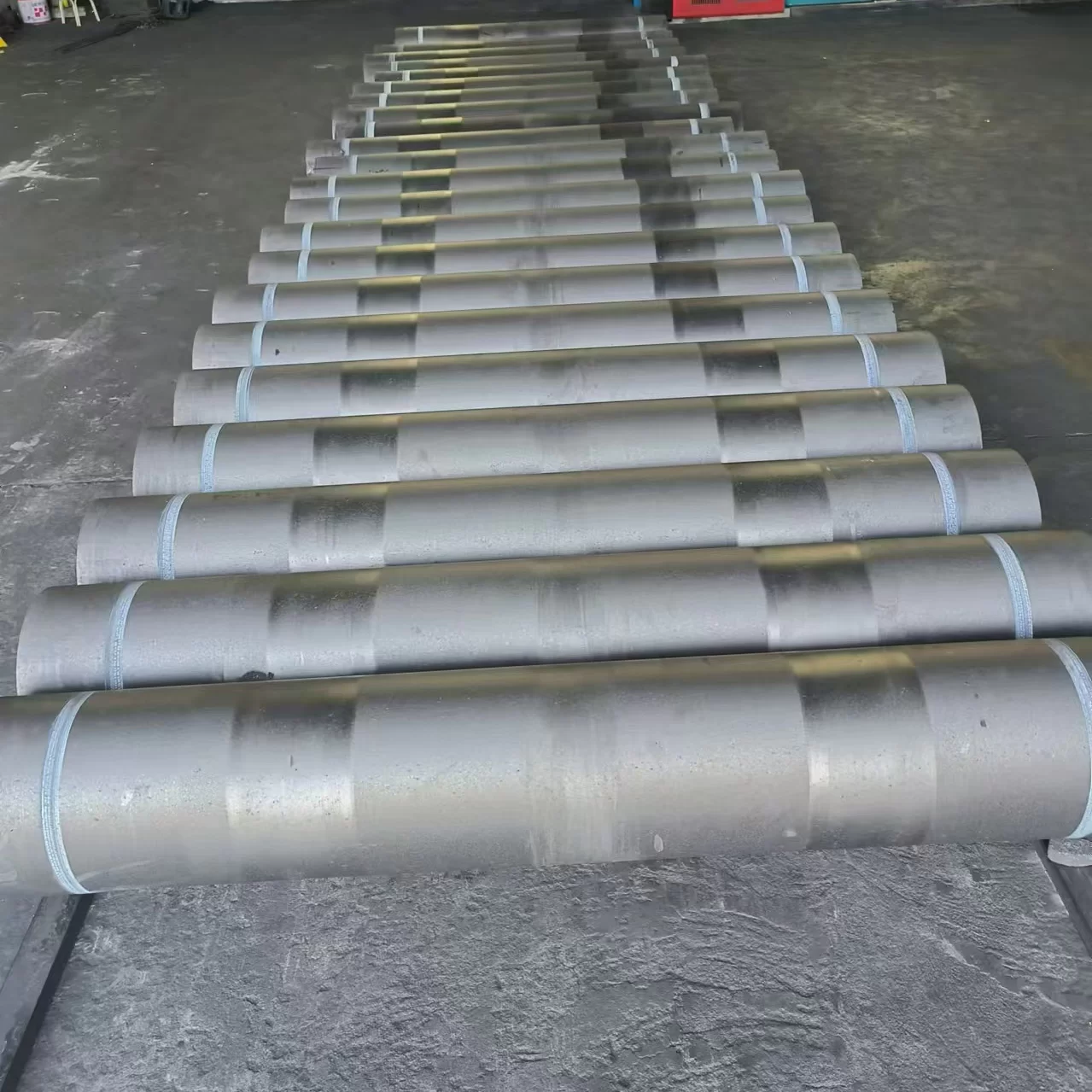
Understanding Graphite Crystals and Their Global Impact
Graphite crystals — at first glance, they may seem like just another geeky material buried in labs or industrial shelves. But truth be told, these layered carbon structures are quietly driving innovation across multiple industries worldwide. Why should you care? Because the unique characteristics of graphite crystals serve as foundational building blocks for everything from next-gen batteries powering electric vehicles to advanced aerospace components. In a world where sustainability and efficiency take center stage, mastering the potential of graphite crystals isn’t just technical wizardry — it’s essential for sustainable progress.
Mini takeaway: Recognizing the global influence of graphite crystals helps understand their role beyond simple carbon forms — powering the future of tech and energy.
The Global Context: Why Graphite Crystals Matter More Than Ever
Let’s zoom out for a sec. According to the United Nations Environmental Programme, the demand for cleaner energy solutions has skyrocketed by nearly 30% in the past decade. Graphite crystals, with their distinctive hexagonal carbon layers, are integral to this shift. They’re vital in lithium-ion batteries, fuel cells, and even nuclear reactors. Plus, with rising electric vehicle adoption — climbing to over 10 million globally in 2023 (International Energy Agency) — the pressure on high-quality graphite crystals has intensified.
But here's the rub: traditional graphite mining struggles to keep pace with eco-friendly practices. There's a growing need for synthetic, high-purity graphite crystals, pushing R&D into new production methods. Meanwhile, industries grapple with challenges like supply chain vulnerabilities and raw material scarcity. This makes understanding graphite crystals not just a scientific curiosity but a strategic priority worldwide.
Mini takeaway: The surge in green technologies worldwide highlights graphite crystals as a critical resource, but supply and sustainability concerns complicate their use.
What Exactly Are Graphite Crystals?
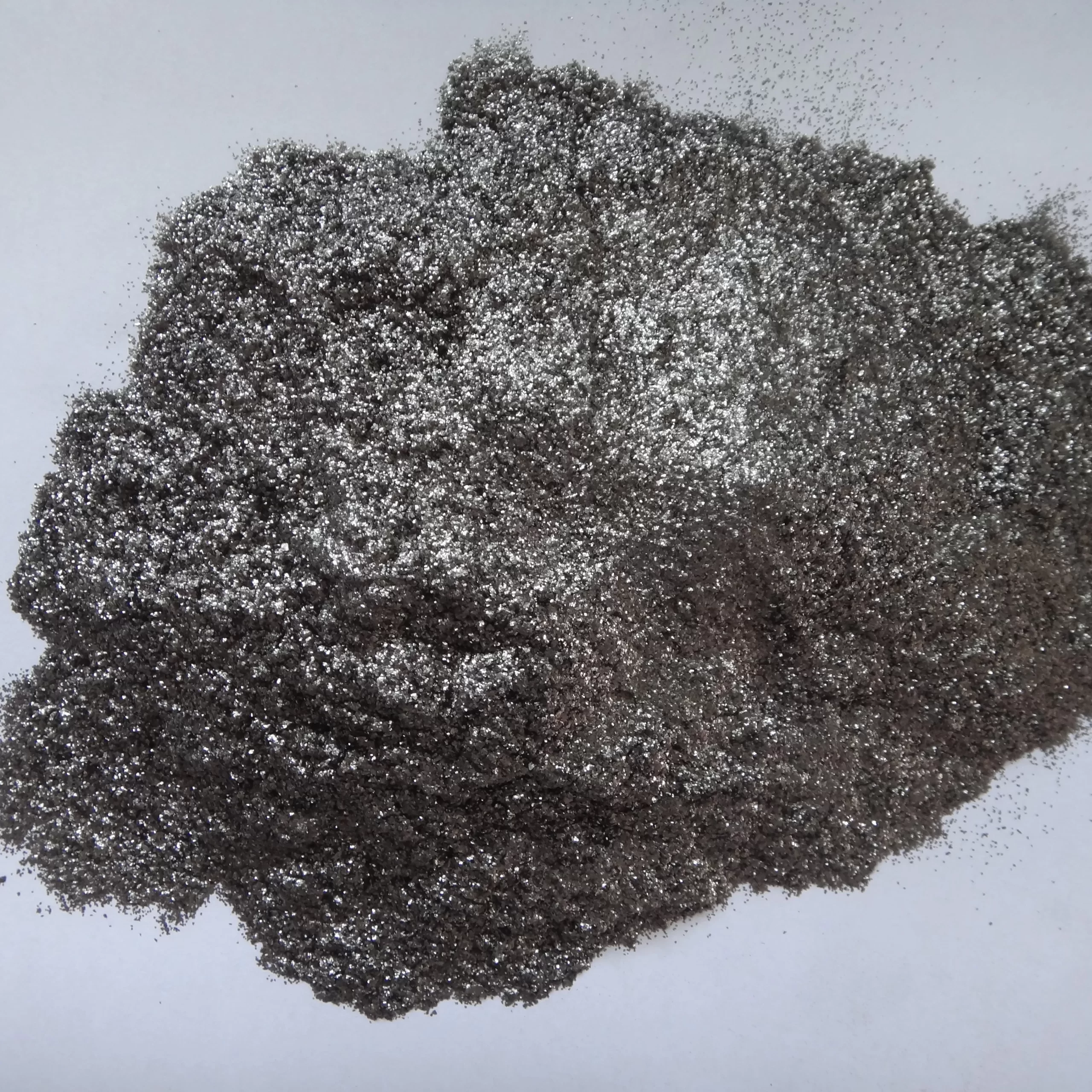
Simply put, graphite crystals are tightly packed carbon atoms arranged in a layered, hexagonal lattice. These layers can slide past each other, which explains why graphite is slippery and a good lubricant. When these crystals align in graphite electrodes, batteries, or even protective coatings, their structural properties shine. From pencils to electric grids, graphite crystals serve as a versatile material base.
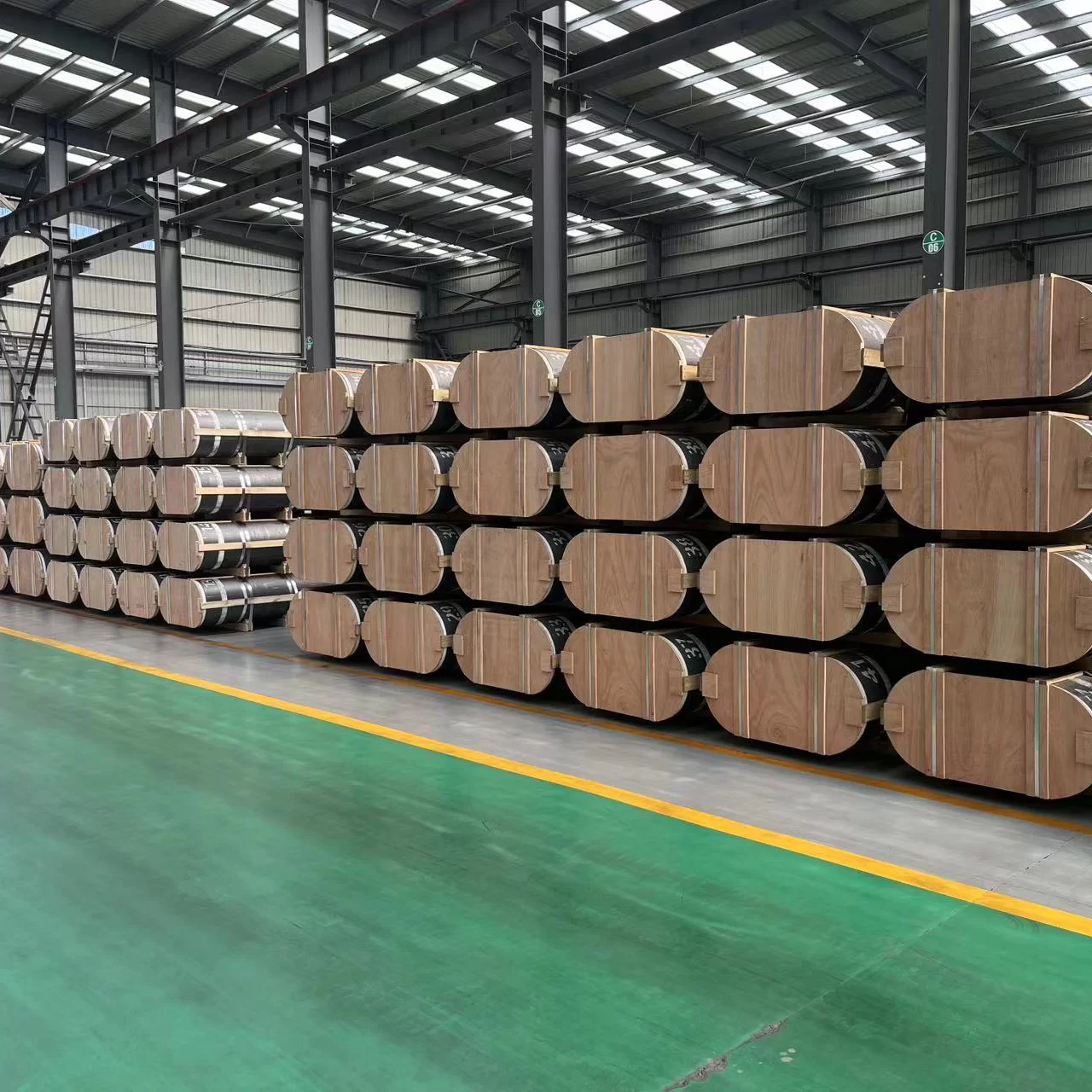
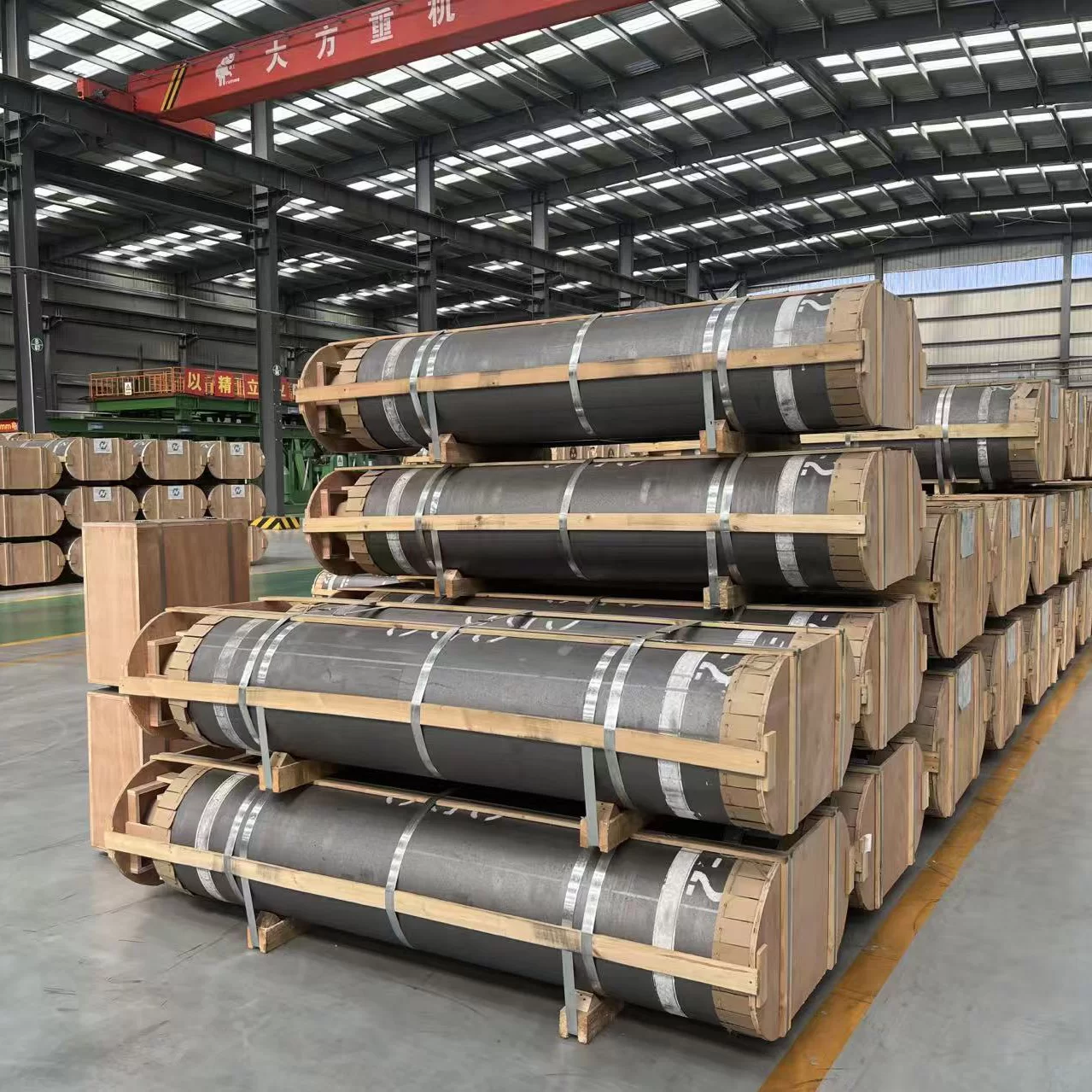
In modern industry, their role goes deeper. Graphite crystals act as conductive agents for electrodes, heat spreaders for electronics, and components in solar panels. Their ability to withstand high temperatures and conductivity makes them indispensable for hydraulic machinery, aerospace parts, and even humanitarian medical devices — where reliability and strength literally save lives.
graphite crystals aren’t just about carbon — they’re about enabling technologies that keep our world running.
Key Features Driving Graphite Crystals’ Practical Applications
1. Exceptional Electrical Conductivity
Graphite crystals conduct electricity remarkably well along their layers, which makes them perfect for batteries and electronic devices. Many engineers say this is why lithium-ion battery longevity and efficiency keep improving — it’s all about optimizing graphite crystal purity and structure.
2. Thermal Stability and Heat Resistance
These crystals resist degradation at high temperatures, enabling their use in high-heat industrial environments, including nuclear reactors and brake linings.
3. Mechanical Flexibility
Despite being brittle in bulk, the layered structure allows thin sheets (like graphene) derived from graphite crystals to be flexible and strong — adding a new dimension to material science.
4. Chemical Inertness
Graphite crystals don’t easily react with acids or bases, which is why they’re often employed in corrosive environments, such as chemical reactors or batteries that might degrade other materials.
5. Scalability of Production
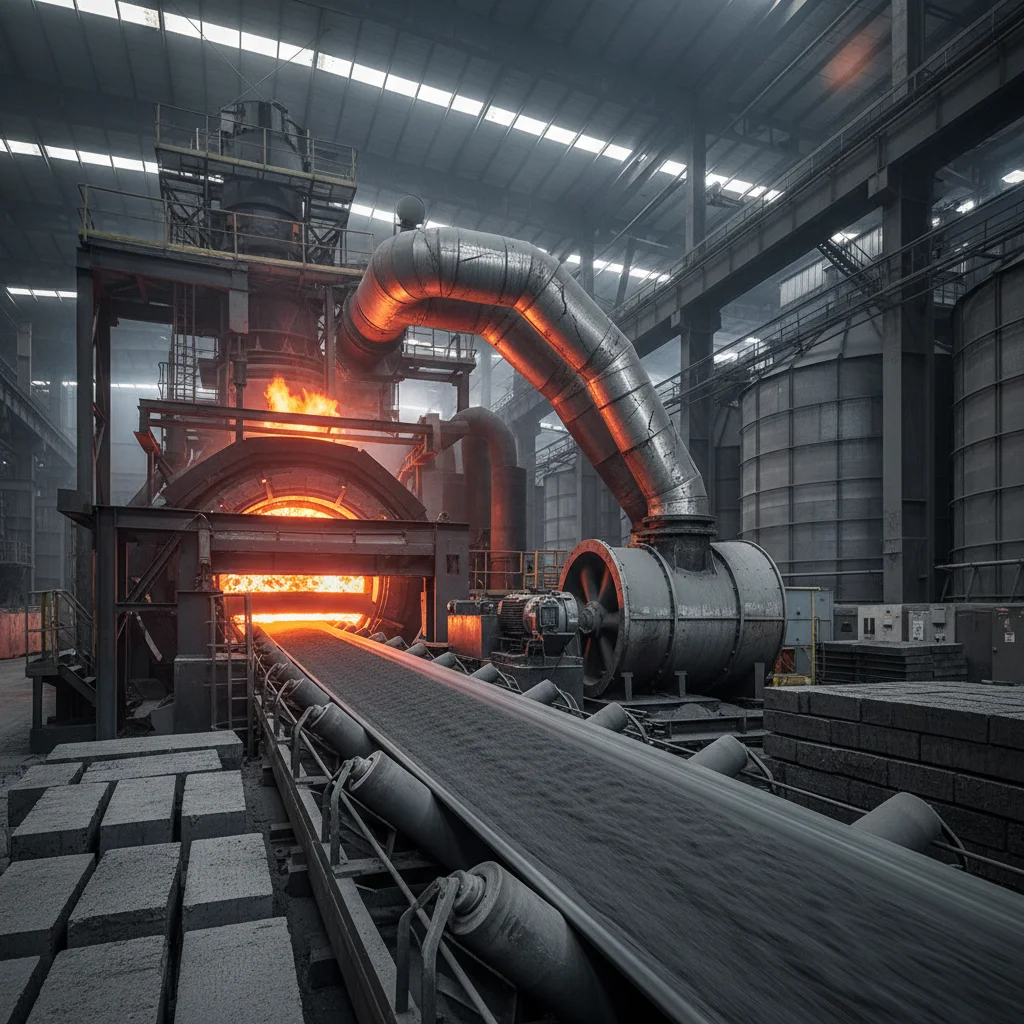
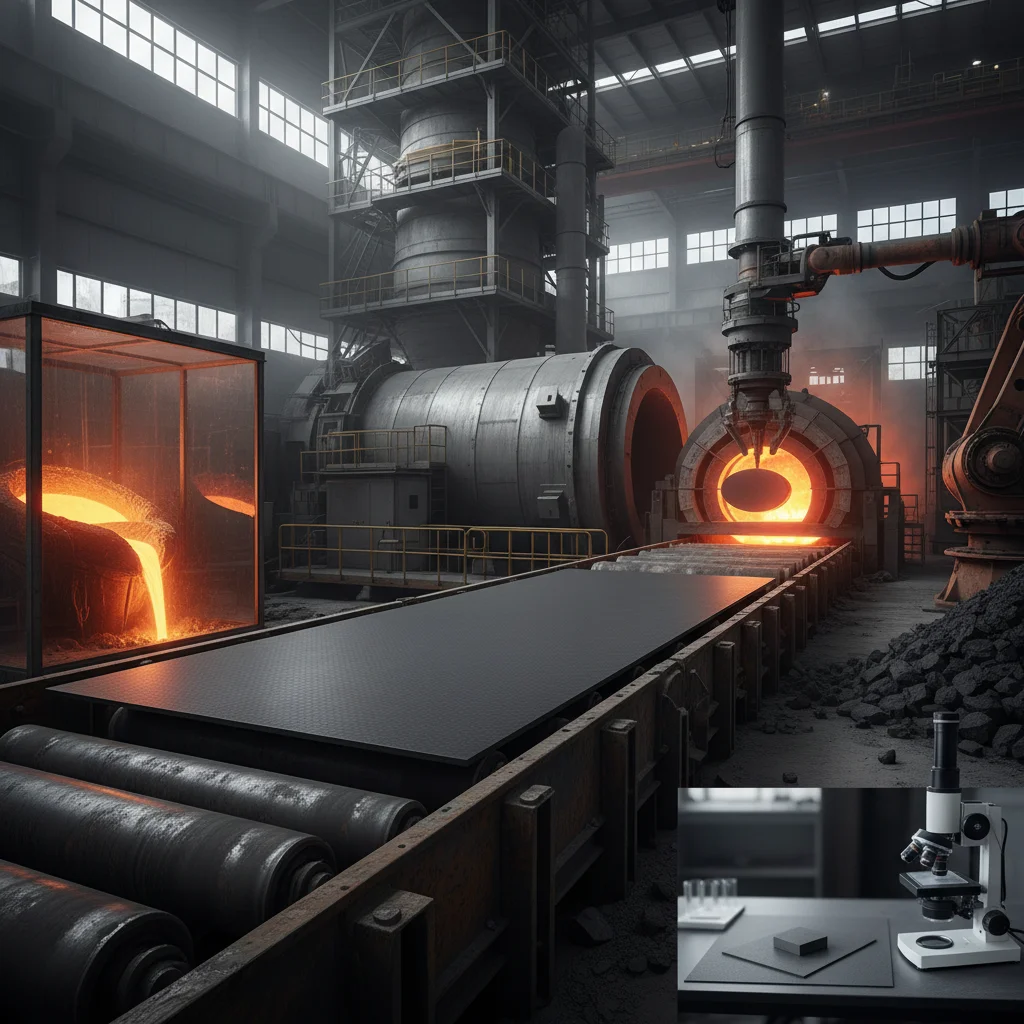
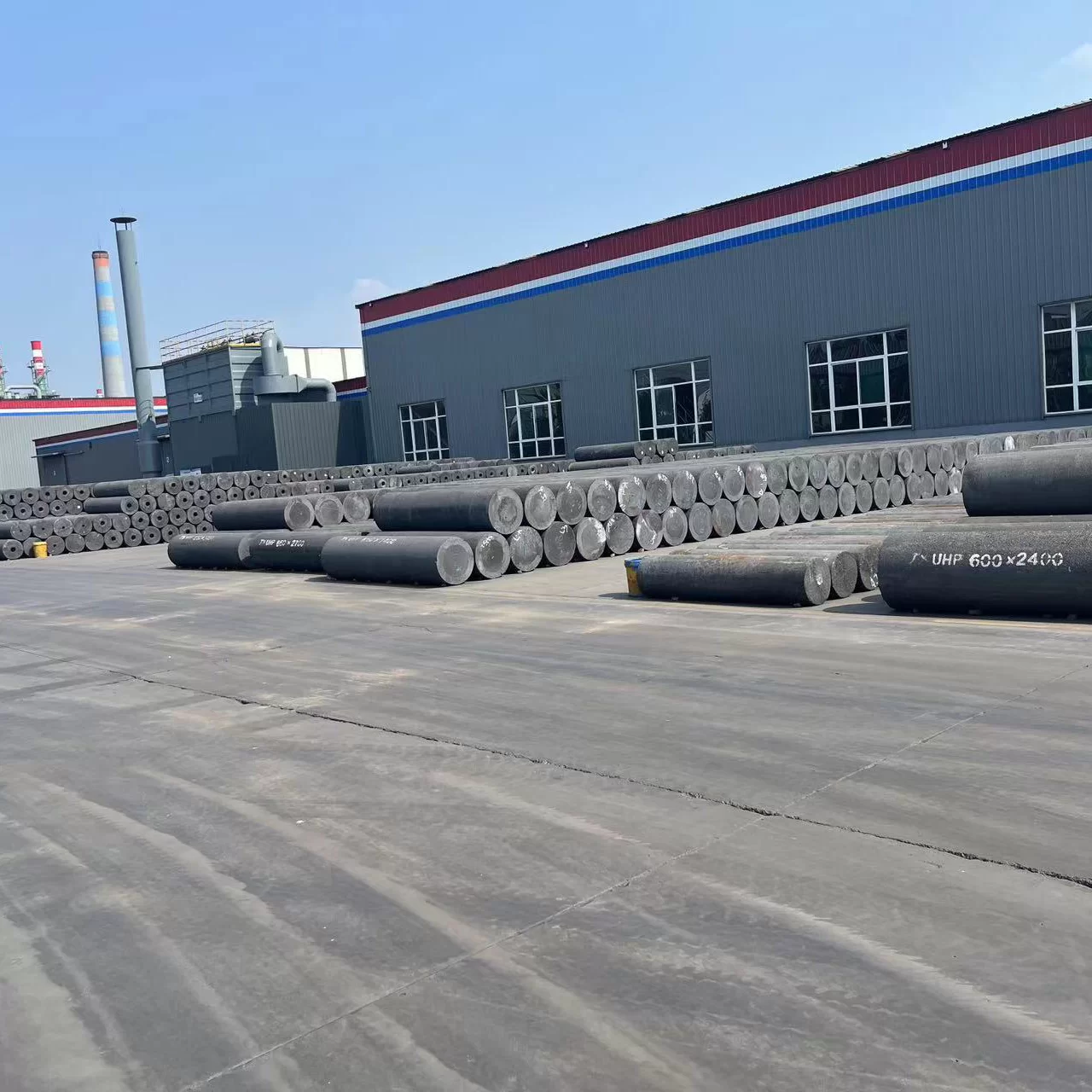
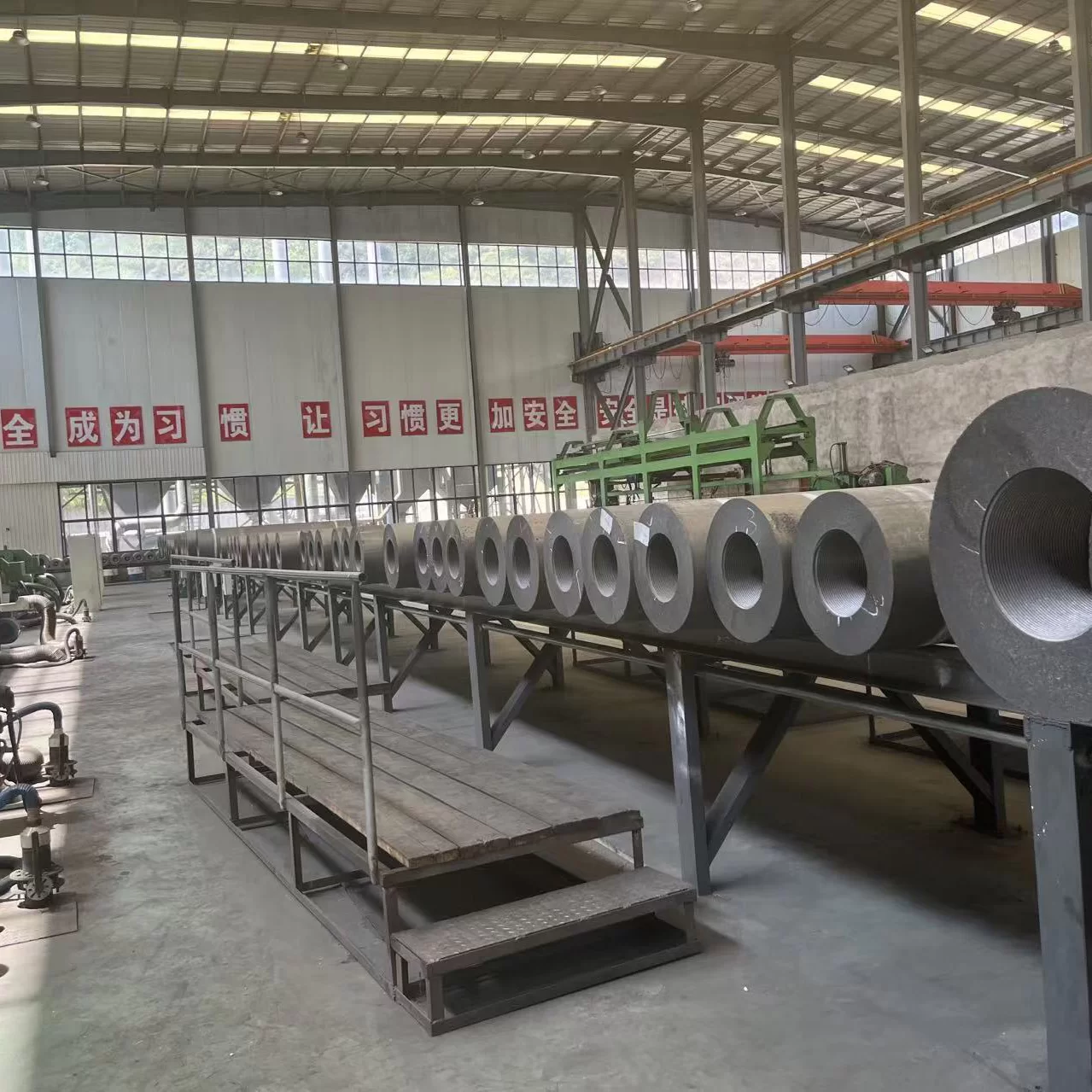
From natural mining to synthetic manufacturing methods, graphite crystals can be produced at scale, supporting mass manufacturing — although sustainability questions persist, especially with mining footprints.
Mini takeaway: Graphite crystals combine electrical, thermal, mechanical, and chemical advantages, making them the engineers’ go-to material for many futuristic applications.
Specifications at a Glance
| Property | Typical Value | Unit | Notes |
|---|---|---|---|
| Electrical conductivity | ~10⁴ | S/m | Along basal planes |
| Thermal conductivity | ~2000 | W/m·K | High anisotropy |
| Hardness (Mohs scale) | 1 - 2 | n/a | Soft and slippery |
| Density | 2.267 | g/cm³ | Relatively lightweight |
| Operating temperature | Up to 3000 | °C | Depends on environment |
Who’s Leading the Charge? Vendor Comparison of Graphite Crystal Suppliers
| Vendor | Product Types | Purity Level | Sustainability Efforts | Lead Time | Price Range |
|---|---|---|---|---|---|
| Dah Carbon | Natural & Synthetic Graphite Crystals | 99.95%+ | Recycling & low-emission mining | 2-3 weeks | Mid-High |
| MolecularGraph | Synthetic Only | 99.99% | Lab-grown, zero mining footprint | 4-6 weeks | High |
| CrystalCarbon Inc. | Natural Graphite Crystals | 98.5% | Standard mining practices | 1-2 weeks | Low-Mid |
Global Applications & Use Cases: Where Graphite Crystals Shine
From Asia’s booming electronics manufacturing hubs to Europe’s cutting-edge aerospace sector, graphite crystals underpin diverse fields:
- Energy Storage: In China and South Korea, lithium-ion battery factories optimize graphite crystal purity to extend EV ranges.
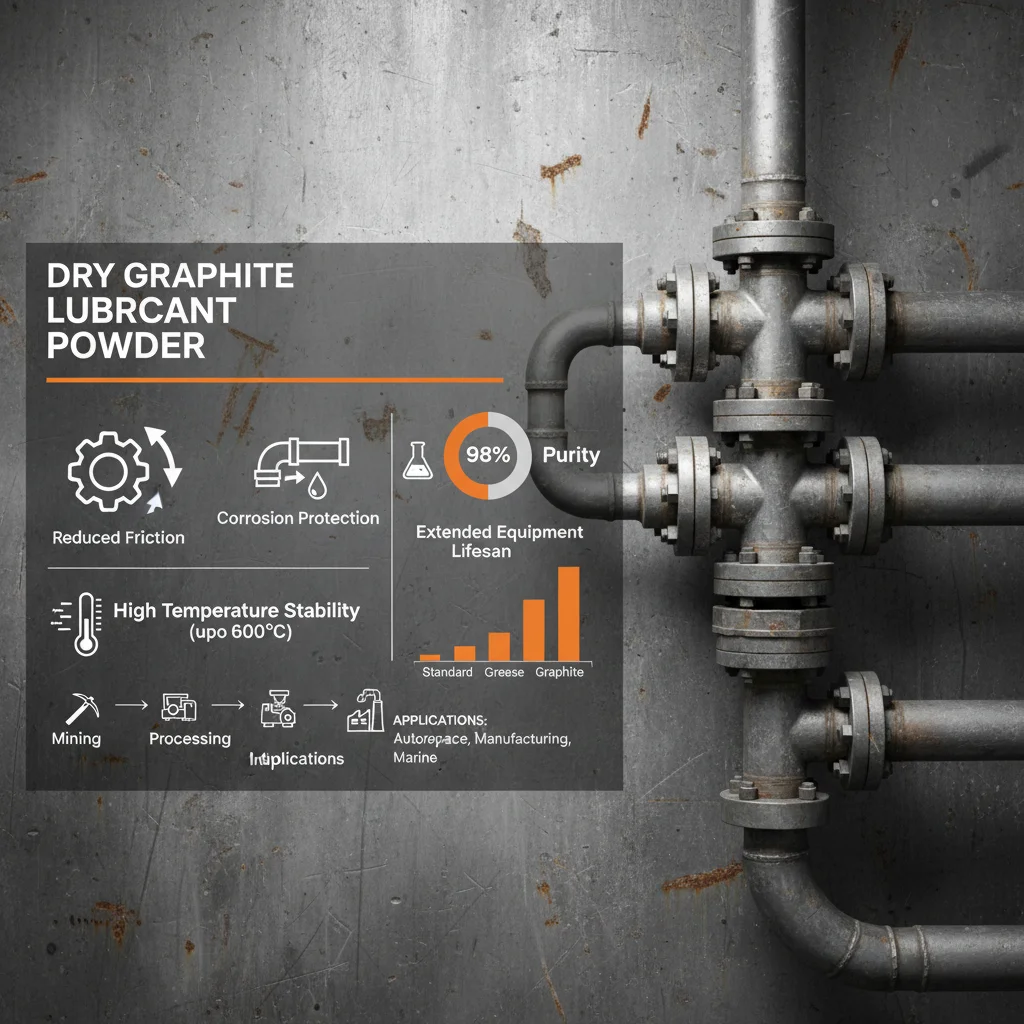
- Industrial Lubricants: Russian and Canadian companies rely on graphite crystals for high-performance lubricants in extreme climates.
- Aerospace Engineering: In the U.S. and EU, heat-resistant graphite crystal composites protect spacecraft components from thermal cycling.
- Post-Disaster Relief: Portable graphite crystal electrodes enable efficient desalination and power generation for remote camps.
Oddly enough, some humanitarian organizations have quietly incorporated graphite crystal-based tech to ensure critical infrastructure stays online when it matters most — proving technology and empathy can be weirdly intertwined.
Mini takeaway: Across continents and needs, graphite crystals adapt — powering solutions from clean energy to emergency relief.
Advantages and Long-Term Value of Graphite Crystals
Beyond just technical specs, graphite crystals translate into real-world advantages:
- Cost-Effective Sustainability: Their durability means longer product life cycles, which lowers replacement and resource costs.
- Reliability Under Pressure: Graphite-based components withstand harsh environments, crucial for safety-critical systems.
- Social Impact: Innovations built on graphite crystals enable cleaner energy and safer medical devices, elevating human dignity.
- Innovation Platform: As raw materials for graphene and other carbon allotropes, graphite crystals seed next-gen materials science breakthroughs.
In a world that demands both logic and heart, graphite crystals offer a compelling story of efficiency and responsibility.
Emerging Trends & What’s Next for Graphite Crystals
Innovation rarely stands still. Here’s what’s on the horizon:
- Green Synthesis: Lab-grown graphite crystals with minimal environmental impact.
- Integration with AI and Automation: Smart production lines optimizing crystal size and purity in real time.
- Energy Sector Expansion: Graphite crystals facilitating advances in hydrogen fuel cell electrodes.
- 3D Printing: New graphite-infused materials for additive manufacturing.
It feels like graphite crystals are no longer just a material — they're becoming a meta-material shaping how industries adapt and grow sustainably.
Challenges to Keep in Mind & How Industry Is Responding
Yet not all is rosy. Challenges include:
- Supply Chain Flaws: Dependence on geopolitically sensitive regions for natural graphite.
- Environmental Concerns: Mining’s carbon footprint and pollution.
- Cost Barriers: High purity synthetics remain expensive.
Experts suggest diversifying sources, improving recycling programs, and investing in synthetic production technologies as key solutions. Companies like Dah Carbon (graphite crystals supplier) are pioneering these approaches today.
FAQs About Graphite Crystals
Q1: How do graphite crystals improve battery performance?
A1: Graphite crystals provide high electrical conductivity and stable structure, allowing lithium ions in batteries to move efficiently. This results in longer battery life, faster charging, and better overall performance.
Q2: Are synthetic graphite crystals more sustainable than natural ones?
A2: Generally, yes. Synthetic graphite can be produced with controlled emissions and less environmental disruption than mining natural graphite, though costs are currently higher.
Q3: Can graphite crystals be recycled?
A3: Yes, battery recycling programs can recover graphite crystals for reuse, reducing waste and dependence on new mining.
Q4: What industries benefit most from graphite crystals?
A4: Energy storage, aerospace, electronics, and chemical manufacturing sectors rely heavily on graphite crystals due to their unique properties.
Q5: How can companies source high-quality graphite crystals internationally?
A5: Firms work with trusted vendors like Dah Carbon, use international trade agreements, and ensure compliance with import regulations for smooth procurement.
Conclusion: Why Graphite Crystals Are a Material to Watch
As we’ve seen, graphite crystals sit at an interesting crossroads — bridging energy, technology, and sustainability demands. They deliver extraordinary benefits, from low cost and high reliability to a greener footprint through ongoing innovations. If you’re involved in any industry touching tech or environmental solutions, understanding and partnering around graphite crystals could be a game-changer. Interested in exploring top-tier graphite crystals? Don’t hesitate to visit our website and see what new possibilities await.
After all, it’s not every day that a humble carbon arrangement becomes a cornerstone of tomorrow’s global infrastructure.
References: