Understanding Graphite for Batteries: Why It Matters Globally
At first glance, graphite might seem like just another form of carbon — a humble, black mineral found in pencil leads or stove filters. But graphite for batteries has rapidly ascended to global prominence, particularly as the world races to electrify transportation and shift towards renewable energy storage. Why? Because graphite is the workhorse material in lithium-ion batteries, the energy cells powering smartphones, electric vehicles (EVs), and grid-scale storage.
Comprehending the impact and advantages of graphite in this context is essential. Not only does it affect energy security and climate solutions worldwide, but it also shapes global supply chains and industrial competitiveness. Plus, understanding this crucial material offers insights into everything from manufacturing costs to geopolitical risk. So buckle up — there's more to graphite than meets the eye.
Global Context of Graphite in the Battery Industry
The International Energy Agency (IEA) estimates that by 2030, battery demand worldwide will multiply tenfold compared to 2020 — largely driven by the EV revolution and decarbonization efforts. Graphite, being the primary anode material in most lithium-ion batteries, accounts for roughly 25% of the battery’s weight. According to the United Nations Conference on Trade and Development (UNCTAD), this surging need heightens concerns about graphite supply constraints and sustainability.
Complicating matters, graphite sources are geographically concentrated. China alone dominates natural graphite mining and synthetic graphite production, controlling over 70% of global supply. This uneven distribution poses risks to diversified manufacturing and long-term availability, a challenge echoed by battery manufacturers and governments alike.
Graphite's role here is not just technical—it’s deeply strategic. It bridges the gap between clean energy ambitions and raw material realities, thrusting resource management onto a big stage.
What Exactly Is Graphite for Batteries?
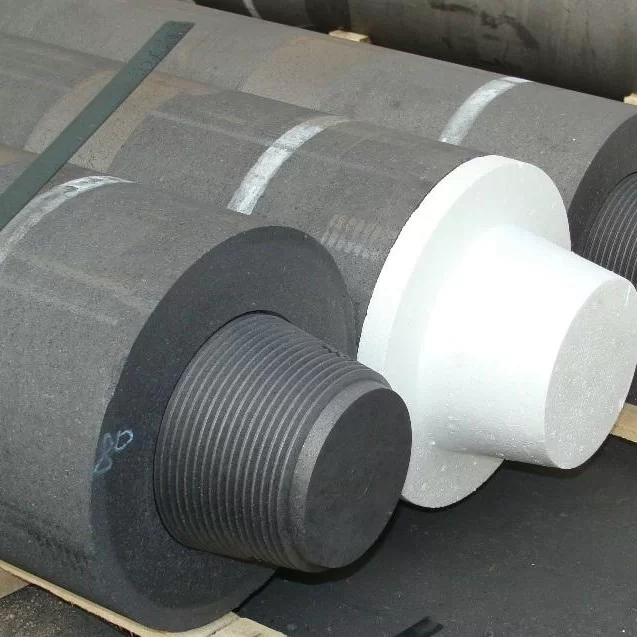
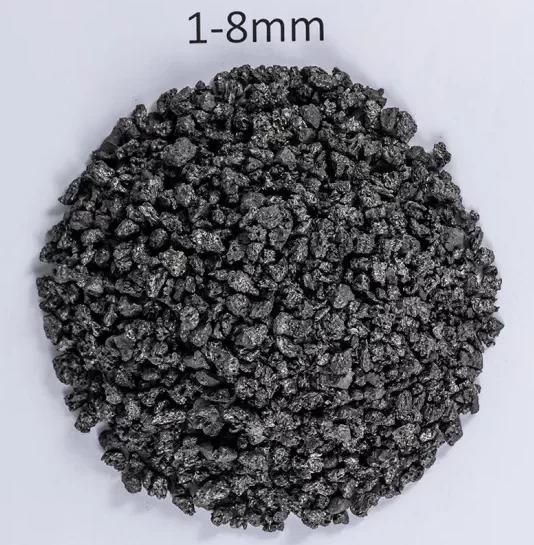
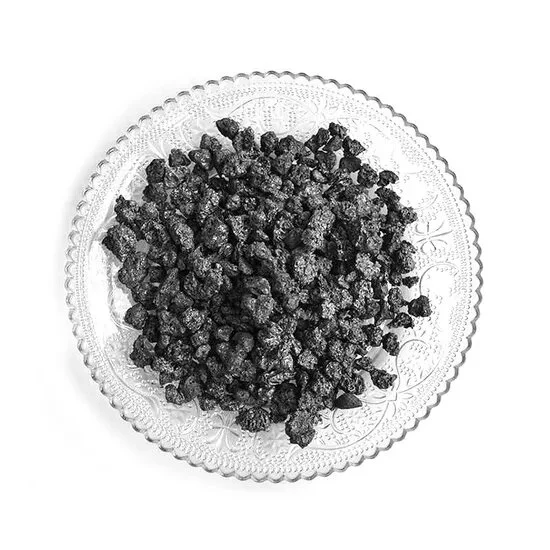
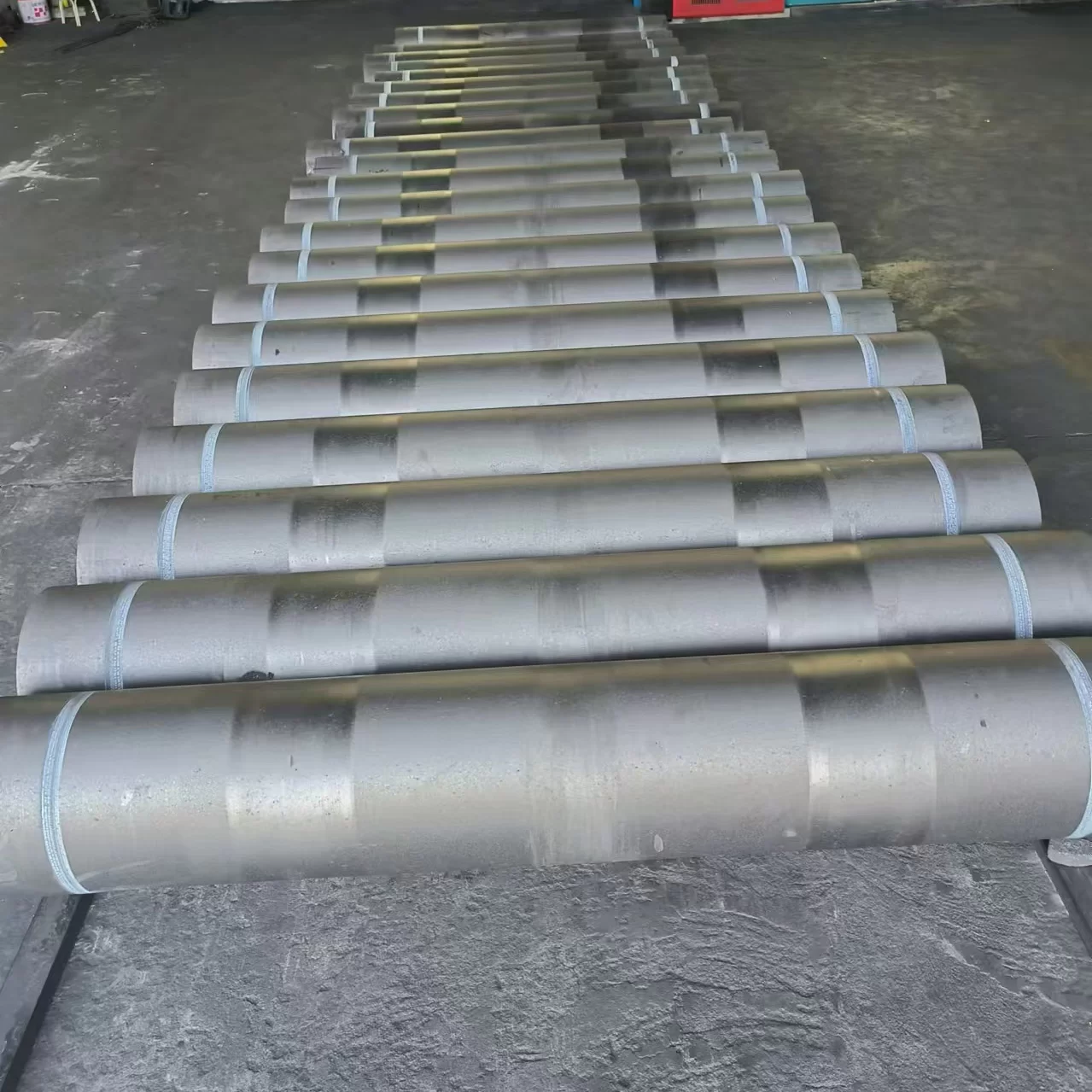
Simply put, graphite for batteries is a form of carbon used primarily as the anode material in lithium-ion cells. Unlike other carbons, graphite’s layered atomic structure allows lithium ions to insert between its sheets during charge/discharge cycles, enabling efficient energy storage and release.
There are two main types:
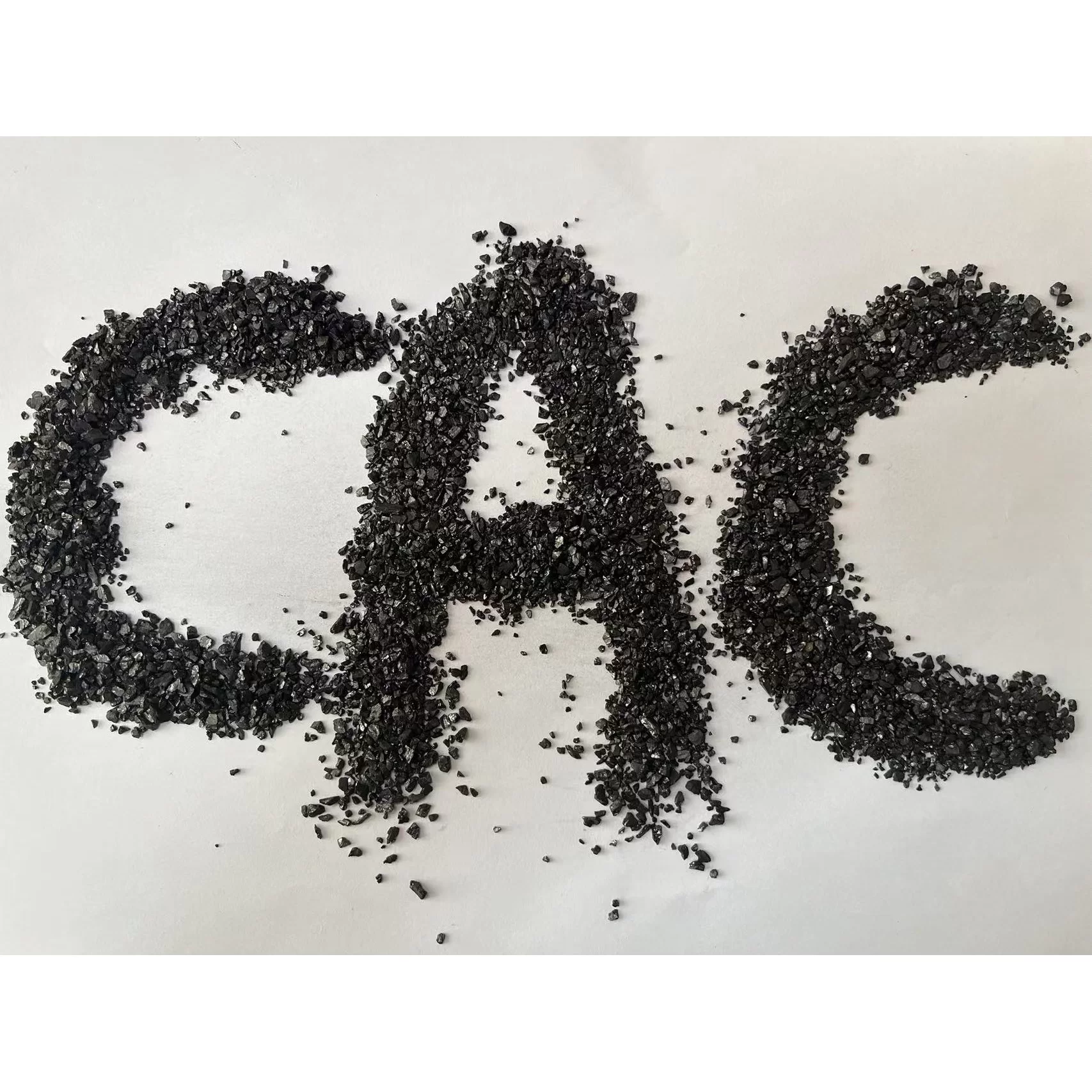
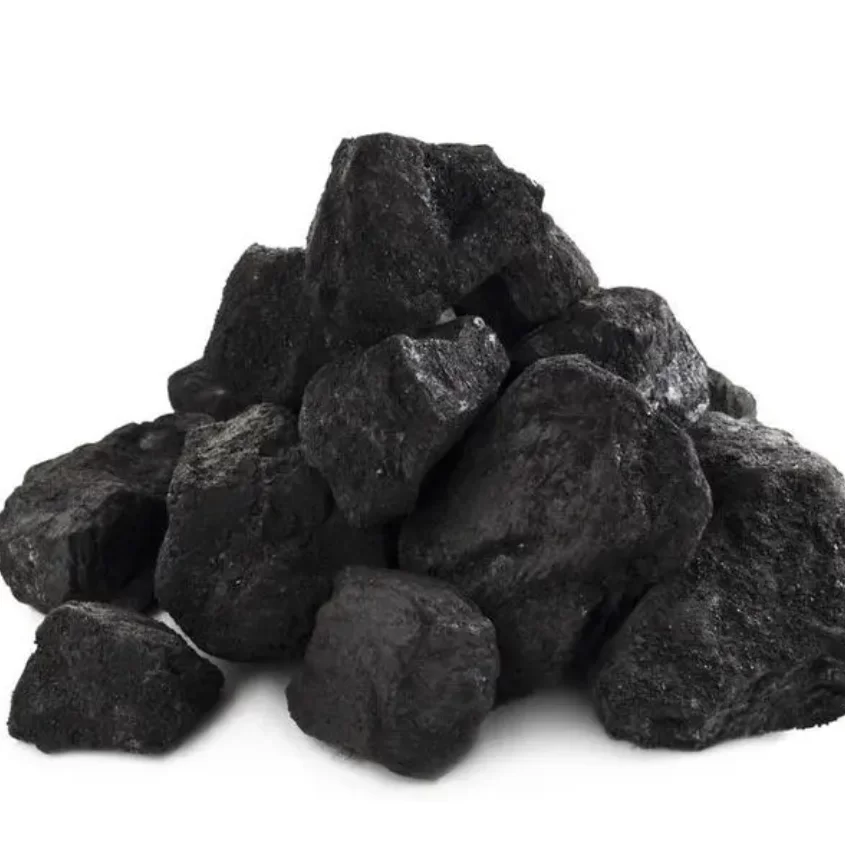
- Natural graphite: mined directly from earth, then purified and shaped for battery use.
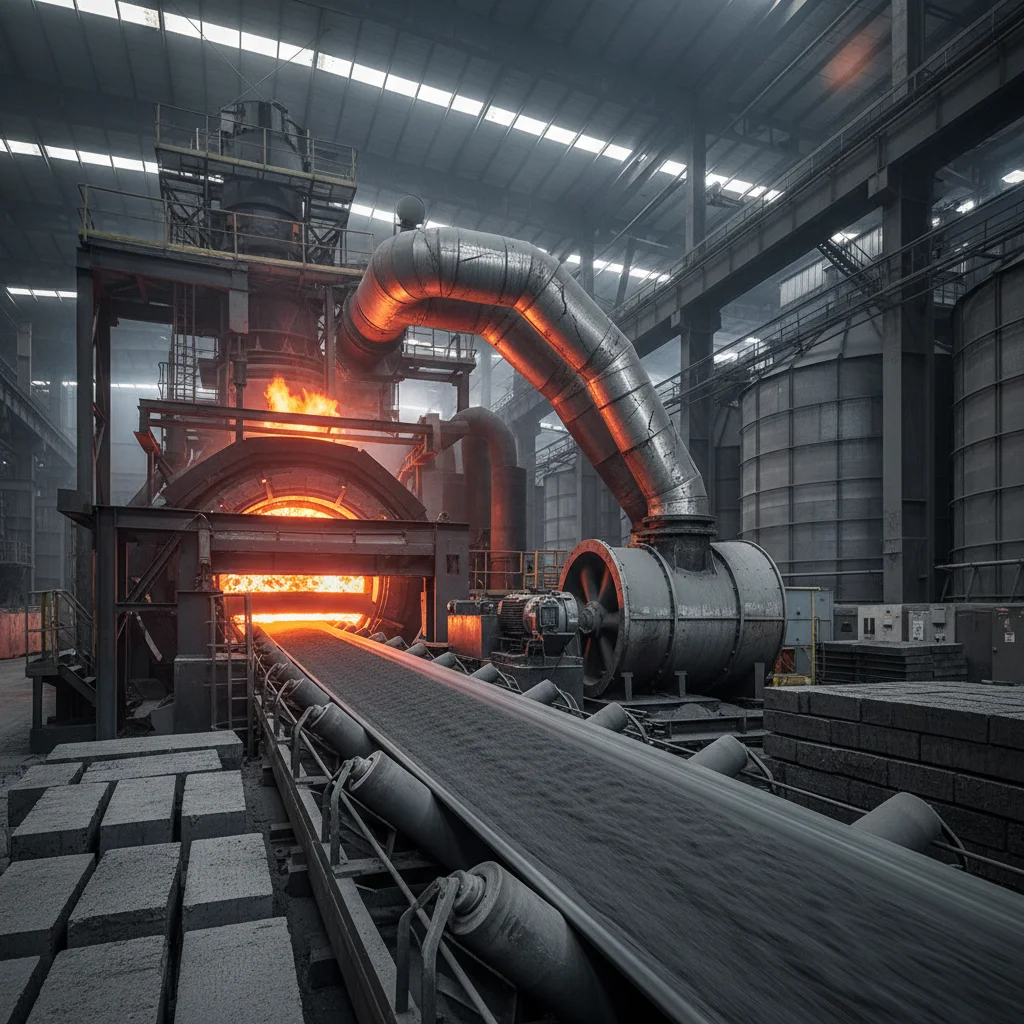
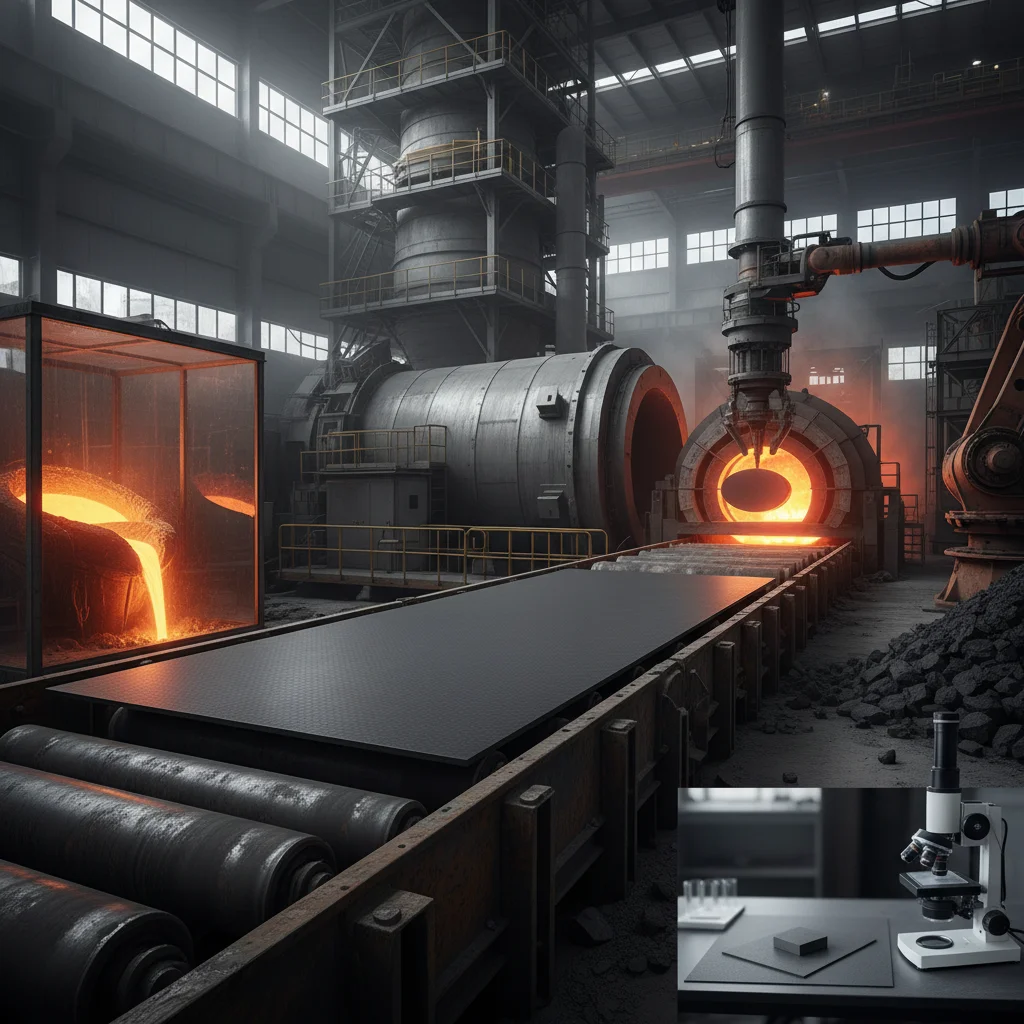
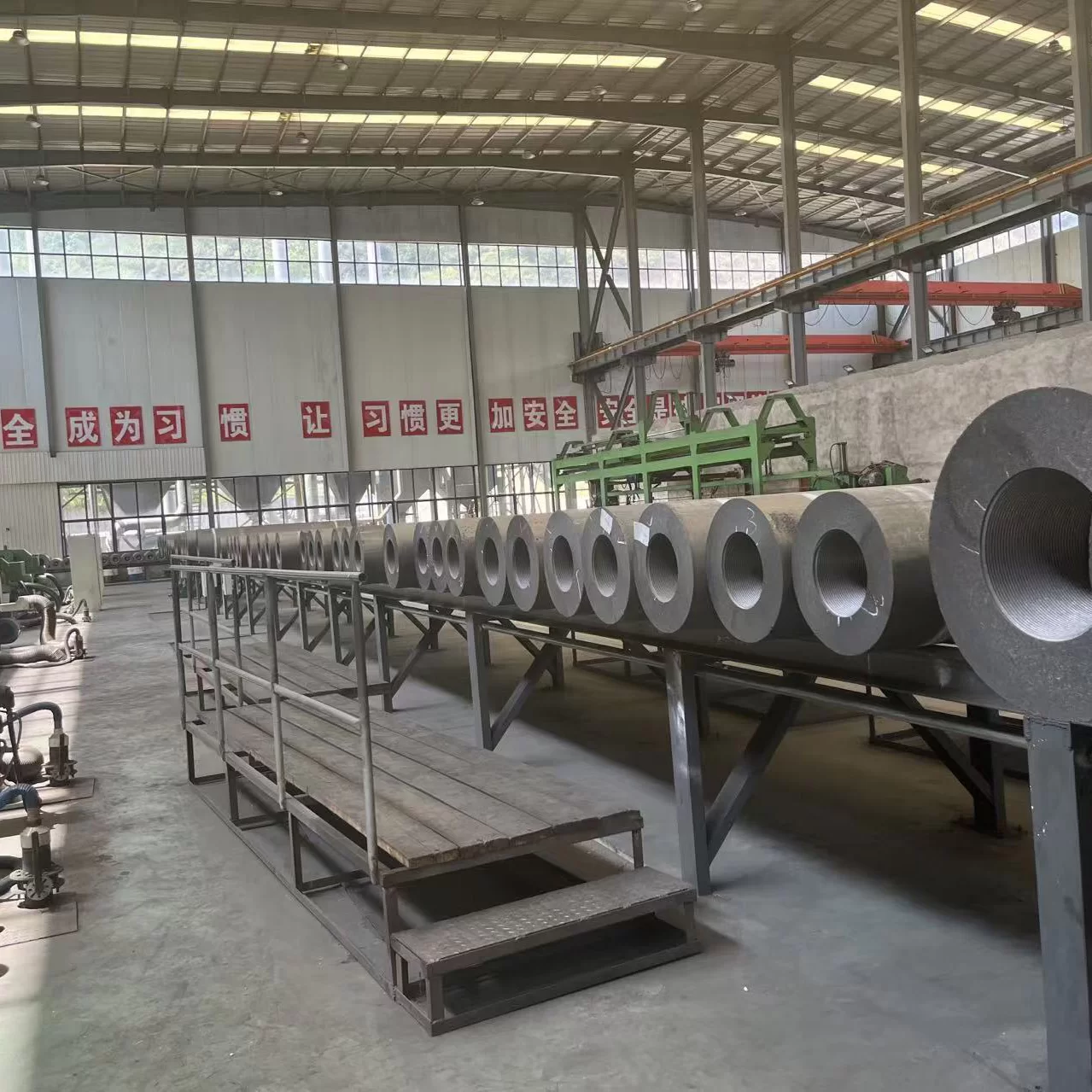
- Synthetic graphite: manufactured by processing petroleum coke or coal tar, often tuned for specific battery performance.
Both play complementary roles in industry. Natural graphite is prized for its crystallinity and lower environmental footprint, while synthetic offers consistency and tailored properties—but at higher processing costs.
In human terms, this means graphite helps power everything from lifesaving medical devices to emergency communications equipment, serving as an invisible backbone to modern humanitarian and industrial needs.
Key Characteristics That Make Graphite Ideal for Batteries
1. Durability and Cycle Stability
Graphite’s crystal lattice endows it with remarkable mechanical stability, allowing batteries to endure hundreds to thousands of charging cycles without significant capacity loss. This durability directly translates to longer-lasting batteries in electric cars and portable electronics.
2. High Electrical Conductivity
Graphite efficiently conducts electrons, a critical feature for anode materials that must handle rapid charging/discharging. This conductivity facilitates improved battery performance and faster energy flow.
3. Scalability and Supply Availability
Natural graphite deposits are abundant—China, Mozambique, Brazil, and Canada stand out—but refining and processing are essential to meet battery-grade standards. Synthetic graphite complements supply, though it requires energy-intensive manufacturing.
4. Cost Efficiency
Graphite remains significantly more affordable than nascent anode alternatives like silicon or lithium titanate. This cost advantage helps keep overall battery prices in check.
5. Sustainability Considerations
Mining and processing have environmental impacts, but advances in cleaner extraction and recycling technologies aim to reduce carbon footprints over time (Wikipedia on Graphite).
Global Applications and Real-World Use Cases of Graphite in Batteries
The widespread adoption of lithium-ion batteries translates directly into diversified, global applications of graphite:
- Electric Vehicles (EVs): Automakers from Tesla to Toyota rely on graphite-based anodes for reliable, high-performing battery packs.
- Renewable Energy Storage: Grid operators deploy batteries with graphite anodes to stabilize solar and wind energy output—critical in countries like Germany and the U.S.
- Consumer Electronics: Smartphones, laptops, and wearables all depend on graphite in their power sources.
- Humanitarian Relief: Portable battery systems using graphite power emergency kits, communication tools, and medical devices in disaster response.
- Remote Industrial Applications: Mining and telecommunications sectors deploy battery solutions to reduce diesel reliance, often using high-quality graphite-enabled cells.
For instance, in Mozambique, graphite mining supports both local employment and international battery manufacturing. Meanwhile, NGOs increasingly leverage battery-powered equipment for off-grid communities, highlighting graphite’s subtle yet profound social impact.
Comparing Battery-Grade Graphite: Key Specifications
| Specification | Natural Graphite | Synthetic Graphite |
|---|---|---|
| Purity (% C) | > 99.5% | > 99.9% |
| Particle Size (µm) | 10–20 µm | 5–15 µm |
| First Cycle Efficiency (%) | 85–90% | 90–95% |
| Specific Surface Area (m²/g) | 8–12 | 5–8 |
| Cost per kg (approx.) | $5–7 USD | $8–11 USD |
Advantages and Long-Term Value of Graphite in Battery Technologies
Many engineers and industry leaders emphasize graphite’s consistent performance in balancing cost, sustainability, and reliability.
- Cost-Effectiveness: Its relative abundance keeps input costs manageable, which helps make electric vehicles more affordable.
- Environmental Benefits: Compared with synthetic graphite or alternative materials, natural graphite has a lower carbon footprint if responsibly sourced.
- Longevity: Graphite-anode batteries last longer, reducing waste and promoting circular economies.
- Safety and Trust: Graphite’s stable electrochemical properties contribute to battery safety, a key emotional factor for consumers.
- Innovation Catalyst: Advances in graphite processing fuel ongoing improvements in battery energy density and fast charging.
Ultimately, graphite empowers sustainable technological progress, blending scientific rigor with human values like safety, dignity, and trust.
Vendor Comparison: Leading Graphite Suppliers
| Supplier | Location | Graphite Type | Annual Capacity (tons) | Certifications |
|---|---|---|---|---|
| Syrah Resources | Mozambique | Natural | 50,000 | ISO 14001, ISO 9001 |
| Imerys Graphite & Carbon | France & China | Synthetic & Natural | 40,000 | ISO 9001, REACH |
| Shanshan Technology | China | Synthetic | 60,000 | ISO 14001, ISO 45001 |
Emerging Trends and Innovations in Battery Graphite
Innovation doesn’t sleep—and graphite’s story is evolving quickly. Here’s what’s on the horizon:
- Silicon-Graphite Composite Anodes: Combining silicon’s high capacity with graphite’s stability promises higher energy density batteries.
- Recycling and Reuse: Advanced recycling tech aims to recover graphite from spent batteries, lowering the need for fresh mining.
- Green Sourcing Initiatives: Ethical mining certifications and water-saving extraction technologies are gaining traction globally.
- Artificial Graphite with Lower Carbon Footprint: New production methods using renewable energy to synthesize graphite more cleanly.
The battery world feels electric with possibility—as if graphite could stay humble but vital, quietly enabling leaps in green technologies.
Challenges and Solutions in Using Graphite for Batteries
Yet, it’s not all smooth sailing. Challenges remain:
- Supply Chain Risks: Dependence on limited regions means any disruption can impact global battery production.
- Environmental Impact: Mining and synthetic production consume energy and resources.
- Material Purity and Quality: Contaminants affect battery performance and safety.
Solutions are already emerging: diversified mining projects outside China, improved purification processes, and international agreements on responsible sourcing. Industry players and governments are collaborating, mindful that the future depends on both stability and sustainability.
Frequently Asked Questions About Graphite for Batteries
- Q1: Why is graphite preferred over other anode materials in lithium-ion batteries?
- Graphite offers a unique combination of mechanical stability, good electrical conductivity, and affordability. It can accommodate lithium ions efficiently without significant volume expansion, leading to longer battery life and better safety than many alternatives.
- Q2: Can synthetic graphite fully replace natural graphite in batteries?
- Synthetic graphite provides excellent consistency and tailored properties but is more expensive and energy-intensive to produce. Currently, both types coexist in the market to balance cost, performance, and supply security.
- Q3: How does graphite quality impact battery performance?
- Higher-purity graphite with controlled particle size enhances battery capacity, cycle life, and safety. Impurities can cause unwanted side reactions that degrade batteries faster.
- Q4: Is there a risk of graphite shortage as battery demand increases?
- While demand is surging, new mining projects and recycling programs are expanding supply. Diversification of sources is key to mitigating shortages.
- Q5: What environmental measures are used in graphite production?
- Modern operations adopt sustainable mining practices, reduce water usage, and pursue energy-efficient synthesis. Certification programs guide responsible material sourcing.
Conclusion: Why Graphite for Batteries Remains a Pillar of Sustainable Energy
Graphite stands quietly at the heart of one of the most transformative technologies of our time: the lithium-ion battery. Its role is both pivotal and fascinating—from enabling electric vehicles that redefine mobility, to supporting renewable energy grids critical in combating climate change. Understanding graphite for batteries isn’t just about minerals or chemistry; it’s about connecting the dots between technology, economy, and environment in a rapidly changing world.
If you want to dive deeper or explore how high-quality graphite can enhance your applications, visit our website at https://www.dahcarbon.com. There’s a whole world of possibilities where carbon meets clean energy.