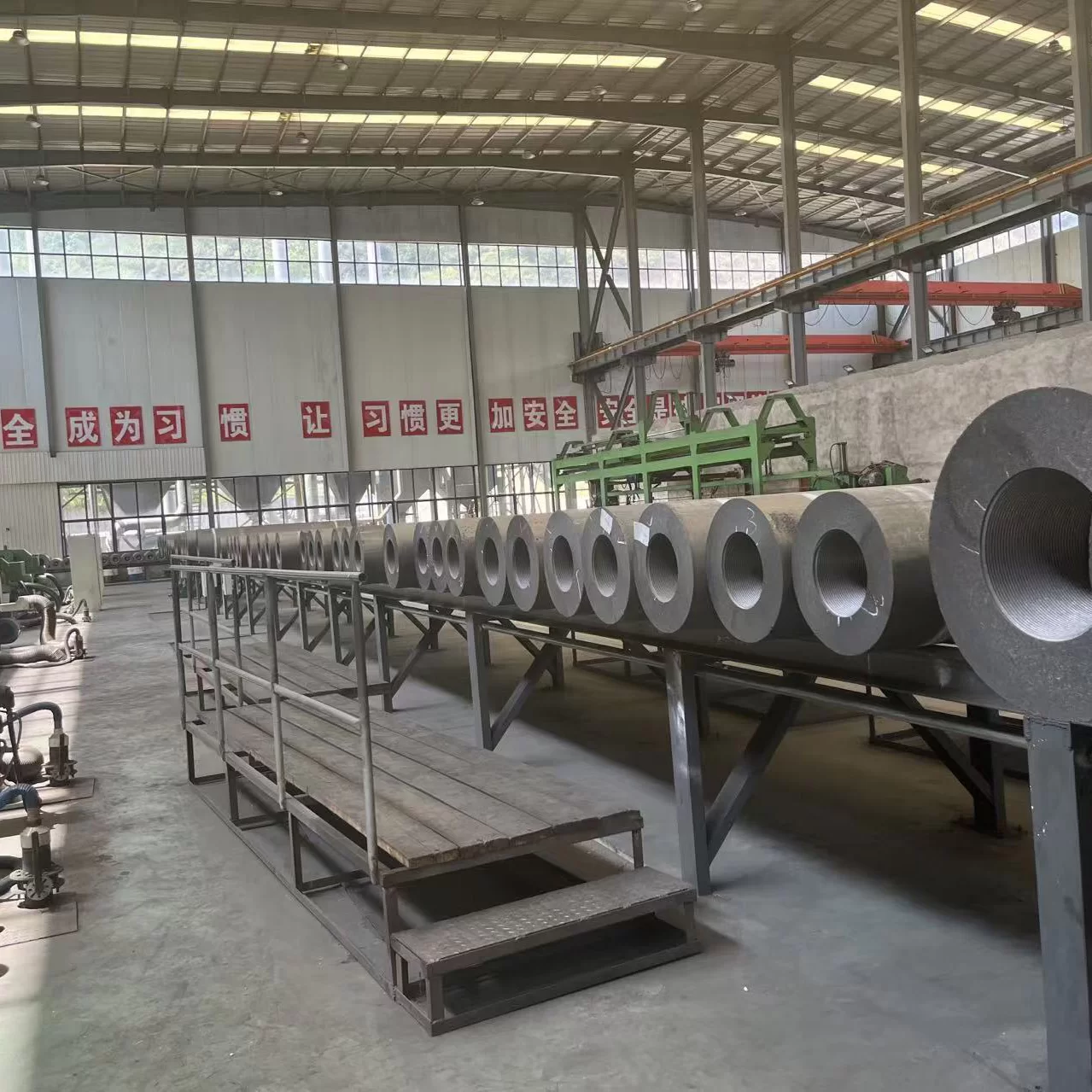
Getting to Know Graphite Ingot: What It Is and Why It Matters
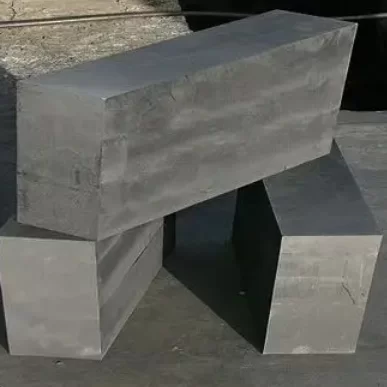
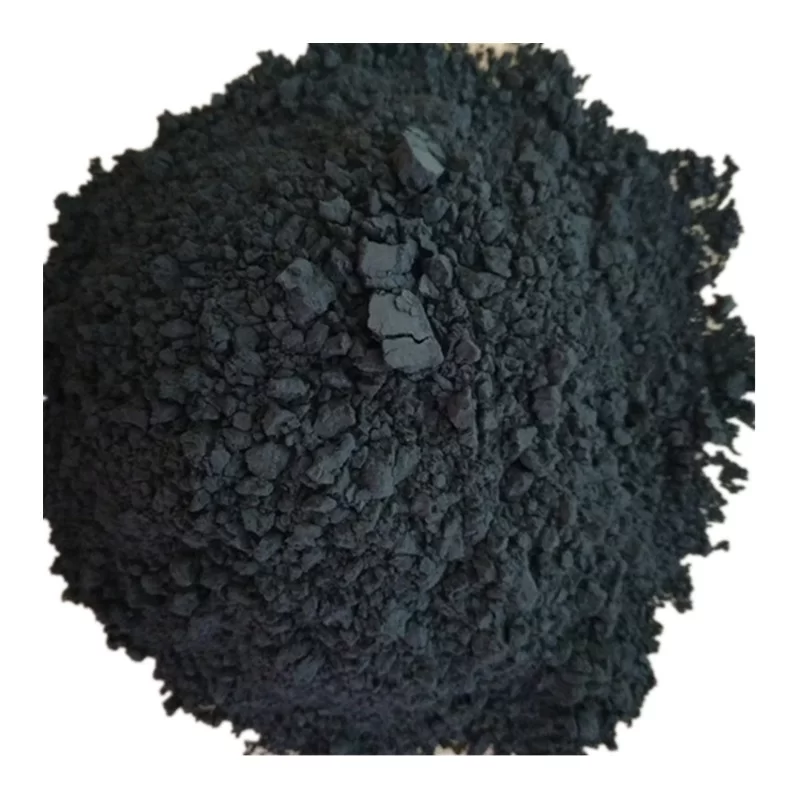
Graphite ingot might not be a household term, but it’s quietly powering global industries and innovation. At its core, a graphite ingot is a solid block of high-purity graphite, cast and shaped for industrial use. Why is this important? Well, graphite ingots are essential raw materials for everything from advanced electronics to sustainable energy solutions. They’re a backbone of manufacturing processes that drive economic growth and support humanitarian projects worldwide.
Understanding graphite ingots doesn’t just satisfy technical curiosity—it unlocks insights into how industries like steelmaking, battery production, and aerospace evolve. The key benefits are abundant: superior thermal properties, excellent conductivity, chemical stability, and recyclability, to name a few. In a world pushing for cleaner tech and smarter materials, graphite ingots help keep things moving efficiently.
Global Trends: Why Graphite Ingot Matters on the World Stage
Graphite isn’t just a niche commodity anymore. According to the USGS Mineral Statistics, global graphite demand is growing by roughly 5-7% annually, largely due to the battery and electric vehicle (EV) boom. The United Nations Environment Programme also highlights graphite as a critical material in green tech supply chains.
However, there’s a challenge—sourcing high-purity graphite ingots consistently and sustainably remains tricky. Mining practices in some regions raise environmental and ethical concerns. Plus, industries are demanding larger, purer, and more tailored graphite ingots to meet specific performance needs.
In short: graphite ingots hold promise, but supply bottlenecks and quality variance hinder rapid industry scaling. This problem is exactly why deeper knowledge of graphite ingot characteristics and sourcing options is so valuable.
What Exactly Is a Graphite Ingot?
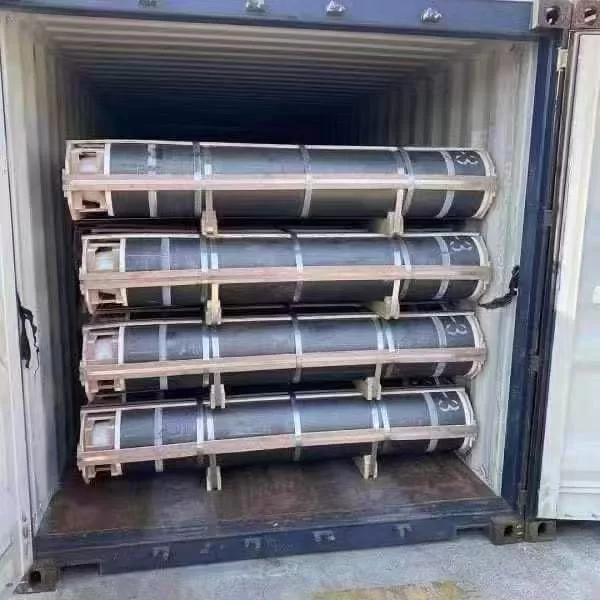
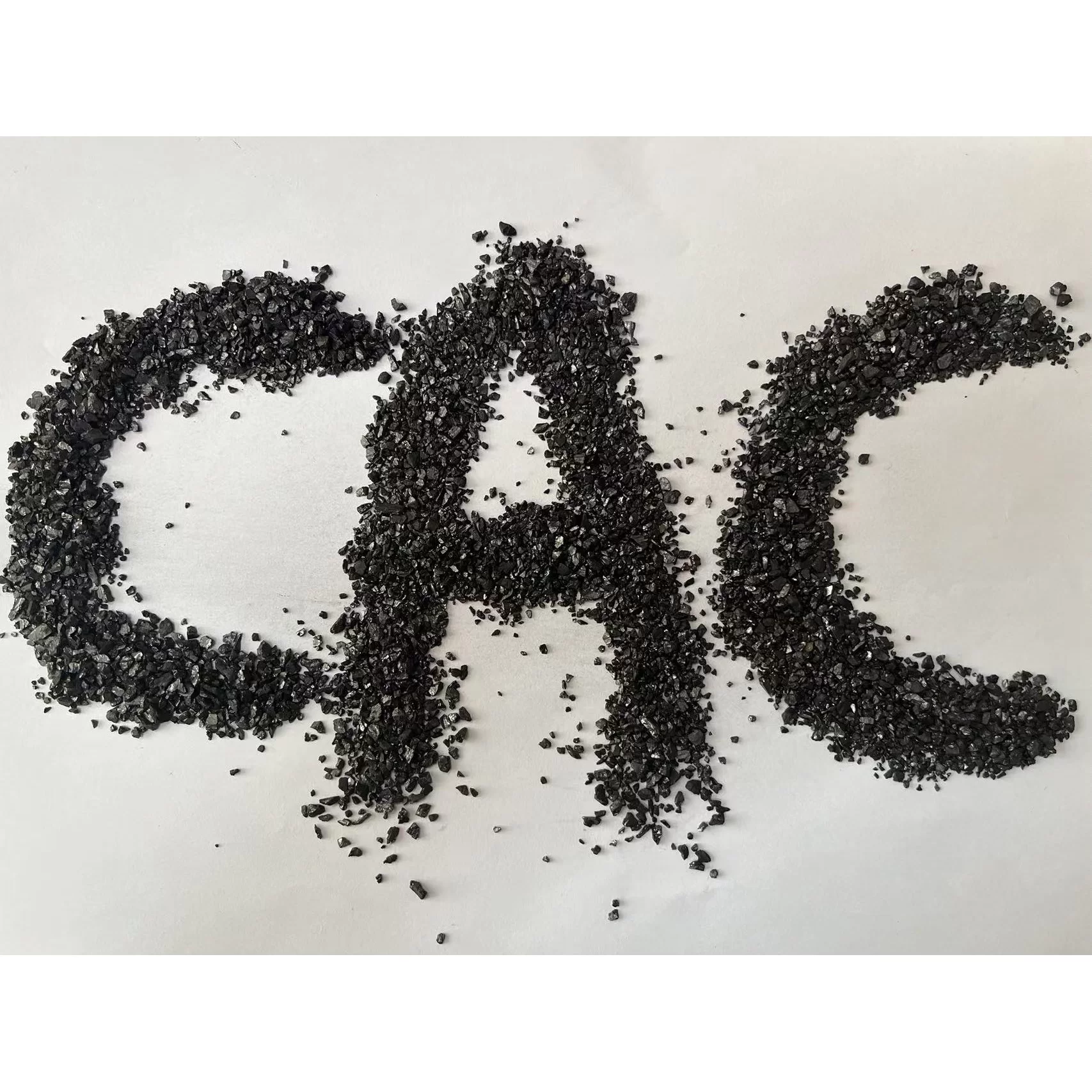
Put simply, a graphite ingot is a cast block of refined carbon crystals, fashioned into a shape that's easy to handle and process further. Think of it like a metal ingot, only with carbon's unique qualities—lightweight, heat-resistant, and electrically conductive. Industries then machine these ingots into electrodes, molds, heat exchangers, or battery anodes.
Graphite’s role extends beyond industry, touching humanitarian needs too. For example, graphite-ingot-derived components help improve water filtration systems and advance renewable energy technologies critical to off-grid and disaster-affected regions.
Key Characteristics of Quality Graphite Ingots
1. Purity and Chemical Stability
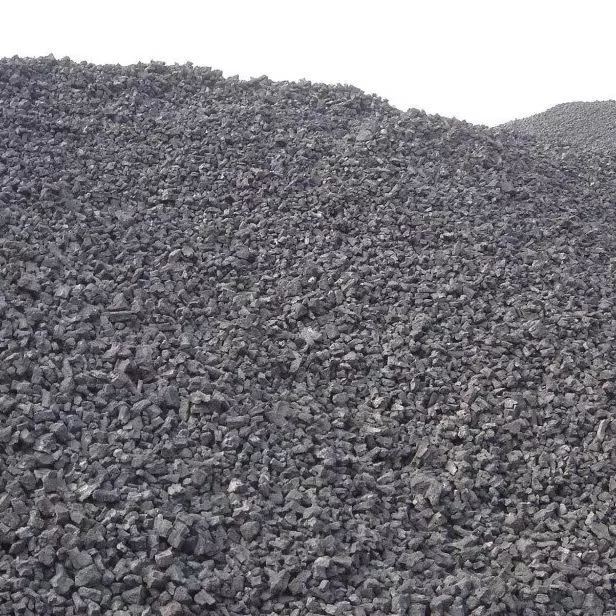
The core strength of any graphite ingot is its purity. High-grade ingots have minimal impurities (often >99% carbon), ensuring superior chemical resistance and preventing degradation under extreme conditions.
2. Thermal Conductivity
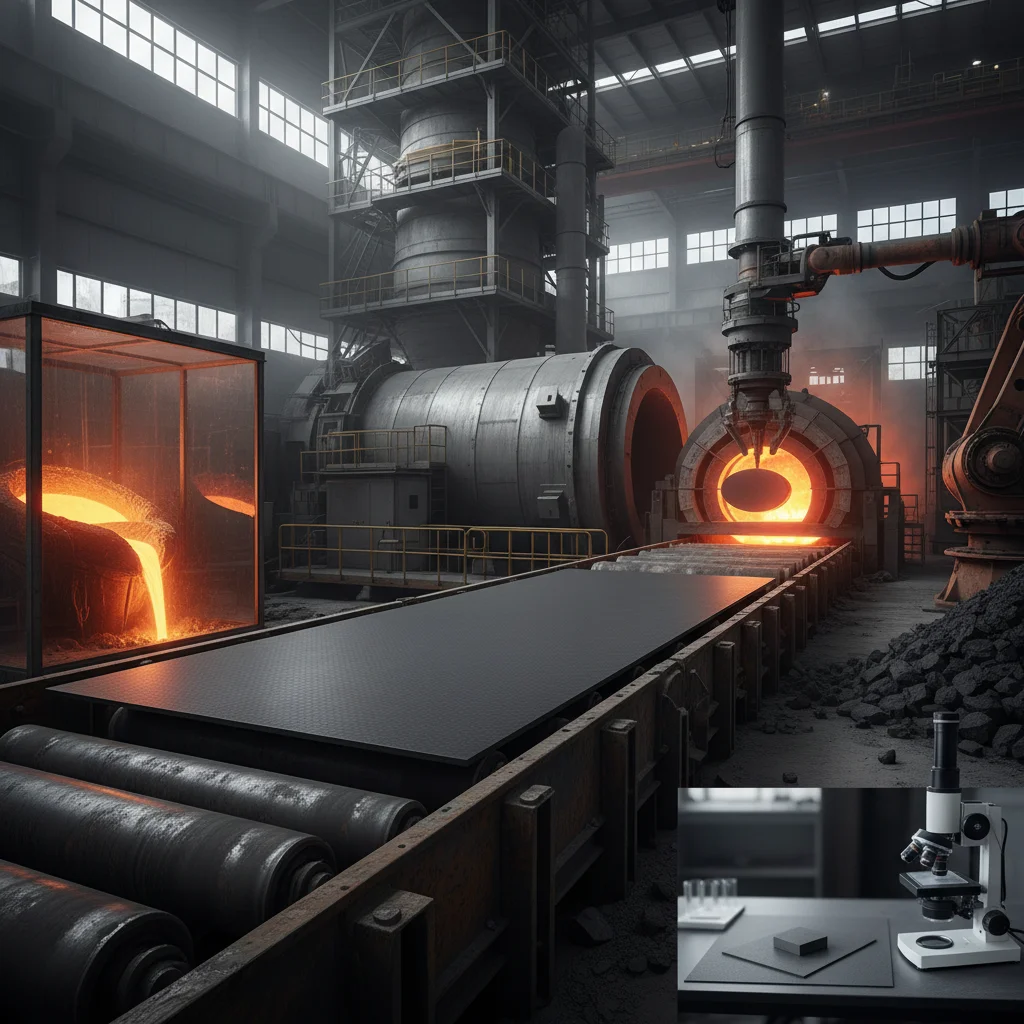
Graphite ingots excel at managing heat, making them ideal for high-temperature applications like steelmaking ladles or electric arc furnaces. Effective thermal management enhances equipment lifespan and process consistency.
3. Mechanical Strength and Durability
Though graphite is brittle compared to metals, processing techniques create ingots with improved structural integrity, suited for machining into electrodes or wear-resistant parts.
4. Electrical Conductivity
This critical property powers applications in batteries, fuel cells, and electronic components—anywhere efficient current flow is needed.
5. Scalability and Customization
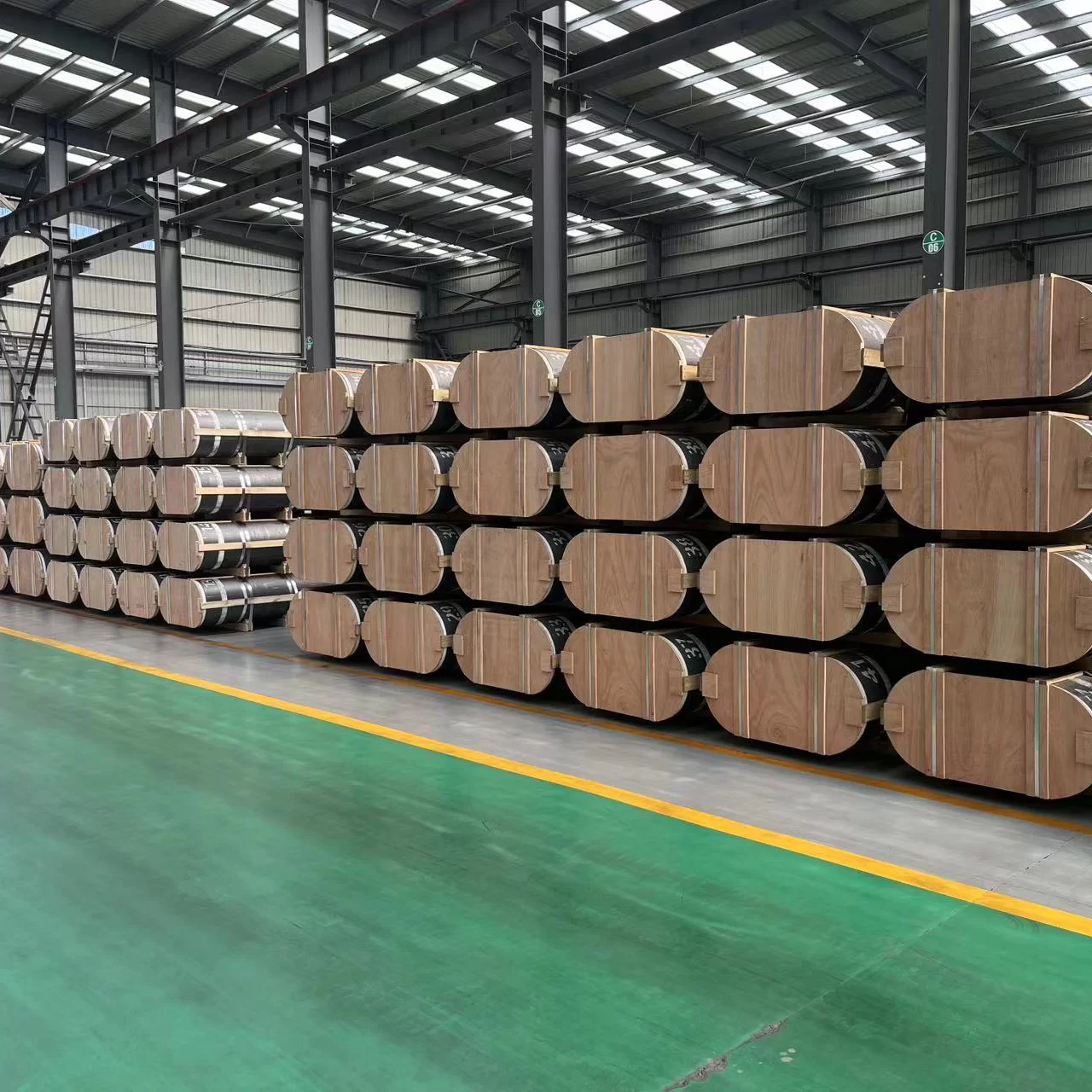
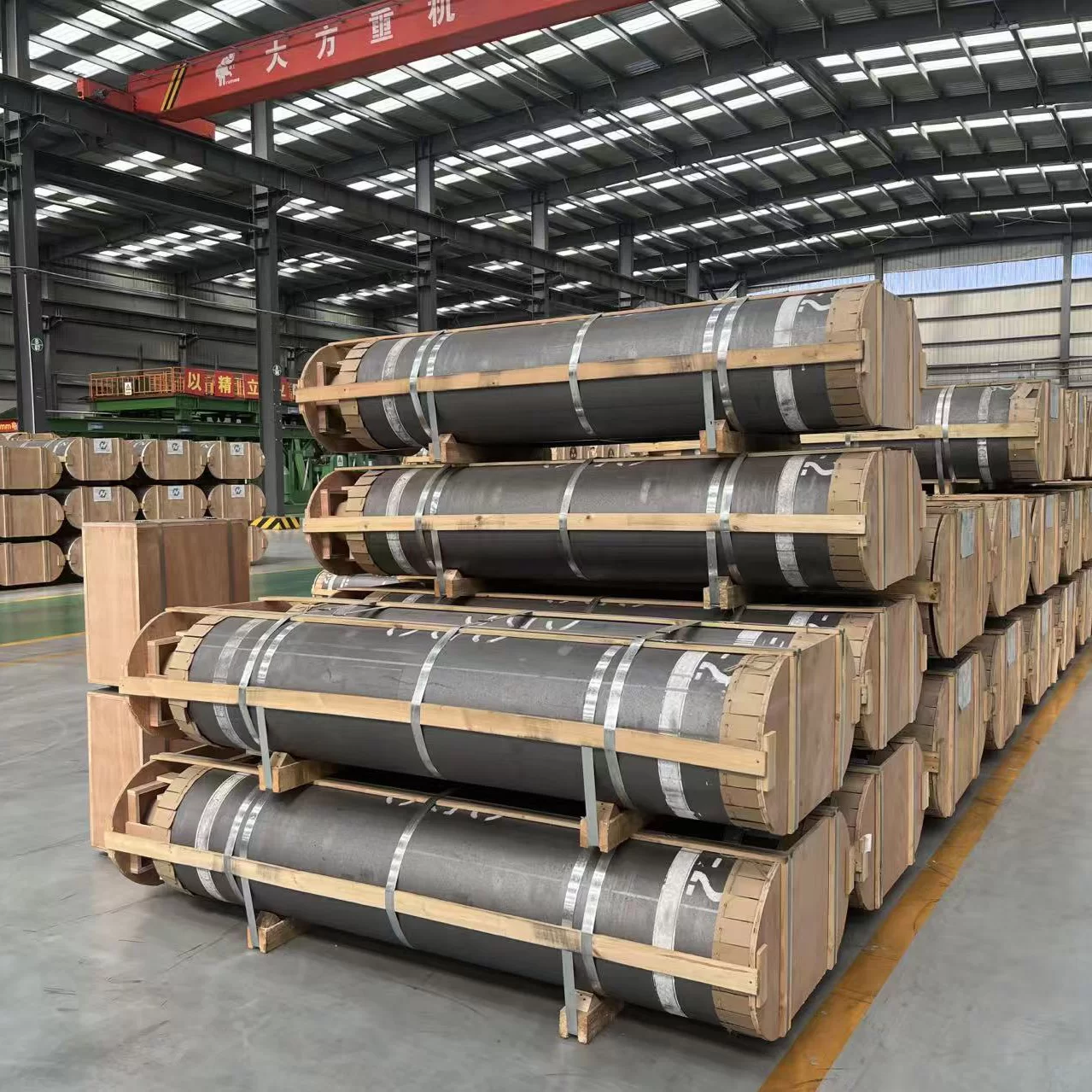
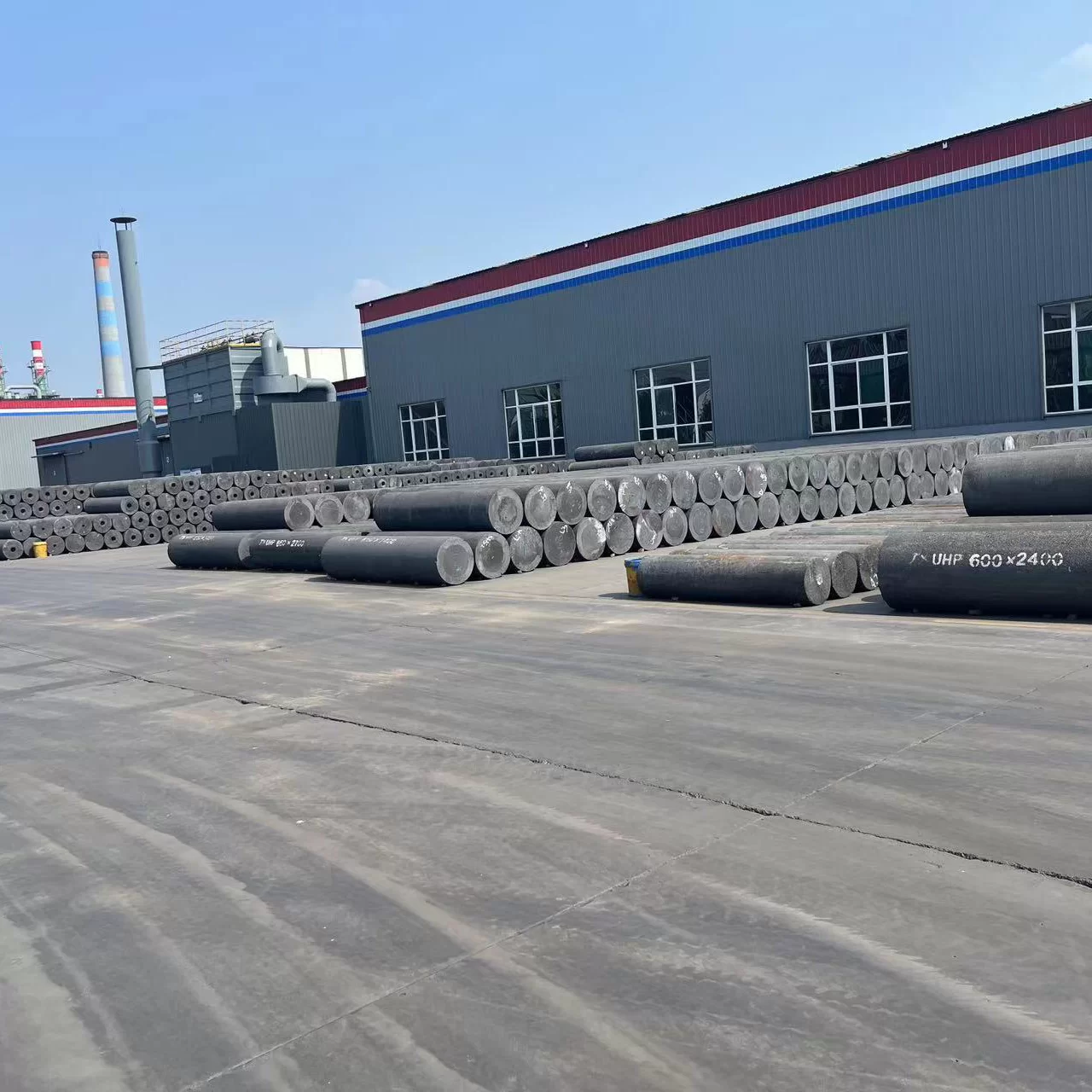
Suppliers now offer graphite ingots in varied sizes and grades tailored to customer specs, improving adaptability across industries.
Graphite Ingots in Action: Key Global Applications
- Steel & Metallurgy: Graphite ingots are converted into electrodes that withstand extreme heat and wear in electric arc furnaces, especially across China, Europe, and North America.
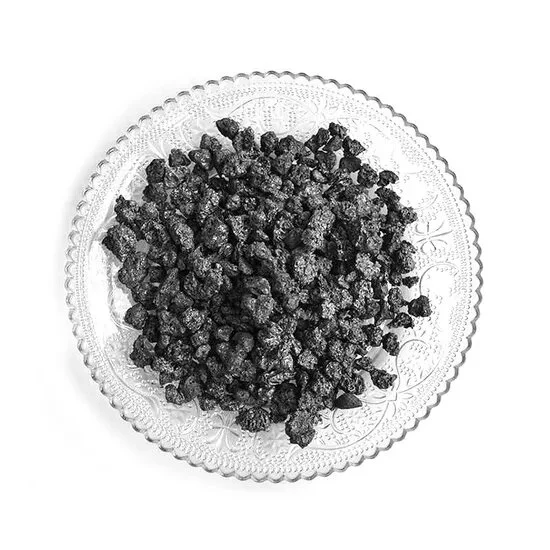
- Battery Manufacturing: For lithium-ion batteries used in EVs, high-purity graphite ingots form the anode material, a cornerstone of the renewable energy push concentrated in Asia and America.
- Electronics & Aerospace: Heat sinks, nuclear reactors, and molds often rely on graphite components made from ingots, particularly in technology hubs like Japan and Germany.
- Humanitarian Technology: NGOs use graphite-based filters and systems enabled by these ingots for clean water projects in Africa and Southeast Asia.
In other words, whether it’s the spark in your EV or clean water in a remote village, graphite ingots are quietly at work—ubiquitous but unsung.
Product Specifications: A Typical High-Quality Graphite Ingot
| Specification | Typical Value | Unit |
|---|---|---|
| Carbon Purity | ≥99.5 | % |
| Bulk Density | 1.75–1.85 | g/cm³ |
| Thermal Conductivity | 140–160 | W/m·K |
| Electrical Resistivity | µΩ·m | |
| Flexural Strength | ≥50 | MPa |
How Vendors Stack Up: Comparing Leading Graphite Ingot Suppliers
| Vendor | Purity (%) | Customization | Delivery Lead Time | Sustainability Focus |
|---|---|---|---|---|
| Dah Carbon | 99.9 | High | 2–3 weeks | Yes |
| Global Carbon Co. | 99.3 | Medium | 4–5 weeks | Limited |
| ElectroGraph Ltd. | 99.7 | High | 3–4 weeks | Partial |
Why Choose Graphite Ingots? The Advantages That Last
Frankly, the tangible benefits mean both cost and sustainability. Graphite ingots reduce downtime because their durability means less frequent replacements. Plus, their compatibility with recycling loops means you’re not just buying for today, but investing in long-term resource efficiency.
There’s also a social angle—industries relying on graphite ingots contribute to safer, cleaner technologies: electric cars emit less CO2, water filters with graphite are lifesavers in drought-prone communities, and advanced electronics keep us connected.
Innovation and trust also come into play. When engineers know the graphite ingots they use are consistent in quality, it builds confidence to push boundaries—designing lighter batteries, faster charging systems, or stronger aerospace parts. So, it’s an emotional plus: safety, dignity, innovation.
Looking Ahead: Future Trends in Graphite Ingot Technology
The future feels bright—and a bit electric. There’s a growing shift toward ultra-high purity ingots catered to next-gen battery chemistry. Additive manufacturing processes are exploring 3D printing of graphite parts directly from ingots. On the policy side, stricter environmental regulations push vendors toward greener processing and sourcing.
Green energy’s surge means the market for graphite ingots in renewable energy storage and fuel cells will only expand. We might also see more digital tracking of ingot quality via IoT sensors, boosting supply chain transparency. So, it’s an exciting time where innovation meets responsibility.
Challenges in the Graphite Ingot Landscape and How to Overcome Them
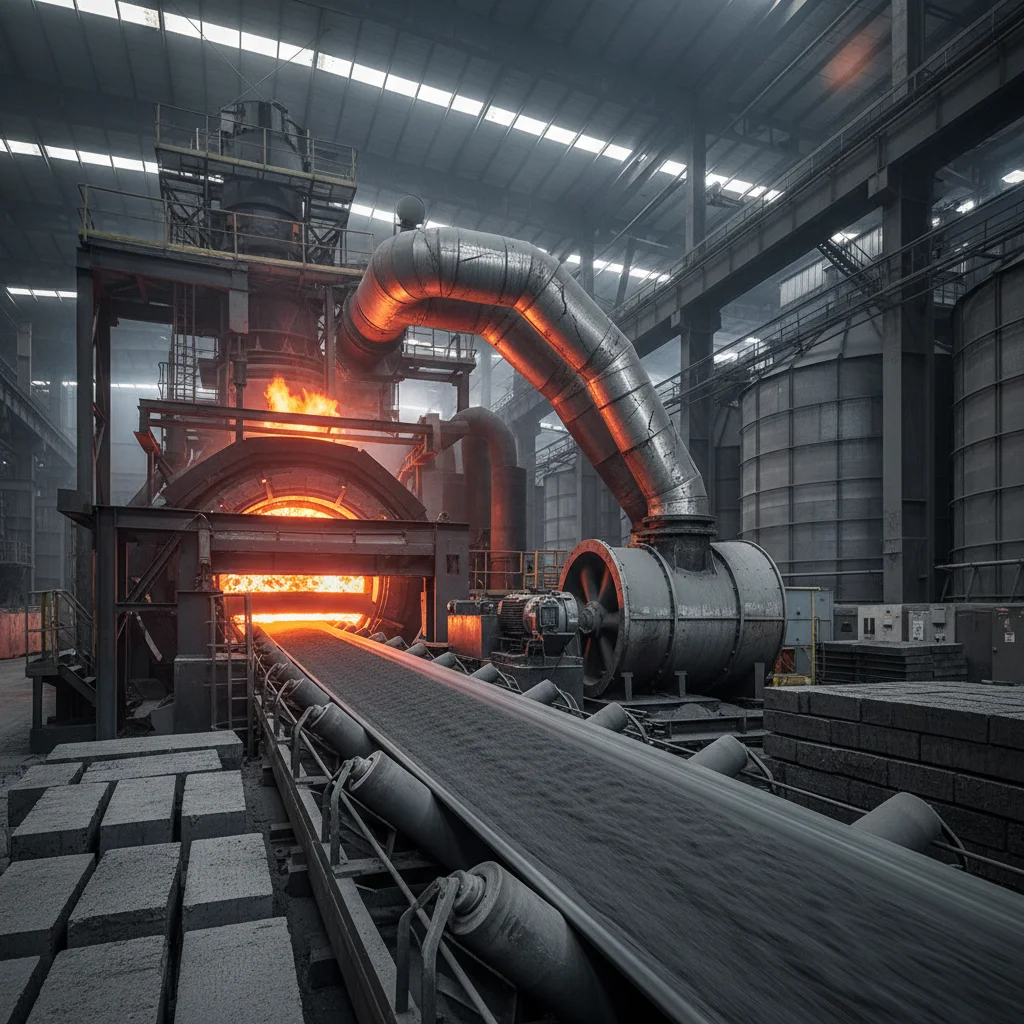
Of course, it’s not all smooth sailing. Common challenges include inconsistent raw material quality, high energy costs in production, and limited regional availability. However, many manufacturers invest in automation and improved furnace designs to boost energy efficiency. Efforts to mine responsibly or use recycled materials are gaining traction.
Moreover, collaboration between suppliers like Dah Carbon and industry users encourages custom solutions that reduce waste and optimize performance. It’s a developing story of resilience and smart adaptation.
Frequently Asked Questions About Graphite Ingot
- Q1: What industries benefit most from high-purity graphite ingots?
- A: Steelmaking, battery production, aerospace, and electronics greatly rely on high-purity graphite ingots for their thermal and electrical properties. These ingots enable critical components such as electrodes and battery anodes.
- Q2: How does graphite ingot purity affect battery performance?
- A: Higher purity graphite ingots reduce impurities that can degrade battery life and efficiency. Purity levels above 99.5% are typically required to ensure optimal anode performance in lithium-ion batteries.
- Q3: Can graphite ingots be customized for specific applications?
- A: Yes, experienced vendors offer varied sizes, densities, and grades of graphite ingots tailored to the unique needs of clients, from automotive manufacturers to water treatment firms.
- Q4: Are graphite ingots sustainable and recyclable?
- A: Indeed, graphite is a recyclable material. Many companies integrate recycled graphite into new ingots, supporting circular economy principles and reducing environmental impact.
- Q5: How can international buyers import graphite ingots effectively?
- A: Working with reputable suppliers who provide compliance documentation, clear logistics support, and quality certifications helps streamline international procurement of graphite ingots.
Conclusion: The Long Game with Graphite Ingots
The long-term benefits of graphite ingots are unmistakable. They blend durability, innovation, and sustainability into one core raw material that fuels industries of the future while supporting humanitarian and environmental goals. If you want to learn more or source premium graphite ingots tailored to your needs, don’t hesitate to visit Dah Carbon’s website—one of the leaders in this space.
So next time you hear “graphite ingot,” remember it’s not just carbon; it’s an industrial hero quietly shaping our world.