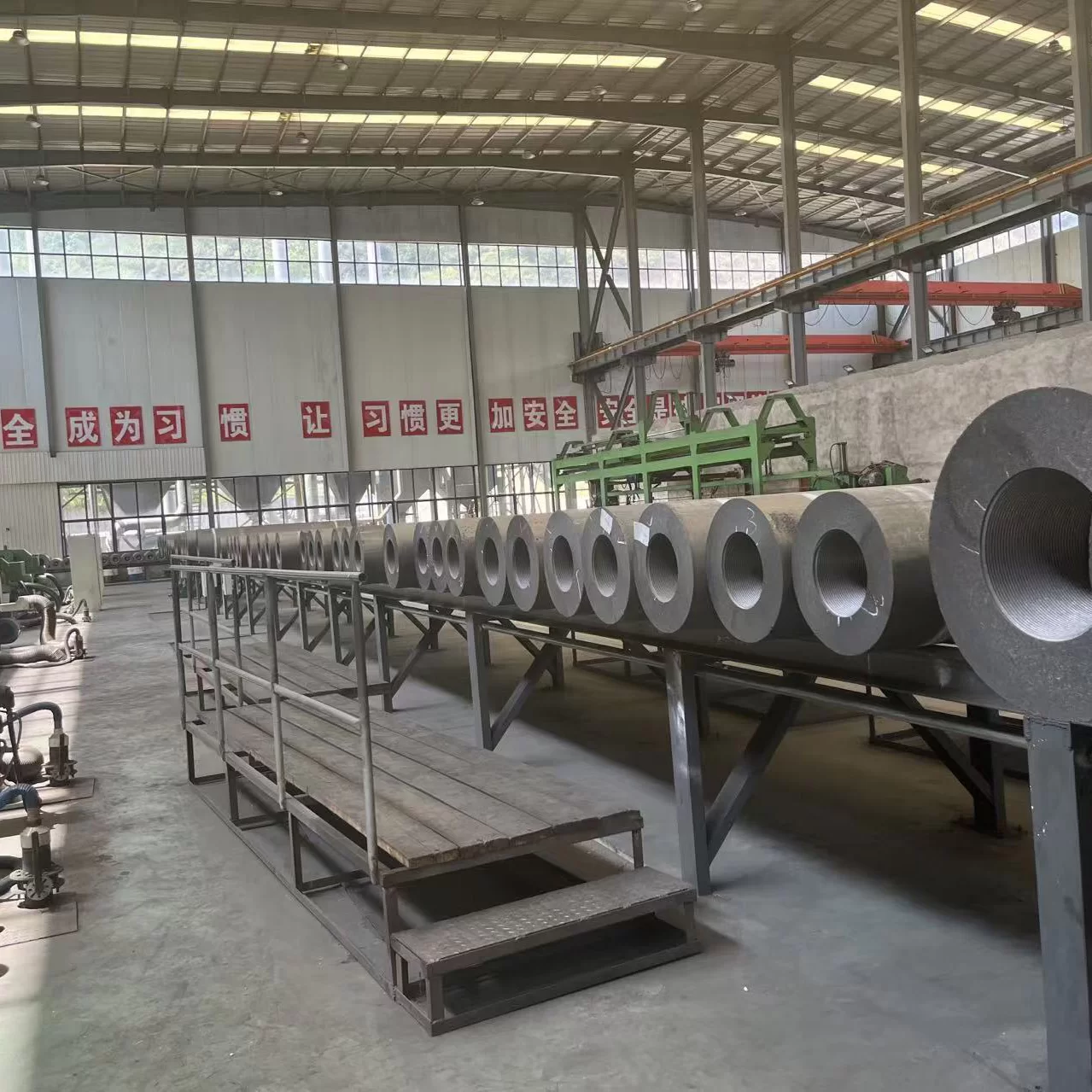
Understanding Graphite Resin: A Modern Marvel Shaping Global Industry
Graphite resin is one of those industry buzzwords that more people should probably know about, mainly because it quietly powers a lot of critical sectors worldwide. This composite material blends powdered graphite with resin binders to produce lightweight, durable, and thermally conductive products. Given the rapid push for sustainable solutions and high-performance materials, understanding graphite resin isn’t just for engineers in labs — it matters for manufacturers, environmentalists, and even humanitarian organizations.
Globally, materials that can withstand extreme conditions while maintaining cost efficiency are a hot commodity, affecting everything from aerospace parts to next-generation batteries. Graphite resin fits that bill nicely, offering benefits that tackle problems like resource scarcity, climate change pressure, and supply chain disruptions. In a nutshell, knowing how this material behaves and where it’s used unlocks a deeper appreciation for the modern products we often take for granted — from electric vehicles to disaster relief shelters.
The Global Role of Graphite Resin Today
To set the stage, consider some scale: According to the International Organization for Standardization (ISO), industries worldwide are demanding materials that combine strength, heat resistance, and eco-friendliness. Graphite resin composites tick these boxes, and they’re increasingly relevant in regions pushing clean energy transitions or advanced manufacturing, like Europe, East Asia, and North America.
Challenges such as volatile raw material costs and the need for lighter components in transportation have pushed researchers and product developers toward graphite resin. It addresses problems like overheating in electronics, material fatigue, and the environmental footprint of plastics.
What Exactly Is Graphite Resin?
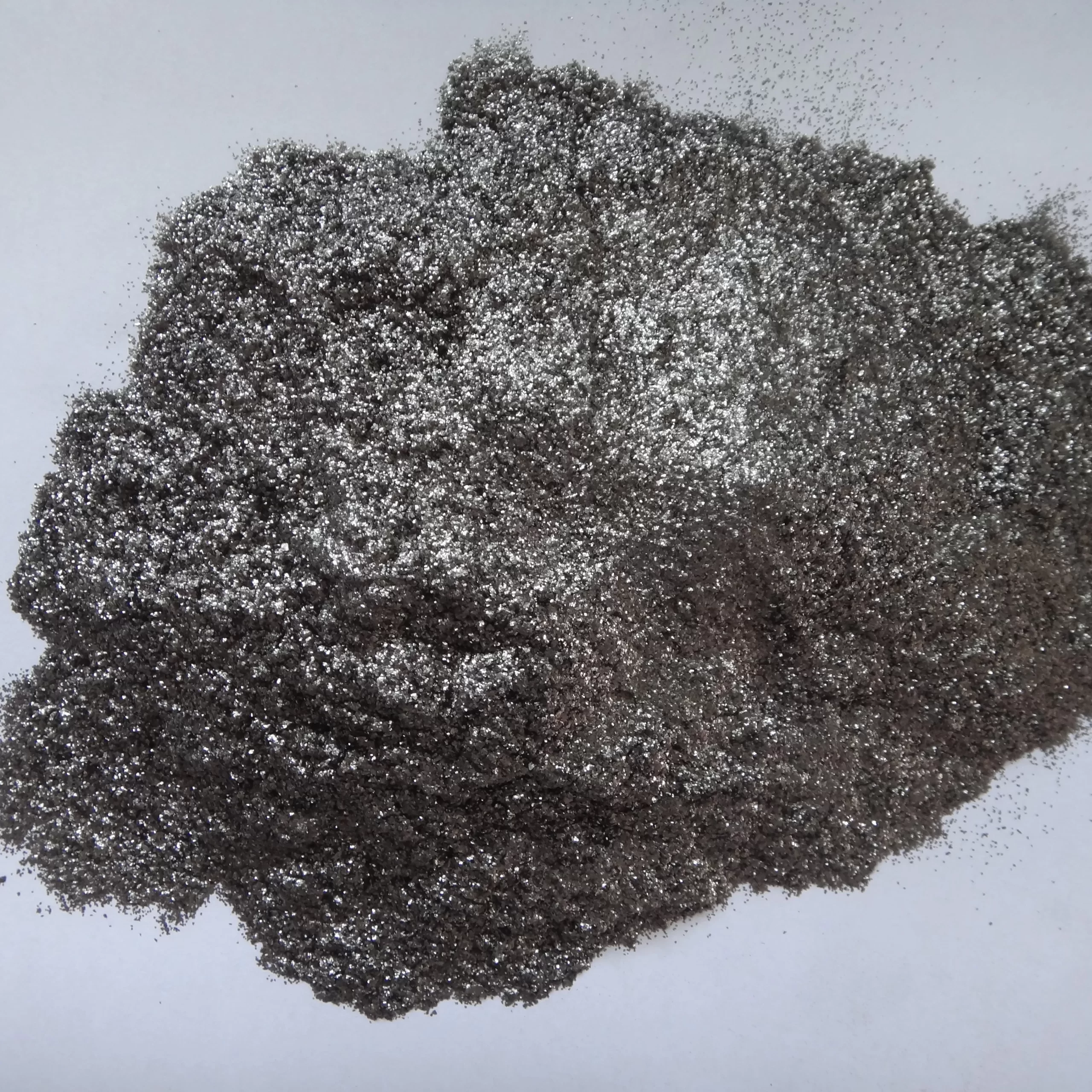
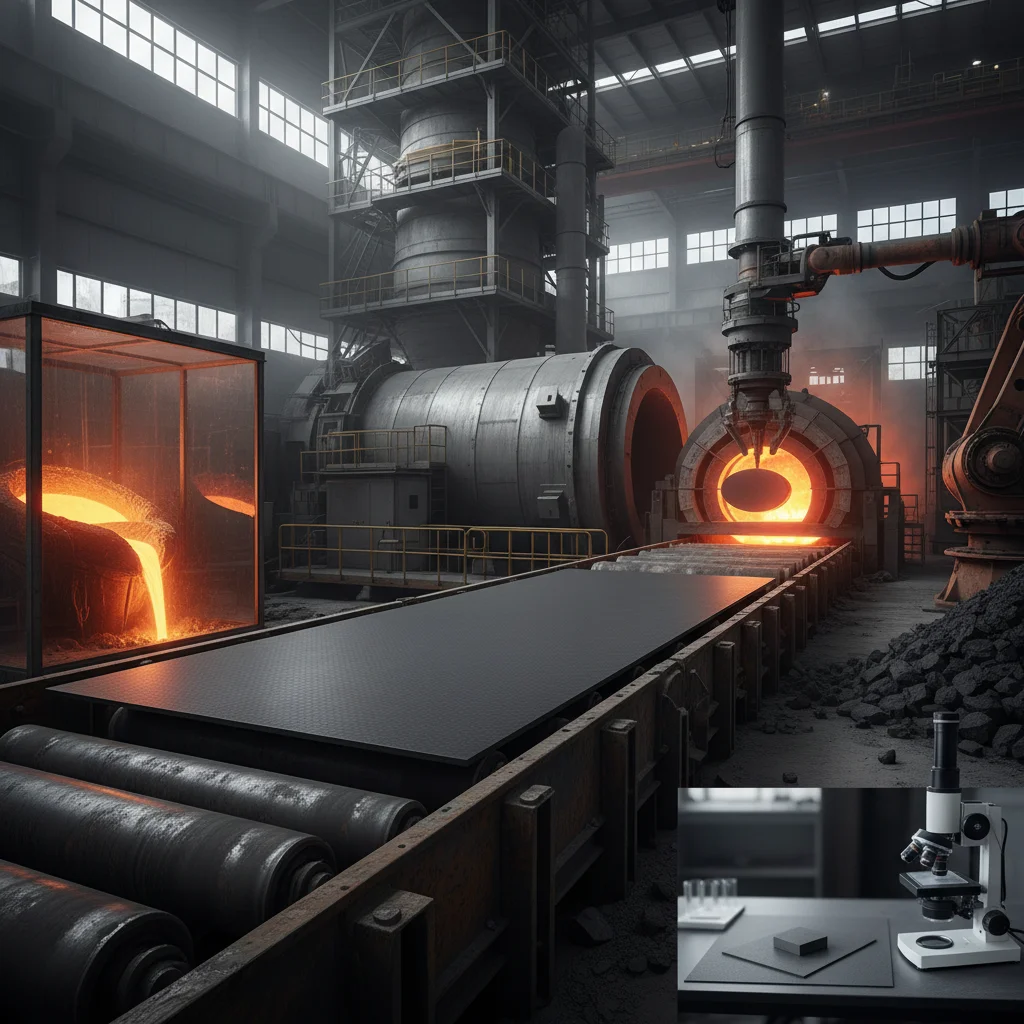
Simply put, graphite resin is a composite where tiny graphite particles are bonded with resin—often epoxy or phenolic. This hybrid captures graphite’s excellent conductivity and heat resistance but gives it the shape and adhesive properties the resin provides. This mix creates solid parts that manage heat better than pure plastic, resist wear longer, and often weigh less than metal alternatives.
In real-world terms, think of it as the high-tech glue that engineers rely on to build chips, battery cases, or even specialized machinery parts that need flawless thermal control and durability. It’s also catching attention for humanitarian tech — such as rugged shelter materials — because it’s both strong and adaptable.
Core Aspects Driving Graphite Resin’s Popularity
Thermal Management
Graphite’s chief claim to fame is its ability to conduct heat efficiently. When combined with resin, it makes components that circumvent overheating problems common in electronics and automotive parts. Oh, and this heat control happens without the weight penalty metal brings along.
Durability and Chemical Resistance
Resin protects graphite particles, making the composite resistant to moisture, chemicals, and mechanical wear. This means longer-lasting parts in harsh industrial or outdoor environments.
Lightweight Yet Strong
This composite is roughly half the weight of metals like aluminum but can still withstand mechanical stress well, perfect for industries pushing lightweight solutions (think drones, EVs, aerospace components).
Customization and Scalability
Manufacturers can tweak graphite and resin ratios to hit specific performance targets or production costs. Plus, recent advances allow scaling from small prototypes to mass manufacturing.
Cost Efficiency
While graphite resin composites aren’t dirt cheap, their lifecycle benefits (longer durability, less maintenance) often justify the upfront investment.
Global Applications & Real-World Examples
Graphite resin finds itself everywhere from the cutting edge to the practical frontline. In the energy sector, its use in battery casings for electric vehicles promotes safety by managing thermal runaway risks. Various aerospace components leverage the material for weight reduction without compromising strength.
In post-disaster relief operations, rugged shelter panels crafted with graphite resin composites withstand harsh weather and maintain structural integrity longer than traditional materials—offering quick, reliable shelter when it’s needed most.
Additionally, industrial zones in remote areas, like parts of Northern Canada or Australia, use graphite resin composites in machinery parts to reduce downtime and maintenance costs, which is critical when expert technicians aren’t always nearby.
Graphite Resin Specifications
| Property | Typical Value | Units | Notes |
|---|---|---|---|
| Thermal Conductivity | 15–30 | W/m·K | Depends on graphite content |
| Density | 1.5–1.8 | g/cm³ | Lighter than metal alloys |
| Flexural Strength | 80–130 | MPa | Good mechanical resilience |
| Operating Temp. Range | -40 to 200 | °C | Depends on resin type |
| Water Absorption | % | Excellent moisture resistance |
Comparing Leading Graphite Resin Vendors
| Vendor | Resin Type | Graphite Content | Prevalent Applications | Lead Time |
|---|---|---|---|---|
| CarbonTech Corp | Epoxy | 45–55% | Automotive, Electronics | 2-4 weeks |
| GraphiResin Solutions | Phenolic | 50–60% | Aerospace, Industrial Machinery | 3-6 weeks |
| EcoCarbon Materials | Bio-based Epoxy | 40–50% | Green Energy, Consumer Goods | 4-5 weeks |
Advantages & Long-Term Value of Graphite Resin
Many engineers say graphite resin composites are “the silent workhorse” of modern manufacturing, and trust me, it feels like a fair description. The material not only cuts weight without compromising toughness but also drives cost savings by lowering maintenance and downtime. For environmental advocates, its superior lifecycle and lower energy use during manufacturing are winning points.
On the human side, materials like this help ensure safety and dignity — think durable shelters that survive storms or battery casings that reduce fire risk. They foster trust in tech solutions that people rely on daily.
What’s Next? Future Trends & Innovations
Looking ahead, I notice a sharp focus on greener production methods. Bio-source resins mixed with graphite are already emerging as a trend. This could shift production to even lower environmental footprints.
Automation in manufacturing graphite resin parts will also ramp up — enabling more precise layering and complex shapes, further broadening applications, especially in electric vehicles and renewable energy.
The digital transformation of supply chains means faster custom orders and smarter inventory management, which is crucial because demand for these materials is growing worldwide.
Challenges & How Experts Are Tackling Them
Graphite resin composites aren’t perfect— raw material price fluctuations and processing complexity remain issues. Plus, achieving uniform dispersion of graphite particles can be tricky during manufacturing, impacting final product quality.
Innovative solutions include advanced mixing technologies, better quality control with in-line sensors, and research into standardized formulations to ease procurement headaches.
Frequently Asked Questions About Graphite Resin
What makes graphite resin composites better than traditional plastics?
They offer far superior heat conduction and mechanical strength. This means components last longer, resist high temperatures, and weigh less than metals, making them ideal for tech and industrial applications.
Can graphite resin parts be recycled or reused?
Recycling composites is challenging due to their mixed material nature, but companies are developing techniques to repurpose waste and improve sustainability. Currently, partial reuse is possible, especially with epoxy-based systems.
How customizable is graphite resin for specific applications?
Very. Ratios of graphite to resin, resin types, and additives can be tuned to achieve exact thermal, mechanical, or chemical resistance properties suited to diverse industries.
Are graphite resin materials safe for humanitarian shelter use?
Yes, they provide durability and weather resistance essential for temporary housing and relief shelters, supporting safe, long-term occupancy even in harsh environments.
How can small manufacturers source high-quality graphite resin?
Many suppliers offer sample sizes or small-batch orders. Exploring vendors who specialize in composites and checking reviews can help find reliable partners for initial projects.
Wrapping It Up
Graphite resin quietly revolutionizes how industries innovate — delivering unmatched thermal performance, durability, and lightweight design essential for the future. Whether it’s powering green energy breakthroughs or supporting disaster relief infrastructure, its long-term benefits are unmistakable. Curiosity about this composite could open doors to smarter, safer, and more sustainable products across the board.
If you want to dive deeper into graphite resin technology or explore tailored solutions, don't hesitate to visit our site: graphite resin. It’s a great place to start that next big project or discovery.