What Is Graphite a Metal — And Why It Matters Today
Graphite a metal—that phrase might catch you off guard at first. After all, graphite isn’t a metal; it’s a form of carbon. Still, in industries moving at the speed of innovation, graphite’s metallic-like properties have ushered in some unexpected benefits that make it almost feel like a metal in its own right. Globally, understanding this "graphite a metal" concept matters because it bridges the gap between raw material science and cutting-edge industrial applications that power everything from green energy to electronics manufacturing.
Why should you care? Well, as nations push for sustainable materials and manufacturers seek lighter, durable components, graphite’s unique qualities sit at the crossroads of these demands. Plus, grappling with how graphite behaves “like a metal” opens doors to revolutionary products and smarter tech.
Global Relevance: The Rise of Graphite’s Industrial Role
Worldwide, the demand for graphite has surged drastically, driven by its versatile "metallic" properties—chiefly electrical conductivity and heat resistance. According to the U.S. Geological Survey, global graphite production topped 1.2 million metric tons recently, growing about 4% yearly.
Graphite’s role in lithium-ion batteries alone, cornerstones of electric vehicles and grid storage, is pushing nations to rethink supply chains. Countries like China, Canada, and Mozambique have become key players, yet dependency raises concerns about geopolitical stability and sustainability. The question many industries face: how do we leverage graphite’s metal-like qualities efficiently—without the pitfalls?
What Does “Graphite a Metal” Really Mean?
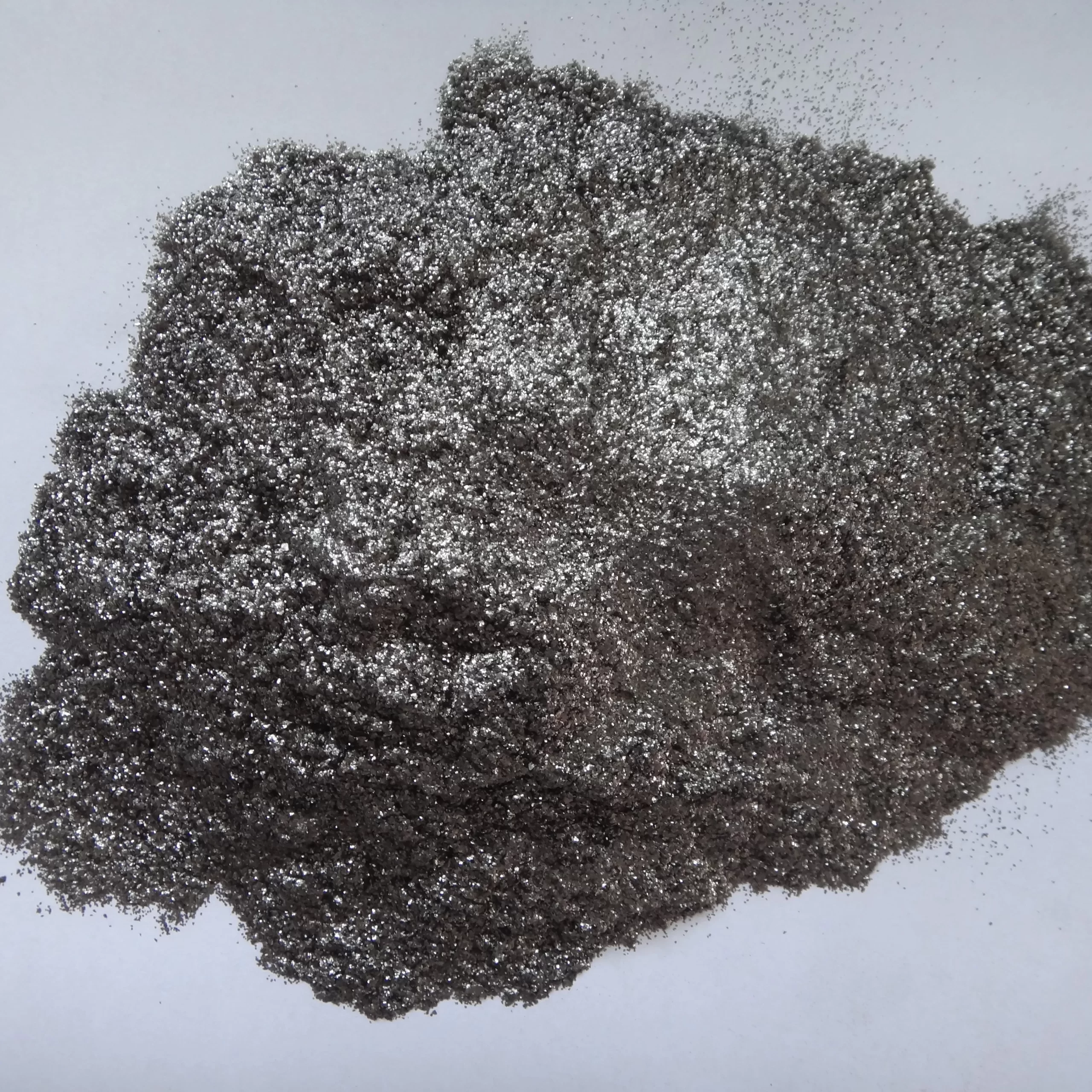
At its core, graphite is a crystalline form of carbon with a layered structure, which lets electrons flow freely across its planes. This behavior mimics metals, making graphite an excellent electrical and thermal conductor. In other words, while graphite itself isn’t a conventional metal like iron or copper, it exhibits metal-like electrical and heat conductance.
This characteristic is precisely why industries often treat graphite as a “metal” in practical applications. For example, it’s widely used as electrodes, lubricants, and in refractory linings for metal processing. Plus, its lightweight but robust nature fulfills humanitarian and development needs by enabling durable, cost-effective solutions in challenging environments.
Mini takeaway:
- Graphite’s metal-like conductivity is what makes it a "metal" in industry lingo.
- Its physical and chemical properties open doors for diverse applications.
Core Properties That Define Graphite’s Appeal
Electrical Conductivity
Almost paradoxically, among non-metallic elements, graphite is one of the best electrical conductors. This makes it perfect for electrodes in electric arc furnaces and batteries. Engineers often praise its performance compared to traditional metals in high-temperature or corrosive environments.
Thermal Resistance
Graphite withstands temperatures up to roughly 3,000°C in non-oxidizing atmospheres. That’s why it’s valuable in heat shields, molds, and crucibles. Unlike metals that can melt or degrade, graphite remains stable, making it an industrial staple.
Lightweight and Durable
Density-wise, graphite is much lighter than most metals, yet it maintains surprising mechanical strength. This balance helps manufacturers design components that reduce overall weight without sacrificing durability—especially vital in aerospace and automotive sectors.
Lubricating Ability
Its layered structure allows graphite to act as a natural, dry lubricant. In heavy machinery or industrial processes where liquid lubricants might fail or contaminate products, graphite’s properties shine.
Cost Efficiency
While pure metals like copper or silver are expensive and often environmentally challenging to source, graphite’s abundant natural deposits make it comparatively affordable. This cost advantage is fueling wider adoption.
Real-World Applications of Graphite a Metal
It’s one thing to talk about graphite’s properties—but where do those translate to real impact? From the high-tech to on-the-ground practical uses, here’s a snapshot:
- Electric Vehicles & Batteries: Graphite is crucial in lithium-ion battery anodes, enabling longer ranges and faster charging.
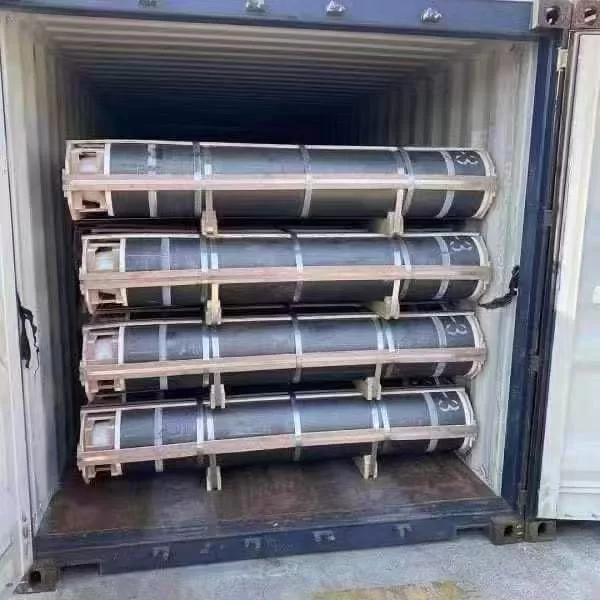
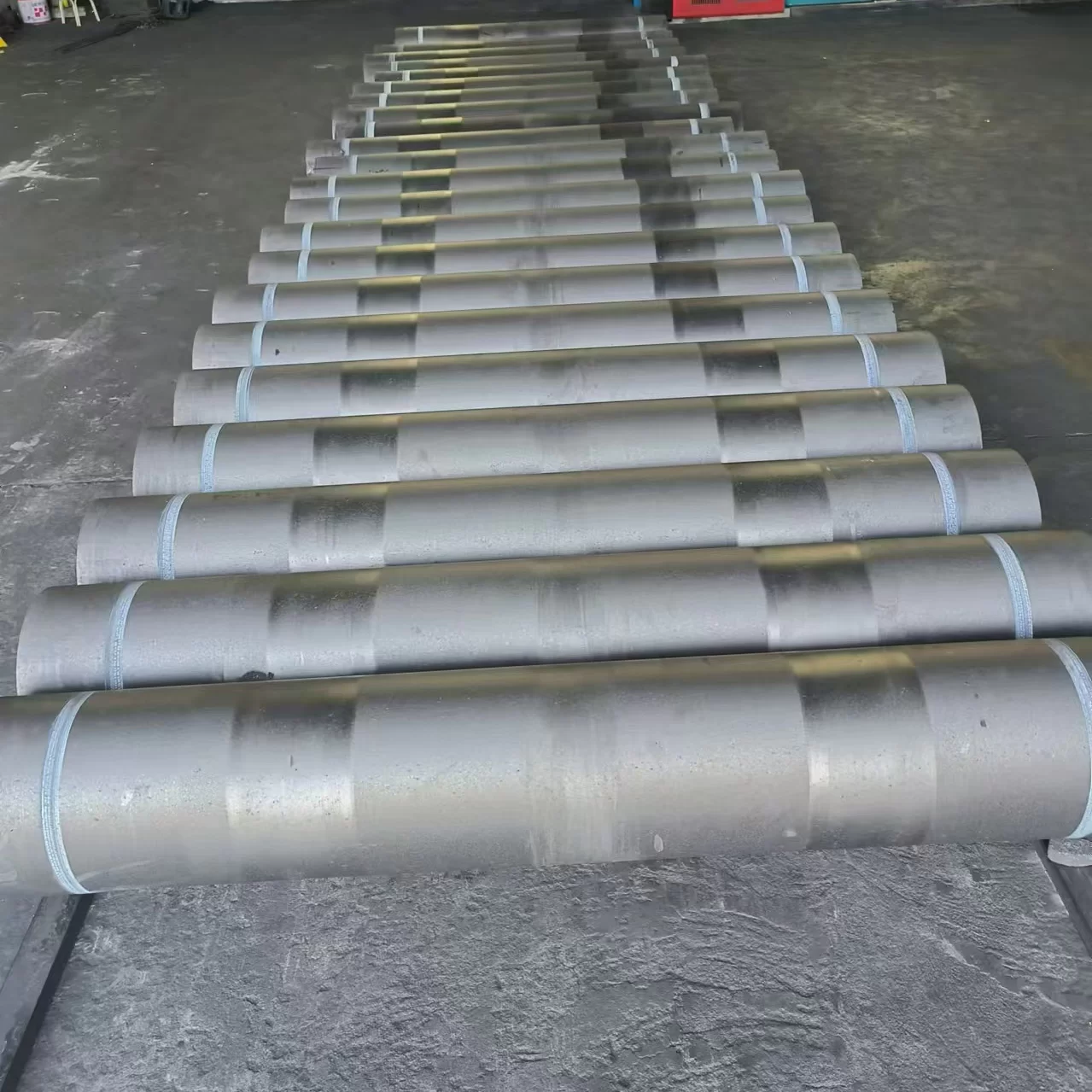
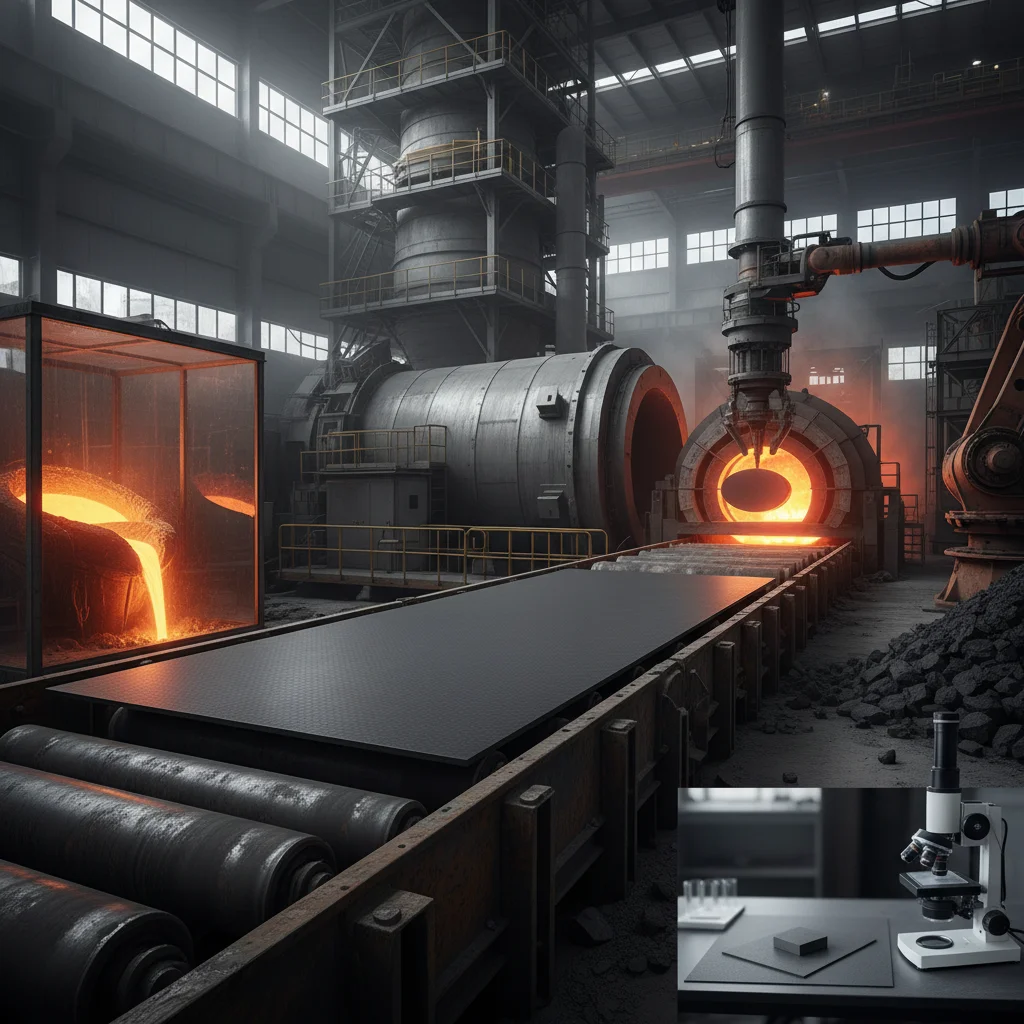
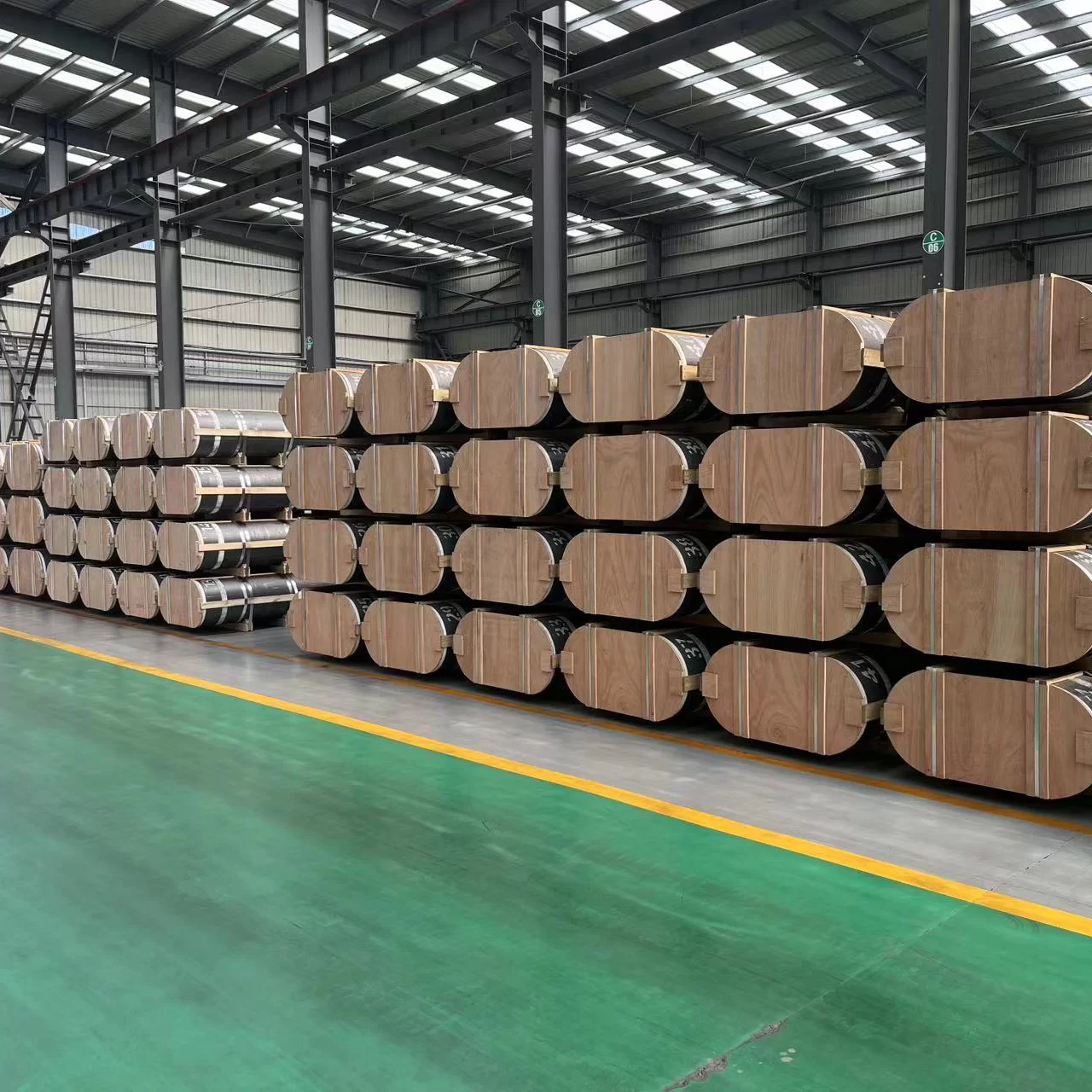
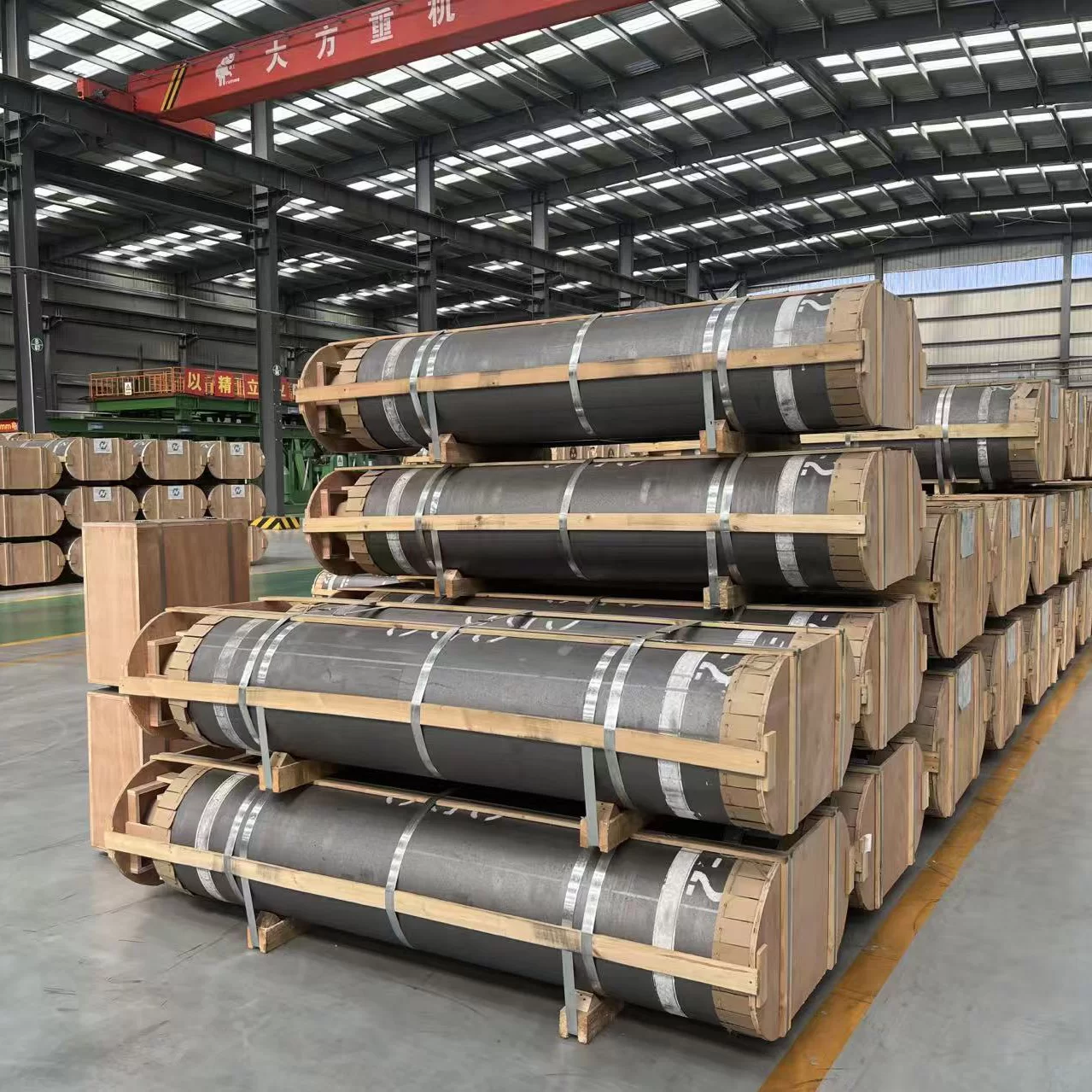
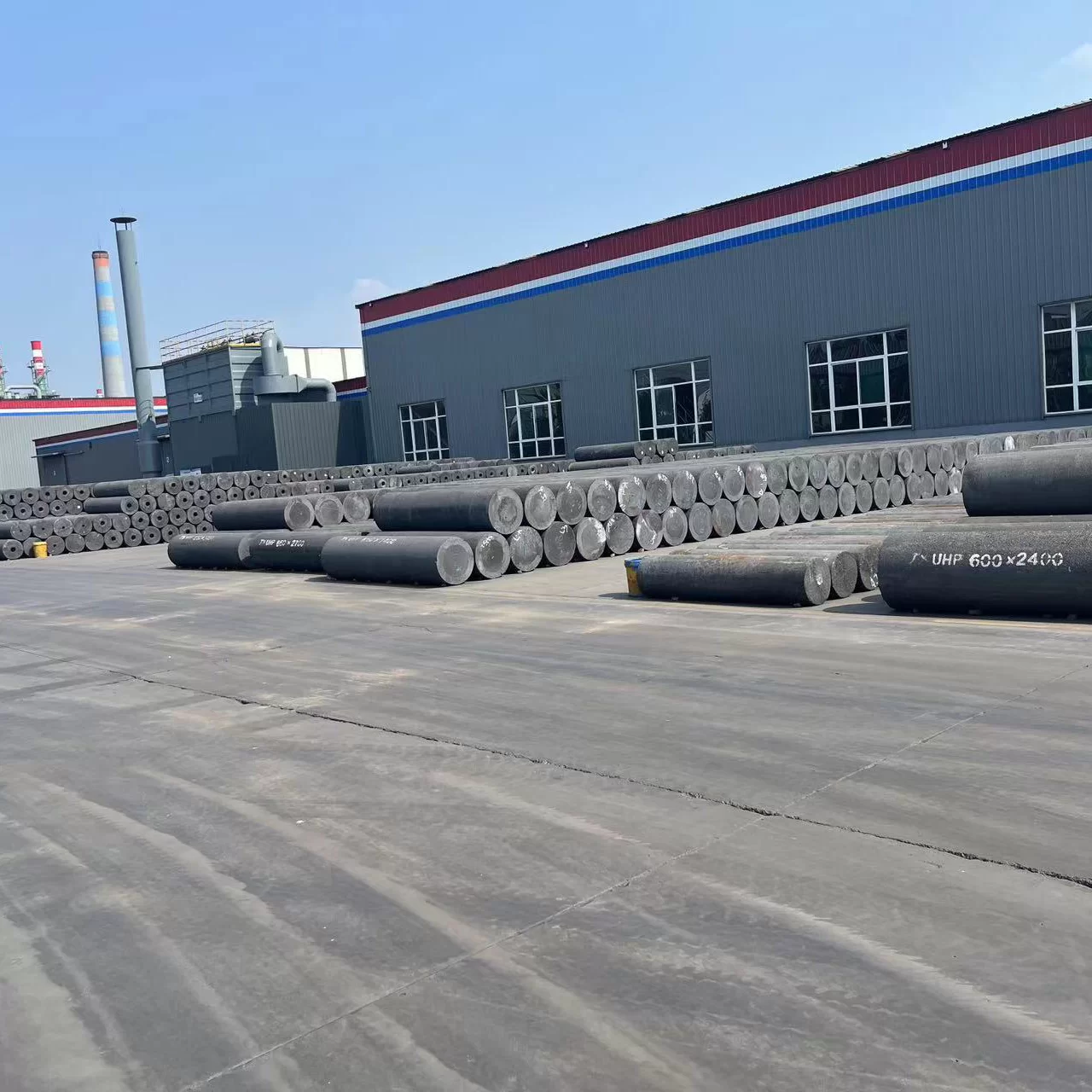
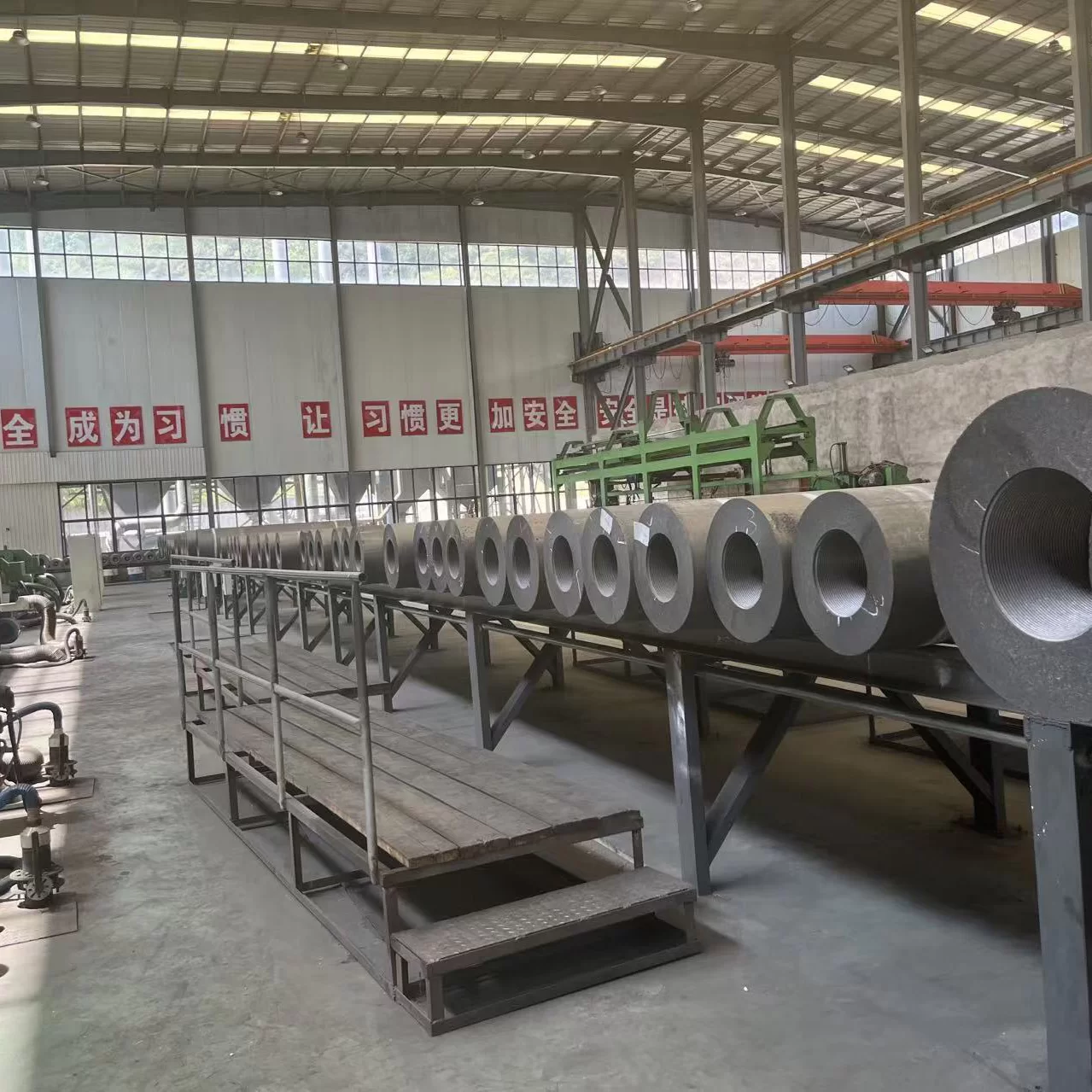
- Steel & Metal Production: Used as electrodes in electric arc furnaces, it supports cleaner steelmaking.
- Aerospace Components: Lightweight graphite composites offer heat resistance and strength for aircraft parts.
- Renewable Energy: Solar panel manufacturing and nuclear reactors rely on graphite-based parts for stability and efficiency.
- Humanitarian Equipment: Durable graphite rods and conductive materials aid in disaster relief tools and field electronics.
Areas like East Asia, North America, and Europe lead in deploying graphite-based tech, but emerging markets increasingly tap into this promising material.
Advantages & Long-Term Benefits of Graphite-Based Solutions
Graphite a metal delivers multi-level advantages:
- Cost Savings: Lower raw material and processing costs compared to some metals.
- Sustainability: Naturally abundant and easier to recycle in certain forms, contributing to circular economies.
- Reliability: Resilient under extreme thermal and mechanical stress retaining integrity for longer periods.
- Innovation Catalyst: Enables next-gen products from flexible electronics to advanced energy storage.
- Safety and Social Impact: In humanitarian contexts, it helps provide reliable, durable equipment, preserving dignity in tough conditions.
Product Specification Table: Typical Graphite Material Properties
| Property | Graphite | Copper (for comparison) |
|---|---|---|
| Electrical Conductivity (MS/m) | 1-2 (anisotropic) | 59 |
| Thermal Conductivity (W/m·K) | 120-165 (in-plane) | 385 |
| Melting Point | Sublimes ~3900°C | 1085°C |
| Density (g/cm³) | 1.9-2.3 | 8.96 |
| Cost per kg (USD approx.) | $5-$20 (varies by grade) | $8-$10 |
Comparing Top Vendors of Graphite Materials
| Vendor | Product Range | Global Reach | Sustainability Initiatives | Typical Clients |
|---|---|---|---|---|
| Dahcarbon | Synthetic & natural graphite, anodes, electrodes | Asia, Europe, North America | Recycling programs, low carbon footprint | Battery makers, steel plants |
| GrafTech International | High purity graphite, specialty electrodes | Global | ISO-certified sustainable mining | Aerospace, automotive |
| Imerys Graphite & Carbon | Coated graphite, lubricants | Europe & Americas | Eco-friendly coatings, waste reduction | Industrial machinery, electronics |
Looking Ahead: Future Trends in Graphite a Metal
Innovation in graphite materials feels like an unfolding story. Researchers are developing flexible graphite films for wearable electronics and exploring nano-engineered graphite composites that could rival traditional metals in strength and conductivity. Plus, integrating graphite in green energy tech like solid-state batteries promises breakthroughs in safety and performance.
Governments and industry leaders are aligning on energy efficiency standards demanding materials that reduce carbon footprints. Graphite’s recyclability and natural abundance make it a clear contender to help meet these new sustainability goals.
Addressing Challenges & Practical Solutions
That said, graphite isn’t perfect. Its anisotropic conductivity means it conducts well along planes but poorly across layers, complicating some designs. Also, impurities in natural graphite can impact performance, pushing demand for costly synthetic grades.
Industry experts recommend combining graphite with metals or polymers to bypass these limits—a kind of hybrid approach. Advances in coating technologies and processing methods also help improve durability and consistency at scale.
FAQ About Graphite a Metal
- What exactly makes graphite “metal-like”?
- Graphite’s layered structure allows free movement of electrons within planes, giving it good electrical and thermal conductivity—traits typical of metals, even though it’s chemically carbon.
- Is graphite a metal or a mineral?
- Graphite is a naturally occurring mineral form of carbon. It’s not a metal but shares some metal-like properties, which is why it’s sometimes called “graphite a metal” in industry contexts.
- Can graphite replace metals in electrical components?
- In many applications, yes. Graphite is used for electrodes, brushes, and batteries because it withstands high temperatures and corrosive environments better than many metals.
- How sustainable is graphite mining?
- Natural graphite mining can impact the environment but sustainable practices and recycling programs (like those from graphite a metal vendors) are improving its footprint significantly.
- Where can I source high-quality graphite materials?
- Reliable suppliers like Dahcarbon, GrafTech, and Imerys offer various grades suited for industry needs—check their certifications and sustainability credentials before purchasing.
Conclusion: Graphite’s Metallic Promise
It’s easy to underestimate graphite, but when you look beneath the surface, you find a material that’s part mineral, part metal—in spirit, if not in chemistry. Understanding “graphite a metal” opens fresh perspectives on how we build smarter, lighter, and more sustainable technologies.
From powering electric cars to supporting industrial tools in remote regions, graphite combines endurance with elegance. To explore how you can integrate graphite-based solutions into your projects, visit our website and discover the future of material innovation.