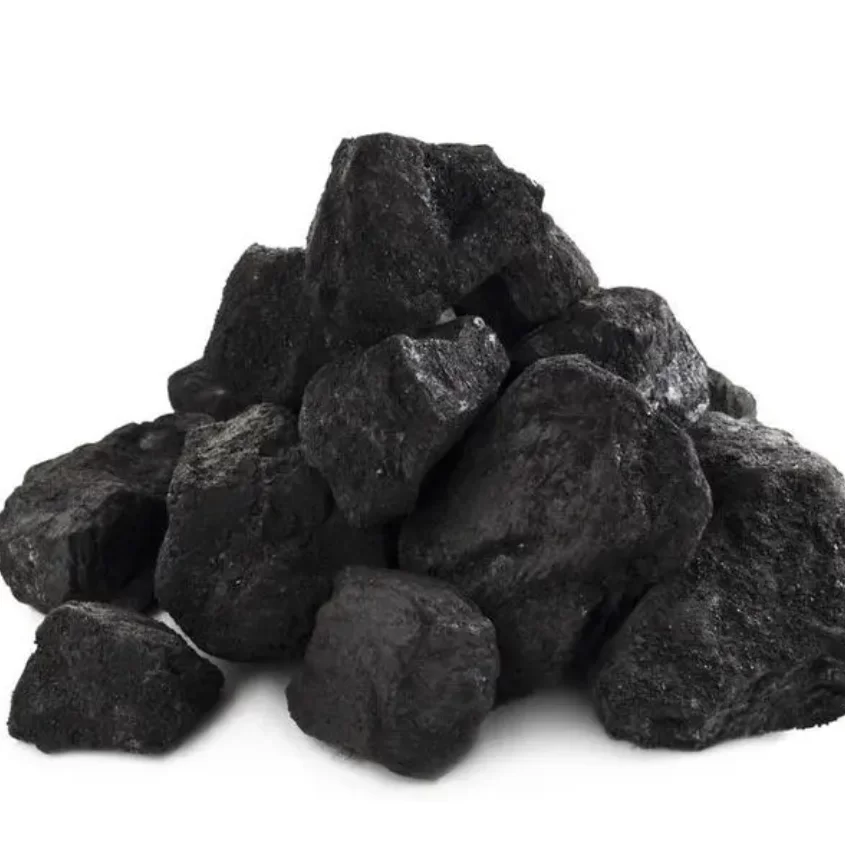
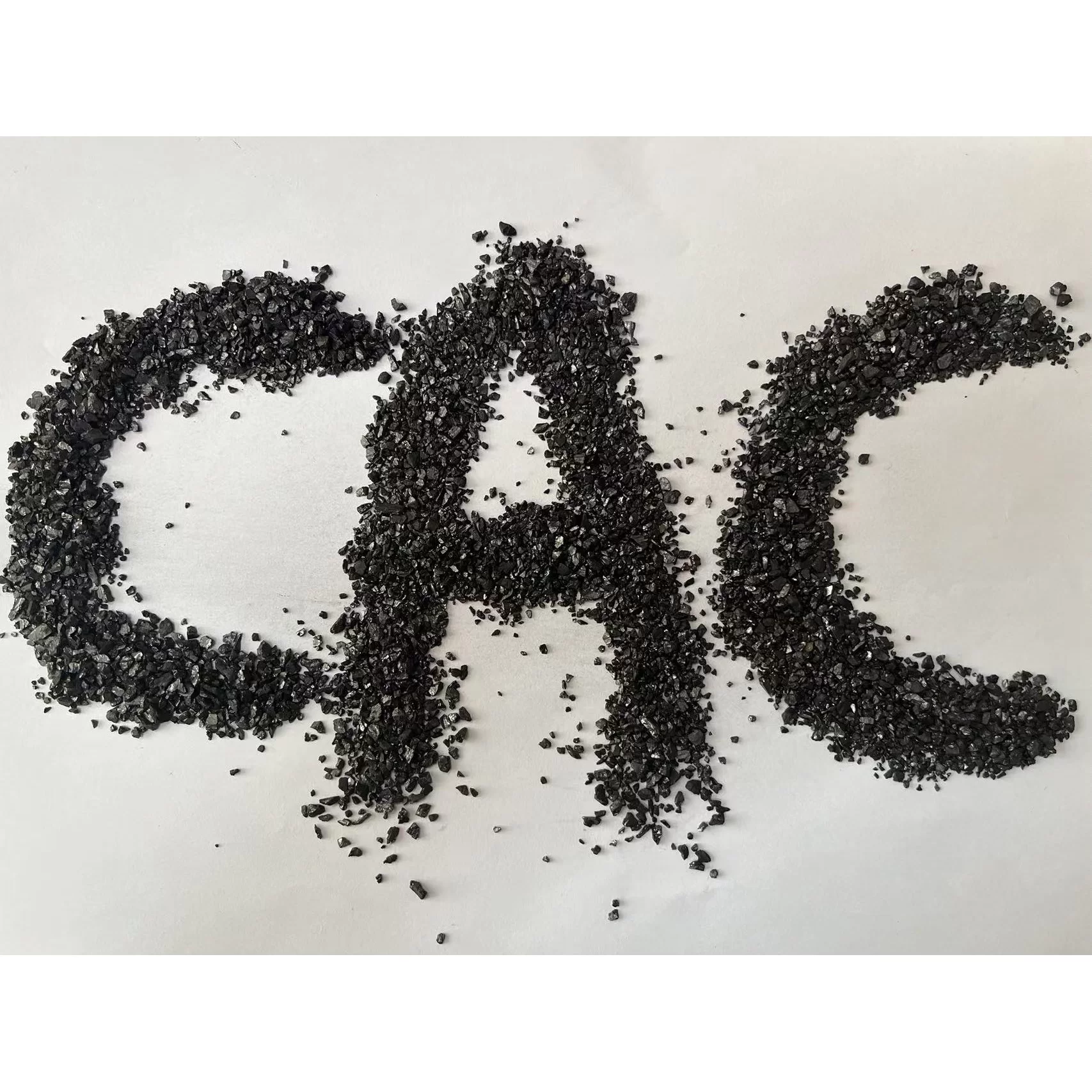
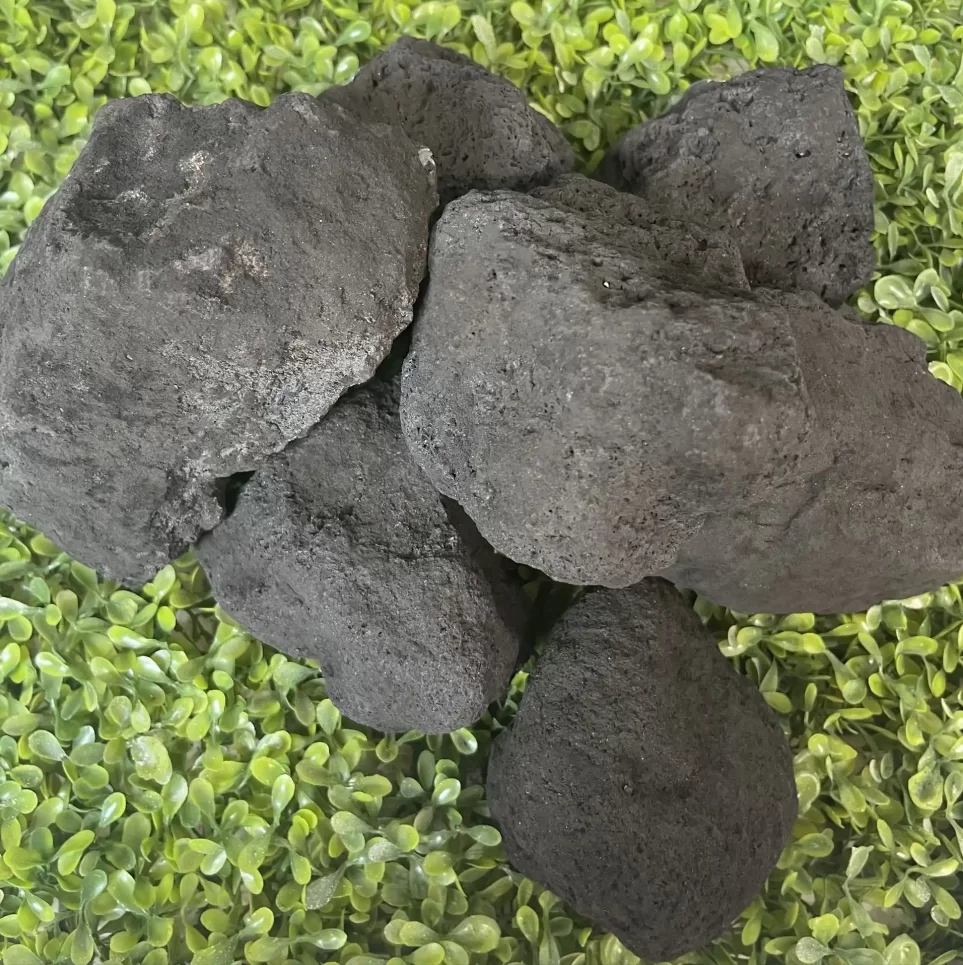
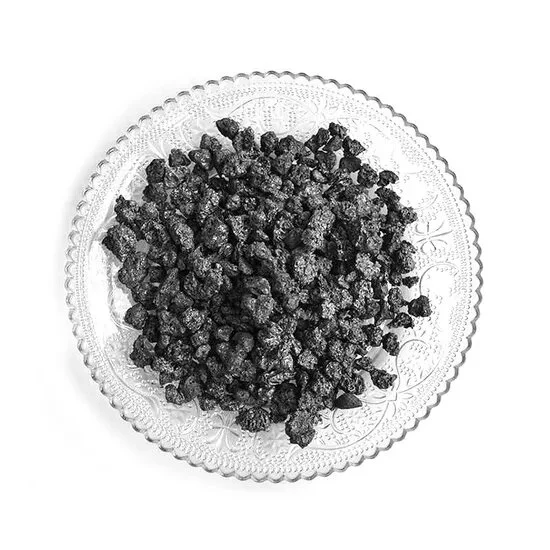
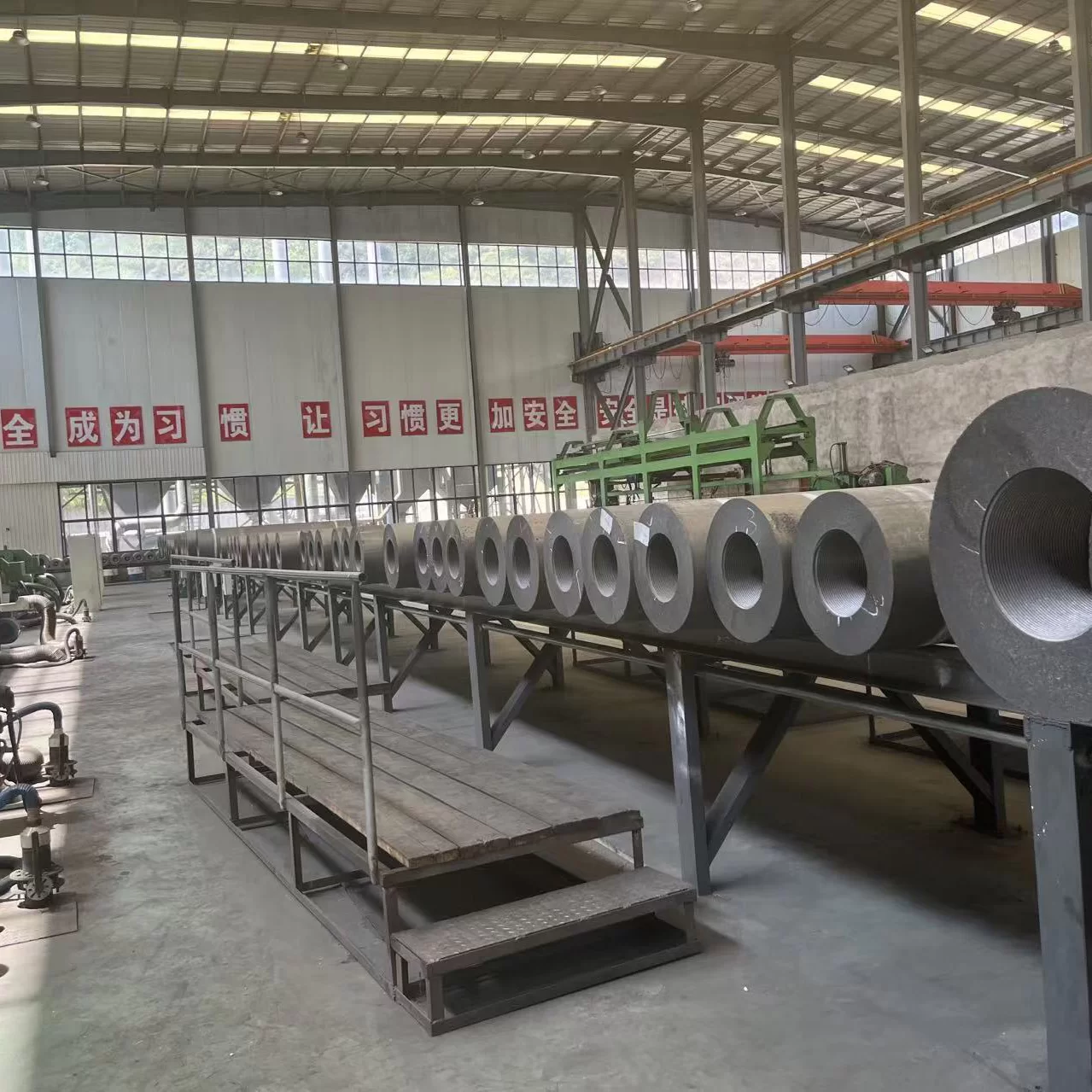
What Is Extruded Graphite and Why Should You Care?
If you’ve ever peeked behind the scenes of the high-tech manufacturing or energy sectors, you might have come across the term extruded graphite. It’s a fascinating material poised at the crossroads of innovation and sustainability, quietly powering everything from industrial gaskets to cutting-edge heat exchangers.
Globally, extruded graphite matters because it brings together strength, thermal stability, and precision manufacturing — which are vital for industries aiming to minimize waste and improve efficiency. Getting to know extruded graphite means tapping into a future where smarter materials underpin cleaner energy, longer-lasting components, and more responsible manufacturing.
Why the World Needs Extruded Graphite More Than Ever
The global push toward sustainable industrial solutions has ignited renewed interest in materials like extruded graphite. According to the International Energy Agency (IEA), energy-efficient technologies are expected to reduce oil consumption by 20% by 2030, and materials like extruded graphite literally help enable these technologies by improving heat transfer and sealing.
However, industries face challenges with traditional materials that degrade quickly under extreme temperatures or corrosive environments. That's where extruded graphite steps in—offering resilience combined with reliability. It’s used worldwide, from power plants in Germany to semiconductor factories in Taiwan, keeping operations stable and costs down.
What Exactly Is Extruded Graphite?
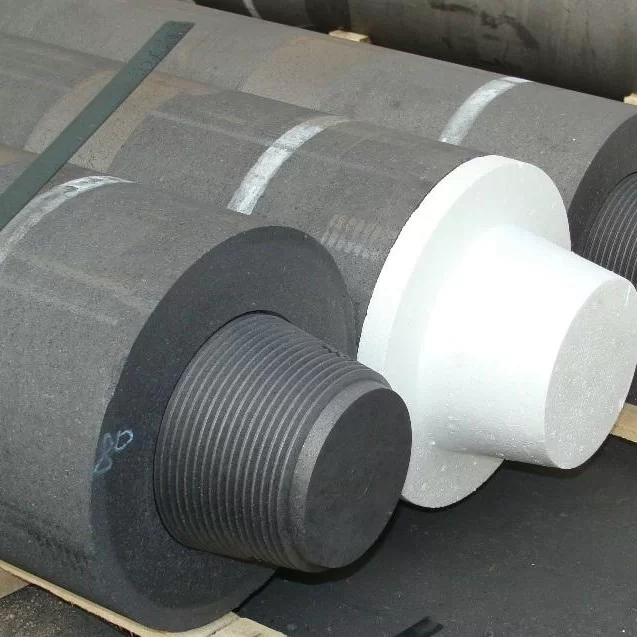
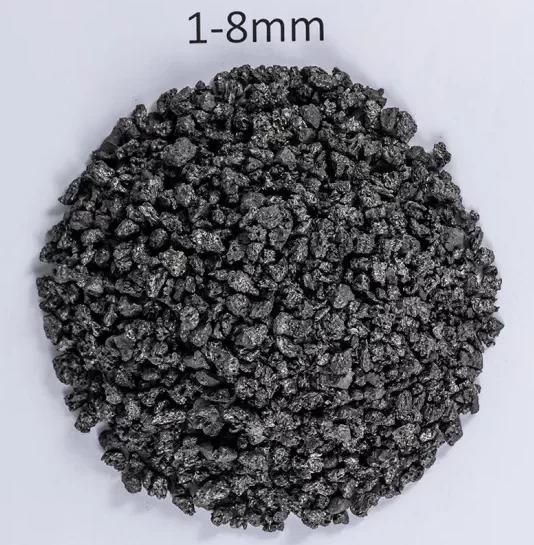
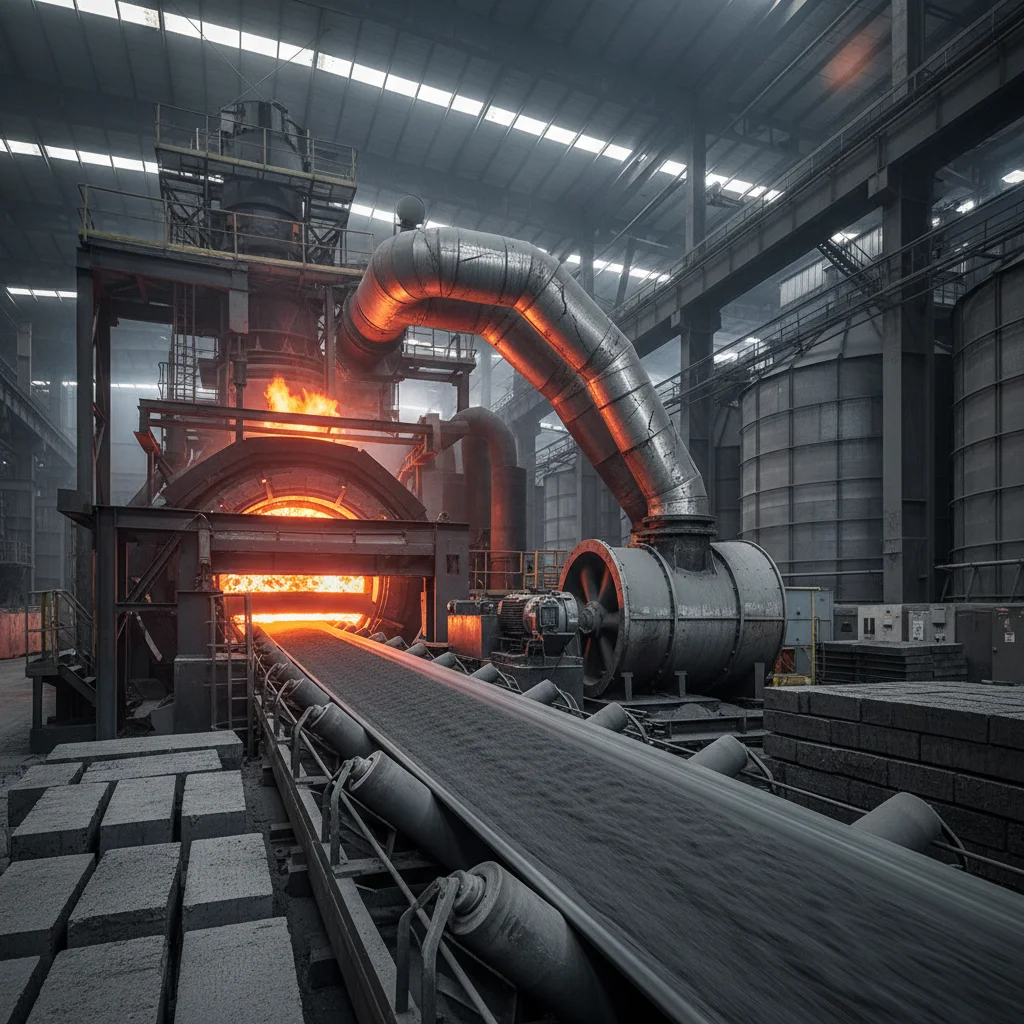
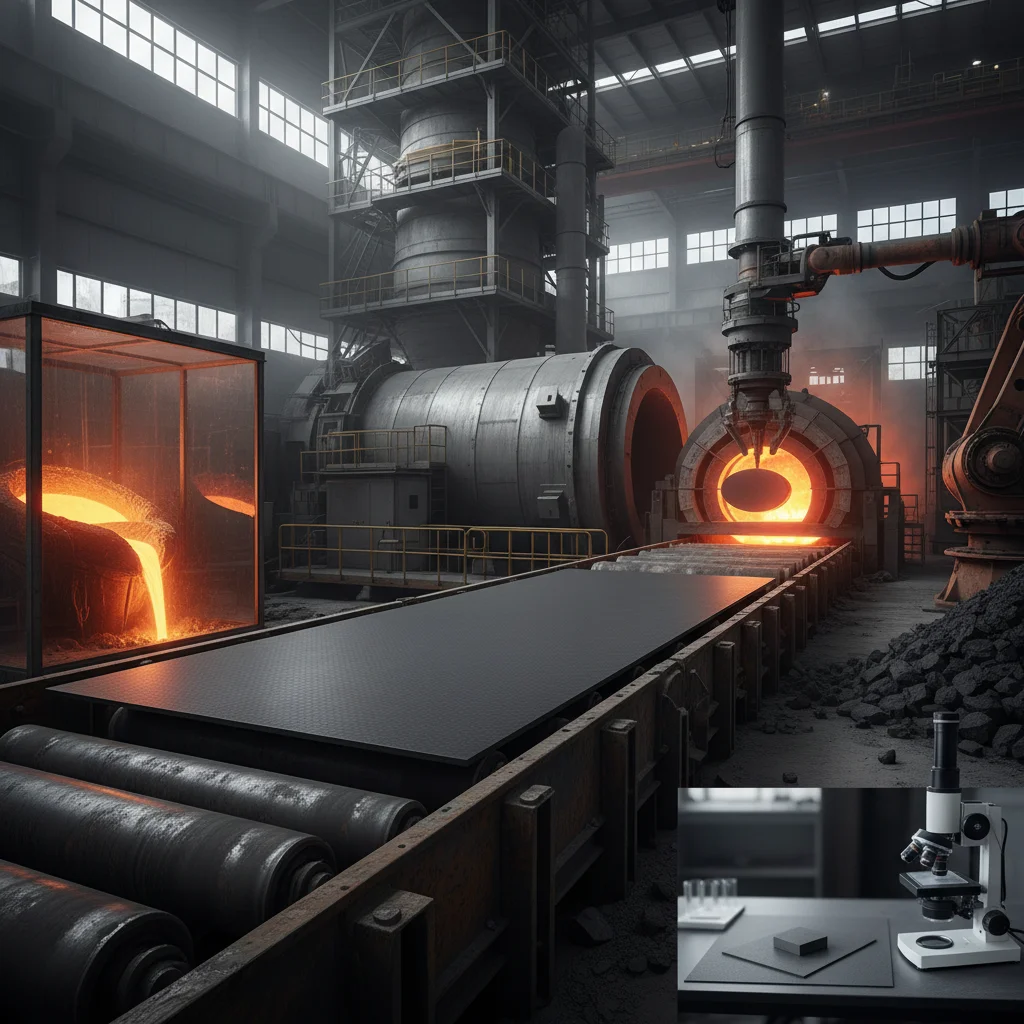
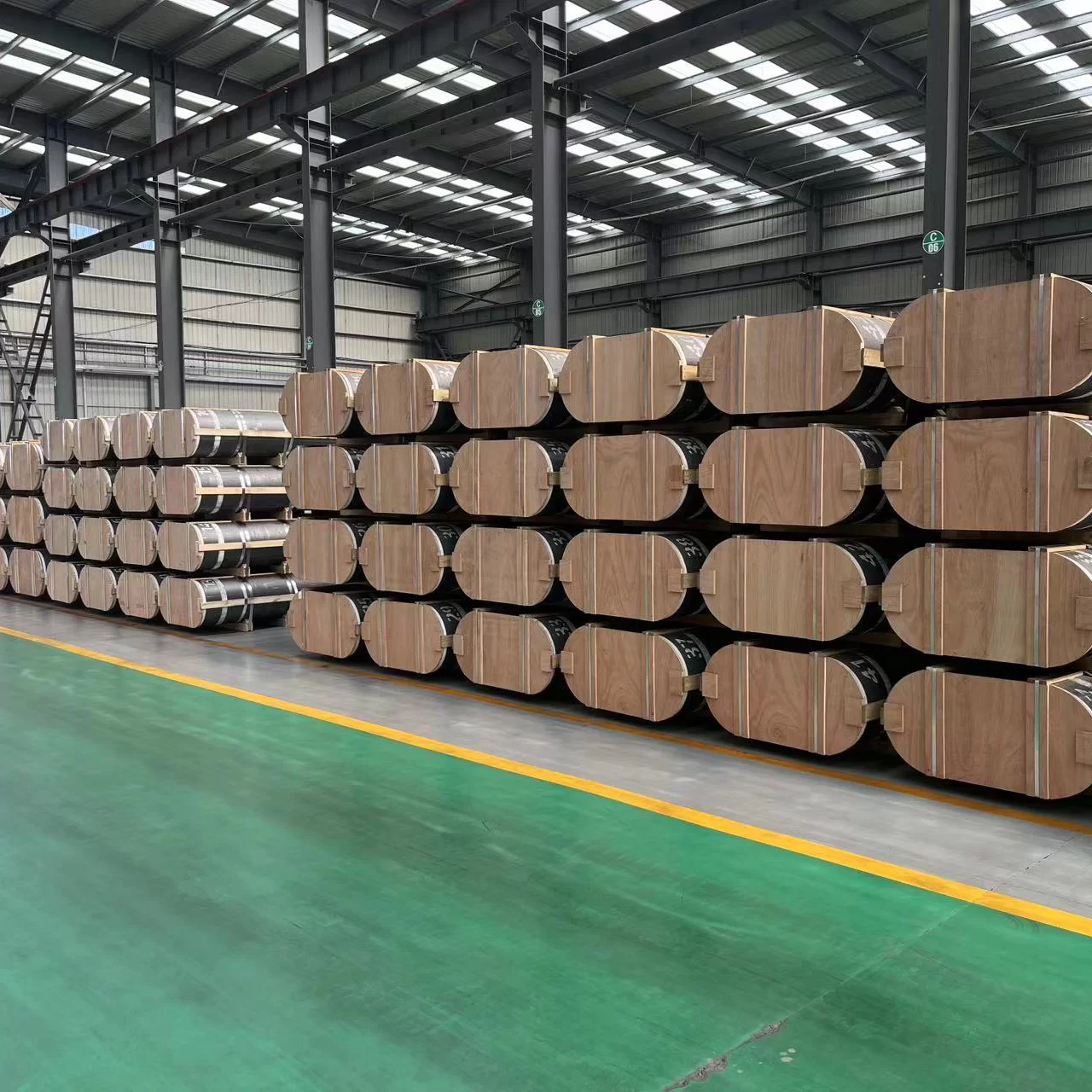
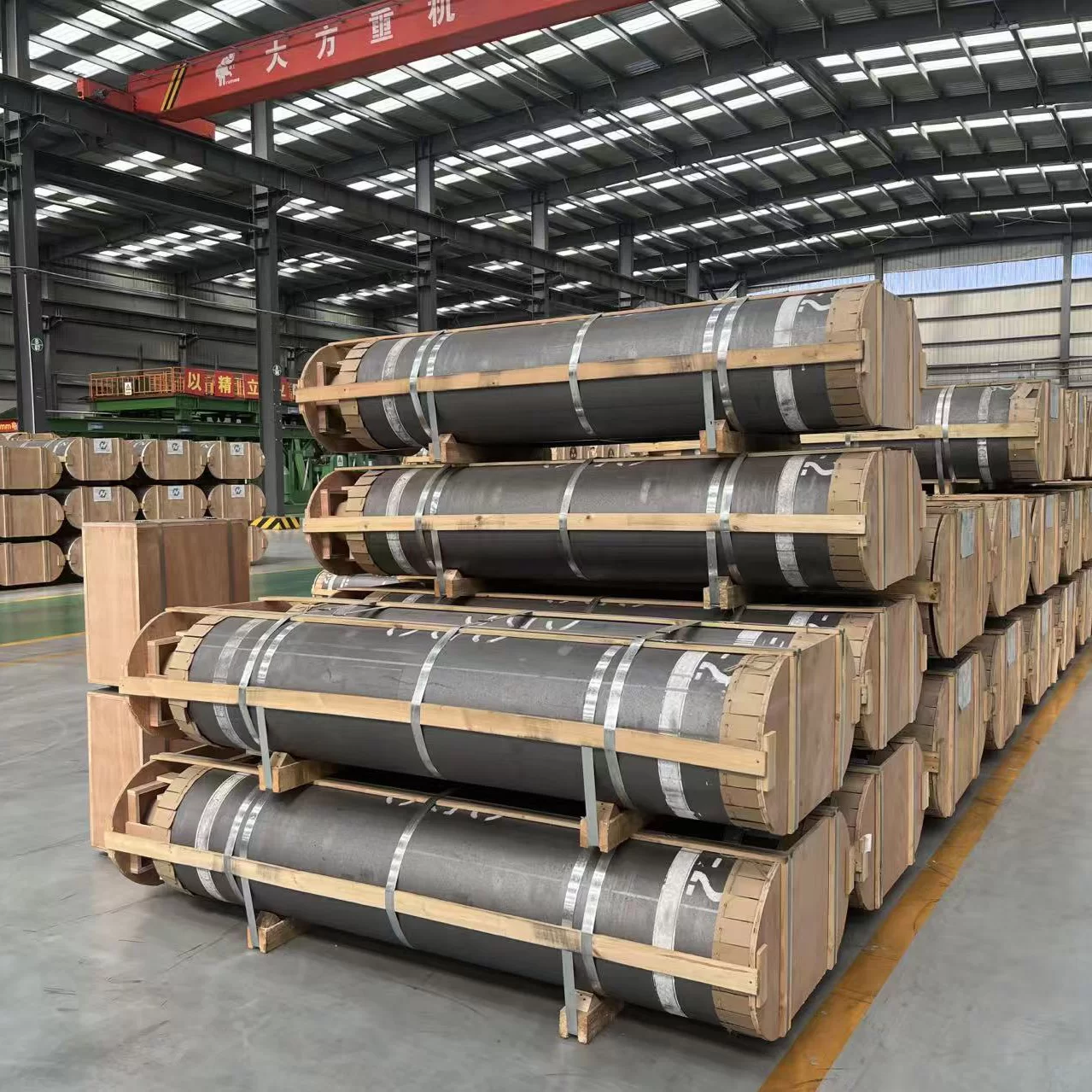
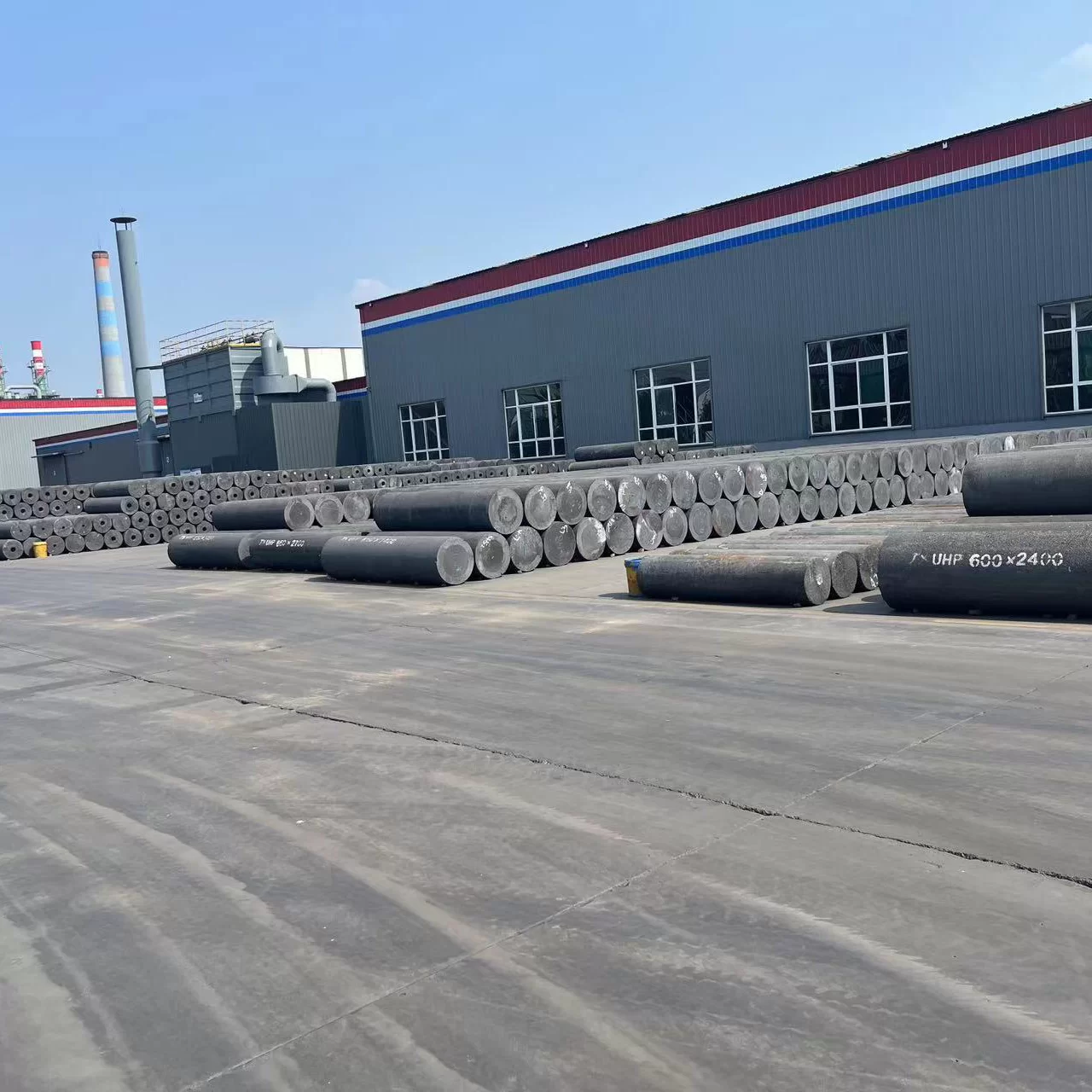
In simple terms, extruded graphite is a manufactured form of carbon obtained by pressing graphite flakes—mixed with binders—through a die to form blocks or shapes before being baked and treated. This extrusion process results in a dense, uniform material with consistent mechanical and thermal properties.
It’s closely linked to modern industrial needs, particularly where thermal management and chemical inertness count. For example, sealing flanges in petrochemical plants or insulating components in nuclear reactors. The technique itself isn’t new — it traces its roots back decades — but improved processing now delivers superior consistency and tailor-made shapes.
Core Features That Define Extruded Graphite
Thermal Stability and Conductivity
One of extruded graphite's biggest draws is its excellent thermal stability. Engineers rely on it to maintain integrity in temperatures often exceeding 300°C. It’s also an excellent conductor of heat, which is instrumental in applications needing precise thermal control.
Mechanical Strength & Durability
Extruded graphite's dense structure means it can withstand compressive forces and resist deformation, especially important in sealing applications. Scalability in shapes—from sheets to complex gaskets—enhances its versatility.
Chemical Resistance
Its inertness to acids, alkalis, and solvents makes extruded graphite a top choice in corrosive environments, allowing industries to reduce downtime and maintenance costs significantly.
Customization and Precision
The extrusion process enables precise thickness and shape control, which allows manufacturers to tailor components precisely to functional requirements. This means less material waste and better performance.
Environmental Sustainability
Unlike some synthetic alternatives, extruded graphite can often be sourced and processed with a lower carbon footprint. Plus, its durability means less frequent replacement — a win-win for companies looking to meet ISO 14001 standards.
Industries and Real-World Uses of Extruded Graphite
So, where do you find extruded graphite doing its magic? Practically everywhere tough, heat-resistant materials are needed:
- Energy sector: Power plants (especially nuclear and thermal) use extruded graphite for seals, heat exchangers, and radiation shielding due to its thermal and neutron absorption properties.
- Automotive and aerospace: Specialized gaskets and thermal shields that survive extreme conditions and reduce weight.
- Chemical processing plants: Handling corrosive chemicals with reliable, long-lasting seals.
- Electronics: Heat dissipation components in batteries and semiconductors benefit from conductivity and dimensional stability.
- Post-disaster infrastructure: Interestingly, in regions recovering from industrial accidents or natural disasters, extruded graphite can help build resilient, long-lasting machinery and components that handle shock and corrosion.
This geographic spread is remarkable — from chemical hubs in China, heavy industrial sites in Eastern Europe, to energy leaders in North America. In fact, according to ISO standards on graphite materials (ISO 6683:2007), quality control in extrusion processes boosts international adoption.
Product Specification Table: Typical Extruded Graphite Grades
| Property | Typical Range | Notes |
|---|---|---|
| Density | 1.45 – 1.55 g/cm³ | Impacts strength and conductivity |
| Thermal Conductivity | 100 – 150 W/m·K | Depends on grade & processing |
| Compressive Strength | 40–80 MPa | Crucial for sealing durability |
| Operating Temp. Range | –200 to 3000°C (non-oxidizing) | High-temp use requires inert atmosphere |
| Flexural Strength | 20–45 MPa | Important for machining tolerance |
Comparing Leading Extruded Graphite Suppliers
| Supplier | Range of Products | Lead Time | Customization Options | Sustainability Certification |
|---|---|---|---|---|
| Dah Carbon | Extruded graphite blocks, sheets, rods | 2–4 weeks | Full shape and density customization | ISO 14001 certified |
| Union Carbide | Graphite products mainly for aerospace | 3–6 weeks | Limited sizes | OHSAS 18001 certified |
| SGL Carbon | Extensive industrial-grade graphite and carbon materials | 4–5 weeks | High customization, including composites | ISO 9001 & 14001 certified |
Advantages & Long-Term Value
In real terms, there’s a solid reason so many industries lean on extruded graphite:
- Cost Efficiency: Longevity and resilience mean fewer replacements and less downtime — saving money over the years.
- Sustainability: Environmentally friendlier than many synthetics; its durability aligns with circular economy principles.
- Reliability: Consistency in performance reduces risk in critical applications, fostering trust with engineers and operators.
- Safety and Innovation: Proven to perform in extreme conditions, it supports safer industrial processes and plays into the narrative of innovation in materials science.
Looking Ahead: Trends and Innovations Involving Extruded Graphite
The future? For extruded graphite, the horizon is bright. With the rise of green energy technologies — such as hydrogen fuel cells and advanced thermal storage — materials that offer high thermal efficiency and corrosion resistance are essential.
Digital manufacturing techniques like CNC machining and laser cutting now enable even greater customization, reducing waste further. Plus, research into hybrid composites combining extruded graphite with graphene or carbon nanotubes is gaining momentum, promising materials that are lighter but even stronger.
Challenges and How Experts Are Tackling Them
All that said, there are hurdles. Oxidation at very high temperatures can be a concern, requiring protective coatings or inert atmospheres. The initial cost of precision manufacturing means smaller firms sometimes hesitate before switching.
Innovative solutions include better binder technologies during extrusion to improve oxidation resistance and collaborative supply chains that lower costs by pooling demand. It feels like the industry is waking up to the fact that long-term savings and sustainability are worth the investment.
FAQ: Frequently Asked Questions About Extruded Graphite
Q1: What are the main benefits of extruded graphite over traditional graphite materials?
Extruded graphite offers superior density, uniformity, and mechanical strength due to its manufacturing process. This translates to improved thermal conductivity and long-lasting performance in sealing and insulation compared to flaky or molded graphite types.
Q2: How does extruded graphite perform in corrosive environments?
Thanks to its chemical inertness, extruded graphite resists a wide range of acids, alkalis, and solvents. It’s ideal for sealing parts in chemical plants where many other materials degrade quickly, lowering maintenance frequency.
Q3: Can extruded graphite components be customized for specific industrial needs?
Absolutely! The extrusion process allows for tight control over thickness, density, and shape. Many suppliers offer custom fabrication options, which is especially useful when precise fit or specialized performance characteristics are required.
Q4: What environmental certifications should I look for in extruded graphite suppliers?
Look for ISO 14001 certification which indicates commitment to environmental management. Sustainability credentials reflect the supplier’s efforts to reduce waste, energy use, and emissions during production.
Q5: How do I integrate extruded graphite into existing manufacturing lines?
It's usually straightforward — extruded graphite parts often function as direct replacements or upgrades for seals, gaskets, or insulation. Working closely with supplier technical teams can ensure compatibility and minimal downtime during implementation.
Conclusion: Why Extruded Graphite Deserves Your Attention
After all this, it’s clear that extruded graphite is more than just another industrial material. Its unique combination of strength, thermal efficiency, and environmental friendliness positions it as a backbone for modern manufacturing innovation and sustainability goals.
Whether you’re in energy, automotive, chemicals, or beyond, understanding and leveraging extruded graphite could be the edge that keeps your operations reliable and future-proof.
Interested in high-quality extruded graphite solutions? Visit our website: extruded graphite to explore our product range and customization options.
References:
1. Wikipedia: Graphite
2. ISO 6683:2007 - Graphite materials
3. International Energy Agency (IEA)