What Exactly Is a Graphite Car, and Why Should We Care?
The term graphite car may sound niche or technical, but it signals something rather fascinating in the realm of industrial transport and material science. In essence, graphite cars are specially designed railcars incorporating graphite components or coatings to enhance performance—especially in heavy industry, mining, and high-temperature environments. But beyond the raw technical specs, graphite cars are part of a broader global puzzle: how to achieve more durable, reliable transportation solutions that cut downtime, improve energy efficiency, and reduce environmental impact. In a world increasingly sensitive to sustainability and resilience, understanding the nuances of graphite cars means getting closer to smarter logistics and the future of freight.
Why Graphite Cars Matter on the Global Stage
Let’s set the scene globally. Thanks to data from the International Organization for Standardization (ISO), rail transport accounts for roughly 8% of global freight movement—a hefty slice when you think about just how much material moves daily across continents. Mining, steel production, and energy sectors rely heavily on this network. The challenge? Regular railcars, especially those transporting abrasive materials like coal or iron ore, face extreme wear and tear, leading to costly repairs or replacements.
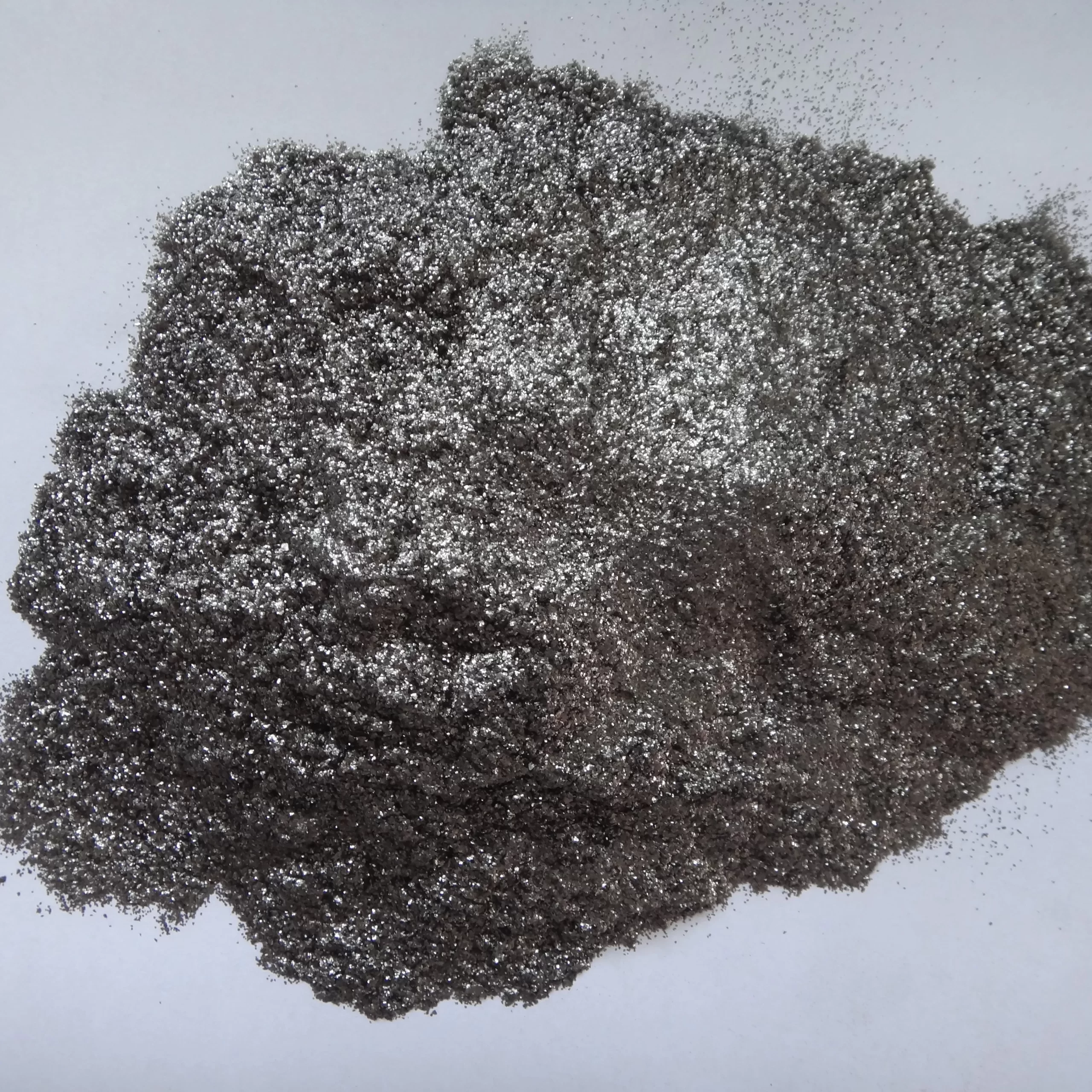
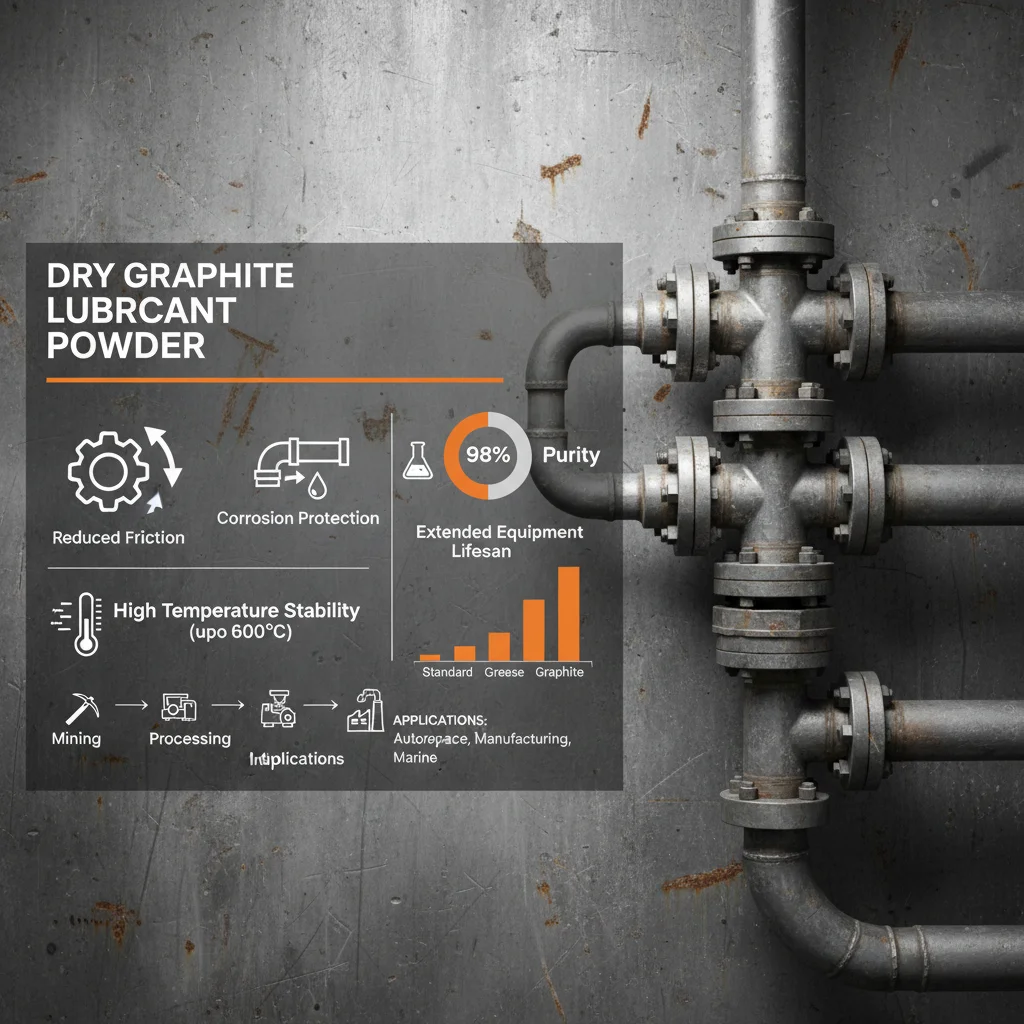
Graphite cars step in here as a clever, tech-savvy response. By using graphite’s innate lubricity, thermal conductivity, and chemical inertness, these cars reduce friction, minimize corrosion, and tolerate high heat better than traditional materials. It’s no secret that better materials translate into better economics and eco-sensitivity—both vital for countries aiming to reduce carbon footprints and boost operational uptime.
On a related note, emerging markets and resource-rich regions like Australia, Canada, and parts of Africa are waking up to the benefits of graphite car implementations in their heavy transport fleets.
Defining the Graphite Car in Plain Terms
So, what does ‘graphite car’ really mean? Picture a rail freight car or wagon where key components—say, bearings, brake linings, or undercarriage parts—utilize graphite composites or graphite coatings to enhance durability and performance. These aren’t your everyday boxcars but engineered vehicles optimized to handle tough materials and environmental conditions. Simply put, a graphite car is a hybrid solution integrating graphite to tackle wear problems, reduce maintenance, and optimize energy efficiency during transport.
In humanitarian or industrial contexts—think mining crises or remote mining operations—these cars matter because they keep critical infrastructure moving reliably, ensuring supply chains don’t break down when it’s most necessary.
Core Components That Make Graphite Cars Tick
1. Durability and Wear Resistance
Graphite’s solid reputation as a lubricant means less metal-to-metal contact, considerably extending the life of moving parts. This translates to longer intervals between servicing, especially in brake systems and wheel bearings.
2. Thermal Stability
Graphite can handle temperature extremes better than many other materials. In high-load transport scenarios, this makes the cars less prone to heat-induced failure, improving safety on hot summer days or near processing plants.
3. Corrosion Resistance
Instead of rusting away slowly, graphite-based coatings help protect the metal infrastructure against moisture and chemical attacks, which is a boon when transporting corrosive products or in humid climates.
4. Cost Efficiency Over Lifecycle
It’s not just sticker price but the total cost of ownership that counts. Fewer repairs, reduced downtime, and energy savings add up—making graphite cars an economical choice, especially for high-frequency use.
5. Energy Efficiency
Lower friction components mean trains require less horsepower or electrical power to haul the same load, ultimately reducing fuel consumption or electricity demand.
Mini Takeaway:
Graphite cars combine smart material science with practical engineering to create vehicles tough enough to survive industrial pressures while staying cost-savvy and green.
How Graphite Cars Are Revolutionizing Industries Worldwide
If you’re wondering who’s actually using these graphite-enhanced vehicles, the answer is quite diverse. The mining sectors in Australia and Canada often deploy graphite cars to haul iron ore and coal, benefiting from extended intervals between maintenance. Industrial giants in steel manufacturing rely on them when moving raw materials that would otherwise quickly degrade traditional railcars. Even some Asian freight corridors are experimenting with graphite composites to reduce energy costs and emissions.
In some post-disaster scenarios, graphite cars' reliability means materials get delivered on time, literally helping communities rebuild faster. Remote operations — like the giant mines of Siberia — rely on the resilience of these cars to maintain vital supply lines through harsh winter conditions.
Quick Product Specification Table
| Feature | Graphite Car Model A | Graphite Car Model B |
|---|---|---|
| Material Type | Graphite Composite Coating | Graphite-Infused Bearings |
| Max Load Capacity | 120 tons | 150 tons |
| Operating Temperature | -40°C to 150°C | -50°C to 180°C |
| Average Maintenance Interval | 18 months | 24 months |
| Energy Savings | Up to 12% | Up to 15% |
Comparing Top Vendors: Who’s Leading the Graphite Car Market?
| Vendor | Location | Specialty | Delivery Time | Price Range |
|---|---|---|---|---|
| Dah Carbon | China | Graphite composites & coatings | 4-6 weeks | $$$ |
| CarbonRail Inc. | USA | Graphite bearings & friction parts | 6-8 weeks | $$$$ |
| GraphX Solutions | Germany | Custom graphite coating tech | 5-7 weeks | $$$ |
What Advantages Make Graphite Cars a Game-Changer?
- Cost Savings: Lower maintenance & fewer replacements free up capital.
- Environmental Impact: Reduced friction means less fuel consumption.
- Safety & Reliability: Less brake failure or overheating reduces accidents.
- Long-Term Consistency: The dependable operation builds trust across supply chains.
On a human level, these cars help keep supply lines open, maintaining livelihoods and even dignity in remote communities dependent on mining or heavy industry shipments. It’s that quiet kind of innovation that doesn’t scream for attention but quietly reshapes entire economies.
Innovations and Trends on the Horizon
Looking forward, the graphite car concept is intersecting with sustainable energy trends. Imagine railcars with even lighter graphite composite hulls integrated with solar-powered sensors or automation tech. Digital transformation isn’t just software — it’s embedded into the materials we use.
Industry sources hint at ongoing testing of graphene-enhanced composites, which might one day dwarf traditional graphite’s benefits. The push for “green rail” policies, backed by global frameworks like the UN’s Sustainable Development Goals (SDGs), also lends a political hand to these innovations, encouraging manufacturers to rethink materials and design.
Challenges and How the Industry Tackles Them
Nothing’s perfect, right? Graphite cars confront hurdles like the initial investment cost, scarcity of high-grade graphite, and specialized manufacturing needs. Also, transporting graphite components requires careful supply chain coordination, which can stall projects.
Many manufacturers offset this with modular design approaches, easier retrofitting kits, and localized production hubs—for instance, companies with factories near mining regions. Another interesting workaround is the recycling of graphite from used components, fostering circular economies in rail transport.
Frequently Asked Questions About Graphite Cars
Q1: How do graphite cars improve maintenance schedules compared to traditional freight cars?
A1: Graphite components reduce friction and wear on moving parts, leading to fewer brake replacements and bearing failures. This means rail operators can double typical maintenance intervals, effectively halving downtime and service costs.
Q2: Are graphite cars more expensive upfront, and is the investment worth it?
A2: Yes, the initial cost is generally higher due to specialized materials and coatings. However, the total cost of ownership often proves lower because of reduced repairs, energy savings, and longer operational life, making it a wise long-term investment.
Q3: Can graphite cars be customized for different cargo types?
A3: Absolutely. Graphite materials can be adapted to different component specifications depending on cargo abrasiveness, temperature ranges, or weight capacity, making them highly versatile across industries.
Q4: How do regulations affect the adoption of graphite cars globally?
A4: Regulatory bodies are increasingly supportive due to environmental benefits and safety improvements. However, conformity to international rail standards (like ISO/TC 269) remains essential, meaning vendors must navigate certifications carefully.
Q5: Are there any environmental concerns associated with graphite mining or disposal?
A5: While graphite mining and disposal have environmental footprints, advancements in responsible sourcing and recycling technologies are reducing impacts. Leading manufacturers adhere to strict environmental guidelines to minimize ecological risks.
Wrapping It Up: Why Graphite Cars Deserve a Spot in Your Industry
Graphite cars sit at an interesting crossroads of tradition and innovation. They’re not just about transporting goods—they’re about doing so smarter, cleaner, and more reliably. From heavy mining corridors in Australia to industrial zones in Europe, the message is clear: investing in graphite-enhanced railcars brings long-term dividends.
Curious to explore more or request a quote? Visit our website at graphite car specialists to see how cutting-edge materials meet real-world problems head-on.
Quick Reflection
Honestly, these cars feel like the unsung heroes of industrial transport — quietly tough, unexpectedly high-tech, and steadily paving the way to better freight futures.