Understanding Graphite Carbon Black: A Vital Composite in Modern Industry
Graphite carbon black — yes, it’s a mouthful, but it’s a material whose significance stretches far beyond its technical-sounding name. At its heart, this composite plays a pivotal role in a variety of industries globally, shaping sectors from automotive to electronics, and even energy. But why should anyone outside the relevant fields care? Well, as industries race to find materials that blend durability, conductivity, and cost-effectiveness, graphite carbon black emerges as one of the unsung heroes. It’s a treasure in applications demanding reliable conductivity paired with resilience.
The Global Context: Why Graphite Carbon Black Matters Now More Than Ever
For starters, global commodity markets show a steady uptick in demand for advanced carbon materials—dubbed critical for powering everything from electric vehicles (EVs) to renewable energy storage.1 According to the International Energy Agency, materials like graphite carbon black become linchpins in enabling greener technologies, specifically in battery production and conductive coatings. But there’s a challenge. Supply chain constraints combined with sustainability concerns put pressure on producing these materials efficiently and responsibly.
Therefore, graphite carbon black isn’t just an abstract chemical compound. It’s a strategic resource that underpins multiple value chains, making its understanding vital for manufacturers, engineers, and policy makers alike.
Mini Takeaway:
Graphite carbon black is more than a simple additive. It’s a globally relevant material, integral to innovation in energy and manufacturing industries amid supply and sustainability pressures.
What Exactly Is Graphite Carbon Black?
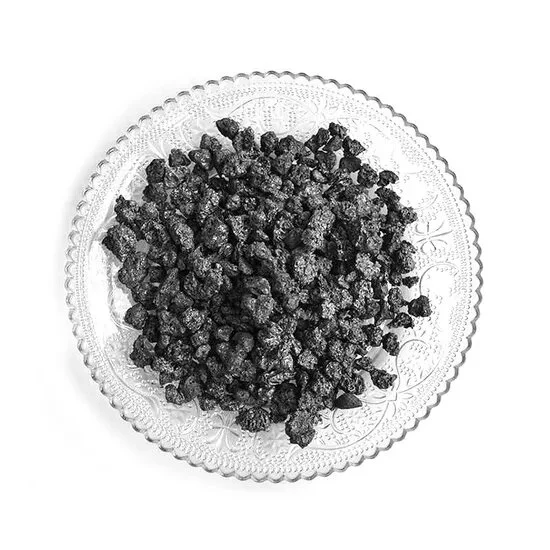
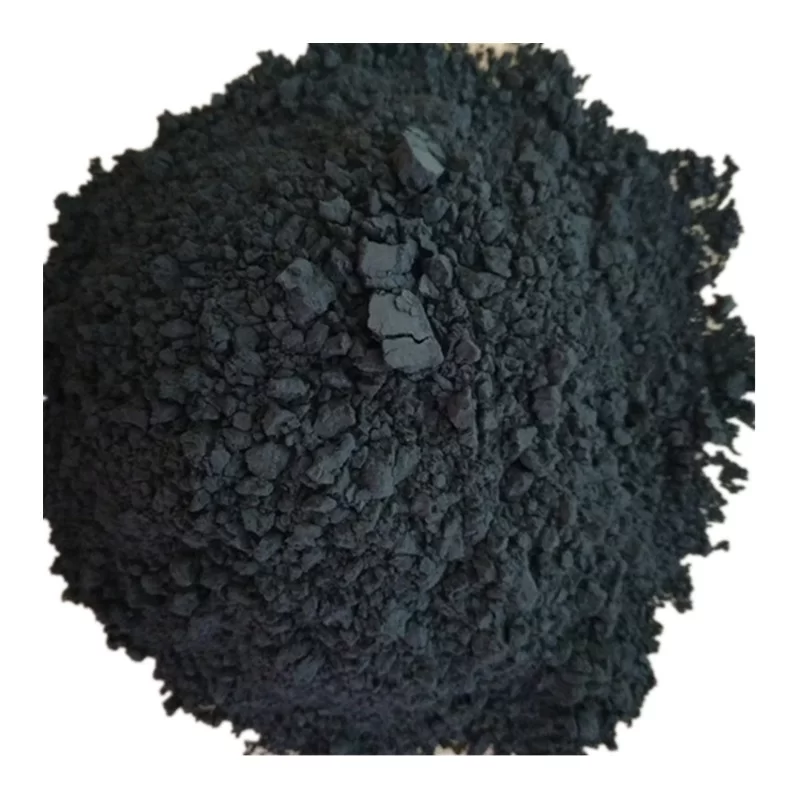
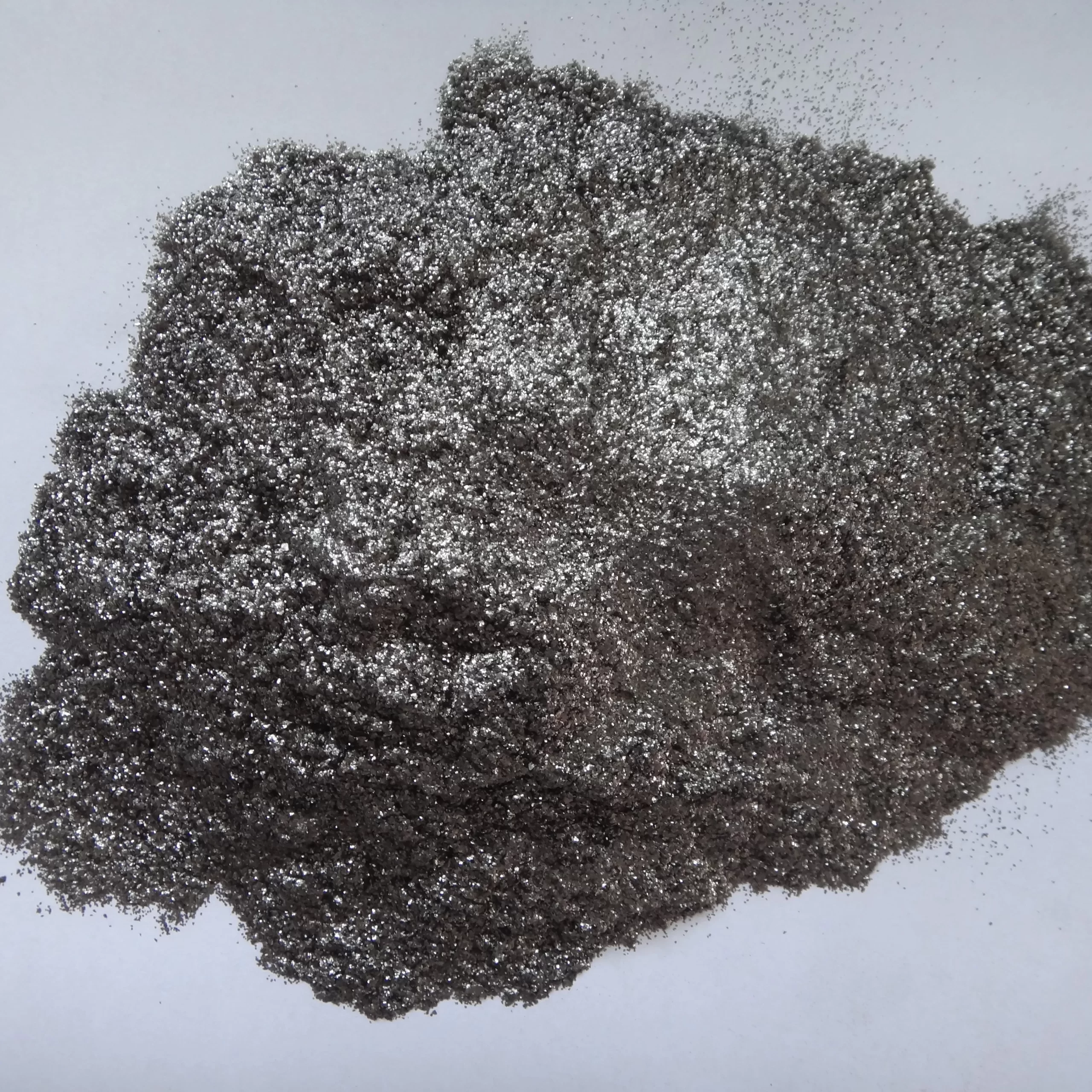
Put simply, graphite carbon black combines the structural form of graphite—a well-known allotrope of carbon—with the fine particulate properties of carbon black. Carbon black itself is a form of elemental carbon typically produced by burning hydrocarbons, known for its deep black color and conductivity. When interspersed with graphite, it gains enhanced electrical and thermal properties while retaining flexibility in manufacturing processes.
Think of graphite carbon black as a hybrid material. Its powdery, fine particles contribute to conductivity in electronics, while the graphite’s layered structure provides mechanical strength. This blend allows it to fit neatly into a range of industries, from making tires more durable to improving electrodes in lithium-ion batteries.
Core Components at a Glance:
- Particle Size: Microscopic carbon particles that affect surface area and conductivity.
- Graphite Layers: Provide mechanical strength and improved conductivity pathways.
- Purity Levels: Impact performance in sensitive electronics and battery applications.
- Surface Chemistry: Determines how well it mixes with binders or polymers.
Mini Takeaway:
Graphite carbon black is a composite designed to marry the best traits of two carbon forms, combining conductivity, strength, and adaptable chemistry for myriad uses.
Key Factors That Define Its Practical Use
Durability
One of graphite carbon black’s big selling points is its structural resilience. Fibers and coatings incorporating it tend to resist wear and aging, especially under harsh conditions—humidity, heat, or mechanical stress. This durability ensures longer lifespans in industrial components.
Electrical Conductivity
Because carbon black particles form networks, and graphite has excellent electron mobility, this material’s combined electrical conductivity is outstanding. This is why it is a mainstay in electrode manufacturing for batteries and conductive films for electronics.
Cost Efficiency
Compared with pure graphite or graphene (which is the trendy cousin), graphite carbon black offers a cost-friendly alternative that doesn’t drastically sacrifice performance. It balances performance with affordability, which has vast implications in large-scale manufacturing.
Scalability
Production methods for graphite carbon black are fairly mature, making it scalable for global supply chains. This is crucial for industries such as automotive, which need millions of components annually without quality dips.
Environmental Impact
While not “green” by default, new processes aim to reduce emissions and energy consumption when manufacturing graphite carbon black. Its recyclability and role in promoting energy-efficient devices also add a sustainability angle.
Mini Takeaway:
The blend thrives where durability, conductivity, cost, and production scale intersect — making it a versatile choice across sectors.
Global Applications & Use Cases
The practical uses of graphite carbon black are vast and varied:
- Battery Industry: In Asia, especially China, Japan, and South Korea, companies rely heavily on graphite carbon black particles for lithium-ion battery electrodes, driving EV adoption.
- Rubber and Tires: In Europe and North America, graphite carbon black enhances tire strength and performance under stress.
- Conductive Polymers: Manufacturers in Germany and the U.S. use it in sensor tech and flexible electronic components.
- Post-Disaster Infrastructure: NGOs use affordable graphite carbon black composites in rapid-deploy shelters, where electrical safety and durability matter for affected populations.
Interestingly, remote industrial zones in South America leverage graphite carbon black to boost machinery uptime, reducing costly downtime.
Mini Takeaway:
From EV batteries to emergency shelters, graphite carbon black empowers industries worldwide, marrying high performance with practical necessity.
Graphite Carbon Black Product Specification Table
| Property | Typical Value | Unit | Notes |
|---|---|---|---|
| Particle Size | 30–50 | nm (nanometers) | Affects surface area and network creation |
| Surface Area | 80–120 | m²/g | Higher values mean better conductivity |
| Purity | >99 | % | Essential for electronics |
| Electrical Conductivity | 150–300 | S/m (Siemens/meter) | Measured using 4-point probe |
| Bulk Density | 0.35–0.60 | g/cm³ | Influences processing parameters |
A Quick Look at Top Vendors of Graphite Carbon Black
| Vendor | Primary Market | Key Strength | Sustainability Initiatives |
|---|---|---|---|
| Dah Carbon | Battery & Electronics | High purity and customizable grades | Energy recycling & green production methods |
| CarbonTech Inc. | Automotive & Tires | Robust supply network & competitive pricing | Carbon footprint reduction programs |
| Graphite Solutions Ltd. | Industrial Composites | Wide range of particle size distributions | Sustainable sourcing certifications |
Advantages and Long-Term Value of Graphite Carbon Black
Frankly, one of the biggest draws is how this material underpins technological progress without breaking the bank. Beyond cost savings, manufacturers notice increased product lifespans and enhanced device performance. Socially, it enables safer, more efficient EV batteries, contributing to a lower carbon footprint globally — which feels important, almost urgent, these days.
Durability translates to reliability. For consumers, that means peace of mind, a product that won’t fail unexpectedly. For industry, it’s years of dependable use, cutting waste and replacing cycles. Innovation flows from the partnership of graphite carbon black with emerging tech, creating smarter and more sustainable solutions.
Looking Ahead: Future Trends and Innovations
Digital transformation isn’t just about apps and data—it’s about the materials behind those devices. Expect to see graphite carbon black evolve alongside green energy initiatives, especially with tighter regulations pushing for lower emissions in manufacturing. Techniques like chemical vapor deposition (CVD) and novel hybrid composites promise better consistency and tailored properties.
Moreover, automation in production boosts scalability and precision. It's no surprise that R&D teams are exploring bio-based precursors and closed-loop recycling to keep the carbon footprint down while enhancing performance. It's the kind of win-win engineers dream about.
Challenges and Practical Solutions
No material is without hurdles. Graphite carbon black can be tricky when it comes to dispersion in polymers, sometimes causing agglomeration that deteriorates performance. Also, sourcing ultra-pure precursors costs more and adds complexity.
Innovations such as surface functionalization — basically tweaking the surface chemistry — help improve compatibility with other materials, minimizing clumping. On the supply side, diversifying raw materials and investing in cleaner production lines mitigate environmental and geopolitical risks.
Frequently Asked Questions About Graphite Carbon Black
Q1: How does graphite carbon black improve battery electrode performance?
A1: Graphite carbon black enhances electron transport within battery electrodes by forming conductive networks. This reduces internal resistance, improving charge/discharge efficiency and ultimately extending battery life. Its layered graphite structure also aids mechanical stability during cycling.
Q2: Is graphite carbon black environmentally sustainable?
A2: While traditional production can be energy-intensive, ongoing improvements focus on reducing emissions and recycling processes. Its role in enabling efficient energy storage and lightweight materials indirectly supports sustainable technologies.
Q3: Can graphite carbon black be customized for different industries?
A3: Absolutely. Vendors typically offer various grades with tailored particle sizes, surface treatments, and purity levels to meet industry-specific demands—from electronics to automotive parts.
Q4: What are common difficulties in working with graphite carbon black?
A4: Challenges include achieving uniform dispersion in composite matrices and controlling impurity levels. Advanced mixing techniques and surface functionalization are common solutions applied by manufacturers.
Q5: How does graphite carbon black compare to graphene?
A5: Graphite carbon black is more cost-effective and easier to produce at scale but offers lower electrical conductivity and mechanical properties than graphene. It’s often chosen for applications needing a balance between performance and affordability.
Conclusion: Long-Term Benefits and Next Steps
Graphite carbon black strikes a practical balance between cost, durability, and conductivity — a trifecta that keeps it relevant across industries globally. As demand for cleaner energy and smarter devices grows, this composite material will surely continue to underpin innovation in subtle but powerful ways.
If you’d like to explore detailed specs, sustainable sourcing, or even get samples for your project, why not visit Dah Carbon? It’s the kind of resource you want at your fingertips when quality and reliability aren’t negotiable.