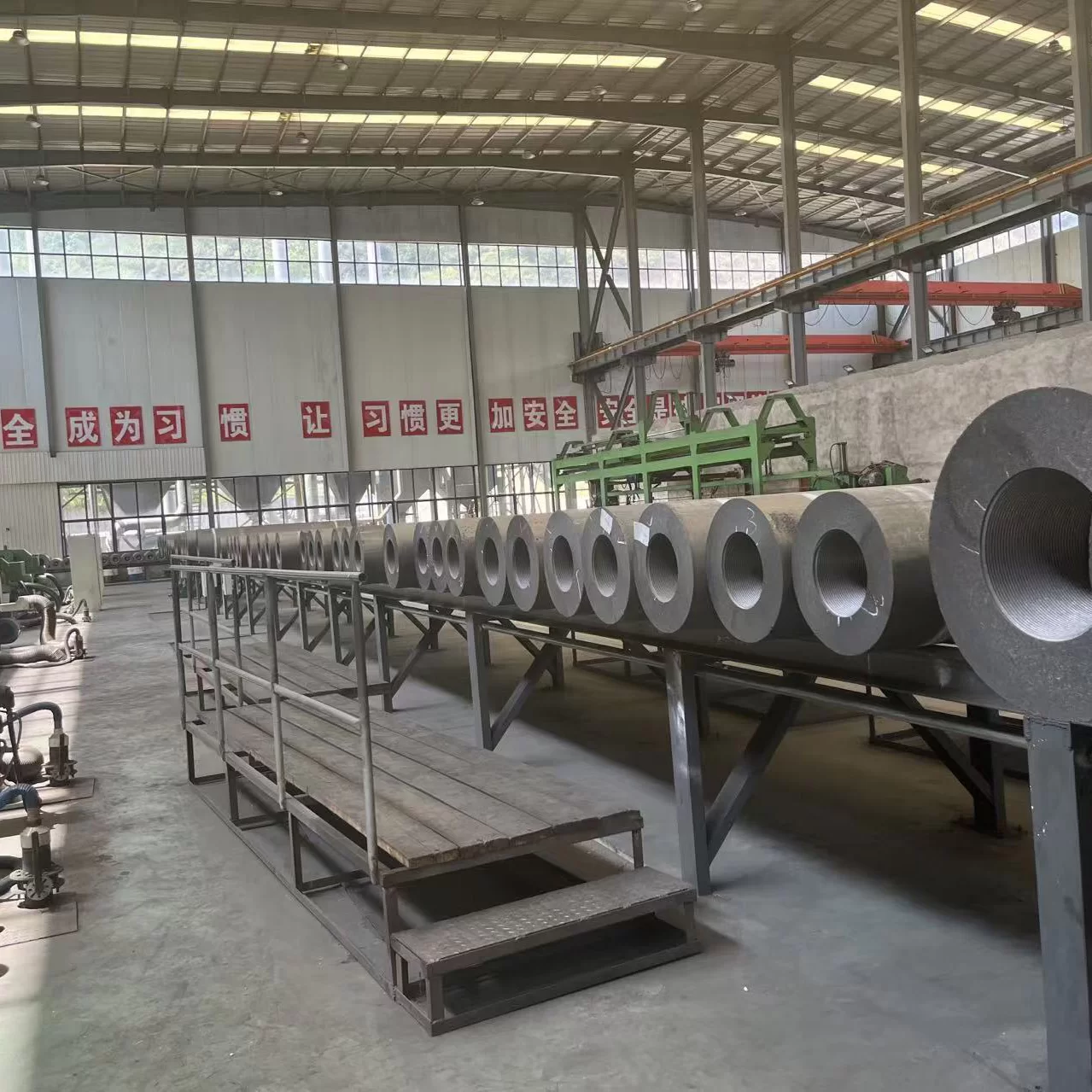
Graphite Carbon Fiber: The Unsung Hero of Modern Materials
In a world increasingly hungry for stronger, lighter, and more sustainable materials, graphite carbon fiber quietly powers innovation across industries. From aerospace to sports gear, and even humanitarian efforts, understanding these fibers isn’t just academic—it's a glimpse into the future of manufacturing, safety, and efficiency on a global scale. But what makes graphite carbon fiber such a big deal? And why should engineers, designers, or even decision-makers in remote regions care about it? Let’s dive in.
Global Context: Why Graphite Carbon Fiber Matters Worldwide
The global carbon fiber market was valued at over $3.5 billion in 2023, and it’s forecast to grow at a double-digit compound annual growth rate in the next decade (ISO). This boom isn't just hype—it’s necessity. As industries race toward lightweight, durable alternatives to metals, graphite carbon fiber steps in as a prime candidate.
Take transportation, for example. Vehicles made with these materials consume less fuel, hence fewer emissions. The World Bank estimates transport accounts for nearly a quarter of global CO2 emissions; thus, reducing vehicle weight with graphite carbon fiber can tangibly cut emissions.
Yet, challenges remain: accessibility, cost, and production scalability limit widespread adoption in less developed regions. This hurdle is especially critical as humanitarian and disaster relief operations increasingly demand quick-to-deploy, robust shelters and tools made from materials that can endure harsh environments.
Demystifying Graphite Carbon Fiber
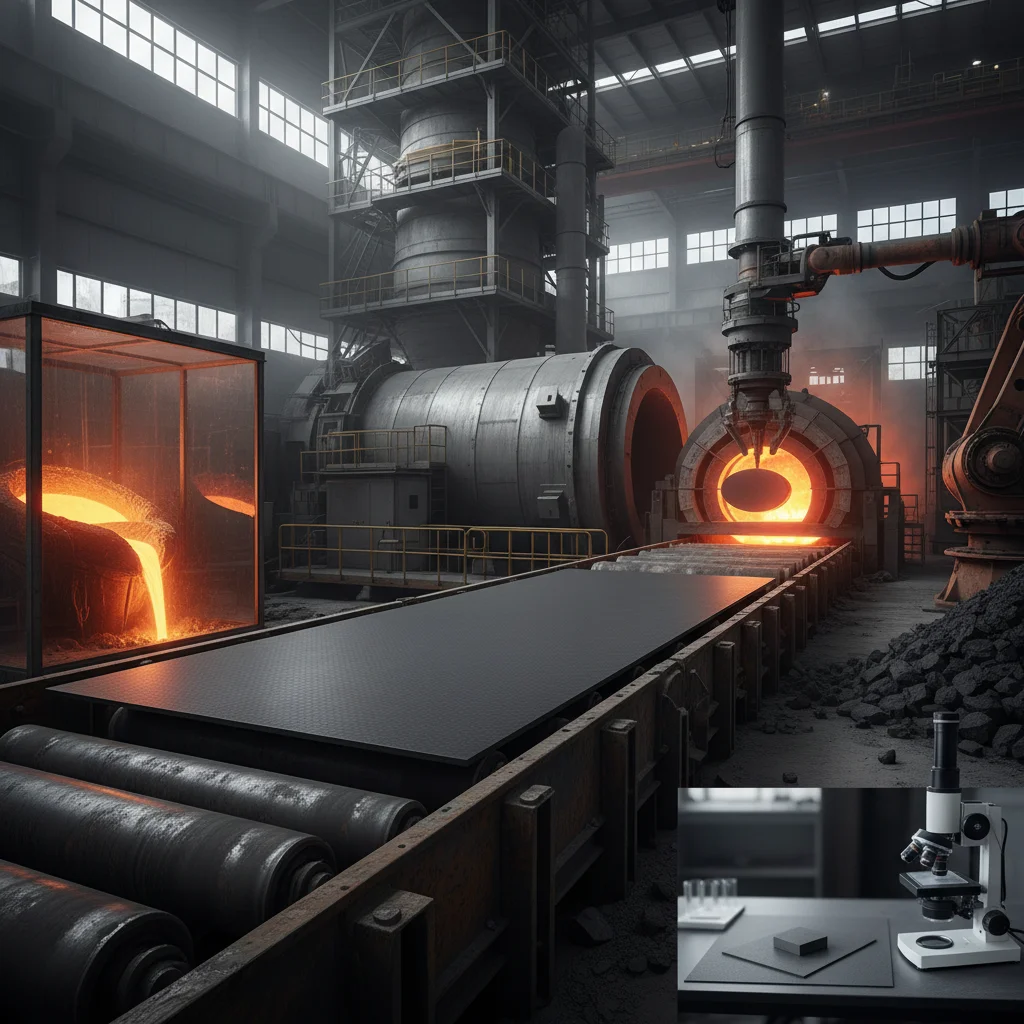
Simply put, graphite carbon fiber is a composite material made of thin carbon strands bonded to form a fabric, which is then combined with resin to create a durable, lightweight product. The 'graphite' aspect refers to the crystalline form of carbon that strengthens the fiber. Often, these fibers are woven or layered for maximum strength and flexibility.
What sets graphite carbon fiber apart from other composites is its remarkable strength-to-weight ratio. That means you get exceptional structural integrity without the bulk—think aircraft wings that don’t weigh like bricks or sports equipment that performs better without tiring you out.
Beyond industry, these materials also align with humanitarian needs. For instance, shelters or medical equipment made from graphite carbon fiber can withstand harsh environments, transport easily, and offer reliability when it matters most.
Core Components That Make Graphite Carbon Fiber Work
1. Durability
This material resists fatigue, corrosion, and wear better than metals in many contexts. It's not just "strong"—it maintains strength across extreme temperatures and repeated use.
2. Lightweight Nature
Compared to steel or aluminum, graphite carbon fiber weighs roughly 60% less while offering equal or superior strength. This characteristic is crucial in aerospace, automotive, and sporting goods.
3. Scalability
Modern techniques allow manufacturing large panels or shapes, custom tailoring fiber orientation depending on expected forces and stresses. This improves performance and reduces waste.
4. Cost Efficiency Over Time
Initial costs might be higher, but lifecycle savings are significant. Less maintenance, lower fuel consumption from lighter frames, and extended product lifespan translate into economic benefits.
5. Environmental Impact
While carbon fiber production requires energy, researchers are actively improving processes to lower emissions and increase recycling rates. A shift toward greener practices is underway.
6. Versatility
Used in everything from bike frames to wind turbine blades, graphite carbon fiber’s adaptability enables innovation across sectors.
How Graphite Carbon Fiber Powers Industries Worldwide
- Aerospace: Aircraft manufacturers use it to improve fuel efficiency and durability.
- Automotive: Electric and high-performance vehicles benefit from lighter frames and stronger body parts.
- Renewable Energy: Wind turbine blades rely heavily on graphite carbon fibers for strength and flexibility.
- Sports Equipment: Tennis rackets, bicycles, and skis crafted from these fibers help athletes perform better with less fatigue.
- Construction & Humanitarian Relief: Structures benefit from rapid assembly, durability, and portability—particularly in disaster-prone or remote areas.
For example, in remote industrial zones in Canada or mining operations in Australia, lightweight equipment that can resist wear often saves tens of thousands in operational downtime.
Similarly, NGOs experimenting with modular shelters made from composite panels often incorporate graphite carbon fiber to balance weight and protection.
Specification Table of a Typical Graphite Carbon Fiber Panel
| Specification | Value | Unit |
|---|---|---|
| Tensile Strength | 3500 | MPa |
| Density | 1.60 | g/cm³ |
| Elastic Modulus | 230 | GPa |
| Thermal Conductivity | 10 | W/mK |
| Max Operating Temp | 300 | °C |
Comparing Major Graphite Carbon Fiber Vendors
| Vendor | Product Range | Price Level | Lead Time | Sustainability Initiatives |
|---|---|---|---|---|
| DahCarbon | Graphite carbon fiber, prepregs, fabrics | Medium | 2-4 weeks | Recycling program, low emissions |
| Toray Industries | Wide range, aerospace grade | High | 4-6 weeks | Carbon-neutral targets |
| Hexcel | Aerospace, automotive, sports | High | 3-5 weeks | Eco-friendly resins |
Advantages and Long-Term Value of Graphite Carbon Fiber
- Cost Savings: Beyond purchase price, consider reduced maintenance and improved fuel efficiency.
- Sustainability: Lightweight materials contribute to lower emissions and better recycling efforts.
- Reliability: Proven performance in extreme conditions builds trust in critical applications.
- Innovation: Its flexibility spurs design creativity and new product categories.
- Safety & Dignity: Durable housing and infrastructure support human well-being, especially post-disaster.
Future Trends: Where Graphite Carbon Fiber Is Headed
The future of these materials looks bright — green technology is pushing manufacturers to develop carbon fiber composites that are not only stronger but more recyclable and less energy-intensive to produce. Innovations in digital manufacturing, like automated layup and additive techniques, will shorten lead times and reduce waste.
Incidentally, the integration of graphite carbon fiber with smart sensors enables 'self-monitoring' structures that warn of damage before failure, which is game-changing for infrastructure and aerospace.
Challenges & Possible Solutions
While promising, graphite carbon fiber is not without obstacles. High upfront costs and complex manufacturing techniques often limit availability. Plus, recycling remains tricky due to resin matrices.
To overcome this, companies invest heavily in R&D for biodegradable resins and standardized recycling protocols. Collaborative industry efforts also aim to scale production to cut costs.
One interesting approach is modular composites that allow for easier disassembly and reuse — a concept gaining traction in construction and automotive sectors.
FAQ: Common Questions About Graphite Carbon Fiber
- Q: How does graphite carbon fiber compare to traditional steel?
- A: Graphite carbon fiber offers roughly six times the strength-to-weight ratio of steel and resists corrosion better. While initial costs are higher than steel, the lifecycle benefits—like fuel savings in transport applications—often outweigh upfront expense.
- Q: Can graphite carbon fiber be recycled?
- A: Recycling is challenging because the fibers are bonded to resin matrices. However, emerging technologies are improving recycling rates by mechanically or chemically separating these components, reducing waste.
- Q: Is it safe to use graphite carbon fiber in disaster relief structures?
- A: Absolutely. Its durability, lightweight nature, and resistance to corrosion make it ideal for emergency shelters that need rapid deployment and longevity.
- Q: How long does a typical graphite carbon fiber product last?
- With proper care, these materials can last decades—even in harsh environments—far exceeding the lifespan of many traditional building materials.
- Q: Where can I source high-quality graphite carbon fiber?
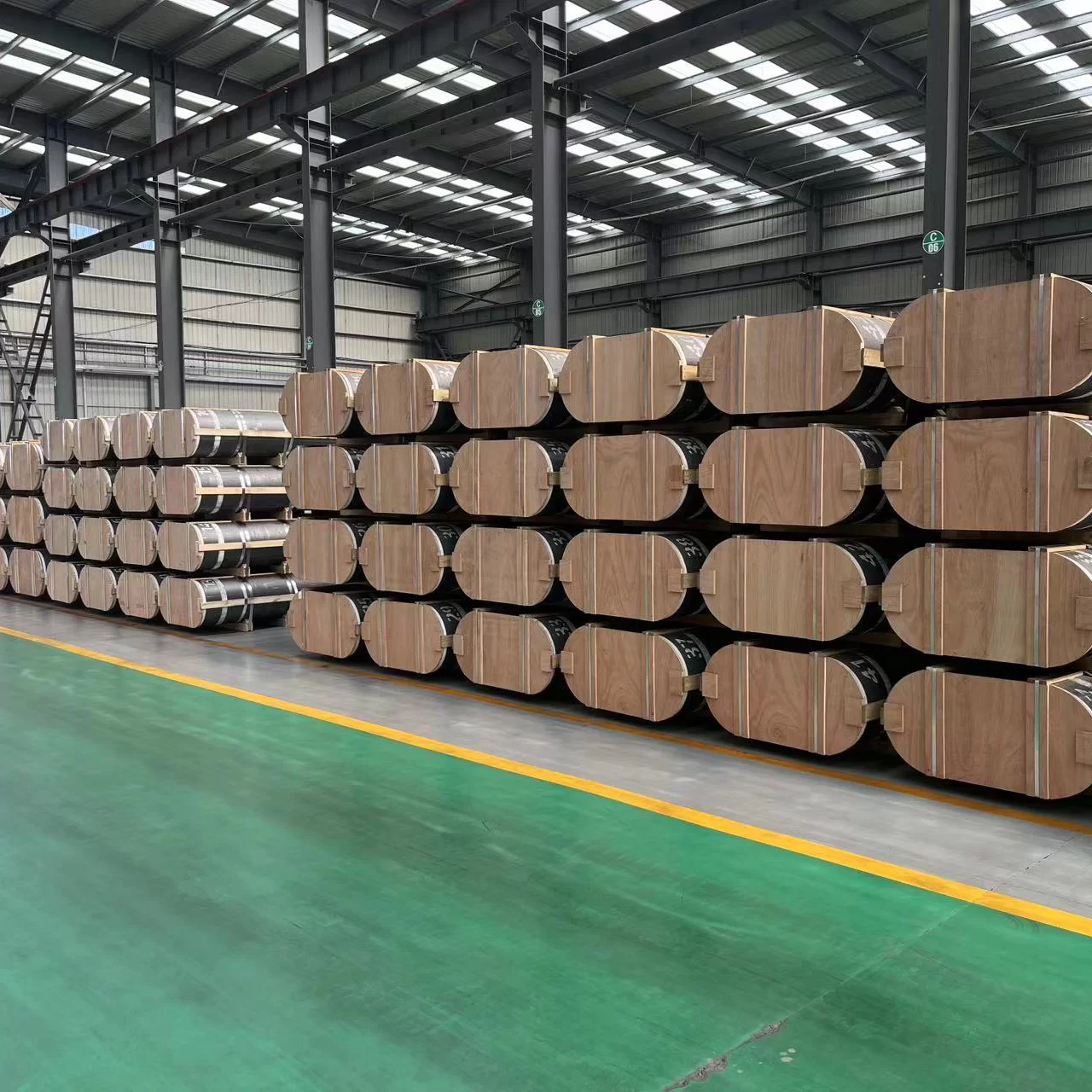
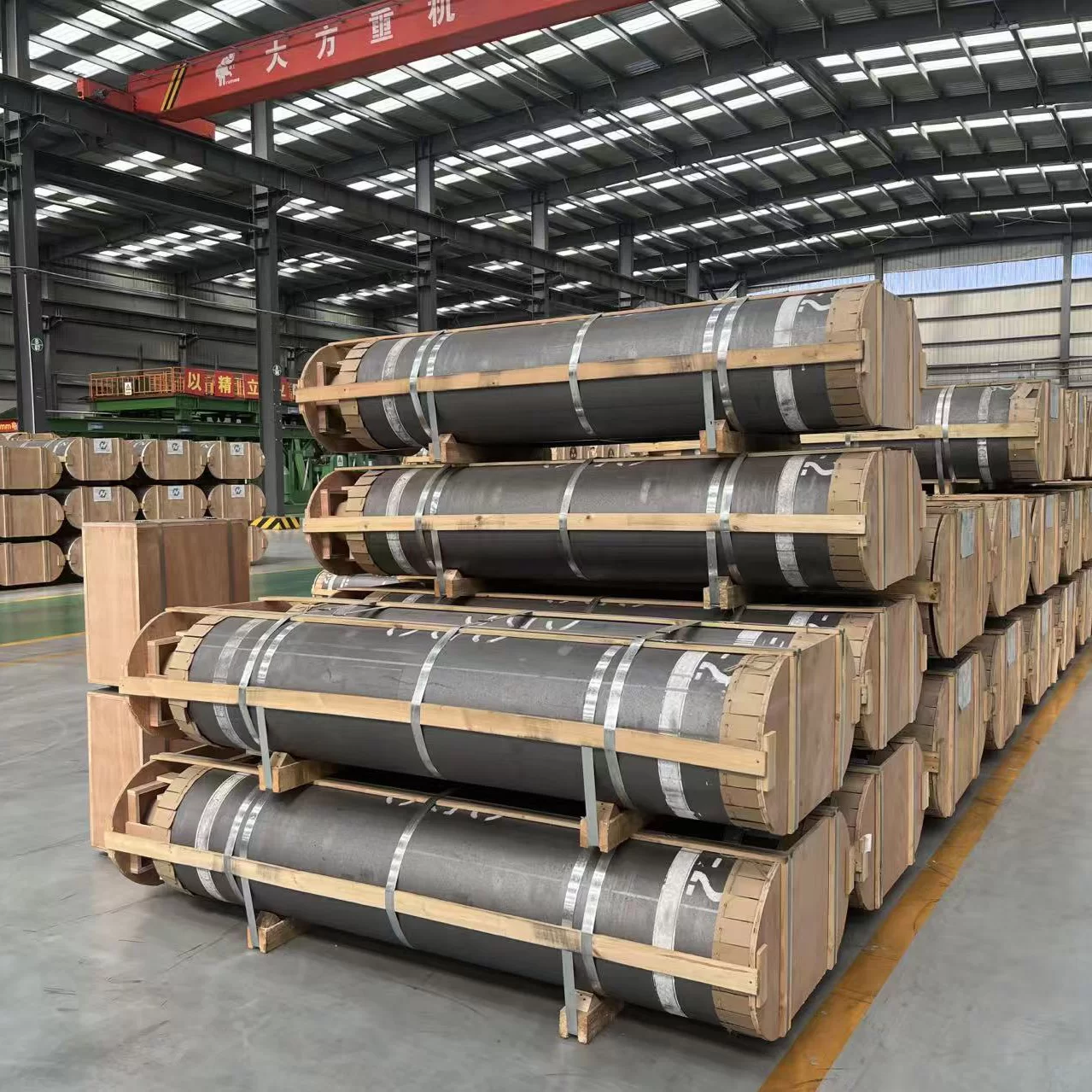
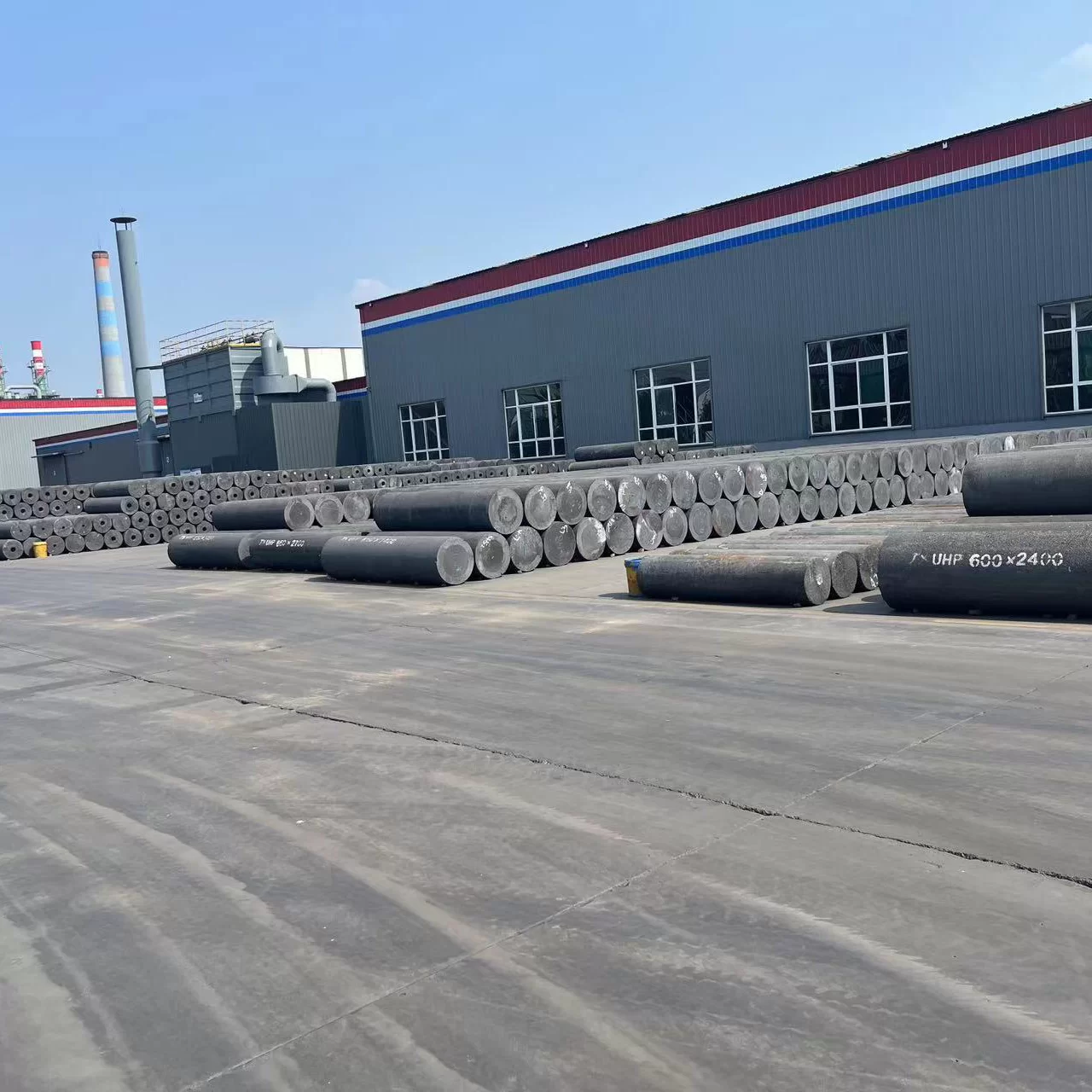
- Leading suppliers like DahCarbon offer a range of graphite carbon fiber products with varying grades for aerospace, industrial, and commercial uses.
Final Thoughts
Graphite carbon fiber is quietly reshaping the way industries think about material performance, sustainability, and design. While it might not headline the news, its impact runs deep—from making airplanes lighter, to supporting safe housing in disaster zones, to enabling the next generation of green energy tech.
If you’re interested to learn more or explore product offerings, visiting DahCarbon's site is a solid first step toward embracing this innovative material.