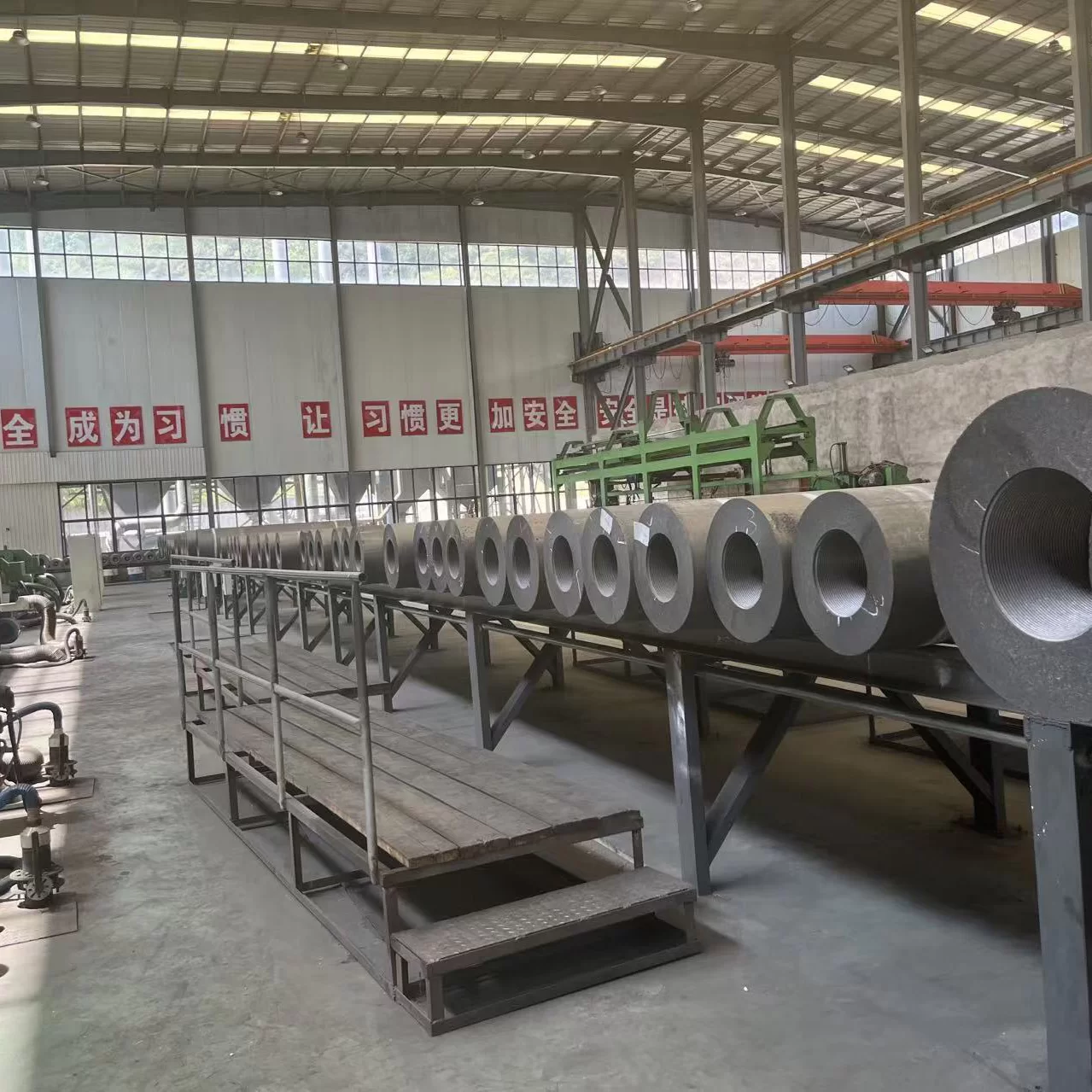
Graphite Glass: A Quiet Revolution in Modern Materials
At first glance, "graphite glass" sounds almost like a paradox — how can a solid, dark, graphite-infused material blend with the hard transparency of glass? Yet, this intriguing hybrid is quietly making waves across industries worldwide, from electronics to aerospace, and even humanitarian sectors. Understanding graphite glass is not just a technical pursuit; it’s a matter of global importance because it addresses key challenges like durability under extreme conditions, sustainability, and cost efficiency.
In real terms, this material is helping reshape how we think about both insulation and conductivity, two properties seldom combined in one substance. But why should anyone outside specialized labs care? Because graphite glass offers pathways towards longer-lasting electronics, safer disaster-relief structures, and even smarter solar panels — innovations with tangible global impact.
Why Graphite Glass Matters Globally
Globally, materials like graphite glass respond to mounting pressures on resources and infrastructure. According to the International Organization for Standardization (ISO), engineers look for materials that balance strength, cost, and sustainability — and graphite glass ticks many of those boxes.
The World Bank reports that rapid urbanization and industrial expansion demand materials that can withstand harsher environments without driving up costs or waste. Enter graphite glass, which aids in creating products that are lighter, tougher, and often more recyclable than traditional composites.
Of course, with evolving climate crises and infrastructure needs, materials that don't crack, corrode, or compromise safety are at the frontline of innovation. This makes graphite glass more than just a niche invention — it’s a cornerstone for future-proofing industries.
What Exactly Is Graphite Glass?
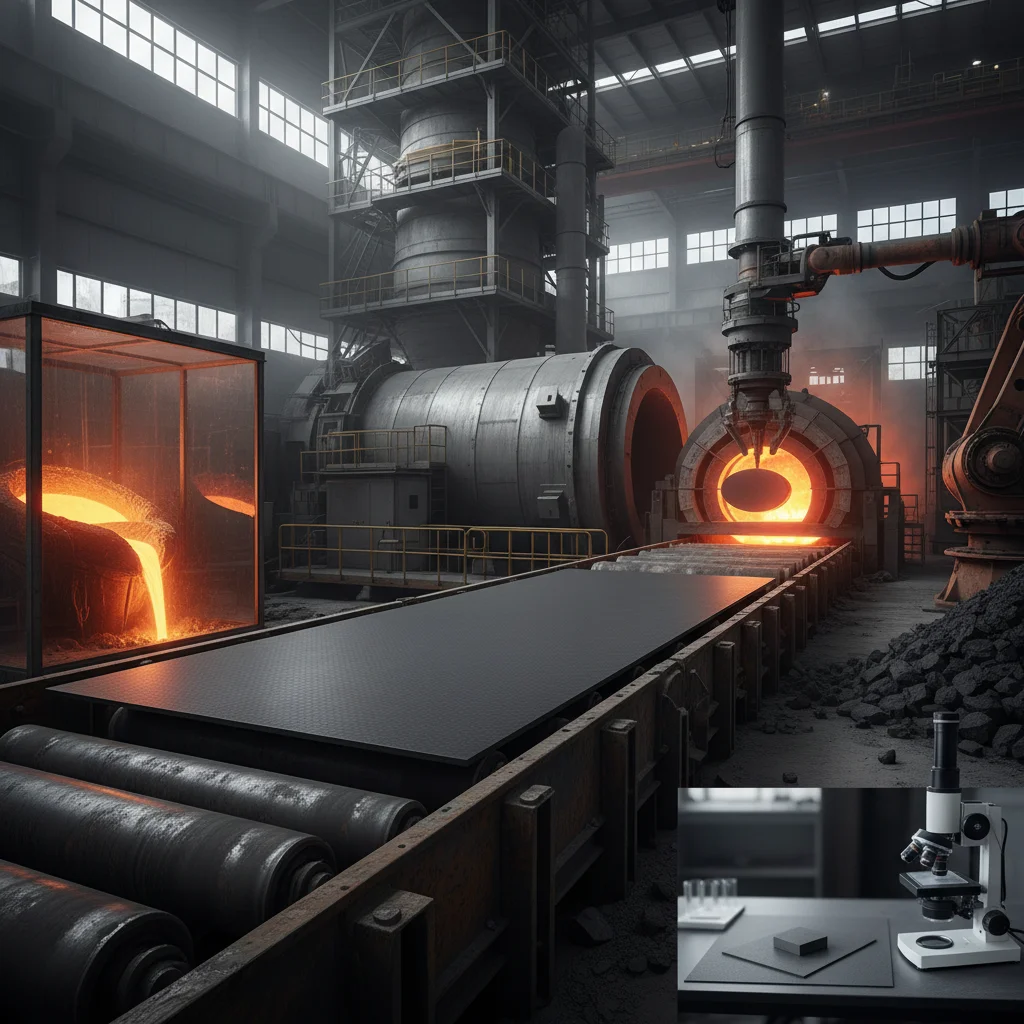
Simply put, graphite glass is a composite material combining the unique properties of graphite — a form of carbon known for conductivity and stability — with the clarity and rigidity of specialized glass matrices. This synthesis results in a hybrid with exceptional thermal resistance, mechanical strength, and often a reduced weight compared to standard glass products.
Beyond the science, this means engineers can design components that regulate heat or electricity in ways that purely glass or graphite materials alone couldn’t manage. Think of it as merging the “best of both worlds” — while oddly enough, the end product typically loses the brittleness we usually associate with glass.
Industries ranging from electronics manufacturing to renewable energy increasingly deploy graphite glass because it helps bridge critical gaps between performance and environmental responsibility.
Key Components & Core Qualities of Graphite Glass
Durability
Graphite glass often stands up to thermal shock far better than traditional glass. While a standard glass panel might shatter under rapid temperature changes, graphite glass tolerates shocks with fewer cracks or fractures. This durability is crucial in aerospace and military applications, where materials face extreme conditions regularly.
Thermal and Electrical Conductivity
Unlike regular glass, which is an insulator, graphite glass can conduct heat and electricity to varying degrees thanks to the graphite content. This gives it utility in electronics housing and heat exchangers — applications where controlled conductivity is golden.
Cost Efficiency
Given the combined benefits of durability and reduced failure rates, graphite glass solutions often lower lifecycle costs in industrial settings. Fewer replacements, decreased downtime, and improved safety translate to real savings — something engineers and operators often notice only after prolonged use.
Sustainability
Some manufacturers blend recycled graphite and eco-friendly glass constituents into graphite glass, reducing environmental footprints. As sustainability standards raise globally, this makes graphite glass an increasingly responsible material choice.
Adaptability & Scalability
The material can be tailored for different thicknesses, transparency levels, and surface finishes — from fully opaque components used in shielding to nearly transparent solar cells.
Summary Takeaway
Graphite glass’s blend of robust durability, conductivity, and environmental advantages ends up creating a versatile solution that industries take seriously as older materials show their limits.
Where Is Graphite Glass Changing the Game?
In industry, graphite glass finds places you might not immediately think of:
- Renewable Energy: Used in solar panel covers and heat-regulating devices, particularly in sunny regions like southern Europe and California.
- Electronics: Heat-dissipating panels and protective casings help gadgets last longer, preventing costly overheating.
- Aerospace & Defense: Components needing weight reduction but high heat tolerance rely on graphite glass composites.
- Disaster Relief: In temporary shelters and windows, its durability and insulating properties are invaluable, as seen in pilot projects in earthquake-prone zones.
Oddly enough, some NGOs have taken an interest in graphite glass for more rugged mobile clinics and solar equipment because it balances price with impressive robustness.
Product Specifications of Popular Graphite Glass
| Property | Typical Range | Unit |
|---|---|---|
| Thermal Conductivity | 5 - 15 | W/m·K |
| Density | 2.3 - 2.6 | g/cm³ |
| Flexural Strength | 110 - 210 | MPa |
| Coefficient of Thermal Expansion | 3 - 7 | ×10⁻⁶/°C |
| Max Service Temperature | 600 - 1100 | °C |
Comparing Leading Graphite Glass Vendors
| Vendor | Product Line | Primary Market | Sustainability Focus | Price Range |
|---|---|---|---|---|
| Dah Carbon | Graphite Glass Ultra | Electronics, Aerospace | High (Recycled content) | $$$ |
| CrystalX | GraphiShield | Renewables, Construction | Medium | $$ |
| NexGen Materials | Graphite Flex | Defense, Industrial | Low | $$$ |
Why Graphite Glass Offers Long-Term Value
The bottom line: investing in graphite glass means investing in longevity and reliability. You get fewer replacement cycles, lower maintenance hassles, and that peace of mind which frankly is priceless in critical applications. Many engineers I’ve spoken with mention a sort of intangible assurance — the feeling that tested materials like these can take what you throw at them without surprise.
Environmentally, using graphite glass can significantly reduce waste due to its lifespan, which positively impacts global sustainability goals, especially when sourced from vendors committed to recycling.
Emerging Innovations and Future Directions
Researchers are pushing graphite glass innovation further by integrating nanotechnology — for instance, embedding graphene layers to enhance conductivity and strength without sacrificing weight. Others explore combining graphite glass with graphite glass derivatives in solar cell coatings that adapt dynamically to sunlight intensity, improving efficiency dramatically.
Automation and AI-driven material testing also allow quality control at scales and speeds unimaginable even five years ago. This promises more uniform, reliable graphite glass products at competitive prices, accelerating adoption.
Remaining Challenges and How Industry Tackles Them
Despite all the upside, graphite glass is not without limitations. Production costs remain relatively high compared to conventional glass. Some variants still face technical challenges with large-scale manufacturing uniformity. Additionally, the brittleness in extreme mechanical stress can creep back unless carefully engineered.
Industry trends show a twofold approach: specialized molding techniques and material hybridization to improve resilience, paired with policy incentives encouraging sustainable production. Companies like Dah Carbon, for example, have reported progress in cost reduction by streamlining supply chains.
FAQ: Practical Questions About Graphite Glass
1. How does graphite glass improve electronic devices?
Graphite glass's conductivity and thermal resistance allow it to dissipate heat efficiently, protecting sensitive electronic components from overheating. This can extend device lifespan and performance consistency.
2. Is graphite glass suitable for disaster relief shelters?
Yes. Its durability and thermal insulation help maintain stable interior conditions, resist damage from impacts, and offer a lightweight solution for quick deployment in crisis zones.
3. Can graphite glass be recycled or reused?
Many graphite glass composites include recyclable components, especially when sourced from vendors committed to sustainability like Dah Carbon. However, recycling depends on local capabilities and the exact composite structure.
4. How customizable is graphite glass for specific applications?
Quite customizable. Thickness, opacity, and conductivity can be tuned during production, allowing applications from transparent solar panels to opaque protective shields.
5. Are there regional manufacturers specializing in graphite glass?
Yes. Vendors like Dah Carbon target North America and Asia-Pacific, while CrystalX serves European renewables sectors. Knowing the local supplier can reduce logistics costs and improve support.
Final Thoughts
Graphite glass, with its fascinating blend of properties, feels like a material designed for today’s demands — and tricky enough challenges tomorrow might bring. As industries push forward with sustainability, durability, and smarter technology, understanding materials like graphite glass becomes not just a technical curiosity but a necessity.
Whether you’re in manufacturing, energy, or humanitarian logistics, it’s worth taking a closer look. For a deep dive into products and suppliers, I’d recommend checking out graphite glass offerings from leading experts.