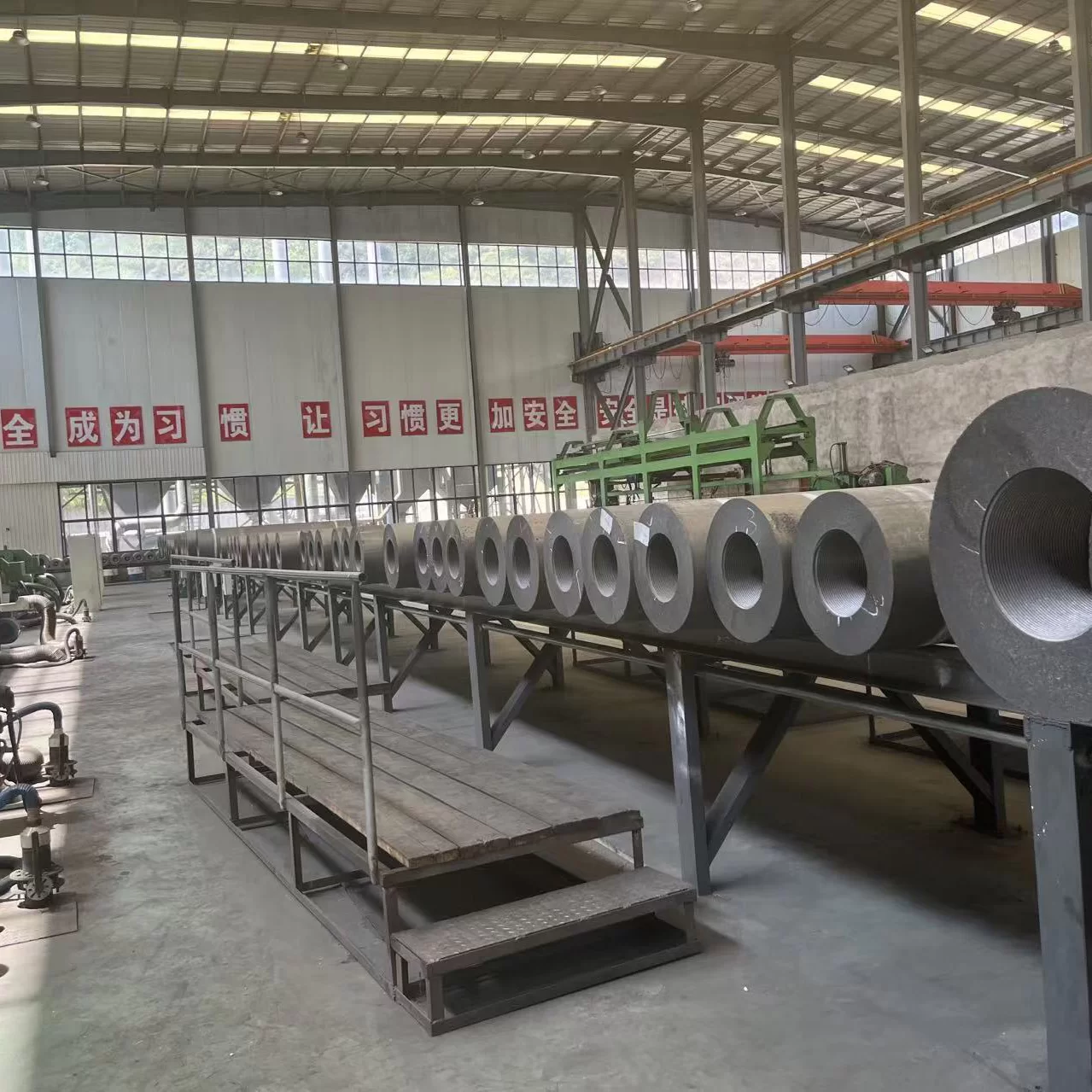
Graphite Nickel: The Unsung Hero in Modern Industry
At first glance, "graphite nickel" might sound like a peculiar mashup of materials — and to some extent, it is. Yet, these two substances combined or applied in tandem are quietly redefining sectors as diverse as battery technology, aerospace parts, and industrial coatings. Understanding graphite nickel isn't just a geeky exercise; it’s increasingly vital for businesses pushing towards sustainability, efficiency, and innovation worldwide.
As global demand for lightweight, durable, and cost-effective materials skyrockets, the curious case of graphite nickel takes center stage. Why? Simply put, industries grapple with balancing performance against cost and environmental impact — and graphite nickel steps up in an unexpectedly impactful way.
The Global Impact of Graphite Nickel in Industry
Cross the continents — whether in Asia’s rapidly growing manufacturing hubs or Europe’s stringent ISO-regulated sectors — graphite nickel usage is on the rise. According to recent World Bank data, demand for nickel consumed in battery manufacturing alone is expected to triple by 2030. Graphite, likewise, enjoys global prominence, with the UN reporting graphite as a “critical mineral” due to its widespread industrial and energy storage applications.
Nevertheless, expanding production capacity while maintaining sustainability isn’t easy. Mining environmental impacts, volatile markets, and supply chain complexities persist as core challenges. Enter graphite nickel composites and coated materials — where each element compensates for the other's weaknesses. This balance offers a promising avenue for companies aiming to overcome these hurdles without compromising on performance or cost-efficiency.
What Exactly Is Graphite Nickel?
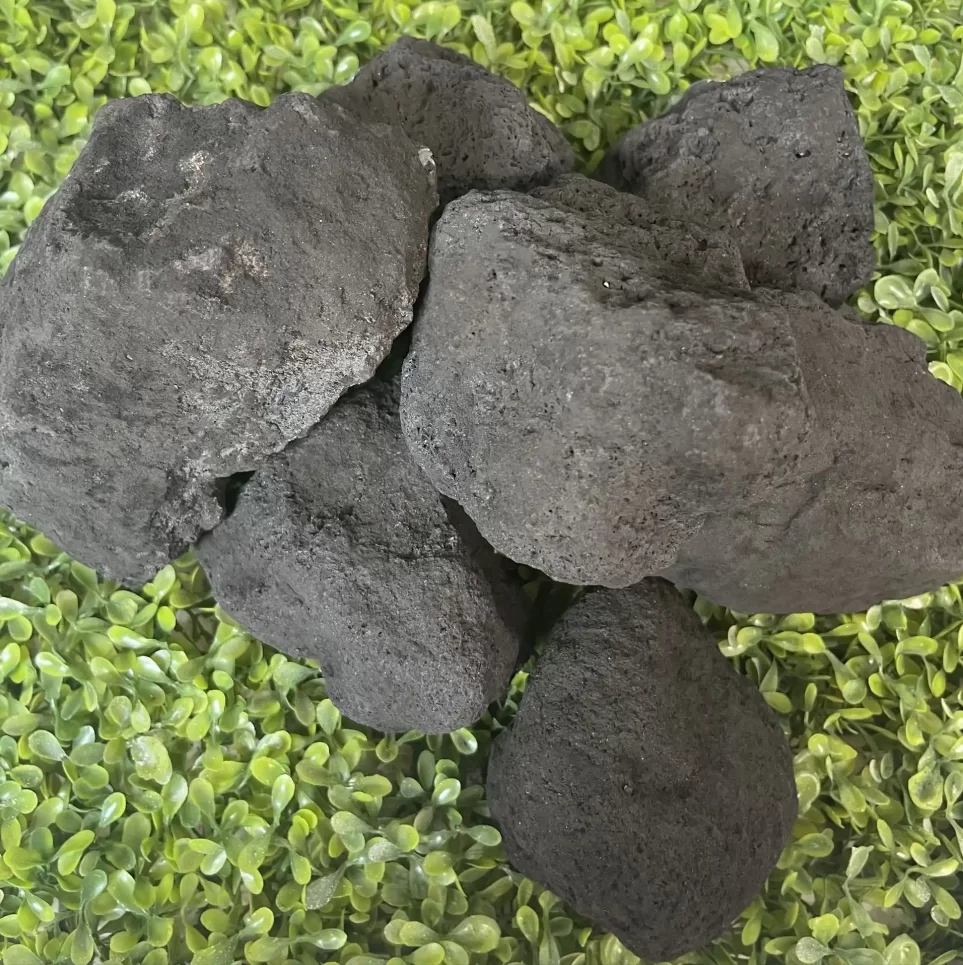
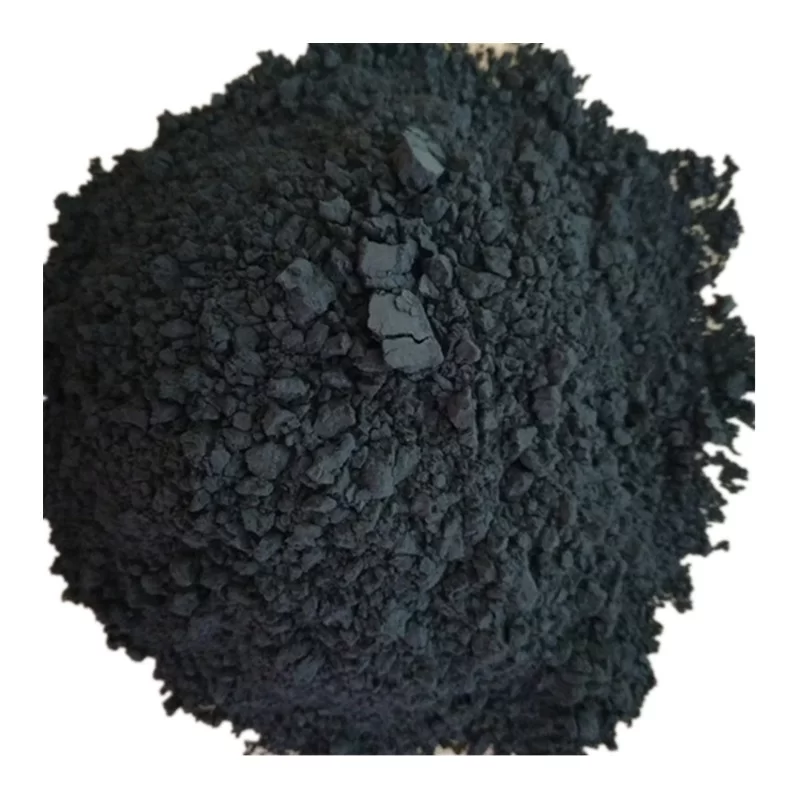
Put simply, graphite nickel refers to materials or components incorporating both graphite and nickel. This can mean a nickel-based alloy with graphite additives, or graphite substrates coated with nickel for enhanced conductivity and corrosion resistance. The result? A synergistic material that combines the excellent electrical conductivity and lubricity of graphite with the strength, corrosion resistance, and heat tolerance of nickel.
This synergy finds a cozy niche in modern industries from battery electrodes to aerospace applications. As the demand for lightweight, long-lasting, and thermally stable materials grows, graphite nickel pairs increasingly rise to meet that need.
Core Factors That Shape Graphite Nickel's Appeal
1. Durability and Corrosion Resistance
Nickel’s inherent corrosion resistance and protective qualities guard graphite’s softer nature when exposed to harsh environments. This combination safeguards components that might otherwise degrade quickly in industrial or outdoor settings.
2. Electrical and Thermal Conductivity
Graphite’s outstanding electrical conductivity pairs with nickel’s flexibility, making graphite nickel composite materials ideal for battery anodes or electrodes — fields where both properties matter deeply.
3. Lightweight Strength
While pure nickel is dense, combining it with graphite reduces weight without sacrificing strength, vital for automotive and aerospace parts where weight savings translate directly into fuel and cost savings.
4. Cost Efficiency
Using graphite alongside expensive nickel can reduce raw material costs, particularly when scaled industrially. Many manufacturers find this blend a practical way to leverage nickel’s qualities economically.
5. Scalability and Adaptability
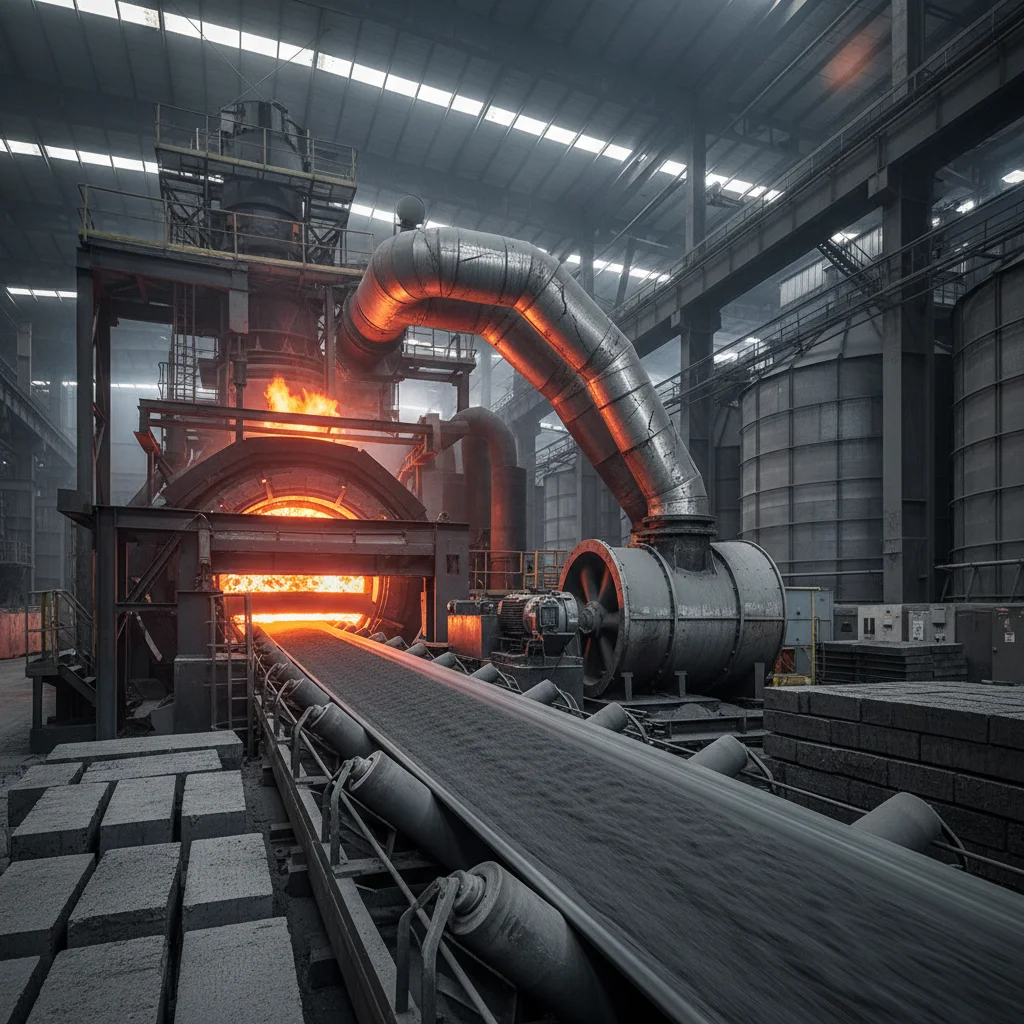
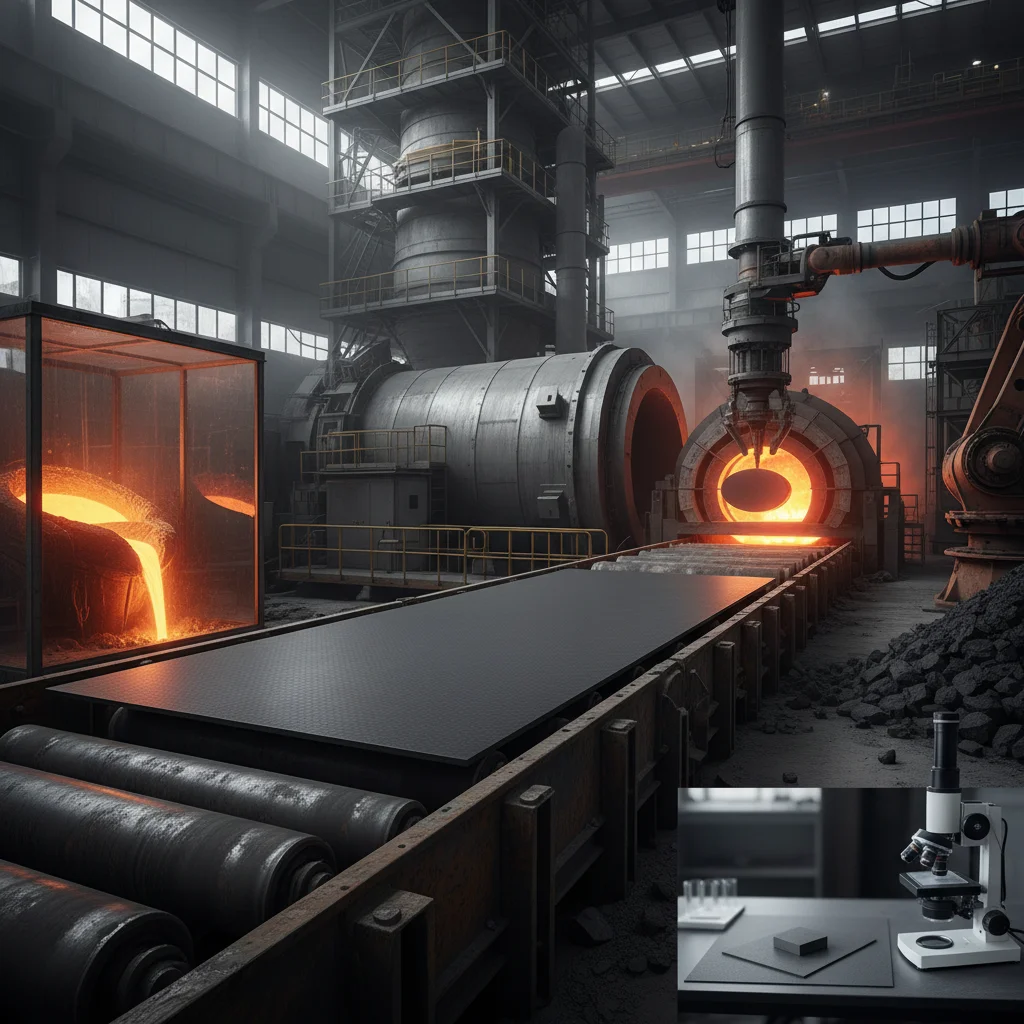
Graphite nickel composites are versatile, adapting to different manufacturing methods like plating, sintering, or chemical vapor deposition—allowing for tailored material properties depending on the end-use — pretty neat!
Mini takeaway: The value of graphite nickel lies in how these materials complement each other — combining strength, conductivity, cost-effectiveness, and durability in one neat package.
Global Applications & Real-World Use Cases
Oddly enough, graphite nickel shows up in places you'd least expect. Let’s start with electric vehicles (EVs). Here, nickel-rich cathodes coated with graphite layers offer enhanced battery life and charge cycles, crucial for making EVs more affordable and reliable. Major manufacturers in China, Europe, and North America are investing heavily in this tech.
In aerospace, lightweight graphite nickel components ensure fuel efficiency without compromising heat resistance and safety. In Japan and Germany, aerospace giants integrate these materials into turbine engine parts and shielding components.
Industrial coatings are yet another arena. Nickel plating infused with graphite particles enhances sliding properties and corrosion resistance for heavy machinery in mining and manufacturing regions like Australia and Canada.
Finally, humanitarian sectors are quietly employing containerized graphite nickel housing modules, leveraging these materials for durability and insulation in disaster-prone or remote areas. It's a niche application but growing fast.
Product Specification Table: Typical Graphite Nickel Coated Component
| Property | Specification |
|---|---|
| Composition | Nickel 80%, Graphite 20% |
| Tensile Strength | 420 MPa |
| Electrical Conductivity | 1.2 x 10^7 S/m |
| Thermal Conductivity | 75 W/m·K |
| Corrosion Resistance | Excellent |
| Typical Applications | Battery Anodes, Aerospace Components, Industrial Coatings |
Comparing Leading Graphite Nickel Vendors
| Vendor | Material Variety | Lead Time | Pricing | Sustainability Practices |
|---|---|---|---|---|
| Dah Carbon | Wide range including graphite nickel alloys and composites | 2-4 weeks | Competitive, volume discounts | ISO 14001 certified, recycling initiatives |
| GraphMetals Co. | Focused on battery-grade materials | 3-5 weeks | Mid-range pricing | Limited sustainability reporting |
| NickelWorks Ltd. | Nickel alloys, no graphite-specific lines | 1-3 weeks | Premium pricing | Strong focus on ethical sourcing |
Why Choose Graphite Nickel? Advantages and Long-term Value
From reducing operational downtime with corrosion-resistant coatings to boosting energy efficiency in EV batteries, graphite nickel offers substantive benefits. Cost savings stack up over time—lower maintenance, better durability, and performance — not to mention how using cleaner materials supports corporate sustainability goals.
And there’s the peace of mind factor. When engineers specify graphite nickel, they often mention trust: trust that parts won’t fail unexpectedly, that products will meet tighter environmental standards, and that investments today won’t become liabilities tomorrow. It’s a blend of logic and emotion you don’t hear about every day, but it’s real.
Innovations and Future Trends in Graphite Nickel Materials
The horizon looks promising. Research labs explore nano-engineered graphite nickel composites with unparalleled conductivity and strength. Besides, digitization and Industry 4.0 processes mean more precise material formulation tailored to exact application needs — less waste, higher efficiency.
Green energy pushes nickel use, particularly in batteries for grid storage and EVs, while graphite’s role in delivering long life cycles broadens. Regulatory landscapes are shifting toward greener production too, nudging vendors and users alike toward eco-friendlier graphite nickel solutions.
Common Challenges and Expert Solutions
No material is perfect, sadly. Common hurdles with graphite nickel sometimes arise from inconsistent quality, sourcing difficulties, or limitations in composite manufacturing scale. However, industry experts suggest integrated supply chain transparency and ongoing R&D for uniformity.
Manufacturers adopting graphite nickel also benefit from partnering with reputable suppliers who offer tailored grades and post-sale technical support. This collaborative approach tends to iron out application-specific wrinkles — and, frankly, it’s the way forward in this complex arena.
Frequently Asked Questions About Graphite Nickel
Q1: How does graphite nickel improve battery performance?
Graphite nickel composites enhance electrical conductivity and thermal stability, resulting in batteries with longer life cycles, faster charging, and higher reliability. The nickel layer protects graphite from degradation, improving overall efficiency.
Q2: Is graphite nickel suitable for harsh environments?
Absolutely. The corrosion resistance of nickel combined with graphite’s durability makes graphite nickel ideal for harsh industrial conditions, including chemical processing and marine environments.
Q3: Can graphite nickel materials be recycled?
Yes, many graphite nickel composites are recyclable, especially when sourced from vendors committed to sustainability. Recycling helps reduce environmental impact and supports circular economy initiatives.
Q4: What industries benefit most from graphite nickel?
Electric vehicles, aerospace, industrial coatings, and energy storage sectors are the primary beneficiaries. Any field requiring lightweight, durable, and conductive materials can leverage graphite nickel’s strengths.
Q5: How do I choose the right graphite nickel vendor?
Consider factors like material quality, lead times, sustainability certifications, technical support, and cost. Vendors like Dah Carbon provide a balance of quality, timely delivery, and environmental responsibility, which often tips the scale.
In Closing: Why Graphite Nickel Deserves Your Attention
In an era where materials need to do more with less — less environmental impact, less cost, less weight — graphite nickel quietly nails the brief. It’s not flashy, but it gets the job done with impressively low fuss. For engineers, manufacturers, and procurement professionals looking for reliability and innovation wrapped in one, graphite nickel is a no-brainer.
If you’re intrigued and want to explore customized graphite nickel solutions, skip the guesswork — visit our website: https://www.dahcarbon.com and see what today’s market leaders are offering. Because sometimes, the best materials don’t shout the loudest, but they speak volumes when you look closer.