The Curious Rise of Graphite Pellets: What They Are and Why They Matter Globally
Graphite pellets—now, there’s a phrase you might not think about every day. But behind those small, compressed spheres lies a world of innovation and necessity that crosses industries, continents, and ambitions toward sustainability. In real terms, graphite pellets are a simple yet indispensable material powering everything from electric vehicle batteries to steel manufacturing. Their global importance isn’t just about an industrial niche; it’s entwined with the future of energy, environmental efforts, and even humanitarian aid. In this article, we'll unpack why graphite pellets deserve your attention, their evolving roles, and what to expect as this market matures.
Graphite Pellets in a Global Context: Powering the Future, Today
Let’s take a quick global snapshot. According to the International Energy Agency (IEA), the demand for graphite is expected to skyrocket over the next decade, potentially doubling or even tripling as electric vehicles (EVs) become more mainstream. Graphite pellets serve as a crucial raw input for lithium-ion batteries, an essential component in this green revolution. Since the UN’s Sustainable Development Goals emphasize affordable clean energy and industry innovation, graphite pellets fit right into these global ambitions.
However, the supply chain is complex. Mines are concentrated mainly in a handful of countries (think China, Brazil, and Canada), which raises questions about supply security and environmental impact. Hence, optimizing the production and use of graphite pellets is not just a manufacturing concern—it’s about economic stability and ecological responsibility worldwide.
What Exactly Are Graphite Pellets?
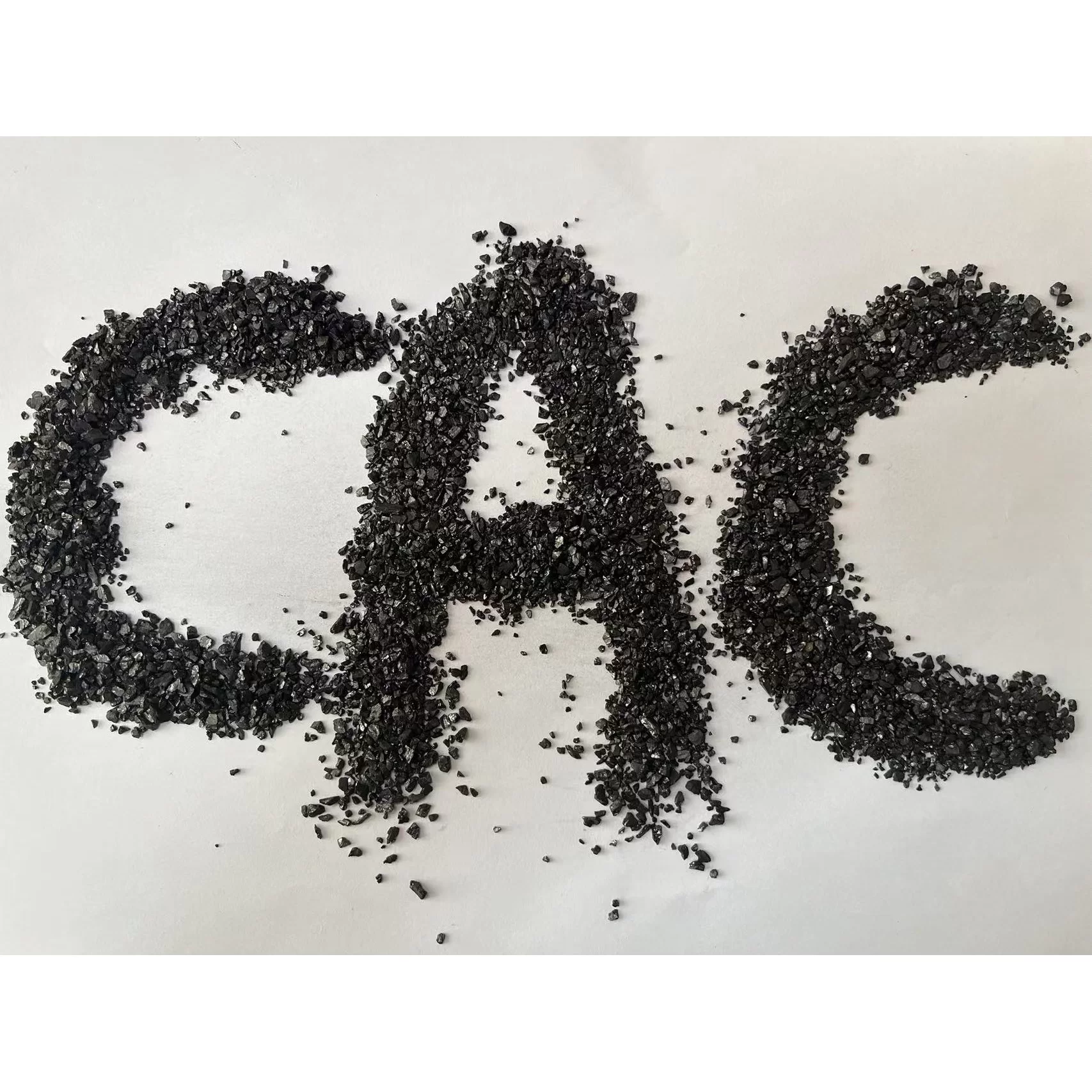
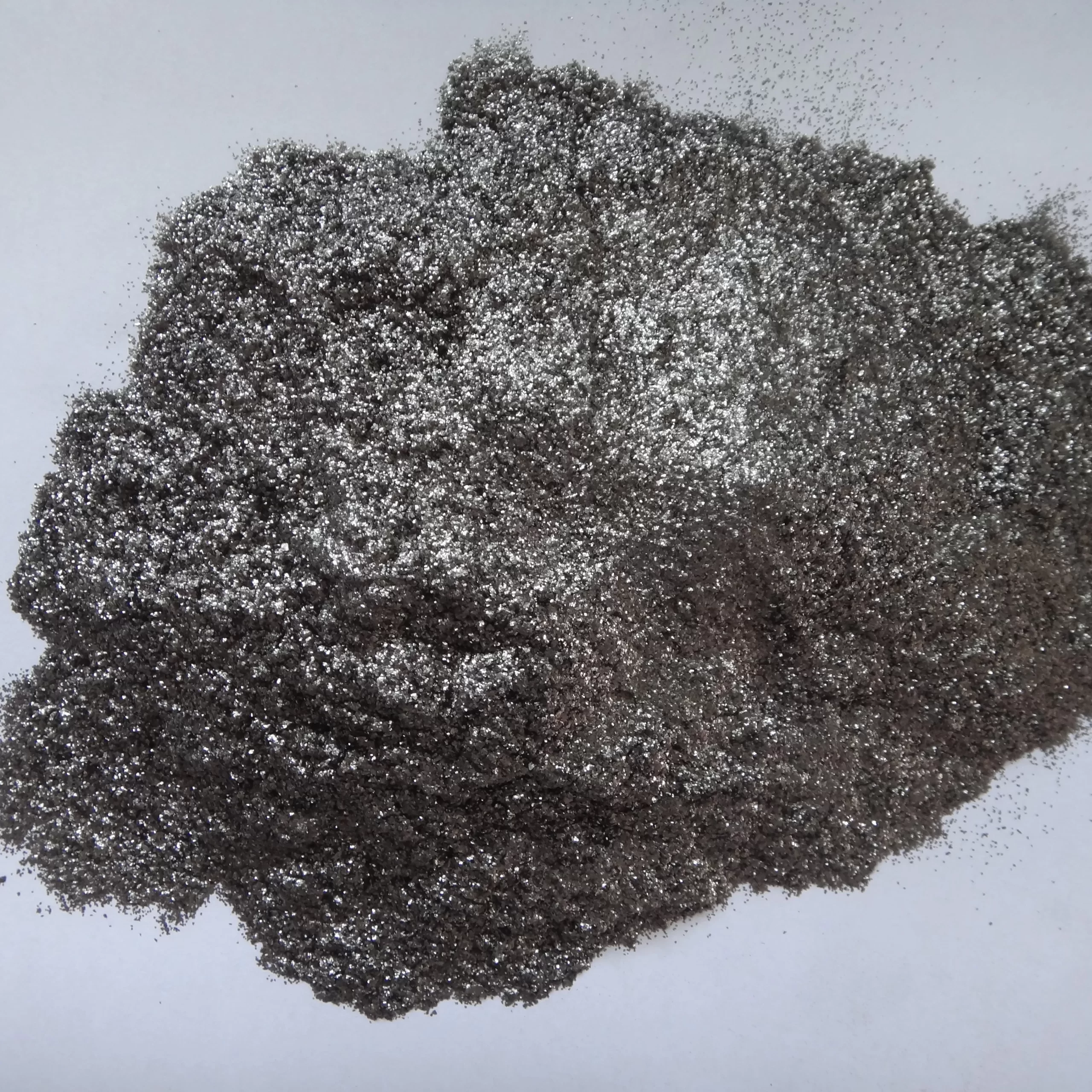
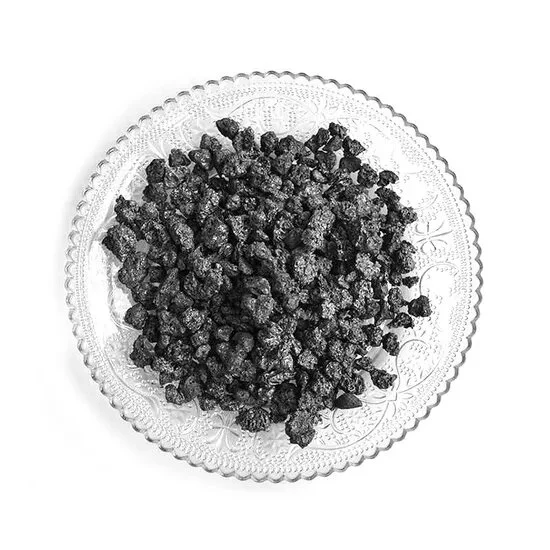
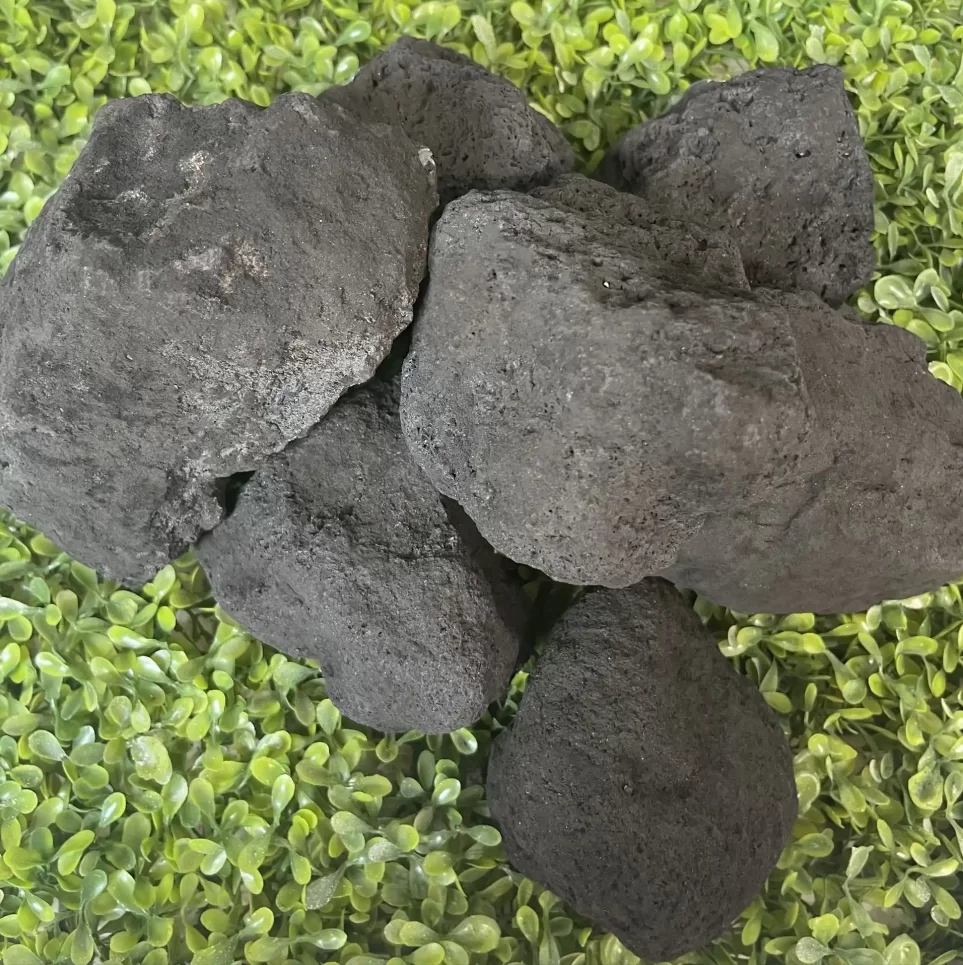
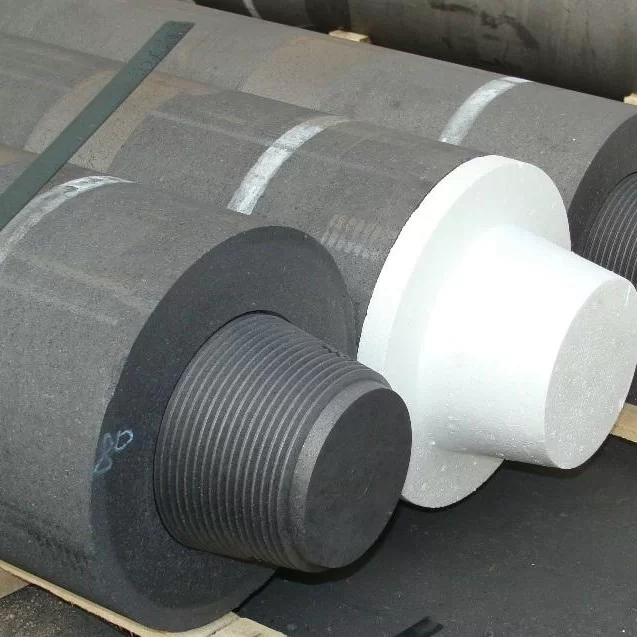
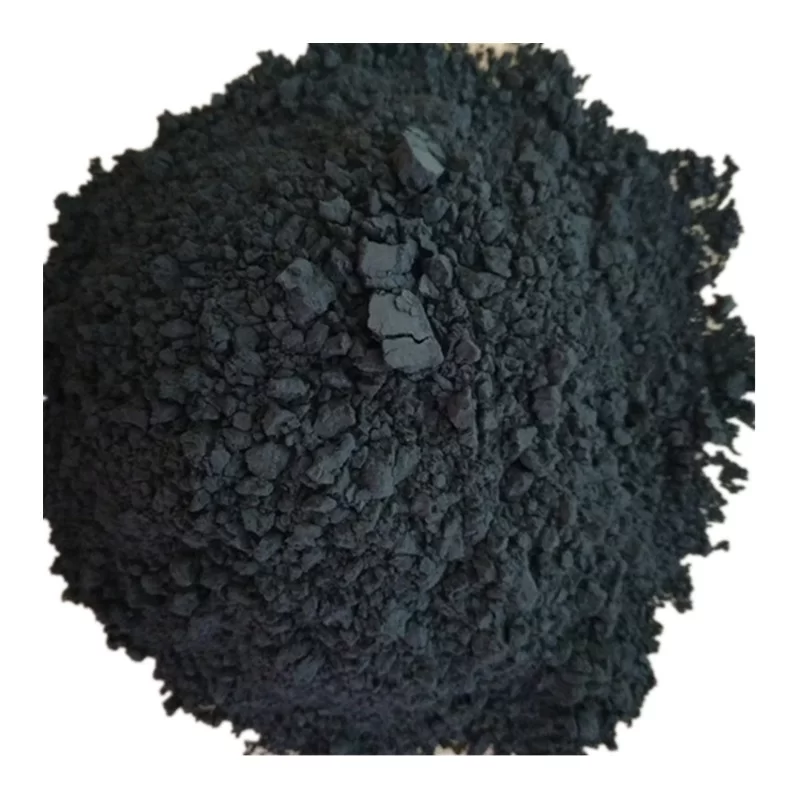
In the simplest terms, graphite pellets are small, compacted spheres of purified graphite powder. Think of them as the bakery baguettes of the carbon world—shaped, uniform, easy to transport and handle. Unlike loose powder, which can be messy and prone to airborne dust issues, pellets offer a cleaner, more efficient way to deliver graphite for industrial use.
Why does this matter? Because graphite is a form of carbon that’s stable, highly conductive, and heat resistant. It’s used in situations where reliability and performance can’t be compromised—whether that’s in steelmaking furnaces, advanced batteries, or even nuclear reactors.
Interestingly, the humanitarian sector has begun exploring graphite pellets too. For example, reliable batteries built on these pellets help in powering remote medical devices and emergency communication tools during crises.
Core Aspects of Graphite Pellets You Should Know
Purity & Quality
The purity of graphite pellets affects their conductivity and durability. Higher purity means fewer impurities that could degrade performance—crucial in batteries and high-temperature industrial uses.
Size & Shape Consistency
Uniform pellet size ensures smooth flow through processing equipment and predictable performance. Too much variation can cause clogging or inconsistent heating, which many manufacturing engineers dislike.
Thermal Stability
Graphite’s ability to withstand extreme heat without breaking down is vital, especially in metallurgical applications. Pellets must remain stable to protect furnace linings and maintain product quality.
Cost Efficiency
Transporting graphite as pellets reduces handling loss and dust-related hazards, cutting costs indirectly. Plus, compact pellets often weigh less per unit volume than their powder counterparts.
Environmental Impact
New production methods aim at reducing waste and energy consumption in pellet manufacturing. Responsible sourcing and recycling efforts increasingly define brand trust and compliance with international standards.
Real-World Applications & Industry Use Cases of Graphite Pellets
What industries literally run on graphite pellets? Let's see:
- Battery Manufacturing: Electric cars, smartphones, and renewable energy storage all rely on graphite pellets for the anode material in lithium-ion batteries.
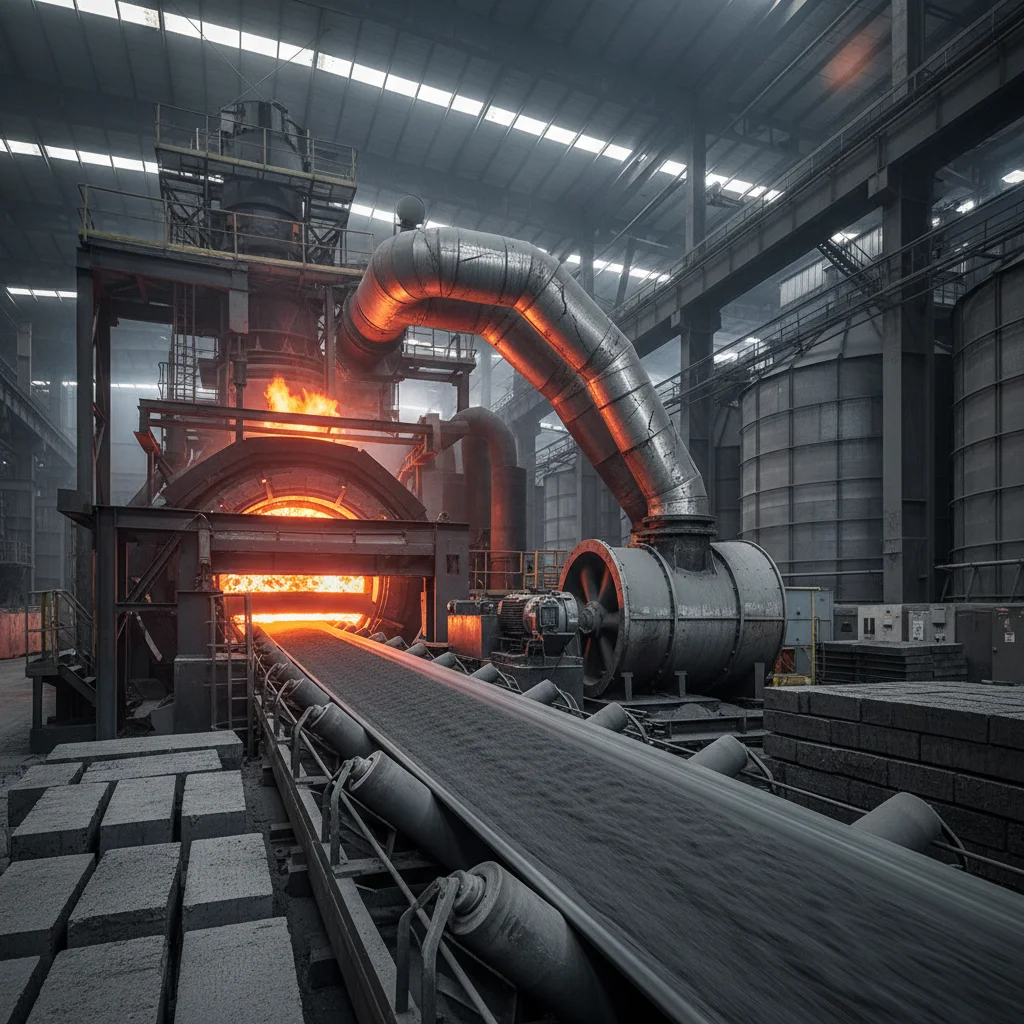
- Steel & Metallurgy: They serve as a carbon additive, improving furnace efficiency and steel quality globally, especially in heavy industries like shipbuilding and construction.
- Lubricants & Seals: The pellets are processed into powders or flakes used in industrial lubricants due to graphite’s slippery properties.
- Emergency & Remote Power: NGOs and relief organizations depend on reliable batteries powered by graphite pellets to sustain operations after natural disasters.
In Asia, China and India are rapidly expanding graphite pellet consumption as they ramp up EV production. Europe focuses heavily on high-purity pellets for aerospace and nuclear applications, while North America invests in safer, cleaner pellet production processes.
Key Advantages and Long-Term Value of Graphite Pellets
Looking beyond specs, why should industries—and frankly, society—care about graphite pellets?
- Cost Savings: Less loss in transportation and handling means savings that echo down the supply chain.
- Sustainability: They facilitate cleaner energy sources, notably in battery tech, thus aligning with global climate goals.
- Reliability: Consistent quality means fewer disruptions and safer industrial processes.
- Social Impact: Enabling reliable power in remote or disaster-impacted areas enhances dignity, safety, and responsiveness.
- Innovation Catalyst: Their role in next-gen tech like solid-state batteries suggests they’re more than a static commodity—they’re a material of innovation.
It’s oddly comforting to think that such a simple pellet underpins advances that affect millions—from the car you eyed at the dealership to the emergency radio someone’s using miles away.
Product Specification Table: Typical Graphite Pellet Attributes
| Specification | Value / Range | Notes |
|---|---|---|
| Pellet Diameter | 3–6 mm | Uniform size promotes flowability |
| Carbon Purity | > 98% | Critical for battery quality |
| Bulk Density | 0.9–1.2 g/cm³ | Affects transport cost & storage |
| Moisture Content | Important for pellet integrity | |
| Thermal Resistance | > 3000°C (inert atmosphere) | Key for metallurgical uses |
| Ash Content | Lower ash correlates with better purity |
Comparing Leading Vendors of Graphite Pellets
| Vendor | Primary Markets | Purity Range | Sourcing | Notable Strengths |
|---|---|---|---|---|
| Dah Carbon Group | Global, EV batteries, steel | 98–99.8% | Ethical, sustainable mines | Consistent quality & custom solutions |
| Graphtech Inc. | Asia, batteries, lubricants | 97–99% | International suppliers | Large volumes, competitive pricing |
| PureCarbon Ltd. | Europe, aerospace, nuclear | 99–99.9% | Local European mines | High purity, certification driven |
Forward-Looking: Innovations and Trends to Watch in Graphite Pellets
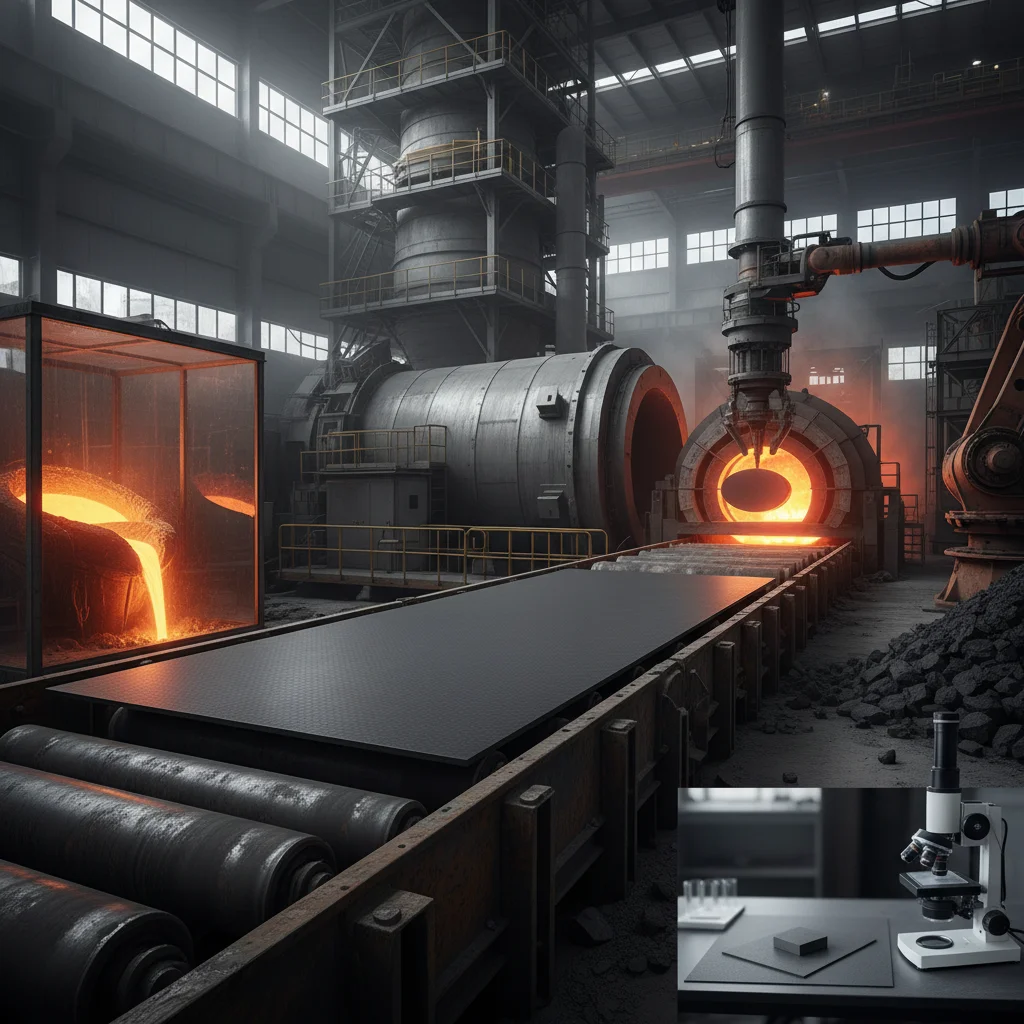
The roadmap ahead for graphite pellets is rather exciting. Silicon-doped graphite pellets promise to push battery life and charging speeds even further, while bio-based binders reduce harmful chemicals in production. Automation and AI-driven quality control systems are already in trials, slicing waste and ensuring tighter specs.
And don’t overlook policy trends. With the European Union’s Green Deal aiming for carbon neutrality, graphite pellet producers are under pressure to certify greener supply chains. Elsewhere, digital tracking for ethical sourcing is becoming a standard rather than an option.
Challenges and How the Industry Is Addressing Them
Honestly, graphite pellet production isn’t without hurdles. The biggest issues remain around:
- Supply Chain Security: Overdependence on a few geographic regions causes vulnerability to geopolitical issues.
- Environmental Footprint: Mining and processing traditionally consume a lot of energy and water.
- Quality Variability: Inconsistent pellet size or purity can disrupt downstream processes.
Solutions include diversifying mines, adopting closed-loop recycling of graphite, and enhanced processing techniques that lower emissions and water usage. Many producers—such as Dah Carbon Group, which you might want to look at for graphite pellets—have pioneered custom blends that improve consistency.
FAQs: Common Questions on Graphite Pellets
What makes graphite pellets better than graphite powder for industrial use?
Graphite pellets offer better handling, reduced dust exposure, and improved flow properties which prevent clogging in machinery. They also minimize loss during transport and provide more consistent feedstock for manufacturing.
How do graphite pellets impact battery performance?
Higher purity and consistent pellet quality enhance battery anode efficiency, which means better charge capacity and longer battery life—key for electric vehicles and portable electronics.
Are graphite pellets environmentally friendly?
When sourced responsibly and produced with modern processes, graphite pellets can have a much lower environmental footprint than traditional carbon materials, especially when integrated into battery recycling programs.
Can graphite pellets be customized for specific industrial needs?
Yes! Many suppliers, including Dah Carbon Group, offer tailored pellet sizes, purities, and additive blends to optimize material properties for particular applications.
How can organizations import graphite pellets internationally? Are there regulations?
Importing graphite pellets requires compliance with customs and environmental regulations, often involving certification of origin and purity. Working with reputable suppliers knowledgeable about international trade eases this process.
Conclusion: Why Graphite Pellets Are More Than Just a Material
It feels a bit poetic that such a humble pellet can have such a wide-reaching impact—from powering sleek electric cars to supporting emergency relief in far-flung places. Graphite pellets aren’t just commodities; they’re enablers of a greener, more connected, and resilient world.
If you want to explore reliable graphite pellets suppliers or discover more about how this material fits into your industry’s future, visiting our website is a solid next step.
After all, the future is built on the small things...