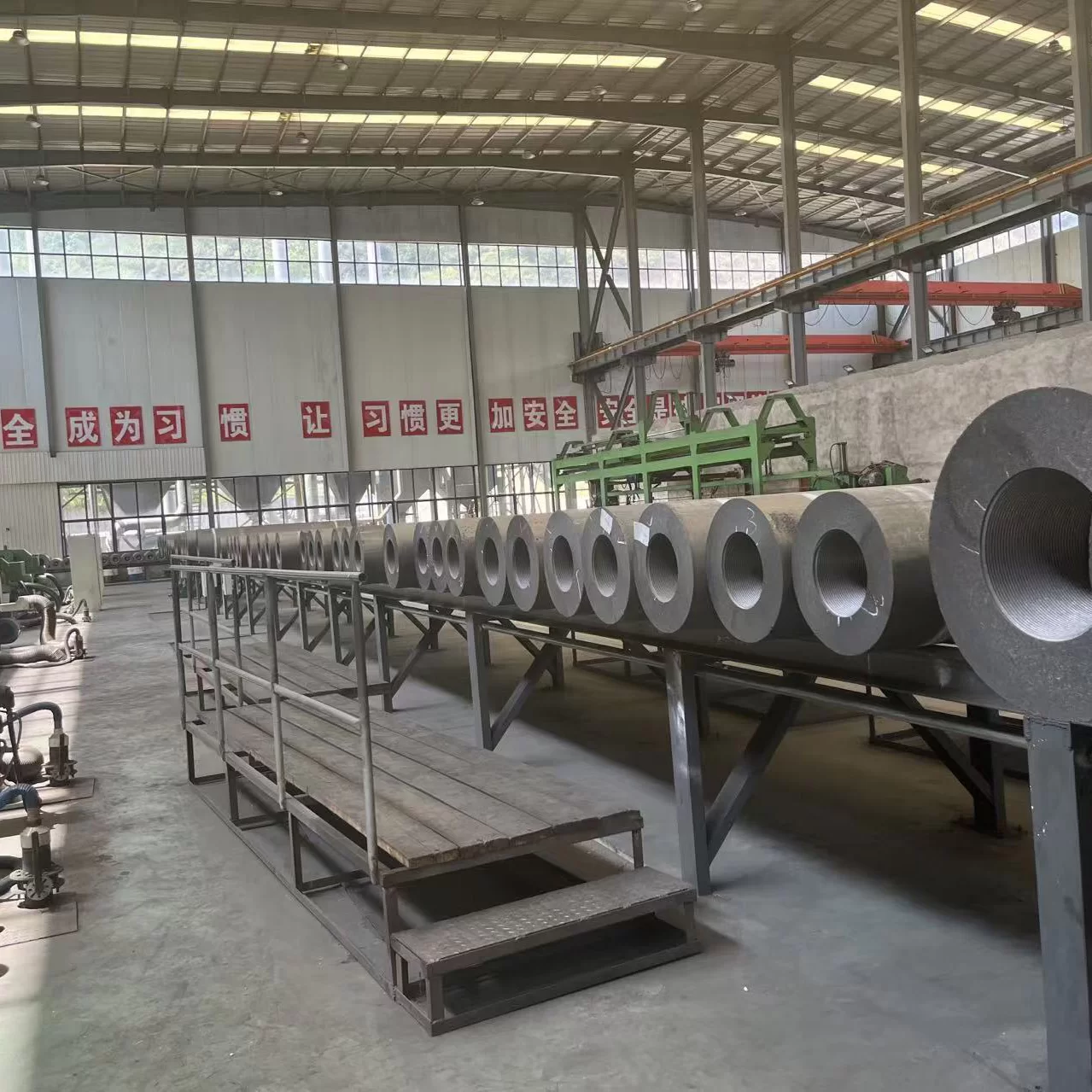
The Quiet Revolution of the Graphite Rotor: Why It Matters
If you’ve ever worked around electrical motors, industrial machinery, or even certain automotive components, the phrase graphite rotor might ring a bell. But beyond the buzzwords, what’s truly fascinating is how these seemingly humble parts are quietly transforming manufacturing efficiency, energy consumption, and product longevity worldwide. In an era where engineers chase both precision and sustainability, understanding graphite rotors unlocks a kind of technical magic—improving performance while cutting costs and carbon footprints. This article unpacks why the graphite rotor deserves your attention, whether you’re an industry veteran or a curious tech enthusiast.
Why the Graphite Rotor Has a Global Footprint
Globally, industries account for nearly 54% of the world's electrical consumption (International Energy Agency, 2023). Electrical rotors, components essential to motors and generators, influence that usage directly. Enter the graphite rotor, which improves conductivity and heat resistance dramatically. The United Nations Industrial Development Organization (UNIDO) highlights the push for energy-efficient components in emerging economies as crucial to reaching global sustainability goals. Without better rotor technology—which graphite-based designs provide—we'd continue to waste massive amounts of power and encounter premature failures in key industrial systems.
Yet, a challenge remains: traditional rotors made of copper or aluminum get heavy and heat up quickly, leading to losses. Graphite rotors, by contrast, offer a compelling alternative by balancing electrical efficiency and thermal resilience. That’s why manufacturers across Asia, Europe, and North America are increasingly adapting them for sectors ranging from automotive to aerospace and renewable energy.
Quick takeaway:
- Graphite rotors reduce energy loss and improve motor longevity.
- They respond to global demands for sustainability and operational efficiency.
What Exactly Is a Graphite Rotor?
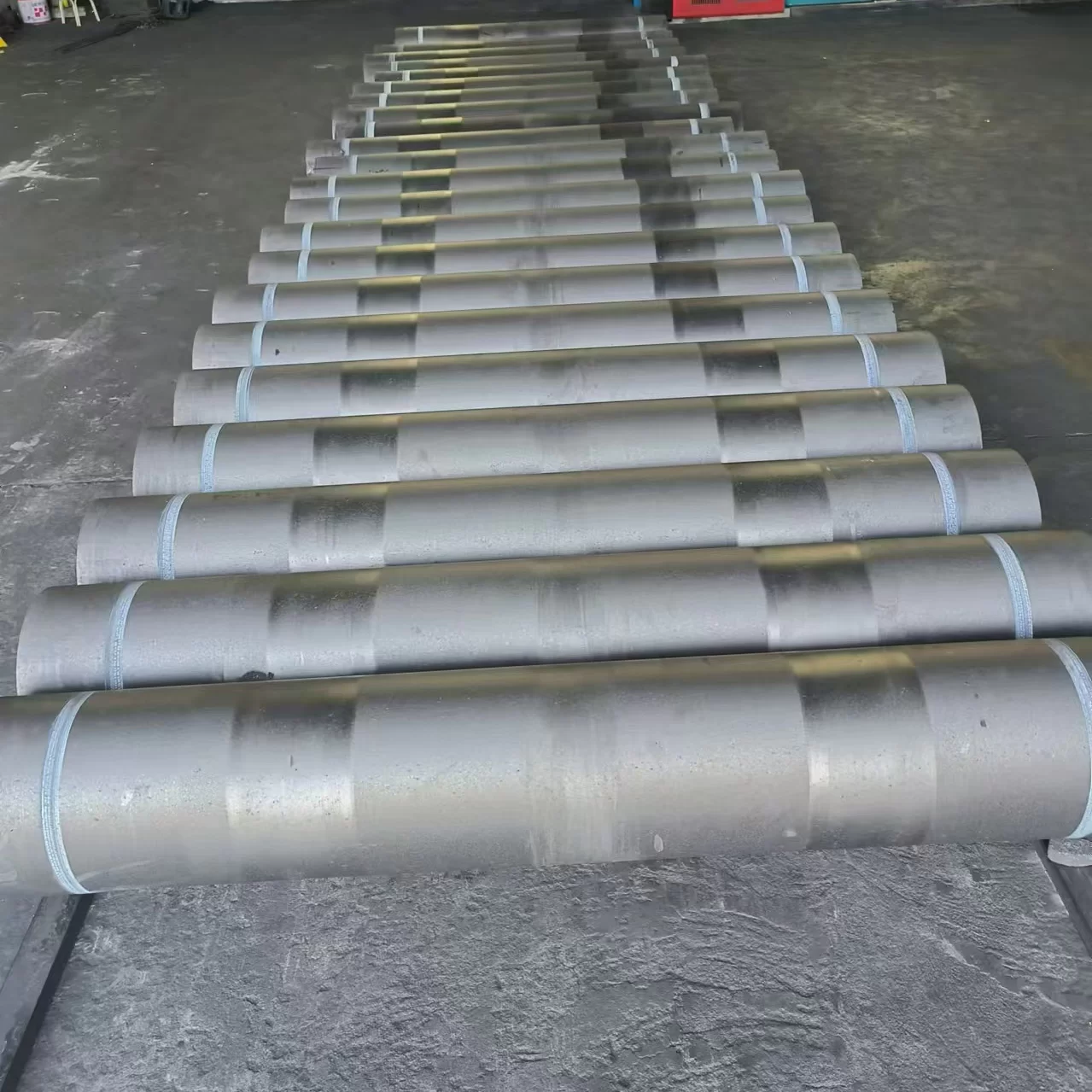
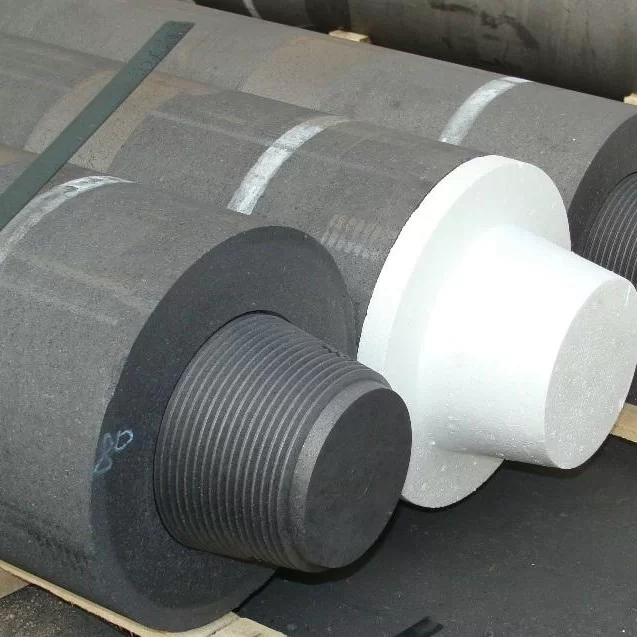
Simply put, a graphite rotor is the rotating part of an electric motor or generator that incorporates graphite material components. Unlike traditional rotors composed mainly of metal alloys, these rotors utilize graphite for its excellent electrical conductivity, lightweight nature, and superior thermal management capabilities. This composite design often includes a graphite brush or laminated rings fused with other metals, enhancing the rotor’s ability to maintain steady operation under high stress.
In the modern industry context, the graphite rotor is more than a replacement part—it’s a driver of innovation. By allowing motors to operate cooler and with less friction, they support longer equipment lifespans and open the door for more compact, reliable machines used in everything from electric vehicles to renewable energy turbines.
Mini takeaway:
- Graphite rotors blend graphite’s unique properties with traditional manufacturing.
- They address heat and efficiency challenges typical in electrical motors.
Core Features That Define Graphite Rotors
1. Durability
Many engineers praise graphite’s natural resistance to wear and corrosion. Unlike metals that oxidize or degrade from heat cycling, graphite endures prolonged operational stress, reducing maintenance cycles. In real terms, this durability means less downtime and lower repair bills.
2. Thermal Efficiency
Graphite’s high thermal conductivity ensures heat generated during rotor motion dissipates quickly, avoiding the “hot spots” common in copper rotors. This efficiency safeguards motor components and helps maintain consistent performance.
3. Electrical Conductivity
Graphite conducts electricity well but without the weight of metals like copper, making rotors lighter and easier to integrate into compact systems—especially crucial in aerospace or EV applications.
4. Cost-Effectiveness
While graphite might sound exotic, it offers a surprisingly competitive cost profile, especially when factoring in the lifecycle savings from durability and energy efficiency. Manufacturers find it easier to balance upfront expenses with long-term value.
5. Environmental Impact
Graphite is abundantly available and, when sourced responsibly, has a lower environmental footprint than mining heavier metals. This aligns well with ISO 14001 standards on sustainable materials.
In summary:
- Graphite rotors combine strength, heat management, and electrical efficiency in a neat package.
- They are often a smarter choice for modern, low-impact manufacturing.
Global Use Cases & Industries Benefiting From Graphite Rotors
Graphite rotors find their way into some unexpectedly important sectors worldwide:
- Electric Vehicles (EV): Lightweight graphite rotors improve battery range by reducing motor energy loss.
- Renewable Energy: Wind turbines and hydropower generators benefit from rotors that resist heat and mechanical stress during fluctuating loads.
- Industrial Manufacturing: Heavy machinery in Asia’s growing manufacturing hubs increasingly rely on graphite rotor motors to optimize uptime.
- Humanitarian Relief: Portable generators equipped with graphite rotors are favored in disaster zones due to their reliability and low maintenance.
For instance, in a recent post-hurricane rebuilding effort in Southeast Asia, engineers reported how graphite rotor generators managed to run continuously despite challenging humidity and heat—something standard rotors struggled to achieve.
Quick takeaway:
The graphite rotor’s blend of toughness and efficiency gives industries worldwide an edge, especially where conditions are tough or uptime is critical.
Advantages and Long-Term Value of Graphite Rotors
When you break down the benefits, graphite rotors aren’t just technically impressive—they’re smart investments. Here’s why:
- Cost Savings: Reduced downtime and extended service intervals save operational dollars.
- Sustainability: Energy-efficient motors mean less electricity consumed and fewer emissions.
- Reliability: They handle extreme environments better, ensuring safety and continuous operation.
- Emotional Impact: For consumers and operators alike, a ‘quiet and dependable’ machine breeds trust. Frankly, knowing your equipment won’t fail at a critical moment brings huge peace of mind.
Graphite Rotor Product Specification Table
| Specification | Details |
|---|---|
| Material Composition | High-purity graphite with metal laminates |
| Operating Temperature Range | -40°C to 250°C |
| Electrical Conductivity | ~10,000 S/m (Siemens per meter) |
| Weight Reduction vs Copper Rotor | Approx. 30% |
| Typical Lifespan | 15-20 years under normal industrial use |
| Compliance Standards | ISO 9001, ISO 14001 |
Comparing Leading Graphite Rotor Vendors
Choosing a supplier can feel overwhelming. Here’s a side-by-side view of three industry players:
| Vendor | Price Range | Customization Options | Lead Time | Sustainability Certifications |
|---|---|---|---|---|
| Dah Carbon | $$$ | High (Custom shapes and sizes) | 4-6 weeks | ISO 14001, RoHS |
| CarboTech Solutions | $$ | Medium (Standard sizes, limited custom) | 6-8 weeks | ISO 9001 |
| RotorX Inc. | $$$$ | Very High (Tailored engineering support) | 3-5 weeks | ISO 14001, LEED |
Emerging Trends Transforming Graphite Rotors
Innovation never sleeps. Looking ahead, researchers are experimenting with nano-graphene coatings to push electrical conductivity even further. There’s also a buzz around integrating smart sensors directly into rotors for real-time performance monitoring—kind of like a fitness tracker for your motor.
Additionally, environmental legislation is pushing manufacturers to adopt more eco-conscious materials and reduce hazardous waste. Graphite rotor suppliers increasingly partner with circular economy initiatives, offering recycling programs that reclaim valuable graphite and metals at end-of-life.
Bottom line:
Graphite rotor technology is steadily embracing digitalization and sustainability, ensuring its place in the next-gen industrial revolution.
Challenges and How to Tackle Them
Of course, graphite rotors aren’t perfect. Handling precision manufacturing is complex—getting the graphite-to-metal interface just right requires expertise and quality control.
Some manufacturers report early-stage fragility if rotors are subjected to extreme mechanical shock. But industry veterans suggest improvements in layering techniques and composite bonding are already addressing these issues.
Moreover, while graphite raw material supply is generally stable, fluctuations can cause price uncertainties. Forward-thinking firms are diversifying sources and investing in synthetic graphite production, adding stability.
FAQ: Frequently Asked Questions About Graphite Rotors
- What advantages do graphite rotors have over traditional copper rotors?
- Graphite rotors offer improved thermal management, reduced weight (which enhances efficiency), and greater durability under tough conditions compared to copper rotors. They also tend to require less maintenance because graphite resists corrosion better.
- Can graphite rotors be customized for specific industrial needs?
- Absolutely. Many suppliers, including graphite rotor manufacturers, provide bespoke options tailored by size, shape, and conductivity, helping engineers integrate rotors perfectly into diverse applications.
- How do graphite rotors contribute to environmental sustainability?
- They reduce energy losses in motors, which lowers electricity consumption and carbon emissions. Additionally, graphite sourcing and recycling practices generally have less environmental impact than heavy metal alternatives.
- Are graphite rotors suitable for use in extreme temperature environments?
- Yes. Graphite’s thermal resilience makes these rotors ideal for both cold and hot climates, sustaining performance where other materials might fail due to cracking or overheating.
- Where can I learn more or purchase high-quality graphite rotors?
- For trusted products, check established manufacturers like Dah Carbon, who combine quality with sustainable sourcing and advanced customization.
Wrapping Up: Why Graphite Rotors Are Worth Your Attention
Graphite rotors are more than niche components; they’re central players in the global drive for efficiency, longevity, and sustainability in electrical machinery. With ongoing innovations and growing adoption worldwide, they save energy, reduce costs, and improve safety—pretty compelling reasons to start considering them seriously.
Want to explore contemporary graphite rotor tech? Visit Dah Carbon’s website for detailed specs, customization options, and expert guidance.