Graphite Solid Lubricant: A Quiet Revolution in Industrial Efficiency
If you've ever stared inside a machine wondering why certain parts glide effortlessly despite searing heat or crushing pressure, chances are graphite solid lubricant is doing the heavy lifting behind the scenes. This humble material, often overlooked, plays a pivotal role worldwide—not just in factory floors but also in helping industries run cleaner, longer, and more reliably. Understanding it means tapping into how countless mechanical systems reduce friction and wear, save energy, and extend service life, all of which matter globally as industries push for sustainability and greater operational excellence.
Let's dig in and uncover why this naturally occurring mineral keeps finding new fans across sectors and geographies.
Setting the Stage: Why Graphite Lubricants Have Global Significance
The global industry consumes millions of tons of lubricants annually, and friction-induced energy loss accounts for roughly 20-30% of total global energy use, according to International Energy Agency estimates. Equipment inefficiency due to wear stretches every operational dollar further. Particularly in heavy industries like aerospace, automotive, and power generation, the demand for advanced lubricants like graphite solid lubricants is rising sharply.
But here's a knotty problem: many conventional lubricants degrade or evaporate at high temperatures, leaving machines vulnerable. That's precisely where graphite, with its resilient layered structure and dry-lubricating properties, becomes a game-changer — helping industries achieve longer maintenance intervals and reduce downtime. Oddly enough, this carbon allotrope plays a quiet but profound role in energy conservation and resource management worldwide.
What Exactly Is Graphite Solid Lubricant?
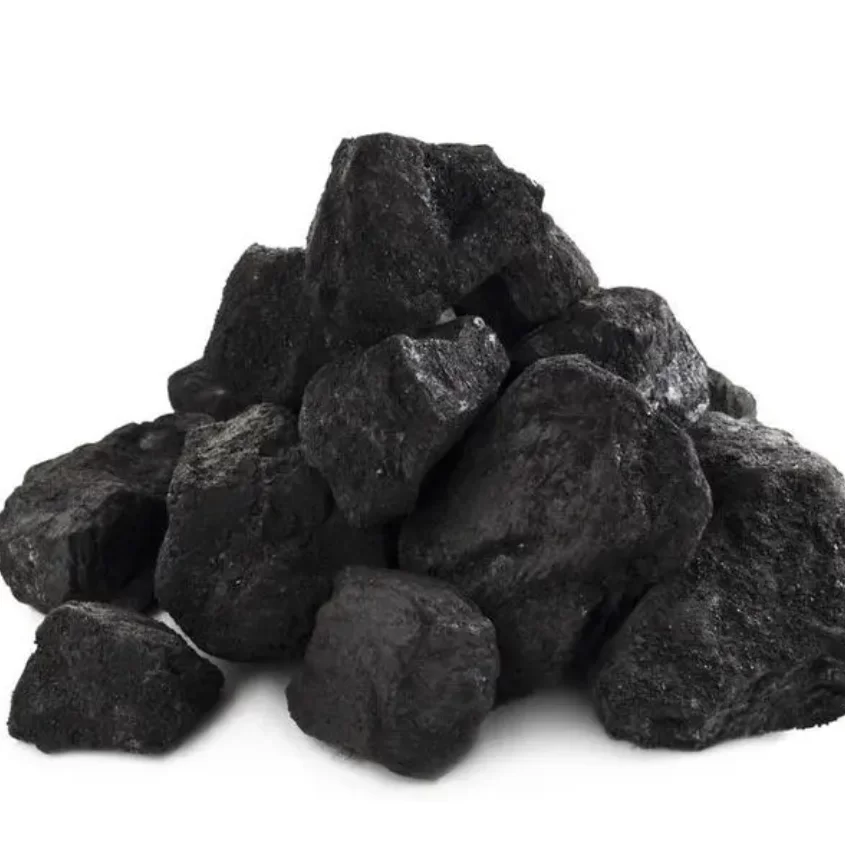
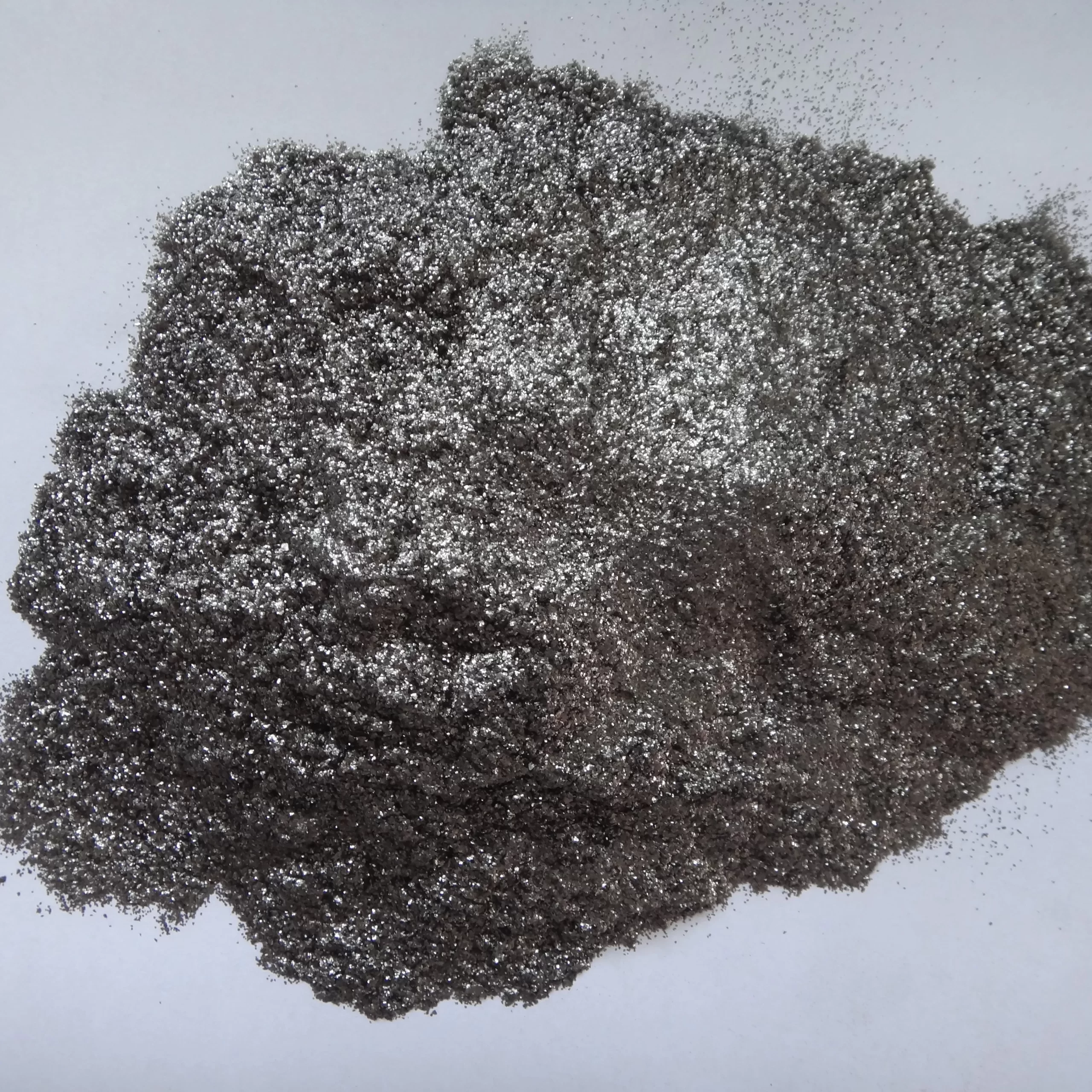
Simply put, graphite solid lubricant refers to lubricating material based on graphite powder or flakes that are applied to surfaces prone to friction. Unlike traditional oil or grease, which can be liquid, graphite functions in a solid state—forming a slippery layer even under crushing pressure and high heat.
Graphite’s atomic structure, a series of hexagonal carbon layers slipping over each other readily, gives it naturally low shear strength. In practical terms, this means less wear and tear on machinery. You'll find graphite lubricants in everything from heavy industrial presses, aerospace components, to even simple bearings in remote mining equipment.
Mini Takeaway:
Think of graphite solid lubricant as nature’s sticky note for machines—it sits in just the right spot to reduce friction without the mess of liquid oils, making it indispensable.
Key Factors Defining Graphite Solid Lubricants' Performance
Durability & High-Temperature Resistance
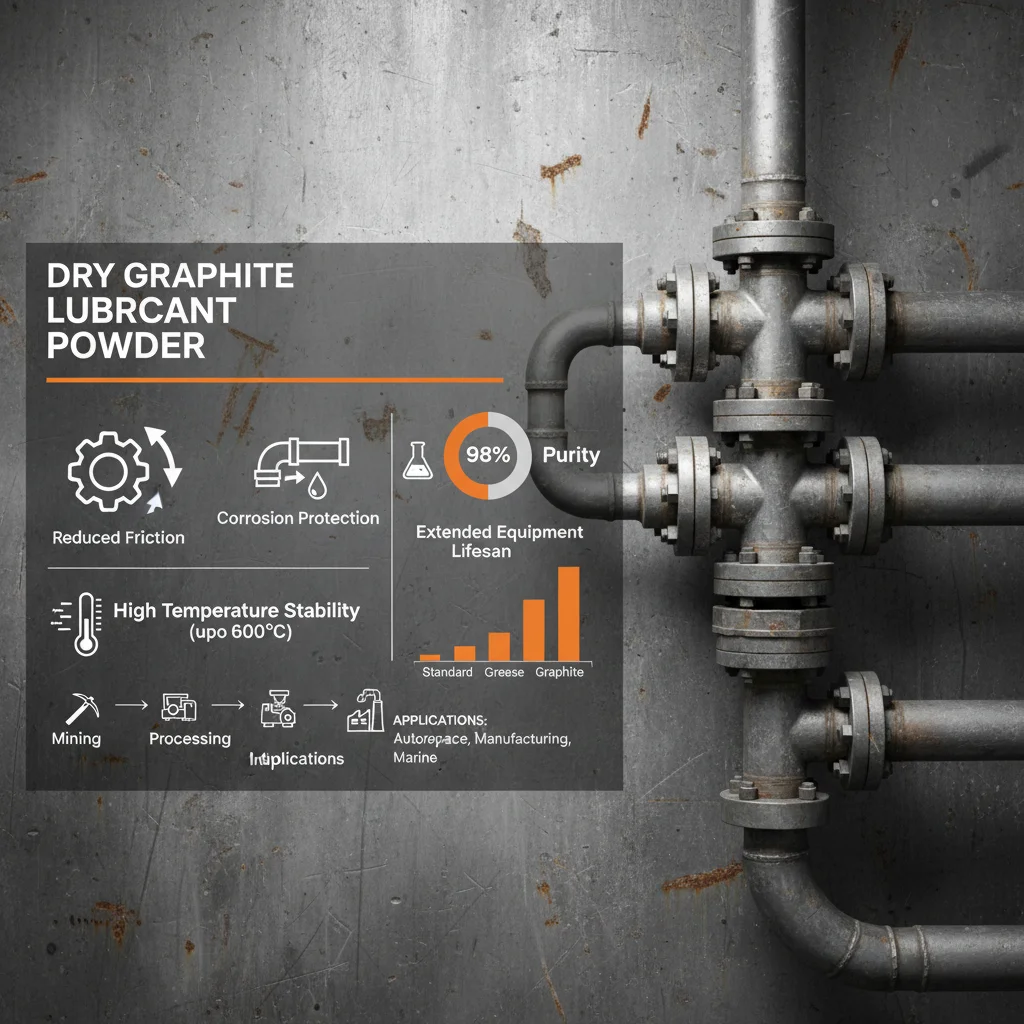
Graphite remains effective up to about 450-500°C in air, and even beyond 3000°C in inert atmospheres. This makes it suitable for harsh environments where petroleum-based oils would simply burn off or degrade.
Self-Lubricating and Low Friction Properties
Thanks to its layered crystal structure, graphite forms a thin film that drastically cuts down friction coefficients, sometimes as low as 0.1. That's roughly a tenth of steel-on-steel friction under certain conditions.
Corrosion Resistance
Being chemically inert, graphite doesn’t rust or react with most chemicals, helping protect underlying metal parts against corrosion.
Environmental Sustainability
Derived from natural carbon deposits or synthetically manufactured, graphite solid lubricants avoid the environmental hazards tied to oil-based lubricants such as spills and toxic waste.
Cost Efficiency
While pure synthetic solutions might be pricey, graphite lubricants often provide a balanced cost-benefit ratio, considering their longevity and low maintenance needs.
Compatibility & Versatility
Graphite solid lubricants can be used alone or combined with other materials, like PTFE or molybdenum disulfide, to tailor performance for specific applications.
Mini Takeaway:
Durable, slick, and quietly eco-friendly — graphite lubricants are truly the veteran workhorses of many rugged industrial settings.
Product Specification Snapshot
| Property | Typical Range | Unit |
|---|---|---|
| Particle Size | 1 – 20 | micrometers |
| Coefficient of Friction (dry) | 0.05 – 0.15 | - |
| Thermal Stability | up to 500 | °C (in air) |
| Purity | >98% | % |
| Bulk Density | 0.1 – 0.3 | g/cm³ |
Global Applications: Where Graphite Solid Lubricants Shine
From the buzzing factories in East Asia to the wind turbines spinning across Europe, graphite solid lubricants have a pervasive presence. In automotive manufacturing, they help bearings and piston rings run cooler and last longer. In aerospace, they reduce wear in engines where liquid lubricants would risk vaporization. Power plants use graphite-lubricated valves and gears to maintain uptime under extreme heat.
Even humanitarian and post-disaster rebuilding efforts leverage these lubricants in heavy machinery used to clear debris or rebuild infrastructure—especially where regular maintenance oil resupply is tricky or impossible.
A concrete example: In remote mining sites in Australia, adding graphite lubricant to conveyor rollers cut maintenance downtime by about 30%, improving productivity in harsh, dusty conditions.
Mini Takeaway:
Its versatility crosses borders and industries, proving crucial wherever friction demands taming in severe or maintenance-challenged environments.
Vendor Comparison: Leading Graphite Solid Lubricant Suppliers
| Supplier | Purity (%) | Particle Size (μm) | Typical Application | Average Price/kg |
|---|---|---|---|---|
| Dah Carbon | >99 | 1-10 | Industrial, Automotive | $15 - $20 |
| Graphite Solutions Ltd. | 98 | 5-15 | Aerospace, Electronics | $18 - $25 |
| LubriCarbon Co. | >97 | 10-20 | Heavy Machinery | $12 - $18 |
Why Choose Graphite Solid Lubricants? Advantages and Long-Term Value
On the surface, the benefits might seem purely technical: reduced friction, extended equipment life. But there's more layered in here — from a sustainability standpoint, reducing lubricant oil use lowers environmental pollutants. On a financial level, fewer oil top-ups and less machine wear translate into tangible savings.
Many engineers I’ve talked to find peace of mind using graphite lubricants knowing their equipment can better withstand unexpected thermal spikes or dry-running conditions, which often wipe out traditional greases. There's a subtle confidence in machines that "don’t break" as often — and I guess that carries a bit of emotional weight too when safety or reliability is critical.
Emerging Trends in Graphite Lubricant Technology
The future’s looking promising. Advances include hybrid graphite composites that combine nano-additives for even better wear resistance and lower friction. Researchers are also exploring bio-derived graphite sources and more eco-friendly manufacturing processes.
With pathways to integrate smart sensors that monitor lubrication layers remotely, we might soon have predictive maintenance systems telling us exactly when and where to reapply graphite solid lubricant. This meshes perfectly with the current buzz around Industry 4.0 and digital transformation.
Challenges in Using Graphite Solid Lubricants and How to Overcome Them
Graphite lubricants aren’t perfect. Their effectiveness can diminish in wet environments since water reduces the lubricating film's stability. Additionally, some manufacturing processes require careful handling to prevent dust inhalation — a health consideration for workers.
Innovations like binders and carriers that hold graphite particles better and encapsulation technologies help overcome these obstacles. Moreover, sourcing ultra-pure graphite remains a bit tricky in some regions, though global supply chains are steadily stabilizing.
FAQ: Practical Questions About Graphite Solid Lubricants
- Q: Can graphite solid lubricant replace oils in all machinery?
- A: Not all. Graphite excels in high temperature or dry environments but tends to perform less effectively in wet or heavily lubricated settings where oils provide hydraulic or cooling functions.
- Q: How is graphite solid lubricant applied in industrial equipment?
- A: It can be applied as a powder directly to surfaces, embedded in composite coatings, or mixed with binders to form grease-like pastes, depending on the application requirements.
- Q: Is graphite lubricant safe for food processing machinery?
- A: Only if it meets food-grade purity standards and regulatory approvals. Specialized graphite-based lubricants are formulated for food industry applications following strict safety guidelines.
- Q: What are the storage conditions for graphite solid lubricants?
- A: Store in a dry, cool place to avoid moisture absorption, which can reduce lubricating efficiency. Proper sealing prevents dust contamination.
- Q: Can graphite solid lubricant coatings be customized?
- A: Yes, they can be combined with other lubricants or additives to modify frictional properties, durability, or environmental resistance based on specific industrial needs.
Wrapping Up: The Quiet Marvel of Graphite Solids
So, when you think about the whisper-quiet, frictionless movements inside your machines—it's graphite solid lubricants that are often the unsung heroes. They bring reliability, sustainability, and economic sense all wrapped into one carbon marvel. If you want to explore high-quality graphite solid lubricant options for your operations or projects, don’t hesitate to visit our website — there’s a lot to gain and little to lose in upgrading your lubrication strategy.