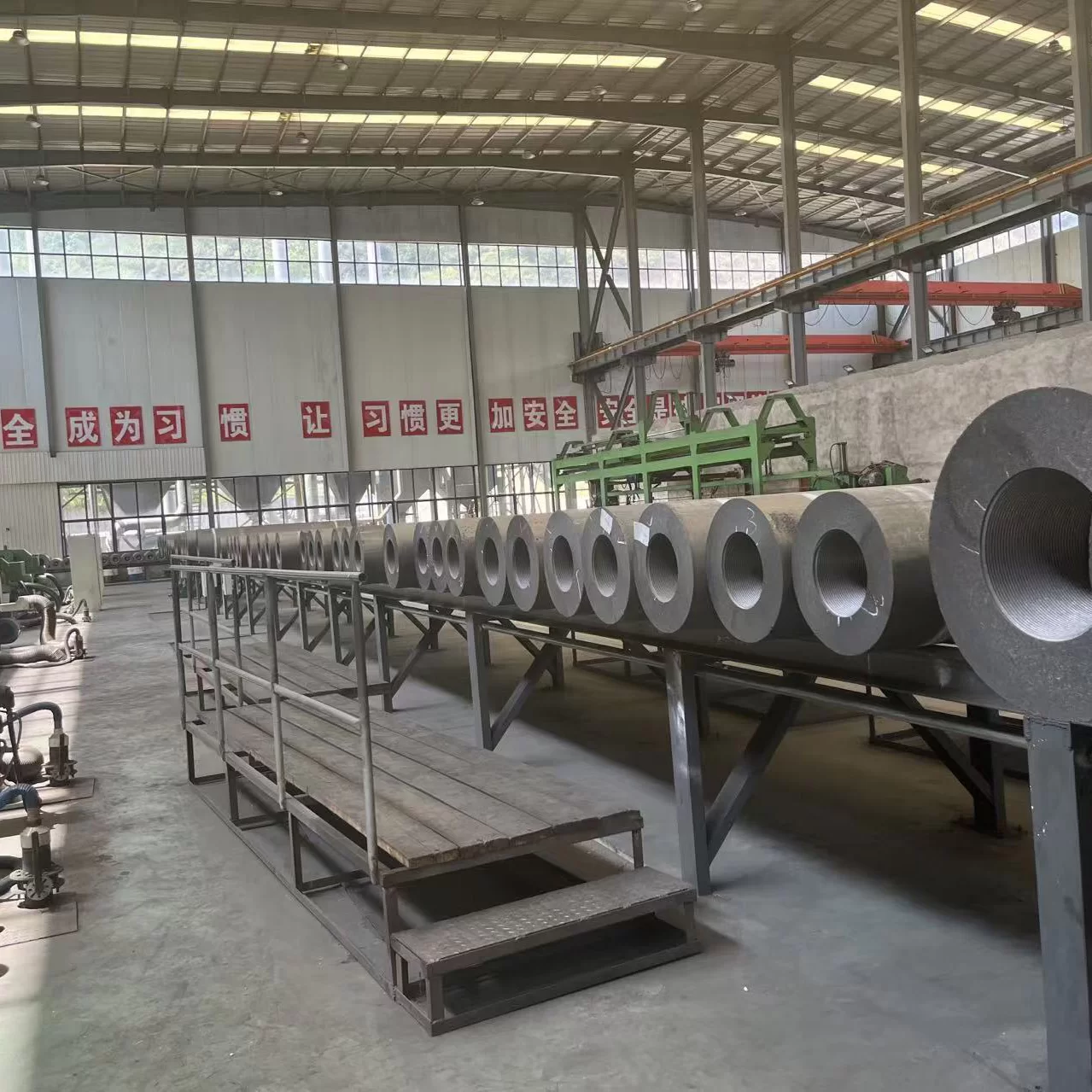
Why Graphite Spools Matter in Today’s Industrial Landscape
If you’ve ever marveled at how modern manufacturing and electronics keep ticking smoothly, there’s a hidden hero behind many of the scenes—graphite spool. It might sound niche, yet understanding what a graphite spool is and why it’s crucial globally unlocks a surprising amount of insight into industrial robustness, sustainability, and tech innovation.
Globally, industries are racing to improve materials that can withstand heat, friction, and chemical stress while remaining affordable and environmentally friendly. Graphite spools fit precisely in this challenge. They’re involved in sectors ranging from electronics and aerospace to humanitarian solutions like emergency power setups. Frankly, without them, we’d face frequent downtime and higher costs.
Graphite Spool: What Is It Exactly?
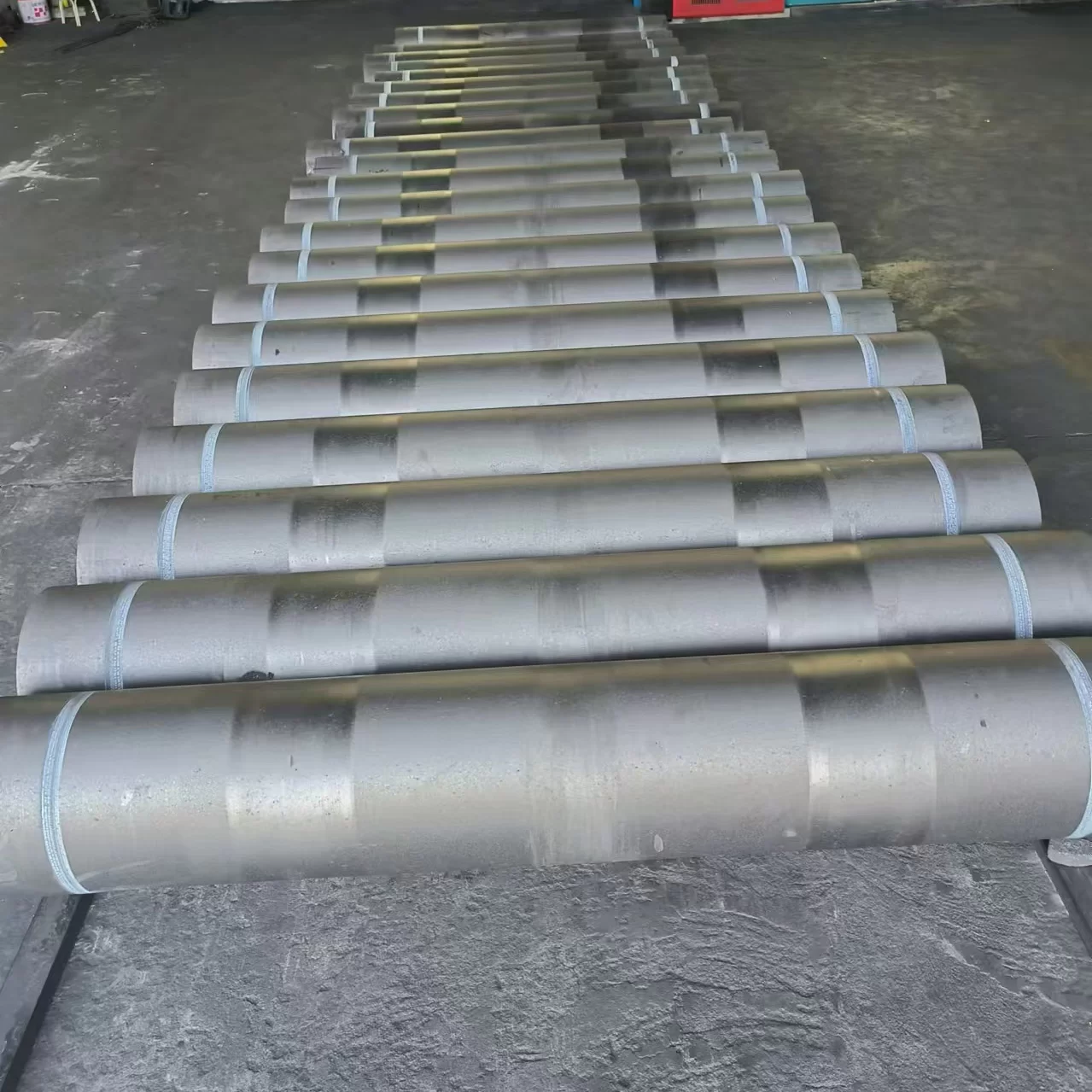
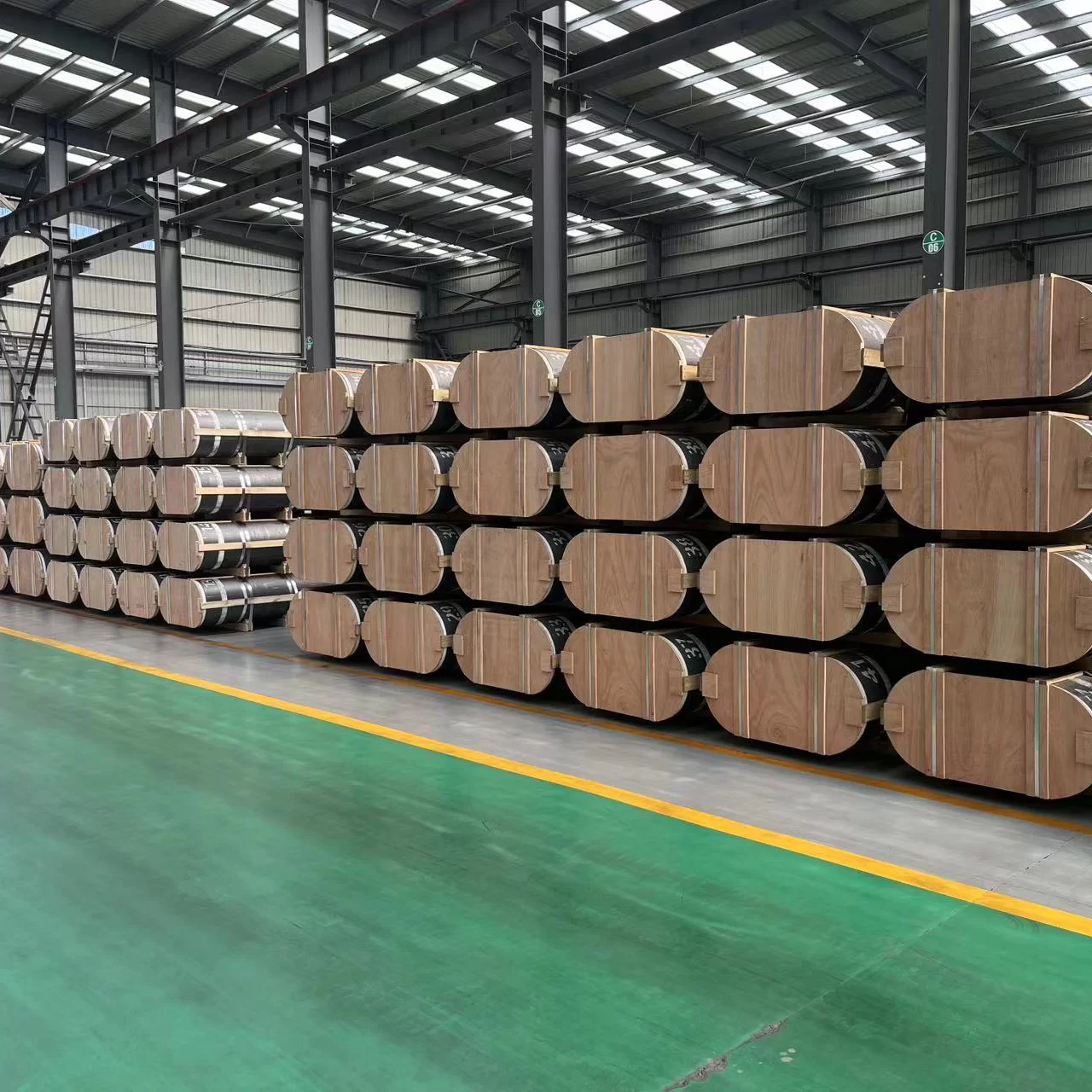
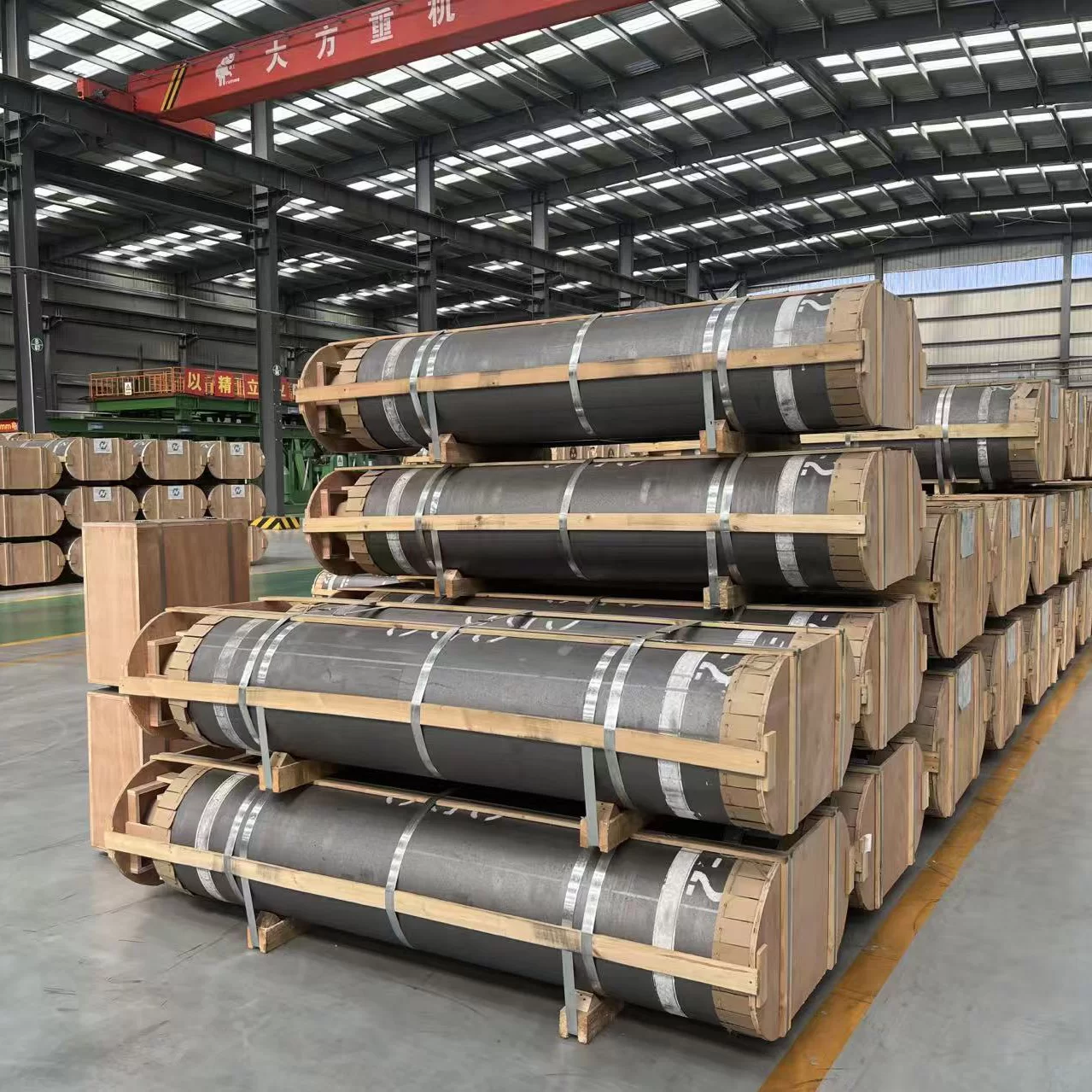
In plain terms, a graphite spool is a cylindrical component often used to guide or house materials like wire, filament, or powder—made mostly from high-grade graphite, which naturally excels in handling high temperatures and corrosion. Think of it as a smart, resilient reel that supports processes where metals or delicate materials are wound without sticking, getting damaged, or overheating.
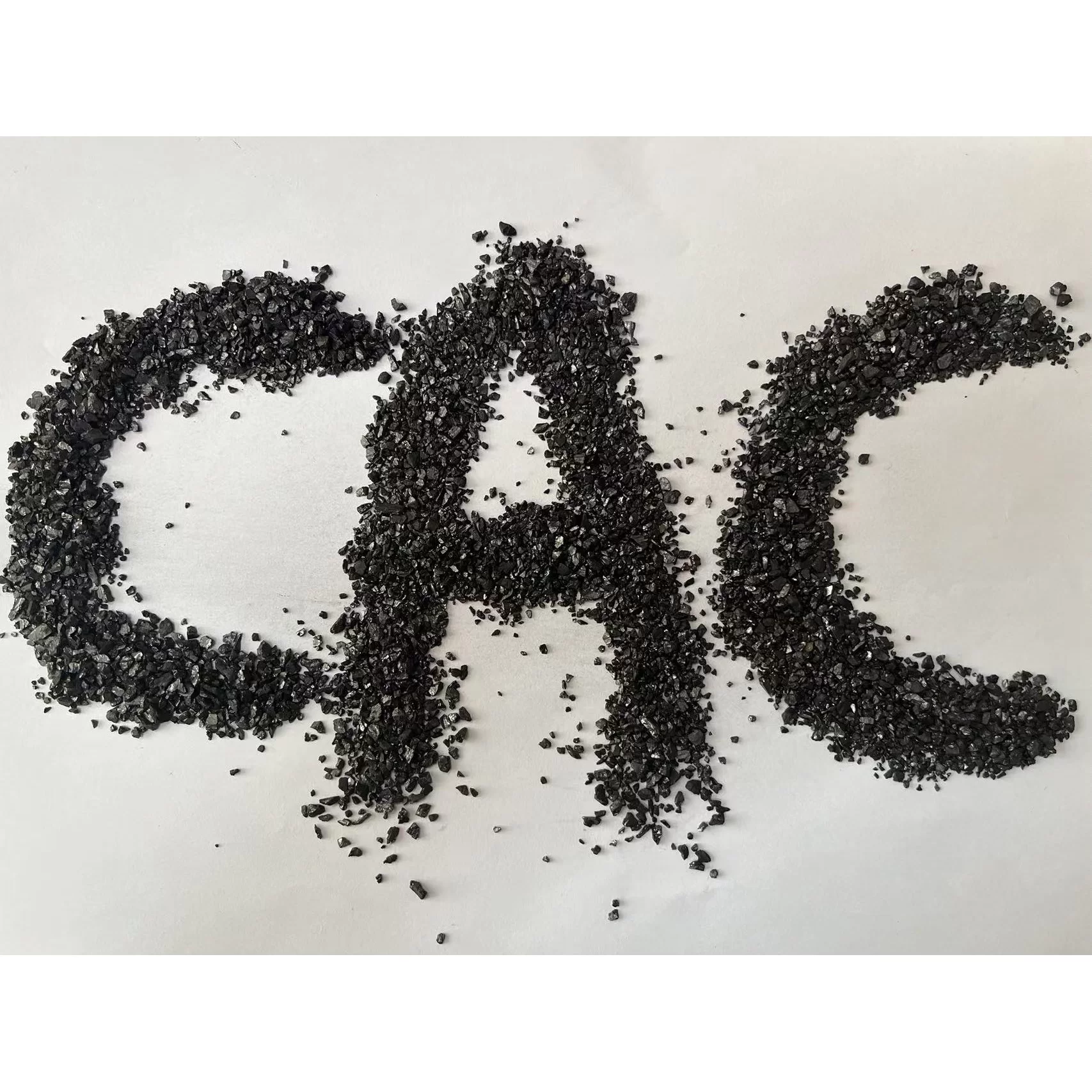
This spool isn’t your typical plastic or steel reel; graphite’s unique crystalline structure provides electrical conductivity, thermal resistance, and lubrication, making these spools extremely valuable in industries pushing for longer-lasting and more sustainable equipment. They show up in semiconductor manufacturing, carbon brush applications, and even in high-tech composites.
What Makes a Graphite Spool Tick? Key Features at a Glance
Heat Resistance
Graphite inherently withstands extreme heat without deforming, which is why spools made from it are favored in systems exposed to harsh thermal cycles.
Low Friction
The natural lubricity of graphite reduces wear on wrapped materials and the spool itself, extending the overall life of both.
Electrical Conductivity
Unlike typical insulators, graphite spools can conduct electricity mildly, supporting specialized electronic and electrical solutions.
Durability and Chemical Stability
Corrosion resistance adds longevity in chemically aggressive environments—important when spools serve industries like chemical processing or mining.
Lightweight Design
Though sturdy, graphite spools typically weigh less than metal alternatives, reducing shipping costs and handling stress.
Customizability
Advanced manufacturing techniques allow precise tailoring of spool dimensions and graphite grades to fit niche applications perfectly.
Graphite Spools in Practice: Global Applications and Use Cases
Across Asia, Europe, and North America, graphite spools are quietly underpinning everything from fiber-optic cable manufacture to lithium-ion battery assembly. In post-disaster relief operations, for example, fast deployment of durable wiring spooled on graphite reels ensures emergency communications are up in hours, not days.
In remote industrial zones—say, deep mines in Chile or wind farms off the UK coast—graphite spools help safely coordinate electrical currents and mechanical tension, even under conditions that would fry lesser components.
And in the aerospace sector? Many engineers swear by them for winding carbon fiber composites, thanks to minimal contamination and heat resistance.
Product Specification Table: Typical Graphite Spool Specs
| Specification | Value | Unit |
|---|---|---|
| Outer Diameter | 120-500 | mm |
| Inner Diameter | 60-200 | mm |
| Max Operating Temp. | 450-600 | °C |
| Weight | 500-3000 | grams |
| Tensile Strength | 30-50 | MPa |
Comparing Major Graphite Spool Manufacturers
| Manufacturer | Material Grade | Customization | Lead Time | Approx. Price Range |
|---|---|---|---|---|
| GraphiTech Inc. | Premium IG-430 | High (sizes & coatings) | 2-3 weeks | $150–$400 per spool |
| CarbonWorks Ltd. | Standard IG-220 | Medium | 4-5 weeks | $120–$300 per spool |
| Dah Carbon Solutions | Specialty IG-500 | Very High (custom projects) | 1-2 weeks | $200–$500 per spool |
Why Investing in Quality Graphite Spools Pays Off Long-Term
- Cost Efficiency: Last longer and resist damage, reducing replacement frequency.
- Environmental Benefit: Graphite spools are often recyclable and support sustainable manufacturing goals.
- Safety: Reliable performance under stress means fewer failures that could endanger workers or interrupt critical processes.
- Innovative Edge: Custom grades allow engineers to push equipment to new highs in precision and durability.
- Social Impact: In humanitarian applications, dependable spools ensure communications, power, and logistics don’t fail when people need them most.
Looking Ahead: What’s Next for Graphite Spools?
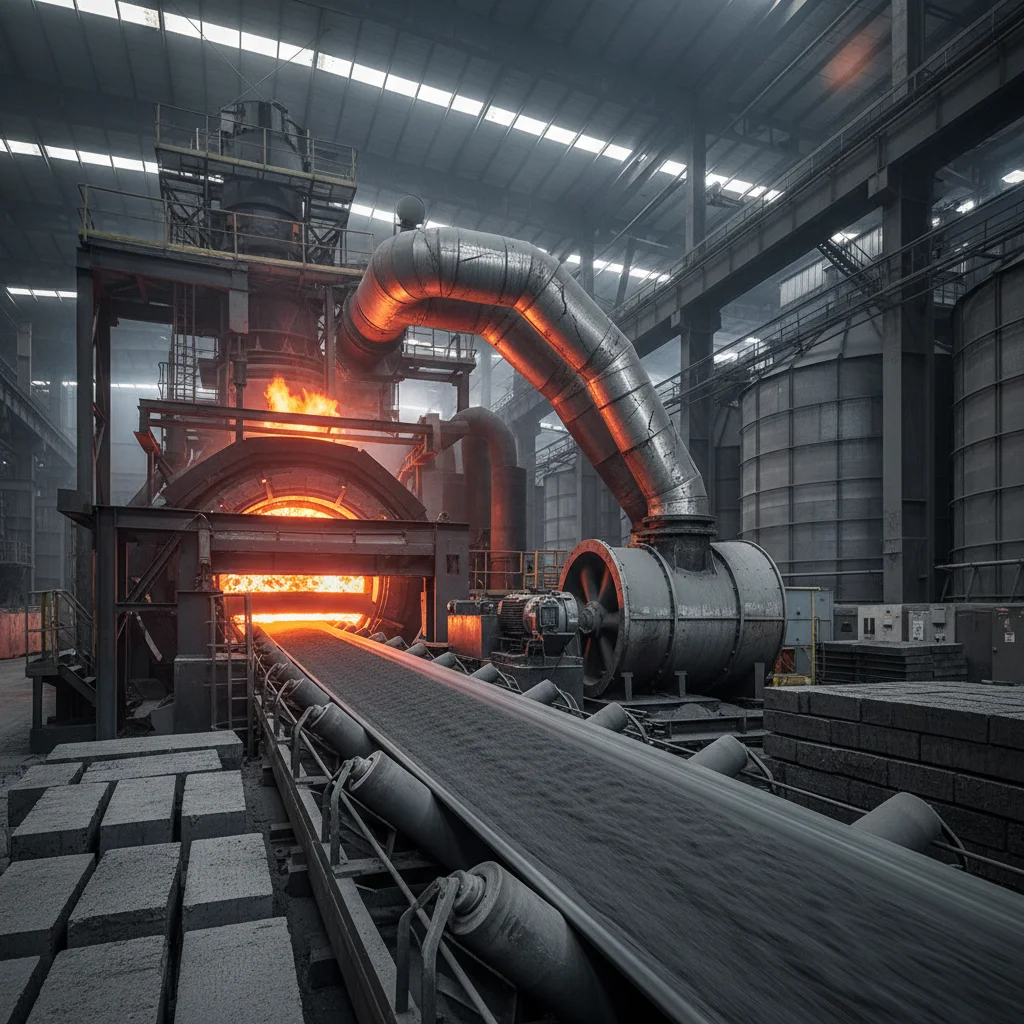
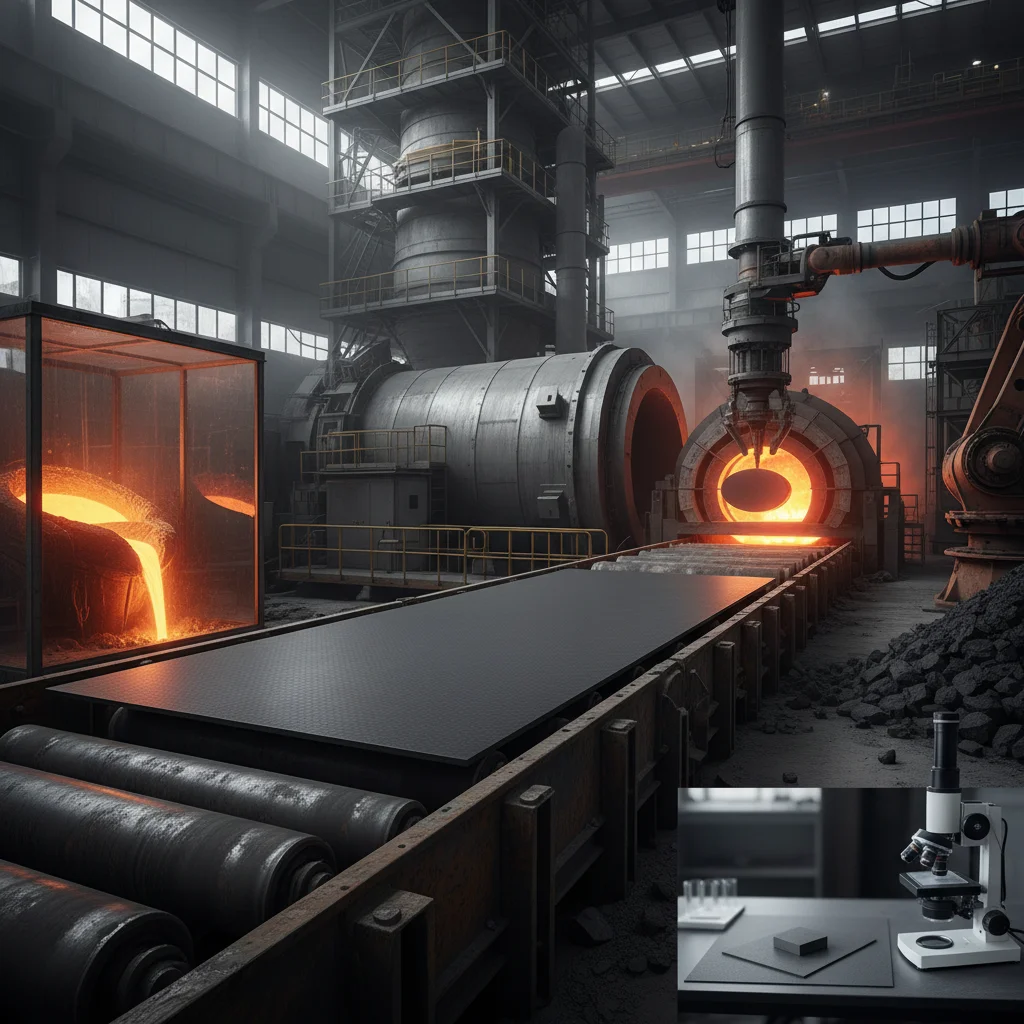
The graphite spool market isn’t static. Green energy pushes demand for components that can handle battery and fuel cell manufacturing better, while automation calls for ultra-precise spool control. Expect to see video-monitored inspection systems and AI-driven quality control integrated soon, especially at graphite spool manufacturers.
New material blends—hybrid composites mixed with graphite—could add strength without sacrificing thermal properties, while digital twin models let engineers simulate spool performance decades ahead. It’s a space buzzing quietly with innovation, if you look closely.
Challenges and How the Industry Is Tackling Them
Graphite spools do face hurdles: their brittleness can cause cracking if mishandled. Plus, some lower grades degrade faster under aggressive chemicals. Fortunately, advanced resin coatings and reinforced graphite composites have helped dramatically reduce these issues.
Another perennial challenge is supply chain pressure. Global graphite supply depends on a handful of mining regions, which can cause price spikes. Diversifying sources and recycling scrap are twin strategies that experts push to stabilize the market.
FAQ: Your Most Common Questions About Graphite Spools
- What makes graphite spools better than traditional metal spools?
- Graphite spools resist heat and corrosion much better than most metals, while also reducing wear due to their natural lubrication—leading to longer operational lifespans and fewer process interruptions.
- How customizable can graphite spools get?
- Manufacturers offer custom dimensions, grades, and coatings to match nearly any industrial need—from small electronic wiring to giant-powered cables. Custom orders typically take between 1–4 weeks.
- Are graphite spools eco-friendly?
- Yes, graphite is recyclable and generally non-toxic, which makes graphite spools a more sustainable choice compared to plastic or metal spools that require heavy machining or produce waste.
- Can NGOs import graphite spools for emergency relief operations?
- Absolutely. Many suppliers, including at graphite spool, assist NGOs with international shipping and rapid delivery services for urgent response needs.
- How does graphite spool technology influence innovation?
- By enabling manufacturers to handle sensitive materials without heat damage or contamination, graphite spools allow newer products—like flexible electronics or advanced composites—to be created reliably and at scale.
Final Thoughts: Graphite Spools Are Quiet Powerhouses
I’ve often noticed that some tech components get overlooked, but they silently make things work day in and day out. The graphite spool is one such unsung hero—critical for anyone looking to optimize durability, sustainability, and efficiency in their processes.
If you want to dive deeper or explore product options, definitely visit graphite spool specialists. It feels good knowing you’re investing in something trusted by industries worldwide and future-ready, too.