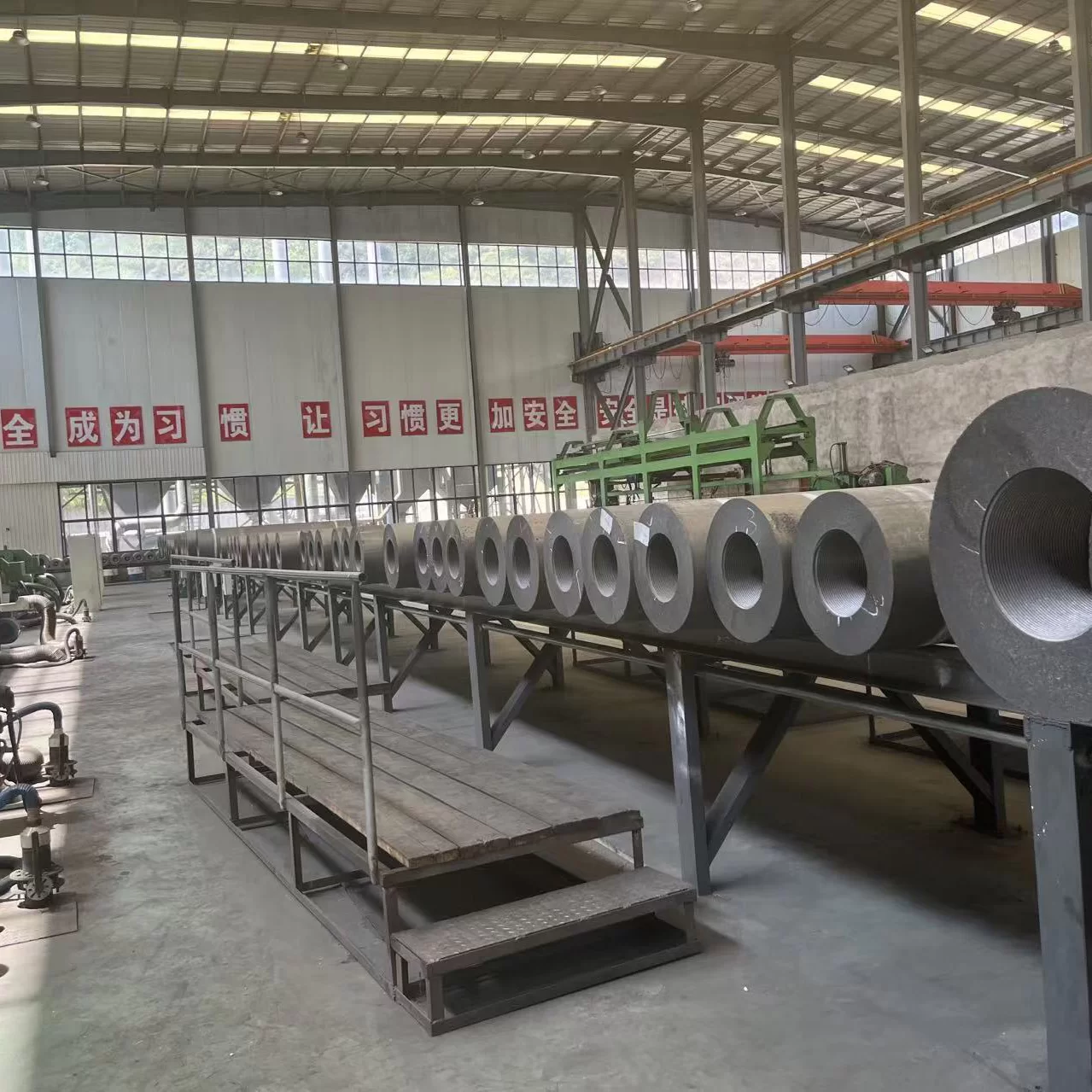
Understanding Graphite Stone: Why It’s More Than Just a Mineral
If you’ve ever poured over materials used in industrial manufacturing, sustainable energy, or even cutting-edge electronics, you might have come across the term “graphite stone.” But why does it matter so much? Globally, graphite stone powers industries that shape our modern lives — from electric vehicles driving on the streets to thermal management in space tech. Grasping its properties isn’t just for chemists or engineers; it’s essential for anyone interested in sustainable innovation and the future of materials science.
In fact, the demand for graphite has surged dramatically, with the World Bank predicting a strong upward trend thanks to electric vehicle (EV) batteries and renewable energy systems. By understanding this remarkable natural resource, manufacturers and end-users alike can make smarter choices that benefit economies, the environment, and ultimately, human progress.
Graphite Stone in the Global Context: A Strategic Resource
Let’s zoom out for a moment. The global graphite market was valued at nearly $20 billion in 2023, and it’s expected to keep growing steadily. The United Nations Environment Programme (UNEP) highlights graphite as a “critical mineral” — meaning its availability affects everything from clean energy rollout to defense technologies. Yet, the challenge is real: sourcing high-quality graphite stone sustainably, without damaging landscapes or local communities.
Industrial demand leans heavily on graphite’s unique properties—its conductivity, heat resistance, and strength. Plus, as renewable energy shifts increase, we’re seeing mining sites emerging in countries like Mozambique and Canada to reduce supply chain vulnerabilities strained by geopolitics. The challenge? Balancing extraction with responsible practices. The stakes are high.
So, What Exactly Is Graphite Stone?
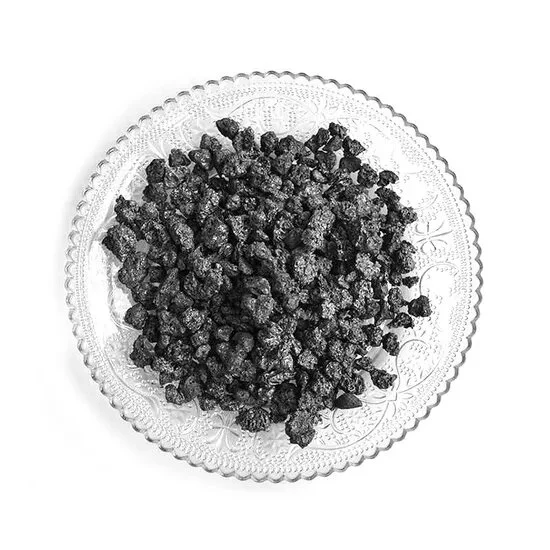
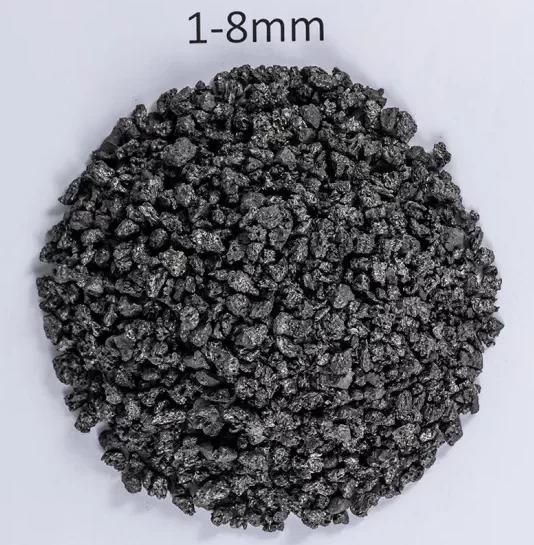
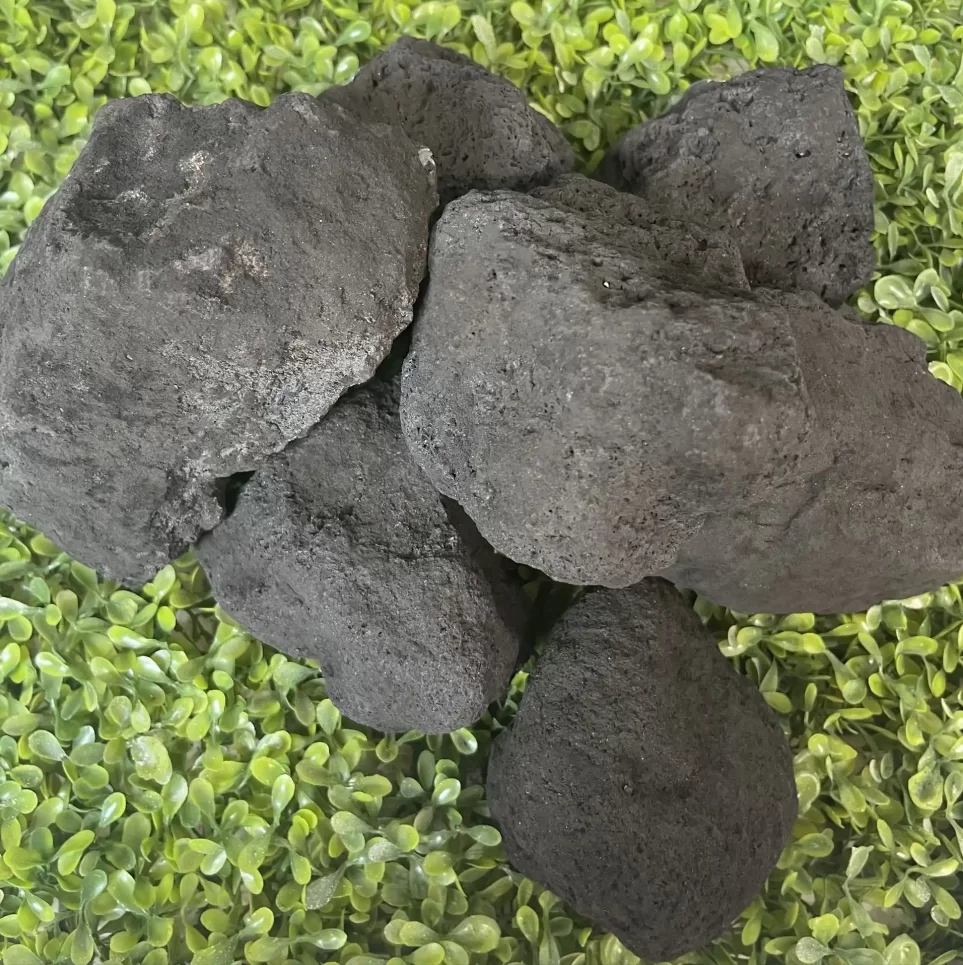
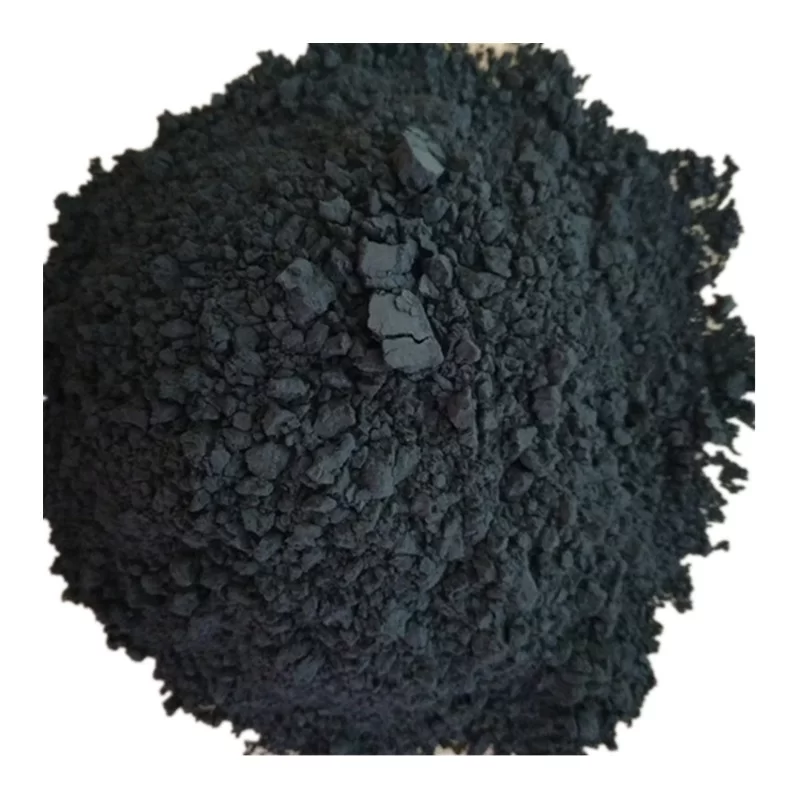
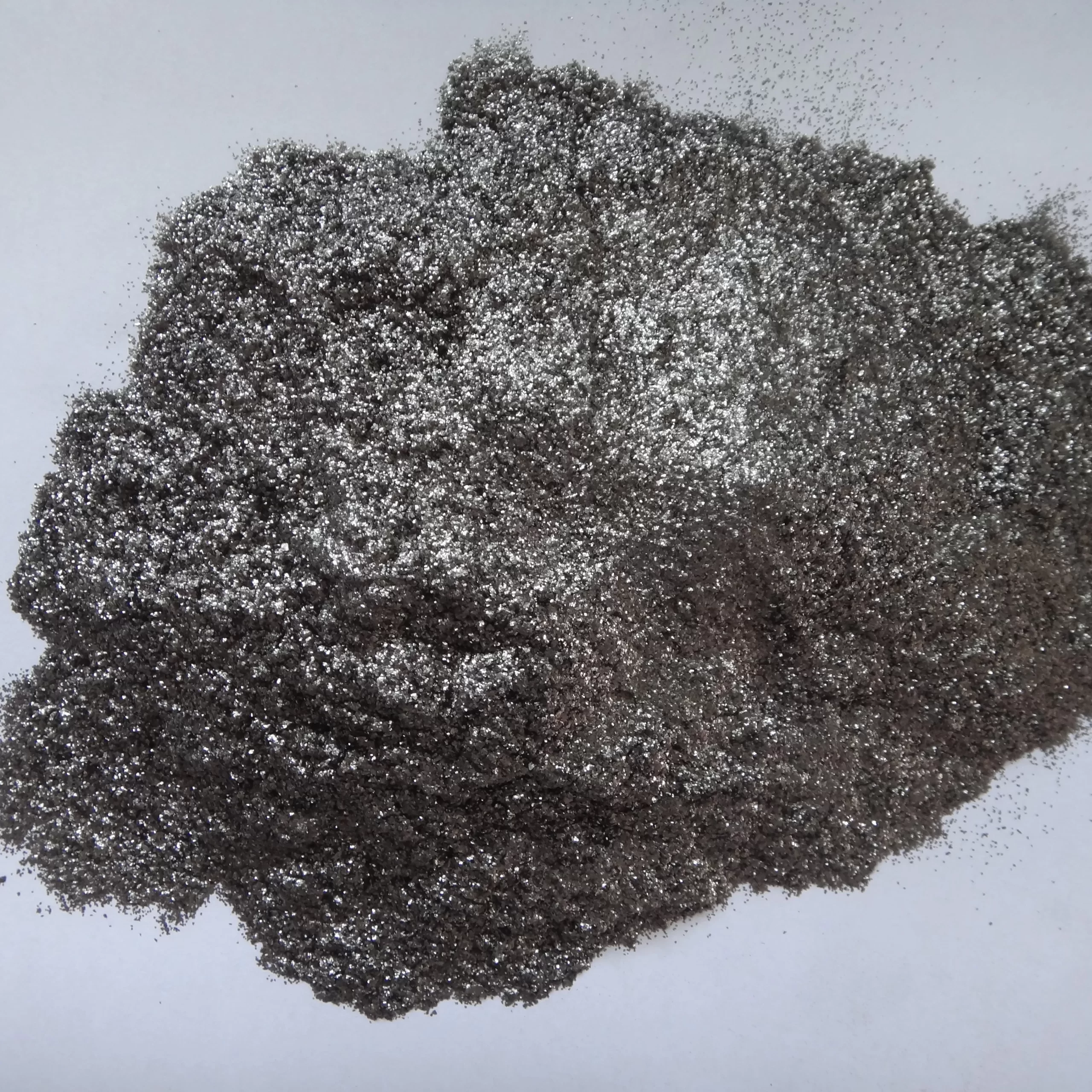
Graphite stone is a naturally occurring form of carbon, arranged in layered sheets that make it slippery, heat-resistant, and electrically conductive. Unlike its close cousin diamond, graphite’s structure means it’s soft to the touch — sort of like pencil lead, right? But in industry, this softness translates into vital roles, from lubricants to electrode materials.
What’s more, graphite stone’s adaptability is impressive. It finds a place in batteries (especially lithium-ion types powering EVs), nuclear reactors, machining tools, and even aerospace components designed to endure extreme temperatures — all because it blends resilience with predictability.
Key Characteristics of Graphite Stone and Why They Matter
1. Thermal Conductivity
Graphite stone conducts heat excellently, which means it’s invaluable in components where dissipating or withstanding heat is crucial. Many engineers say this property helps improve the lifespan and safety of electronic devices or industrial machinery.
2. Electrical Conductivity
Because it easily carries electrical current, graphite stone becomes the core material in electrodes and battery anodes. In EV battery technology, it’s almost irreplaceable for now.
3. Lubrication
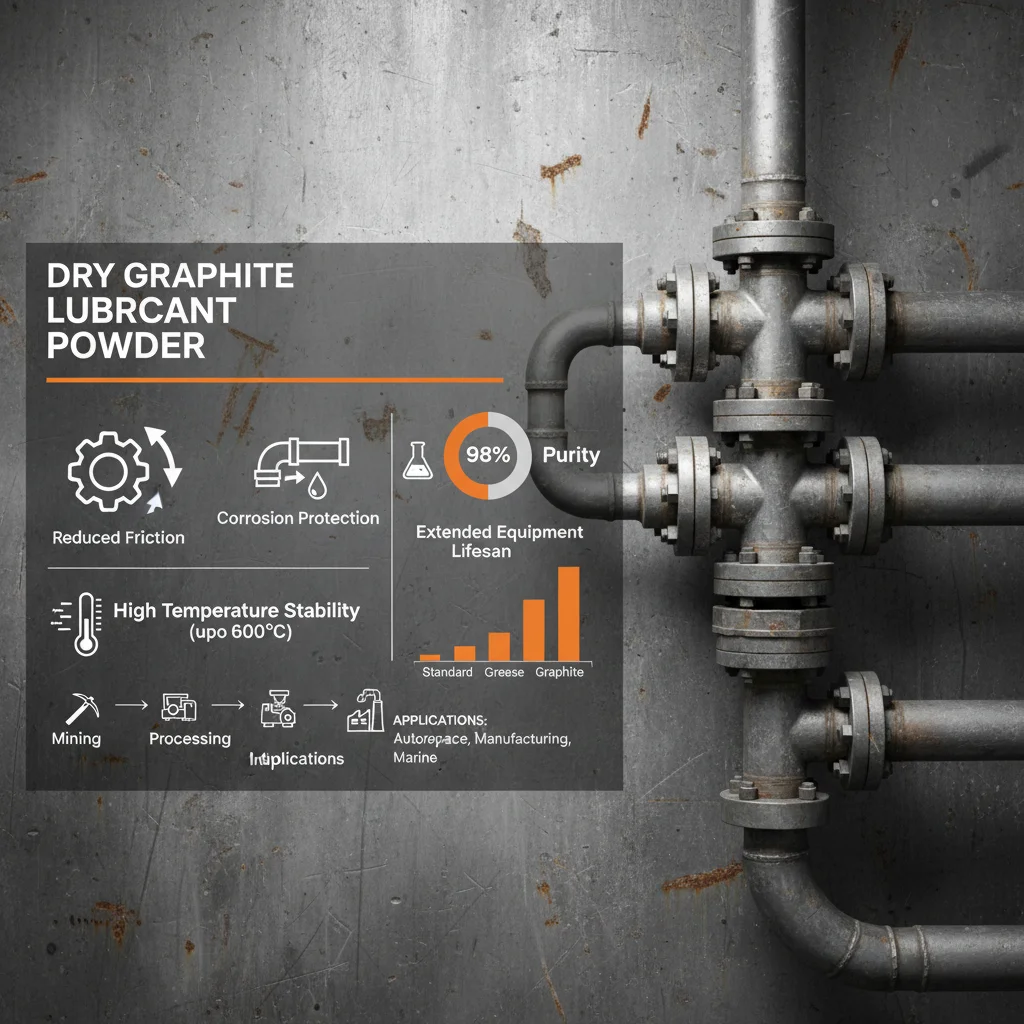
Its layered structure allows sheets to slide over one another, reducing friction. This is why graphite stone is a trusted dry lubricant in harsh conditions where liquid lubricants might fail.
4. Chemical Stability
Graphite resists many chemicals and remains stable even under high temperatures, making it a long-lasting option where other materials corrode quickly.
5. Mechanical Strength
Though soft in feel, graphite stone exhibits solid compressive strength, making it a favored component in forging, casting, and manufacturing molds.
Global Applications & Real-World Use Cases
Graphite stone’s reach is vast. Here’s how it comes to life on the ground:
- Electric Vehicles (EVs): Graphite stone is at the heart of battery anodes, powering cars quietly and cleanly, shifting away from fossil fuels.
- Renewable Energy Storage: Grid-scale batteries rely on graphite to maintain efficiency and durability, supporting solar and wind power's inconsistent output.
- Aerospace & Defense: Components exposed to extreme heat often incorporate graphite stone for insulation and structural integrity.
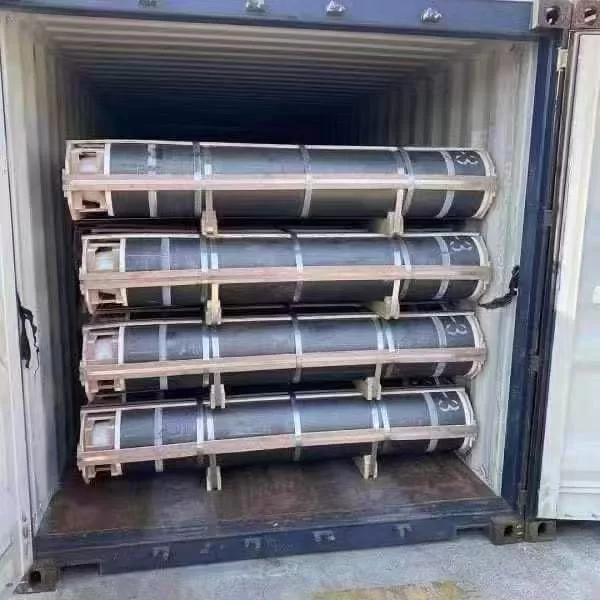
- Industrial Manufacturing: Graphite-based molds, seals, and lubricants improve manufacturing efficiency and product quality globally.
- Post-Disaster Recovery: In remote zones needing reliable energy storage and durable tooling, graphite stone solutions show up unexpectedly but significantly.
Regions like East Asia, North America, and parts of Africa lead production and innovation in this space, illustrating a complex but cooperative global supply chain.
Advantages & Long-Term Value of Graphite Stone
Why do planners, engineers, and sustainability experts place so much trust in graphite stone? Simply put, it offers tangible and emotional returns:
- Cost Efficiency: While mining and refining have upfront costs, graphite stone enhances product performance and longevity, reducing replacement expenses.
- Environmental Sustainability: Graphite is naturally abundant and increasingly sourced through responsible mining practices, aligning with global green ambitions.
- Social Impact: Ethical sourcing can create jobs and uplift communities, reflecting broader values beyond pure economics.
- Reliability & Safety: Its stable chemical nature and heat resistance build trust in high-stakes applications, like nuclear or aerospace.
It feels a bit like investing in a foundation stone for a better future: steady, silent, but essential.
Product Specification Table: Typical Graphite Stone Properties
| Property | Typical Range | Units |
|---|---|---|
| Purity (C) | 85 - 99.9 | % |
| Thermal Conductivity | 80 - 200 | W/m·K |
| Electrical Conductivity | 1,000 - 5,000 | S/cm |
| Compressive Strength | 20 - 80 | MPa |
| Coefficient of Thermal Expansion | 4 - 8 | ×10⁻⁶ /K |
Vendor Comparison: Leading Graphite Stone Suppliers (2024)
| Vendor | Graphite Quality (%) | Sustainability Ratings | Global Reach | Typical Lead Time |
|---|---|---|---|---|
| Dah Carbon Industries | 99.7 | Excellent (ISO 14001) | Worldwide | 2-4 weeks |
| Graphstone Ltd. | 98.5 | Good (ISO 9001) | Asia, Europe | 3-6 weeks |
| PureCarbon Group | 99.0 | Moderate (pending certification) | North America | 4-8 weeks |
Emerging Trends & Innovations in Graphite Stone Use
The future isn’t flat — nor is graphite stone. Innovations are pushing materials science forward on multiple fronts:
- Green Mining Technologies: Cleaner extraction methods reduce CO₂ footprints and water contamination, which industry insiders expect to become standard in the coming years.
- Battery Improvements: Research into higher-capacity graphite blends could extend EV ranges drastically, changing how we think about driving and urban planning.
- Digital Integration: Smart sensors using graphite composites enable better performance tracking of industrial tools — kind of like a fitness tracker, but for machines.
- Recycling & Circular Economy: Efforts to reclaim graphite from spent batteries are gaining momentum, turning waste into raw material again.
Common Challenges & Practical Solutions
Even with all its promise, graphite stone faces typical resource challenges. Variability in quality, environmental impacts, and demand spikes can create tensions.
Experts suggest:
- Implementing strict quality control using advanced sensors and AI diagnostics.
- Collaborating internationally to establish best practices for ethical sourcing.
- Investing in recycling infrastructure as a parallel supply source.
Some promise, eh? It’s not always smooth but each hurdle offers a chance to rethink and improve.
FAQ: Frequently Asked Questions About Graphite Stone
Q1: What makes graphite stone invaluable for battery manufacturing?
A1: Its excellent electrical conductivity and stable, layered structure allow an efficient flow of electrons, crucial for battery efficiency and longevity, especially in lithium-ion cells. These features help EV batteries perform better and last longer.
Q2: How do companies ensure the sustainability of graphite stone mining?
A2: Responsible suppliers comply with certifications like ISO 14001 and integrate green mining techniques that minimize environmental impact, such as water recycling and reduced chemical use, ensuring ethical sourcing.
Q3: Can graphite stone be recycled or reused?
A3: Yes, increasing focus is on recycling graphite from spent batteries and manufacturing waste. While still emerging, this reduces dependence on raw mining and supports a circular economy.
Q4: How long does graphite stone-based tooling last in industrial settings?
A4: Thanks to its heat resistance and chemical stability, tooling made from graphite stone can last years under harsh conditions, reducing downtime and maintenance costs.
Q5: Is graphite stone suitable for applications beyond energy and manufacturing?
A5: Absolutely. It’s used in aerospace, nuclear reactors, and even art supplies, highlighting its diverse relevance across sectors.
Wrapping It Up: Why Graphite Stone Should Matter to You
Graphite stone isn’t just a miner’s product — it’s the backbone of many modern comforts and critical industries. Its long-term benefits span cost savings, technological breakthroughs, and environmental gains. Whether you’re a business leader looking to source smarter or an enthusiast tracking sustainable tech, this mineral deserves a spotlight.
Want to dig deeper into graphite solutions? Visit our website at Dah Carbon Industries for detailed product offerings and insights.
1. United Nations Environment Programme (UNEP)
2. World Bank Data on Minerals
3. Wikipedia: Graphite